

Easy To Digest GLP 1 Supplements
(0 Results)
Easy to digest supplements may offer a convenient option for those looking to support their wellness routines. Formulated with gentle ingredients, these supplements could be suitable for individuals seeking products that are easy on the stomach. Explore a variety of easy to digest supplements that might fit seamlessly into your daily habits and help you maintain your personal health goals.
-
-
-
-

-
-
-
-
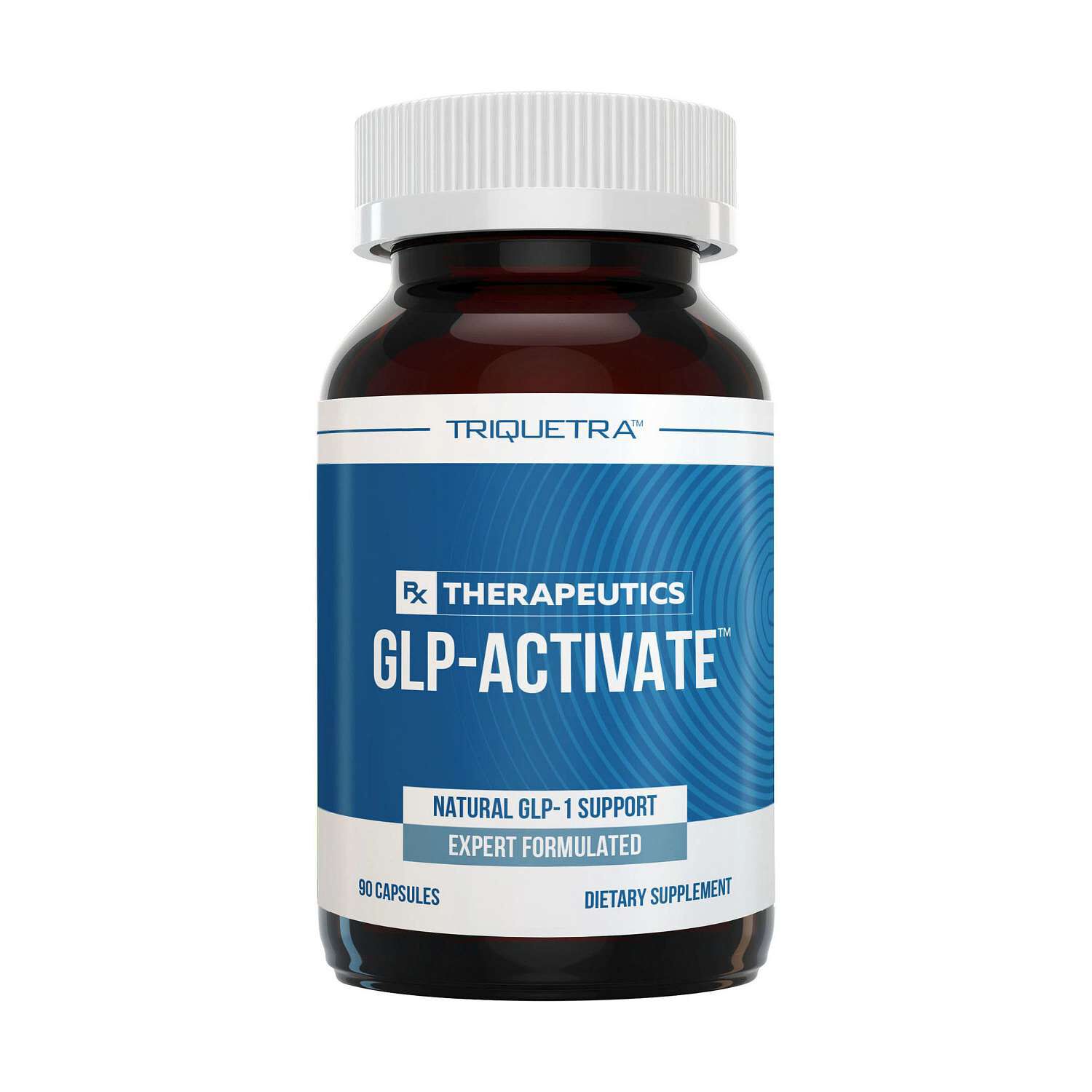
-

-
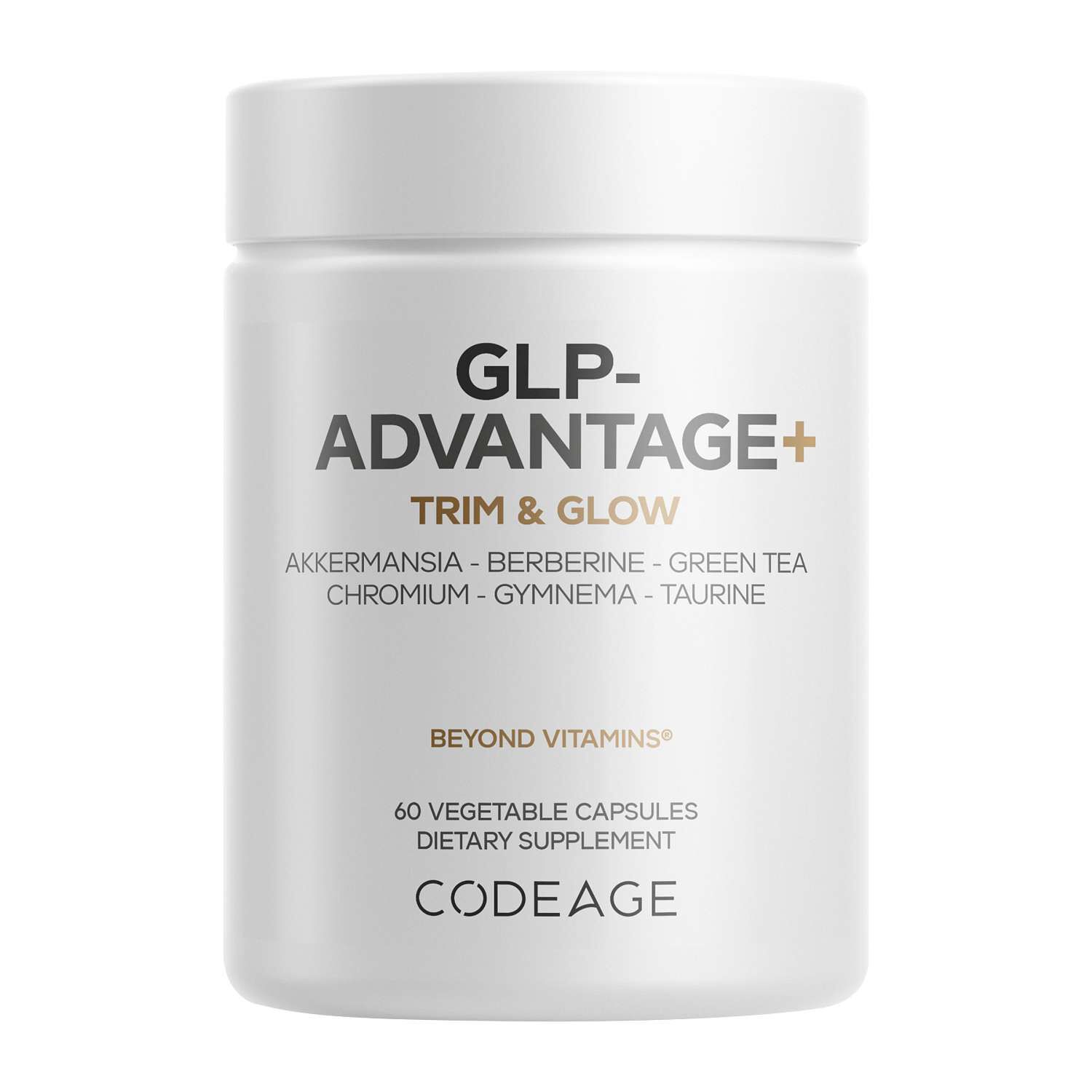
-

-
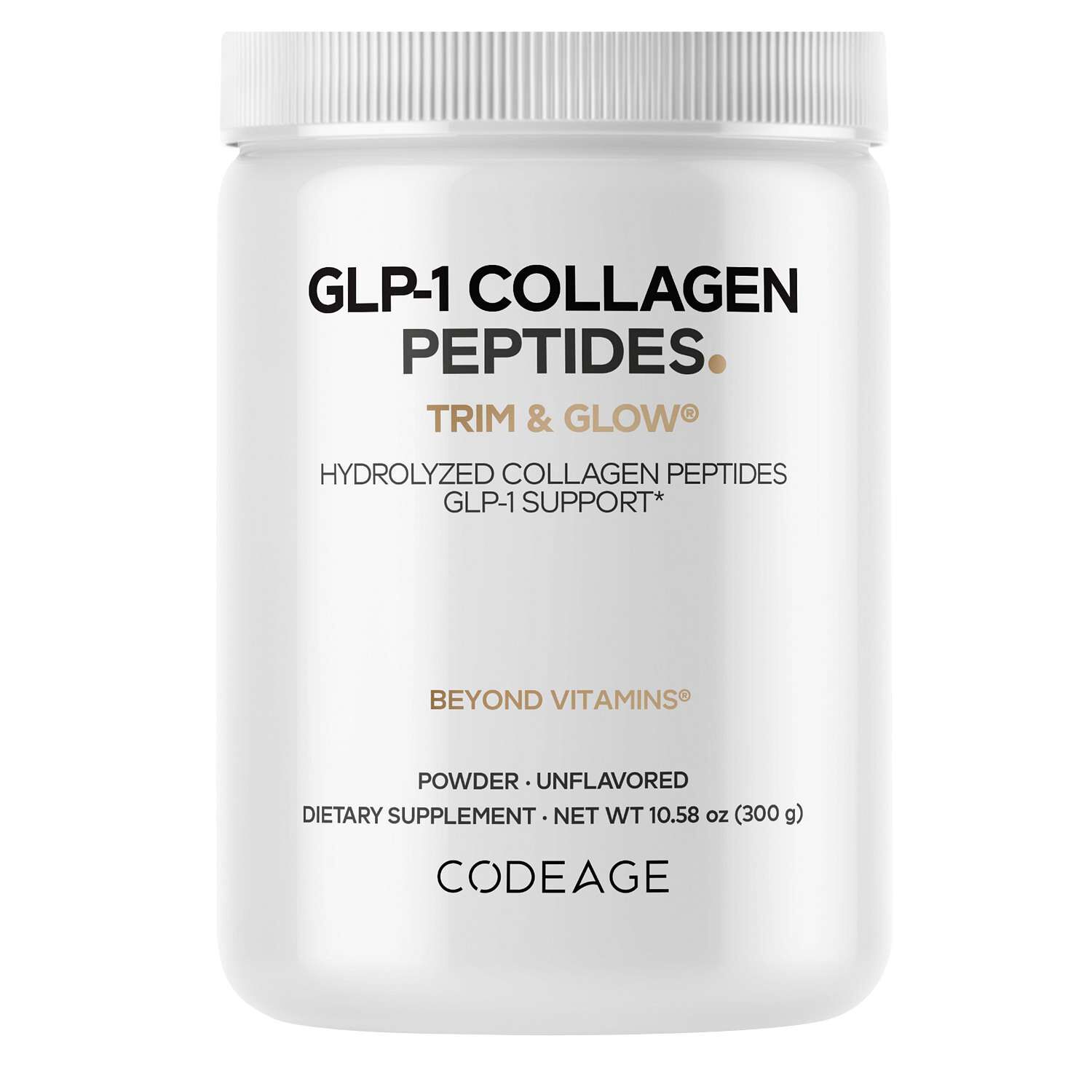
-

-

-
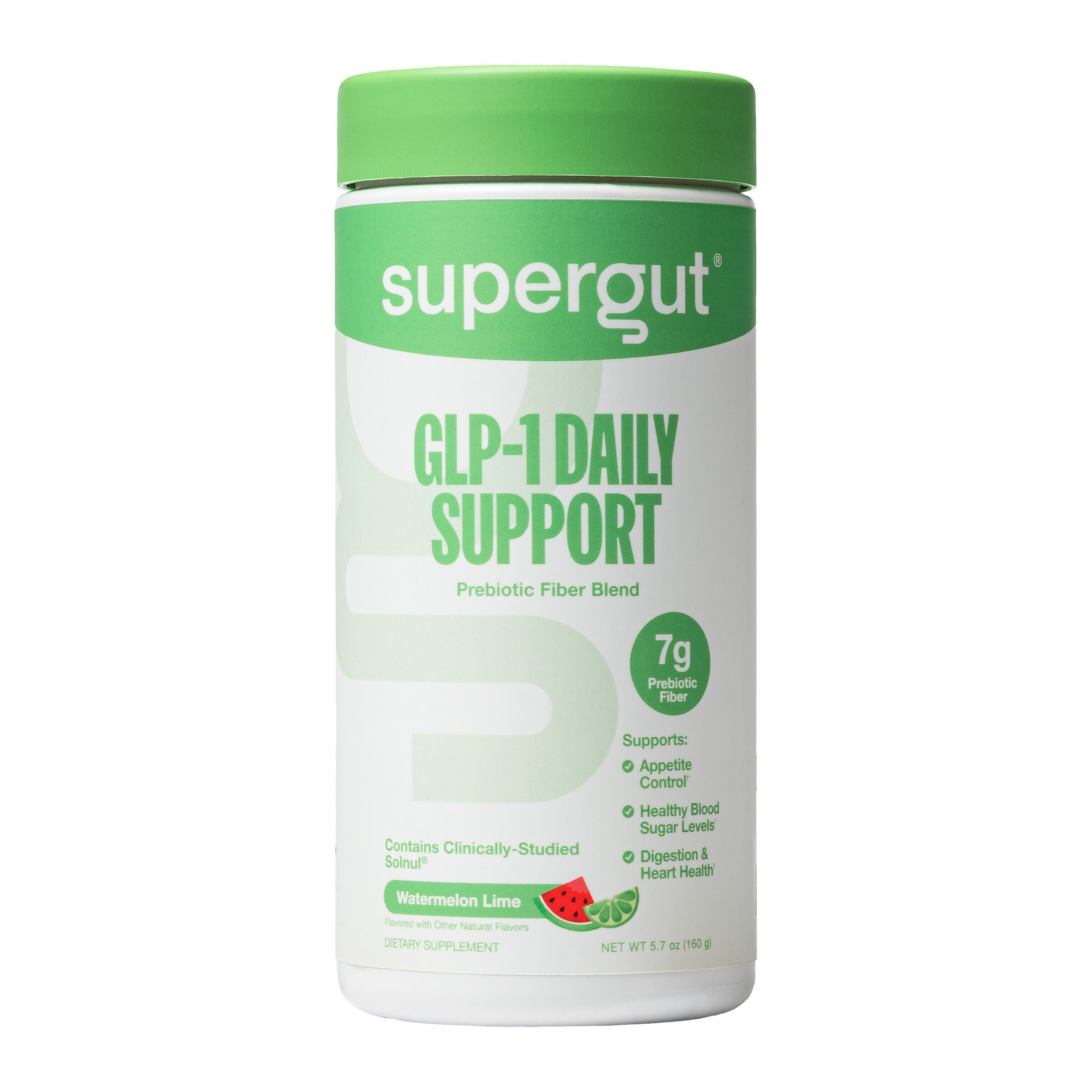
-
-

-
 $79.99


For shoppers exploring easy-to-digest supplements, format, ingredient selection, and preparation are useful points of comparison. Powders, ready-to-drink beverages, liquid vitamins, capsules, and chewables each have different serving instructions and practical considerations. A powder may suit someone who prefers adjusting the amount of liquid in a drink, while a prepared beverage may be convenient for a commute or a busy afternoon away from home. Liquid and chewable formats may appeal to people who prefer an alternative to capsules, although the format alone does not establish how a supplement will feel after use. Protein powders are one category to compare closely. Whey isolate, hydrolyzed whey, plant-based protein, and collagen peptides differ in their sources, processing, amino acid profiles, and suggested uses. Hydrolyzed protein has been processed into smaller peptide fragments, but that detail should not be treated as a universal statement about digestive comfort. Whey isolate formulas also vary in lactose content, flavoring, and other ingredients, so the label remains more informative than the category name alone. Collagen peptides have a different amino acid profile from whey or plant-based blends and should not be viewed as interchangeable with every other protein option. For someone who enjoys a simple morning shake, an unflavored powder may fit an existing routine; for someone who prefers a prepared drink, texture and flavor may matter just as much as the nutrition panel. The most useful comparison includes the protein source, grams per serving, serving size, preparation directions, and ingredient list. Milk, soy, egg, and other allergen statements deserve attention when those ingredients are relevant to personal preferences or dietary requirements. Descriptions such as smooth, light, or easy to mix describe particular characteristics, not a uniform experience for every shopper. A thoughtful selection starts with what the supplement contains, how it is intended to be used, and whether its format fits the meals and beverages already familiar in everyday life.
Ingredient details also matter when comparing fiber powders, electrolyte blends, and vitamin formats within an easy-to-digest supplement assortment. These categories have different purposes and should not be treated as substitutes for one another simply because they share a powder or liquid format. For fiber, look at the named source and the amount listed per serving rather than relying only on broad packaging language. Psyllium, inulin, and other fiber ingredients have different preparation characteristics, and the package directions specify how much liquid to use and how to mix the serving. Some mixtures may become thicker after standing, making preparation time another practical point of comparison. Electrolyte labels identify minerals such as sodium, potassium, and magnesium, with amounts that vary across formulas. Comparing those amounts, along with the stated serving size and mixing directions, gives a clearer picture than comparing container size alone. Vitamin powders, liquids, and chewables likewise differ in nutrient amounts and serving instructions; a small serving is not necessarily equivalent to a larger serving of another format. Sweeteners, sugar alcohols, added fibers, oils, and flavoring ingredients are worth reviewing because individual preferences and tolerance may vary. A creamy beverage may appeal to one person, while another may prefer a thinner mixture with a mild flavor. Someone preparing a shake at a kitchen counter has different needs from someone mixing a drink in a narrow bottle at work. The first setting allows room for a blender, measured liquid, and a glass; the second favors straightforward mixing directions and a container that closes securely. Following the stated preparation method keeps those comparisons grounded in the intended use of the formula. Combining several supplement categories also makes overlapping nutrients relevant, so each label deserves its own review rather than assuming different formats contain different ingredients. For questions about personal suitability, a qualified healthcare professional is an appropriate resource; product descriptions and nutrition panels serve as reference information, not individualized recommendations.
Everyday handling is another part of choosing supplements that may fit comfortably into a routine. Packaging, storage instructions, serving tools, and the condition of a container all matter after purchase. A resealable pouch and a rigid tub have different storage footprints, while individually packaged servings may be easier to organize in a desk drawer or travel bag. Keep powders in their original packaging when practical so the ingredient list, serving directions, and date information stay with them. A dry scoop and a securely closed lid help limit moisture exposure, and the package should specify any storage requirements beyond an ordinary cupboard. Ready-to-drink beverages may have separate instructions before and after opening, including refrigeration or a stated period for use. Prepared powder mixtures also deserve attention to the directions rather than assumptions about how long they can sit in a bottle. Reusable shakers require care of their own: washing the lid, threads, mixing insert, and any removable seals according to the container instructions addresses areas that are easy to overlook. For a person who brings a beverage to work, a durable bottle with a secure closure may be more useful than an oversized container that is awkward to carry. At home, a clearly marked measuring tool may make serving preparation more consistent. The same label-focused approach applies when browsing related wellness supplements, with attention to ingredients and intended use rather than format alone. Flavor and texture are practical considerations, too: a subtle powder may work well with an established beverage routine, while a sweeter prepared drink may suit a different preference. Neither choice establishes digestive suitability for everyone. Easy-to-digest supplement shopping is ultimately about comparing the details that matter to the individual: the ingredient source, the serving instructions, the preferred format, and the care required between uses. Those concrete details provide a useful basis for selecting supplements without assuming that one formula or presentation will suit every person.