





Easy To Take Prenatal Vitamins
(0 Results)
Expecting mothers often seek prenatal vitamins that integrate seamlessly into their daily routine, and easy to take prenatal vitamins might be just what they need. These supplements are designed with convenience in mind, potentially offering a simple way to support nutritional needs during pregnancy. Whether in the form of gummies, capsules, or chewables, these vitamins could provide an effortless addition to a busy lifestyle. Discover options that might suit your preferences and help make your prenatal care as smooth as possible.
-

-

-
-

-

-
-
-
-

-

-
-
-
-

-

-

-

-

-
 Portions Master$24.99


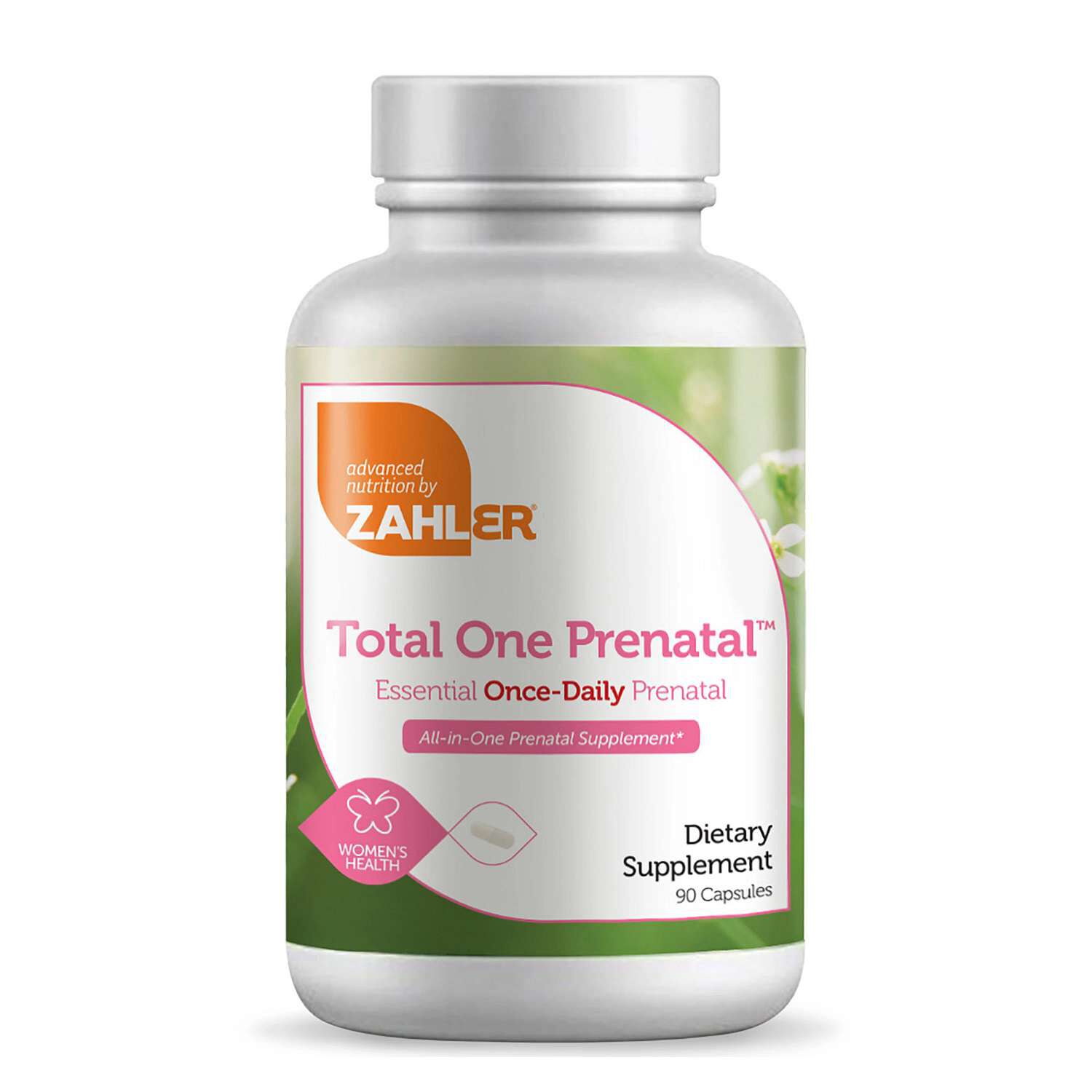
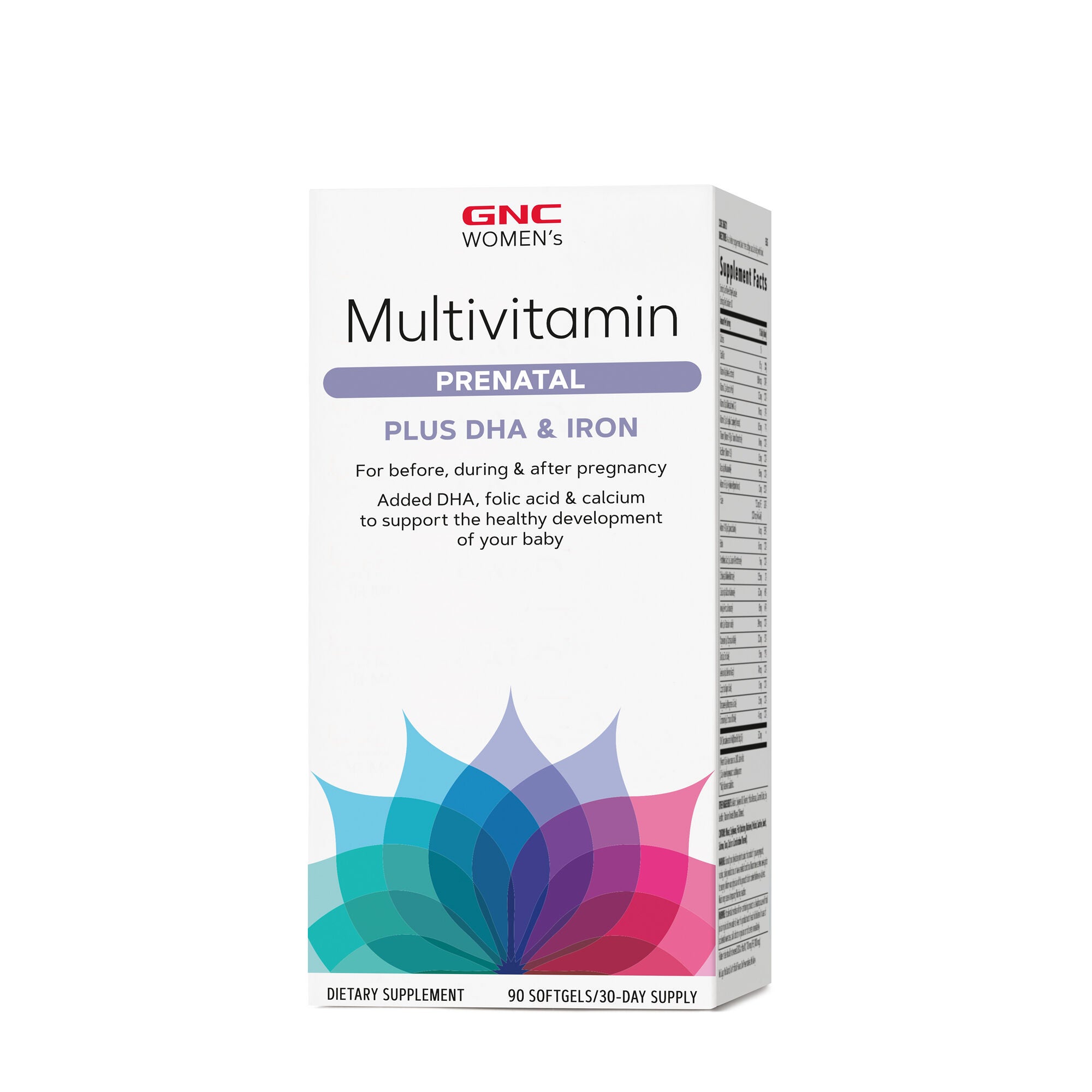
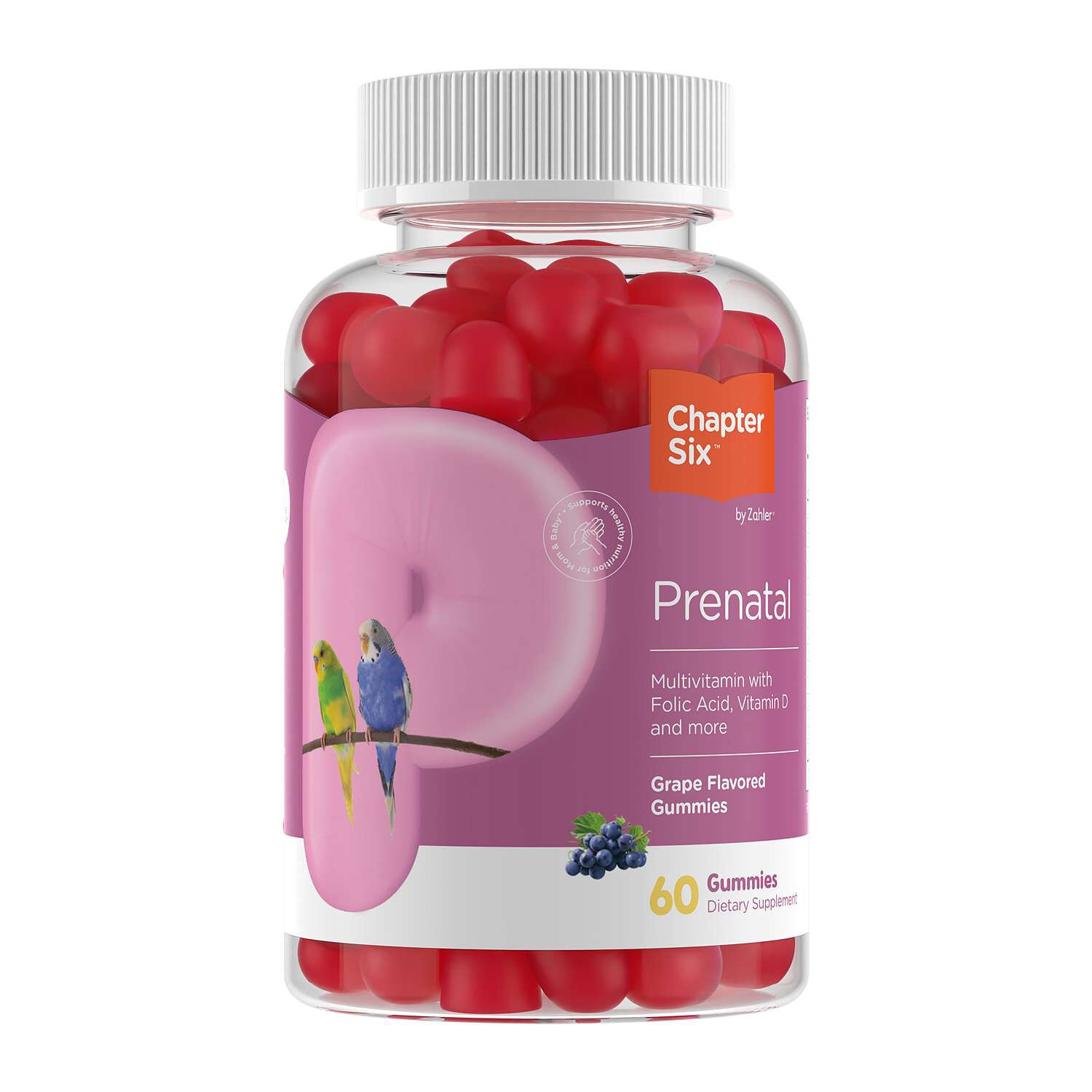
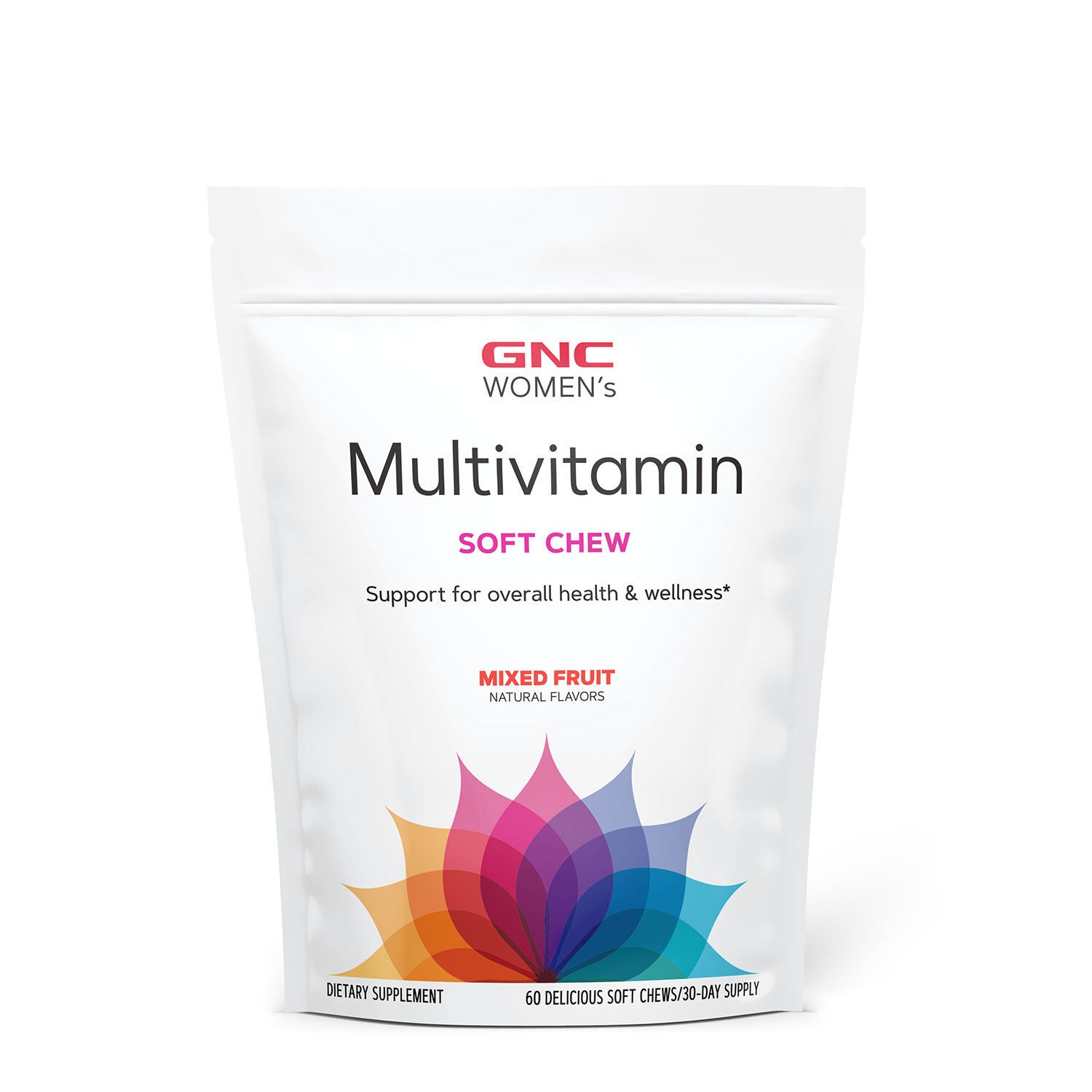
Easy-to-take prenatal vitamins can make a daily routine feel more manageable, especially when traditional tablets are difficult to swallow or when certain scents, textures, and flavors are less appealing than usual. This collection brings together prenatal vitamins in a range of formats, including gummies, chewables, smaller tablets, softgels, liquids, and drink mixes. A simple serving size can be helpful for someone who prefers a quick morning routine, while a smaller pill may suit anyone who finds large tablets uncomfortable to swallow. Gummies and chewables may offer a pleasant texture and familiar flavor, and liquid or powdered formulas could blend easily with water, juice, yogurt, or a favorite smoothie. Prenatal vitamins are commonly chosen by people preparing for pregnancy, expecting a baby, or following guidance from a qualified healthcare professional during this stage of life. They may also make a thoughtful gift for a partner, family member, or friend who is building a new wellness routine, particularly when the giver knows that an easy format matters. For a broader look at popular options and shopping considerations, visit Best Prenatal Vitamins. As the weather warms or the cooler months settle in, a convenient format can make it easier to keep a bottle in a bathroom cabinet, bedside drawer, desk, or travel bag without adding another complicated step to the day.
When comparing easy-to-take prenatal vitamins, start with the serving instructions, format, flavor, and nutrient panel. Some products use one daily serving, while others call for multiple gummies, tablets, or softgels; checking the label can help shoppers choose an option that fits naturally into their schedule. Smaller tablets and mini softgels may be worth considering for anyone who prefers a compact pill, while chewables could be appealing to people who do not enjoy swallowing capsules. Liquid formulas and powders may work well for shoppers who like to pair supplements with breakfast or an afternoon beverage, although flavor and mixing instructions can vary. Folate or folic acid is often featured prominently on prenatal labels, and many shoppers compare products that provide at least 400 micrograms per serving. Iron is another nutrient frequently included, but the amount and form can differ widely among formulas. Some gummy prenatal vitamins may contain little or no iron, so the label deserves a close look before purchase, especially if a healthcare professional has discussed iron with you. Other nutrients shoppers may compare include vitamin D, calcium, iodine, choline, and DHA. A prenatal with DHA may appeal to someone looking for an option that includes an omega-3 fatty acid, while shoppers who prefer a simpler formula may focus on the nutrients they have been asked to prioritize. Because needs can differ based on diet, timing, medications, and personal health history, a qualified healthcare professional can help determine which nutrients and serving amounts fit an individual situation. Reading the Supplement Facts panel and the suggested use directions may also help prevent accidental duplication when a person already takes a multivitamin, mineral, or separate omega-3 product.
Ease of use often comes down to small details that become noticeable over the course of a week: whether the bottle opens smoothly, whether the flavor is comfortable, whether the serving fits beside a morning coffee or evening glass of water, and whether the format travels well. A person with a sensitive stomach may prefer taking a prenatal with food, if the label allows, while another shopper may find a flavored gummy or drink mix more appealing than a capsule. Anyone managing queasiness or a changing appetite may want to consider scent, sweetness, texture, and the option to divide a serving only when the product directions permit it. Gummies may be enjoyable to take, but they can contain added sugars and may not include every nutrient found in a tablet or softgel, so the Supplement Facts panel remains important. Liquids and powders may be convenient at home, yet they can require refrigeration, measuring, or thorough mixing depending on the formula. Smaller pills may be discreet for travel, but some shoppers may prefer a chewable format when water is not nearby. Storage directions, expiration dates, allergen statements, dietary preferences, and third-party quality information can also shape a confident purchase. For a gift, consider the recipient’s preferred flavors, swallowing preferences, daily schedule, and whether they have already chosen a prenatal with guidance from a healthcare professional. The most suitable option is often the one that feels realistic to use day after day, fits comfortably into an existing routine, and offers a nutrient profile that aligns with the label details and personal guidance they have received.
