





Elderberry Capsules With No Soy
(0 Results)
Elderberry capsules with no soy offer a convenient way to incorporate this popular ingredient into your daily routine. Many people seek out supplements that align with their dietary preferences, and choosing elderberry capsules without soy may be a great option for those looking to avoid certain ingredients. Explore a variety of elderberry capsules with no soy that could fit seamlessly into your wellness journey.
-

-

-
 $29.99
-
-

-

-
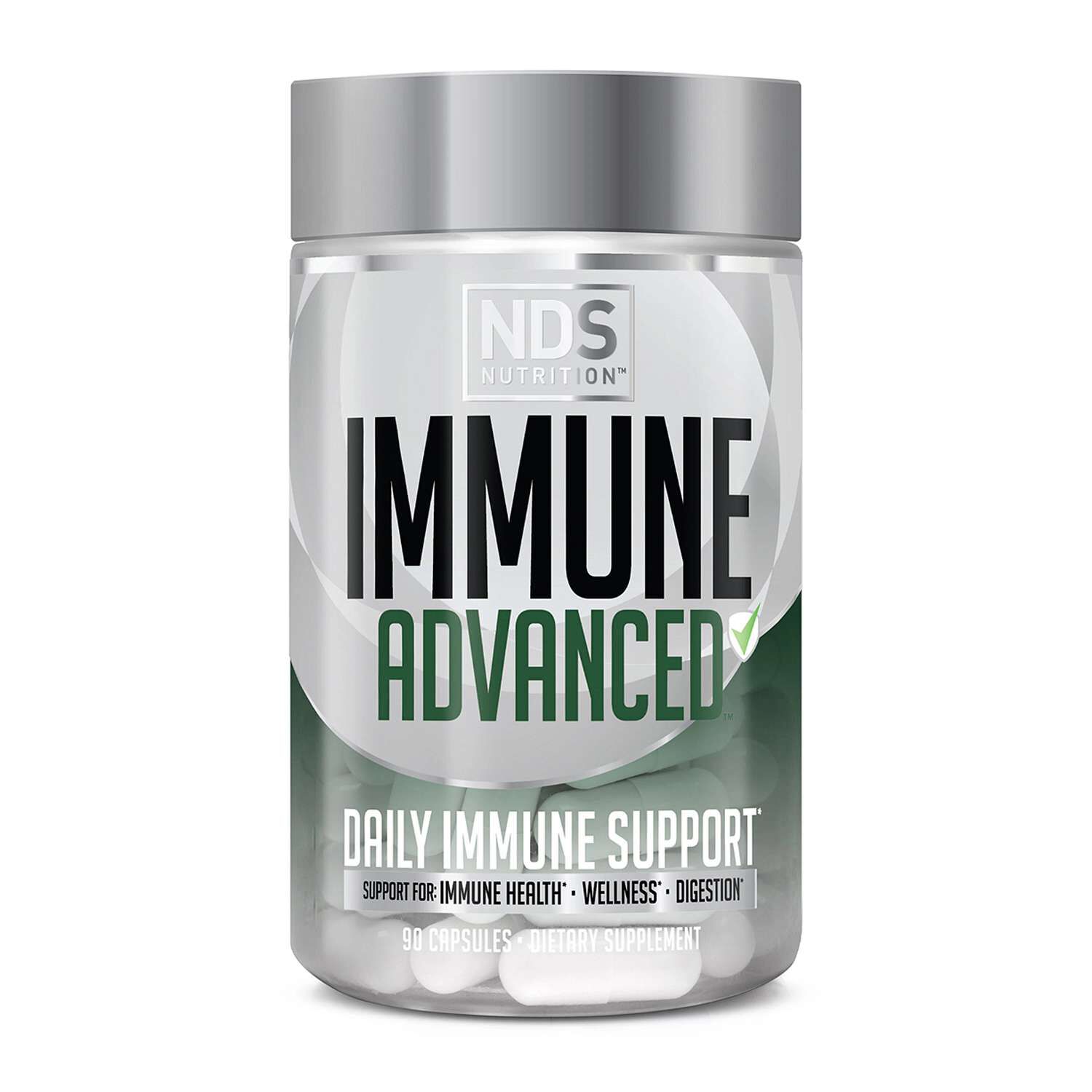

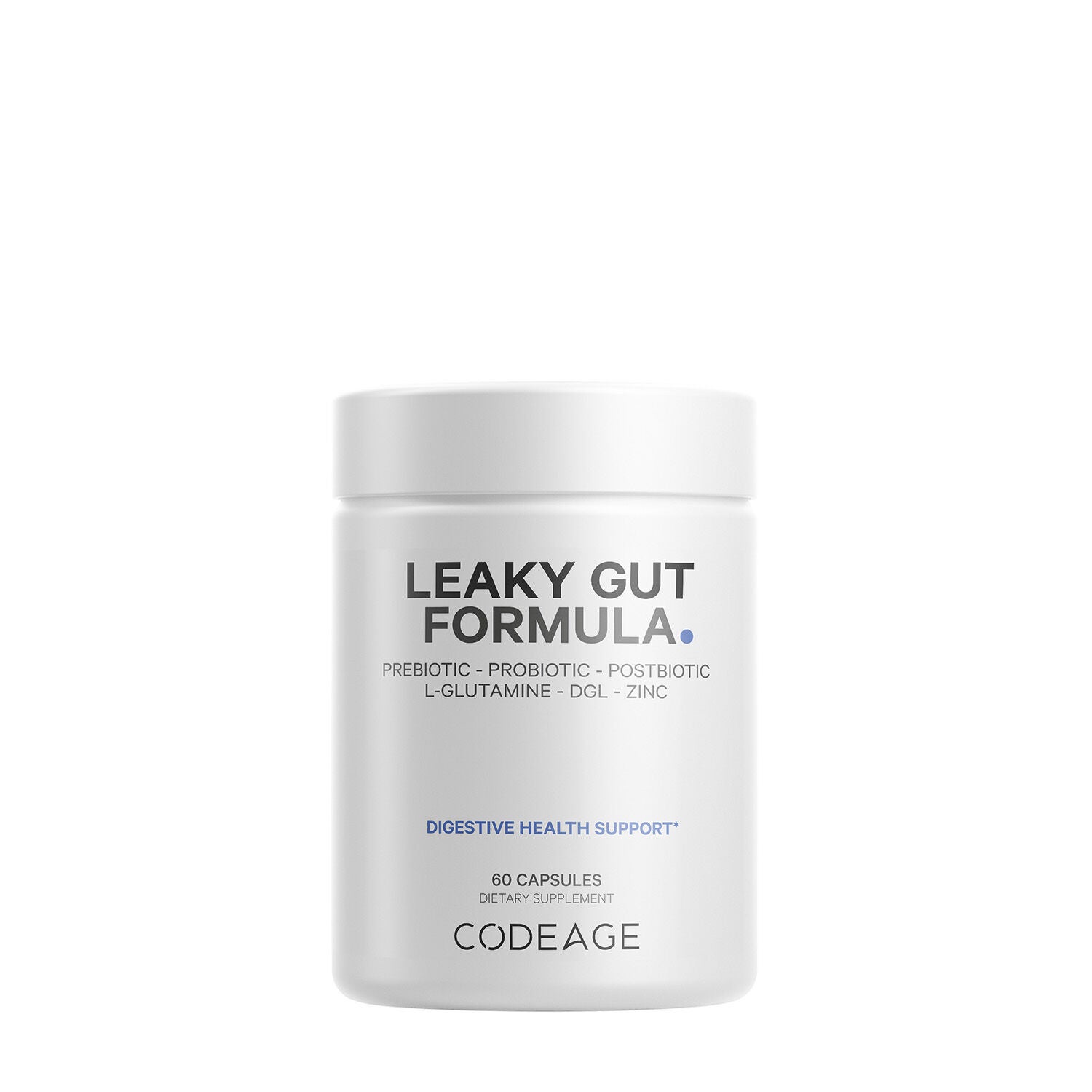
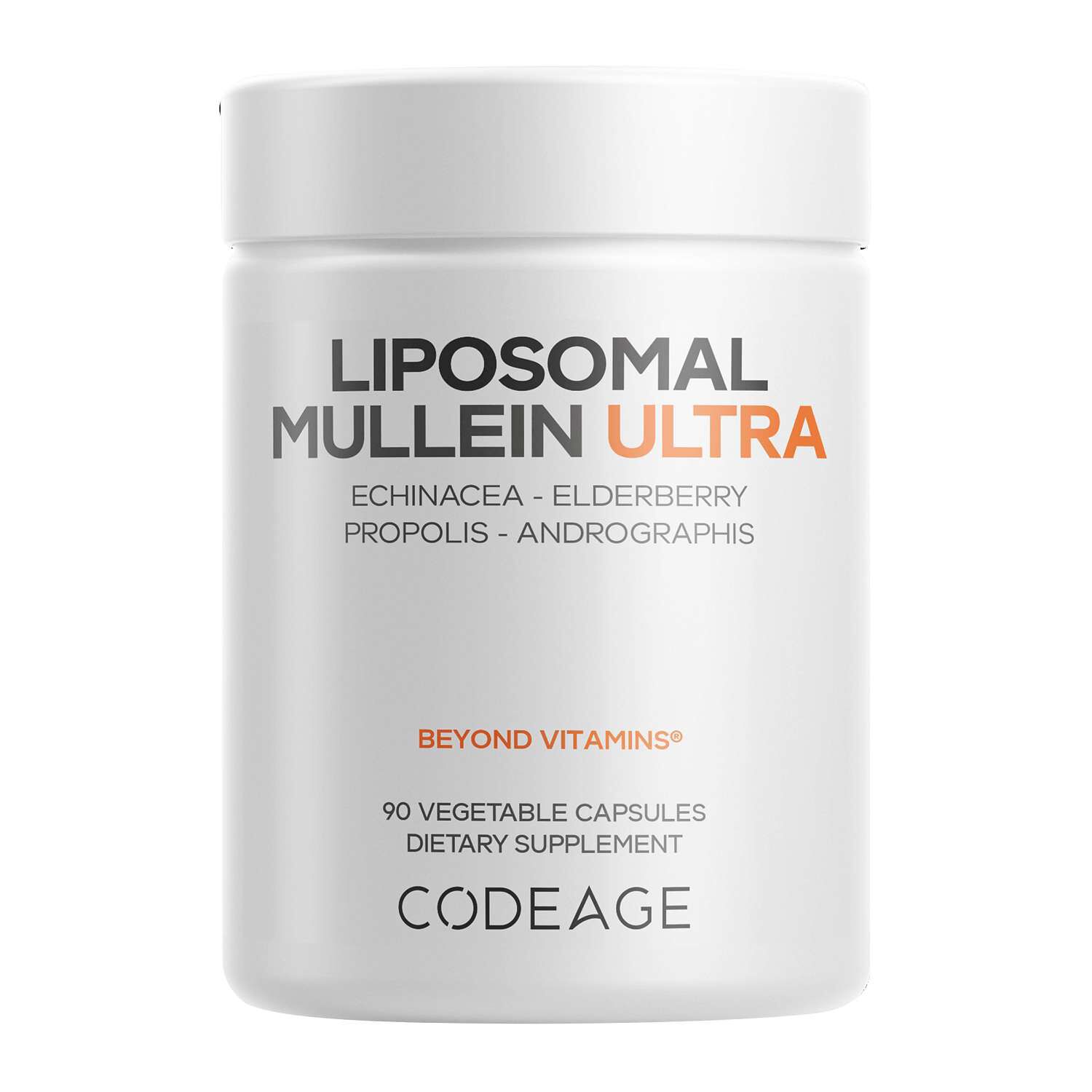
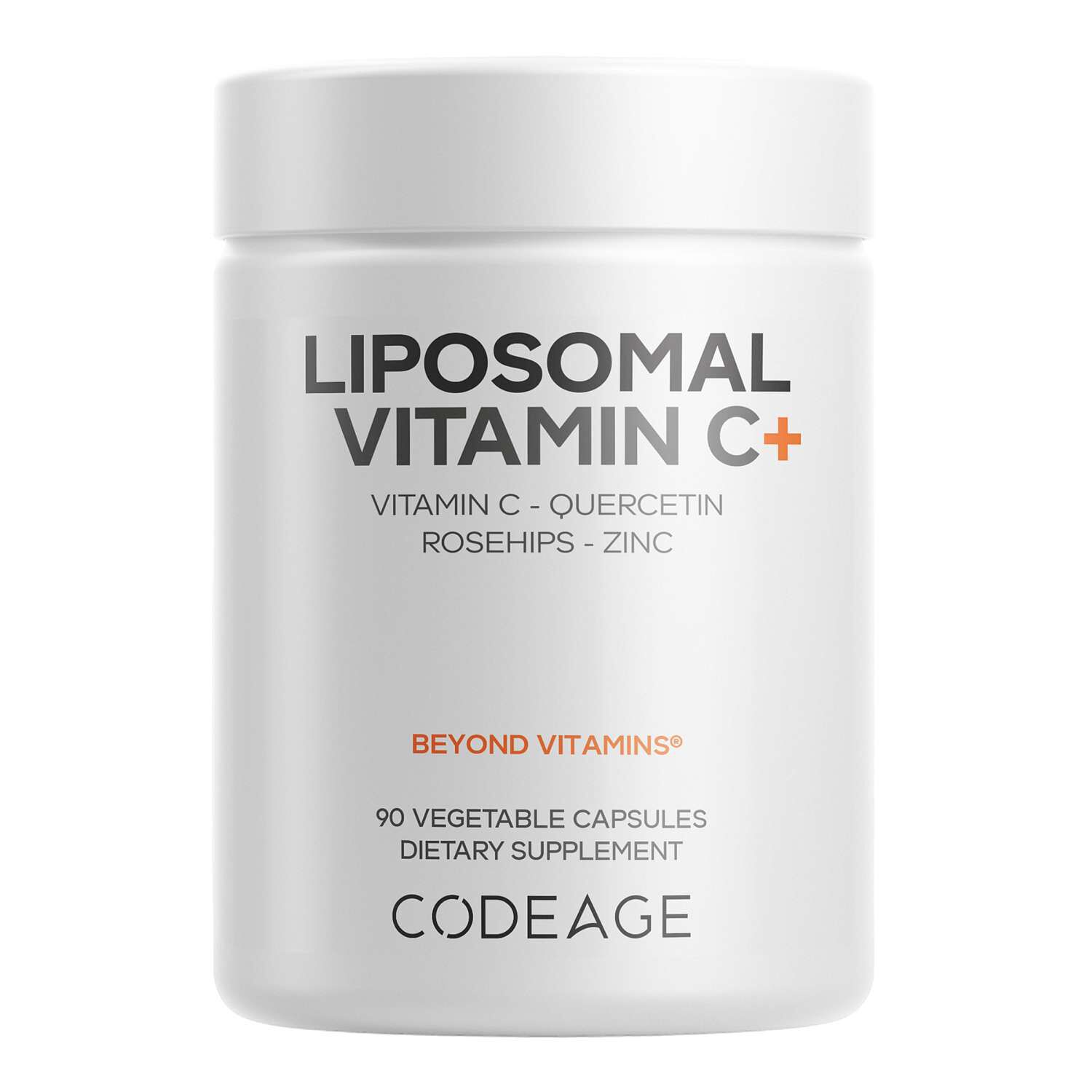
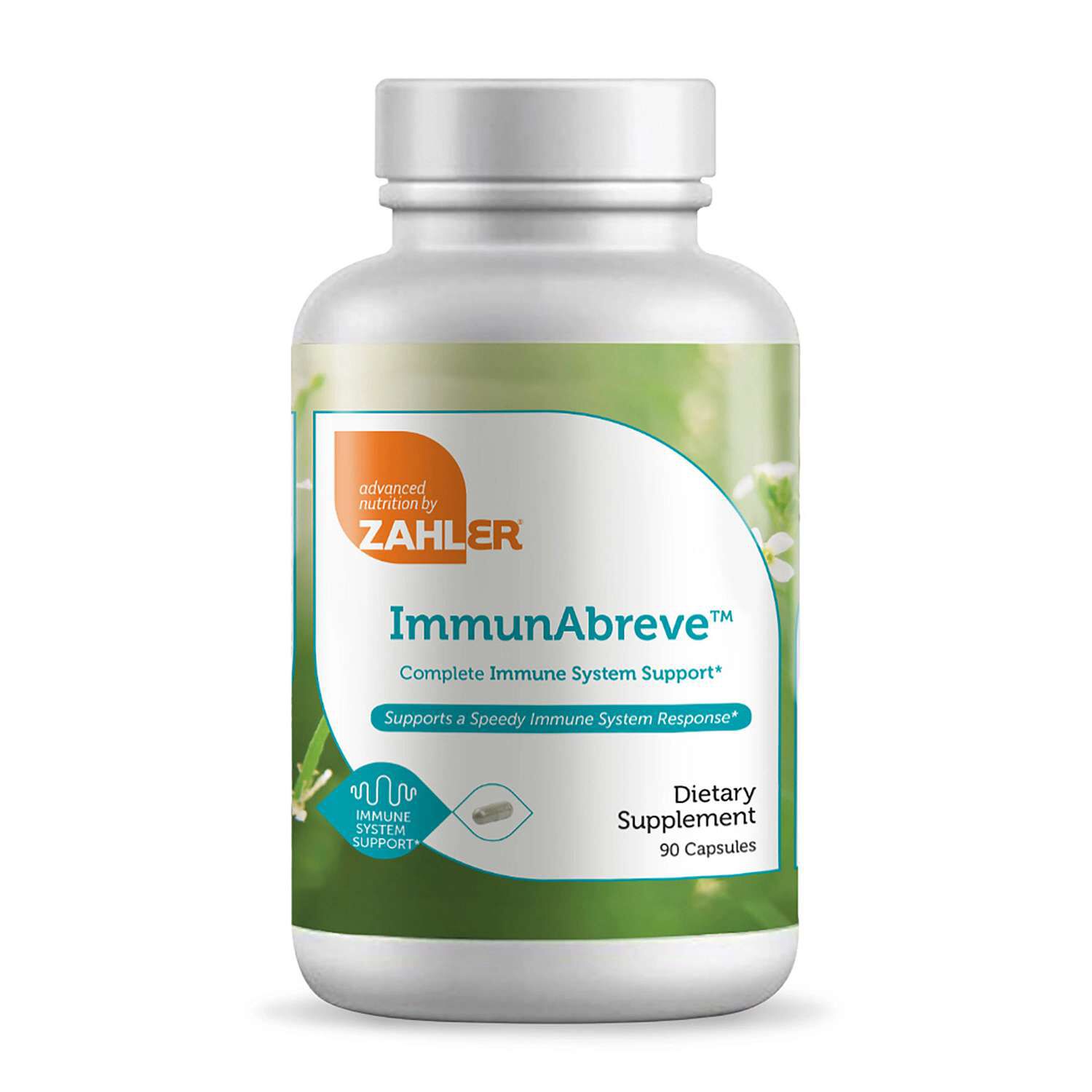
Elderberry capsules with no soy are dietary supplements made with elderberry ingredients in a formula labeled as containing no soy. For shoppers who prefer to leave soy out of their supplement routine, that distinction concerns the full formula, including the capsule shell and other ingredients—not just the featured botanical. Elderberry generally refers to fruit from plants in the Sambucus genus, and supplement labels often identify Sambucus nigra, commonly called black elderberry. Its small, dark berries are used to make ingredients such as dried fruit powders and extracts. These forms have different characteristics: a fruit powder, a concentrated extract, and an extract described by a ratio provide different information about the preparation inside the capsule. Some labels also mention anthocyanins, plant pigments associated with the berries’ deep color. These ingredient details belong alongside the serving size and amount per serving when comparing formulas. A serving of two capsules differs from a serving of one, even when the bottles look similar, and the number printed prominently on a package may refer to the full serving rather than each capsule. Some formulations feature elderberry alone, while others include vitamin C, zinc, or additional botanicals. Those additions change the ingredient profile and merit the same attention as the elderberry itself. Capsule materials vary, too. Gelatin shells come from animal sources, while some plant-derived shells use cellulose-based materials. A formula made without soy is not necessarily vegetarian or vegan, and a vegetarian capsule does not automatically exclude soy. The other ingredients section may list materials used to hold the contents together or help the powder move through manufacturing equipment. Clear botanical naming, a readable Supplement Facts panel, and an explicit statement about soy provide useful context beyond the berry imagery on the package. This combination of details makes it easier to distinguish the featured ingredient, the capsule construction, and the stated serving without treating all elderberry supplements as interchangeable.
Capsules are a familiar format for adults who prefer a measured serving without mixing powder into a drink or pouring a liquid. The elderberry preparation sits inside a shell, making the format different from a syrup or chewable supplement. That distinction may appeal to someone who does not want a berry-flavored addition to breakfast or another texture alongside a morning beverage. Capsule size, shape, and the number required per serving remain practical considerations, especially for someone who already has an established supplement routine. A compact bottle may fit neatly in a cabinet, but bottle dimensions do not reveal capsule dimensions; package descriptions sometimes provide those details separately. Capsule count also needs to be considered alongside the labeled serving size. A bottle containing sixty capsules represents thirty servings when the directions specify two capsules per serving, rather than sixty servings. This straightforward comparison helps describe the package without relying on its appearance. Formulation details matter just as much as convenience. A capsule may contain elderberry powder, an extract, or a blend, and its format alone says nothing about whether the formula includes sweeteners, colors, or other added ingredients. For storage and care, the container’s directions are the relevant reference. A tightly closed original bottle keeps the ingredient list, serving directions, and lot information with the capsules. A spot away from a steamy shower or a frequently splashed sink may be more practical than leaving the bottle on a bathroom counter, provided it matches the labeled storage conditions. When traveling, original packaging also keeps identifying information close at hand instead of separating the capsules from their label. An intact seal, legible printing, and a clearly marked expiration date are useful packaging details to review. The intended use remains the one stated on the label, including the designated age group and directions. Choosing a capsule format is ultimately about how the product is made, what it contains, and how comfortably its labeled serving fits an adult shopper’s preferences.
The meaning of “no soy” deserves particular attention because ingredient content and manufacturing conditions are separate subjects. A statement that a formula contains no soy ingredients does not, by itself, describe shared equipment or handling practices. Soy can appear under ingredient names such as soybean oil, soy protein, and soy lecithin. Lecithin can also come from other sources, so its stated origin matters when assessing a label. Manufacturer information about production practices provides a different kind of detail from the Supplement Facts panel, and neither replaces the other. Clear wording is more useful than assumptions based on a short front-label description. The same distinction applies to other dietary preferences: excluding soy does not establish that a supplement also excludes milk, wheat, eggs, or ingredients of animal origin. Each preference calls for its own supporting label information. Someone looking for a simple elderberry formula may focus on a short ingredient list, while another shopper may prefer a combination with named vitamins or minerals. Neither preference makes capsule count, serving size, or ingredient sources less relevant. For a household where several people use different supplements, clearly distinguishable packaging and readable labels may make organizing bottles more manageable. Any supplement chosen for another adult also involves personal preferences about ingredients, capsule materials, and serving format, making those details more meaningful than decorative packaging. Shoppers exploring another botanical category with the same soy preference can also browse Boswellia Extract Supplements With No Soy. Boswellia extracts come from a different plant source and should not be treated as interchangeable with elderberry simply because both categories exclude soy. Within elderberry capsules, the most informative distinctions remain the berry ingredient, its preparation, the amount in each labeled serving, the shell material, and the accompanying ingredients. Together with specific soy labeling and manufacturing information, these details give shoppers a grounded way to compare formulations according to their own ingredient preferences and everyday routines.
Best Sellers

Related Pages


Top Collections
- Zinc Supplements For Men
- Daily Collagen Supplements | Top Brands & Deals | GNC
- Supplements For Yoga Joint Flexibility
- Chronic Fatigue Supplements
- Capsule Supplements For Energy And Stamina
- Adult Vitamins
- Supplements For Balance
- Vitamins For Hair Loss
- Burnout Support Supplements
- Metabolism Boost For Weight Loss