





Energy Drinks For Training Camps
(0 Results)
Energy drinks for training camps might offer a convenient way to support your hydration and energy needs during intense sessions. Whether you’re gearing up for team drills or pushing through endurance workouts, these beverages could be a popular choice for athletes looking to stay refreshed and focused. Explore options that may fit seamlessly into your training routine, helping you make the most of every camp experience.
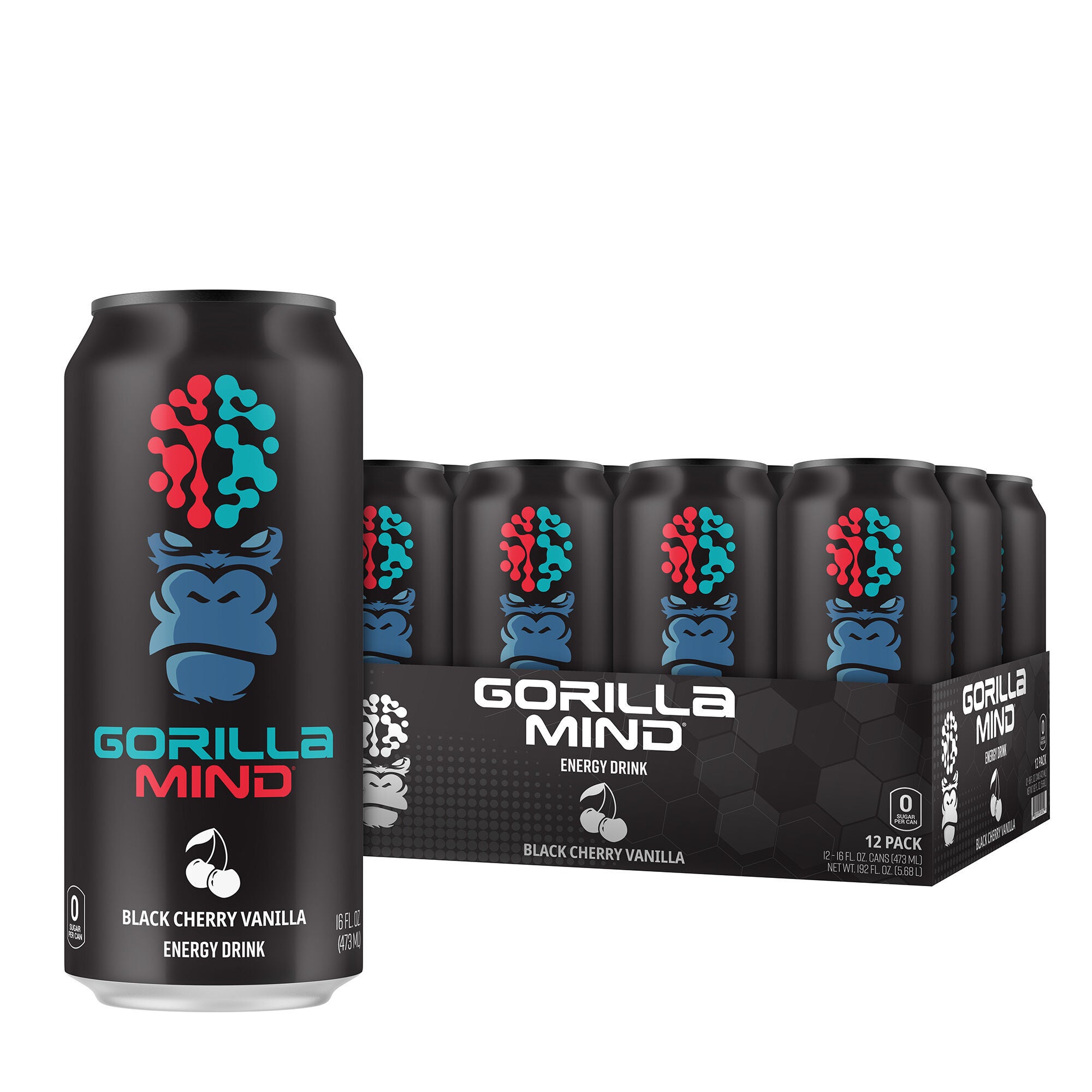
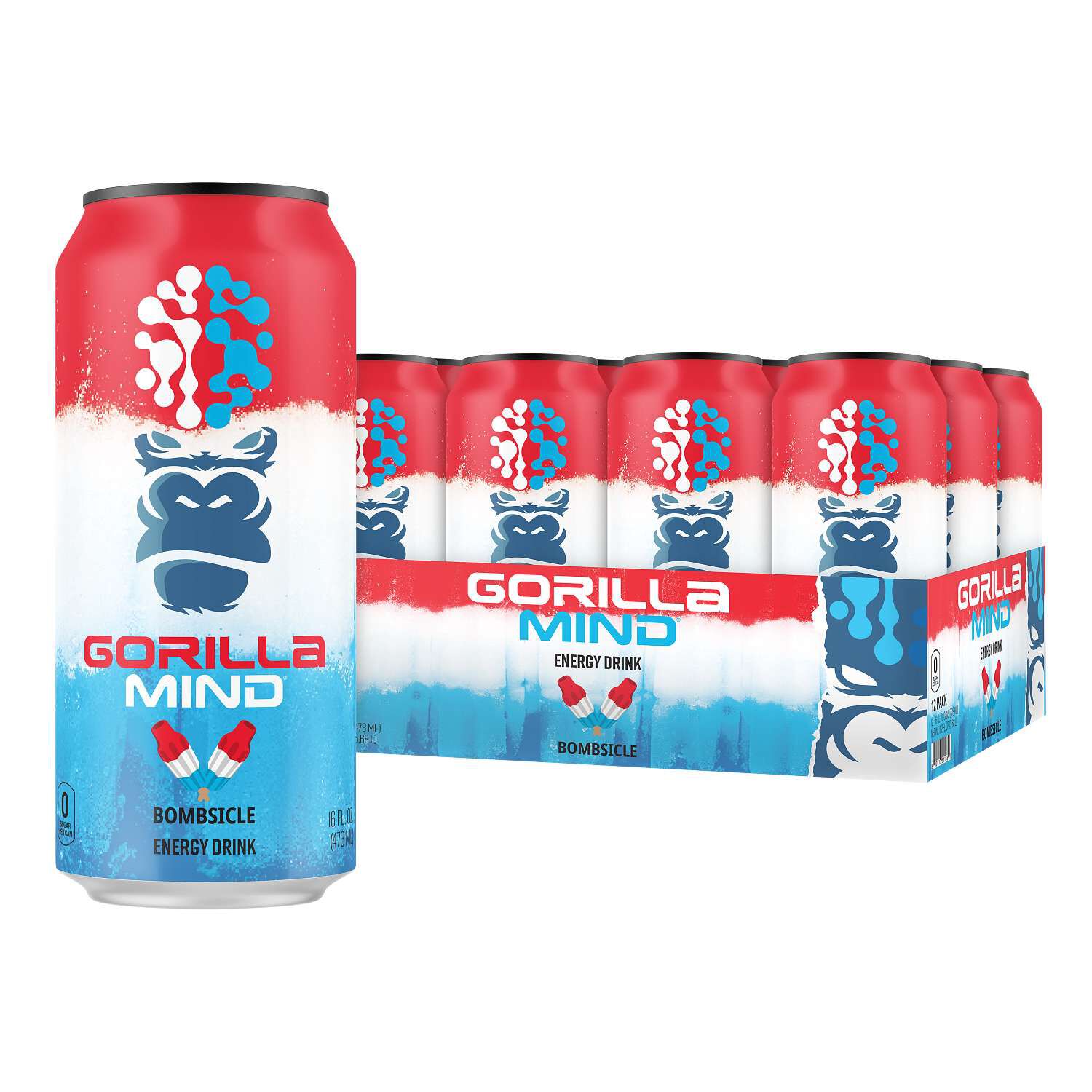
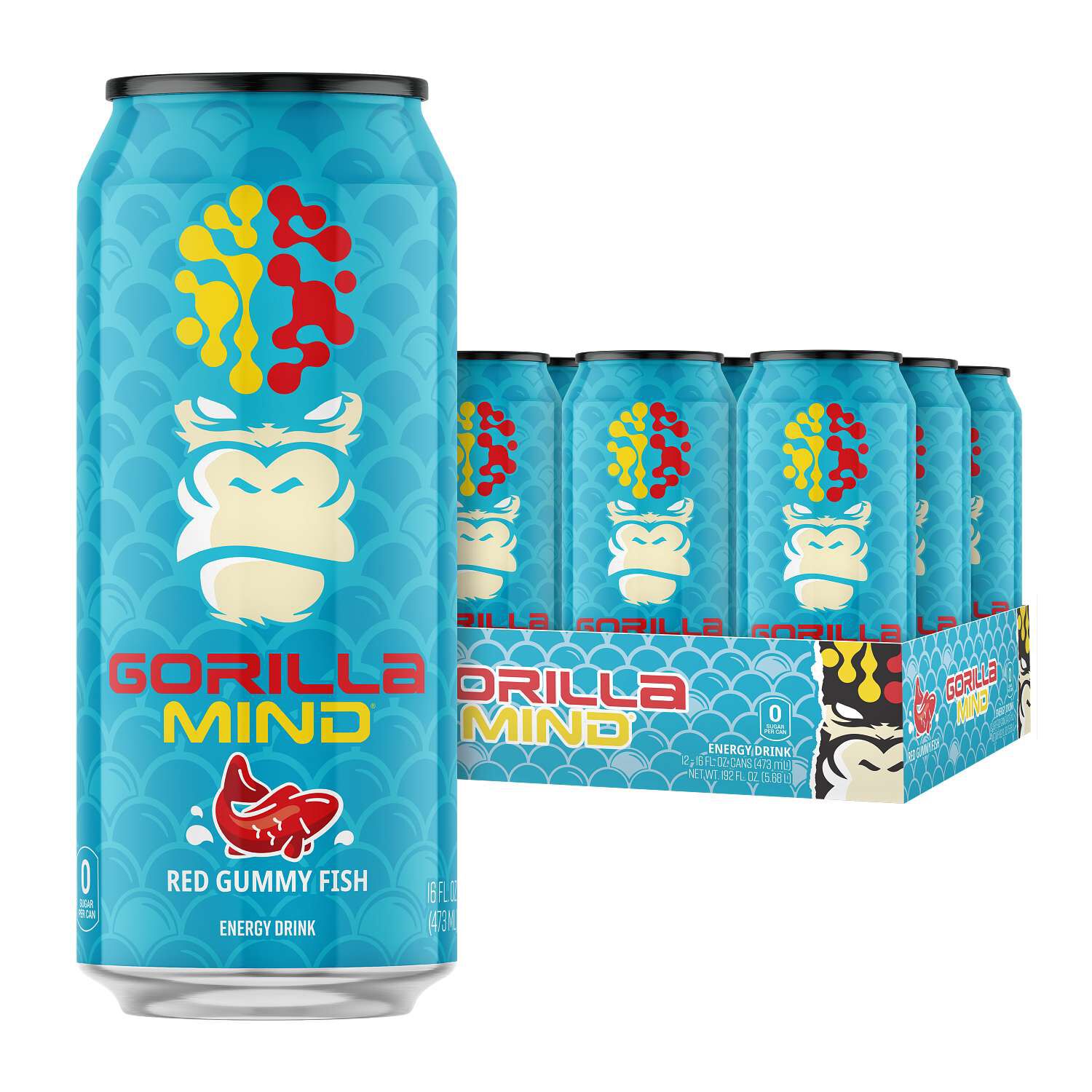
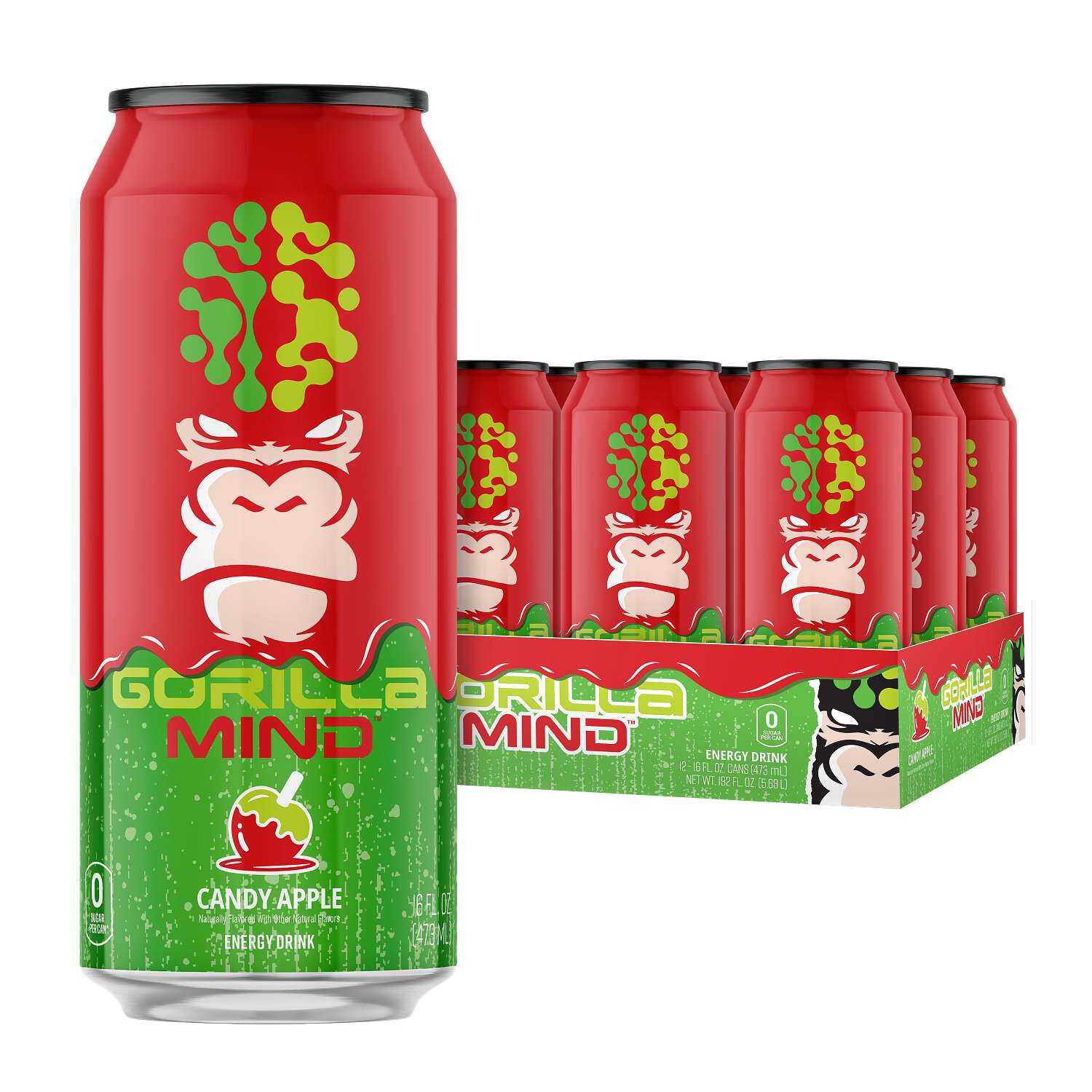
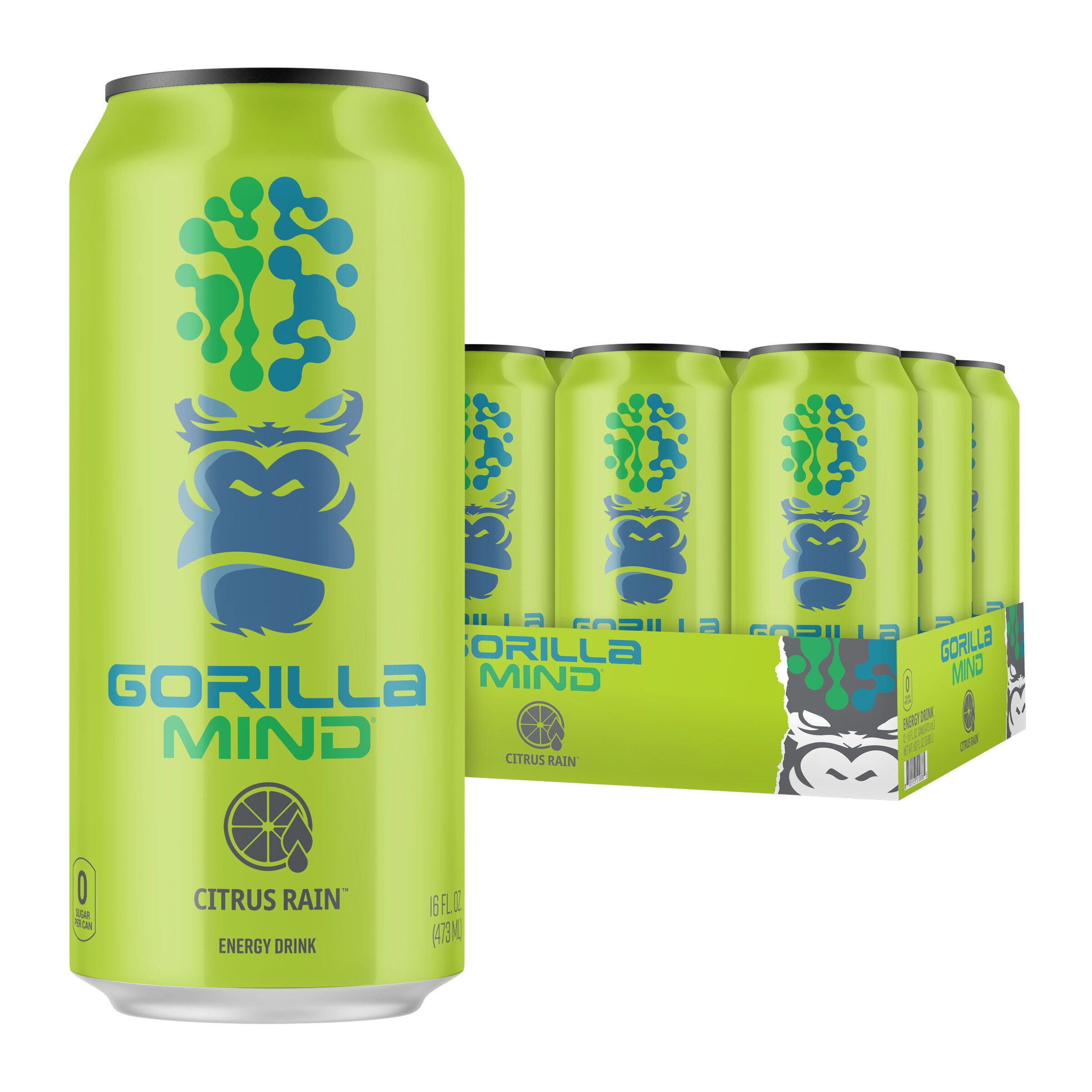
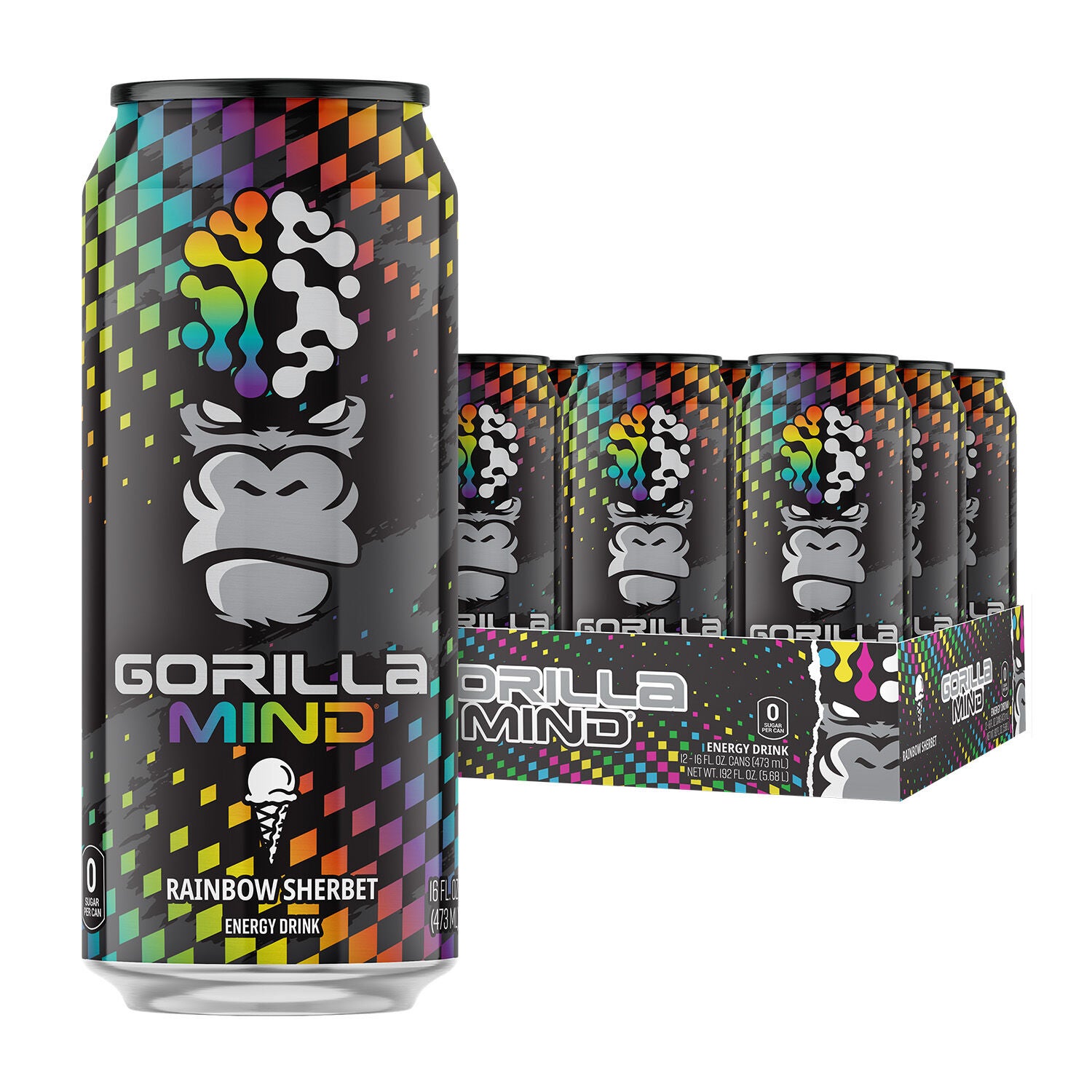

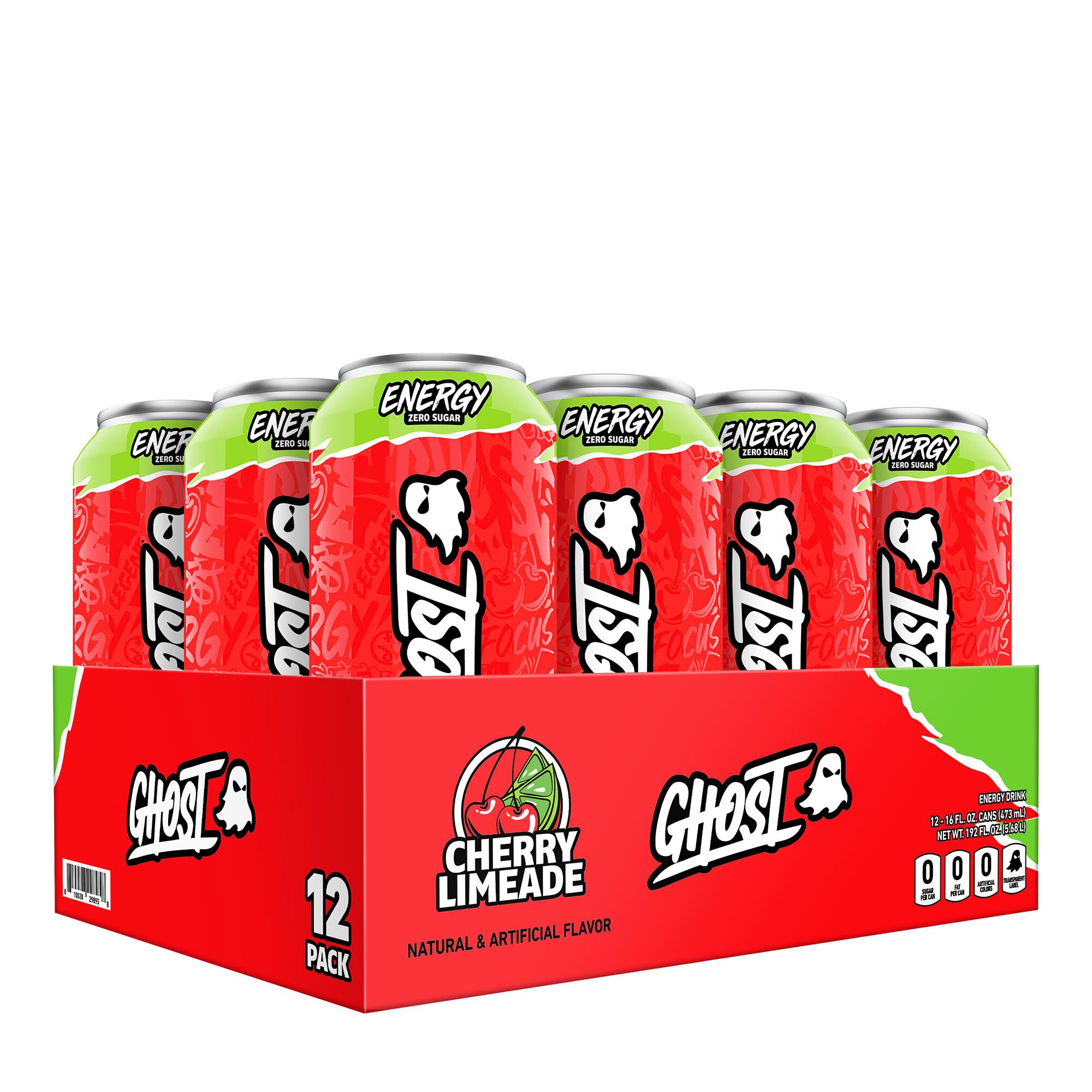


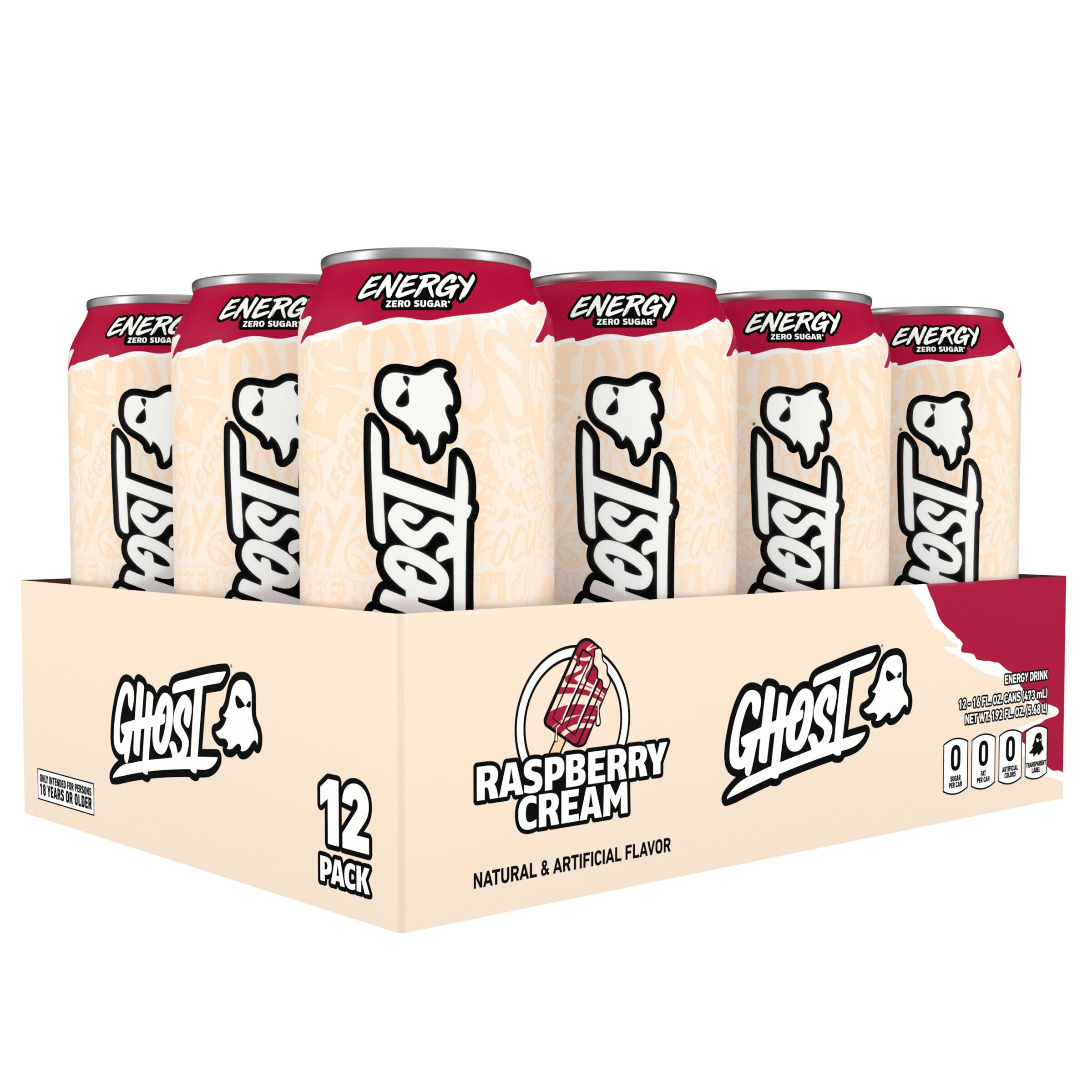

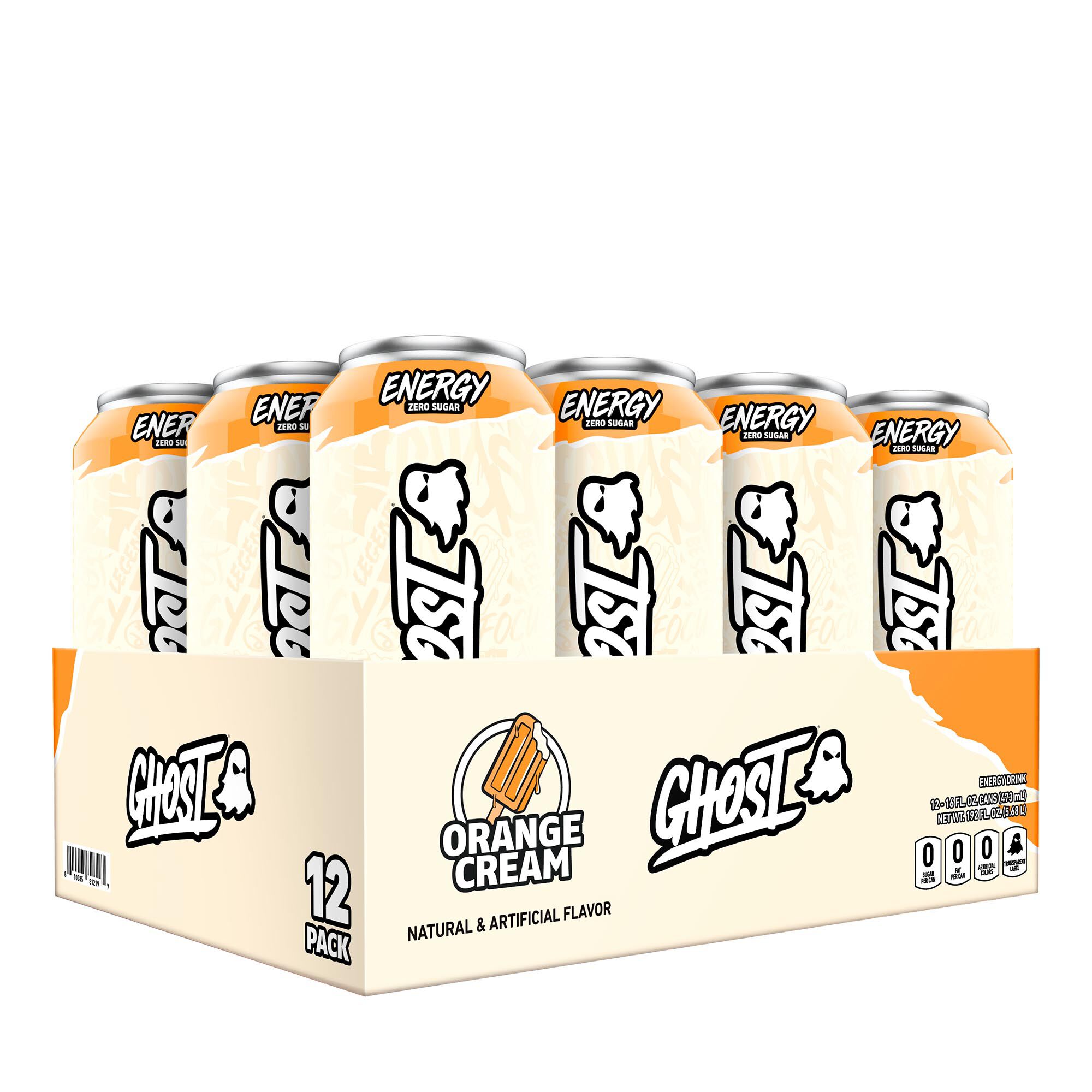

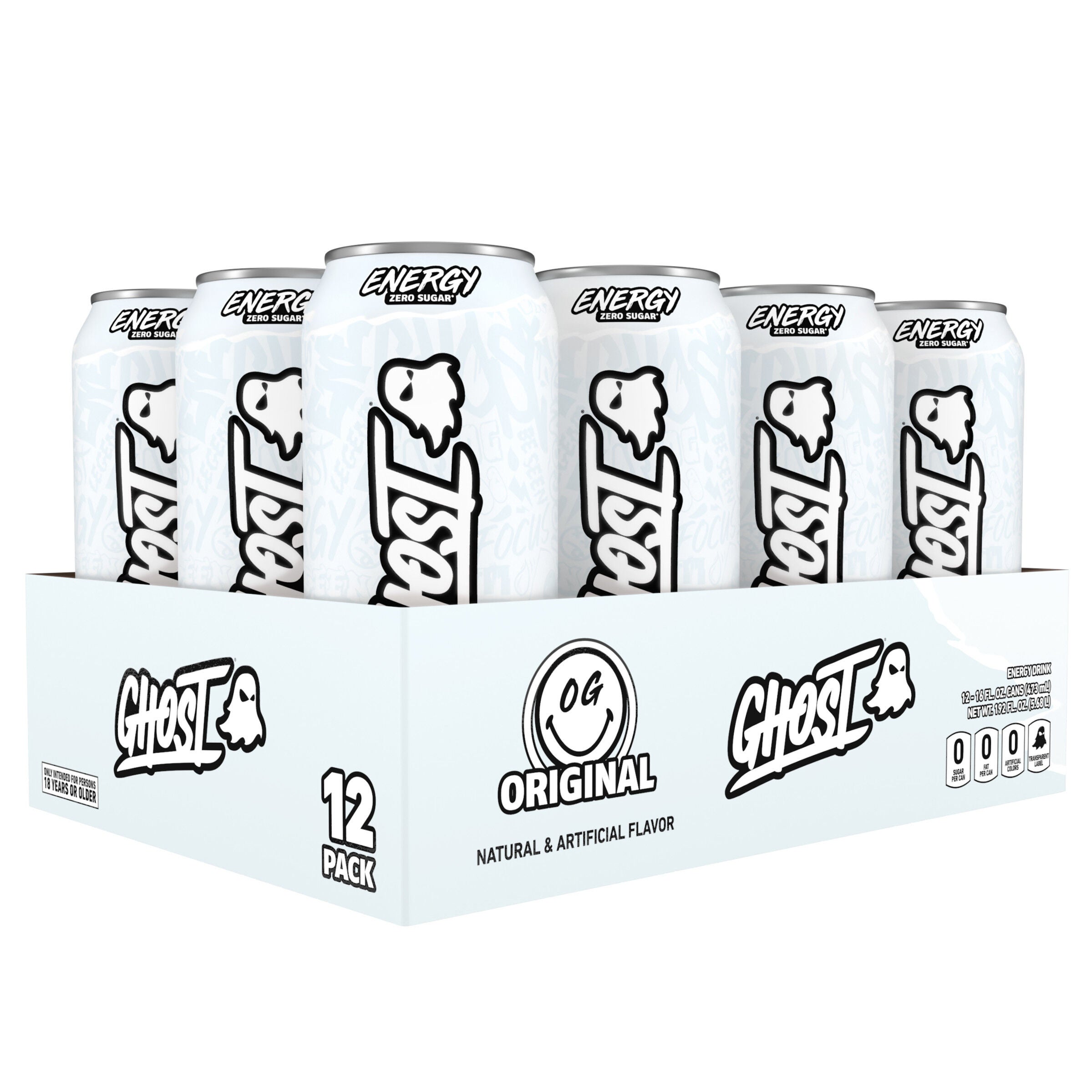


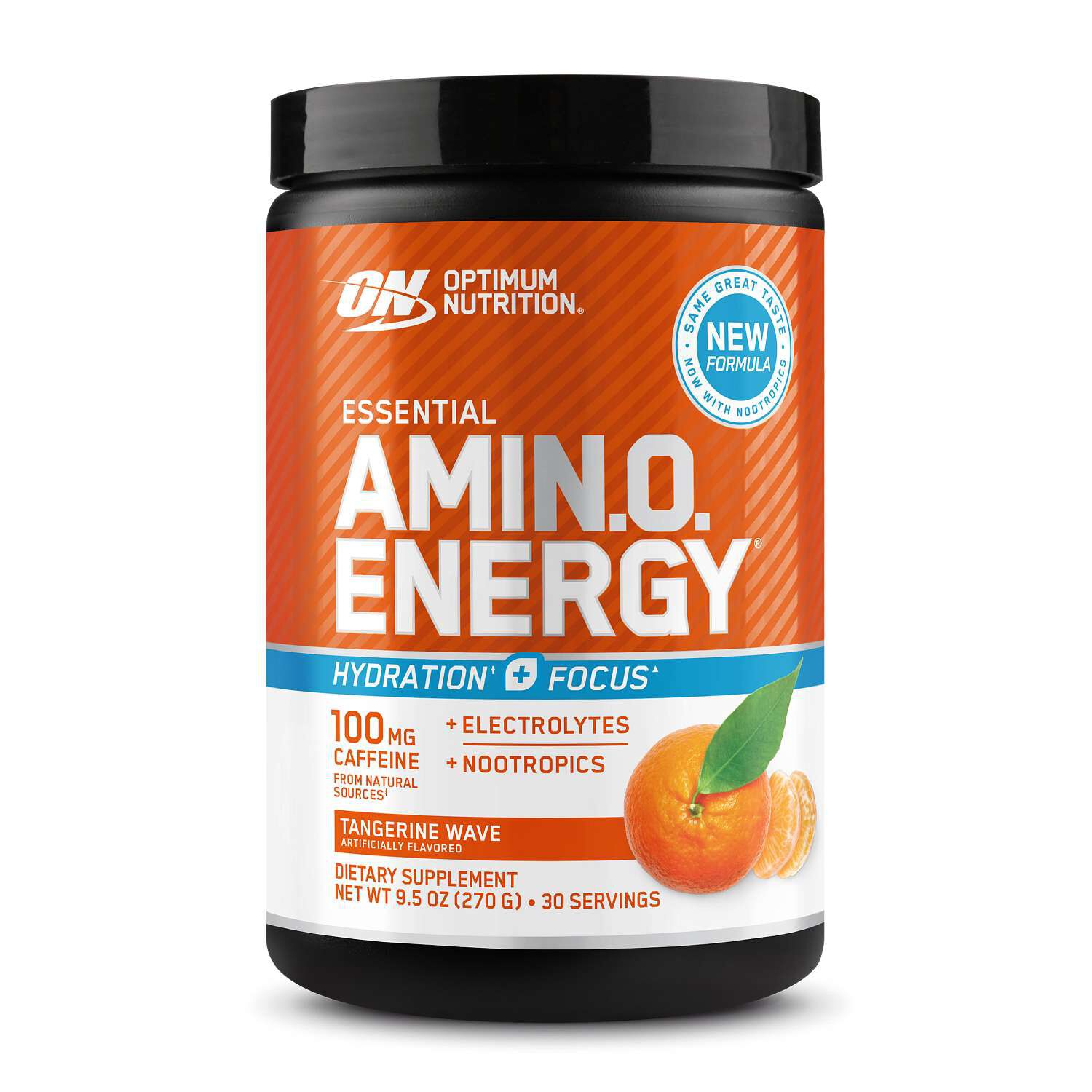

Energy drinks for training camps belong in a setting where the daily schedule can include early check-ins, repeated practice blocks, weight-room sessions, and time spent reviewing technique. For adult participants, choosing a drink involves more than picking a familiar flavor or an eye-catching can. The distinction is between a caffeinated energy drink, a carbohydrate-containing sports drink, and a beverage that combines elements of both. These categories can overlap, but their ingredient profiles are not interchangeable. A drink with caffeine and little carbohydrate is different from one with carbohydrates and electrolytes, even when both are marketed for active use. Caffeine may support alertness, while a carbohydrate-containing drink may fit a plan that includes fuel during extended activity. Electrolytes such as sodium and potassium may also appear on the label, though their presence alone does not describe the rest of the formula. That distinction matters at a camp where a brief lifting session and a lengthy cycling workout sit on the same itinerary. The word “energy” on the front of a container does not explain its caffeine amount, carbohydrate content, or serving size; those details belong on the ingredient and nutrition panels. Some formulas contain added sugar, some contain little or none, and others include amino acids, vitamins, or botanical ingredients. Those additions describe the formula rather than establish its suitability for every athlete or every session. For adults comparing drinks for a training camp, the useful context is the relationship between the label and the actual schedule: how long the activity lasts, whether meals and snacks are part of the day, and whether the drink is intended for before practice or another designated break. Camp policies and sport-specific ingredient rules are also relevant, particularly when participants train within an organized program. A clearly stated serving size and readable ingredient list provide a more meaningful starting point than broad performance language on the package.
A camp built around distance running, cycling, or other extended sessions presents different considerations from one centered on lifting technique, short drills, or classroom instruction. Carbohydrate content may be more relevant to someone considering a beverage as part of an endurance fueling plan, while caffeine content may be a separate consideration for an adult looking for a pre-session drink. Neither purpose should be assumed from the category name. A beverage can contain caffeine without contributing much carbohydrate, and an electrolyte drink does not necessarily contain caffeine at all. Comparing amounts for the same serving size makes these differences easier to recognize, especially when one container holds more than a single labeled serving. The caffeine amount per serving and the number of servings per container deserve attention alongside other caffeinated drinks included in the day, such as coffee or tea. More caffeine is not a measure of a better match for a demanding camp schedule. Taste and texture matter as well, because a drink selected for a quiet break between sessions has a different practical role from one packed for an activity block. Sparkling options have a fizzy mouthfeel, while still drinks offer a different texture; neither format establishes the carbohydrate or electrolyte content. Citrus, berry, and other fruit-inspired flavors can vary considerably in sweetness and intensity, even within the same general category. An adult who prefers a lightly flavored drink may look for a different profile than someone who enjoys a bold, sweet beverage. Familiarity is another practical consideration when the schedule leaves little room for experimentation. A flavor and format already used during regular training may fit more comfortably into a camp routine than something unfamiliar selected just before an important session. Energy drinks are one part of that routine, not a stand-in for meals, water, scheduled breaks, or the broader food and beverage arrangements provided by the camp.
Packaging and intended use round out the comparison, particularly when drinks travel from a locker area to a field, track, or training facility. Ready-to-drink cans and bottles require no measuring or mixing, which may suit designated breaks when preparation space is limited. A resealable bottle offers a different carrying format from a can that stays open after its tab is lifted, while container size determines how much space the drink occupies in a lunch bag or equipment tote. Clear labels, intact seals, and containers without leaks or visible damage are practical details worth noticing before packing. Manufacturer storage directions and date markings provide the relevant handling information, including any instructions that apply after opening. Drinks belong in a separate compartment from clothing and equipment when possible, with enough protection to keep containers from being crushed beneath shoes, lifting gear, or other heavy belongings. A camp with designated beverage stations may call for a different format than one where participants carry their own drinks between locations. Venue rules about outside beverages and container types can also shape the choice. For adults considering a mixable format instead, Pre Workout Powders For Training Camps offers a related category with its own serving, ingredient, and preparation considerations. Powders require attention to measuring directions and access to a suitable mixing container; ready-to-drink options arrive in a premeasured package, though the labeled serving still needs to be checked. Neither format is automatically suited to every training block. The most useful comparison brings the practical details together: caffeine per serving, carbohydrates, electrolytes, flavor, carbonation, container design, and the camp’s planned activities. That combination keeps the focus on what the beverage actually contains and how it fits into an adult participant’s day, whether the setting is a strength camp, a running camp, or a multisport training program.
Best Sellers
-
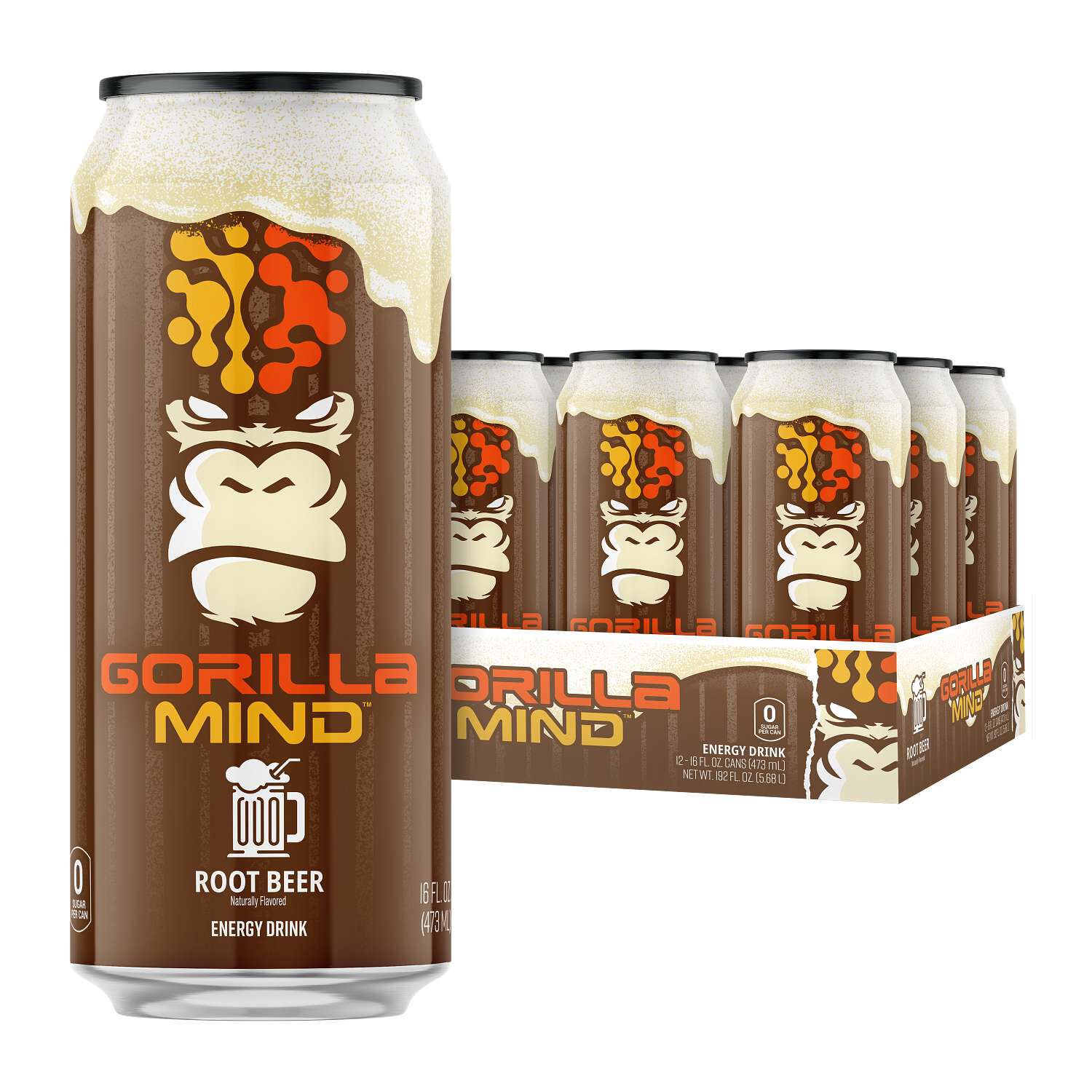 Gorilla Mind
-
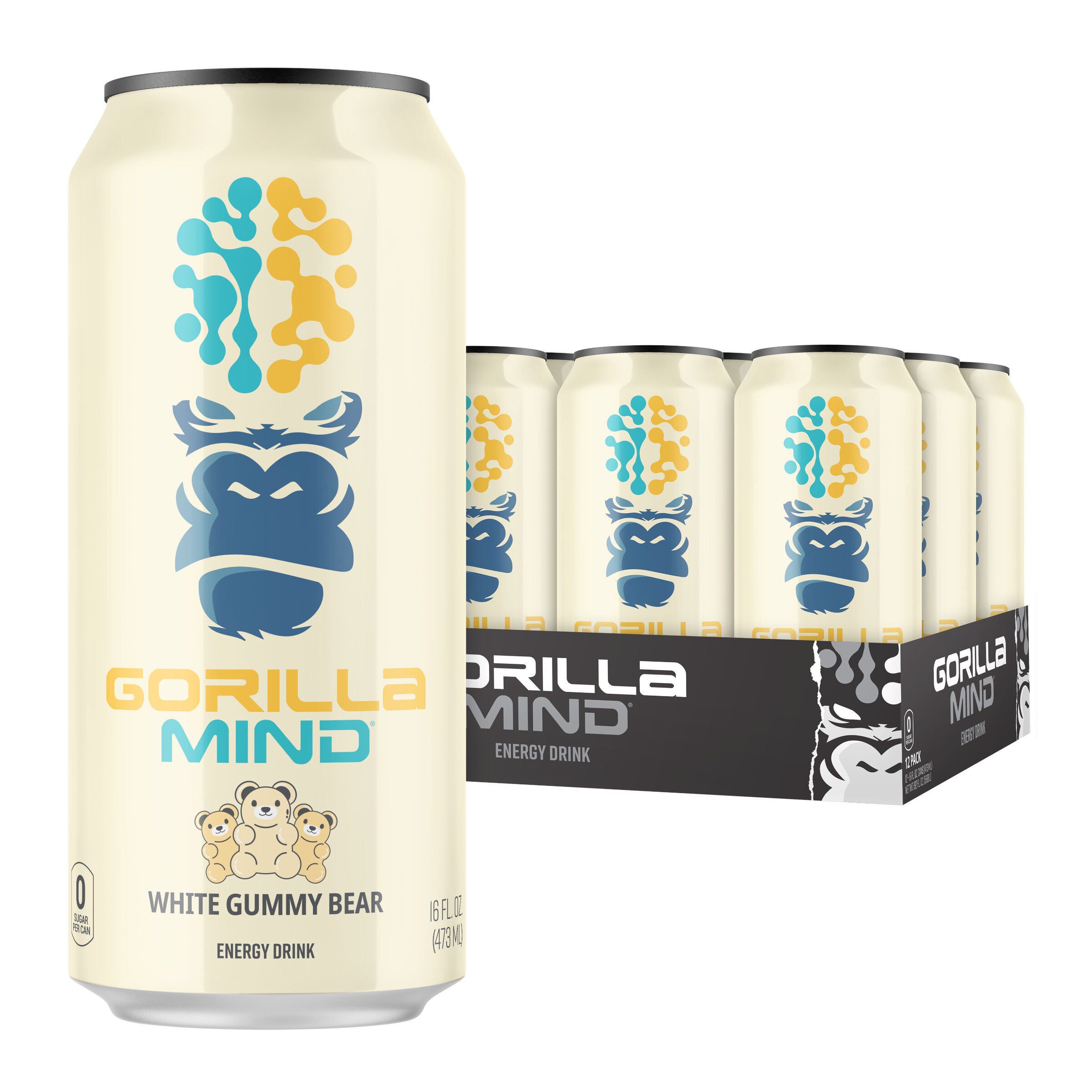 Gorilla Mind
-
 Gorilla Mind
Related Pages

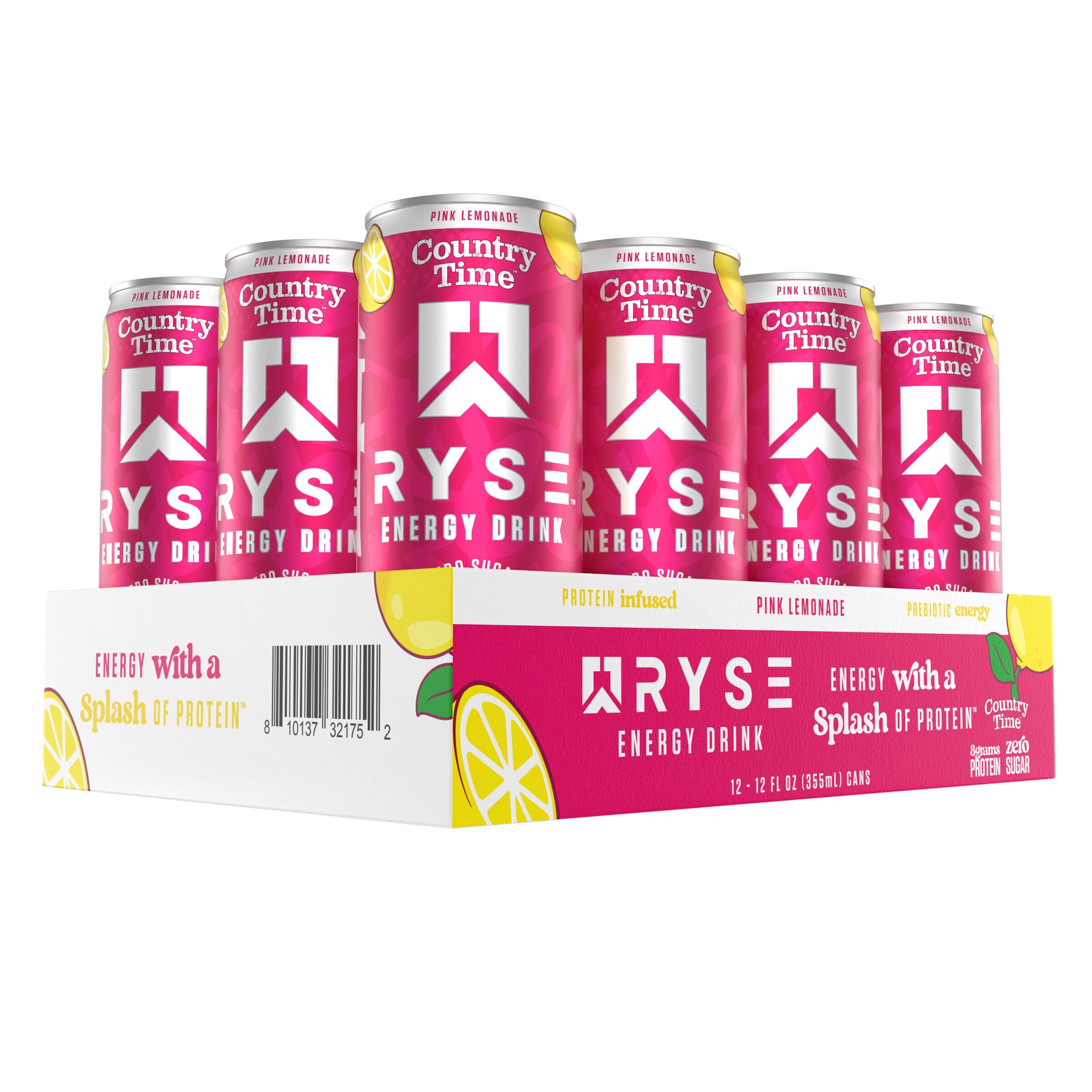
Top Collections
- Joint Mobility Supplement Packs
- Daily Collagen Supplements | Top Brands & Deals | GNC
- GLP 1 Support For Adults
- Zinc Supplements | Top Brands at Great Prices | GNC
- Supplements For Yoga Joint Flexibility
- Supplements For Balance
- Capsule Supplements For Energy And Stamina
- Adult Mobility Supplements
- Chronic Fatigue Supplements
- Vitamins For Hair Loss