

Energy Powders For Exercise
(0 Results)
Elevate your workout routine with energy powders for exercise, designed to support your fitness goals and help you power through each session. These dynamic supplements might provide the extra push needed to tackle even the most challenging workouts. Whether you're hitting the gym, going for a run, or engaging in intense training, energy powders could be the key to optimizing performance and endurance. Explore a variety of options that may cater to different tastes and dietary preferences, offering potential benefits for athletes and fitness enthusiasts alike.
-
 $34.99
 -
 Axe & Sledge Supplements$39.99
 -
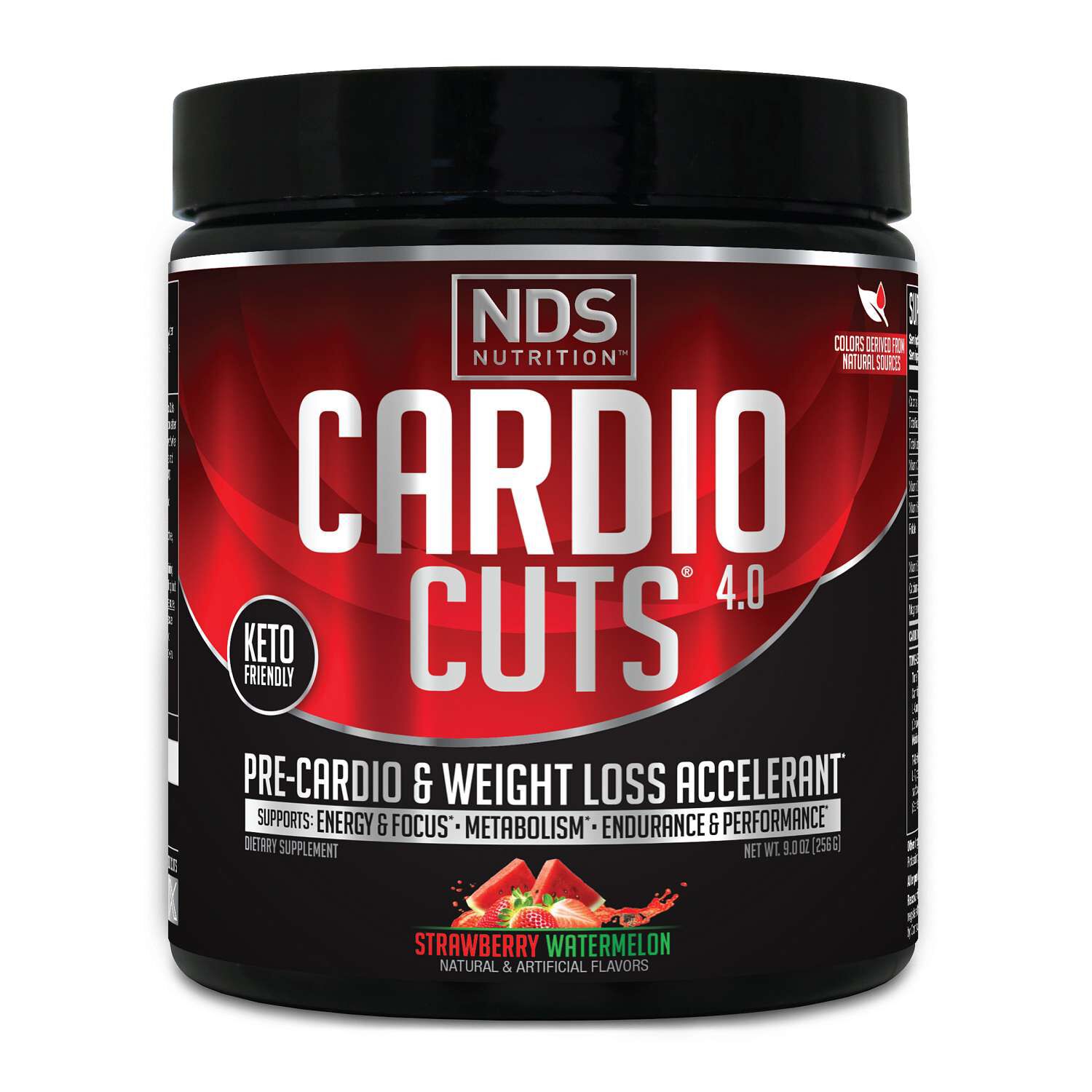 NDS Nutrition$69.99
 -
 NDS Nutrition$49.99
 -
 Axe & Sledge Supplements$39.99
 -

-
-

-
-
-
-
-
-
 $29.99
 -
-
 $39.99
 -

-

-
 NDS Nutrition$69.99
 -

-

-
 NDS Nutrition$69.99

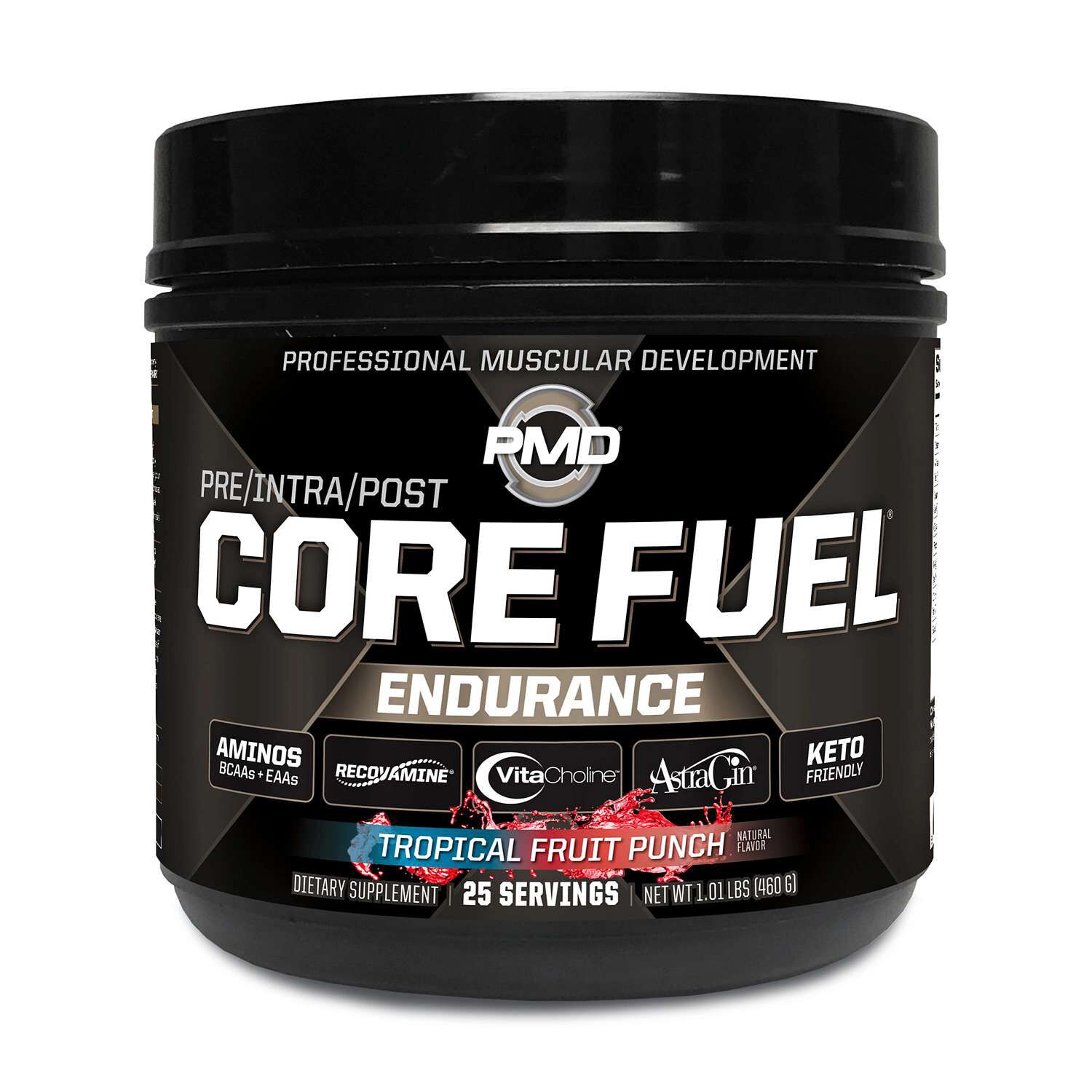
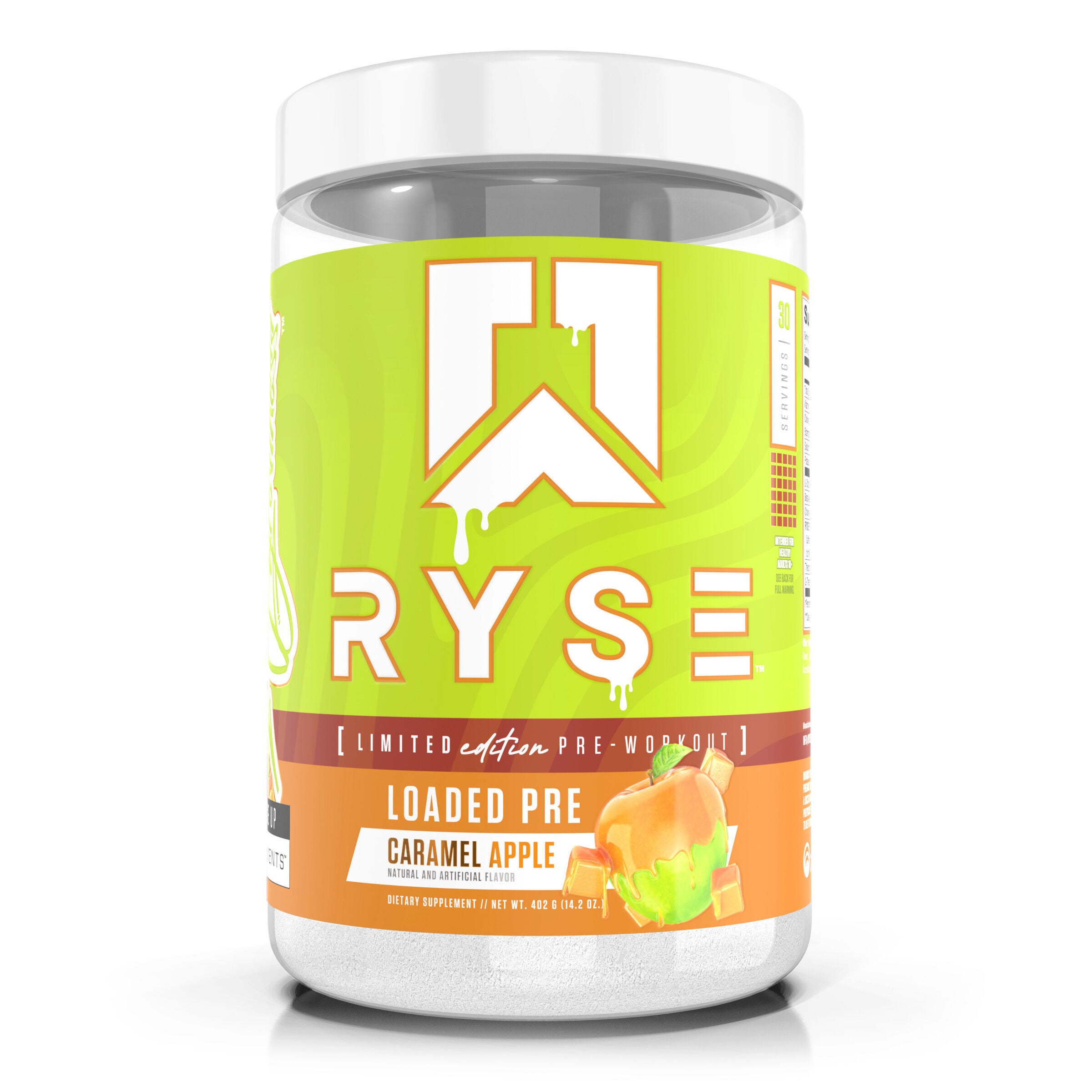
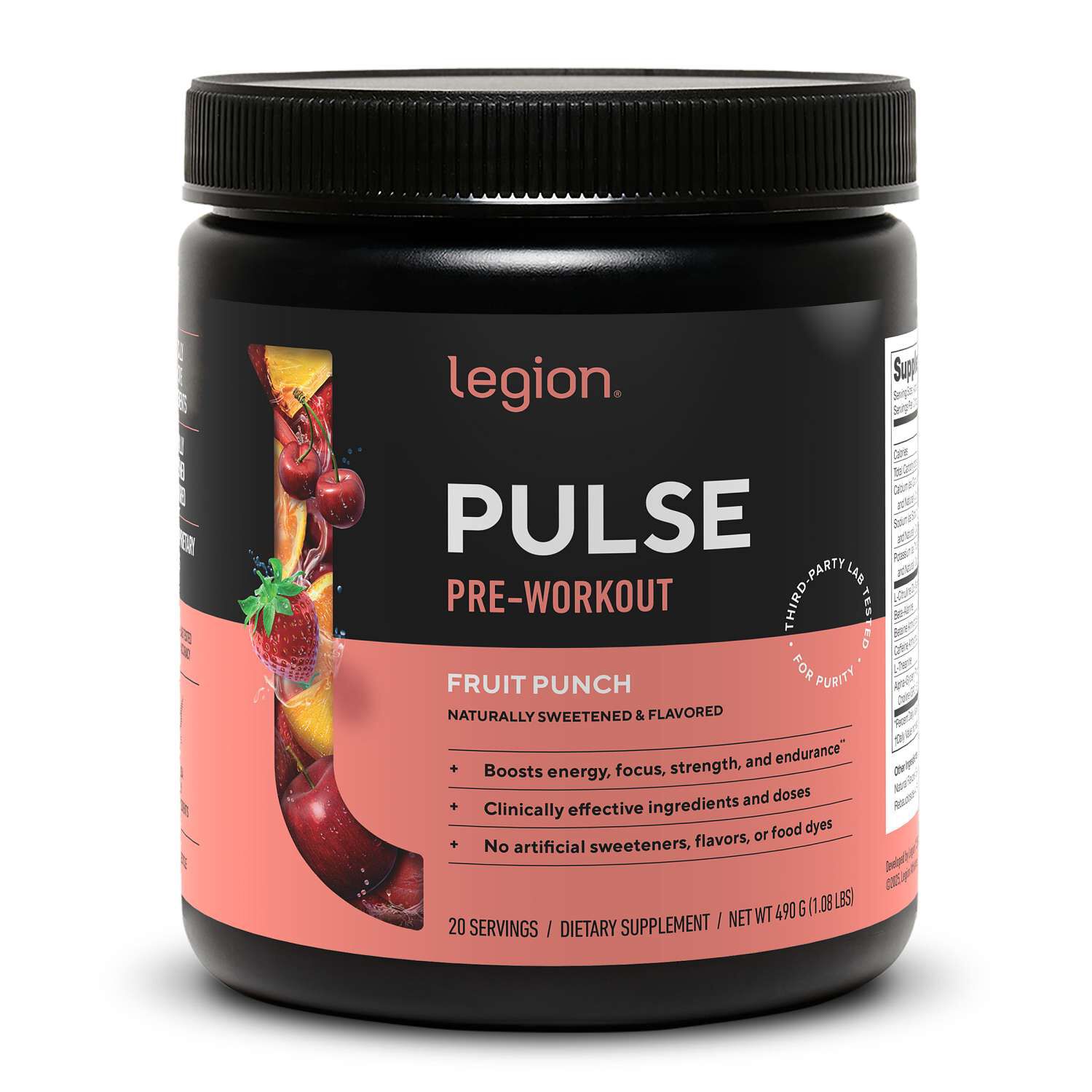
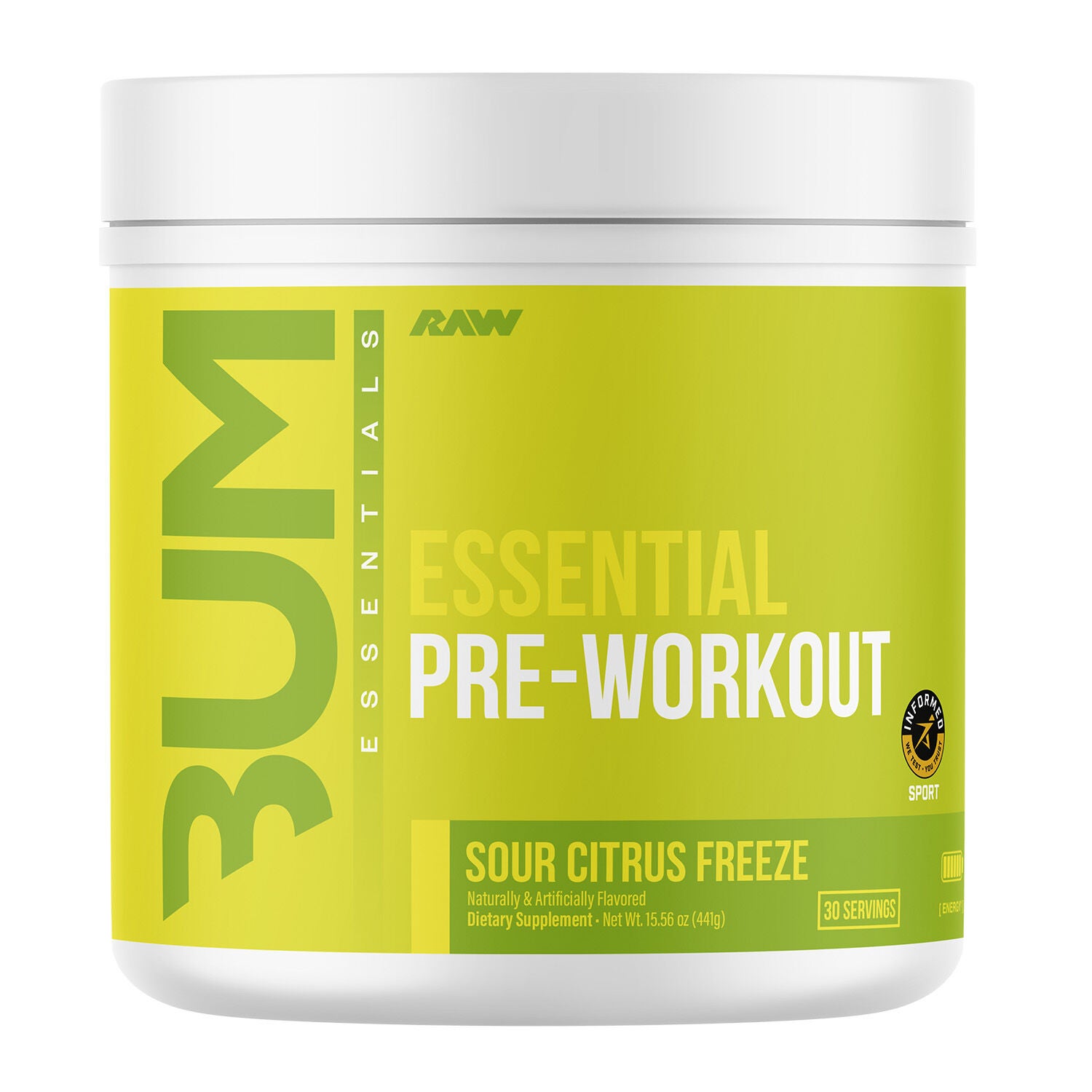
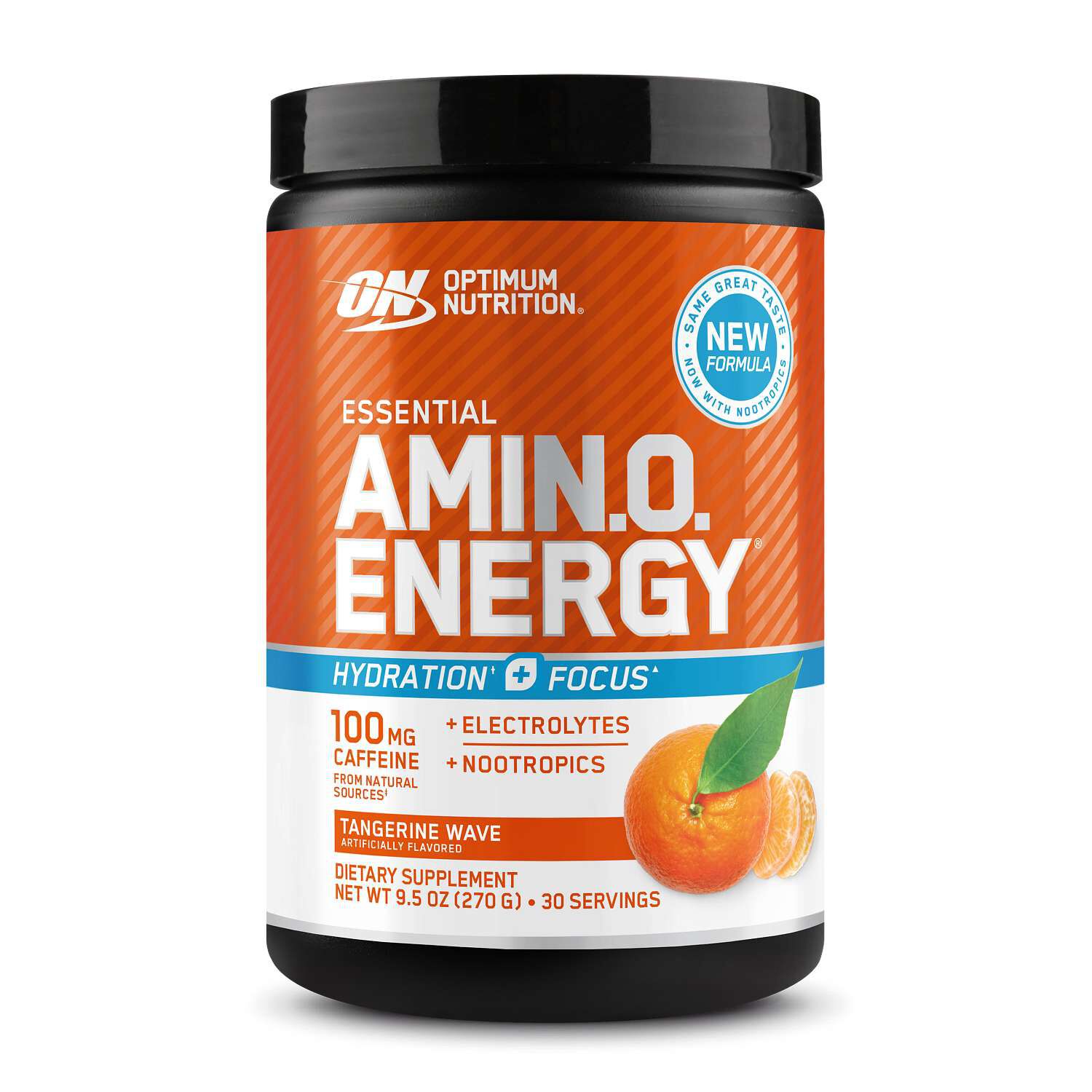
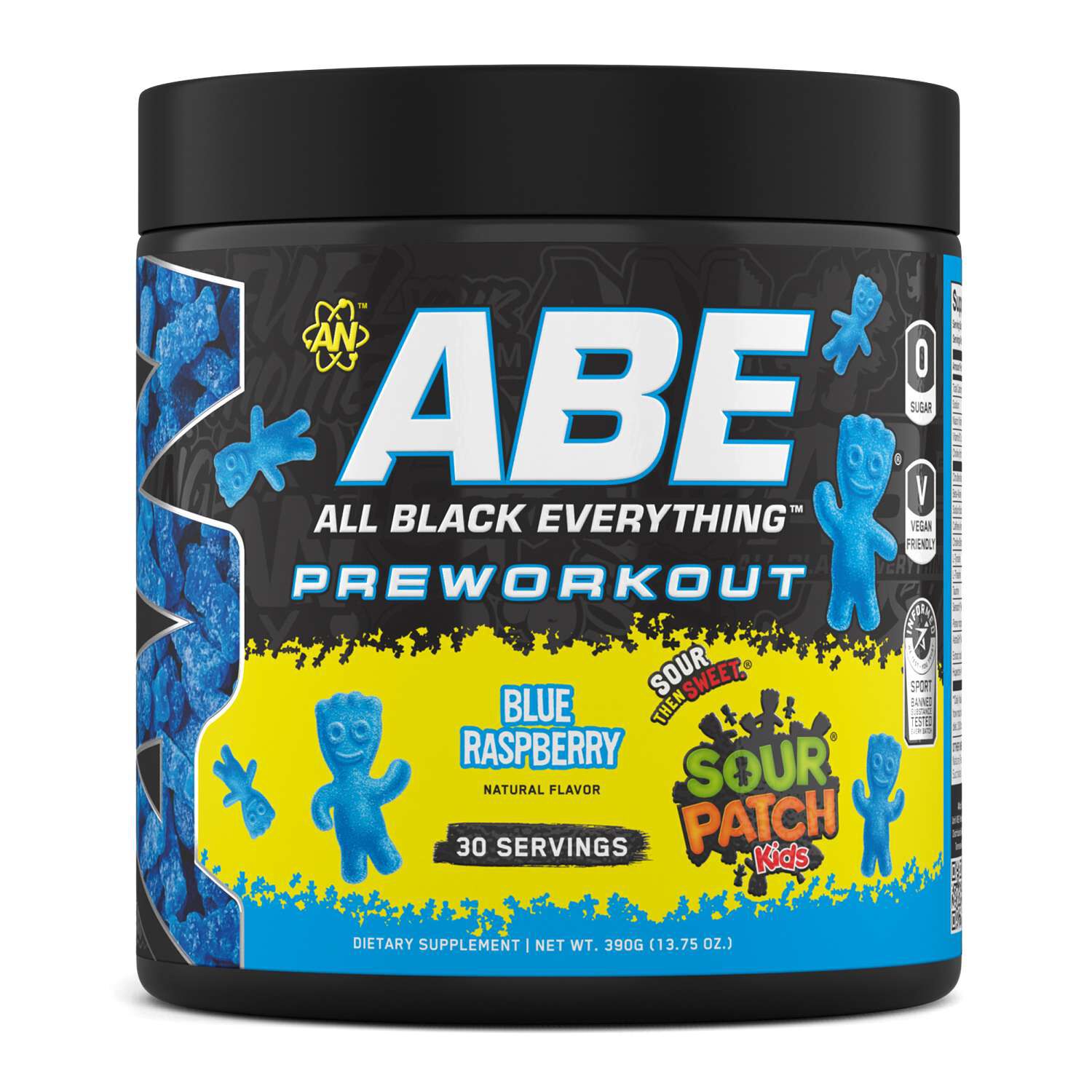
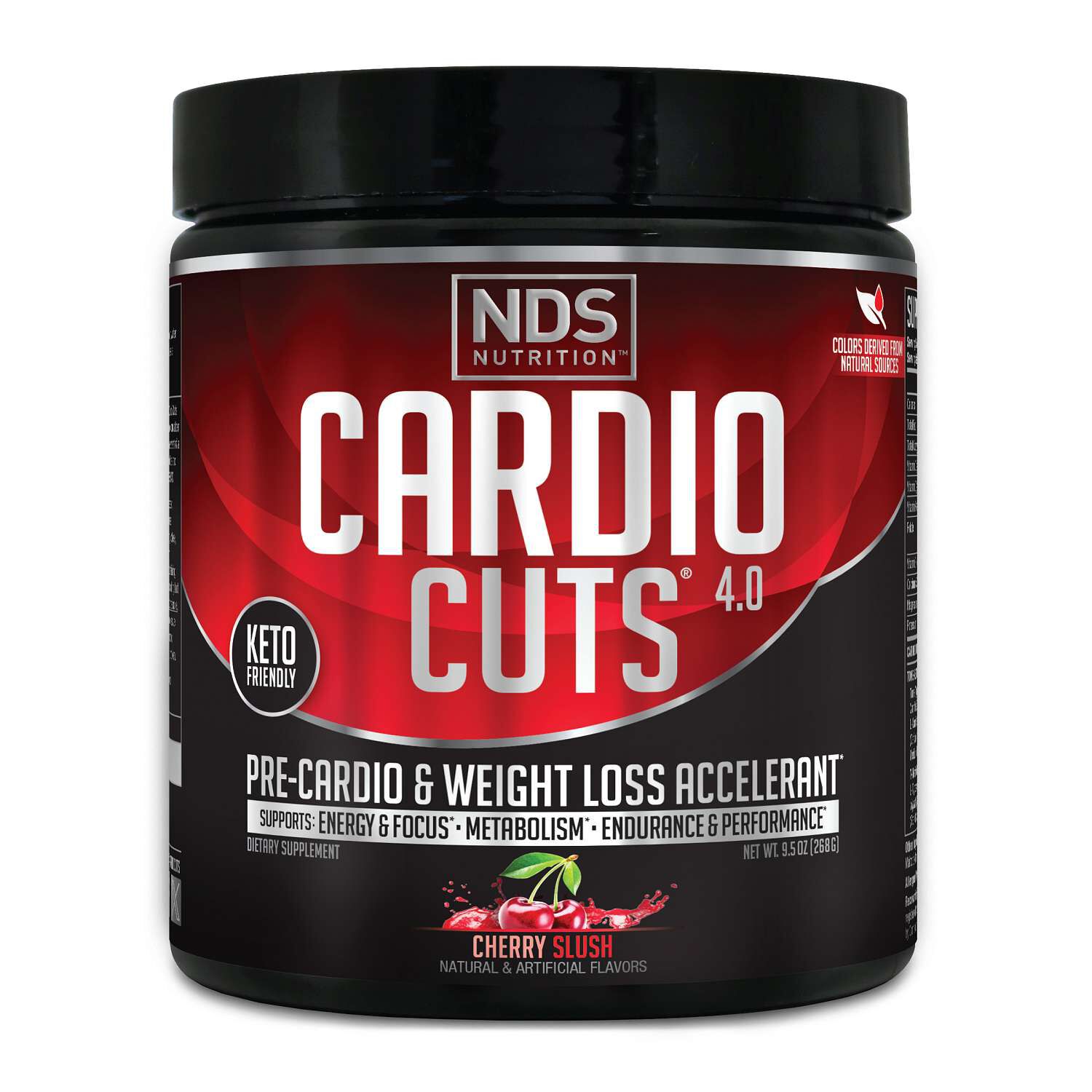
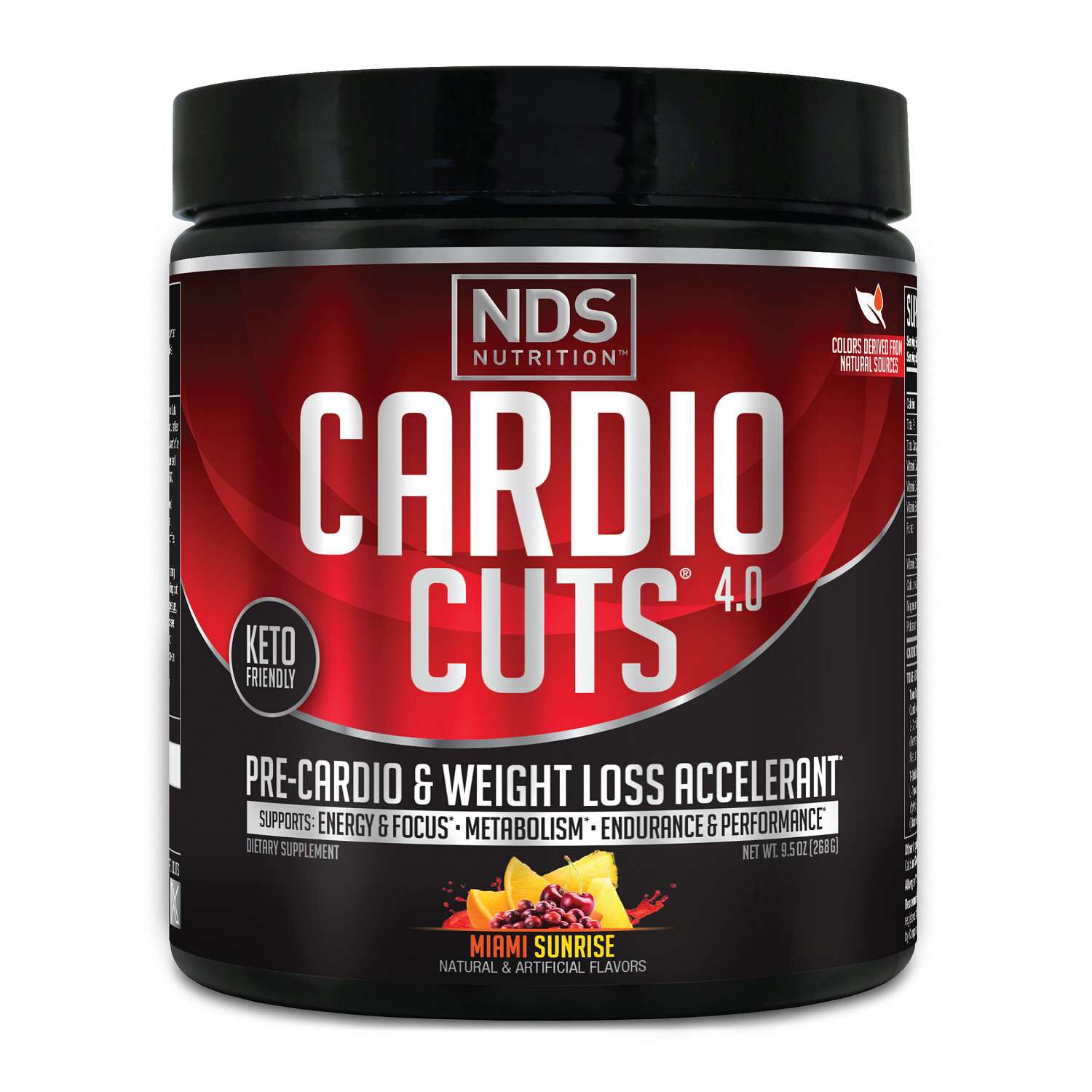
Energy powders for exercise are powdered drink mixes made to combine with water, with formulas designed for use before or during physical activity. Depending on the ingredients, they may support energy, alertness, or hydration during a workout. The category includes caffeinated pre-workout powders, carbohydrate-based drink mixes, and blends that pair energy-related ingredients with electrolytes. Those differences matter more than the word “energy” on the container: a powder intended for a short gym session can have a different nutritional profile from one intended for an extended bike ride. For someone heading from a desk to an evening strength session, serving format, flavor, and caffeine content may be prominent considerations. A runner preparing a bottle for a long training route may be more interested in carbohydrates, sodium, and how the drink tastes when mixed according to its directions. Some formulas contain caffeine, while others use carbohydrates or other ingredients without added caffeine. Carbohydrates provide dietary energy, whereas caffeine is a stimulant; the two are not interchangeable features. Electrolytes such as sodium and potassium appear in some blends, but their presence alone does not describe the product’s energy content. Reading the ingredient list alongside the nutrition or supplement facts panel gives a clearer picture of what each serving contains. Flavor and texture also shape the experience. Citrus, berry, and tropical fruit profiles are common in this category, with differences in sweetness, tartness, color, and the amount of powder used per serving. A drink mixed in a small shaker can taste quite different from a formula intended for a larger water bottle. The preparation directions provide useful context for comparing those experiences. For shoppers browsing exercise energy powders, the most meaningful distinctions are often straightforward: intended use, caffeine amount, carbohydrate content, electrolyte composition, serving size, and a flavor that fits a familiar workout routine. No single formulation represents the entire category, and similarly named powders can differ substantially in what they contain.
The composition of an exercise drink powder helps explain where it may fit within a training routine. Some blends have a relatively short ingredient list, while others combine caffeine, amino acids, vitamins, minerals, flavorings, and sweeteners. A longer list does not by itself establish that a formula is a better match. The amount of each listed ingredient and the product’s stated purpose offer more useful context than a prominent front-label phrase. Caffeine may come from ingredients such as coffee or tea extracts, or it may appear separately in the formula. The source and the amount per serving are distinct pieces of information, particularly for shoppers whose routines already include coffee, tea, or other caffeinated beverages. Powders without added caffeine represent a different formulation choice, though that description should not be assumed to explain every other ingredient in the blend. Carbohydrate content also varies. Some exercise powders contain little or no sugar; others include sugars or other carbohydrate sources as a central part of their design. For longer exercise sessions, carbohydrate-containing mixes may support sustained activity by supplying dietary fuel. Powders containing electrolytes may support hydration during exercise, depending on the formulation and how they are used. Neither feature means that every blend serves the same purpose or belongs in every workout bottle. Dietary preferences add another layer of comparison, including plant-based ingredients, particular sweeteners, and declared allergens. Ingredient sourcing and suitability are best understood from the package rather than from flavor names or broad category descriptions. Fruit-inspired flavoring, for example, does not necessarily mean a powder contains fruit juice or a meaningful amount of fruit. Texture deserves similar attention: some mixes dissolve with a few shakes, while others require more mixing or leave a small amount of sediment. Directions about water volume and preparation help set expectations. For an adult who prefers a lightly flavored drink throughout a session, those details may matter just as much as the ingredient combination. For another shopper, a smaller serving prepared before exercise may be the more convenient format.
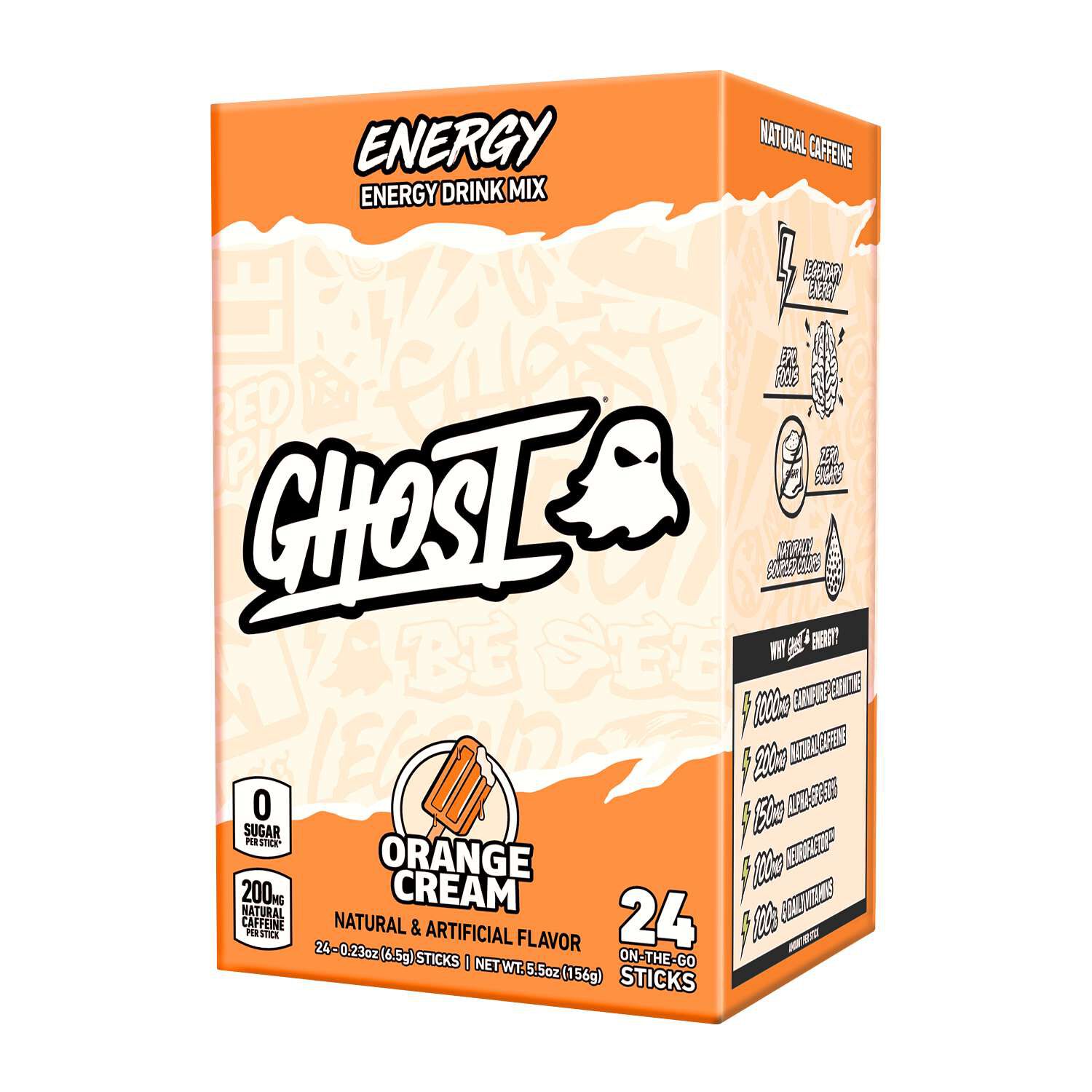
Packaging, preparation, and storage are practical parts of choosing energy powders for exercise, especially when workouts happen away from home. A resealable tub can suit a regular kitchen-counter routine, with the serving measured before leaving for the gym. Individual packets offer a different format for a work bag or travel kit, with the powder portion already packaged. Package size and serving count are separate considerations: a larger container does not necessarily contain more servings when formulas use different serving weights. Scoop dimensions also differ, so the scoop supplied with a product and its labeled directions belong together. A dry scoop, a securely closed lid, and storage according to the package instructions help limit exposure to moisture. Powder left in a damp shaker or an open container can clump, making tidy preparation more difficult. Bottle design matters, too. A wide opening can make adding powder less messy, while a secure cap is useful for mixing and carrying the prepared drink. Enough room above the liquid allows the contents to move when shaken. After use, cleaning the bottle and letting its parts dry can help keep lingering flavors from carrying into the next serving. These everyday details distinguish a powder that fits neatly into a routine from one that feels cumbersome to prepare. Intended use remains important whether the setting is a weight room, a cycling class, a rowing session, or a recreational training route. An exercise energy powder may be a convenient addition to that routine, but it is not a substitute for meals, water, rest, or a thoughtful approach to training. Shoppers exploring a more focused category can also browse Sports Nutrition Energy Powders for Men, with the same attention to formulation, serving information, and personal preferences. Across exercise energy drink mixes, the most useful comparison is the relationship between what is in the powder, how it is prepared, and the activity it is intended to accompany. A familiar flavor, clear labeling, manageable packaging, and an appropriate intended use can make the selection feel grounded in the realities of an everyday exercise schedule.