Enhancers For Fitness Trainers
(0 Results)
Elevate your training regimen with enhancers for fitness trainers, designed to support and optimize your performance. Whether you're aiming to build strength, increase endurance, or improve recovery times, these carefully selected products could become an integral part of your fitness journey. Explore a variety of options that might help you push past plateaus and reach new heights in your training sessions. With the right enhancers, fitness trainers can unlock their full potential and achieve their goals more effectively.



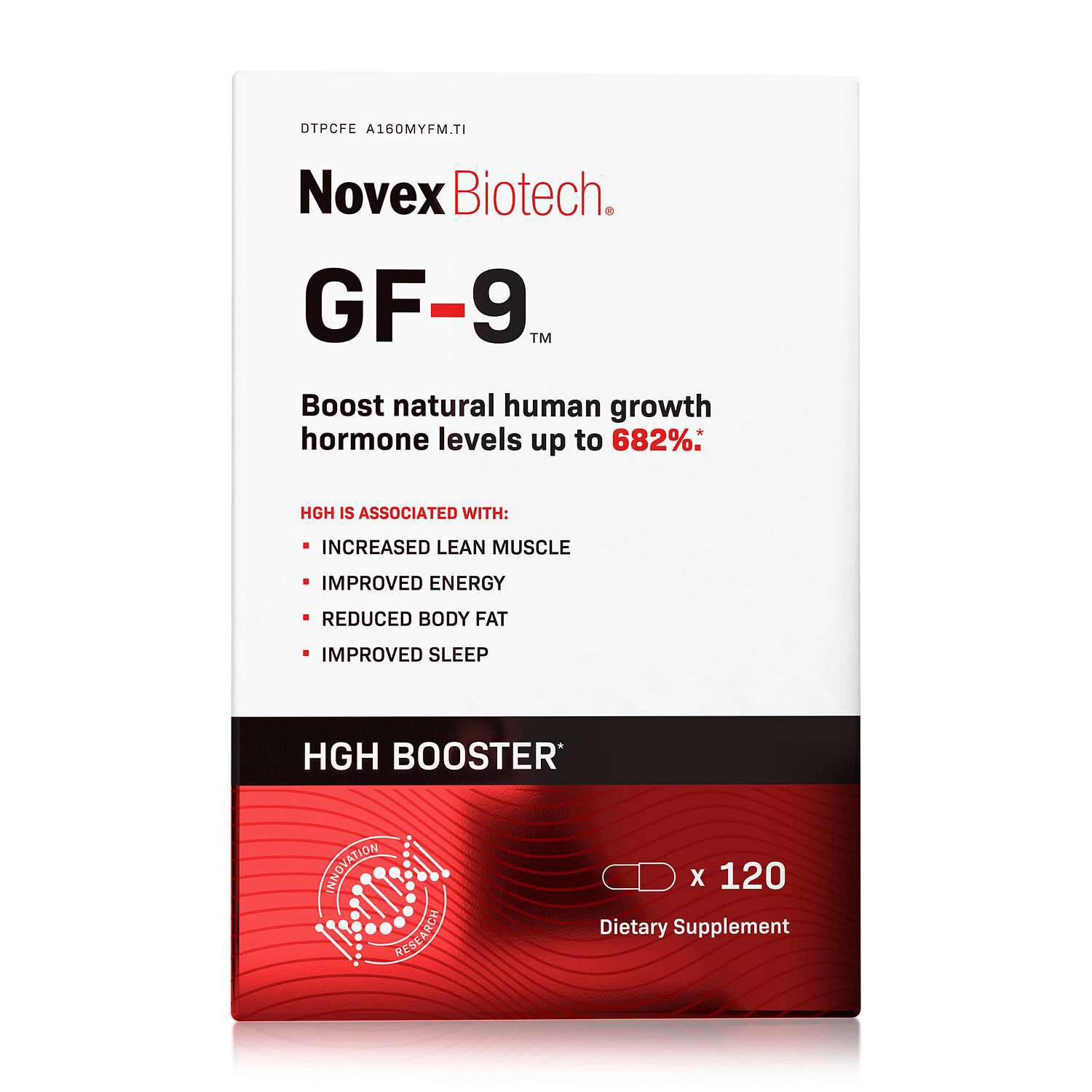
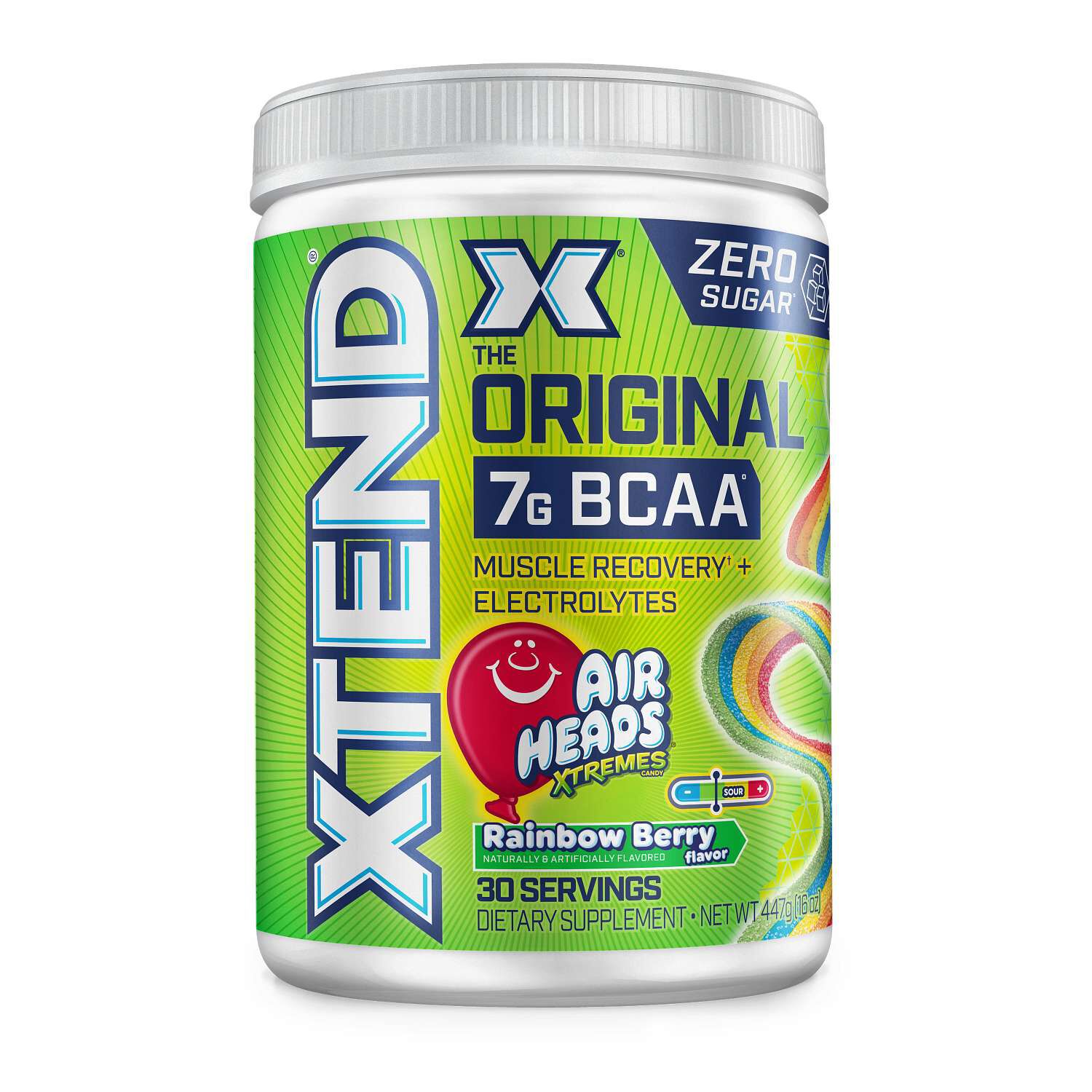


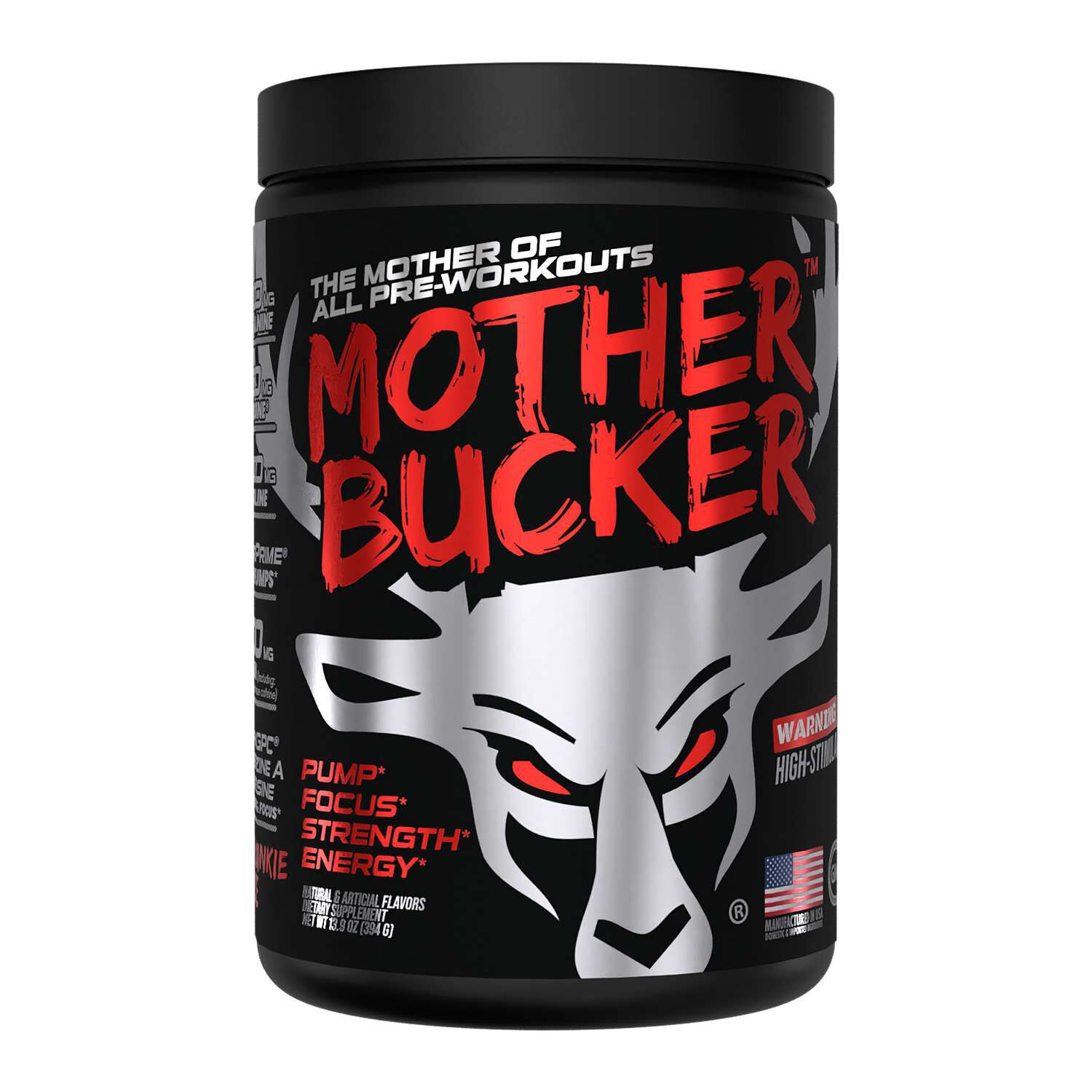

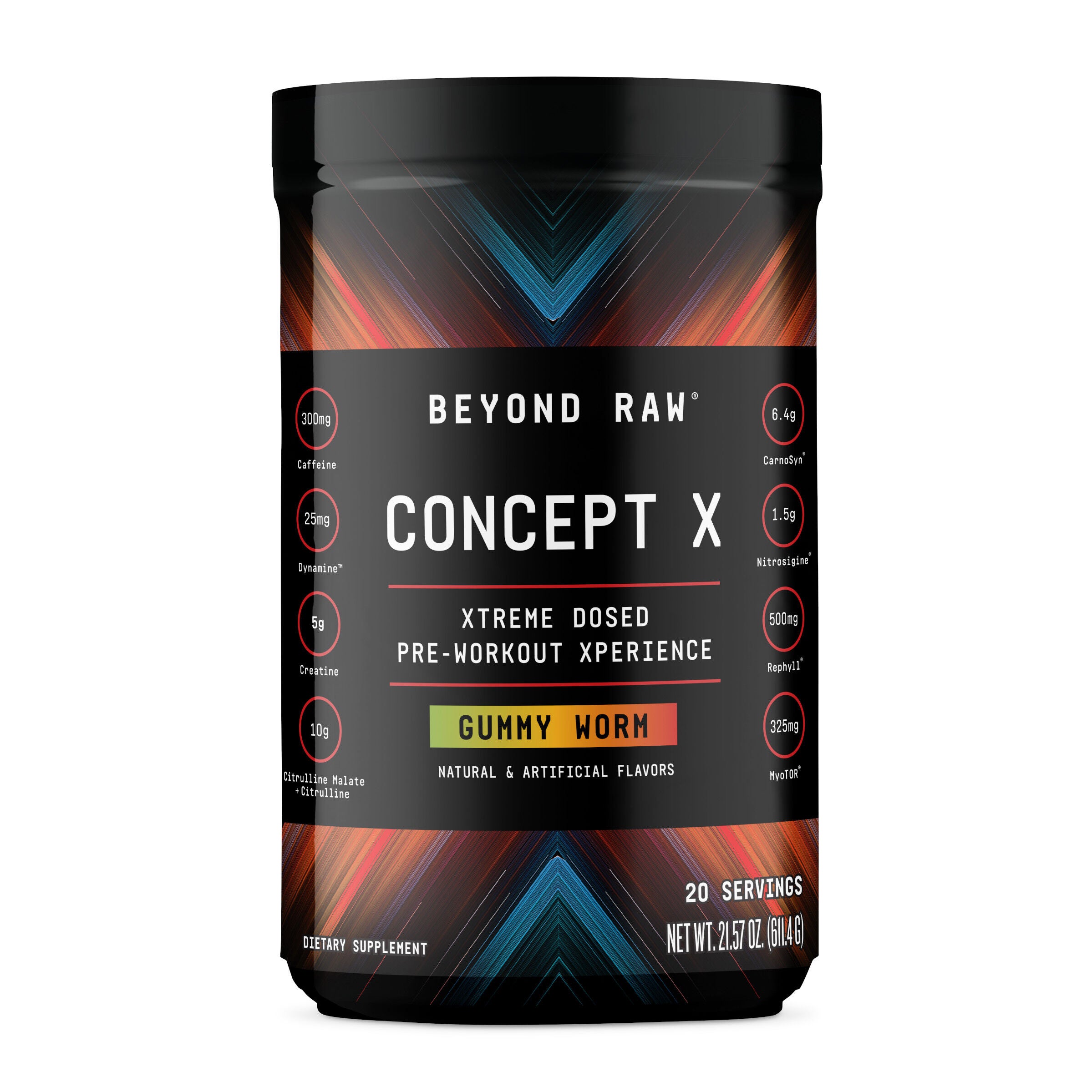
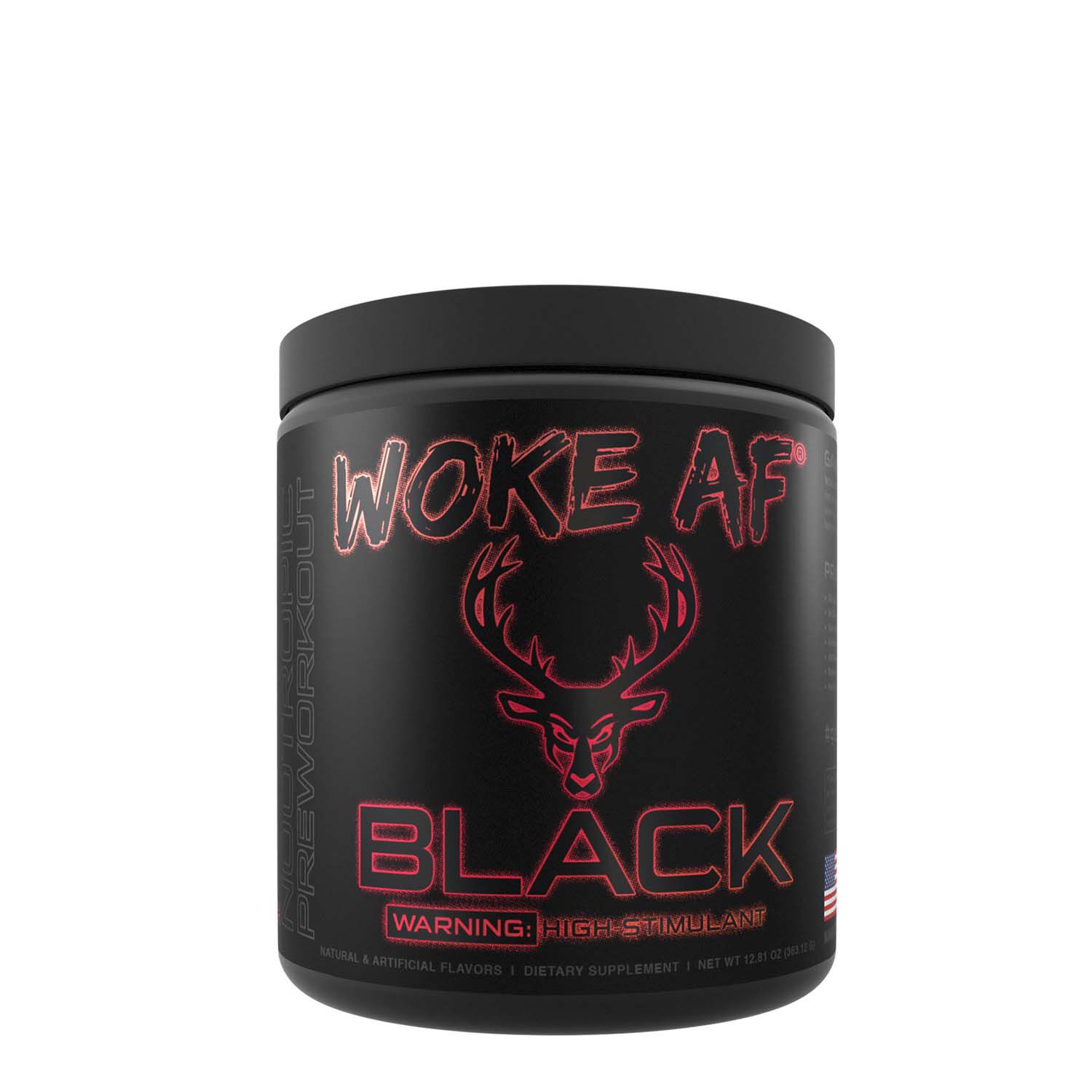

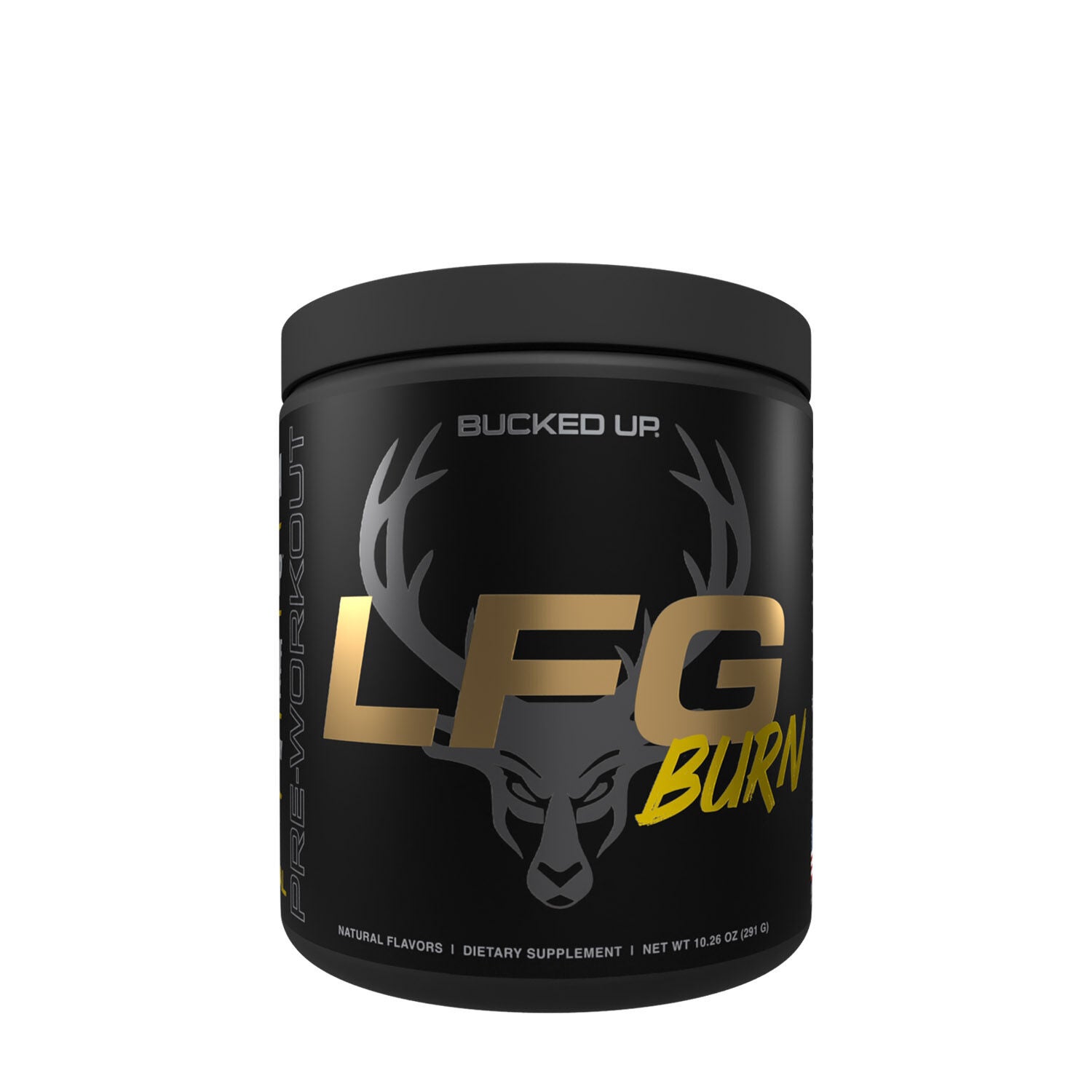
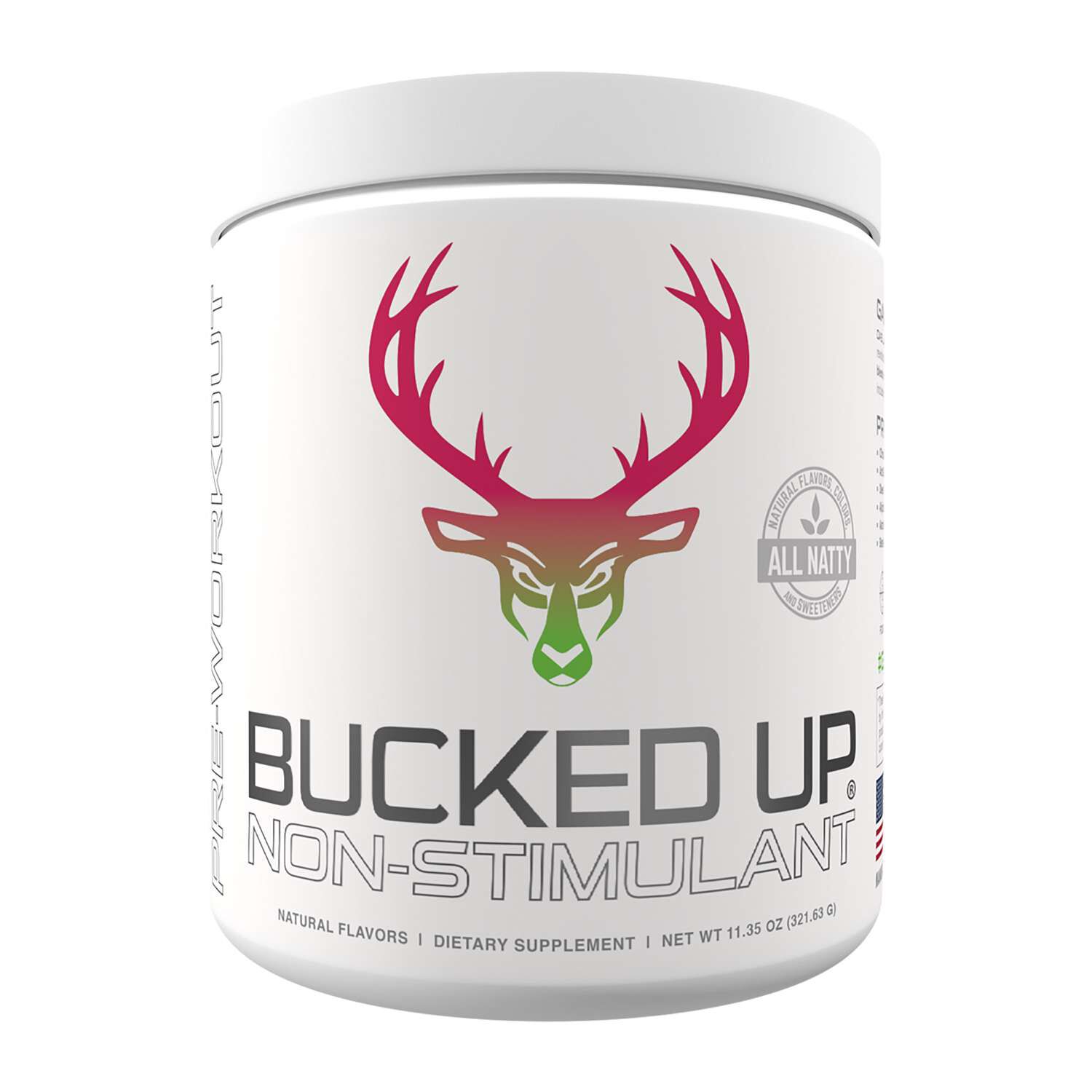


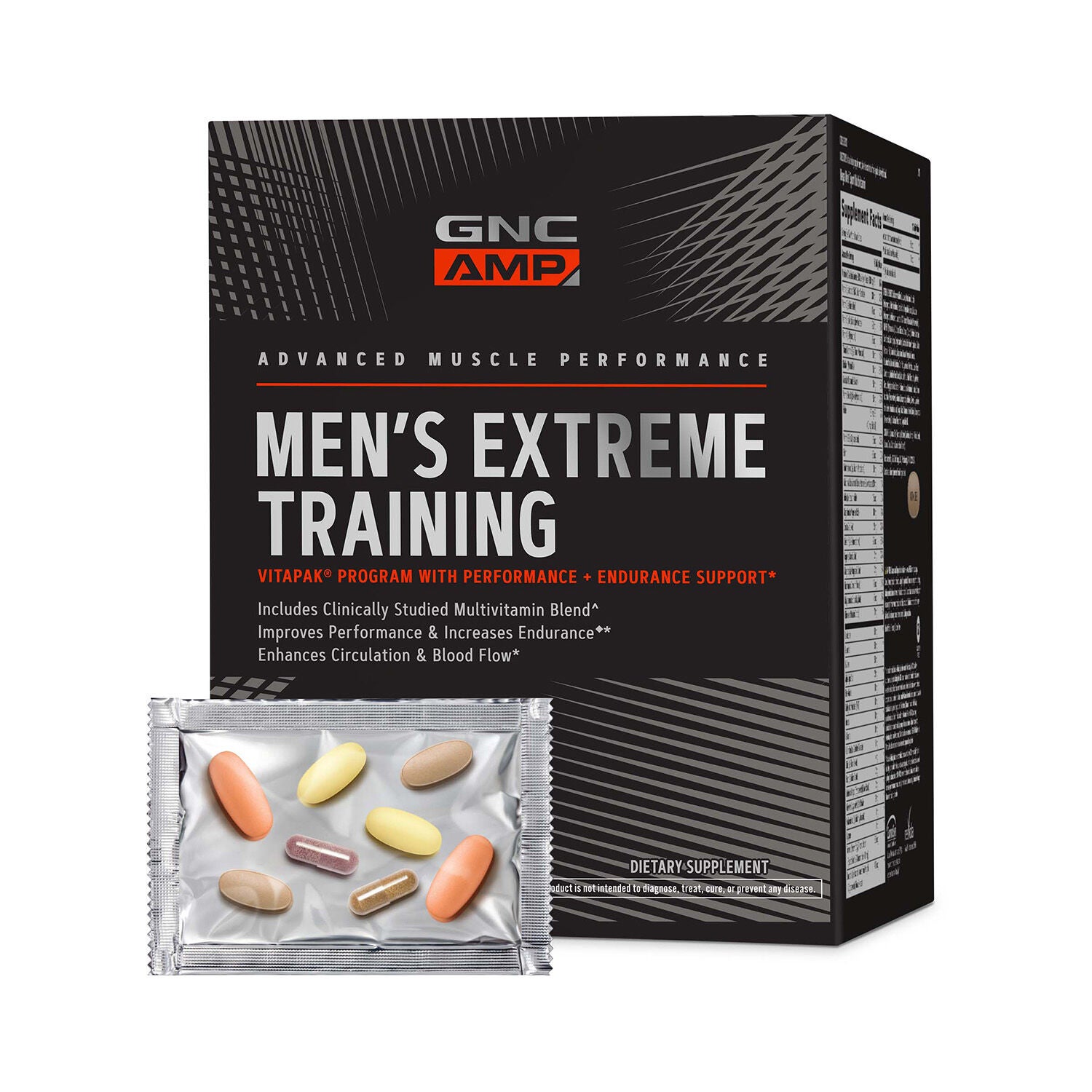
Fitness trainers often look for practical ways to support demanding training schedules, and this collection of enhancers for fitness trainers brings together supplement categories that may fit strength sessions, conditioning work, group classes, and active recovery routines. Trainers may spend much of the day demonstrating movements, coaching clients, setting up equipment, and staying on their feet, so their preferences can differ from those of a casual gym visitor. Some may look for creatine-based formulas to complement resistance training, while others may consider amino acid blends, pre-workout formulas, electrolyte products, protein powders, or convenient nutrition options that could help them stay prepared between appointments. Caffeine-containing formulas may suit adults who enjoy a more focused pre-training ritual, although individual tolerance, timing, sleep habits, and existing dietary sources all deserve attention. Beta-alanine products may appeal to people who include repeated high-effort intervals or circuit-style sessions in their routines. The best choice often begins with the trainer’s actual schedule rather than the most dramatic label language: a strength coach who lifts after a full day of sessions may value a simple powder that mixes quickly, while a group instructor who moves through several classes may prefer easy-to-carry servings and hydration support. Anyone considering a new supplement should read the Supplement Facts panel, review serving directions, check the ingredient list for personal preferences, and speak with a qualified health professional when questions involve medications, pregnancy, breastfeeding, allergies, or an ongoing health concern. Trainers who advise clients can share general product information and encourage clients to seek individualized guidance from an appropriate professional, rather than selecting products on another person’s behalf.
Shopping for these products may feel more straightforward when the practical details receive as much attention as the headline ingredient. Start by considering the type of training, preferred format, flavor, serving size, and storage needs. Powders can work well for trainers who already carry a shaker and prepare a drink before heading to the gym, while capsules or ready-to-use options may fit a packed day with little time between clients. A label with a short, recognizable ingredient list may make it easier to track what fits into an existing routine, especially when several beverages, snacks, and supplements are already part of the day. Caffeine deserves particular care because coffee, tea, energy drinks, and pre-workout formulas can all contribute to daily intake; anyone sensitive to caffeine may prefer a non-caffeinated option or earlier timing to help protect a consistent evening routine. Creatine products are commonly selected by people focused on resistance work and repeated short efforts, while beta-alanine is often considered by those who enjoy demanding interval formats. Protein products may provide a convenient food option after a session or between appointments, though they work best as part of an overall eating pattern rather than as a substitute for varied meals. Electrolyte powders and drink mixes may be useful to people who train for longer periods or spend time exercising in warm, humid settings, with the label and personal circumstances guiding selection. For trainers who demonstrate exercises throughout cooler months, a shelf-stable snack, insulated bottle, or single-serve pouch could make a thoughtful gift alongside a supplement. A well-chosen gift might reflect the recipient’s real habits: a coach who keeps a tidy gym bag may appreciate compact packaging, while a trainer who prepares meals at home may prefer a larger format that fits an established routine. Checking dietary preferences, flavor dislikes, and any ingredient restrictions before gifting may help the selection feel personal without making assumptions about fitness goals.
Consistency and simplicity often shape whether a product earns a regular place in a trainer’s day. Many professionals build routines around familiar cues: mixing a serving while packing coaching shoes, keeping hydration nearby during a morning class, or preparing a post-workout snack before the next client arrives. A product that fits naturally into those moments may be easier to use than one that requires complicated preparation or inconvenient timing. Trainers may also want to keep a basic record of how a new product fits into their routine, noting serving time, other sources of caffeine, training demands, and personal preferences. This kind of mindful approach could make it easier to identify which formats feel convenient and which products simply take up space in a crowded cabinet. Product quality and transparency matter, so shoppers may look for clear labeling, lot information, sensible storage guidance, and testing standards described by the manufacturer. Avoid products with unclear ingredient disclosures or language that suggests extraordinary results. No supplement replaces sound coaching, regular meals, adequate hydration, quality sleep, or a well-structured training plan, and individual results may vary. Trainers who want to explore additional options can browse Supplements For Fitness Trainers to compare categories suited to different routines and preferences. Whether shopping for personal use or choosing a considerate gift for a coach, focus on the recipient’s schedule, training style, flavor preferences, and comfort with different formats. During the cooler months, that practical approach can make a gym bag feel more organized and help a busy trainer select products that may fit the rhythm of real training days.