Fitness Support For Gym Goers
(0 Results)
Fitness support for gym goers may be crucial in achieving peak performance and reaching fitness goals. Whether you're a seasoned athlete or just starting your fitness journey, the right supplements and multivitamins could provide the necessary nutrients to help you stay energized and focused during your workouts. Explore a range of products designed to support muscle recovery, endurance, and overall well-being, helping you make the most out of every gym session.
-
-
 Axe & Sledge Supplements3$34.99
-
-
-
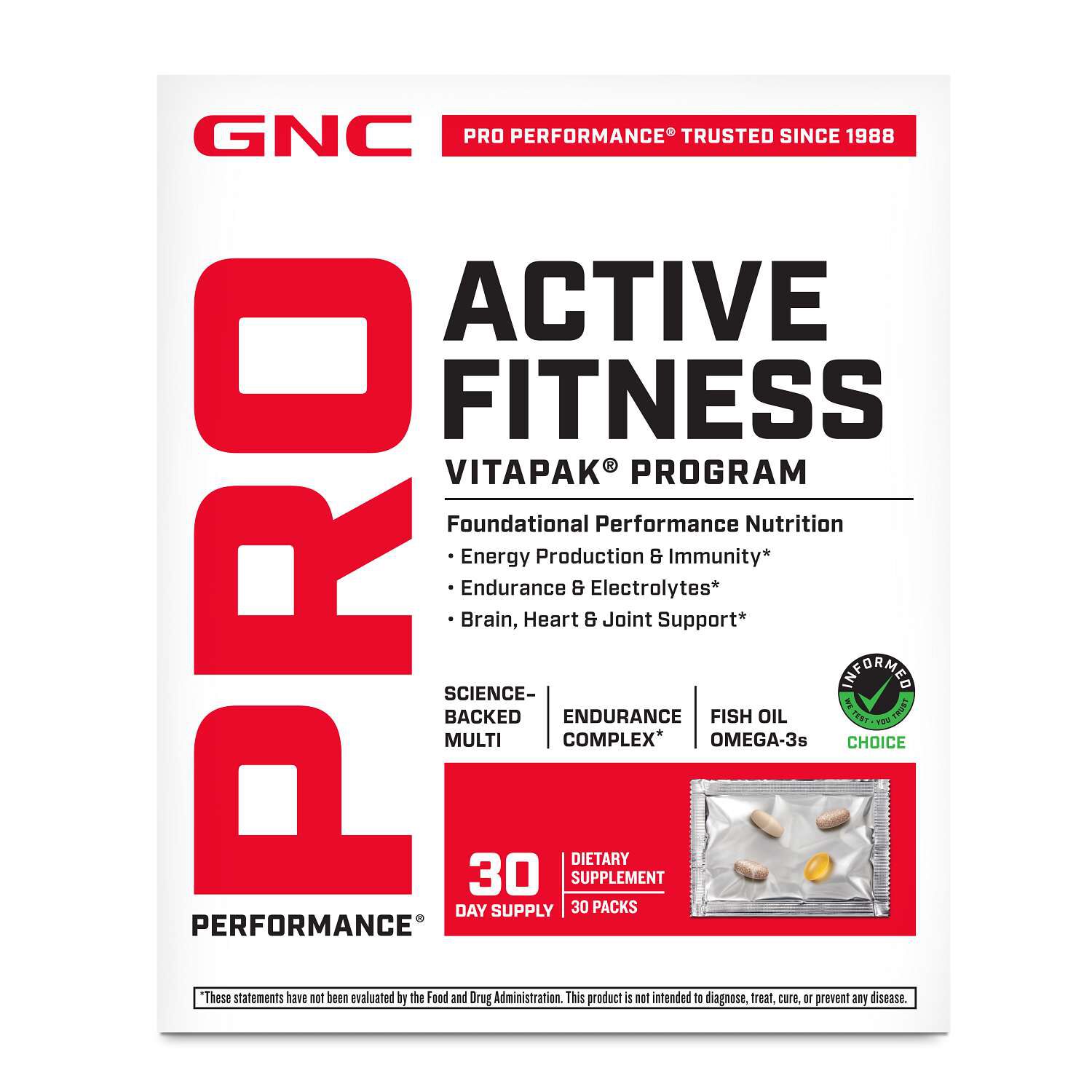 GNC Pro Performance$39.99
-
-
-
-

-
-
-
-

-
-

-
-
-
-

-
-
 $39.99
-
-

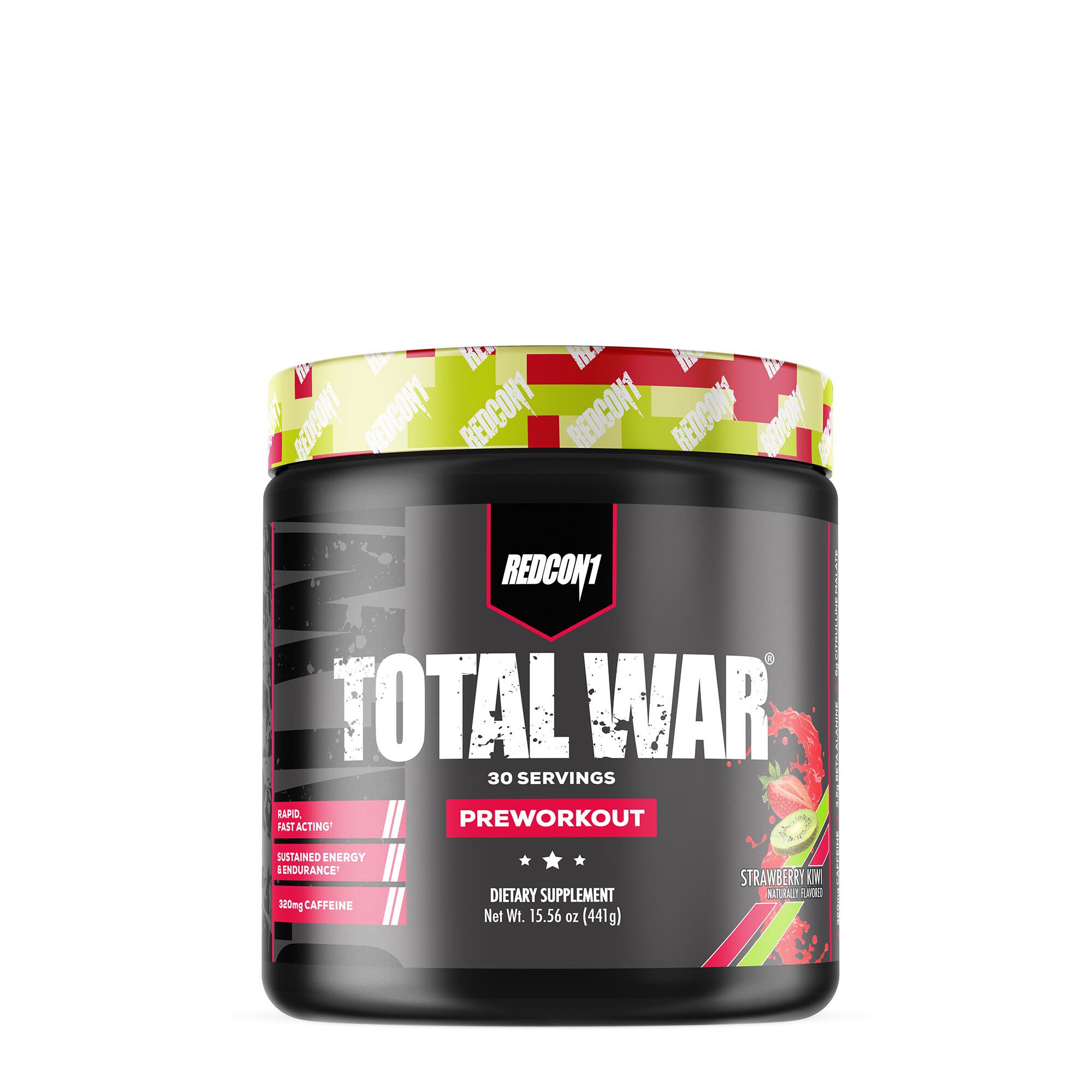
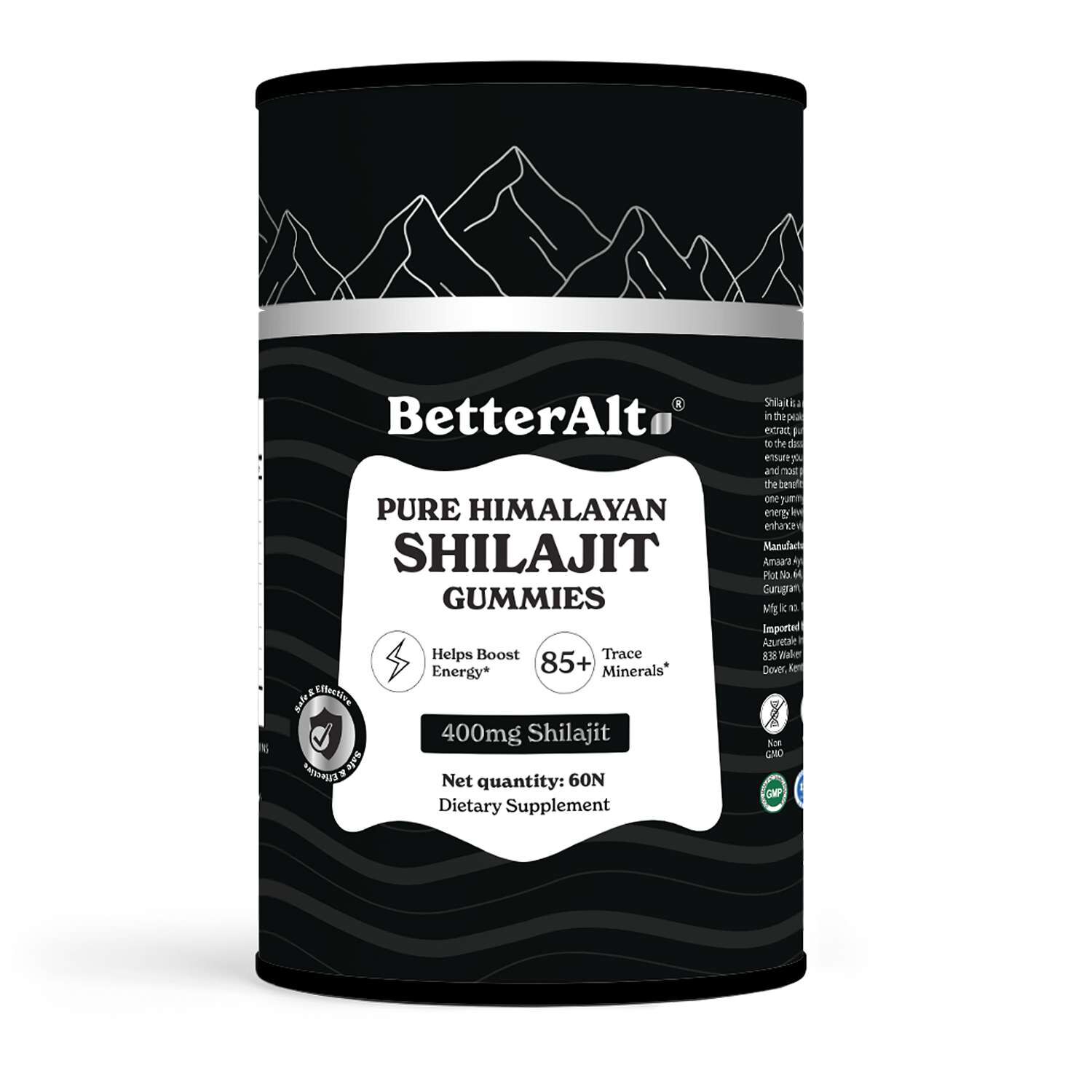
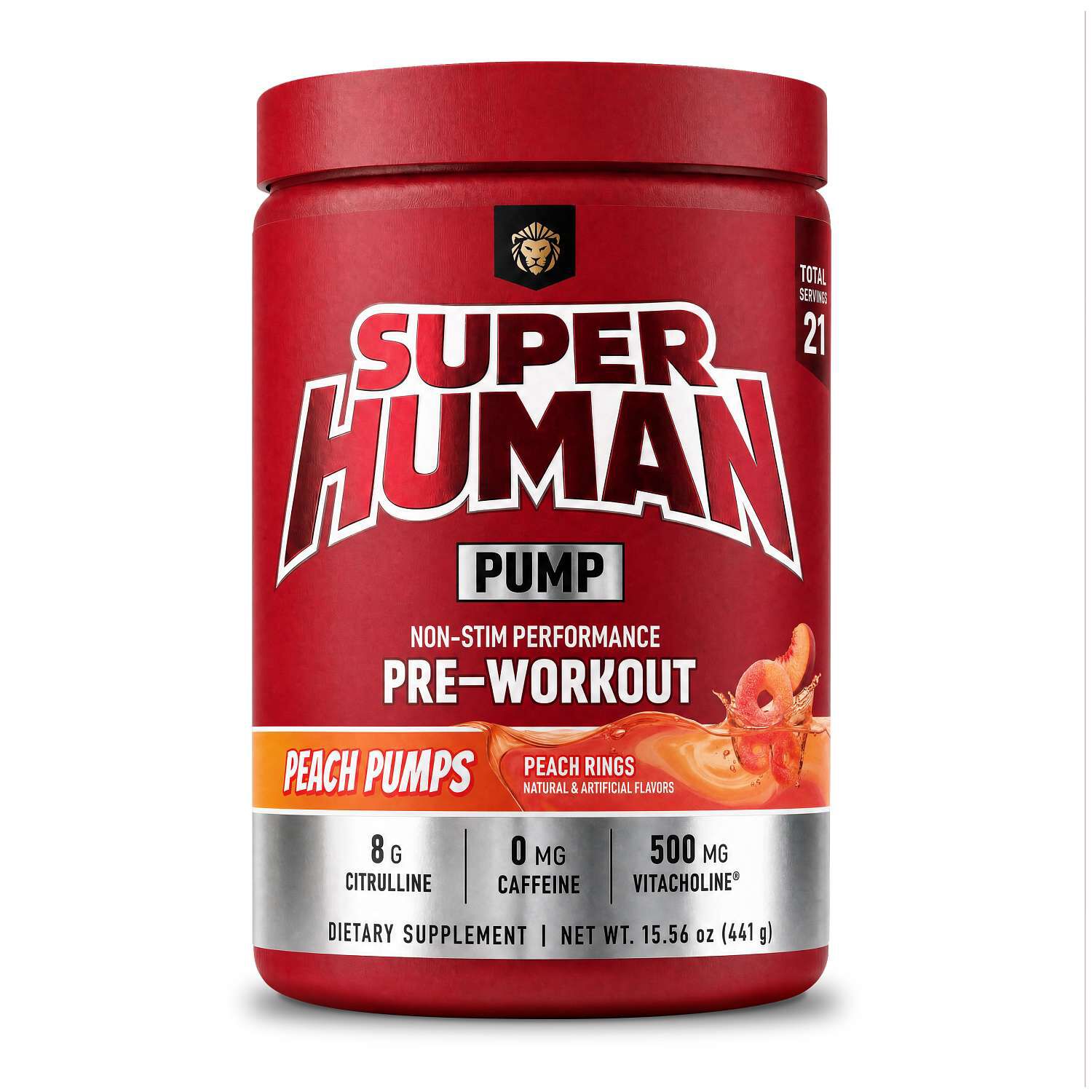
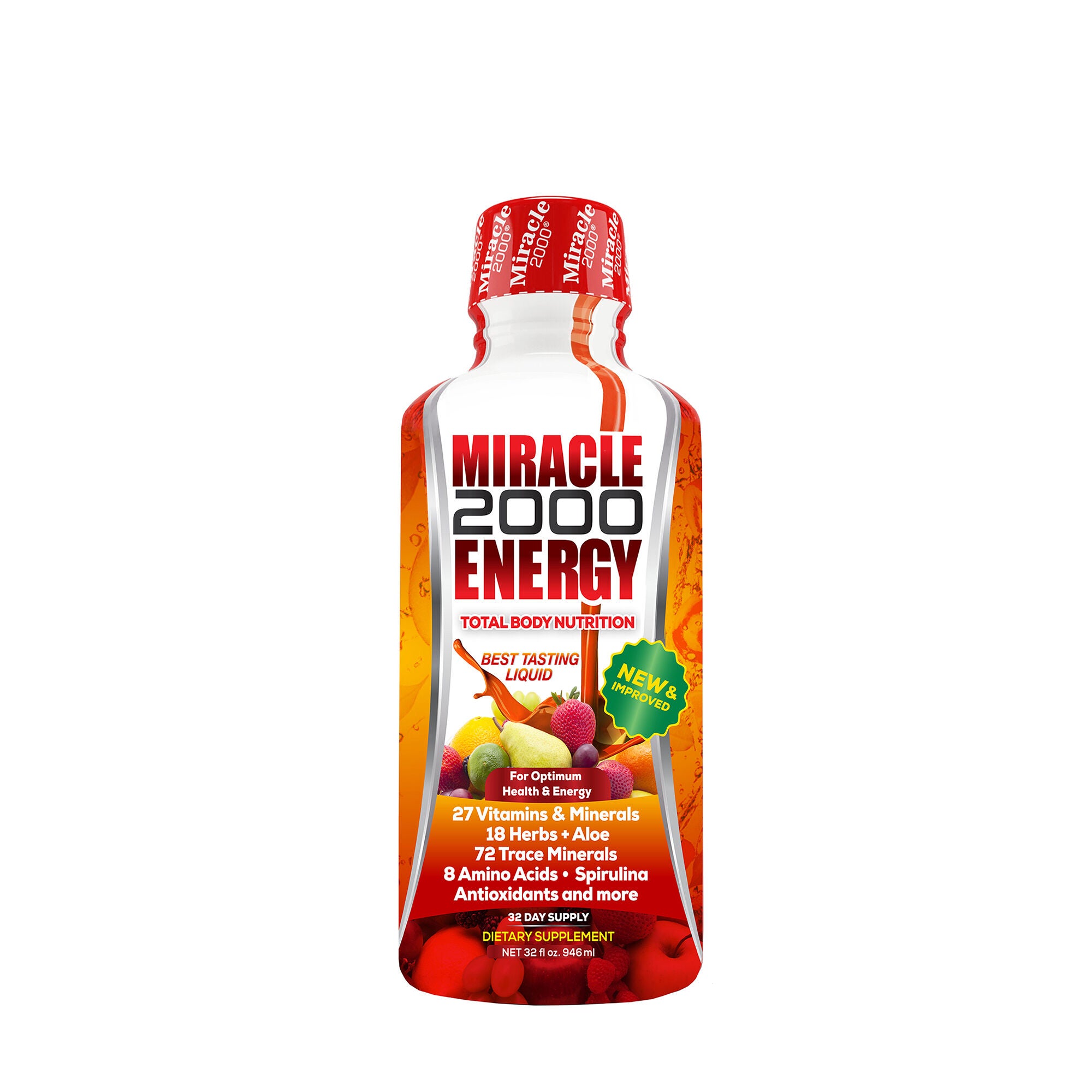
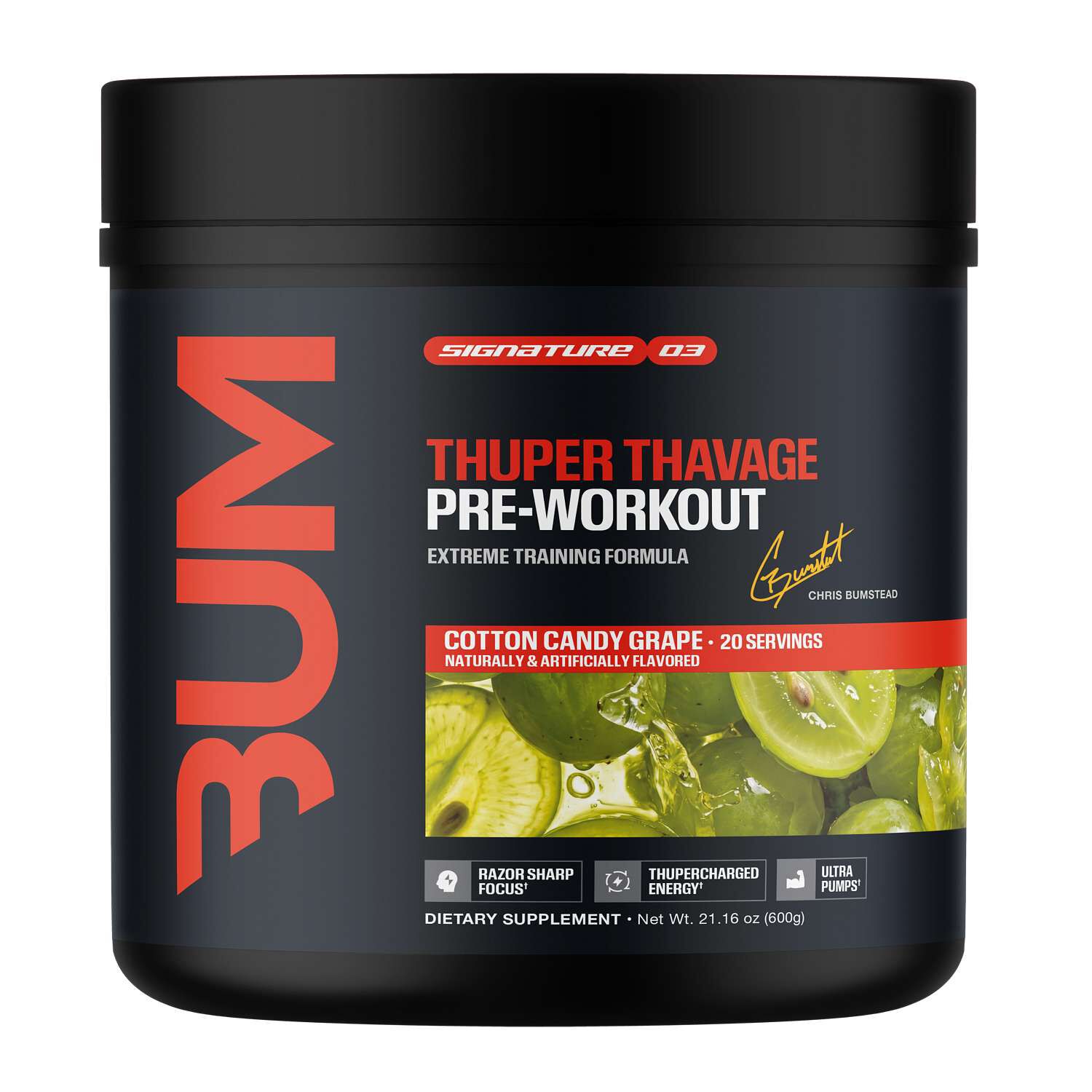
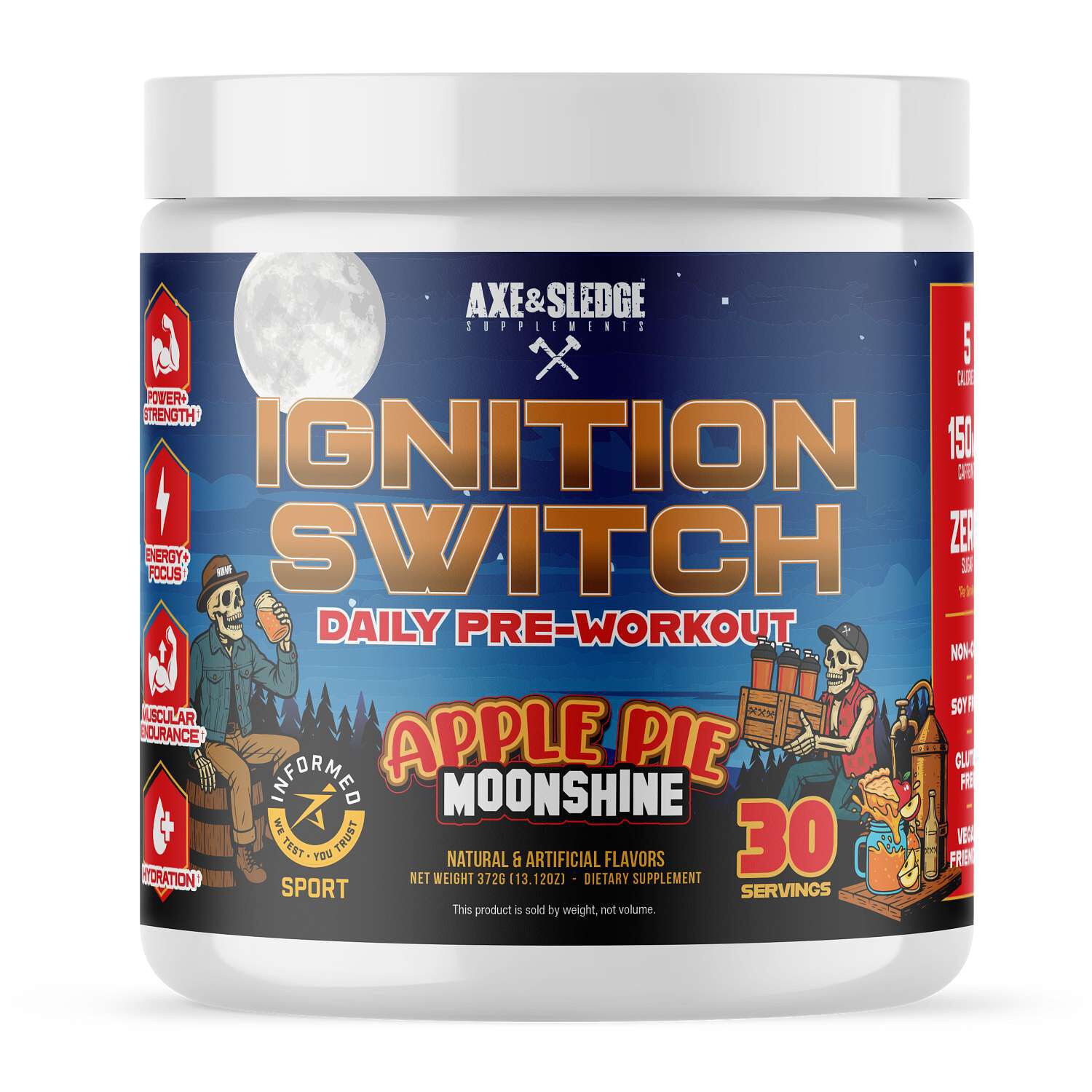
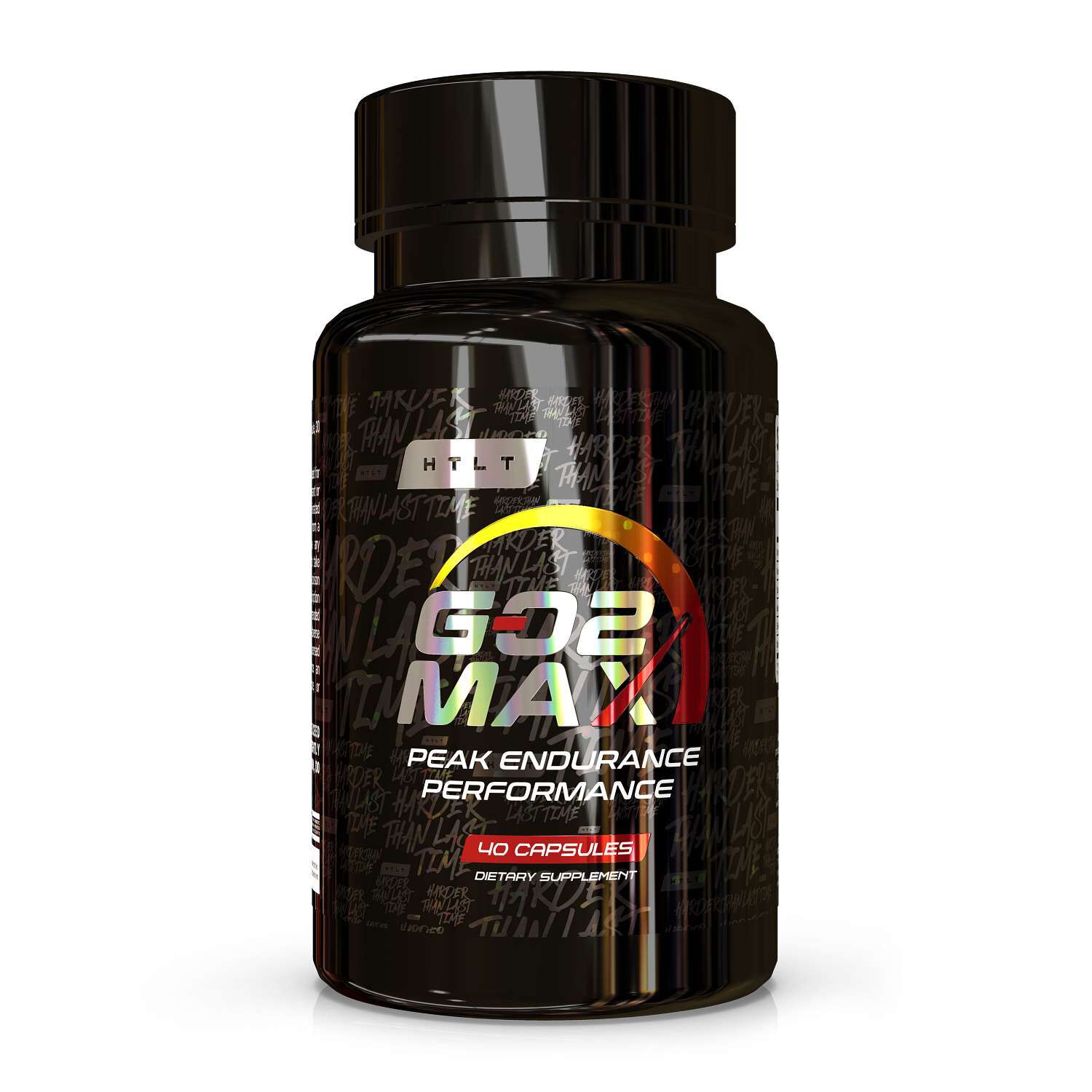
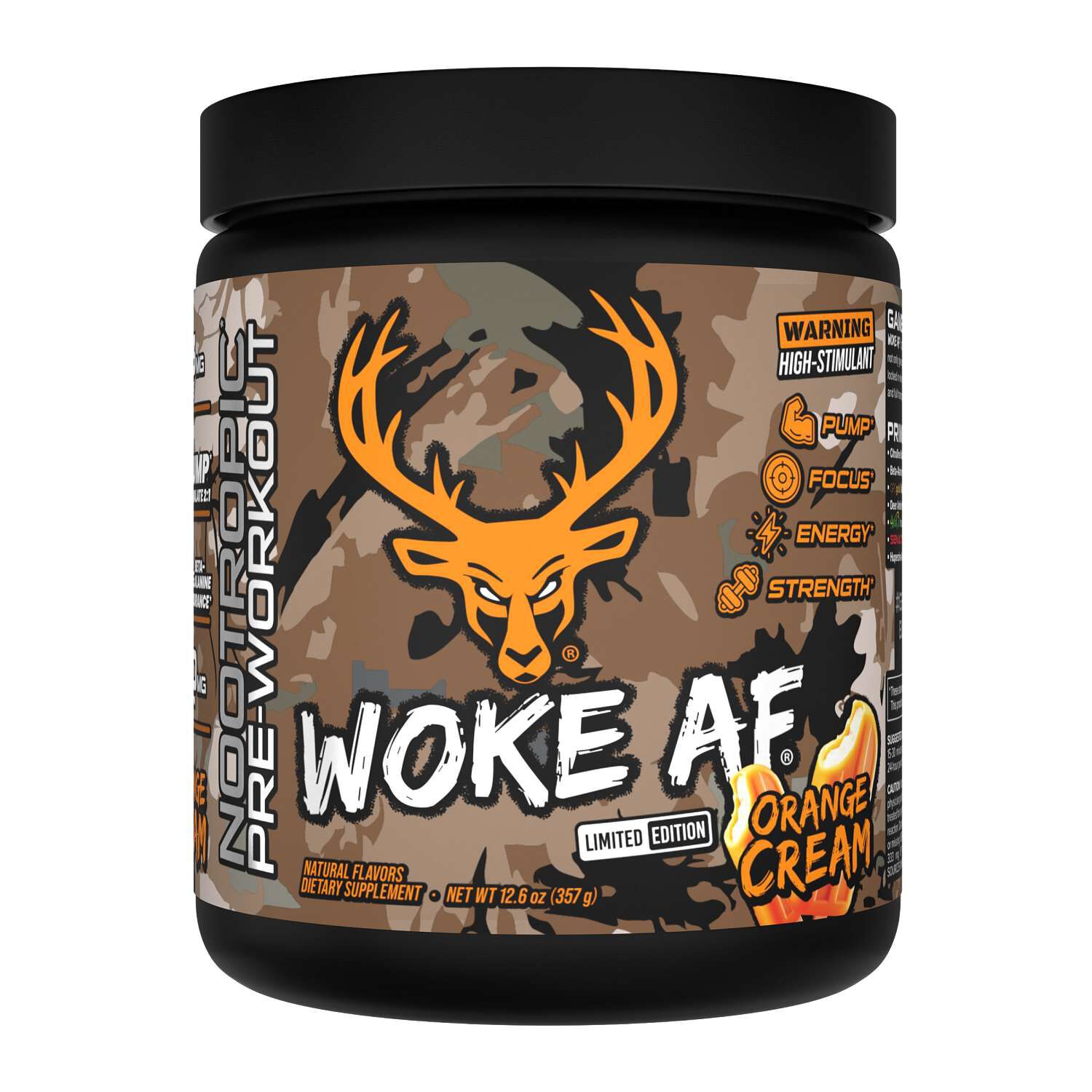
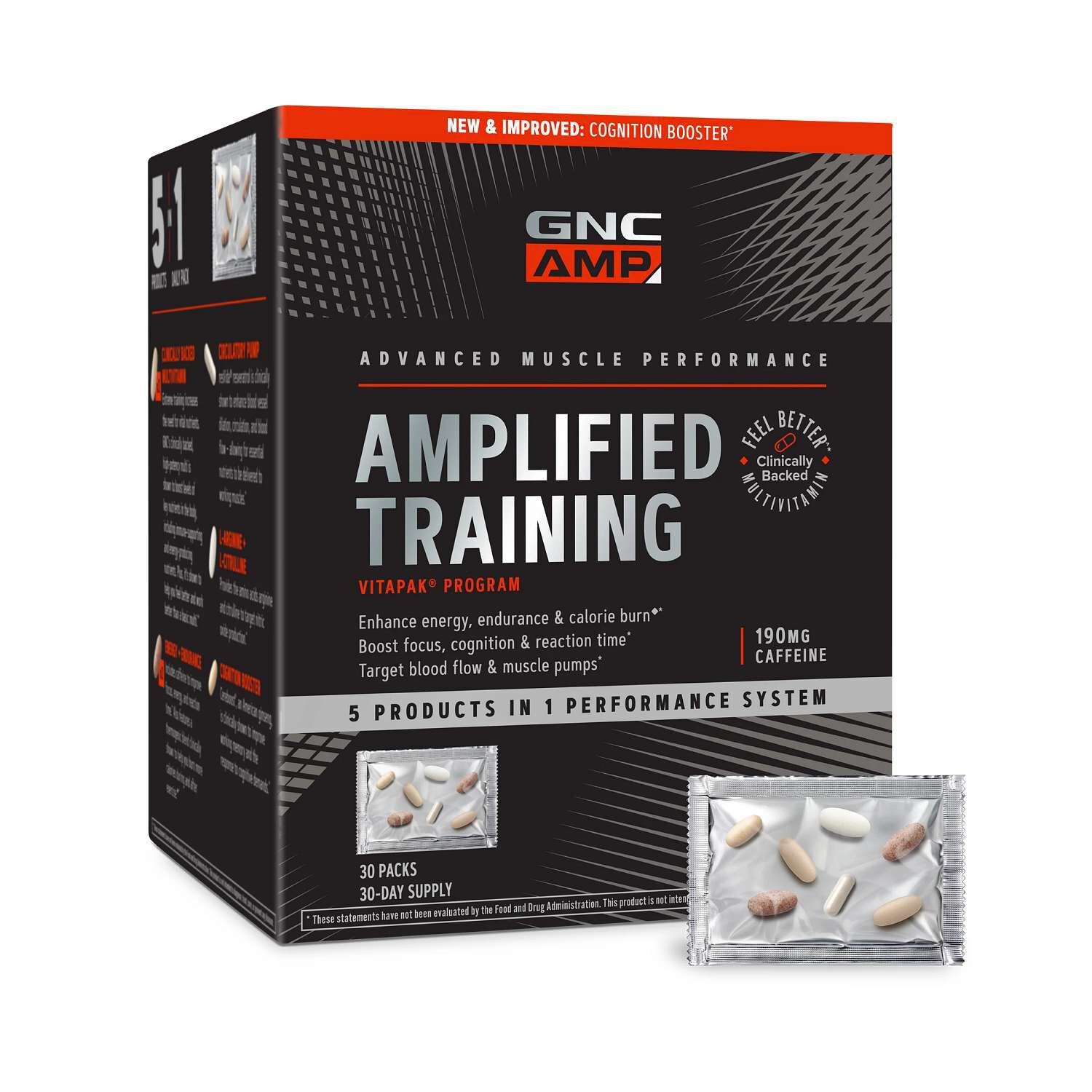
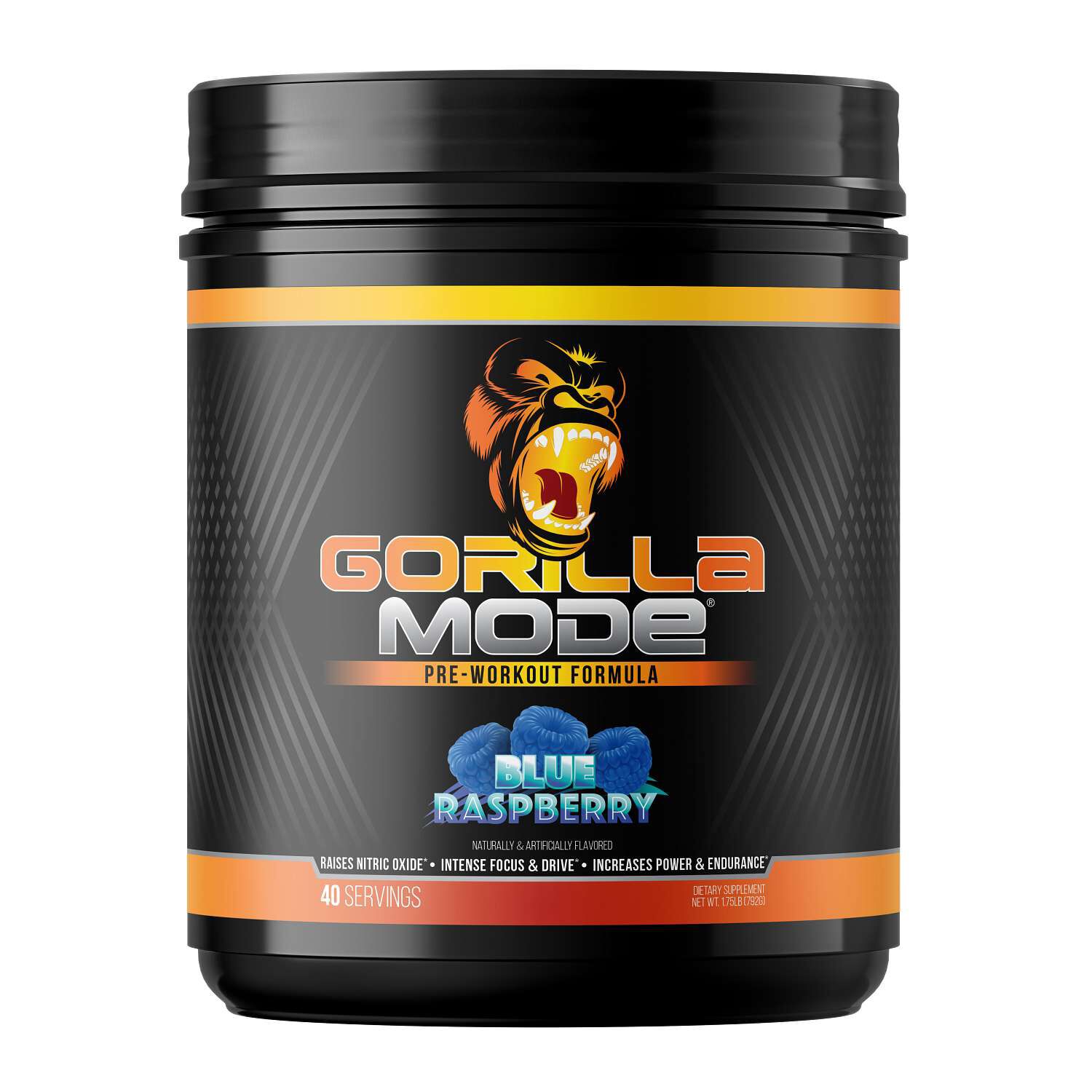
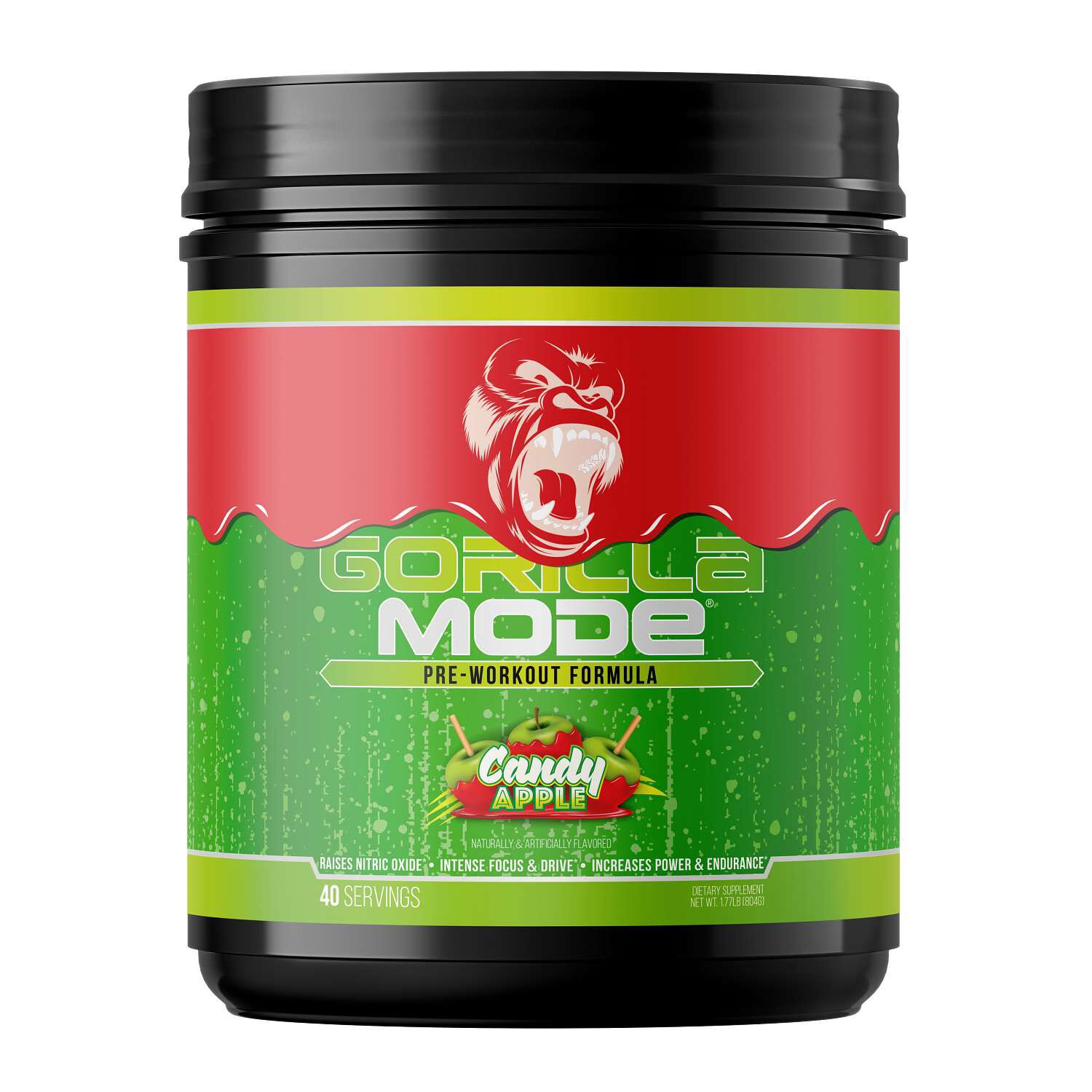
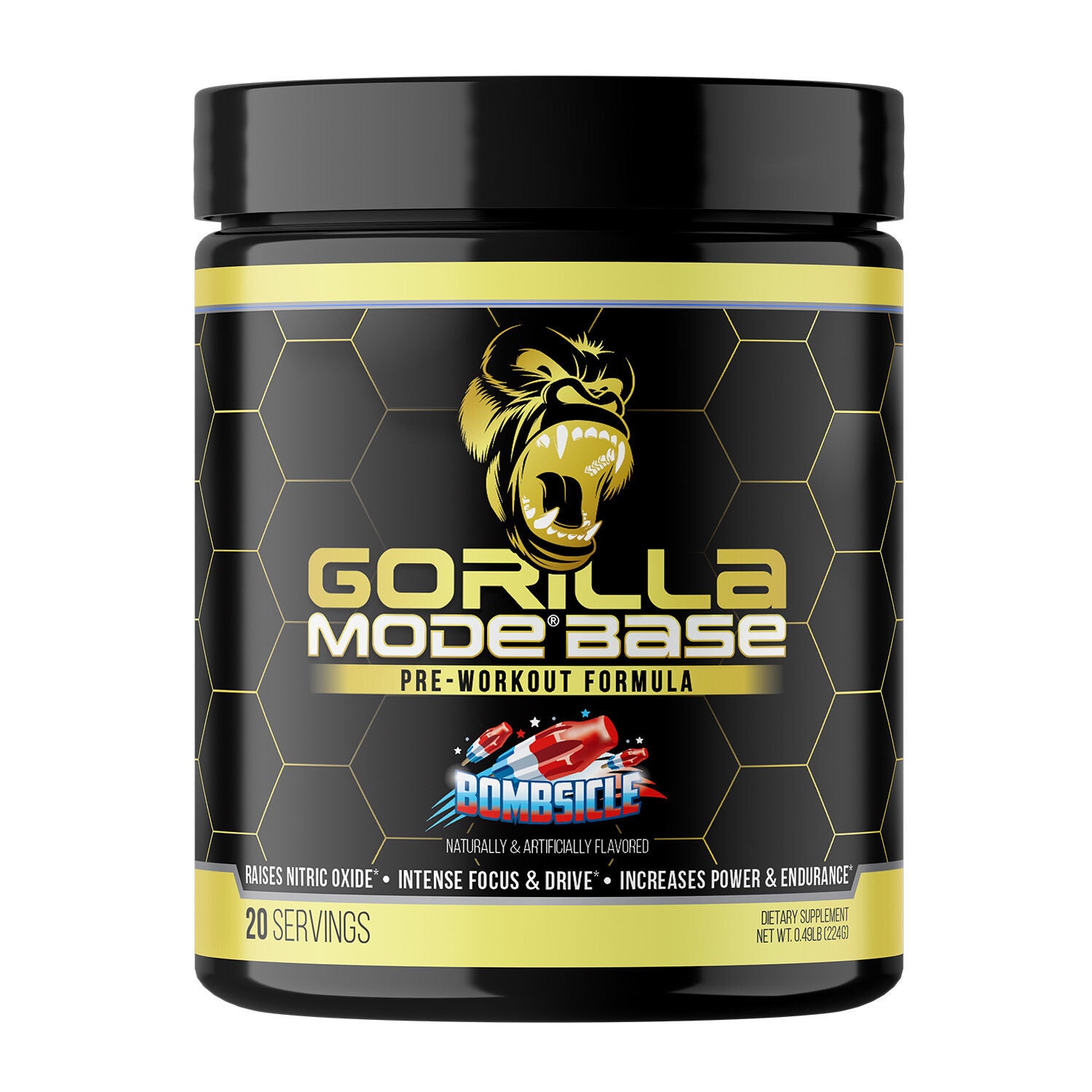
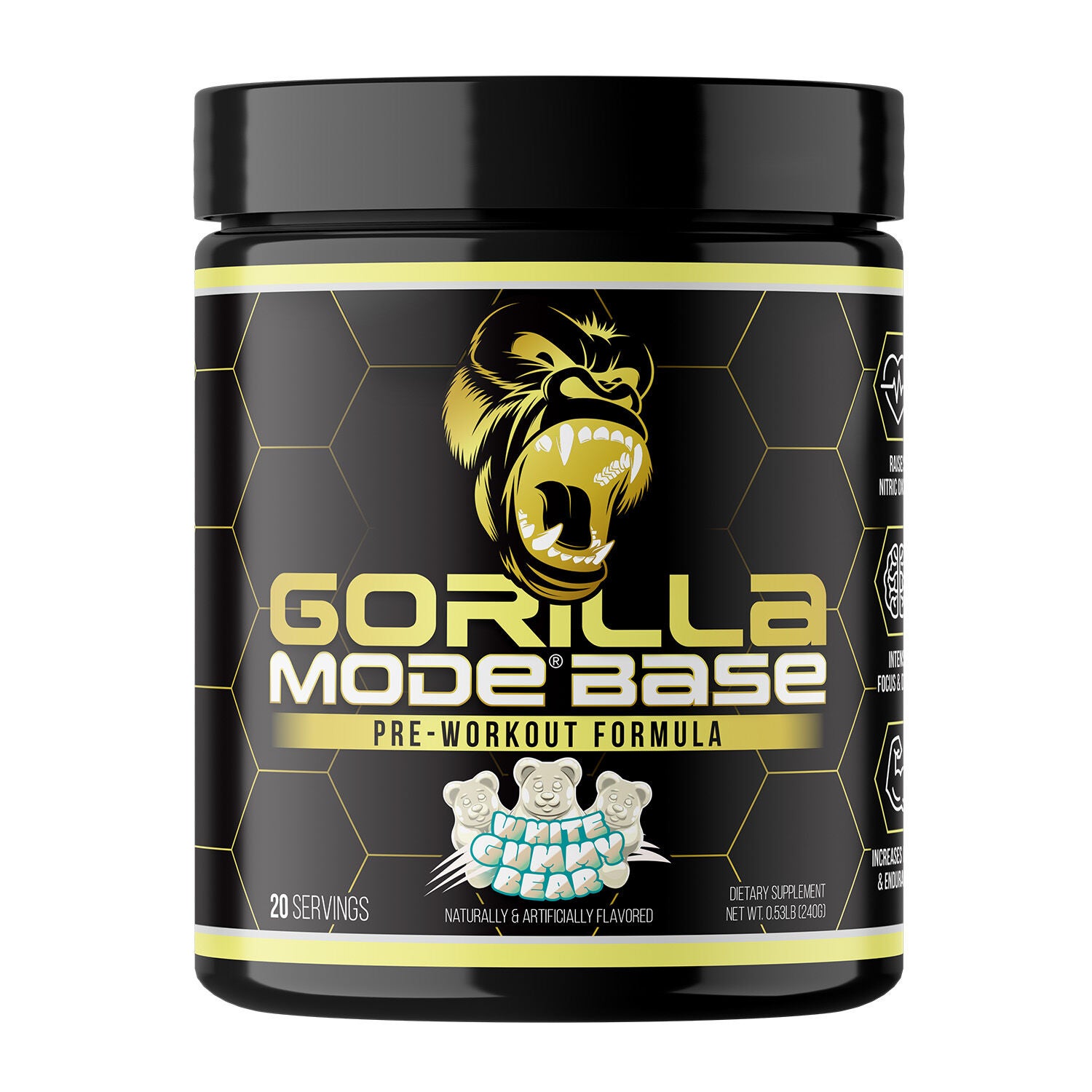
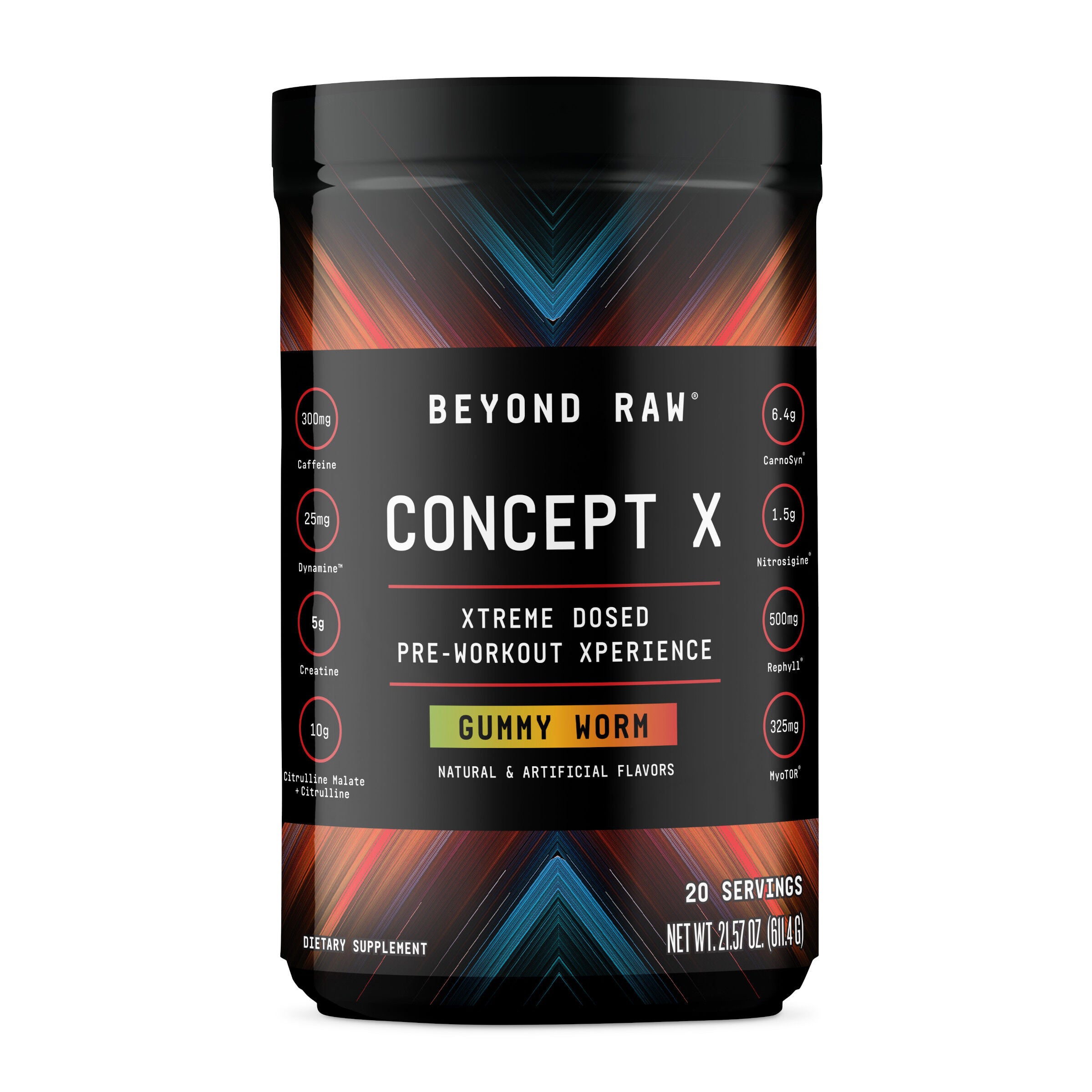
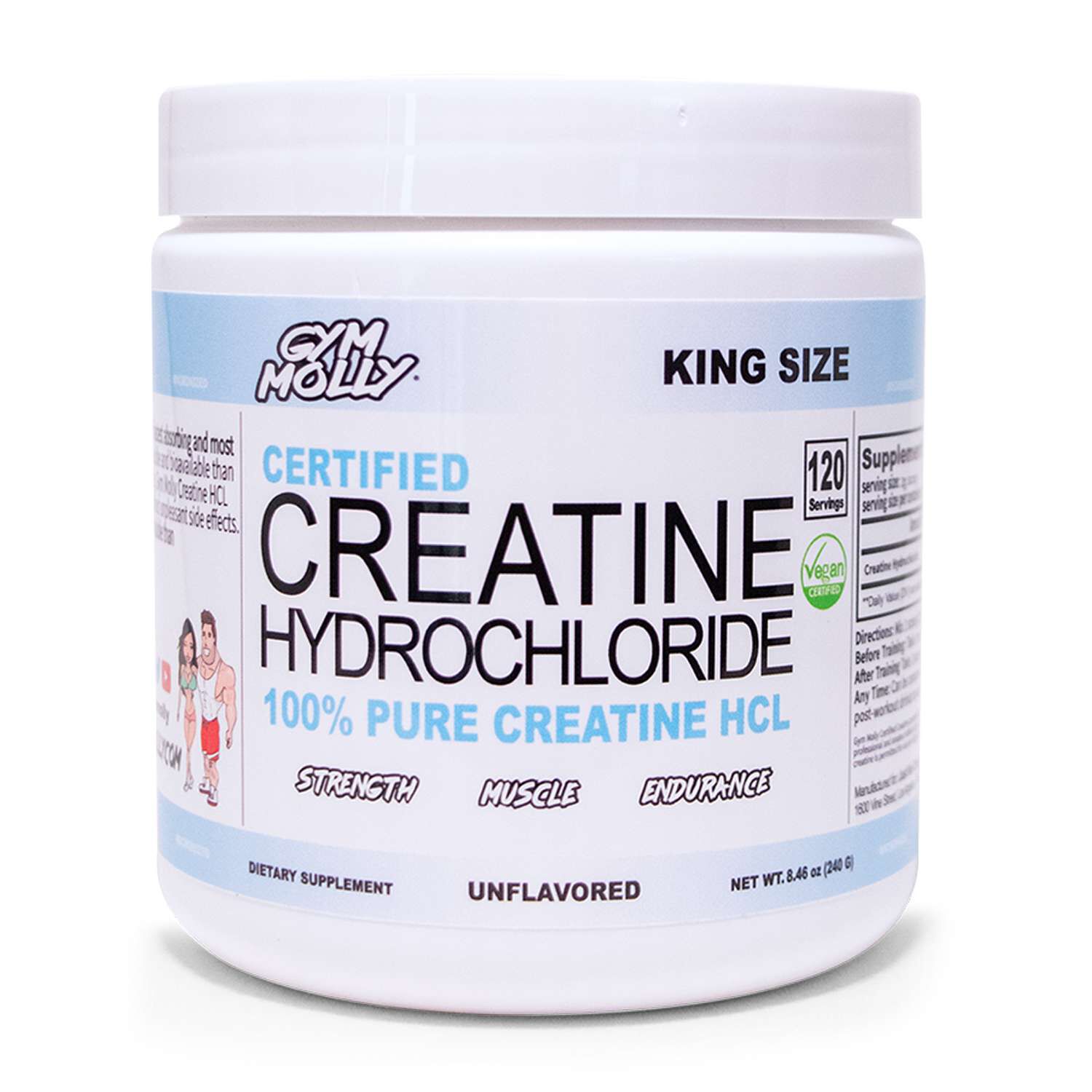
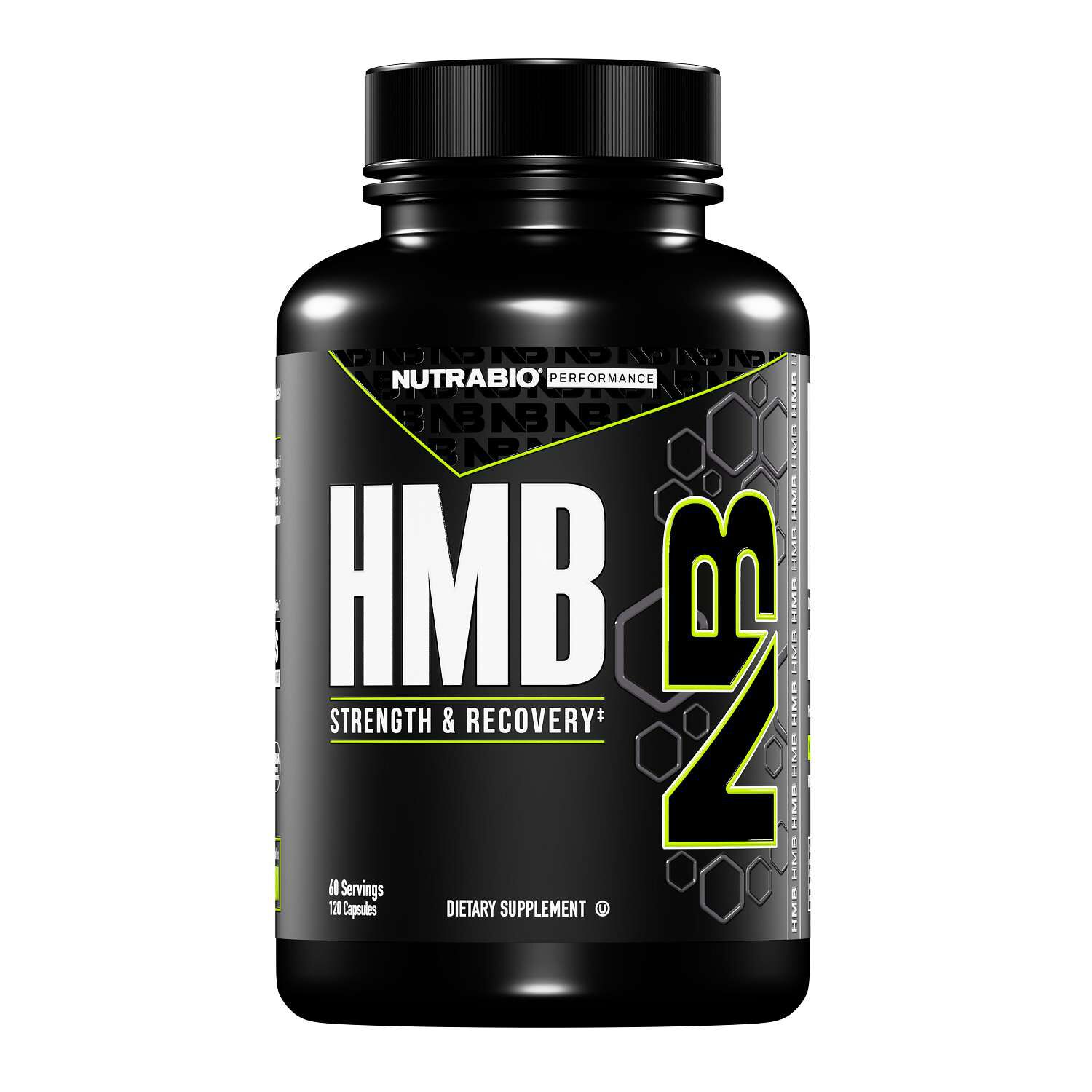
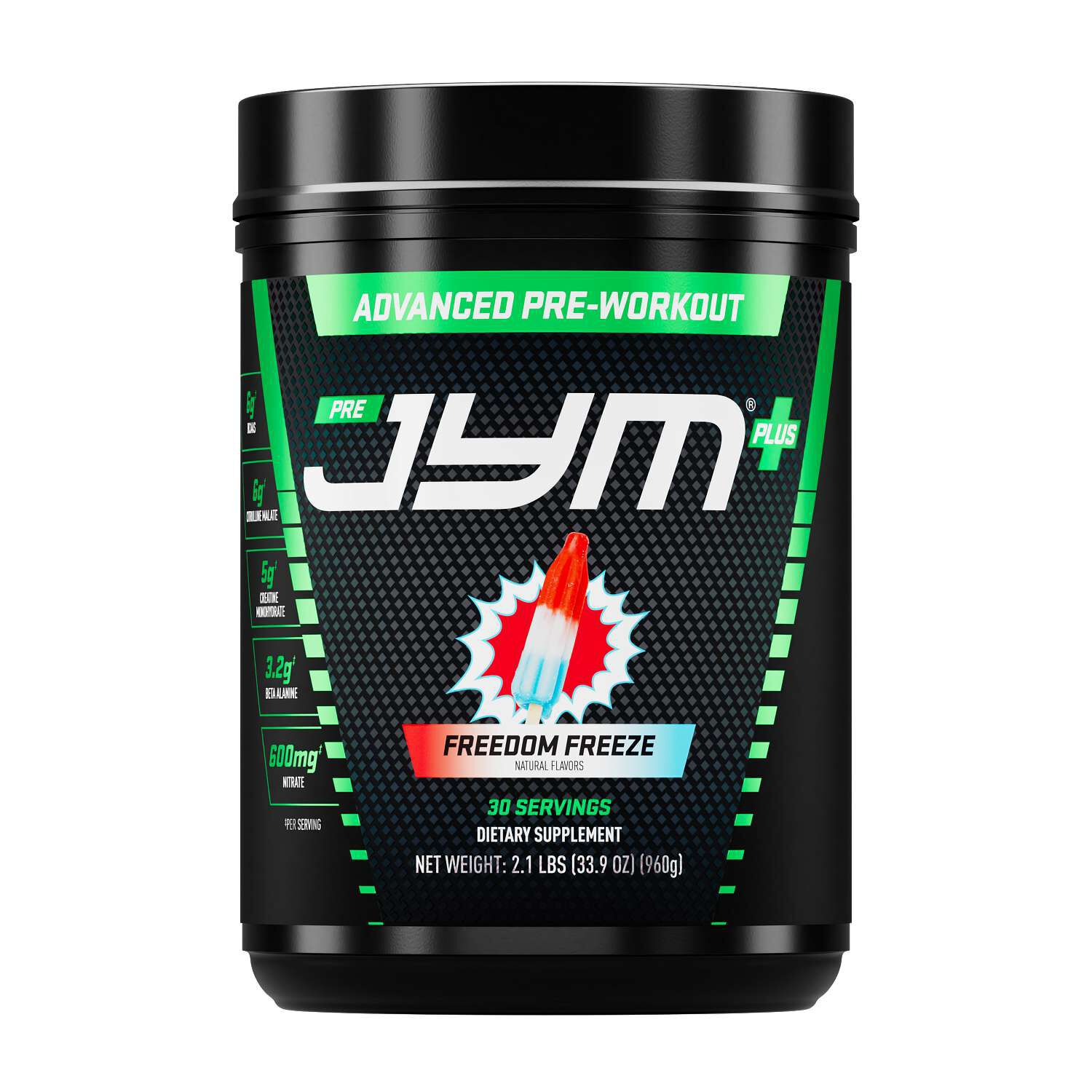
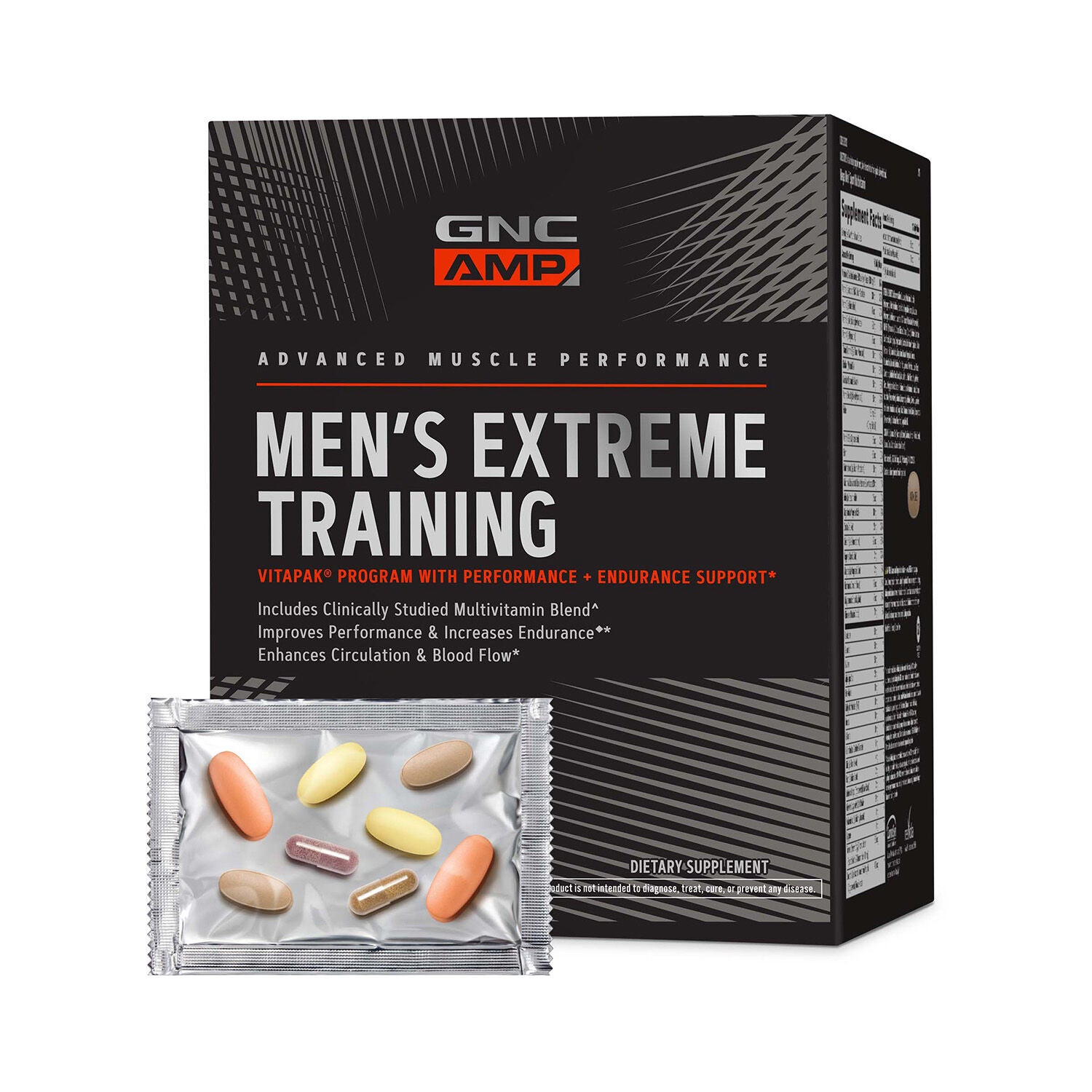
Fitness support for gym goers spans sports nutrition, everyday training accessories, and practical gear chosen around the way someone exercises. A strength-focused routine, a circuit class, and a session split between machines and cardio equipment each involve different preferences for fit, format, and convenience. The category can include protein powders, ready-to-drink shakes, capsules, hydration mixes, lifting belts, wrist wraps, and straps, with intended use serving as an important point of comparison. Sports nutrition products belong alongside ordinary meals and a realistic training schedule, rather than standing in for either. Protein powders may complement protein from food when a packed day leaves little room for meal preparation, while a prepared shake may suit someone heading straight from the gym to work. Powder formats involve mixing and measuring; packaged drinks involve carrying a finished beverage; capsules have their own serving directions and ingredient information. For shoppers comparing Fitness Support Capsules, the ingredient list, serving size, capsule count, and labeled purpose offer more useful context than the appearance of the container. Capsule shells can differ in composition, which matters to people with particular dietary preferences. Powders and drinks also vary in protein source, sweetness, texture, and listed allergens. Whey, casein, soy, and pea protein are examples of sources found across the broader sports nutrition category, and their origins may influence a shopper’s selection. Someone who enjoys a thick shake at home may prefer a different texture from someone mixing a drink in a small shaker between appointments. Flavor deserves similar attention: a strong dessert-style taste and a lightly flavored option create quite different everyday experiences. Comparing the labeled serving rather than the container alone gives a clearer picture of what each format involves. These distinctions keep fitness support grounded in ordinary habits, whether that means packing a gym bag before an early commute or keeping a measured portion ready for a planned afternoon session. The most relevant starting point is the intended use, followed by the details that determine whether a format suits that routine.
Supportive gym gear brings a different set of considerations, especially materials, sizing, adjustability, and construction. Lifting belts, wrist wraps, and lifting straps are distinct accessories rather than interchangeable versions of the same equipment. A belt sits around the torso and may provide a supportive feel during certain strength exercises; wrist wraps encircle the wrist and may offer a firmer feel during selected movements; lifting straps connect around the wrist and an equipment handle or bar and may assist grip during pulling exercises. None of these accessories replaces learning the movement or choosing an appropriate training load. Their suitability depends on the activity, the wearer’s experience, and the manufacturer’s intended use. Leather belts often have a structured construction and buckle closure, while fabric-based designs may use nylon, neoprene, or combinations of materials with adjustable fastening systems. Belt width, thickness, edge finishing, and the placement of the closure all affect how the accessory sits against the body. A broad belt can occupy much of the space between the ribs and hips, so torso length matters alongside waist measurement. Manufacturer sizing charts are more useful than assuming a usual pants size will translate directly. Wrist wraps differ in length, stretch, and fastening layout, while straps vary in weave, padding, and the shape of the section that contacts the wrist. A shopper comparing these accessories can look closely at stitching, reinforced seams, hardware, and the finish of contact surfaces. Durability is not simply a matter of choosing the thickest material; construction quality, frequency of use, and care also matter. Fabric accessories and leather accessories can have different cleaning requirements, making the care label an important part of the purchase decision. Washable components should be handled according to their instructions, and damp gear belongs outside a closed gym bag until dry. A dedicated pocket may make small accessories easier to locate without searching beneath a towel and spare clothes. For someone moving between a shared equipment area and a locker room, the size and packing shape of an accessory can matter almost as much as its feel during use.
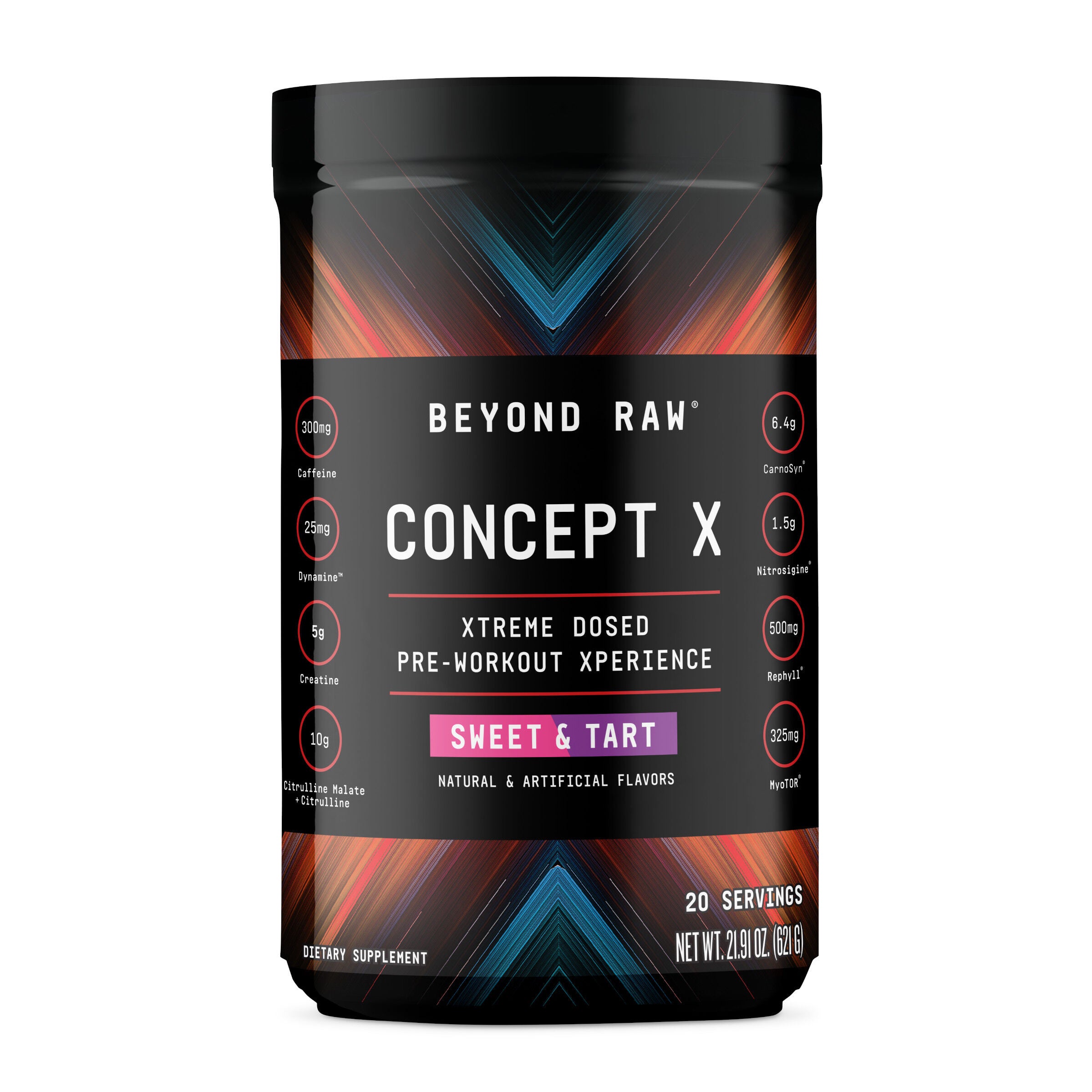
The practical side of choosing fitness support often becomes clearest when pictured as part of an ordinary gym visit. Someone arriving before work might carry a shaker, a change of clothes, and a compact set of accessories, with little interest in a complicated preparation routine. Another gym goer might train close to home and prefer mixing a drink afterward in a kitchen with room to measure, blend, and clean up. Neither routine requires the same combination of products. Shaker capacity, lid construction, measurement markings, and the number of parts to wash are useful details for anyone comparing drinkware. Materials can include plastic or stainless steel, and individual care instructions determine whether components belong in a dishwasher or require hand washing. A lid with several removable pieces involves a different cleaning process from a simple screw-top design. For powders and capsules, the package directions describe storage and handling requirements; the gym bag is not automatically the right place to keep a container between visits. Serving information also deserves attention when comparing multiple nutrition formats, since ingredient lists can overlap. Products containing caffeine should be clearly distinguished from those without it, particularly for shoppers who already include coffee or other caffeinated beverages in their day. Clear labeling may make those comparisons easier, without turning the selection into a complicated collection of additions. Beginners may value uncomplicated formats and straightforward accessories, while experienced gym goers may have more specific preferences for belt construction, wrap length, drink texture, or capsule composition. Fitness-related gifts call for similar attention to the recipient’s habits. A familiar flavor, a known dietary preference, or an accurately measured accessory size is a stronger starting point than guessing based on how often someone exercises. Personal fit and ingredient preferences make some selections more individual than they first appear. Across the category, thoughtful comparisons center on what a product is made from, how it is used, how it is cared for, and whether its format belongs comfortably in the recipient’s routine. Fitness support may be most useful when it fits the training already taking place, with manageable preparation, suitable materials, and a clear purpose for each addition.