Enzyme Complexes
(0 Results)
Unlocking a world of potential wellness, enzyme complexes may offer a natural way to support your body's digestive processes. These powerful blends of enzymes could assist in breaking down proteins, fats, and carbohydrates, potentially enhancing nutrient absorption and promoting overall gut health. Whether you're looking to maintain digestive balance or explore new avenues for wellness, enzyme complexes might be an excellent addition to your daily routine. Dive into a variety of options that might help you achieve your health goals and discover how these supplements could complement your lifestyle.
-

-

-

-
-
-
 You Matter Wellness$49.99
 -

-
-

-
-

-
-
 Nature's Fusions$32.99




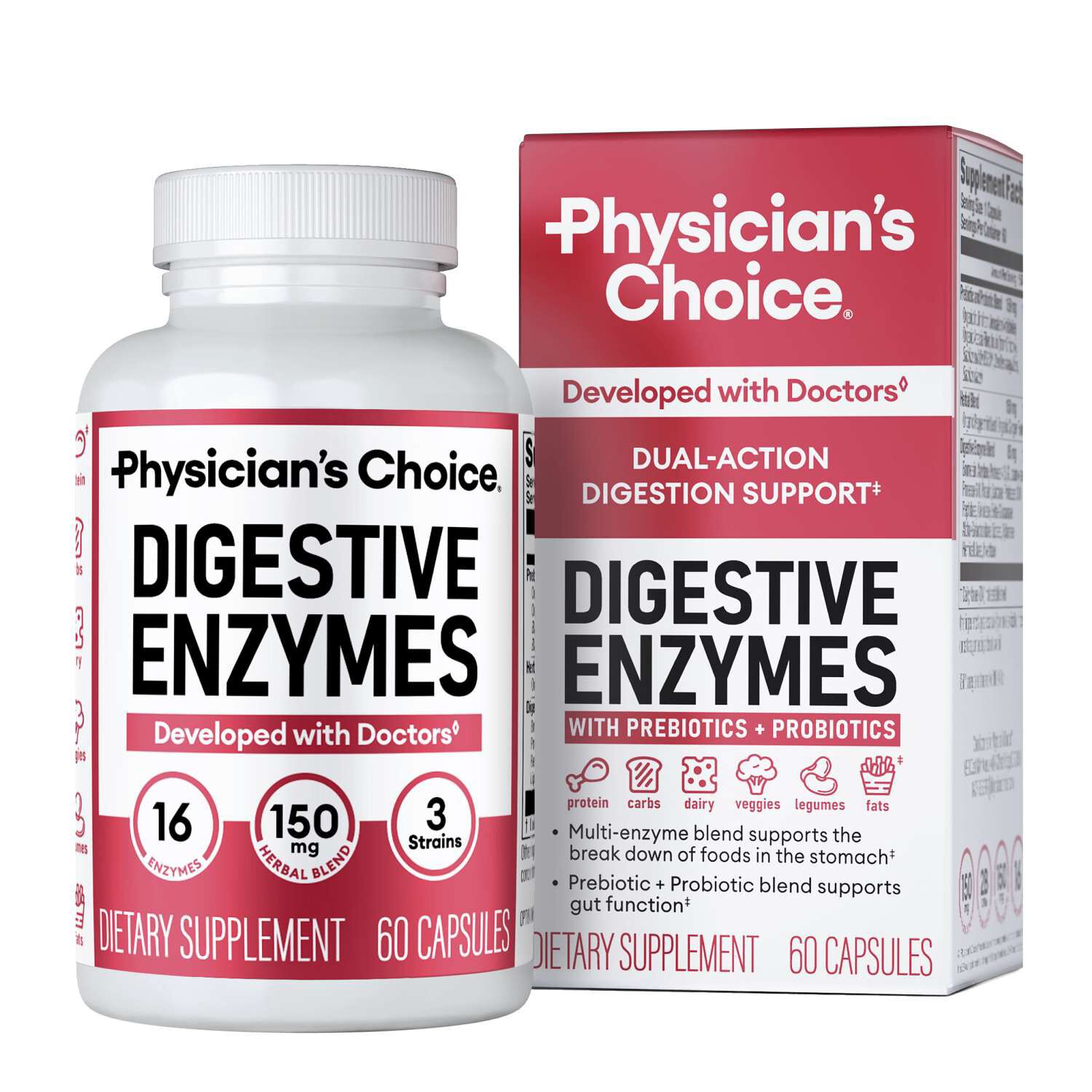
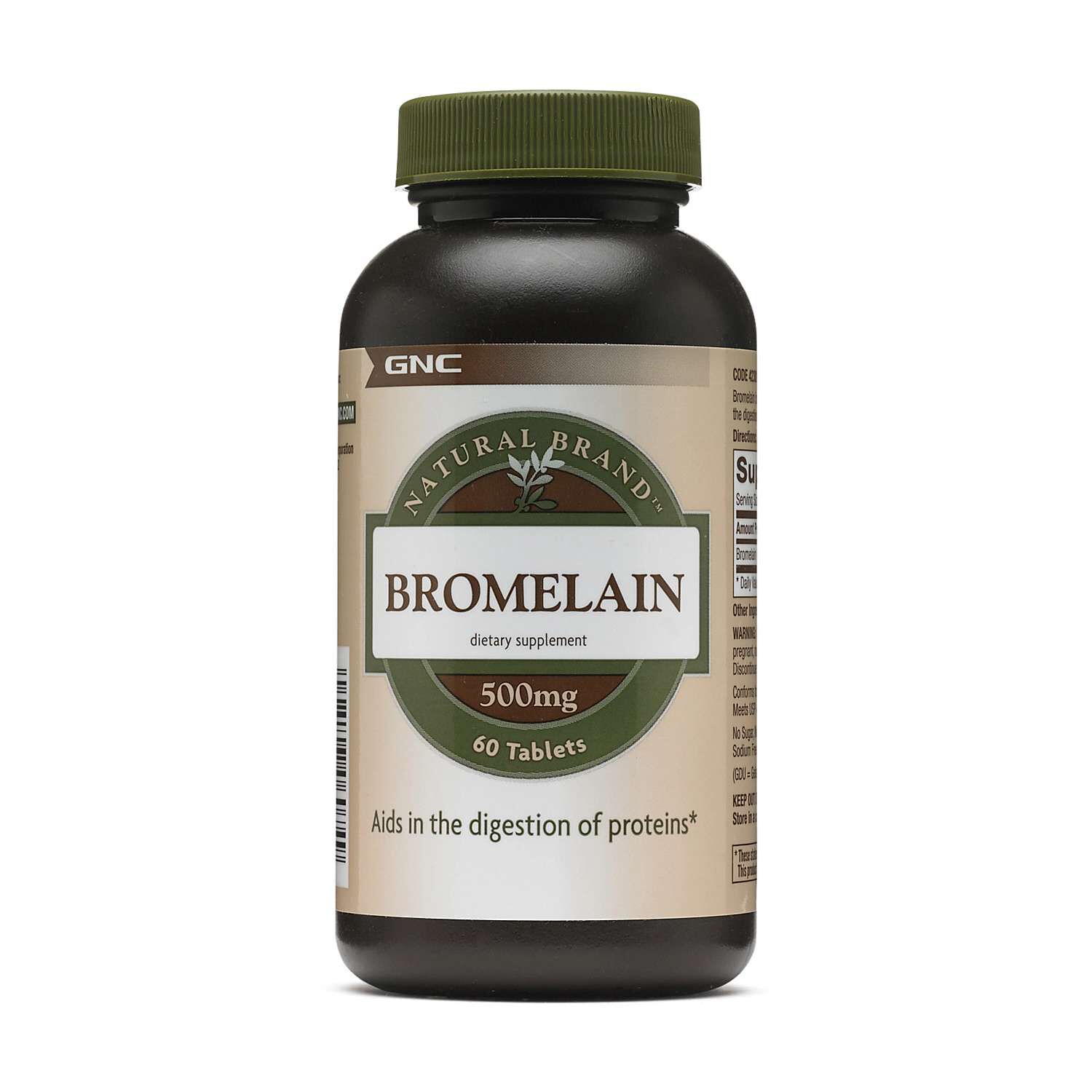
Enzyme complexes are dietary supplement blends that bring several enzyme types together in one formula. Enzymes are proteins involved in many biochemical reactions, and each one typically interacts with particular substances, often called substrates. At the active site, a substrate may fit into the enzyme much like a key settling into a shaped lock. This temporary enzyme-substrate complex may support a reaction, after which the resulting compounds are released and the enzyme remains available for another reaction. In supplement formulas, this concept is represented through a combination of enzymes selected for different food components. Amylase may help break down starches and other complex carbohydrates into smaller sugars. Protease may help break proteins into peptides and amino acids. Lipase may help break fats and triglycerides into fatty acids and related compounds. Some blends also include specialized enzymes such as lactase, which may be used with dairy-containing meals; cellulase, which may act on plant fibers; and alpha-galactosidase, which may be included for meals containing beans and other legumes. Because formulas vary, reading the Supplement Facts panel can help shoppers compare the enzyme types, serving size, and amount provided per serving. A broad blend may appeal to someone who prefers a single product featuring several enzyme categories, while a more focused formula may suit someone looking for a particular enzyme associated with the foods they eat most often. Those who enjoy varied meals, sample different cuisines, or include a mix of grains, vegetables, dairy, proteins, and fats may appreciate the convenience of a multi-enzyme format. Others may simply prefer to keep a supplement container in a kitchen cabinet, desk drawer, or travel bag as part of an established routine. Enzyme complexes are not a substitute for a varied eating pattern, and product labels may recommend taking a serving with food, before a meal, or at another specified time. Following the label directions and considering personal dietary preferences may make it easier to choose a format that fits everyday habits. Capsules, tablets, and other forms may offer different experiences, so shoppers may wish to consider swallowing preferences, serving size, storage instructions, and whether the container will be used at home or carried while traveling. A person who regularly enjoys restaurant meals, hosts gatherings, or prepares recipes with several food groups may find an enzyme complex to be a practical addition to a supplement collection. Since preferences differ, it may also be useful to review the ingredient list for dairy-derived ingredients, plant-based components, color additives, and other details that matter to an individual household.
When selecting enzyme complexes, start with the foods and routines that shape the intended use. A formula featuring amylase, protease, and lipase may appeal to shoppers seeking a blend that corresponds with meals containing carbohydrates, protein, and fat. A product that also lists lactase may be worth considering for people who often choose milk, cheese, ice cream, or other dairy foods. Cellulase or alpha-galactosidase may appeal to those whose menus include a generous mix of vegetables, whole grains, beans, or legumes. These ingredients do not make every formula interchangeable, and label comparison remains one of the clearest ways to understand what a product contains. Shoppers may want to note whether the formula lists enzyme activity alongside ingredient weight, since these details describe different aspects of the blend. The number of capsules per serving, suggested use, container size, and storage guidance can also influence the best fit. During the warmer part of the year, enzyme complexes may be convenient for weekend outings, backyard meals, road trips, and travel, when familiar routines often shift and meals may be served at different times. During the cooler months, they may fit easily alongside comfort-food occasions, shared dinners, and recipes that bring several ingredients into one plate. As a gift, an enzyme complex could suit a friend who enjoys cooking, a relative who likes exploring new restaurants, or a host who takes pride in planning generous meals. It may be a thoughtful choice when paired with a handwritten recipe, a serving bowl, or a selection of pantry ingredients, especially for someone who appreciates practical additions to a daily routine. Gift shoppers may still wish to check dietary preferences and ingredient sensitivities before making a selection, since a formula designed for one person may not suit another. For anyone who is pregnant, nursing, managing a health condition, taking prescribed products, or considering supplements for a child, speaking with a qualified healthcare professional may help clarify whether a particular formula fits their circumstances. Enzyme complexes may offer a convenient way to bring several enzyme categories into one supplement routine, but individual formulas differ in ingredients, strengths, serving instructions, and intended use. GNC also offers related supplement collections, including Mushroom Complexes, for shoppers comparing different types of multi-ingredient formulas. A careful look at the label, a realistic match with eating habits, and attention to personal preferences may help make the selection process more straightforward.