





Energy Creatines
(0 Results)
Unlock your potential with energy creatines, designed to support your fitness journey and help you reach your goals. These supplements could play a key role in enhancing your workout performance and endurance. Whether you're an athlete looking to push past plateaus or someone seeking a bit more vigor in daily activities, energy creatines might be the perfect addition to your regimen. Explore our selection of high-quality options that may provide the extra edge you need.
-

-

-

-

-

-

-

-
-
-

-
 MRI Performance$39.99
-
-
-
-
 4,356$24.99
-
-
 MRI Performance$39.99
-

-
-
-
-

-


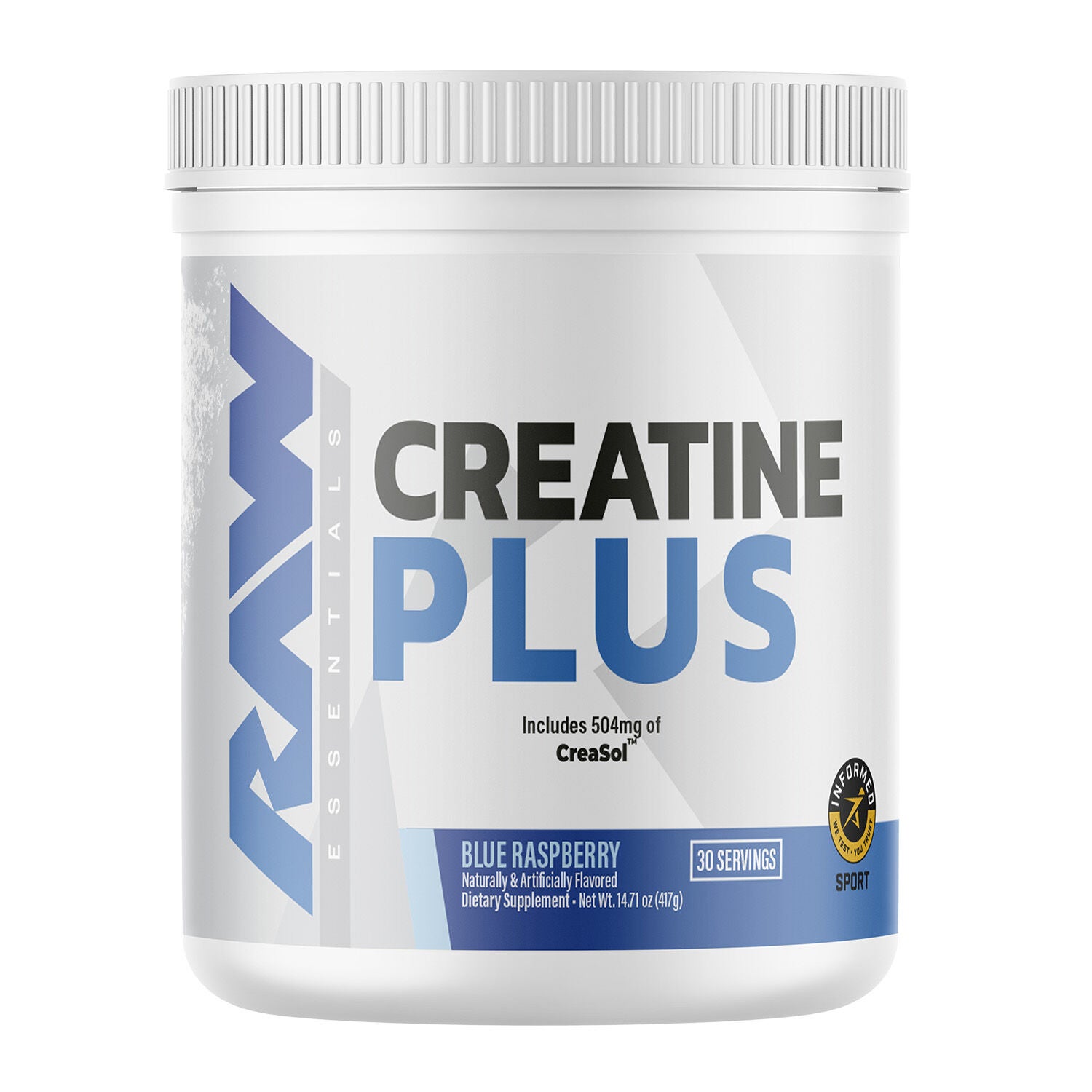
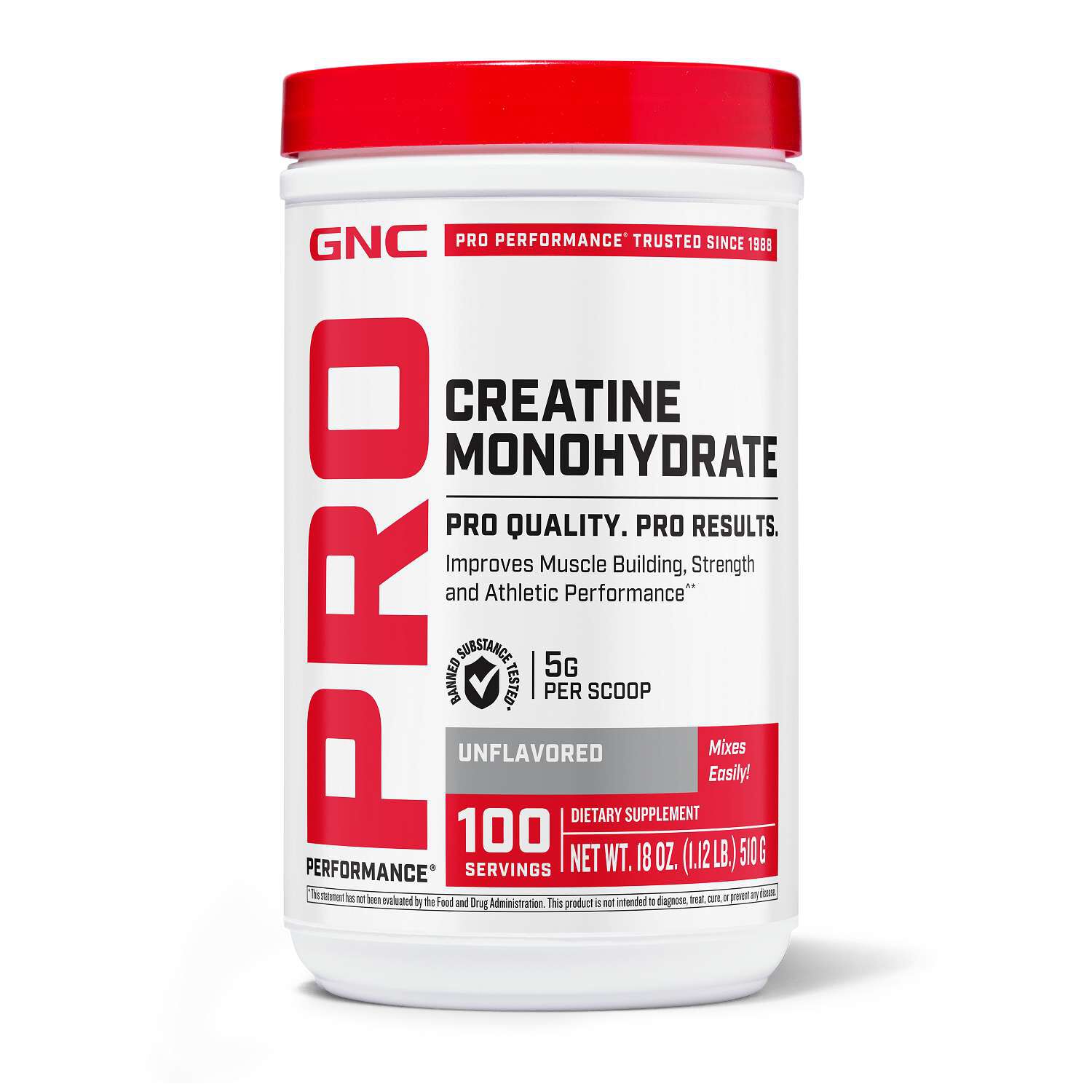
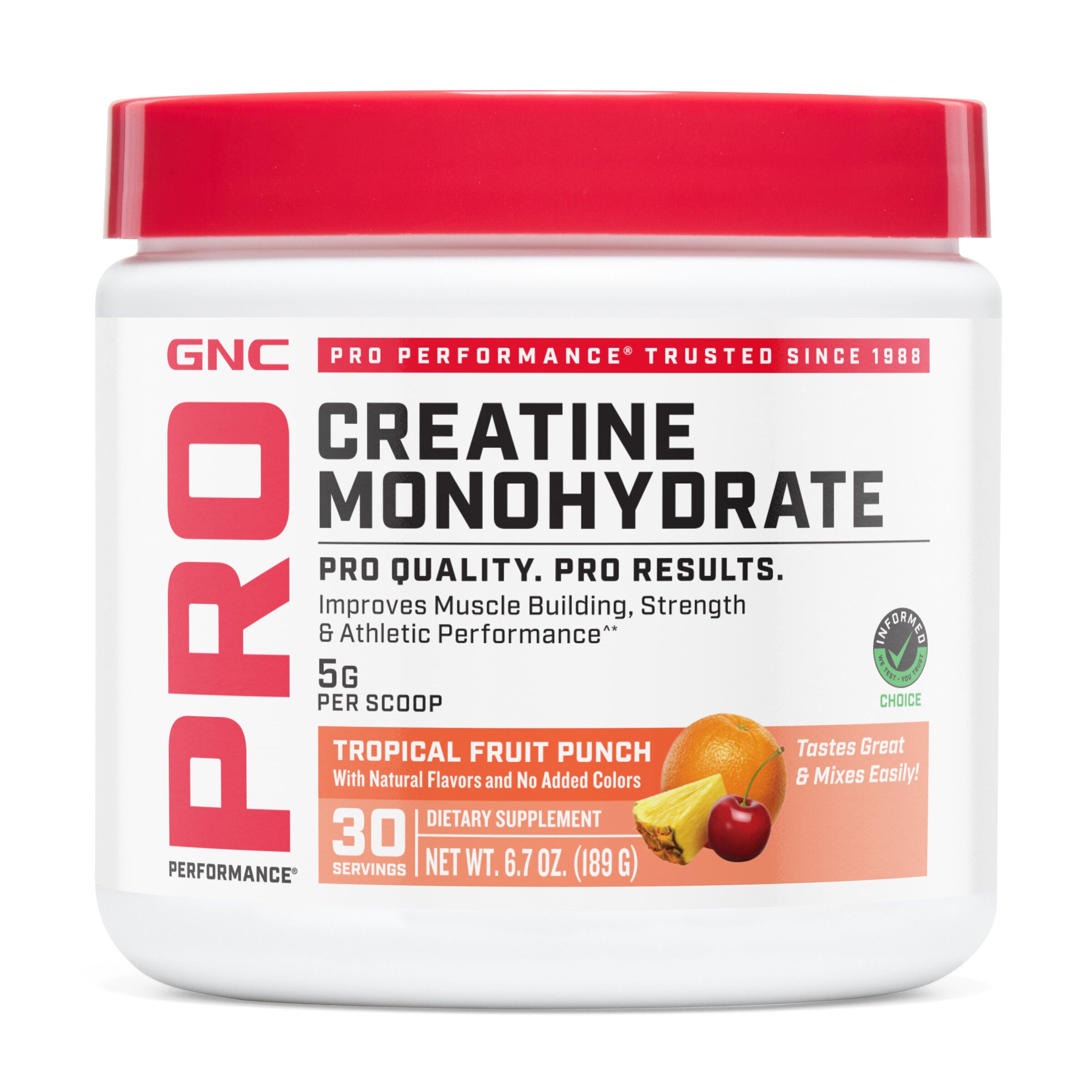
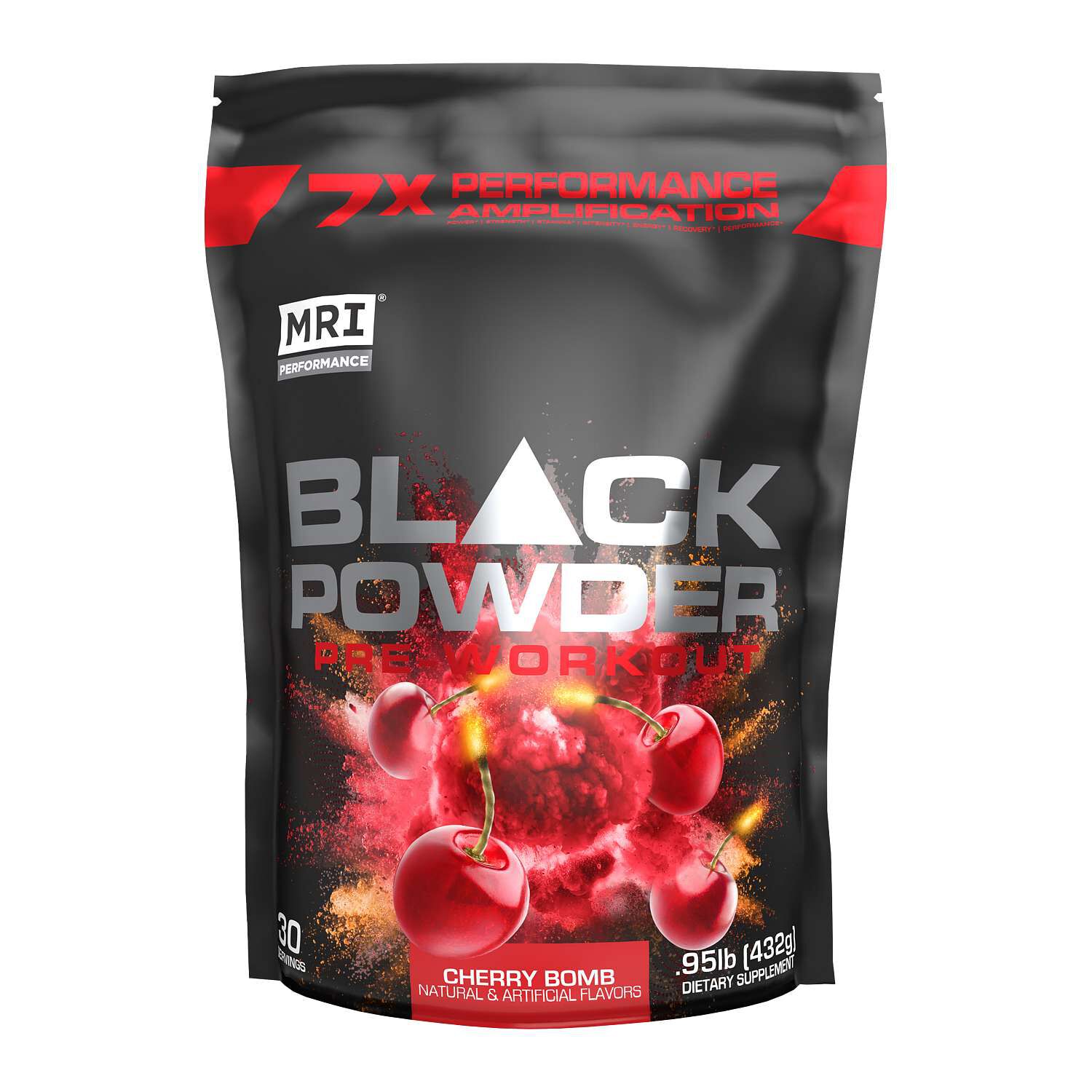
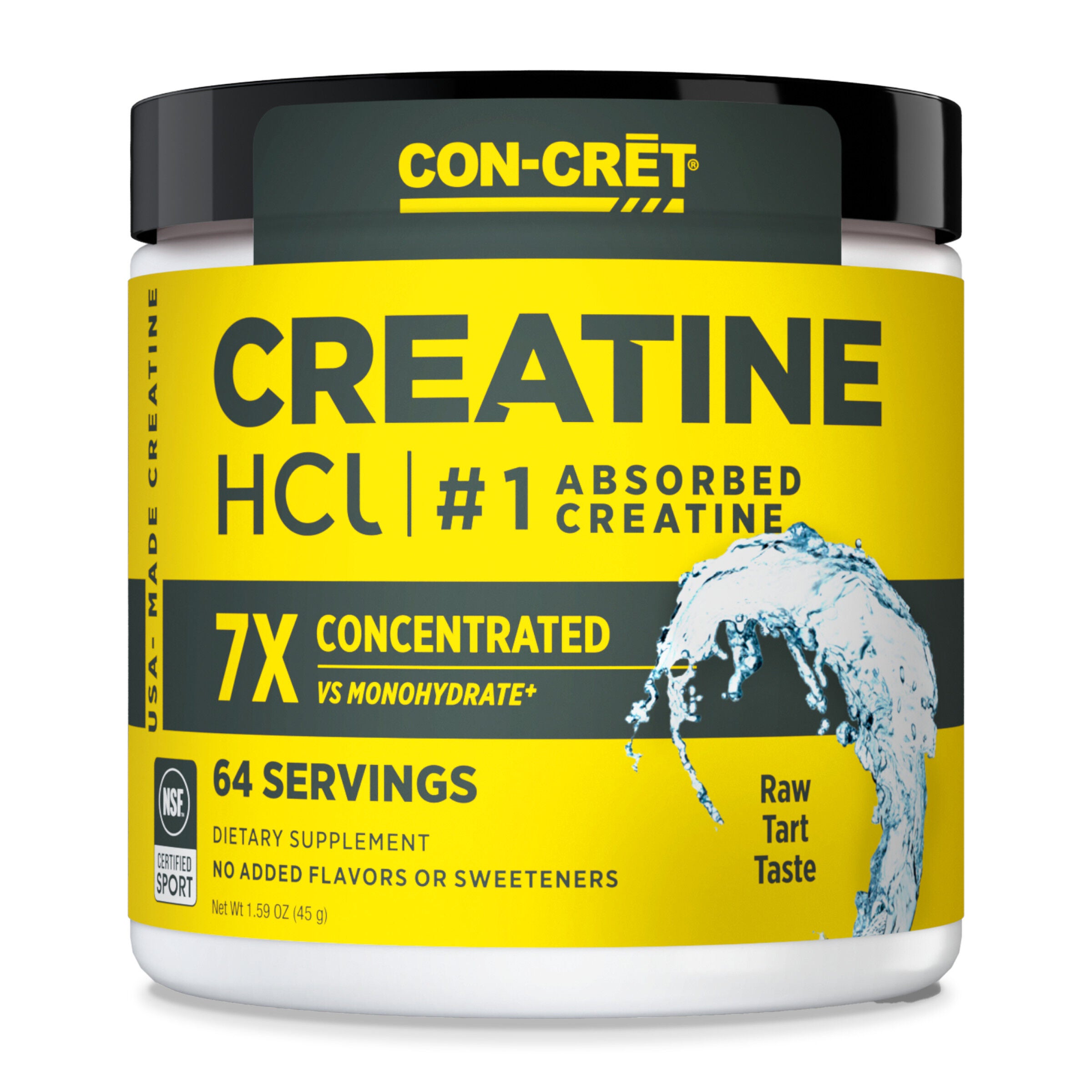
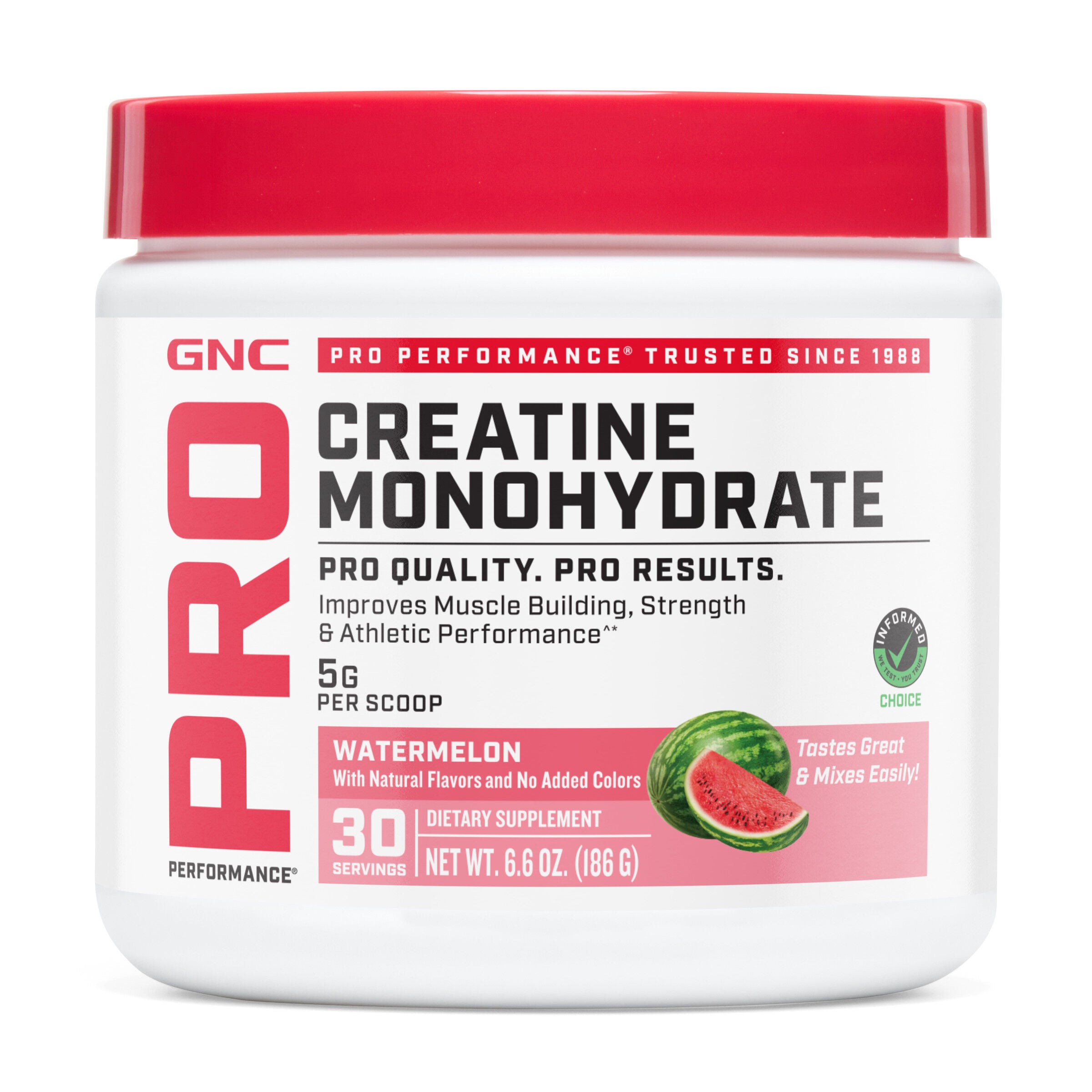
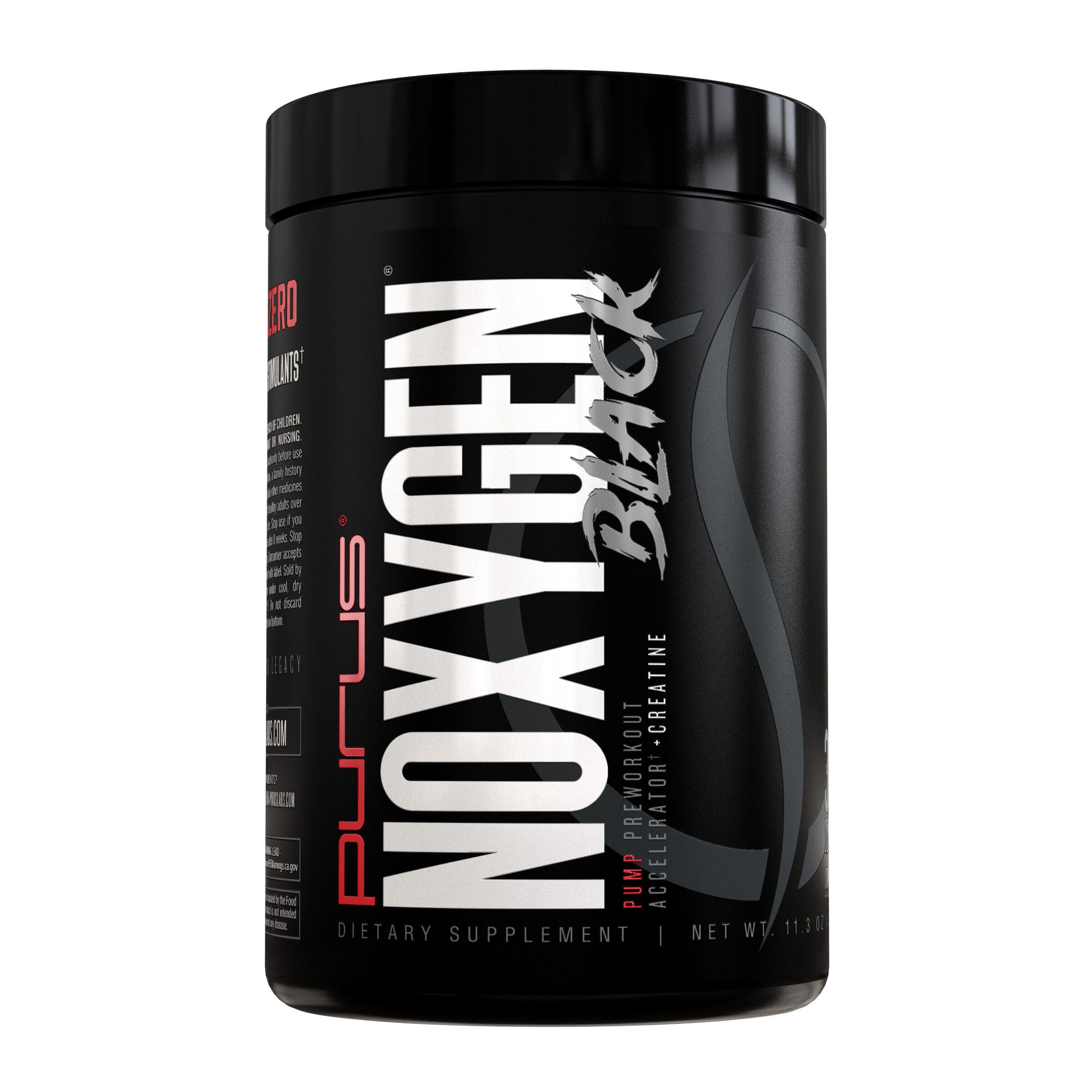
Energy creatines are supplements centered on creatine, a compound involved in the body’s system for storing and transferring energy. Supplemental creatine may increase muscle stores of phosphocreatine, which may help replenish adenosine triphosphate, or ATP, during brief, demanding activity. ATP is a molecule used in cellular energy transfer. That connection helps explain why creatine is associated with strength training, short sprints, and repeated bursts of effort rather than simply with feeling more awake. Creatine itself is not classified as a stimulant, and it is not the same ingredient as caffeine. For adults comparing workout supplements, this distinction matters: an energy-focused creatine formula might contain creatine alone, or it might combine creatine with caffeine and other ingredients. The front label can establish the theme, but the ingredient panel tells the more detailed story. Creatine may support performance during repeated, high-intensity exercise, such as successive lifting sets or short intervals with recovery between efforts. Its intended role is different from that of carbohydrate foods and drinks, which provide dietary fuel, and from protein, which supplies amino acids. A shopper preparing for a session at the squat rack may therefore be looking for something different from a distance runner choosing a drink for a long outing. The body naturally makes creatine, and foods such as meat and fish also contain it; supplements provide another source in a measured serving. Within this category, useful distinctions include the form of creatine, the amount listed per serving, the presence or absence of caffeine, and the format that fits a person’s routine. Energy creatines make the most sense as a category connected to a defined training purpose, not as a catchall answer to every kind of tiredness. Meals, hydration, rest, and the structure of a workout remain separate considerations, even when a supplement is part of the gym bag.
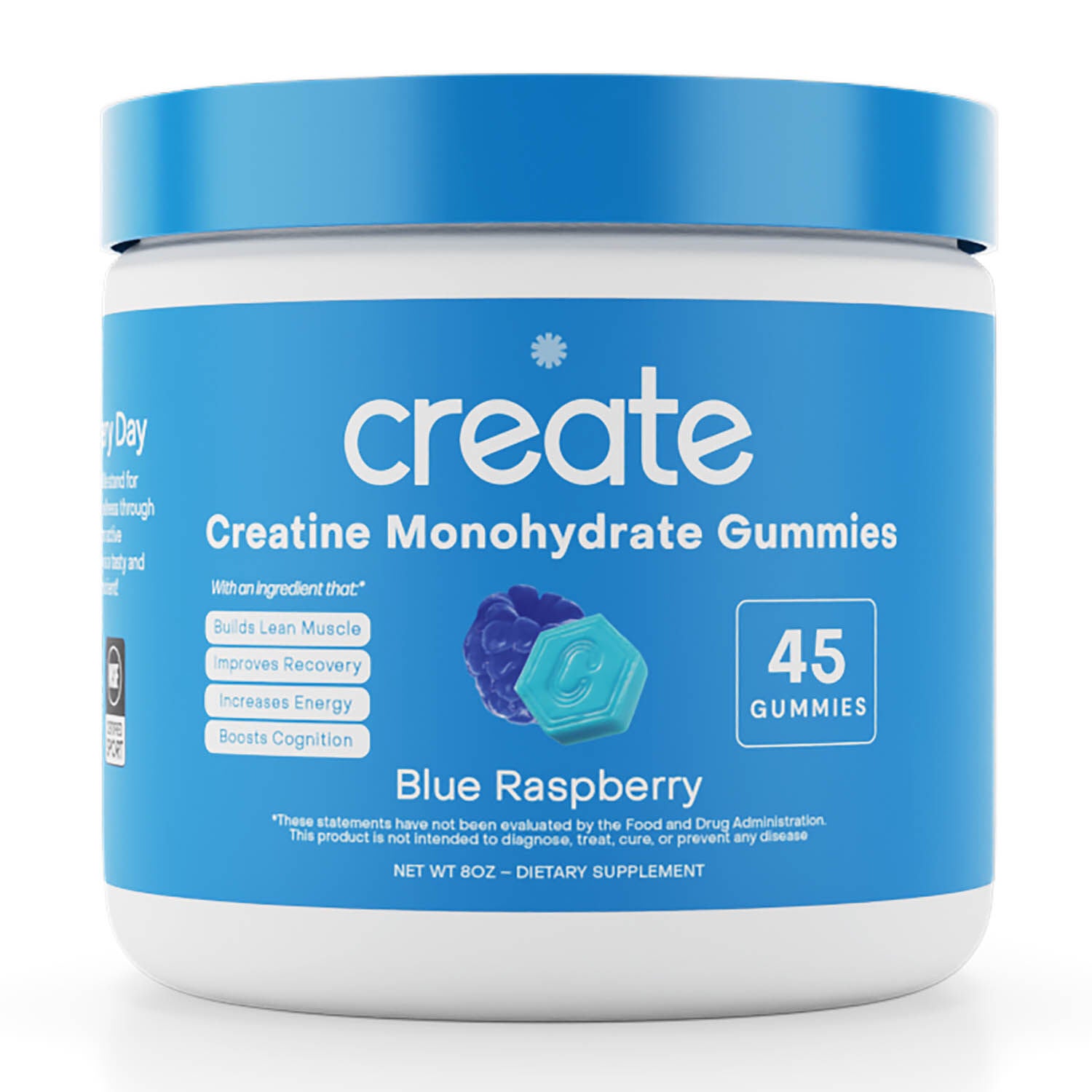
Creatine monohydrate is a common form found in powders and capsules, while other formulations use different creatine compounds or buffering ingredients. Shoppers exploring those distinctions can compare Creatine Alkaline alongside other formats, with attention to the actual ingredient description and serving information. A buffered or alkaline label describes a formulation approach; the wording alone is not a reason to assume a better training result. Similarly, micronized refers to smaller particle size rather than a separate category of workout benefit. A micronized powder may disperse more readily during mixing, although texture can also depend on the formula and preparation method. Plain creatine powders generally have a shorter ingredient list than flavored blends, while flavored options may include sweeteners, acids, colors, or ingredients added for taste and texture. Neither approach automatically suits every preference. Someone who already enjoys a flavored workout drink may prefer an unflavored powder, while someone who drinks creatine separately may prefer a distinct fruit flavor. Capsules offer a different experience for shoppers who would rather avoid measuring powder or carrying a shaker, although the number of capsules in a labeled serving deserves attention. With blended formulas, the amount of creatine is only one part of the comparison. Caffeine content, carbohydrate content, and the quantities of other listed ingredients can distinguish formulas that otherwise look similar on the shelf. A large scoop does not necessarily mean a larger creatine serving, because flavoring and additional ingredients contribute to the contents. Serving size and servings per container are also different measurements, so comparing packages by container dimensions alone can be misleading. For adults who already use a pre-workout drink, coffee, or another caffeinated beverage, reading across those labels provides a clearer picture of overlapping ingredients. An energy-oriented name does not establish whether a formula contains caffeine, and a bright flavor name says little about its creatine content. Clear quantities and ingredient descriptions are more useful comparison points than dramatic workout language.
Everyday practicality also matters when choosing energy creatines. A powder kept beside a shaker at home has different packaging needs from one carried in a crowded gym bag between work and training. Secure closures, readable labels, and a container that fits the intended storage space are worth considering, especially when a routine involves frequent travel. Capsules may be convenient for carrying measured servings, while powders may suit shoppers who prefer to prepare a drink. For either format, the package directions provide the relevant serving and storage information; scoop sizes and capsule counts are not interchangeable across formulas. A household spoon is not necessarily equivalent to the measuring scoop supplied with a powder. When one is included, keeping that scoop clean and dry may help limit moisture inside the container. Following the labeled storage instructions and closing the package after use may also help preserve its condition. Mixing preferences deserve similar attention. Some shoppers want a lightly flavored drink with water, while others prefer an unflavored option alongside an existing nutrition routine. Texture, sweetness, and the amount of liquid called for on the label can influence whether the format feels practical day after day. A powder that requires a shaker may fit naturally into a home workout setup but feel less convenient for someone moving directly from an office to a training session. A capsule format avoids mixing, although the labeled serving may involve more than one capsule. These ordinary details can matter as much as a flavor name or package design. For adults with a familiar strength-training routine, creatine may offer support for repeated high-intensity efforts, but the most suitable format still depends on personal preferences and the rest of the supplement routine. A straightforward comparison keeps the focus on creatine form, clearly stated amounts, accompanying ingredients, preparation, and storage. Together, those details make the energy creatine category easier to understand without confusing muscular energy support with a stimulant experience or assuming that every formula serves the same purpose.
Best Sellers
-
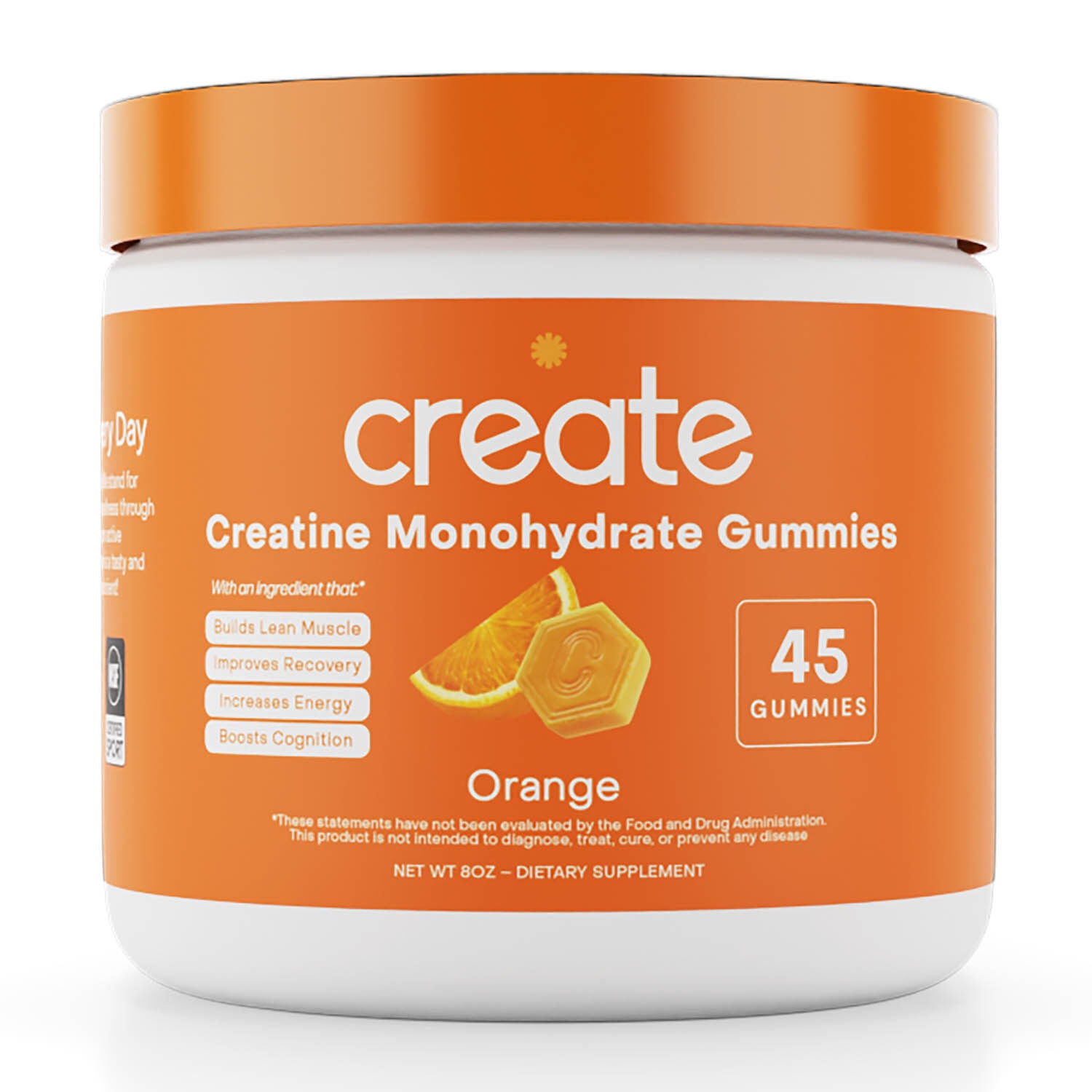 Create Wellness


Top Collections
- Joint Mobility Supplement Packs
- Daily Collagen Supplements | Top Brands & Deals | GNC
- GLP 1 Support For Adults
- Zinc Supplements | Top Brands at Great Prices | GNC
- Supplements For Yoga Joint Flexibility
- Supplements For Balance
- Capsule Supplements For Energy And Stamina
- Adult Mobility Supplements
- Chronic Fatigue Supplements
- Vitamins For Hair Loss