





Energy Complex Supplements
(0 Results)
Looking to fuel your day with an extra burst of vitality? Energy complex supplements might be just what you need. Designed to support your body's natural energy production, these supplements could help you power through workouts, long workdays, or any other demanding activities. Explore a variety of energy complex supplements that may provide the nutrients necessary to keep you feeling energized and ready to take on whatever comes your way.
-

-
 185$24.99
-

-
-

-
-

-

-

-
-
-
-
-

-
-
-
-
-
-
 GNC Pro Performance19$39.99
-
-

-

-

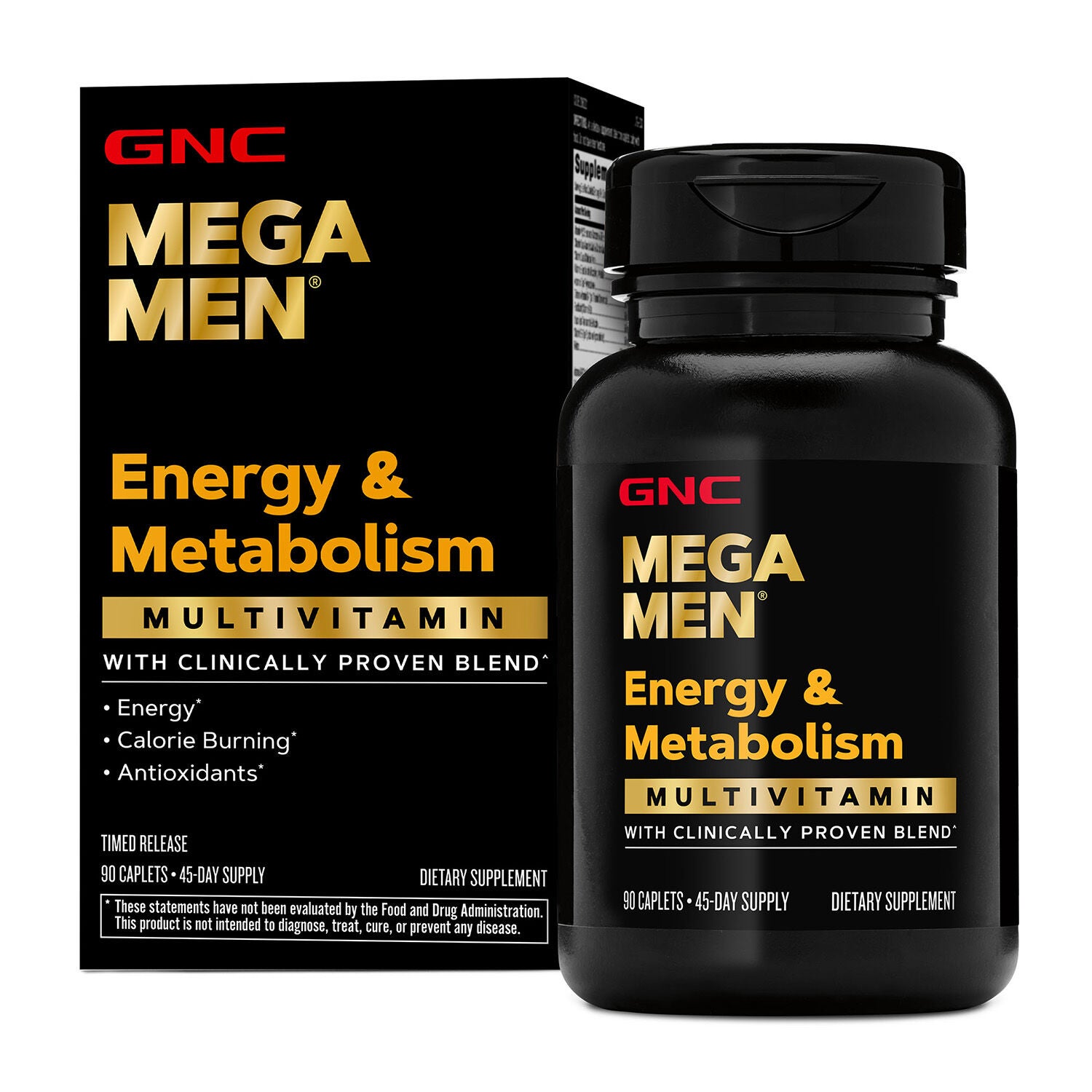
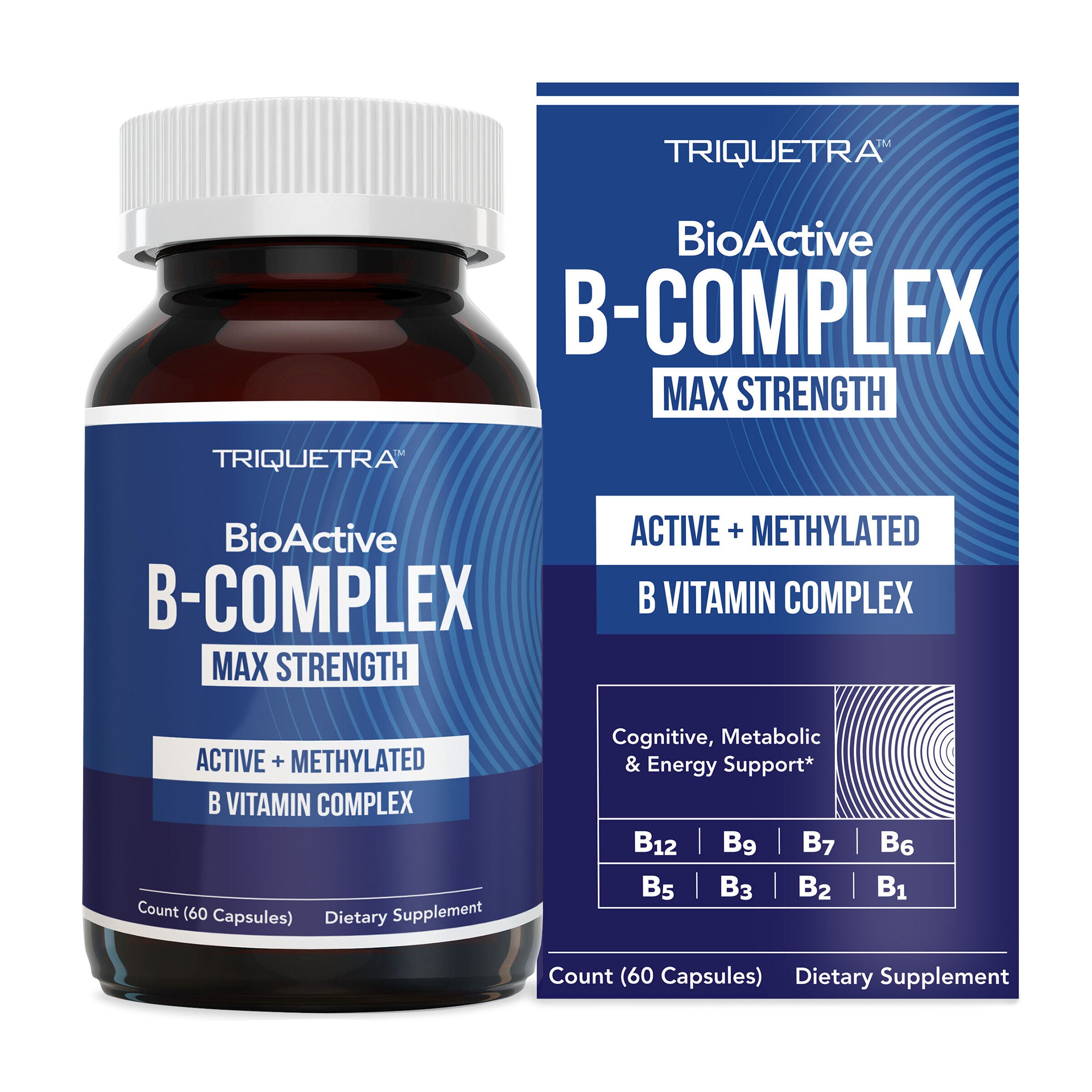
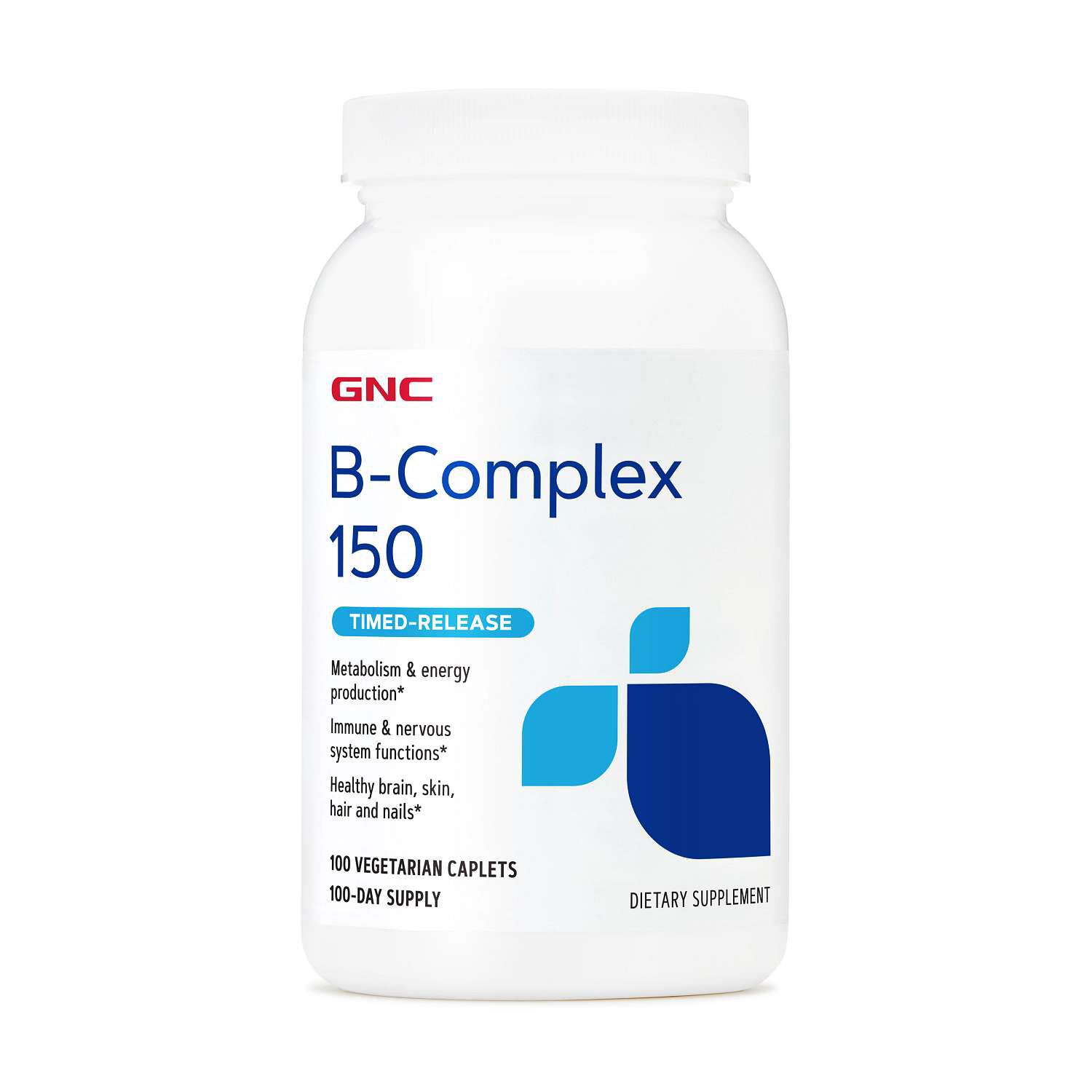
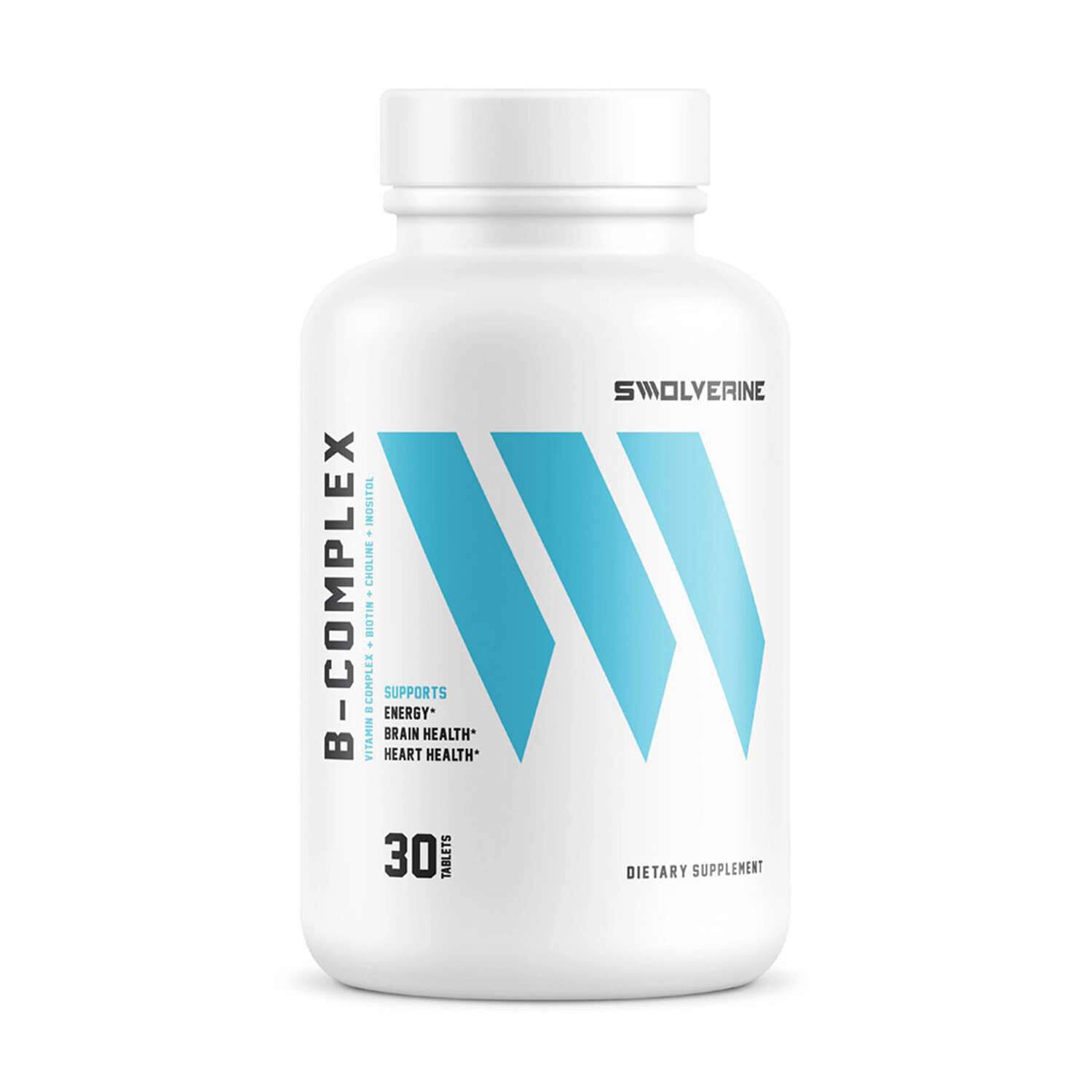
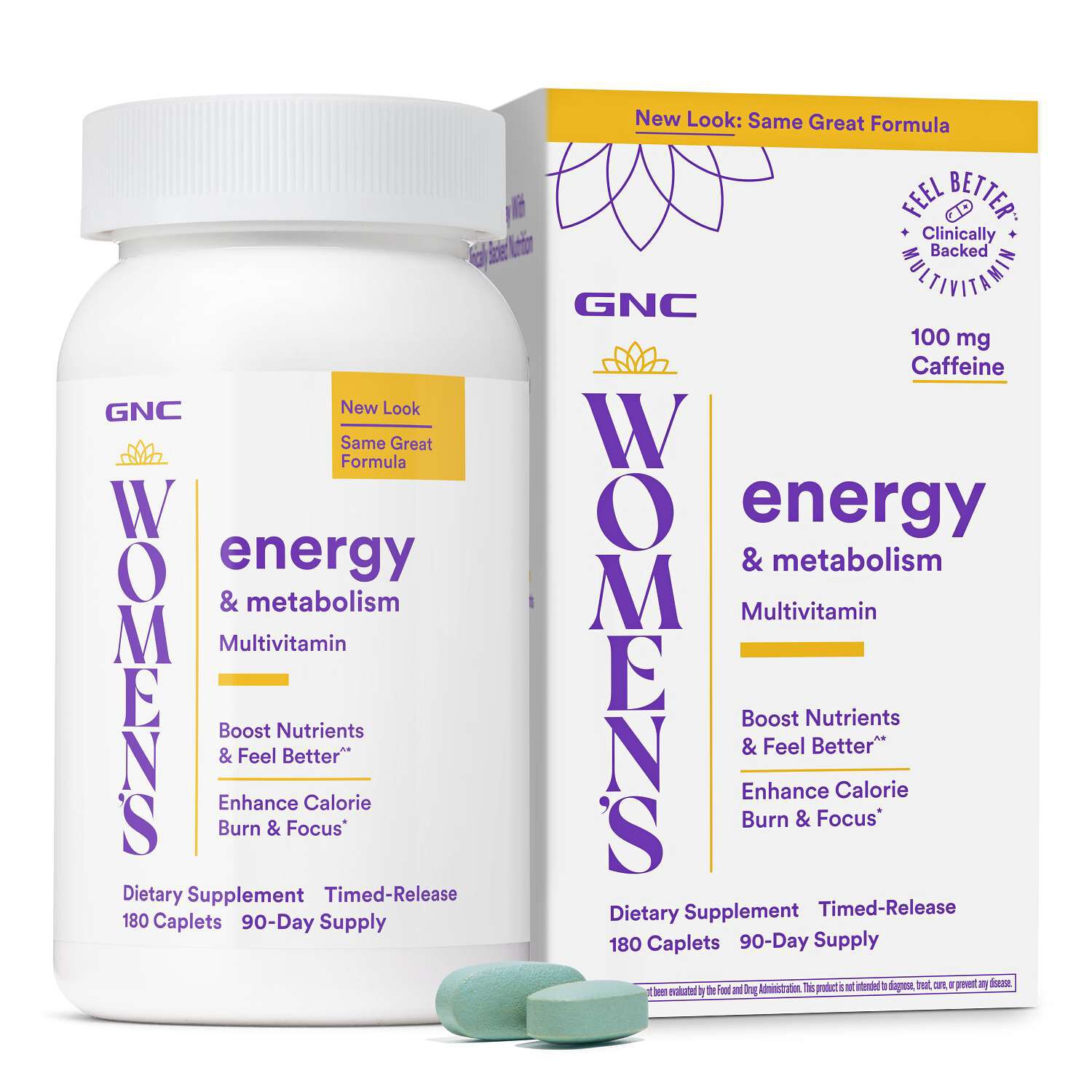
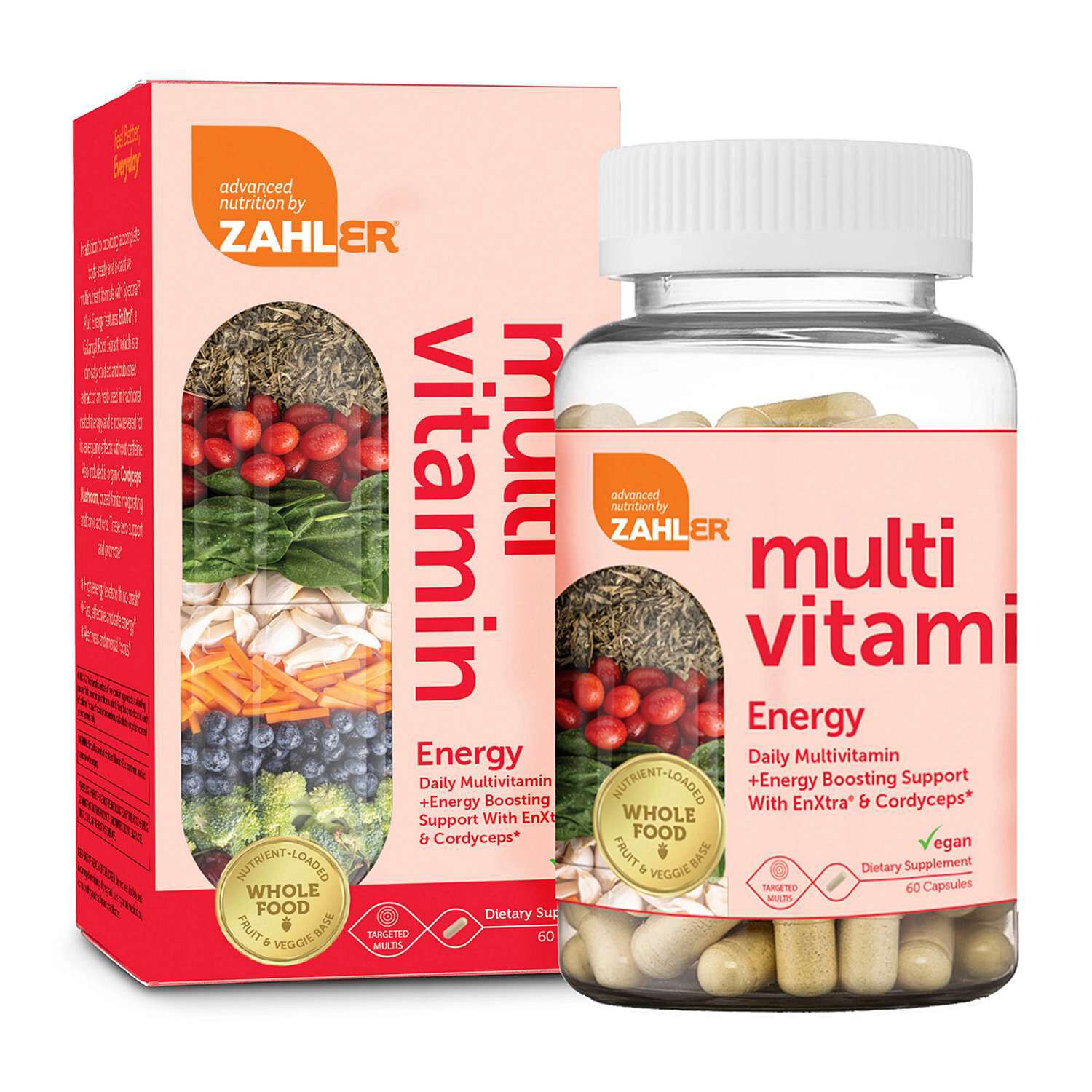
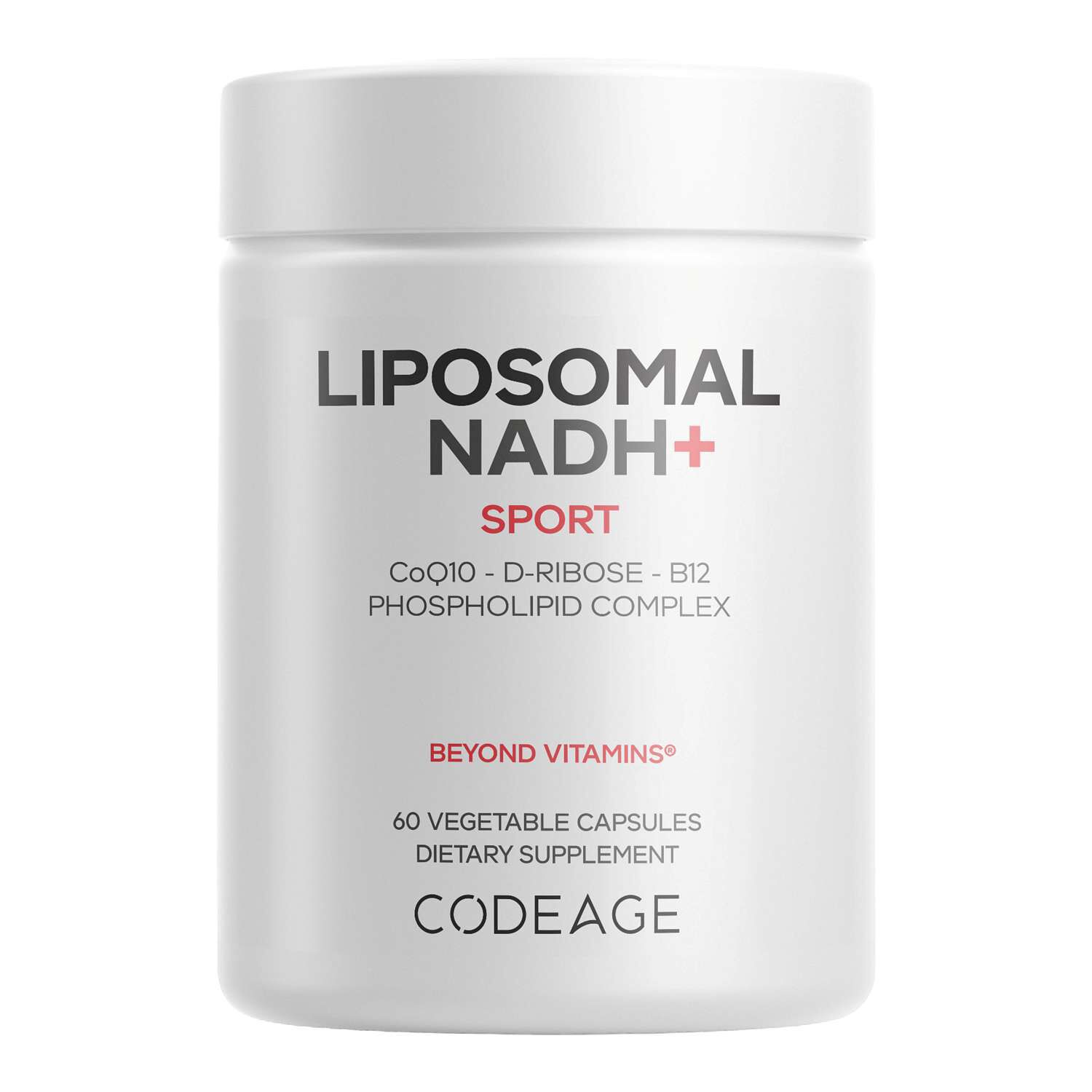
Energy complex supplements are dietary supplements that bring together nutrients and other ingredients in formulas designed around everyday energy support. The category often includes B-complex vitamins, sometimes paired with magnesium, coenzyme Q10, botanical ingredients, or caffeine. These combinations are not interchangeable: an energy complex is a type of formula, not a standardized ingredient list. B vitamins may support normal energy metabolism, including the processes involved in using carbohydrates, fats, and proteins from food. Common label names include thiamin, riboflavin, niacin, pantothenic acid, vitamin B6, biotin, folate, and vitamin B12. Some blends contain several of these nutrients, while others pair a smaller selection with additional ingredients. Magnesium and coenzyme Q10 also appear in formulas that may support normal cellular energy production. Unlike a meal or snack, a vitamin-based energy complex is not primarily a source of calories. Its intended role is different from that of food, and its composition deserves a closer look than the word “energy” alone might suggest. Some formulas contain caffeine from sources such as coffee, tea, or guarana; others are formulated without caffeine. A B-complex formula is therefore not automatically a stimulant formula, and two energy supplements can have very different ingredient profiles despite similar descriptions. Adults interested in nutritional support for an everyday routine may consider this category alongside regular meals, rest, and physical activity. A desk-based workday, a commute, or a regular exercise schedule can shape preferences around format and convenience, but those circumstances do not make every blend an appropriate match. For shoppers interested specifically in formulas that may support the body’s normal energy-making processes, Energy Production Supplements offers a related category to explore. The most useful distinction is between what a formula contains, how much it provides per serving, and how those details fit the intended use—not simply how prominently energy appears on the package.
The Supplement Facts panel provides a practical picture of an energy complex beyond its front-label description. Serving size matters because one serving may consist of a single tablet, multiple capsules, a measured scoop, or a specified amount of liquid. The ingredient amounts listed on the panel apply to that serving, not necessarily to one capsule or one chew. Percent Daily Value offers another point of comparison for vitamins and minerals, while some other ingredients do not have an established Daily Value. Larger numbers alone do not establish whether a formula suits a particular routine. A blend with many ingredients is also different from a simpler formula that makes individual amounts easier to compare. When a proprietary blend appears, the label may name its components without listing a separate quantity for each one. Botanical ingredients introduce additional distinctions, including the plant used, the plant part, and whether the ingredient is a powder or an extract. Caffeine information is especially relevant when coffee, tea, or other caffeinated beverages are already part of the day. Looking at those sources together provides more context than viewing a supplement in isolation. Other ingredients matter as well: capsule shells, coatings, sweeteners, flavors, and color ingredients can influence which format fits someone’s preferences. Capsules may use gelatin or plant-derived shell materials, while chewable formats may contain gelatin or pectin. Allergen statements and dietary designations provide further details for shoppers with particular ingredient requirements. These are meaningful differences even when two formulas feature the same headline nutrient. Someone who prefers a short ingredient list may approach the category differently from someone looking for a flavored powder or a multi-ingredient blend. Likewise, an adult already using a multivitamin may notice overlapping B vitamins or minerals across labels. That overlap is part of understanding the formula’s place in a routine, rather than treating each package as an unrelated purchase. Clear labeling makes these comparisons more straightforward without relying on broad descriptions or dramatic language.
Format can be just as important as composition when an energy complex becomes part of a regular routine. Tablets and capsules offer premeasured portions and generally require little preparation, although their size, shape, and number per serving vary. Powders involve measuring and mixing, with flavor, texture, and the amount of liquid specified on the label influencing the experience. Liquids require attention to the marked serving amount and any shaking or refrigeration instructions. Chewable formats have their own texture and flavor considerations, along with serving sizes that may include more than one piece. For an adult who leaves home early, a format that requires a shaker and water creates a different routine from a tablet taken according to its package directions. Someone who prefers keeping supplements at home may place less emphasis on portability and more on ease of measuring or flavor. Packaging also affects everyday handling. A tightly closing bottle, a clearly marked measuring tool, or individually packaged portions can make a difference in how a format fits into a kitchen cabinet, work bag, or travel pouch. Storage directions deserve attention because moisture, heat, and light may affect product quality. A parked car or a damp bathroom cabinet can present different conditions from the storage location described on a package. Original packaging keeps the ingredient panel, directions, lot information, and expiration date together for later reference. For powders and liquids, the container’s instructions also clarify handling after opening. These practical details help distinguish a format that merely sounds convenient from one that fits a person’s actual habits. Energy complex supplements are best understood through that combination of ingredient transparency, intended use, serving format, and care requirements. They may offer nutritional support within an established routine, but they are not substitutes for meals or sleep. A thoughtful comparison stays grounded in the label and in ordinary daily logistics, from the space available in a cupboard to the preparation someone is willing to repeat.
Best Sellers

Related Pages

Top Collections
- Active Supplements
- Chronic Fatigue Supplements
- Supplements For Yoga Joint Flexibility
- Adult Mobility Supplements
- Zinc Supplements | Top Brands at Great Prices | GNC
- Joint Mobility Supplement Packs
- Supplements For Anxiety Relief Support
- Capsule Supplements For Energy And Stamina
- Zinc Supplements For Men
- Supplements For Balance