





Fiber For Smoothies
(0 Results)
Enhance your daily smoothie routine with our selection of high-quality fiber supplements specially curated to support your digestive health and overall well-being. Whether you're looking to increase your fiber intake, aid digestion, or simply add a nutritional boost to your smoothies, we have a variety of fiber options to suit your needs. Elevate your favorite blends with these easy-to-mix supplements that will help you stay on track with your wellness goals.
-
 209$34.99
-

-

-
-

-

-
 $26.99
-
-
-

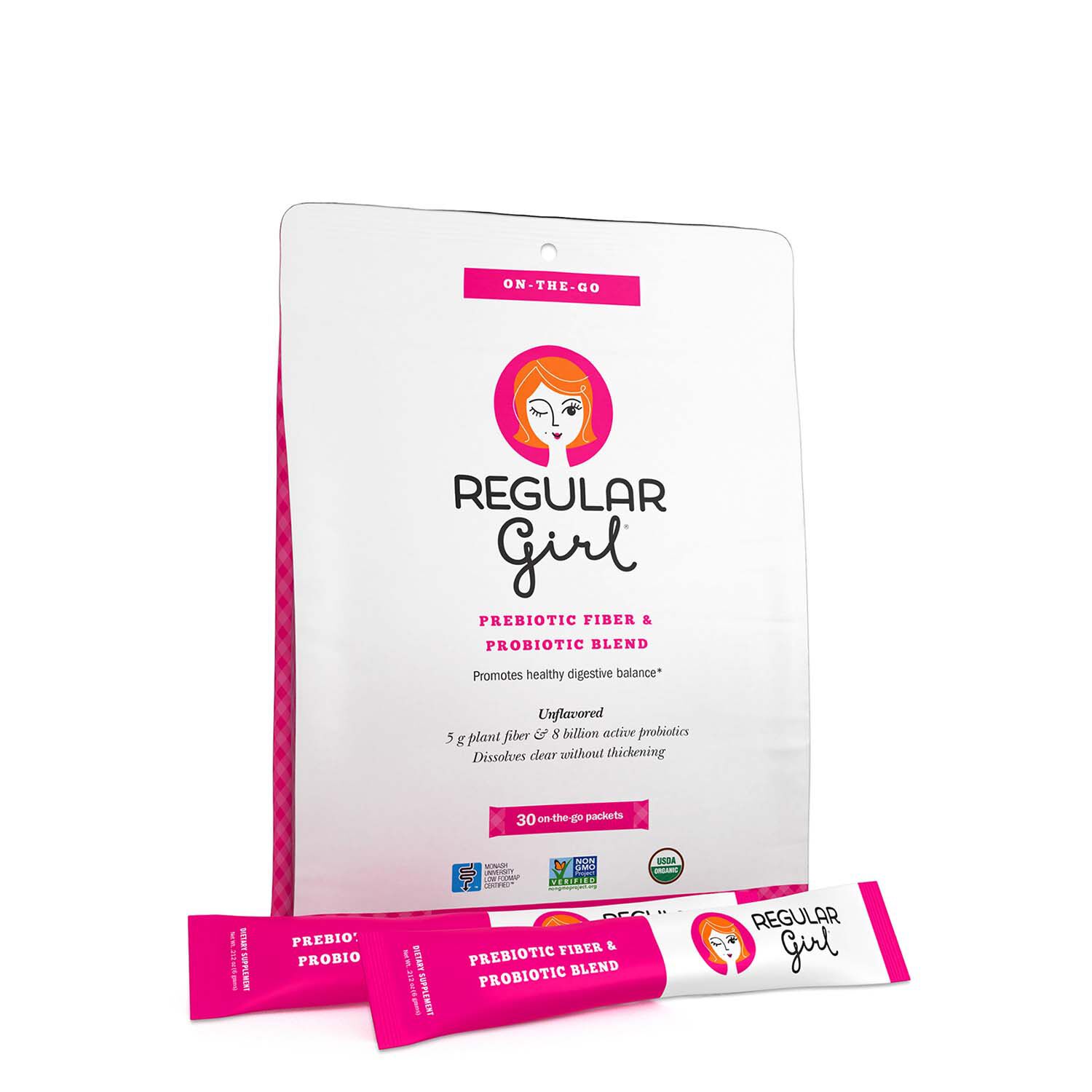
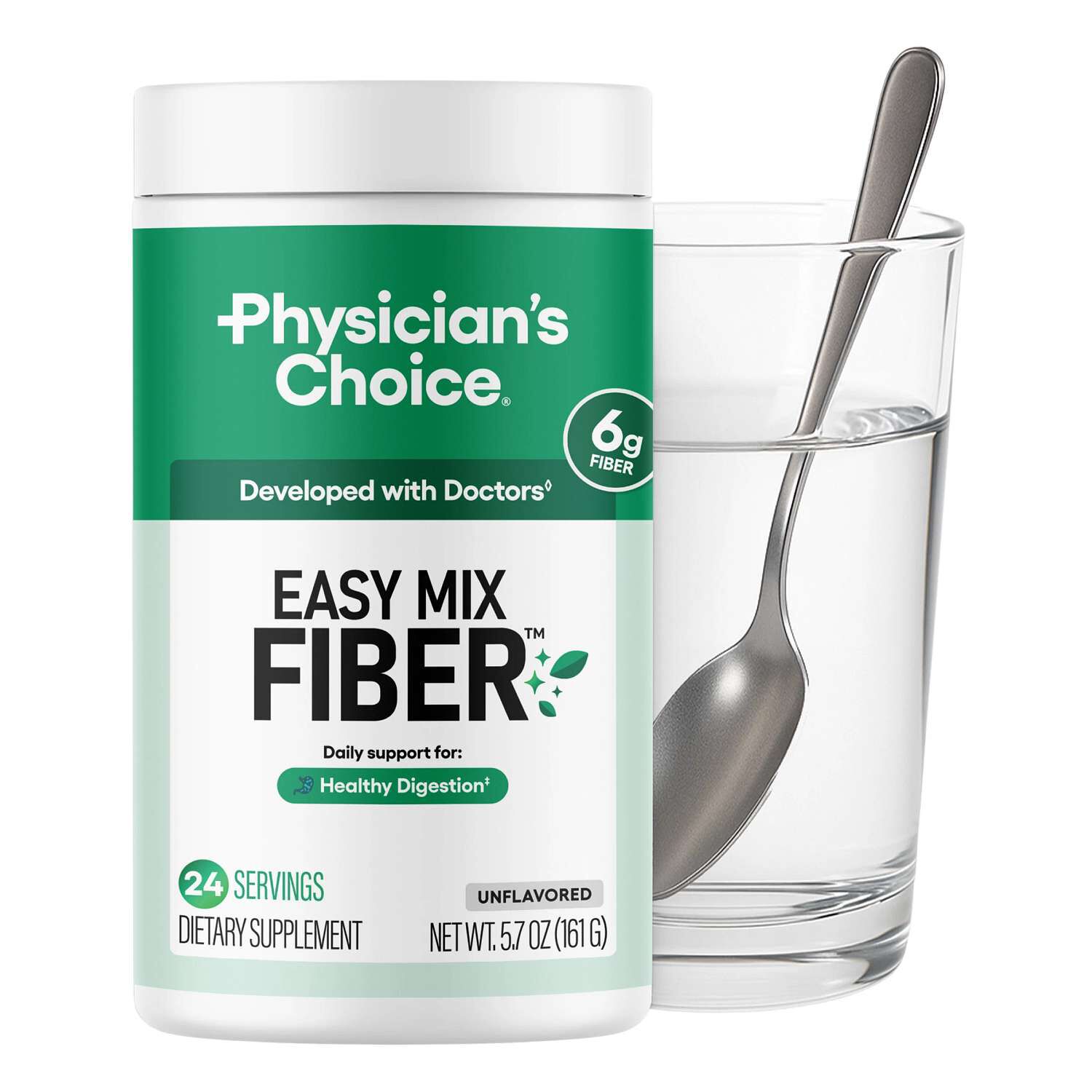
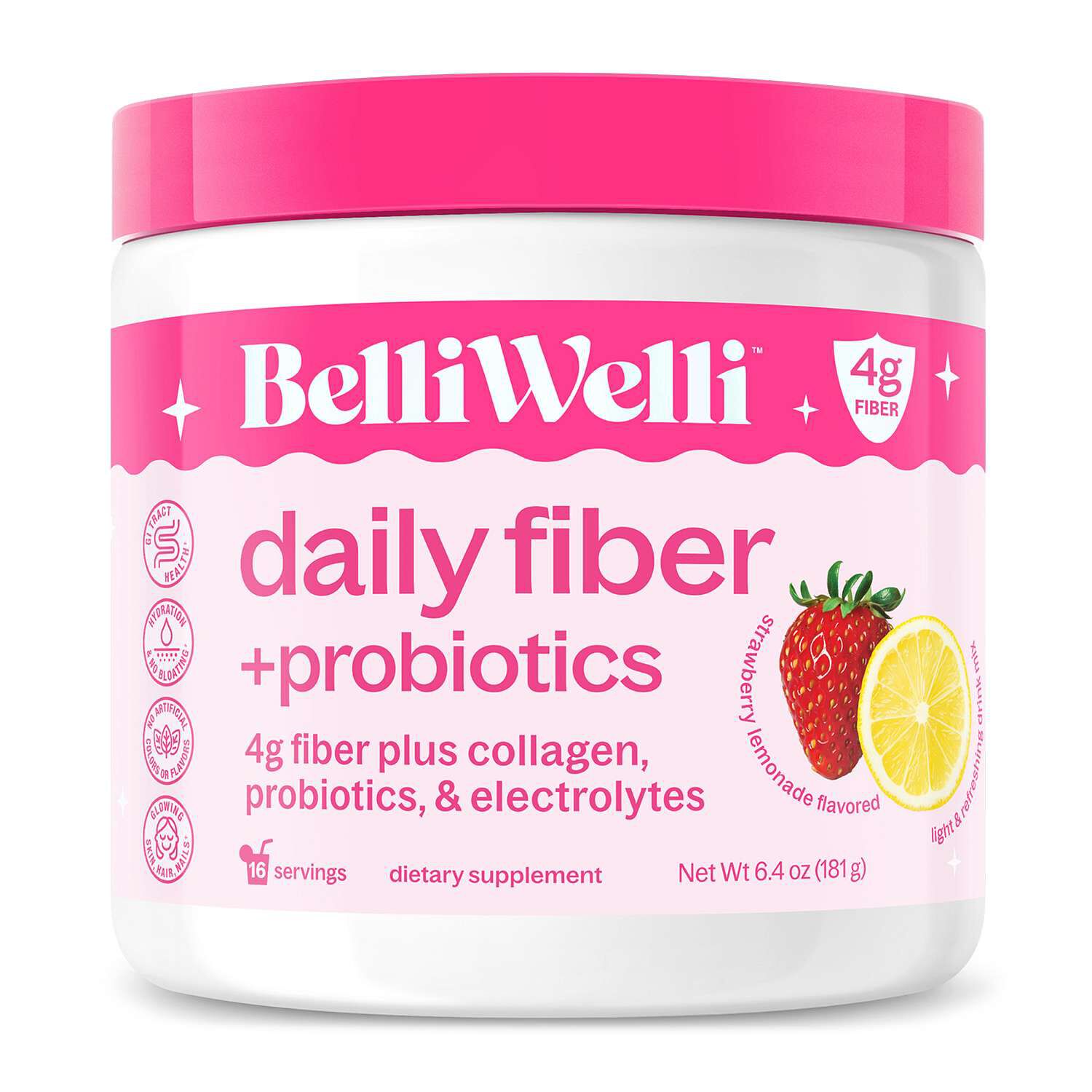
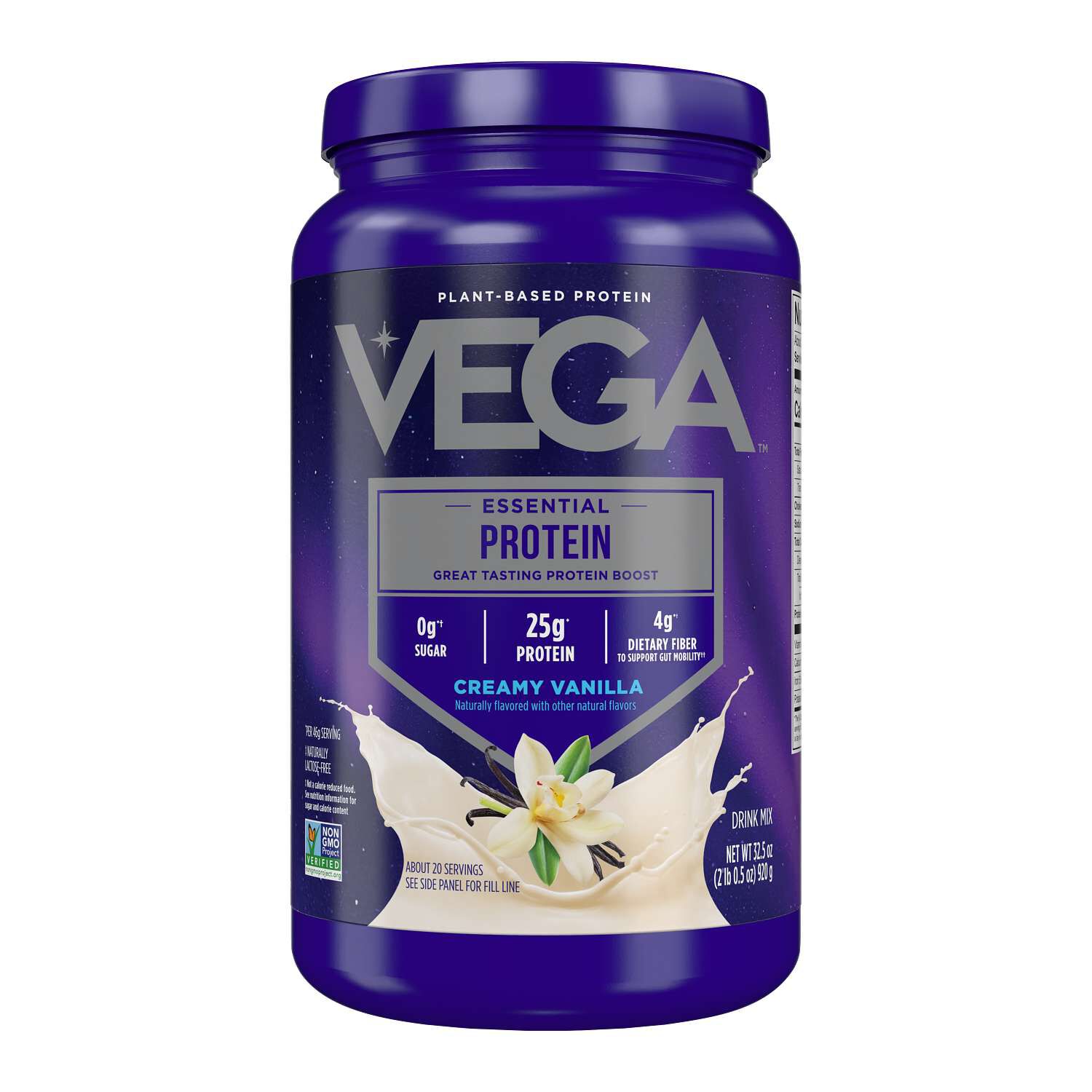
Fiber for smoothies includes powdered fiber supplements and fiber-containing ingredients that can be mixed into blended drinks. Common sources include psyllium husk, acacia fiber, inulin, ground flaxseed, chia seeds, and oats. These ingredients differ in flavor, texture, serving size, and the amount of dietary fiber they contain, so choosing among them involves more than finding a powder that disappears into a blender. Dietary fiber occurs naturally in plant foods, including fruits, vegetables, grains, seeds, and legumes. Some smoothie additions contain a concentrated fiber ingredient, while others retain more of the original food’s components, such as the fats in ground flaxseed or the carbohydrates in oats. Soluble and insoluble fiber are broad categories that describe how fiber interacts with water; individual ingredients can contain either type or a combination. For shoppers comparing options, the source listed on the package and the grams of dietary fiber per serving provide useful context. Whole-food ingredients count toward a smoothie’s fiber content, too. A cup of raspberries contains about 8 grams of fiber, two tablespoons of chia seeds contain about 10 grams, and a half cup of dry rolled oats contains about 4 grams, with amounts varying by measurement and ingredient. Those numbers describe the ingredients themselves, not every drink made with them. The amount used in a particular blend determines its contribution. A smoothie made with berries, oats, and a powdered fiber supplement also has a different ingredient profile from one made with juice and a single fiber source. Fiber powders may offer a convenient format for someone who already has a favorite smoothie recipe and prefers a measured addition rather than another handful of fruit or seeds. Ground seeds and grain-based additions may appeal to someone who enjoys a more substantial blend with visible ingredients and a familiar food flavor. Neither format has to replace the fruit, vegetables, or other foods that make the drink enjoyable.
Texture is often the most noticeable distinction among fiber additions for smoothies. Psyllium husk may absorb liquid and create a thicker consistency, while acacia-based powders may have a subtler presence in some blends. Inulin is another powdered fiber source found in drink mixes, although its flavor and mixing characteristics depend on the formula. Chia seeds may develop a gel-like coating after contact with liquid, and ground flaxseed may contribute a lightly nutty taste and a fine, grainy texture. Oats may give a smoothie a denser, more substantial body, especially when paired with banana or yogurt. These differences matter when the intended drink is a pourable breakfast smoothie rather than a thick blend eaten with a spoon. A strawberry-and-banana combination has a different flavor profile from cocoa and peanut butter, and either may accommodate some fiber ingredients more comfortably than a delicate peach blend. An unflavored powder is not necessarily undetectable: the source, particle size, and other ingredients may influence the finished texture or taste. Likewise, a flavored formula may suit a familiar vanilla or chocolate combination but be less appealing with tart fruit. Ingredient lists make these distinctions easier to assess, particularly for shoppers who prefer a single fiber source or want to avoid a particular sweetener, flavoring, or allergen. Serving information deserves equal attention. A scoop is a measuring tool, not a standard amount shared by every formula, and the weight of a serving is not the same as its fiber content. Package directions specify how much powder and liquid the manufacturer intends for preparation. Some fiber ingredients may continue thickening after blending, making the time between preparation and drinking another practical consideration. Someone drinking a smoothie at the kitchen counter may prefer a different consistency from someone carrying it to work. Extra room in a blender cup may also make mixing more manageable, depending on the recipe and the preparation directions.
Packaging and everyday handling are part of choosing fiber for smoothies, especially when the container will be used regularly. A resealable pouch may fit neatly beside bags of oats and seeds, while a tub with a wide opening may be easier to measure from at a busy breakfast station. Individually portioned packets may suit travel or a shared kitchen, provided their serving instructions match the intended use. Closures, legible labels, and measuring instructions are practical details worth comparing alongside flavor and fiber source. Storage directions vary, particularly between concentrated powders and ground seeds, so the package is the best reference for where to keep an ingredient and how to handle it after opening. A dry measuring utensil and a securely closed container may help limit moisture exposure during routine use. Keeping the original label also preserves access to the ingredient list, serving information, allergen statements, and date markings. For anyone preparing smoothies for more than one person, those details make it easier to distinguish between formulas and account for individual food preferences. The Fiber Sports Powders category offers another place to compare powdered fiber formats, with each label providing the preparation details for that formula. The most practical choice depends on how a smoothie fits into the day: a simple fruit blend before leaving home, a yogurt-based drink after a workout, or a spoonable bowl topped with oats and berries. Some shoppers prioritize a short ingredient list, others prefer measured portions, and others care most about preserving a favorite flavor. Comparing fiber source, grams per serving, mixing directions, package design, and taste preferences keeps the focus on those everyday differences. A suitable addition may fit comfortably into an existing recipe without requiring a different breakfast routine or a cupboard full of unfamiliar ingredients.
Best Sellers

Related Pages


Top Collections
- Zinc Supplements | Top Brands at Great Prices | GNC
- Cortisol Supplements
- Joint Mobility Supplement Packs
- NAD+ Supplement Tablets
- Best Brand of Magnesium Glycinate
- Top Rated Collagen | Shop Customer Favorites | GNC
- Iron Supplements
- Peptide Supplements
- Protein Powders For Muscle Growth Support
- Vitamins That Help Support Weight Gain