





Powders For Smoothies
(0 Results)
Powders for smoothies could be a convenient way to add variety and flavor to your daily routine. With options that may blend easily into your favorite recipes, these powders might help you create delicious smoothies at home or on the go. Whether you’re looking to explore new tastes or support your wellness journey, powders for smoothies offer a simple addition to your kitchen lineup. Discover a range of choices that could fit your lifestyle and smoothie preferences.


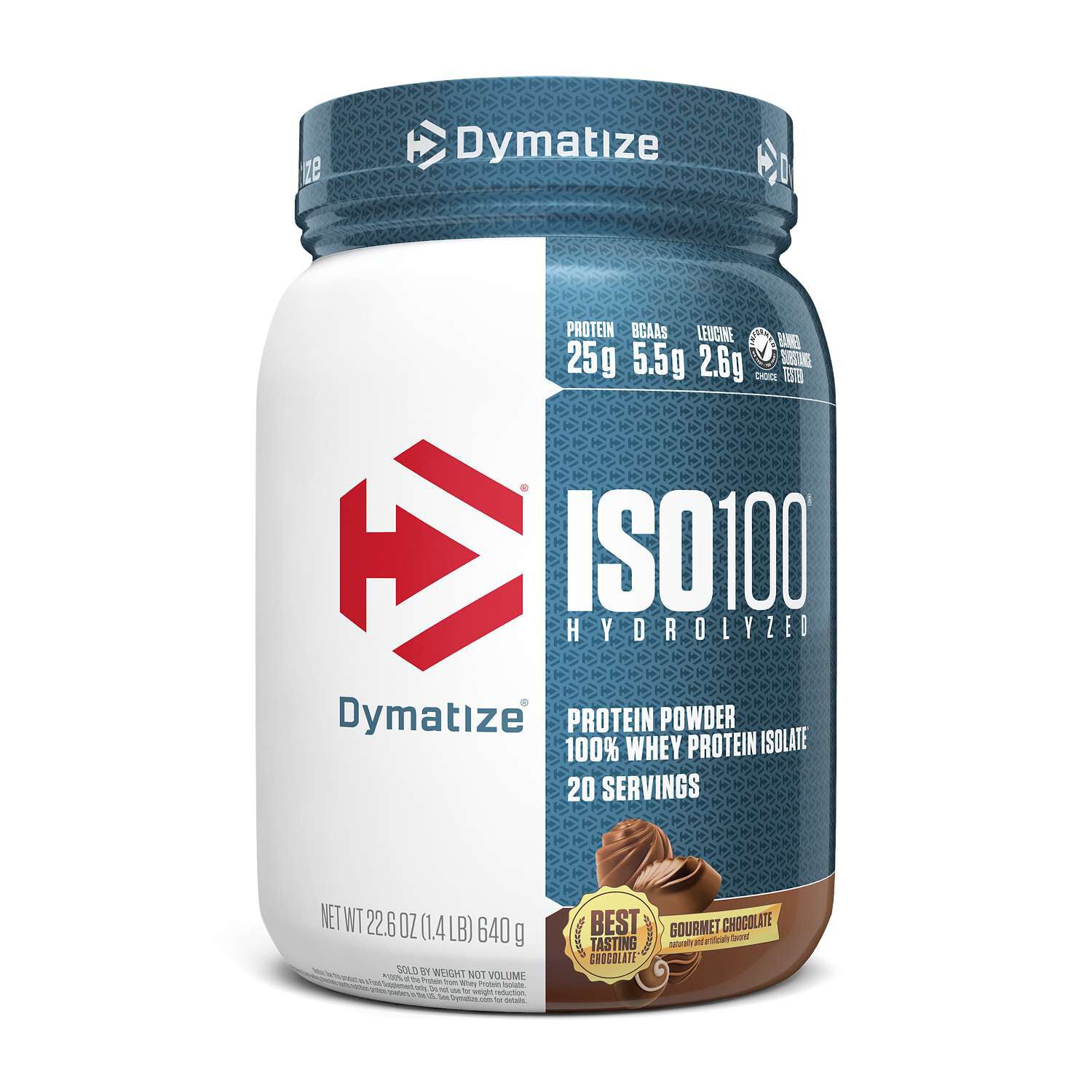
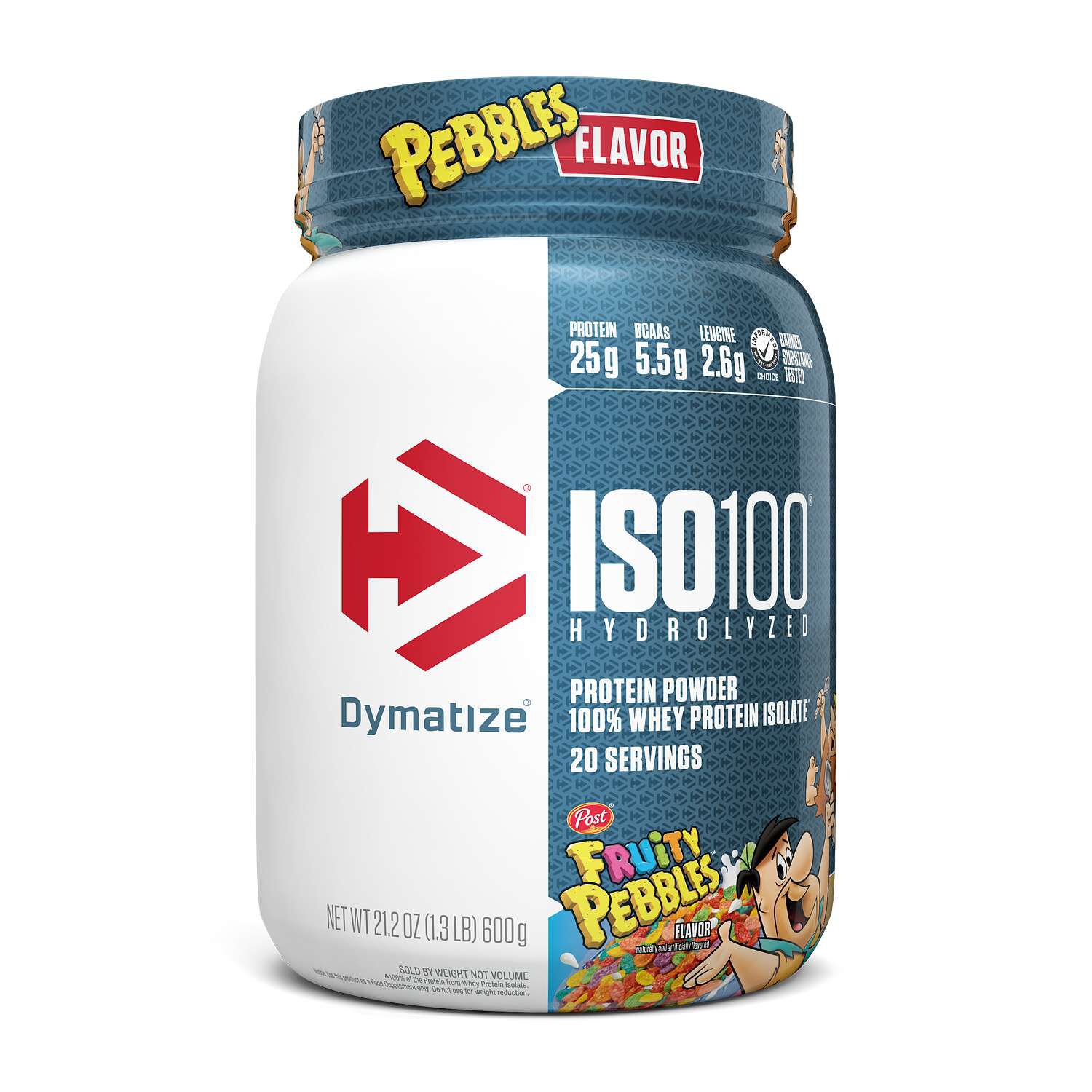


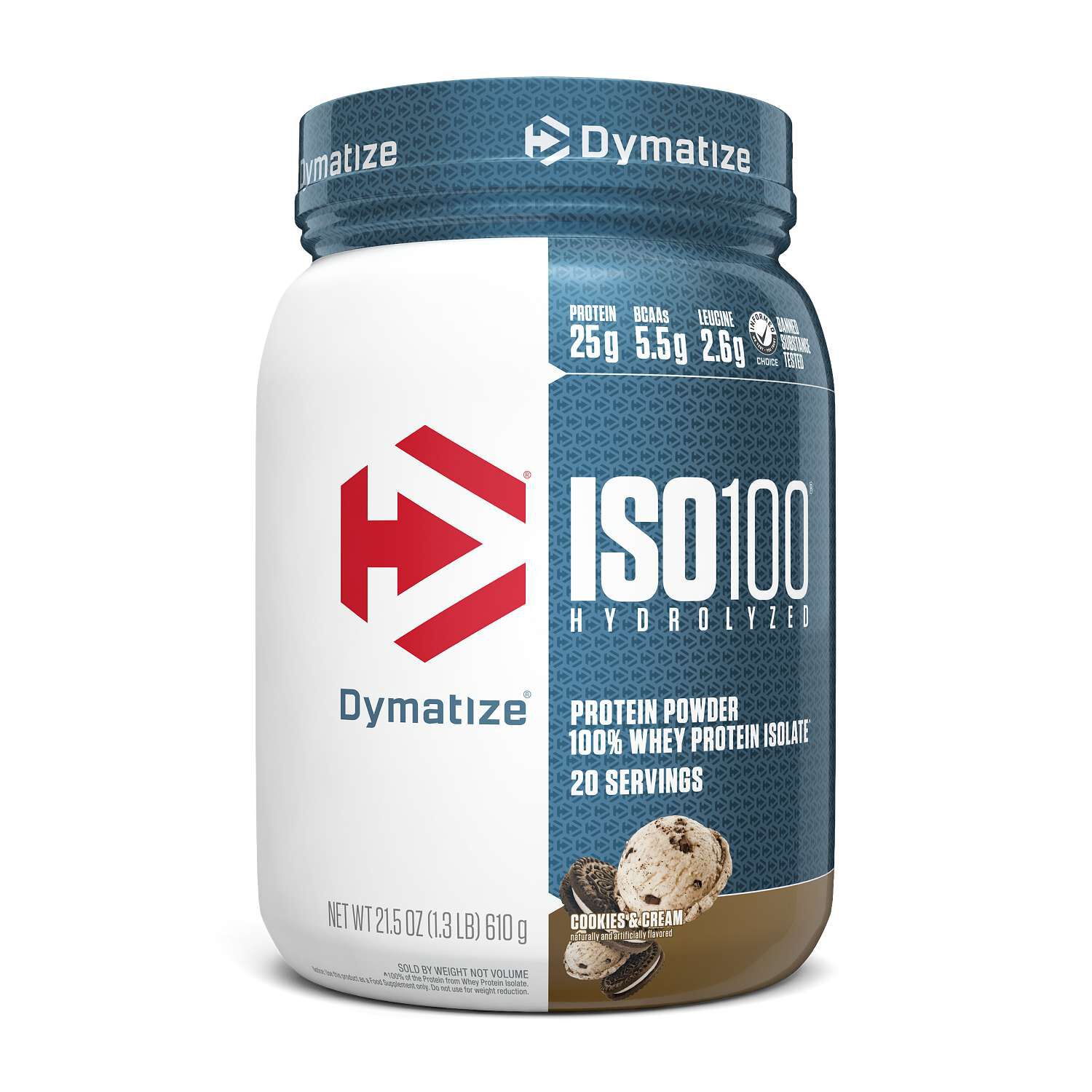


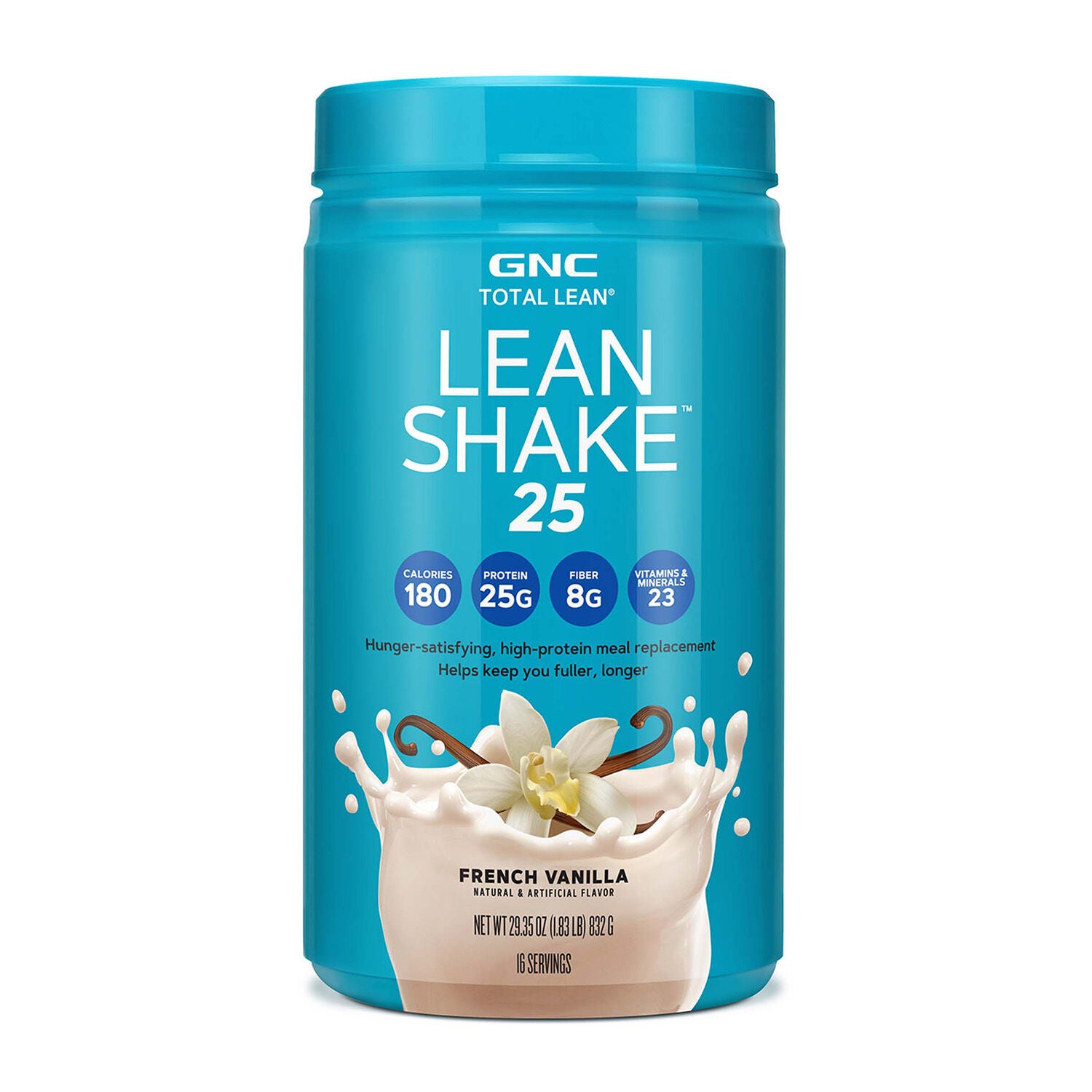
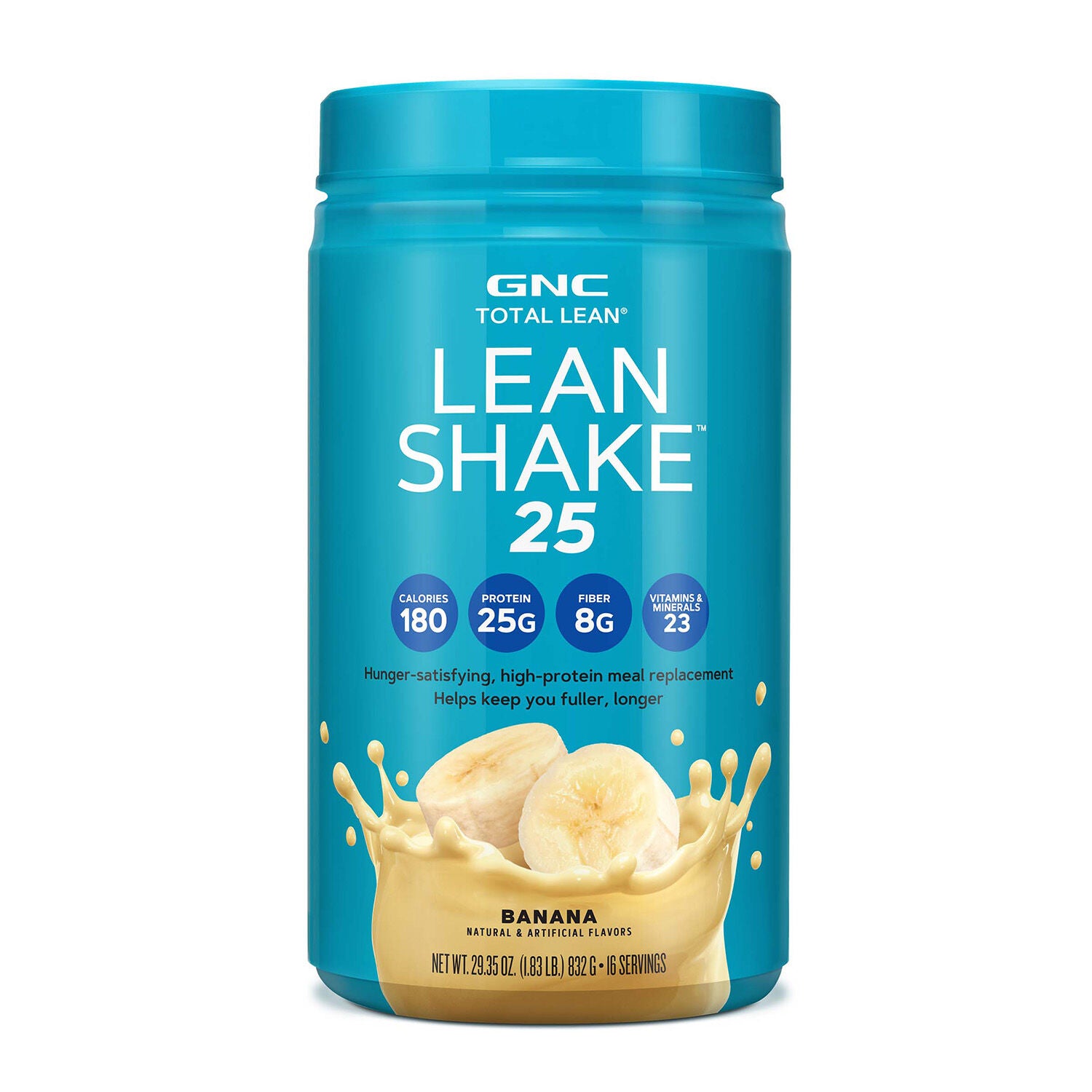
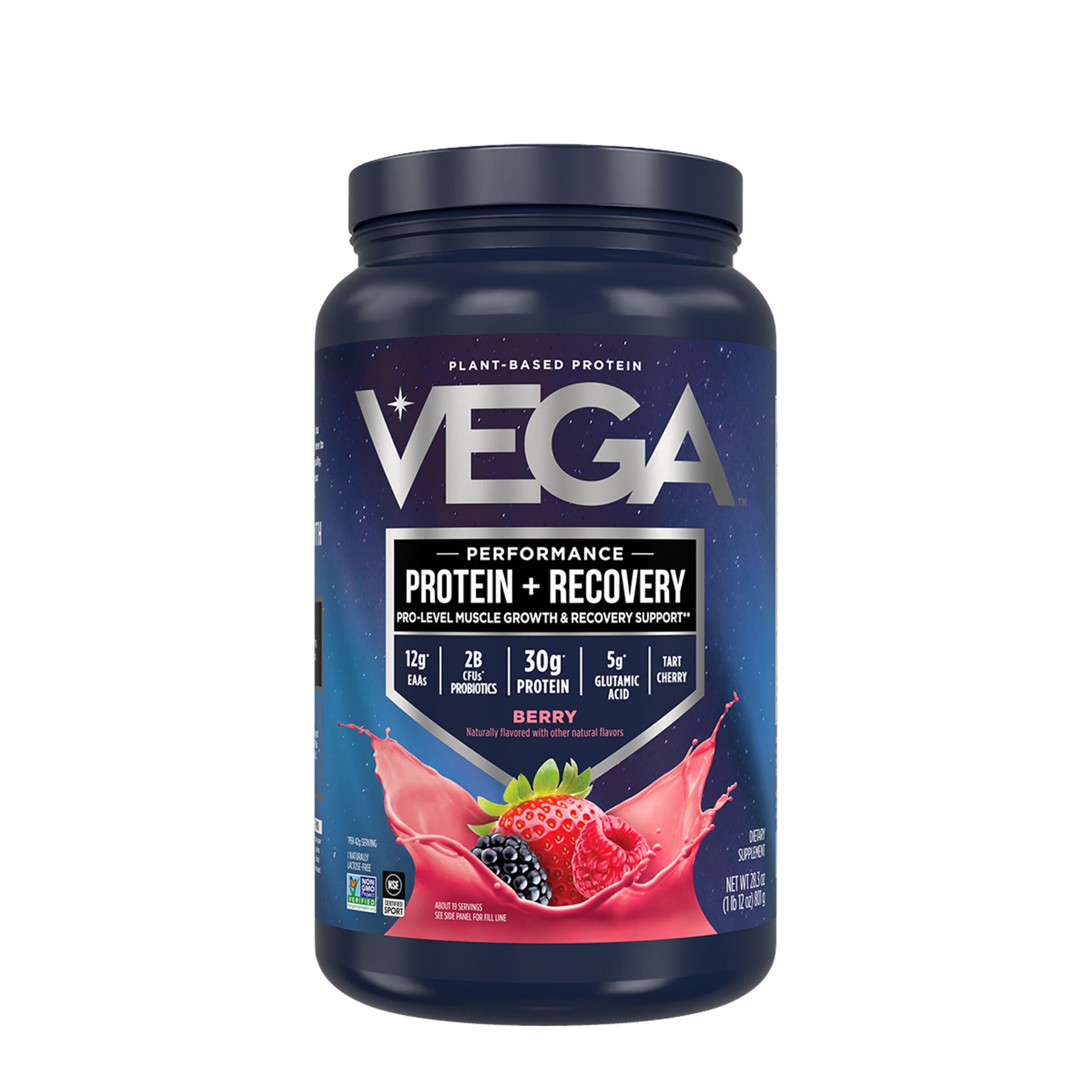


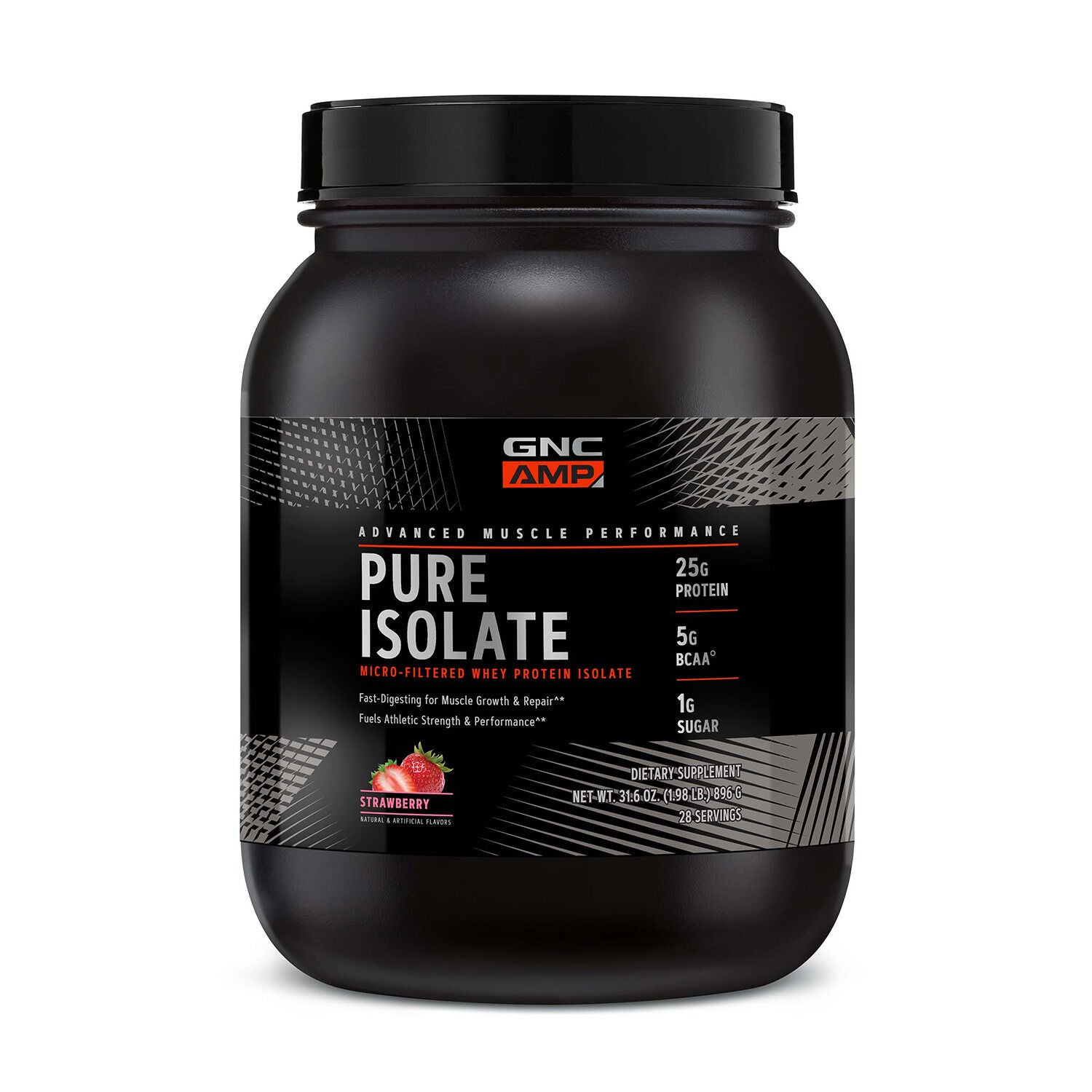


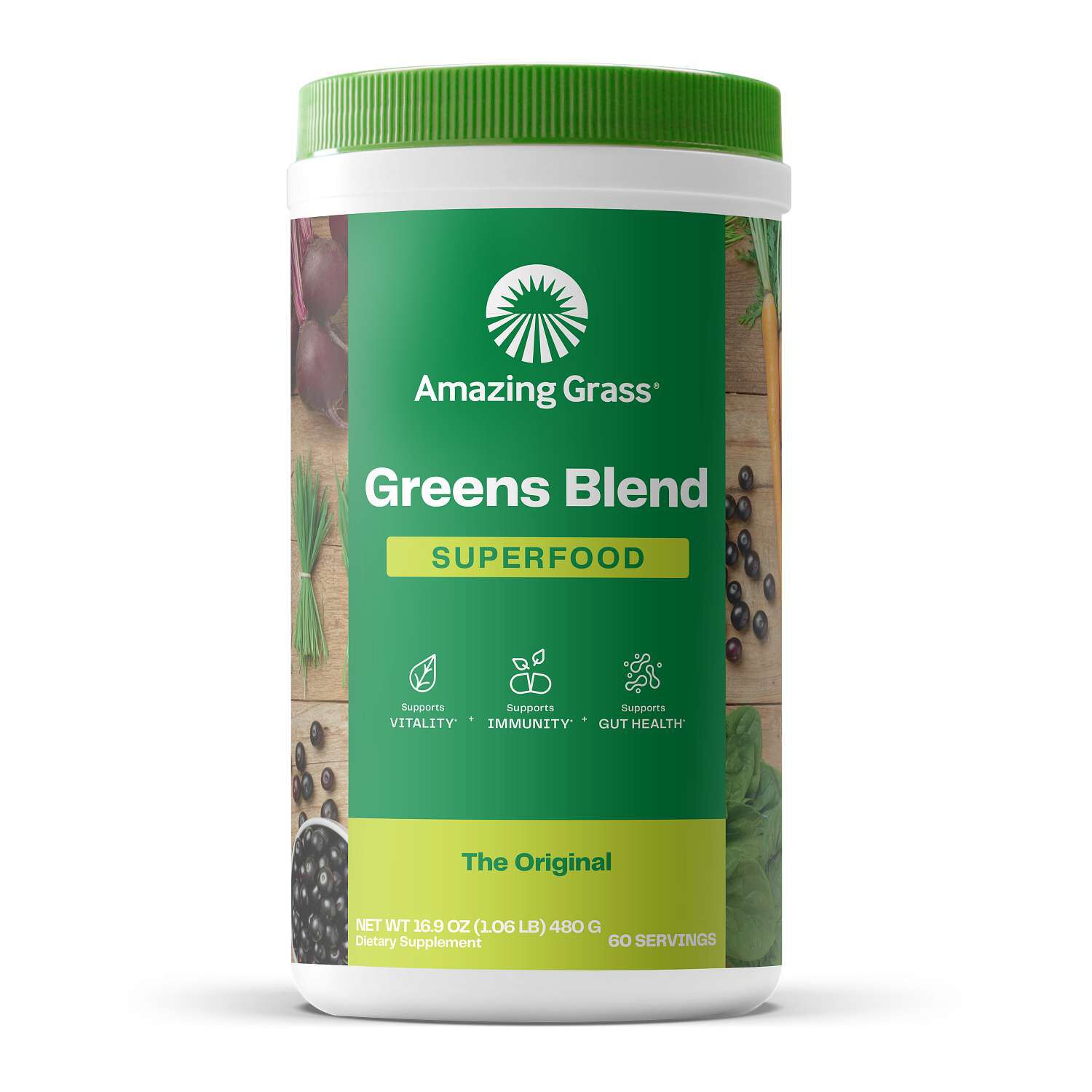

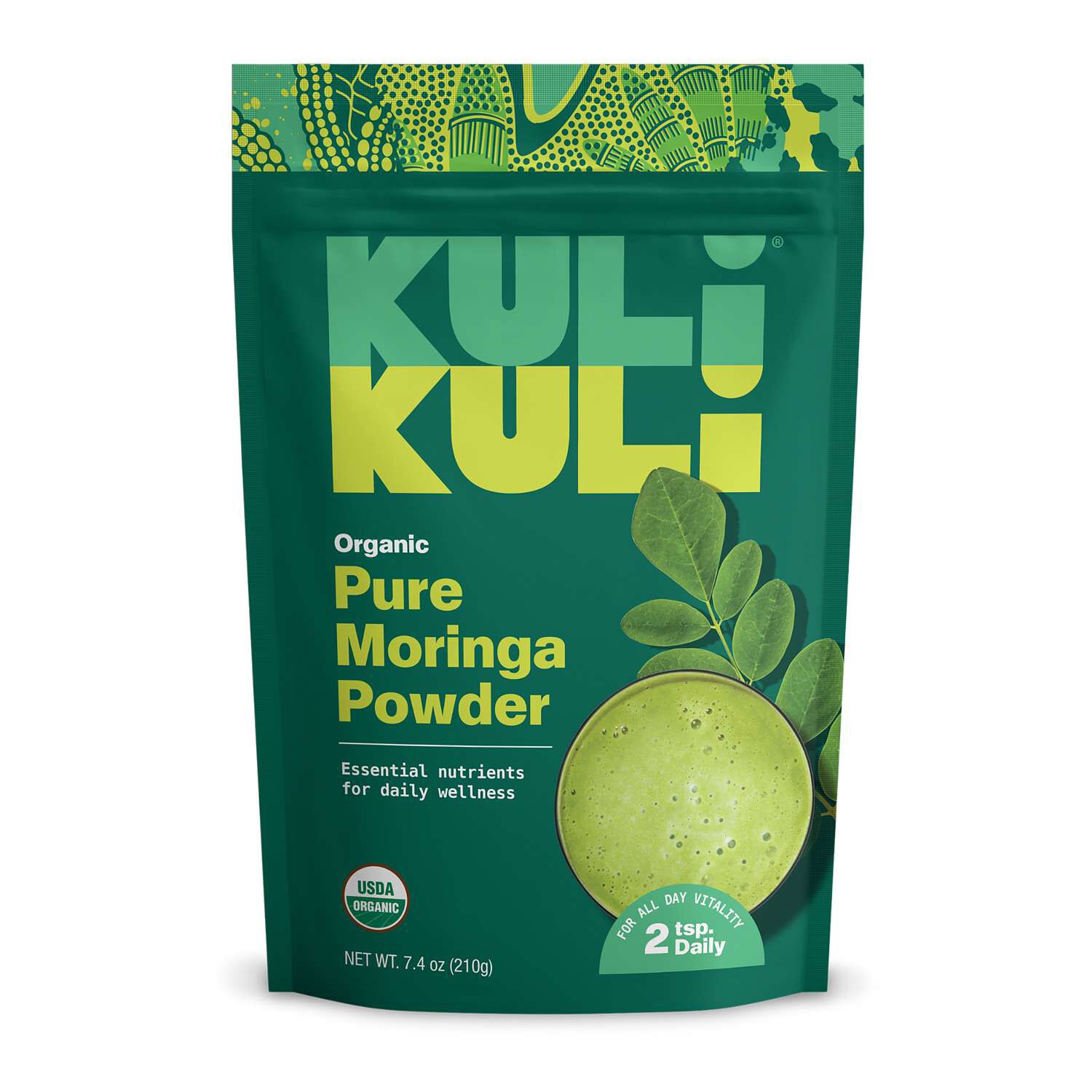
Powders for smoothies include protein powders, greens blends, fruit and vegetable powders, fiber blends, and formulas labeled for meal replacement. The category covers ingredients with different purposes, from a single protein source to a blend containing several kinds of powdered produce. The distinction matters when comparing powders for a berry-and-yogurt breakfast, a banana-and-oat blend, or a drink made with leafy greens and fruit. Protein powders commonly use whey, casein, soy, pea, rice, or a combination of sources. Whey and casein come from milk, while plant-based options draw their protein from ingredients such as legumes and grains. Some formulas combine multiple plant proteins, making the ingredient list a useful part of any comparison. Greens powders often contain a mixture of vegetables, grasses, or other plant ingredients, though the composition varies considerably between formulas. Fruit powders may contribute a recognizable berry or citrus flavor, while vegetable powders may bring an earthier character to the glass. Collagen powders represent another category, with a different amino acid composition from milk-based and plant-based protein blends. A collagen formula is not automatically interchangeable with another protein powder simply because both list protein on the label. Powders labeled for meal replacement also deserve separate consideration: their nutrition panels and intended uses differ from those of a single-ingredient smoothie addition. Flavor is another meaningful distinction. An unflavored powder may suit several recipes, while vanilla, chocolate, or fruit-flavored blends may work best with a narrower set of ingredients. Even an unflavored formula may have a noticeable taste from its source ingredients. Vanilla may pair with banana, oats, or yogurt; chocolate may complement cherries or nut butter; and an earthy greens blend may fit a mixture of pineapple, mango, and citrus. These combinations provide a practical starting point for comparing powders by both their ingredient profile and their place in an everyday smoothie routine.
Texture is often as important as flavor when choosing smoothie powders. Depending on the formula, a powder may blend into a relatively light drink or produce a thicker, spoonable mixture. Grind, ingredient composition, serving size, and the amount of liquid all play a role in that experience. Whey, plant protein, fiber, and powdered produce do not necessarily behave the same way in a blender, and two formulas in the same category may have noticeably different finishes. Some plant-based powders may contribute a slightly grainy texture, while certain fiber-containing blends may thicken after mixing. Ingredients such as gums and lecithin appear in some formulas for texture or mixing purposes, so the ingredient list offers context beyond the flavor printed on the package. A smoothie made with frozen berries, Greek yogurt, and milk has a different starting consistency from one made with juice, fresh fruit, and water. Adding oats, nut butter, or seeds introduces still more texture. For someone who prefers a drinkable breakfast in a travel cup, a powder that may disperse with fewer particles could be a better fit than one intended for a dense smoothie bowl. For someone blending bananas and yogurt into a spoonable base, a thicker result may be welcome. Serving information makes these comparisons more useful. Scoop sizes differ between formulas, so the serving weight in grams provides a clearer reference than the appearance of the scoop alone. Protein, fiber, sugars, sodium, and other listed nutrients can then be compared on the stated serving basis. A recipe containing yogurt, milk, oats, or nut butter also has nutrition beyond what the powder contributes. Sweeteners deserve attention as well: a sweetened powder paired with ripe banana and flavored yogurt may taste quite different from the same powder mixed with unsweetened ingredients. Milk, soy, and other allergen declarations are another relevant label detail for households with ingredient restrictions. The flavor name alone does not describe everything in a blend, especially when several protein sources or added ingredients appear together.
Intended use helps connect these details to a powder that fits an established routine. Someone who blends breakfast before a commute may prefer a familiar flavor and a straightforward serving format. A person making smoothies after a workout may focus on the listed protein amount and a taste that pairs with the ingredients already in the kitchen. Someone who enjoys experimenting with smoothie bowls may be more interested in how a powder could work alongside fruit, yogurt, seeds, and crunchy toppings. Powdered produce blends may appeal to shoppers who enjoy their flavor or convenience, but they are not interchangeable with whole fruits and vegetables in a recipe. Packaging and care matter, too, particularly for powders used repeatedly over several weeks. Containers vary in opening width, closure style, and ease of scooping. A resealable pouch may occupy less cupboard space, while a rigid container may be easier to scoop from on a busy countertop. The package’s storage directions, serving instructions, and date information provide the relevant reference for handling each formula. A dry scoop, a securely closed package, and storage away from moisture are practical considerations for maintaining the powder’s condition between uses. Once powder is combined with milk, yogurt, fruit, or another liquid, the handling needs of those ingredients also matter; the dry powder’s storage instructions do not describe the finished smoothie. Smoothie blends also overlap with Powdered Shakes, particularly when a formula is intended for mixing with water or milk rather than a blender full of produce. That distinction may influence the preferred flavor, texture, and preparation method. Across the category, the most relevant comparison brings together ingredient sources, serving information, sweetness, mixing characteristics, and intended use. A powder that suits a simple berry smoothie may not be the same choice as one for a chocolate-and-oat drink, and those everyday preferences give the selection its practical context.
- Q: What types of powders can I add to my smoothies?
A: You can add a variety of powders to your smoothies, including protein powders, greens powders, collagen powders, fiber supplements, and superfood blends. Each type offers different nutritional benefits and can help you customize your smoothie to meet your health goals. - Q: How do I choose the right powder for my smoothie?
A: Choosing the right powder depends on your dietary needs and preferences. For example, if you want to increase protein intake, opt for whey or plant-based protein powders. If you're looking for more vitamins and minerals, consider greens or superfood powders. Always check the ingredient list for allergens or additives. - Q: Can I mix different powders together in one smoothie?
A: Yes, you can combine different powders in a single smoothie to maximize nutritional benefits. Just be mindful of flavors and serving sizes to ensure a balanced taste and texture. - Q: Are there vegan or plant-based powder options for smoothies?
A: Absolutely! There are many vegan and plant-based powder options available, such as pea protein, soy protein, rice protein, and various greens or superfood blends that contain no animal-derived ingredients. - Q: Do smoothie powders affect the taste or texture of my drink?
A: Some powders may slightly alter the taste or texture of your smoothie depending on their ingredients. For example, flavored protein powders can add sweetness or specific flavors, while fiber or greens powders might make your smoothie thicker or earthier. Experiment with small amounts to find what works best for you.
Best Sellers


Related Pages


Top Collections
- Daily Collagen Supplements | Top Brands & Deals | GNC
- Natural Collagen Supplements | Top Brands & Deals | GNC
- Top Rated Collagen | Shop Customer Favorites | GNC
- Cortisol Supplements
- Vitamins For Hair Loss
- Spirulina Tablets
- NAD+ Supplement Tablets
- Peptide Supplements
- Best Brand of Magnesium Glycinate
- Vitamins That Help Support Weight Gain