





Powdered Shakes
(0 Results)
Powdered shakes offer a convenient way to support your daily nutrition goals, whether you’re at home or on the go. With a variety of flavors and formulas to choose from, these versatile options can fit seamlessly into many lifestyles. Powdered shakes may be enjoyed as part of a balanced routine, making it easy to mix up something delicious whenever you need it. Explore the selection of powdered shakes to discover options that align with your preferences and wellness journey.


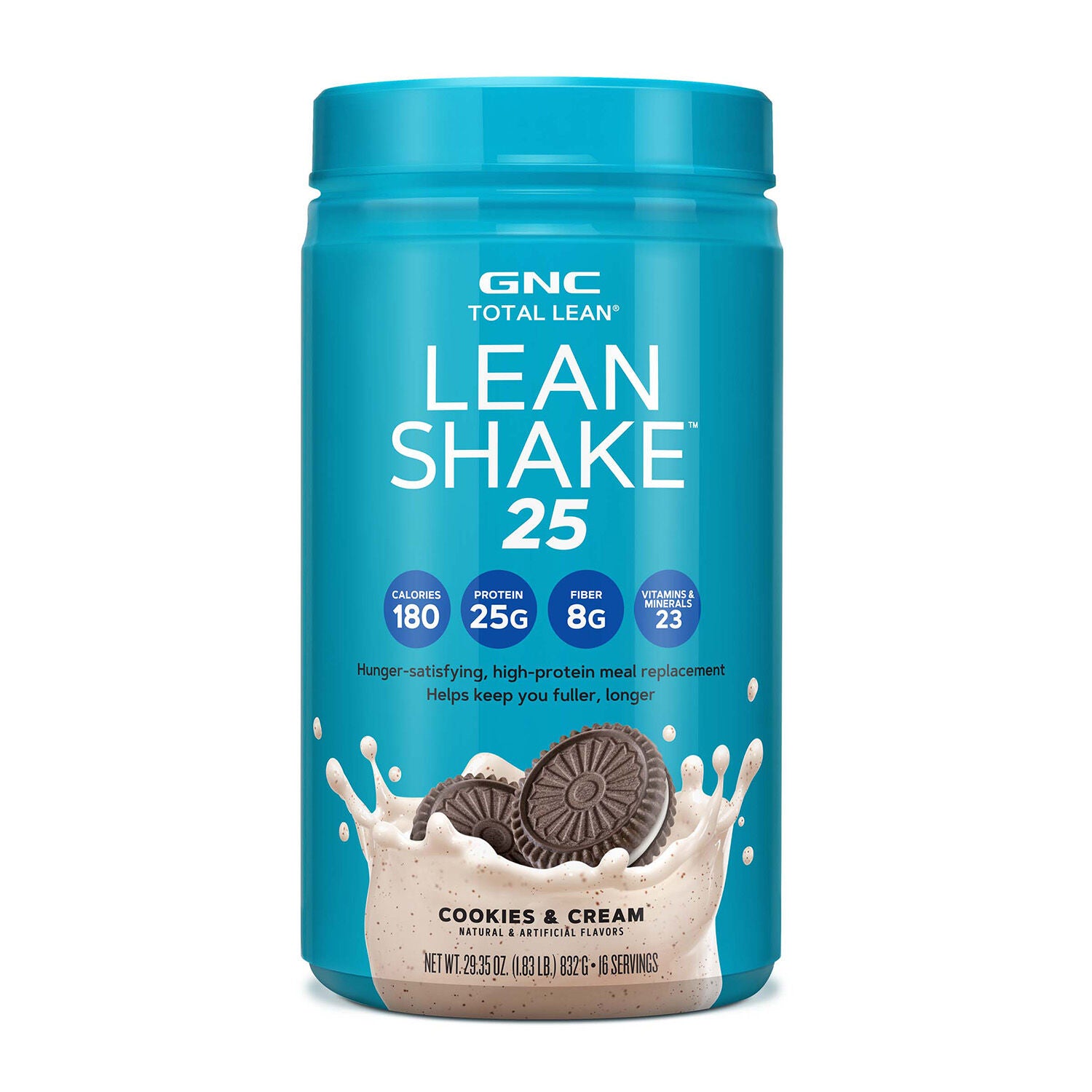
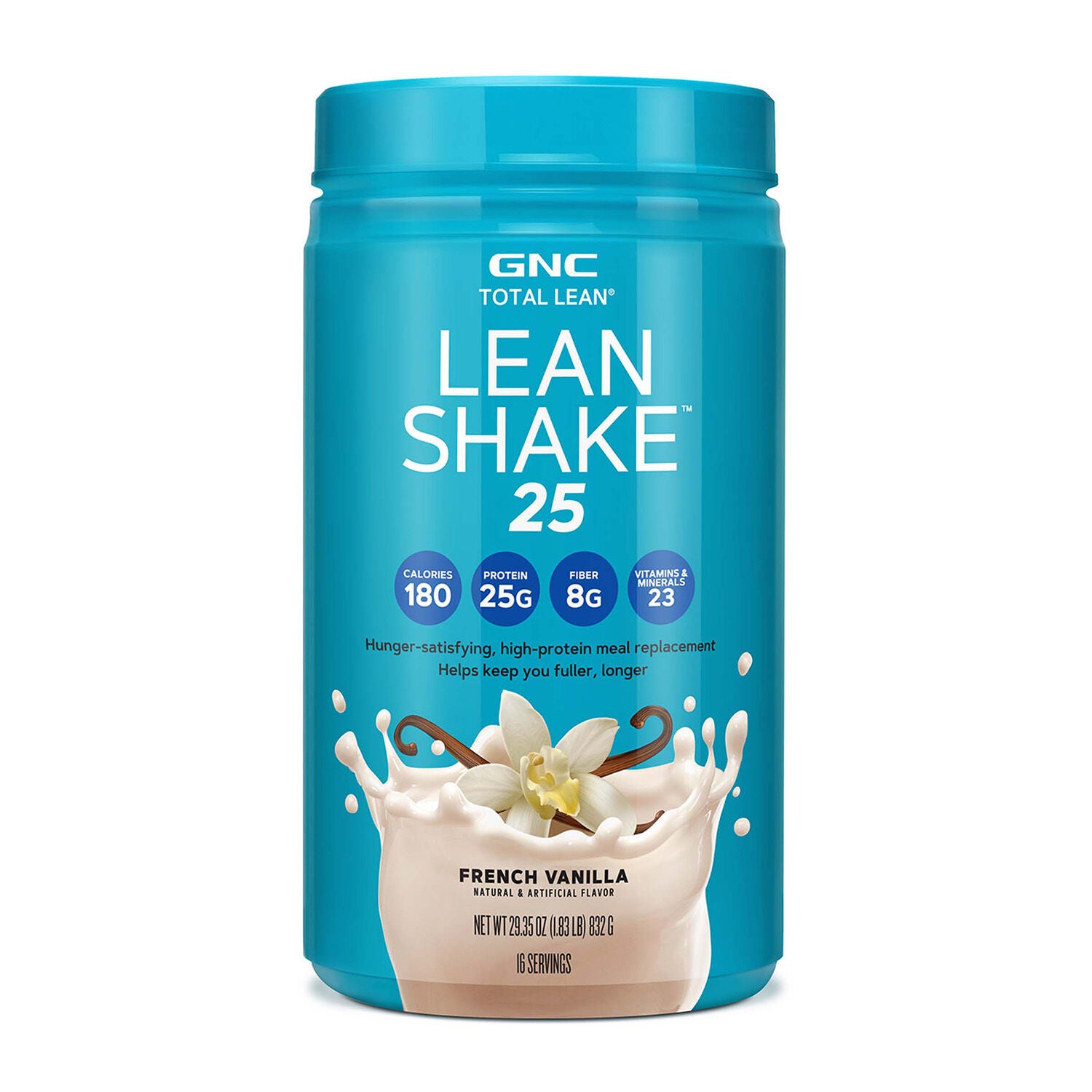
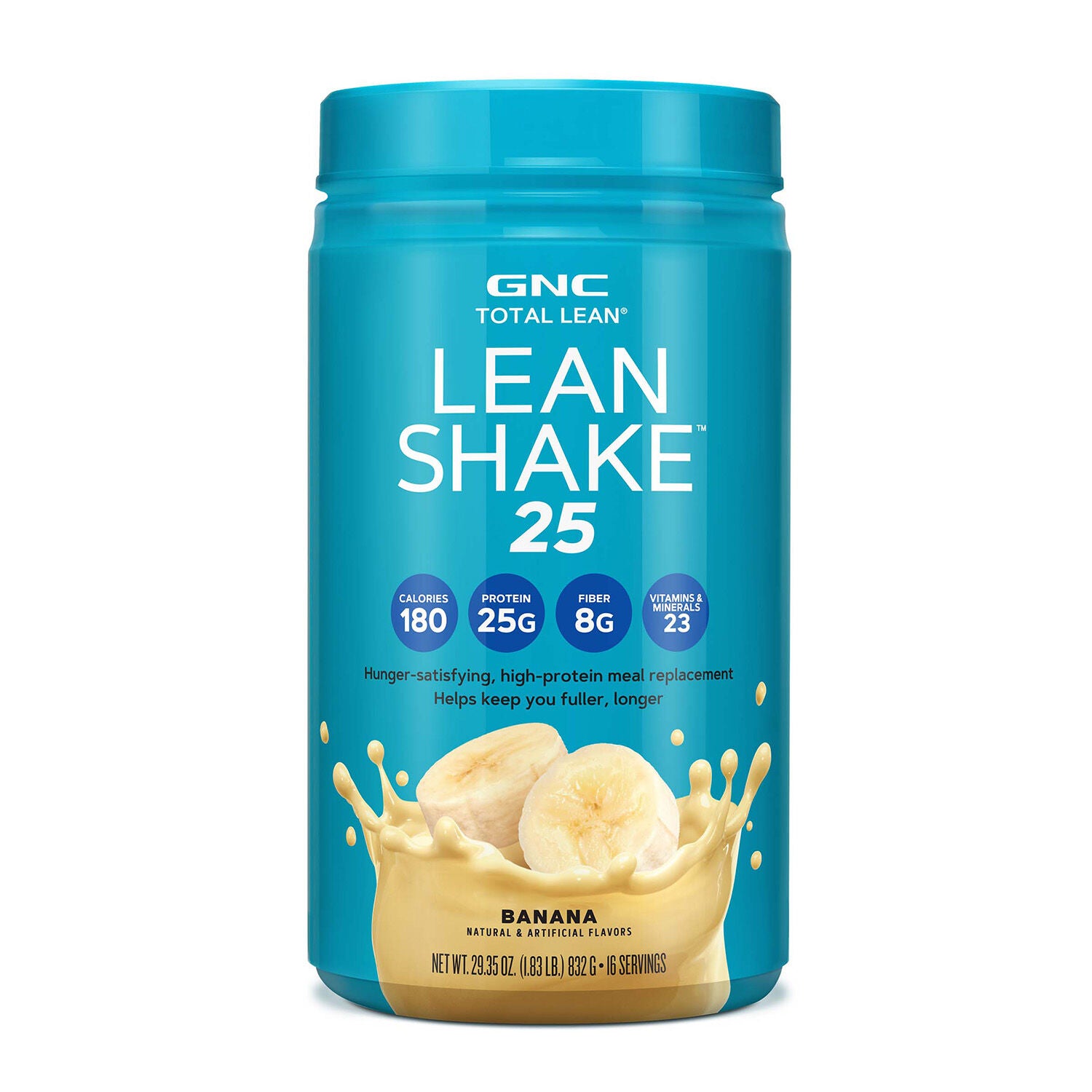
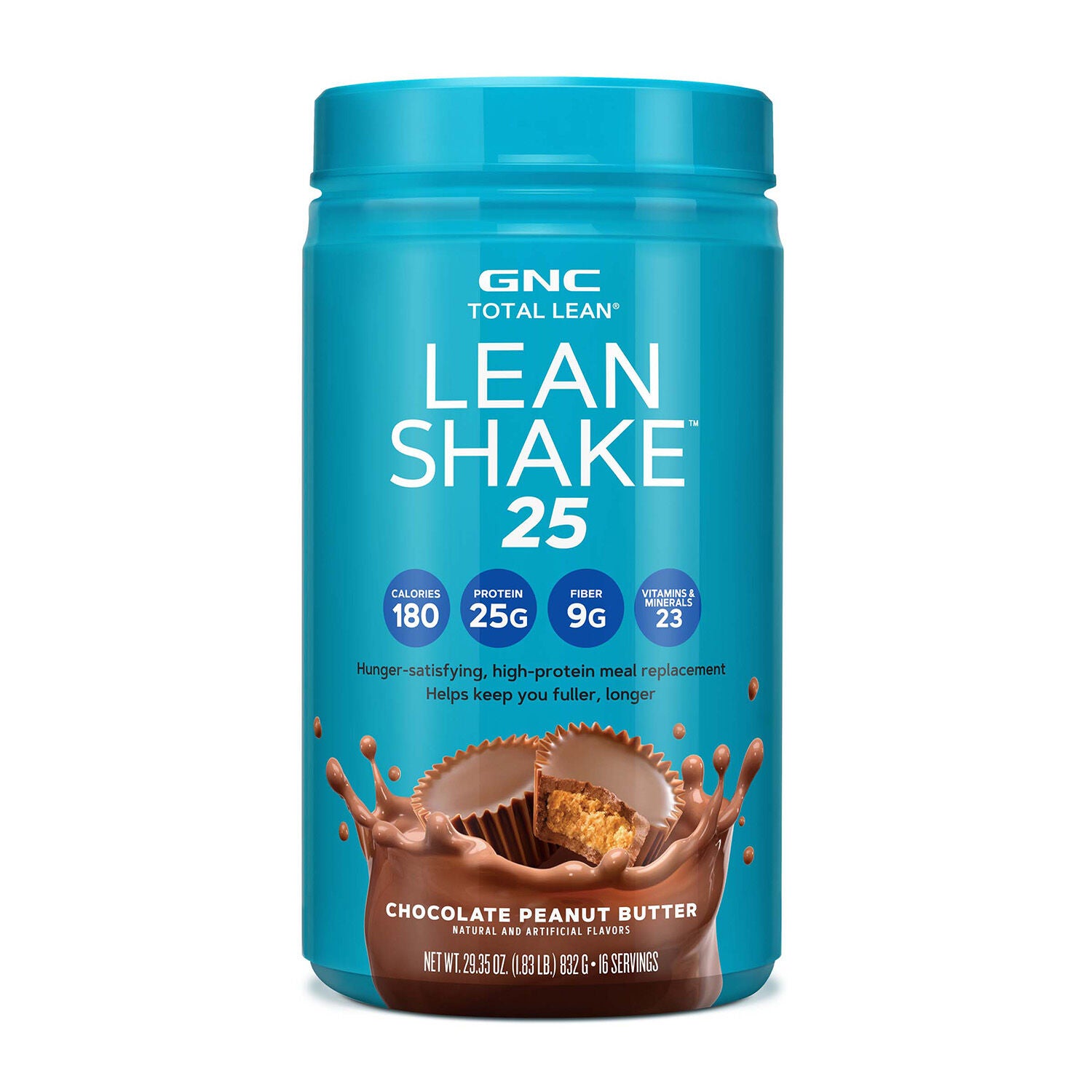
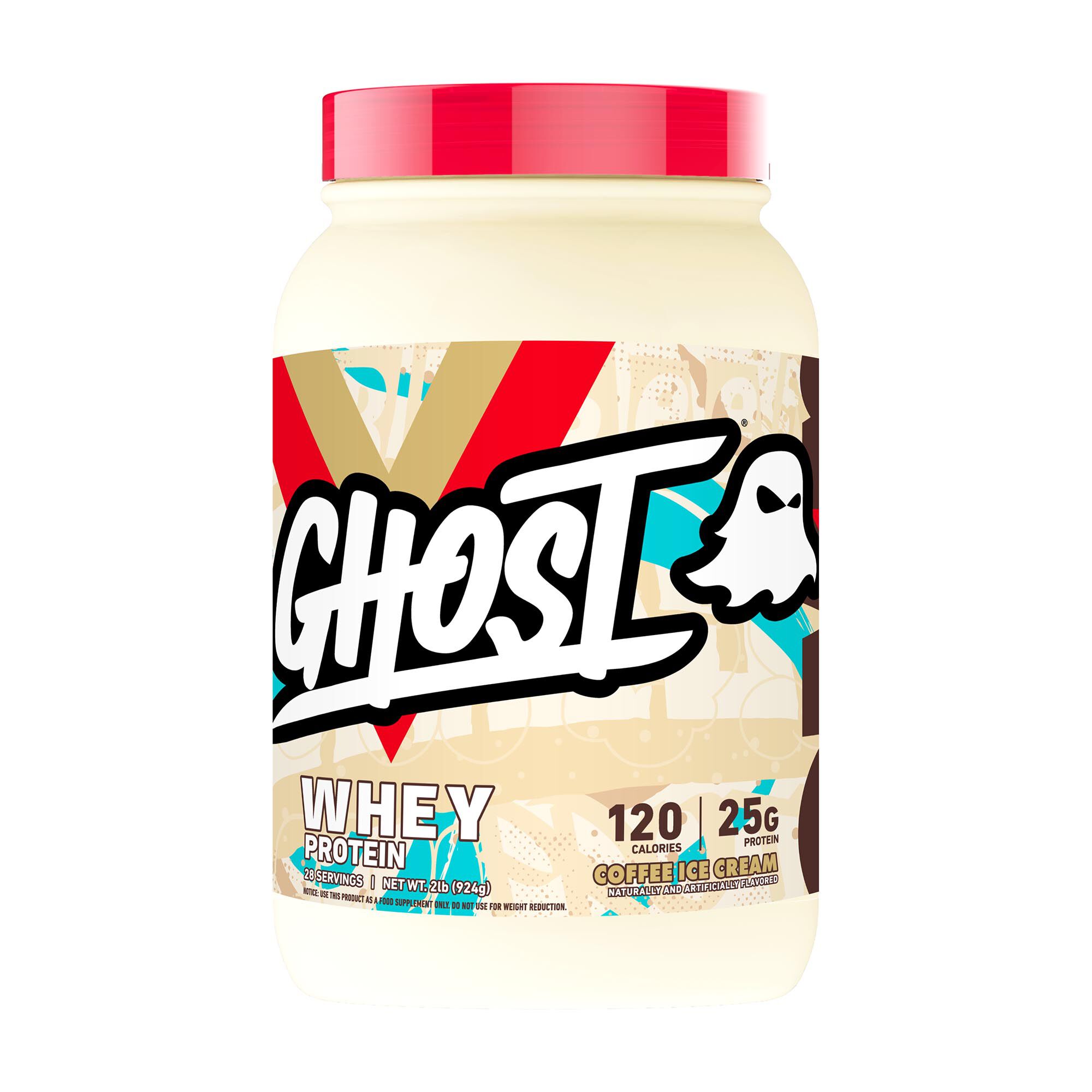

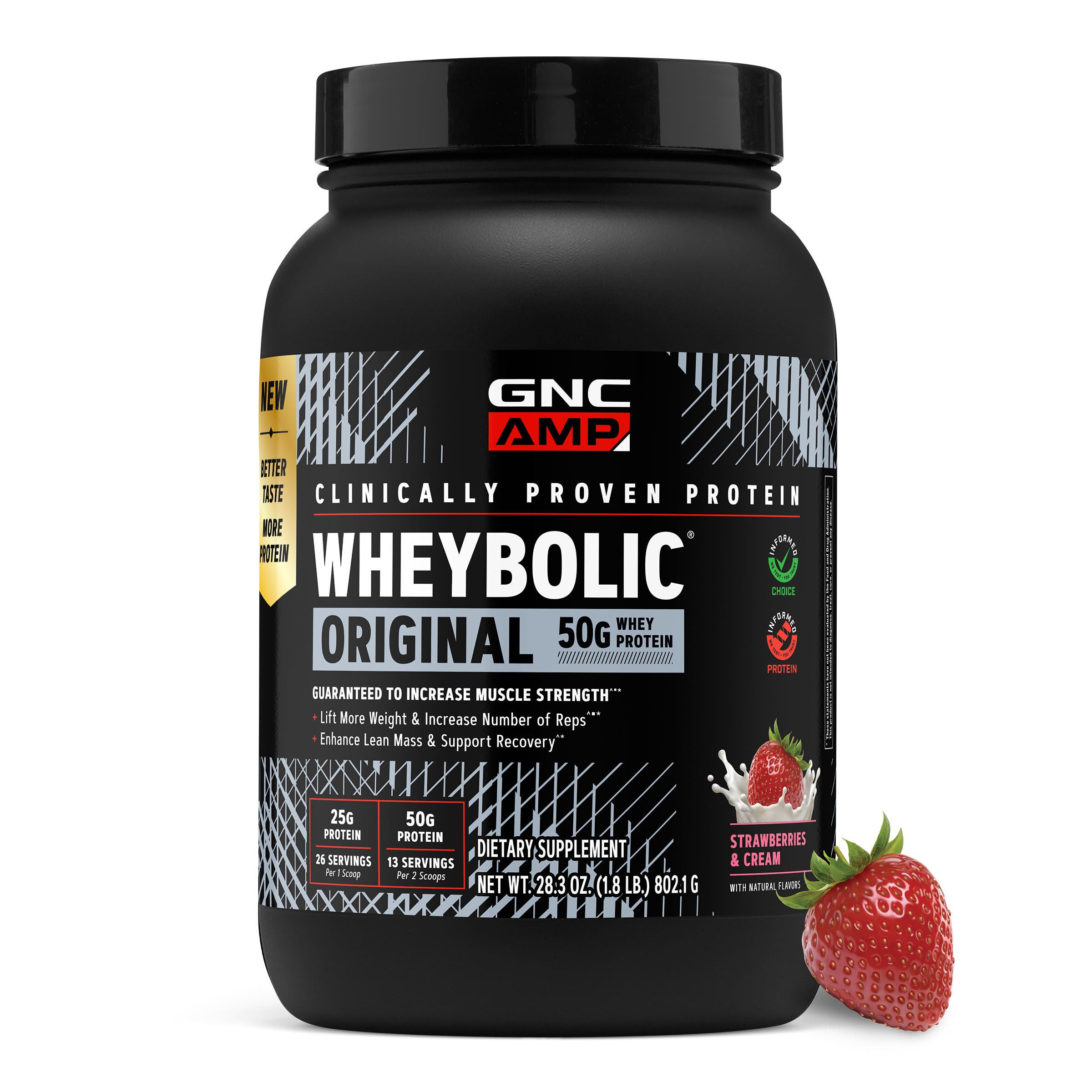
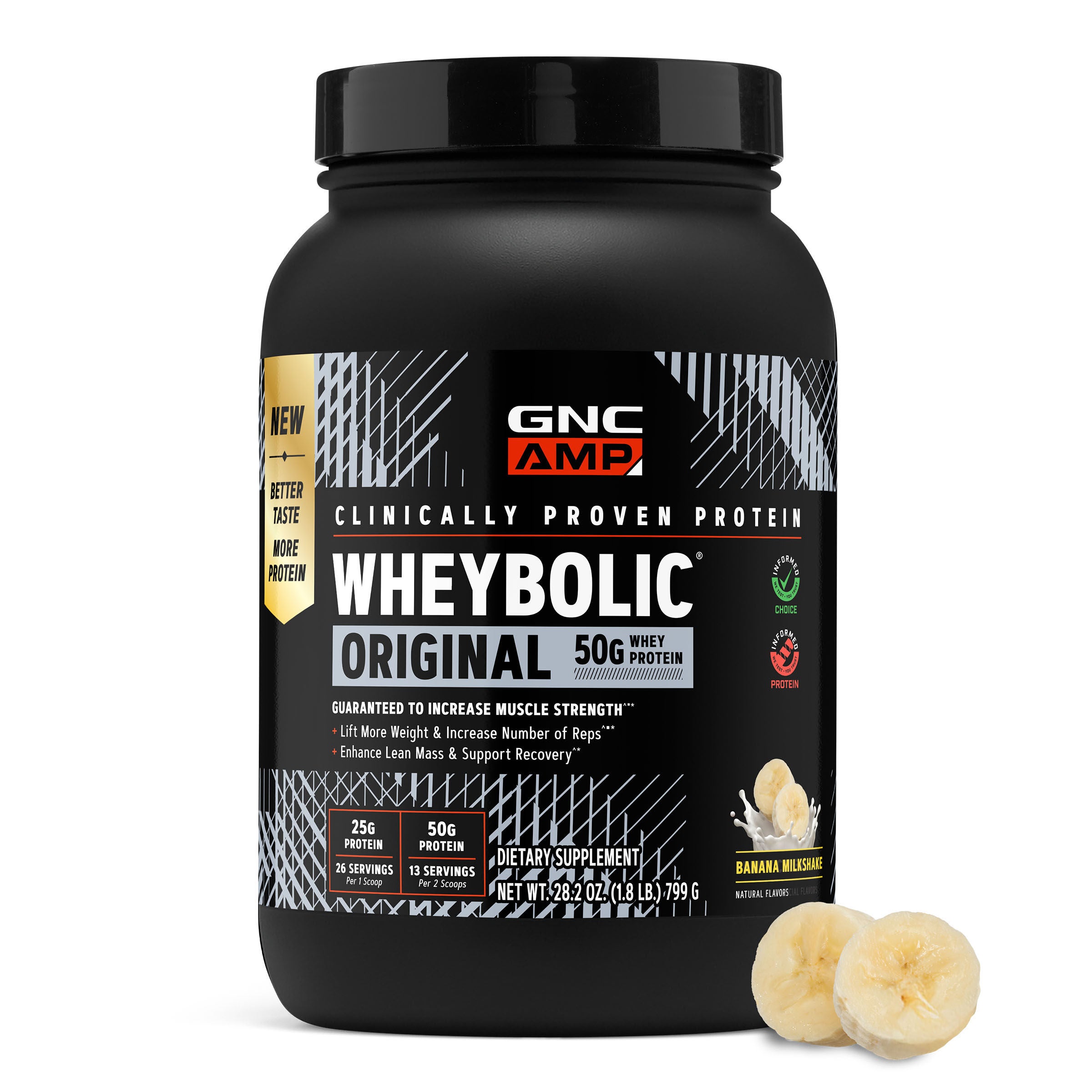


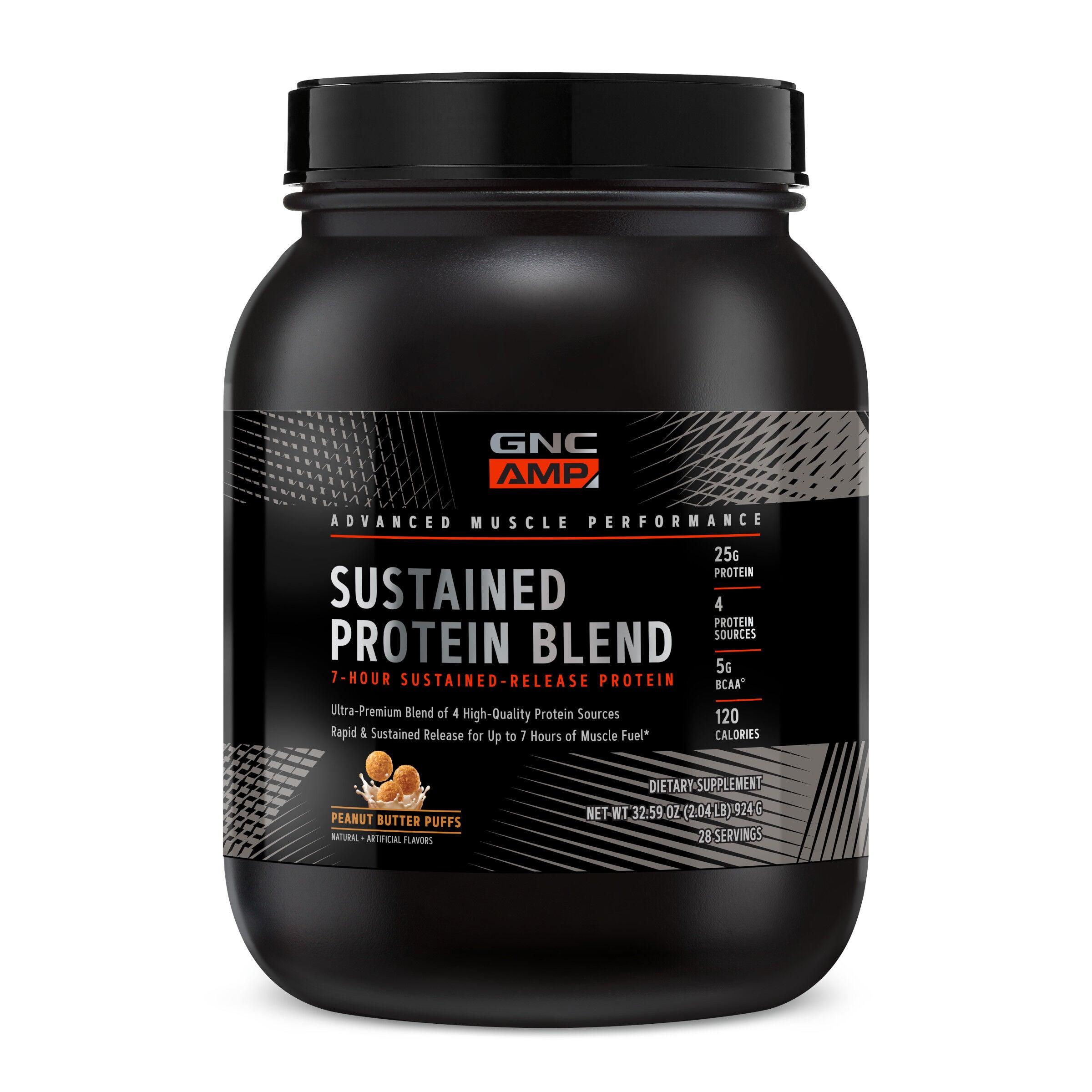


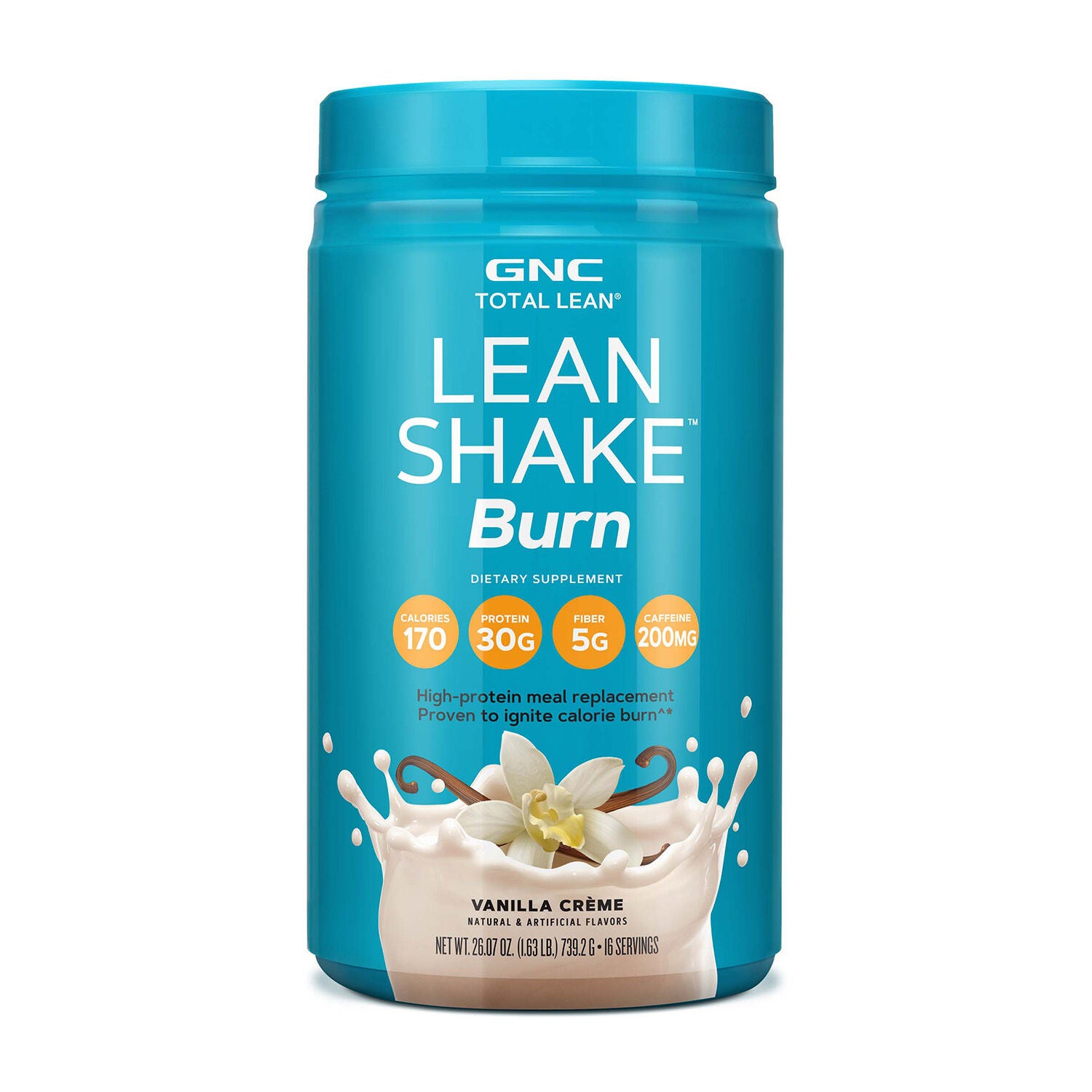


A powdered shake is a drink made by mixing a powdered formula with water, milk, or a plant-based beverage. The category includes protein powders, meal replacement powders, and other drink mixes with different ingredient profiles and intended uses. Some are designed around a single protein source, while others combine proteins with carbohydrates, fats, fiber, vitamins, or minerals. That distinction matters when comparing powdered shakes: a protein-focused formula and a meal replacement formula are not necessarily interchangeable, even when both come in the same flavor. Whey and casein come from milk, while egg, soy, pea, and rice are other protein sources found in shake powders. Plant-based blends combine ingredients in different proportions, making the ingredient list more useful than the front label alone for understanding what is inside. For shoppers with dietary preferences or ingredient restrictions, milk ingredients, soy, sweeteners, and allergen statements deserve attention. Protein per serving is another useful comparison, but serving size matters just as much. One scoop is not a universal measurement, and the amount of powder in a serving varies between formulas. Calories, carbohydrates, fats, fiber, and added sugars provide additional context about how a shake might fit into an eating routine. The mixing liquid changes the finished drink, too. Nutrition information for powder alone does not include the milk, oat beverage, fruit, or nut butter added during preparation. Someone looking for a straightforward protein shake may prefer a shorter ingredient list, while someone considering a meal replacement may look more closely at the broader nutrient profile and stated purpose. Neither a dessert-inspired flavor name nor a thick texture says much about those differences. Comparing the serving directions, ingredient list, and Nutrition Facts panel gives powdered shakes a clearer place within everyday meals, snacks, and exercise routines, without relying on the size of the container or the appearance of the prepared drink.
Flavor and texture are practical parts of choosing a powdered shake, especially for a drink that may become part of a regular routine. Chocolate, vanilla, and fruit-inspired profiles offer different starting points, while sweetness, richness, and aftertaste vary with the formula and mixing liquid. A chocolate shake mixed with water may taste noticeably different from the same powder blended with milk. Vanilla may suit combinations with berries, banana, cinnamon, or yogurt, while a more strongly flavored powder may be preferable with fewer additions. Texture deserves similar attention. Some formulas may produce a lighter drink, while others may have a thicker, creamier consistency or a more noticeable graininess. Protein source, added fiber, and thickening ingredients all belong in that comparison. The preparation method matters as well: a shaker bottle is a practical format for powder and liquid, while a blender accommodates fruit, oats, yogurt, and other ingredients. The label’s mixing directions are the reference point for the amount of powder and liquid, rather than assuming that every formula uses the same ratio. A measured portion of powder and a measured amount of liquid also make comparisons between preparations more meaningful. For fruit-forward blends and other blended combinations, Powders for Smoothies is a related category worth exploring. Add-ins bring their own flavor, texture, and nutrition, so a shake with peanut butter, oats, and milk is a different drink from powder mixed with water. The right fit may depend on whether the shake is intended as a small addition to breakfast, a snack alongside other foods, or a formula specifically labeled for meal replacement use. For someone drinking a shake at a desk, a thinner consistency may be preferable; for someone enjoying a blended drink at home, a spoonable texture may be more appealing. Those everyday preferences are worth considering alongside the nutrition panel, since the preparation has to suit both the intended use and the person drinking it.
Powdered shakes also have practical differences in packaging, portioning, and storage. A larger container may suit a household with an established routine, while individually portioned packets may be useful for a work bag or travel plans. The meaningful comparison is the number of labeled servings and the amount used each time, not simply the height of the tub. Container dimensions matter in a crowded cupboard, and the closure deserves attention when powder will be opened repeatedly. A lid that seats securely or a pouch closure that is easy to align may be more convenient for frequent use. Storage directions and date markings remain important regardless of package size. A clean, dry scoop and a storage spot away from sink splashes are sensible considerations for a powder used in a busy kitchen. Keeping the original label with the container also leaves the ingredient list, serving information, and preparation directions close at hand. For bottles and blender cups, the care instructions matter, particularly around removable seals, mixing inserts, and dishwasher suitability. Powder caught beneath a lid or around a gasket makes thorough cleaning worth considering when choosing drinkware for regular use. These details become more noticeable in ordinary situations: packing a measured portion before an early commute, preparing breakfast while getting ready for work, or setting out ingredients before a planned workout. A shake may fit one of those moments without needing to serve every purpose throughout the day. Someone who enjoys a varied breakfast may want a powder that pairs with familiar foods, while someone focused on strength training may prioritize the protein amount and serving format. Shared households may place more value on flexible flavors and clearly marked portions. Choosing among powdered shakes ultimately comes down to the relationship between ingredients, nutrition, preparation, taste, and routine. A useful comparison keeps all of those details in view, with the intended use guiding the choice rather than flavor names or package design alone.
- Q: What are powdered shakes and how are they typically used?
A: Powdered shakes are nutritional supplements in powder form that can be mixed with water, milk, or other beverages to create a drink. They are commonly used as meal replacements, post-workout recovery drinks, or convenient sources of protein and nutrients. - Q: What types of powdered shakes are available?
A: There are several types of powdered shakes, including protein shakes, meal replacement shakes, weight gainers, and specialized formulas for energy or recovery. Each type is formulated to support different health and fitness goals. - Q: Can powdered shakes be customized with other ingredients?
A: Yes, powdered shakes can easily be customized by adding fruits, vegetables, nut butters, seeds, or other supplements to adjust flavor and nutritional content according to your preferences. - Q: How should I store powdered shake mixes?
A: Powdered shake mixes should be stored in a cool, dry place with the container tightly sealed to prevent moisture from affecting the powder's quality and freshness. - Q: Are there dairy alternatives or plant-based options for powdered shakes?
A: Absolutely! Many brands offer options made without dairy and plant-based powdered shakes using sources like pea protein, soy protein, rice protein, or blends of various plant proteins.
Best Sellers


Related Pages


Top Collections
- Daily Collagen Supplements | Top Brands & Deals | GNC
- Natural Collagen Supplements | Top Brands & Deals | GNC
- Top Rated Collagen | Shop Customer Favorites | GNC
- Cortisol Supplements
- Vitamins For Hair Loss
- Spirulina Tablets
- NAD+ Supplement Tablets
- Peptide Supplements
- Best Brand of Magnesium Glycinate
- Vitamins That Help Support Weight Gain