





Green Smoothie Powder Supplements
(0 Results)
Discover the vibrant world of green smoothie powders, a convenient way to enhance your daily nutrition with a simple scoop. Packed with a variety of nutrient-rich ingredients, these powders might help you boost your energy levels and support overall wellness. Whether you're looking to incorporate more greens into your diet or seeking an easy meal replacement option, green smoothie powders could offer a delicious solution. Explore the potential benefits of adding these versatile blends to your routine, and enjoy the refreshing taste that can make healthy living a breeze.
-
-

-
-
-

-

-

-
-
-

-
-

-
-
-
 $32.99
-

-
-

-
 4$59.99
-

-
-
 4$59.99
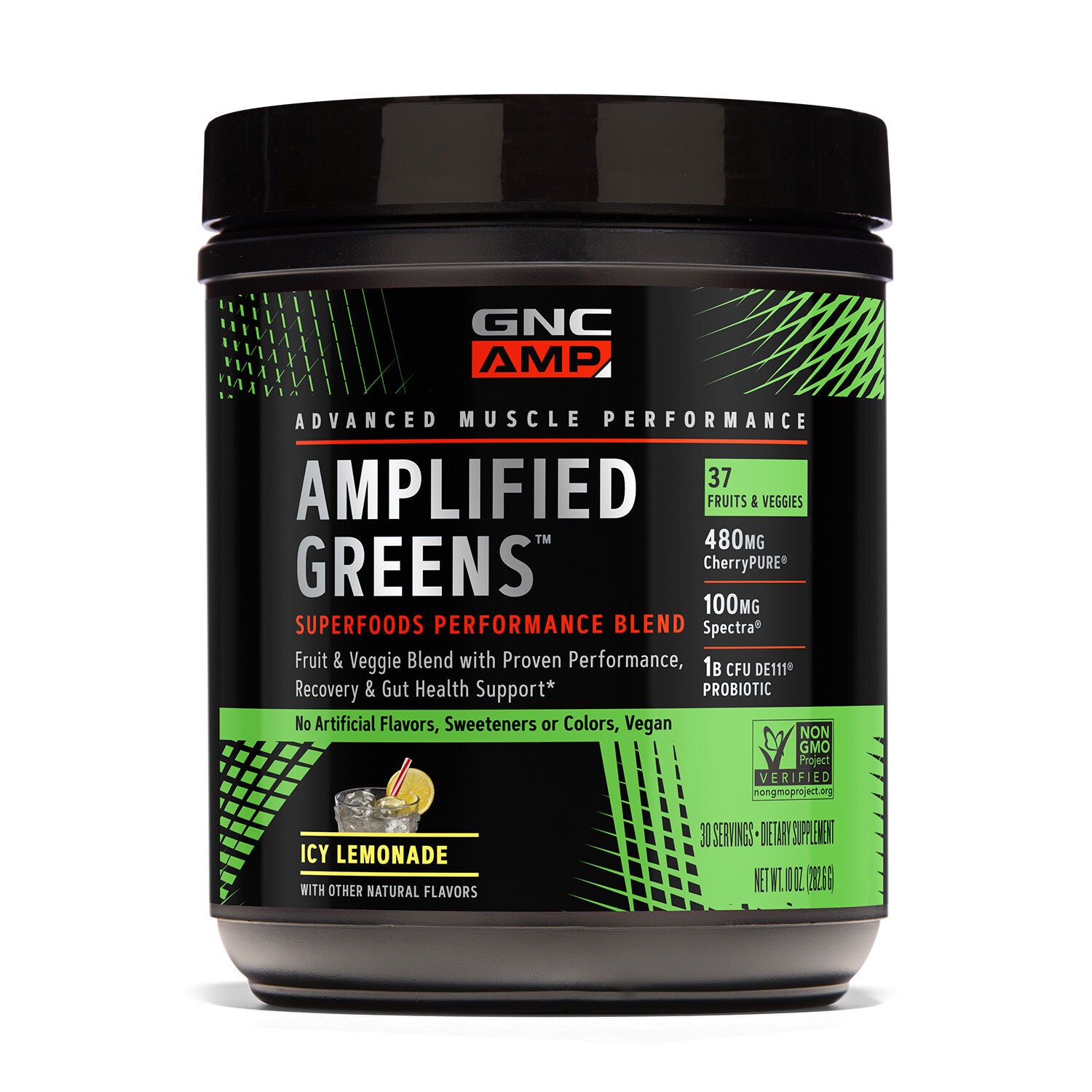

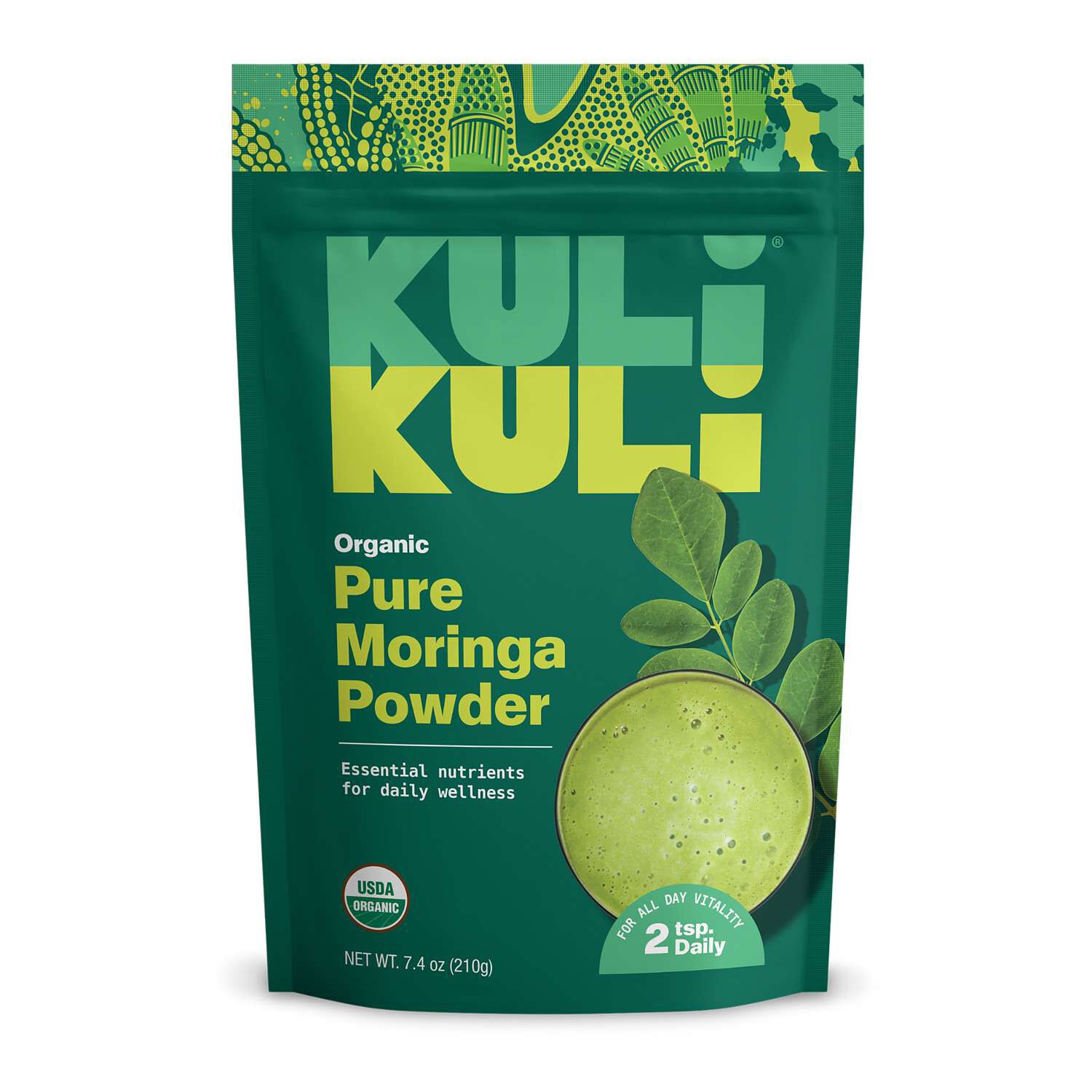
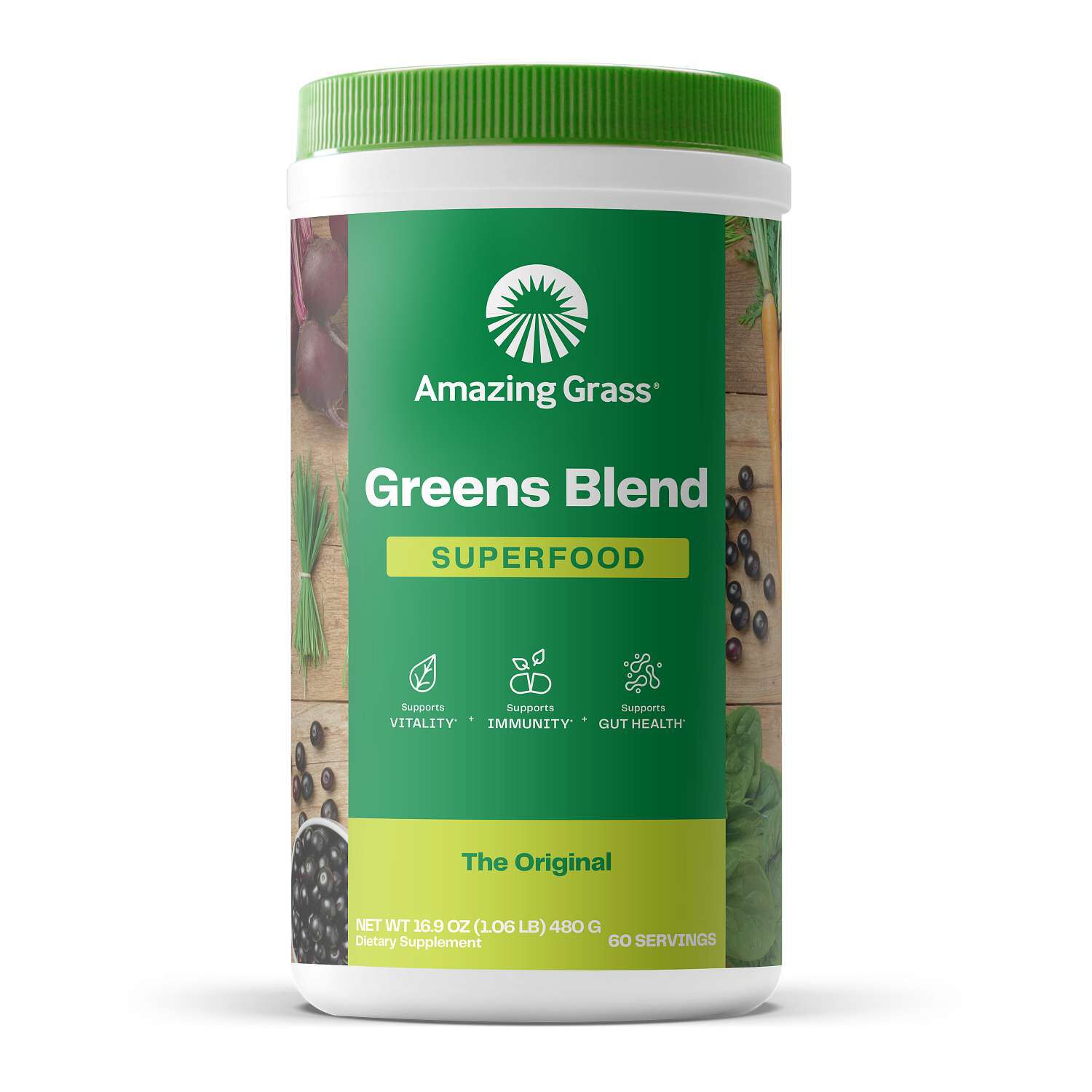
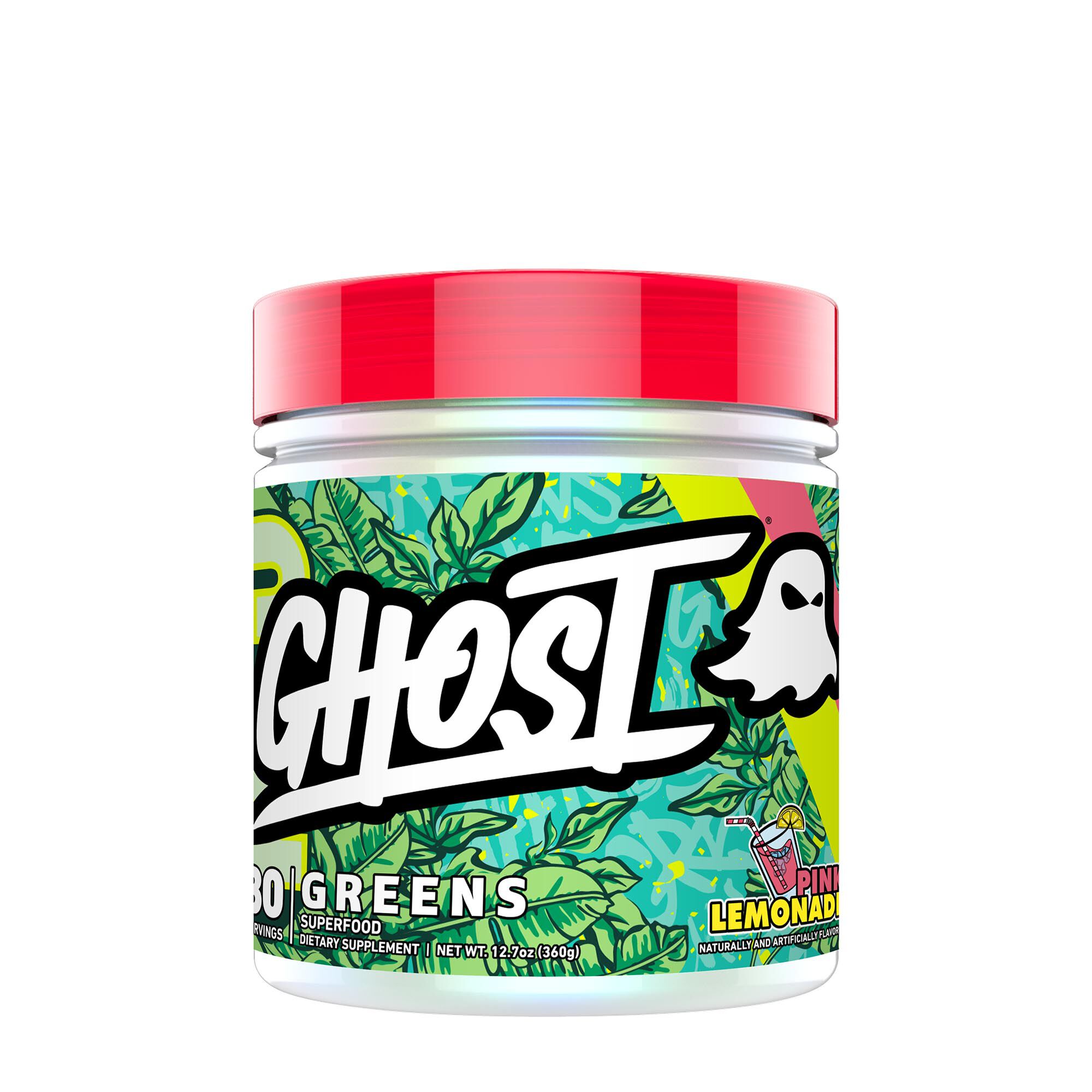
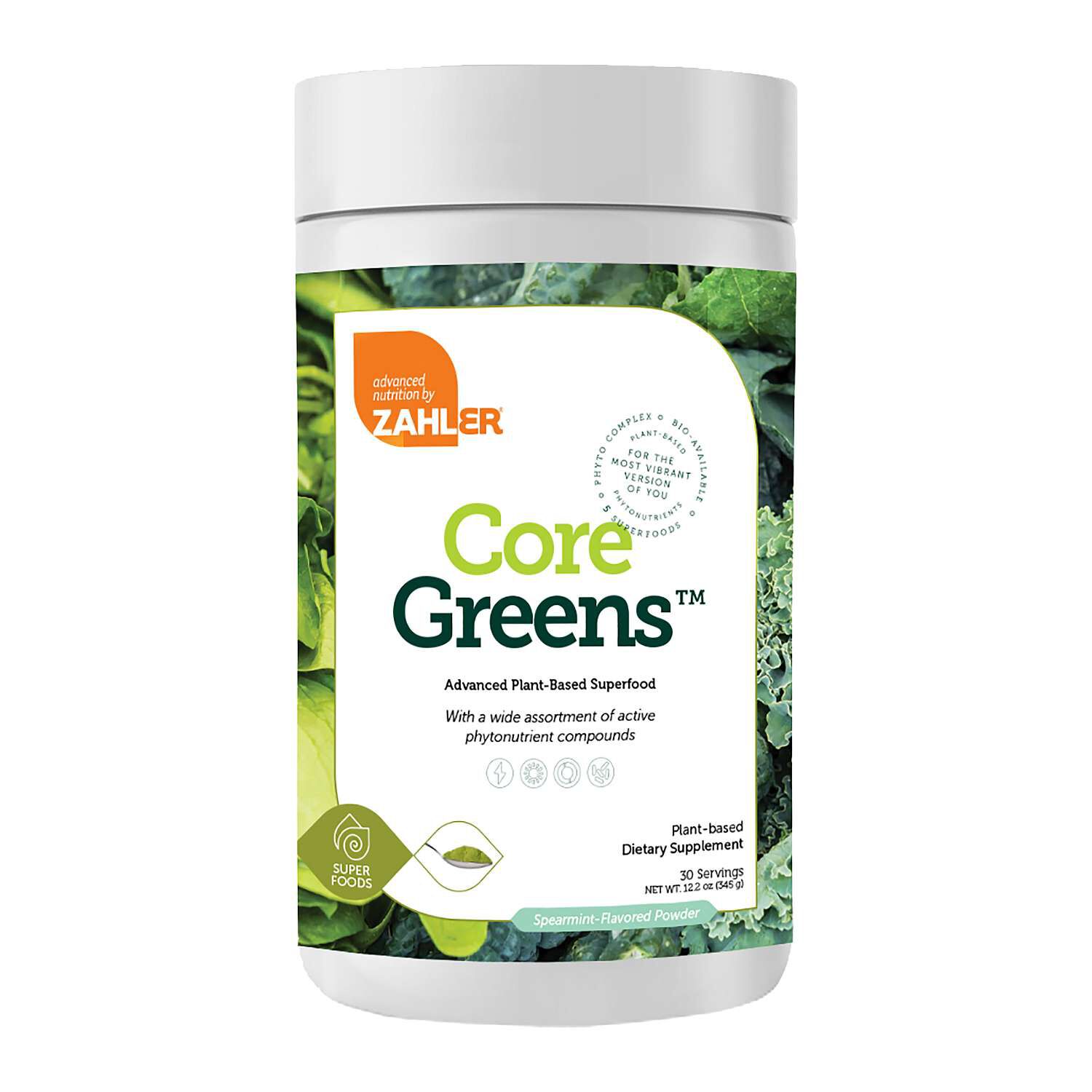
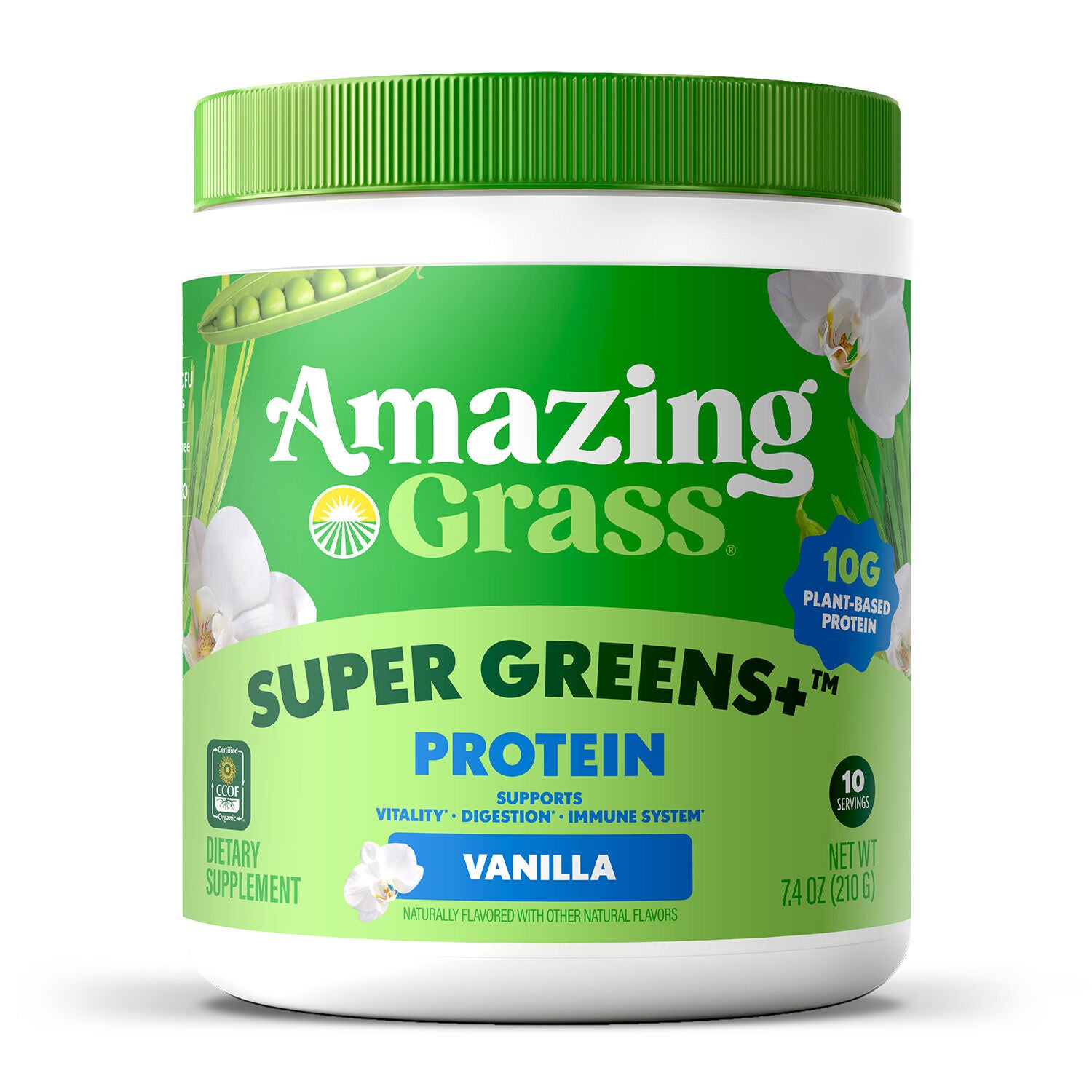
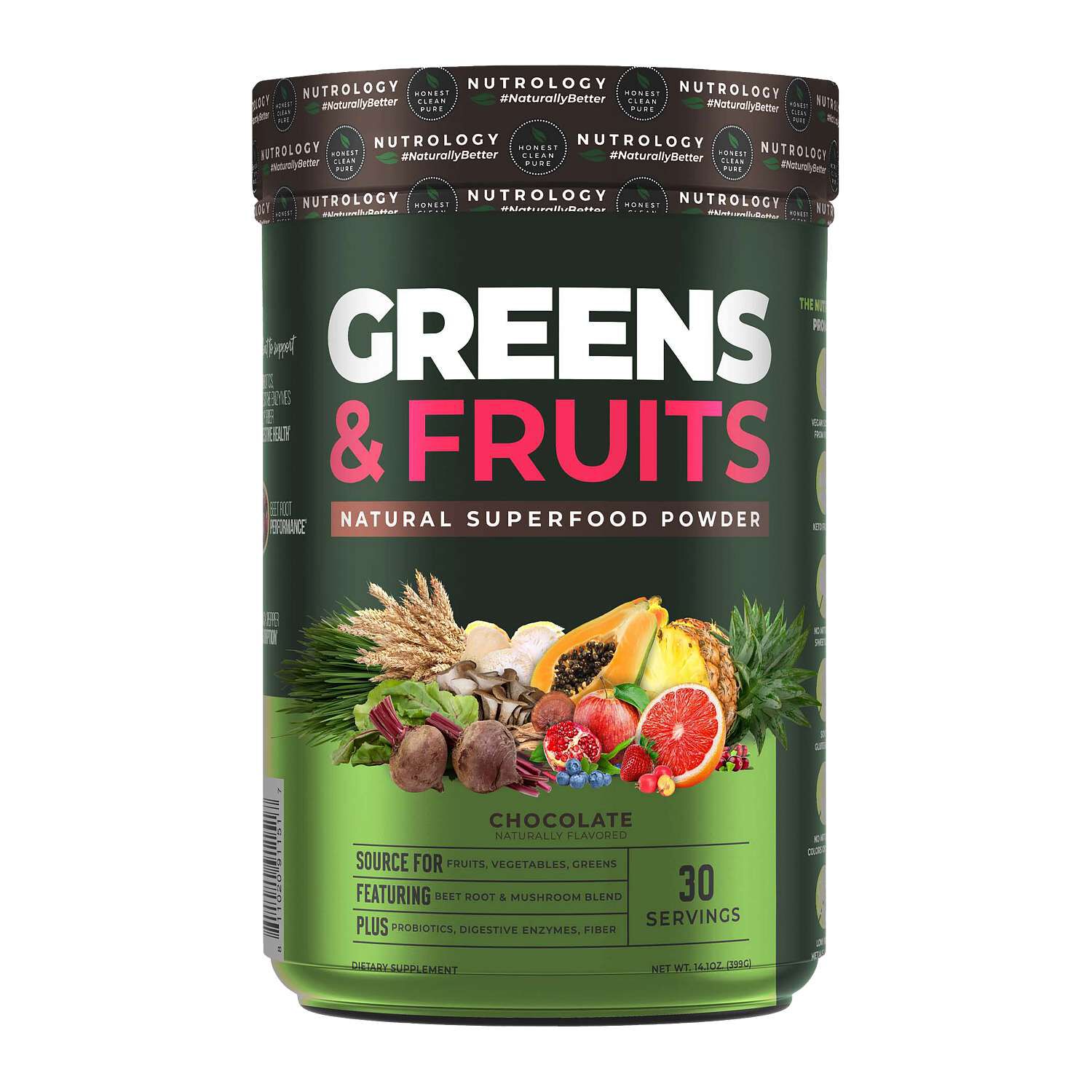
Green smoothie powder supplements are powdered blends of vegetables, grasses, algae, fruits, and other ingredients intended for mixing into smoothies or other foods and beverages. Common ingredients include spinach, kale, wheatgrass, barley grass, spirulina, and chlorella, although the combination and amount of each ingredient vary by formula. Some blends focus primarily on greens, while others include fruit powders, added vitamins and minerals, probiotics, digestive enzymes, or botanical extracts. The word “green” describes a broad category rather than a standard recipe, so two powders with similar names may have very different ingredient lists, flavors, and serving sizes. Ingredients may be dried and milled into powder or processed into extracts before blending; not every greens powder uses the same production method. That distinction matters when comparing the character of the ingredients, the amount used per serving, and the finished texture. Green smoothie powders are also different from fresh smoothies made entirely with whole produce. Fiber content depends on the ingredients and processing methods, and drying alone does not mean that all or most fiber has been removed. The nutrition information on the package is a better reference than assumptions based on the color of the powder. A blend containing leafy vegetables is not automatically equivalent to a serving of fresh vegetables, and a long ingredient list does not establish the amount of any one nutrient. These supplements are intended to accompany a varied eating pattern, not stand in for the range of foods that pattern includes. For someone who already enjoys a banana-and-yogurt smoothie or a berry-and-oat blend, a greens powder may offer another ingredient to work into that familiar routine. Its appeal often centers on the powdered format: a measured portion, a container that fits in a kitchen cabinet, and preparation that does not require washing or chopping the greens themselves.
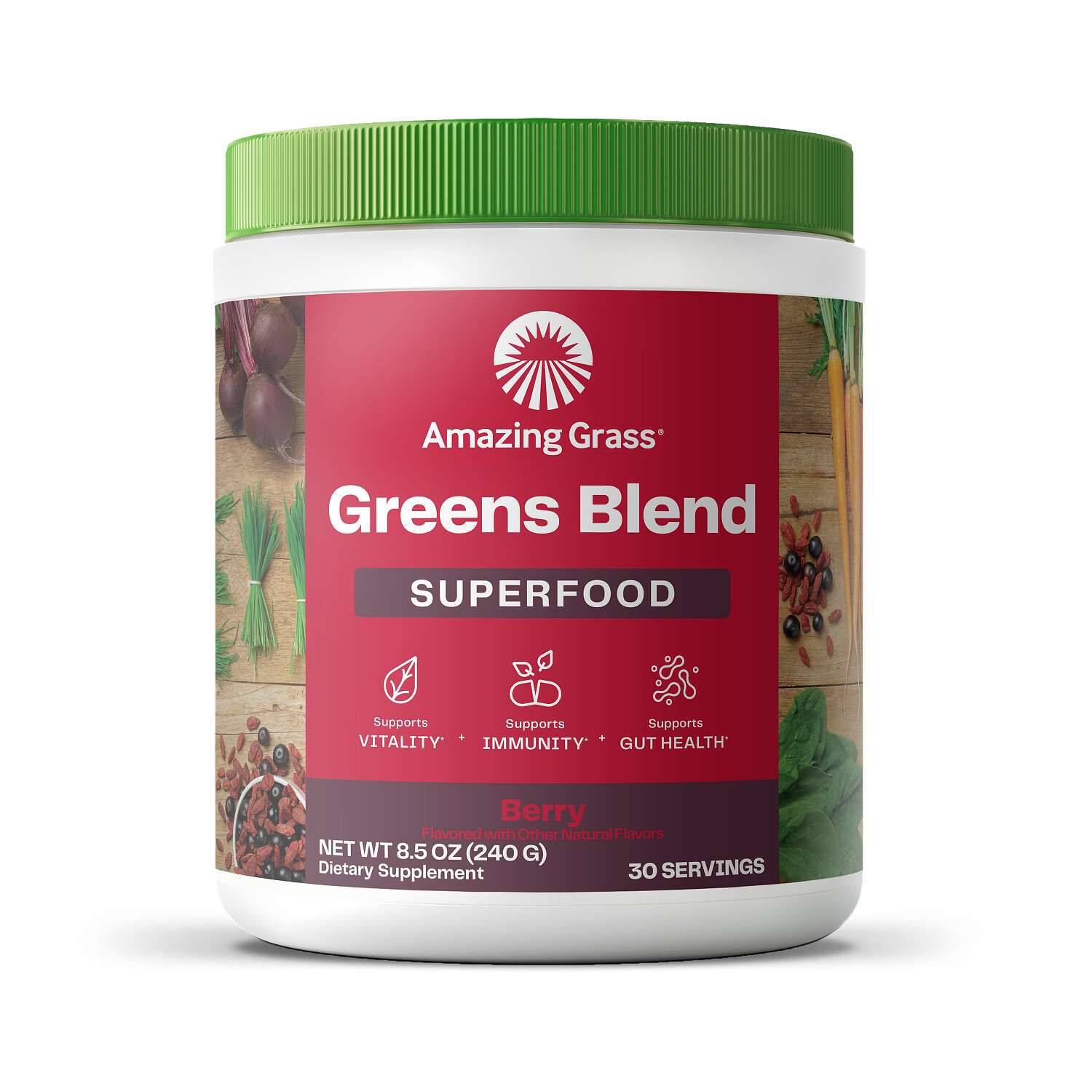
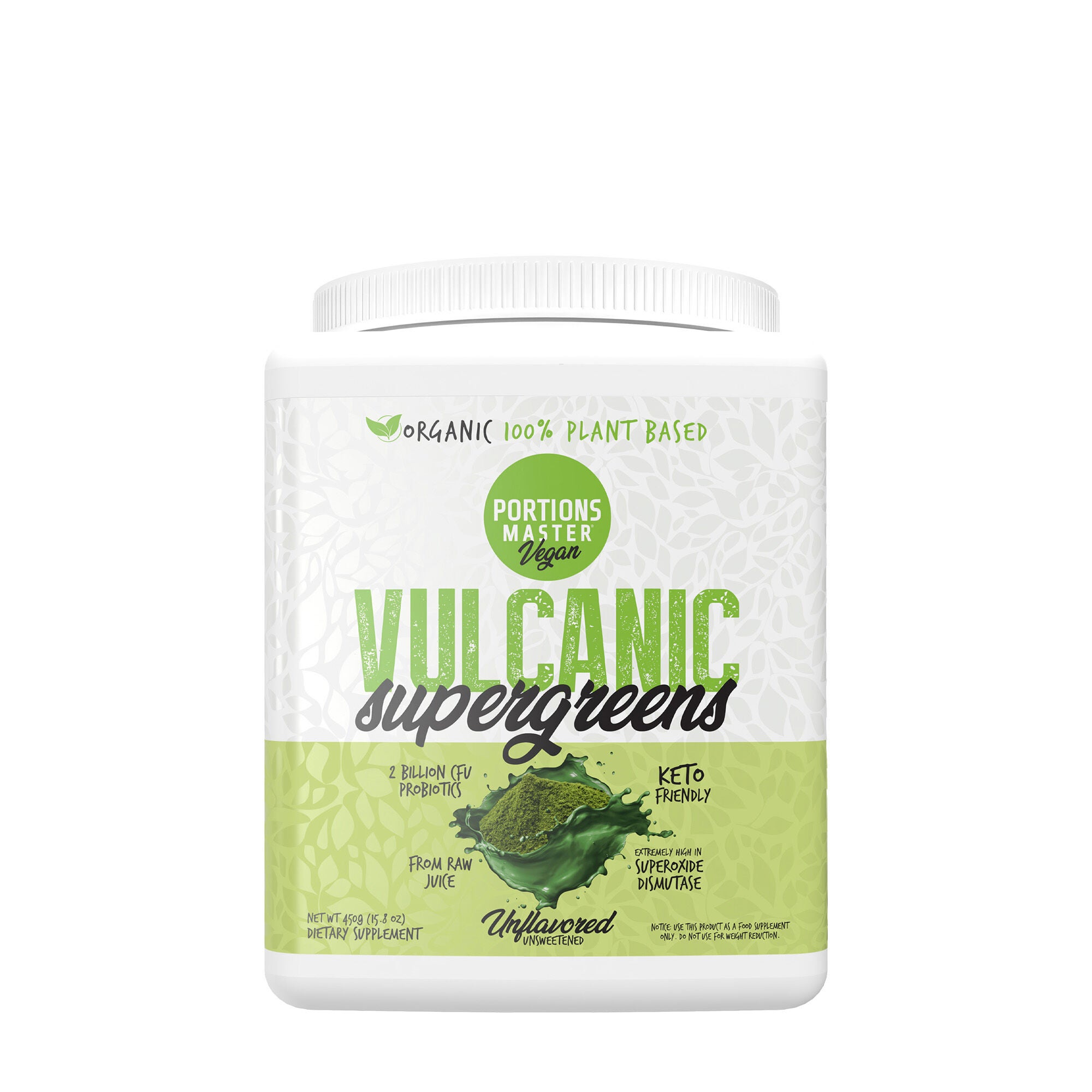
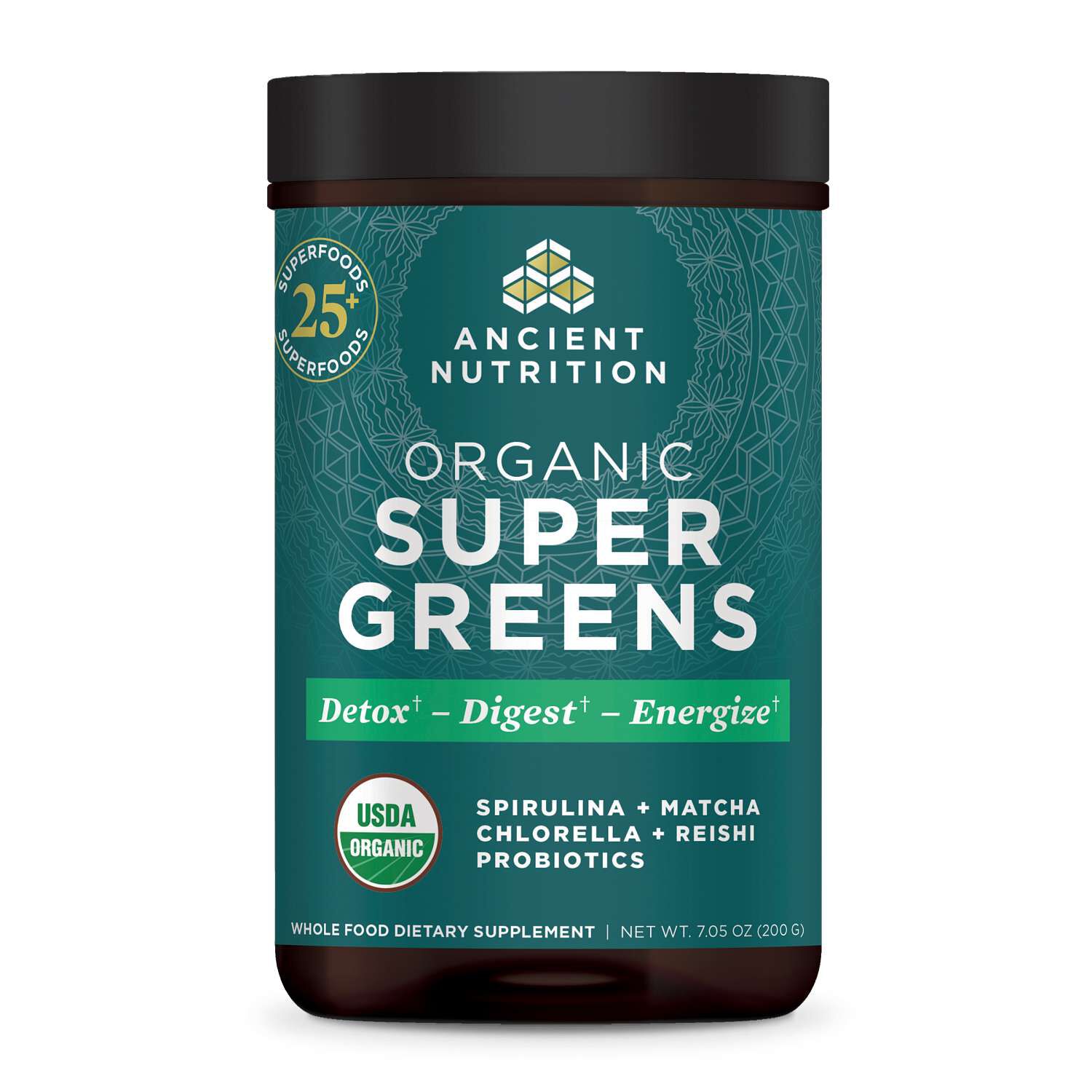
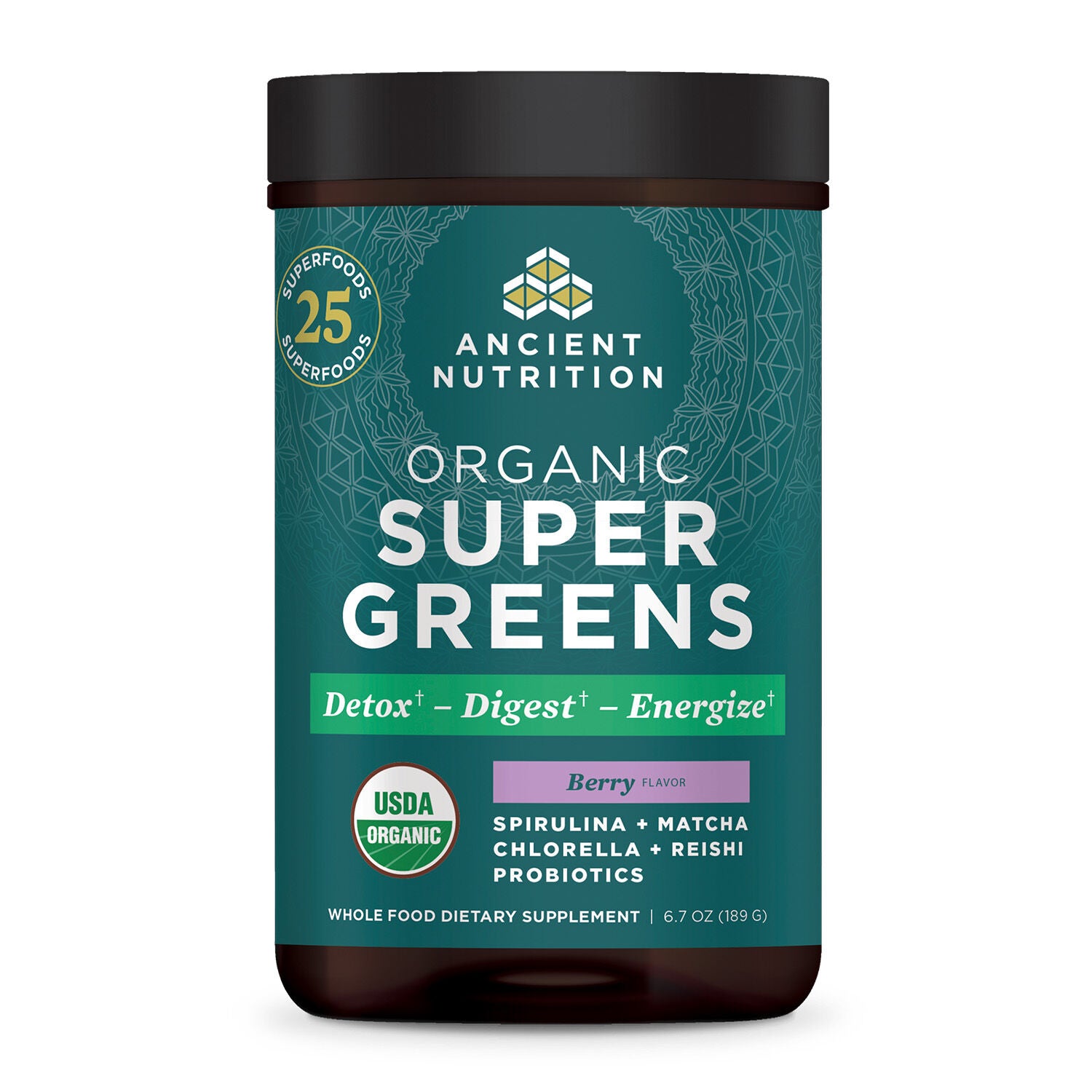
Flavor and texture are meaningful differences among green smoothie powder supplements, especially when the same blend becomes part of a regular breakfast or afternoon snack. Unflavored does not necessarily mean tasteless. Grass powders and algae may have earthy, grassy, or savory notes, while fruit powders, cocoa, vanilla, and sweeteners may shape a more pronounced flavor profile. A berry-flavored blend and a plain greens blend are different starting points for the same smoothie recipe. Banana, mango, pineapple, and berries are common smoothie ingredients, and their sweetness or tartness may complement the character of a greens powder. Yogurt, avocado, nut butter, and oats may contribute body, while water, milk, or a plant-based beverage changes the consistency according to the amount used. Those additions also change the nutrition of the finished smoothie, which is separate from the nutrition listed for the powder alone. For shoppers who prefer a thinner drink, directions that describe mixing with water may be particularly relevant; for those who enjoy a spoonable smoothie, compatibility with thicker ingredients may matter more. Some powders disperse with stirring or shaking, while others call for a blender, so the preparation directions are a practical comparison point. Fine particles may still settle after mixing, and ingredients such as ground seeds or vegetable powders may leave a different texture from highly soluble ingredients. Serving size deserves the same attention as flavor. Scoop dimensions are not consistent across brands or formulas, and a larger scoop does not by itself indicate a more suitable blend. Package directions specify the intended portion and suggested liquid amount. Someone blending breakfast at home may prioritize taste and consistency, while someone preparing a drink in an office kitchenette may place more emphasis on mixing directions, portability, and the number of separate ingredients involved. The most relevant differences are the ones that fit the way the powder will actually be prepared and enjoyed.
Ingredient transparency, dietary preferences, and packaging add useful context when comparing greens powders for smoothies. The ingredient list identifies what is included, while the Supplement Facts panel provides serving information and declared nutrient amounts. Where a formula groups ingredients into a blend, the label may list the combined blend weight without disclosing the individual amount of every component. A long list of greens, fruits, and botanicals therefore deserves a closer look rather than an assumption that each appears in a substantial quantity. Added vitamins and minerals also distinguish some formulas from blends made primarily with powdered plant ingredients. Sweetener type, declared allergens, and ingredients derived from milk or soy may be relevant to personal preferences and household needs. Organic labeling and independent testing information describe different attributes; any certification is most useful when its stated scope is clear. Dietary supplements do not receive FDA approval for effectiveness before sale, and descriptive terms on the front of a container are not a substitute for its ingredient and serving information. Packaging details matter in everyday use as well. A resealable pouch may occupy less cabinet space, while a tub offers a rigid container with room for its included scoop. Individually portioned packets may suit a work bag or travel routine, although the preparation directions still apply. Storage instructions and the printed date help define how a particular powder is intended to be kept and used. A tightly closed container, a dry measuring utensil, and storage away from moisture are practical considerations for maintaining the powder’s condition after opening, subject to the directions on its label. Container size is worth considering alongside the number of servings and how often smoothies appear in the household routine. For a broader comparison of greens-focused formats, Best Green Supplements offers a related place to explore. Across the category, a useful match comes down to understandable ingredients, a flavor that works with preferred smoothie combinations, manageable preparation, and a package suited to everyday use.
Best Sellers
-
Ancient Nutrition
-
Amazing Grass
Related Pages
Top Collections
- Joint Mobility Supplement Packs
- Daily Collagen Supplements | Top Brands & Deals | GNC
- GLP 1 Support For Adults
- Zinc Supplements | Top Brands at Great Prices | GNC
- Supplements For Yoga Joint Flexibility
- Supplements For Balance
- Capsule Supplements For Energy And Stamina
- Adult Mobility Supplements
- Chronic Fatigue Supplements
- Vitamins For Hair Loss