

Fiber Supplements For Lactose Intolerant
(0 Results)
Finding the right fiber supplements for lactose intolerant individuals can be an important part of supporting overall wellness. Whether you’re looking to add more fiber to your daily routine or seeking options that fit your dietary needs, there are a variety of choices available. Explore fiber supplements for lactose intolerant lifestyles that are formulated without dairy ingredients and designed to fit your preferences. Discover convenient ways to incorporate more fiber into your day while keeping your unique nutritional requirements in mind.
-
-
-

-
 205$34.99
 -
-
-

-

-

-

-

-

-

-

-

-
-

-

-
-

-
 $17.99


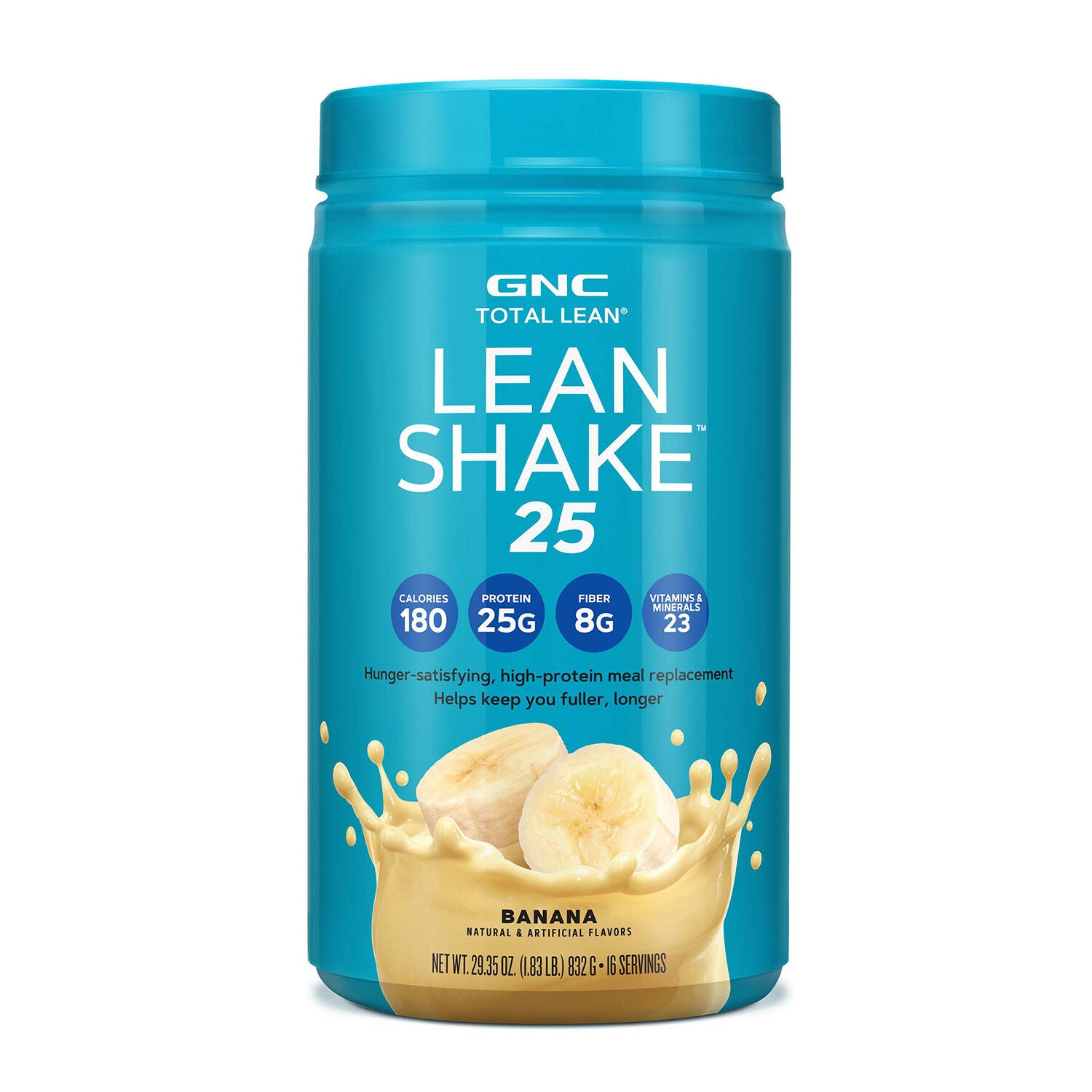
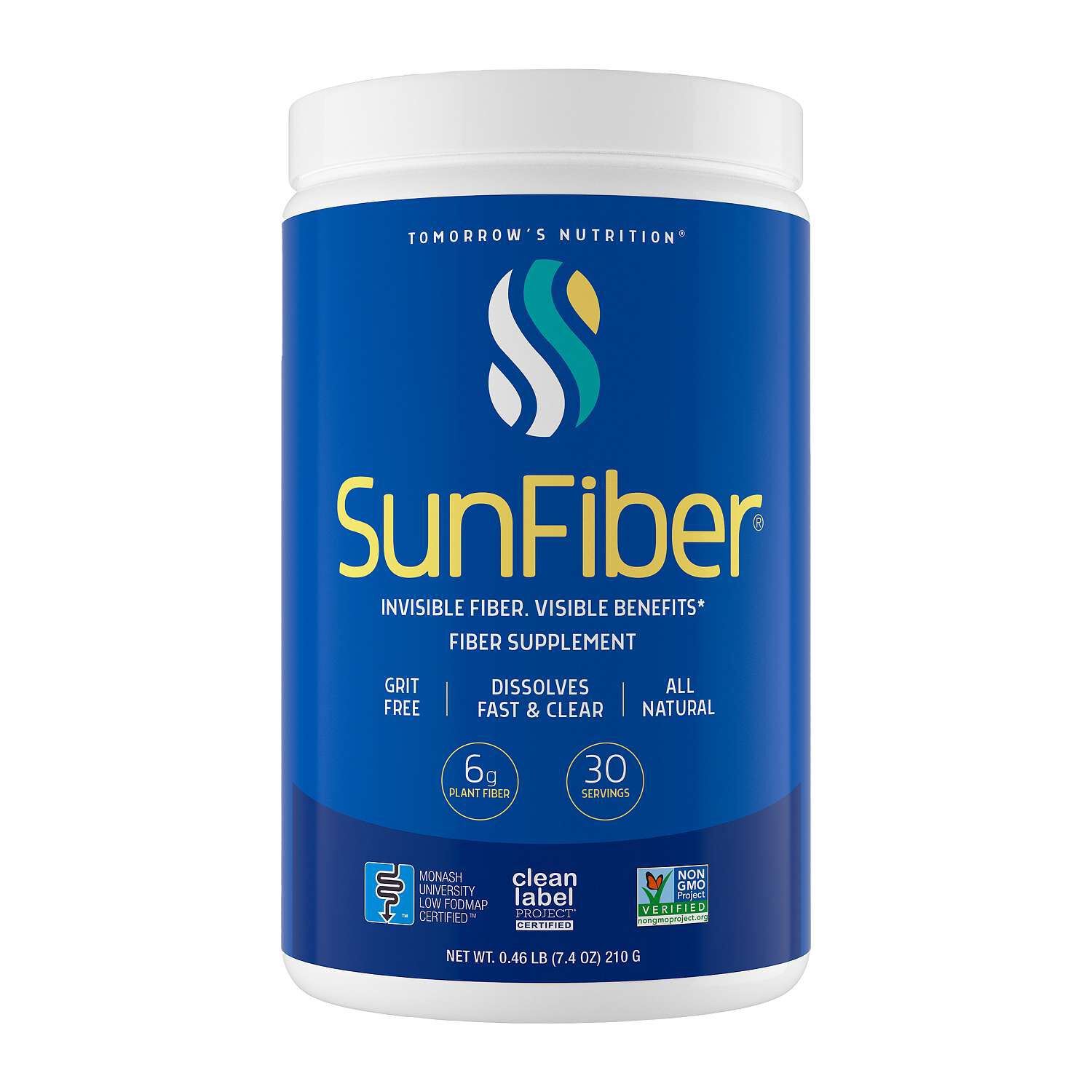
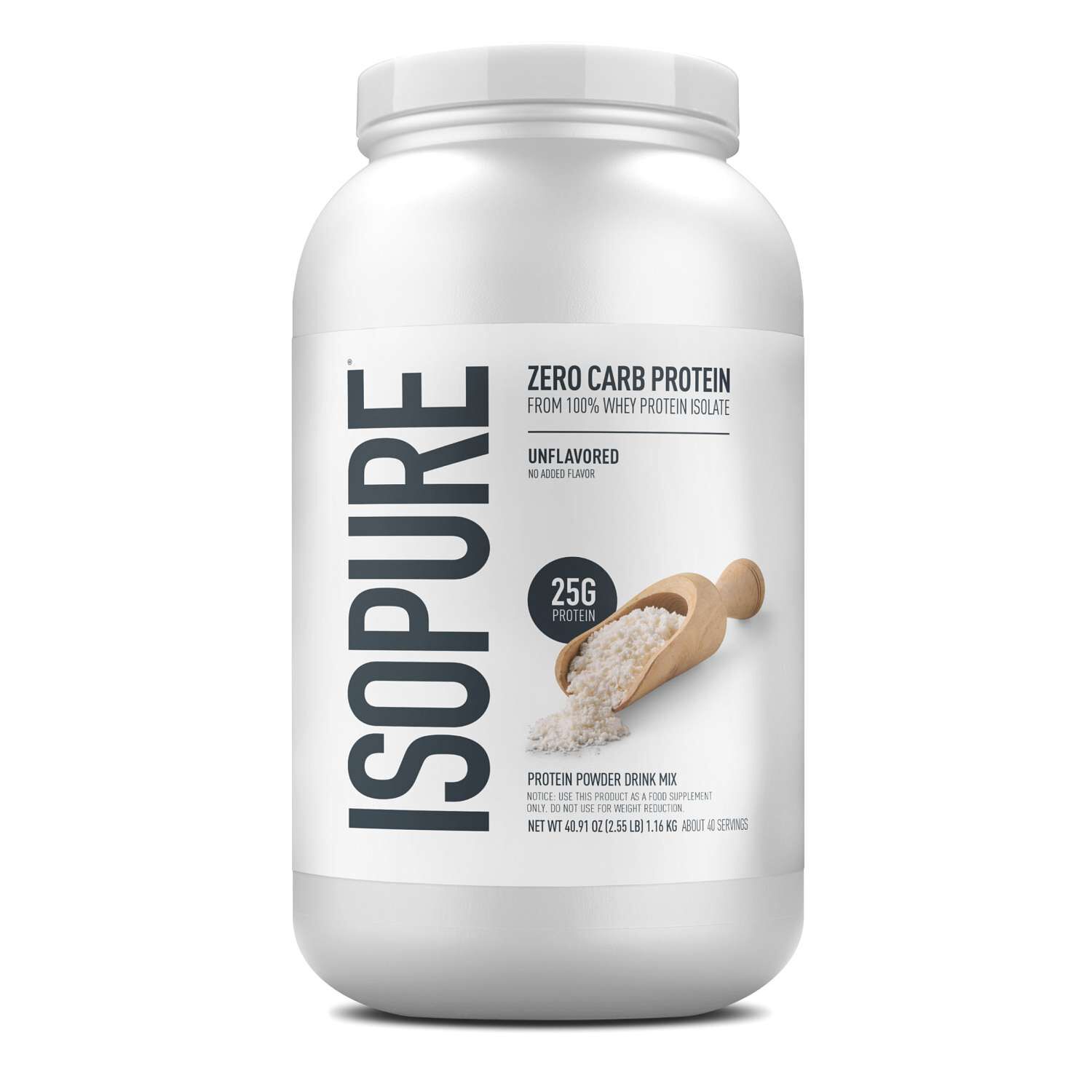
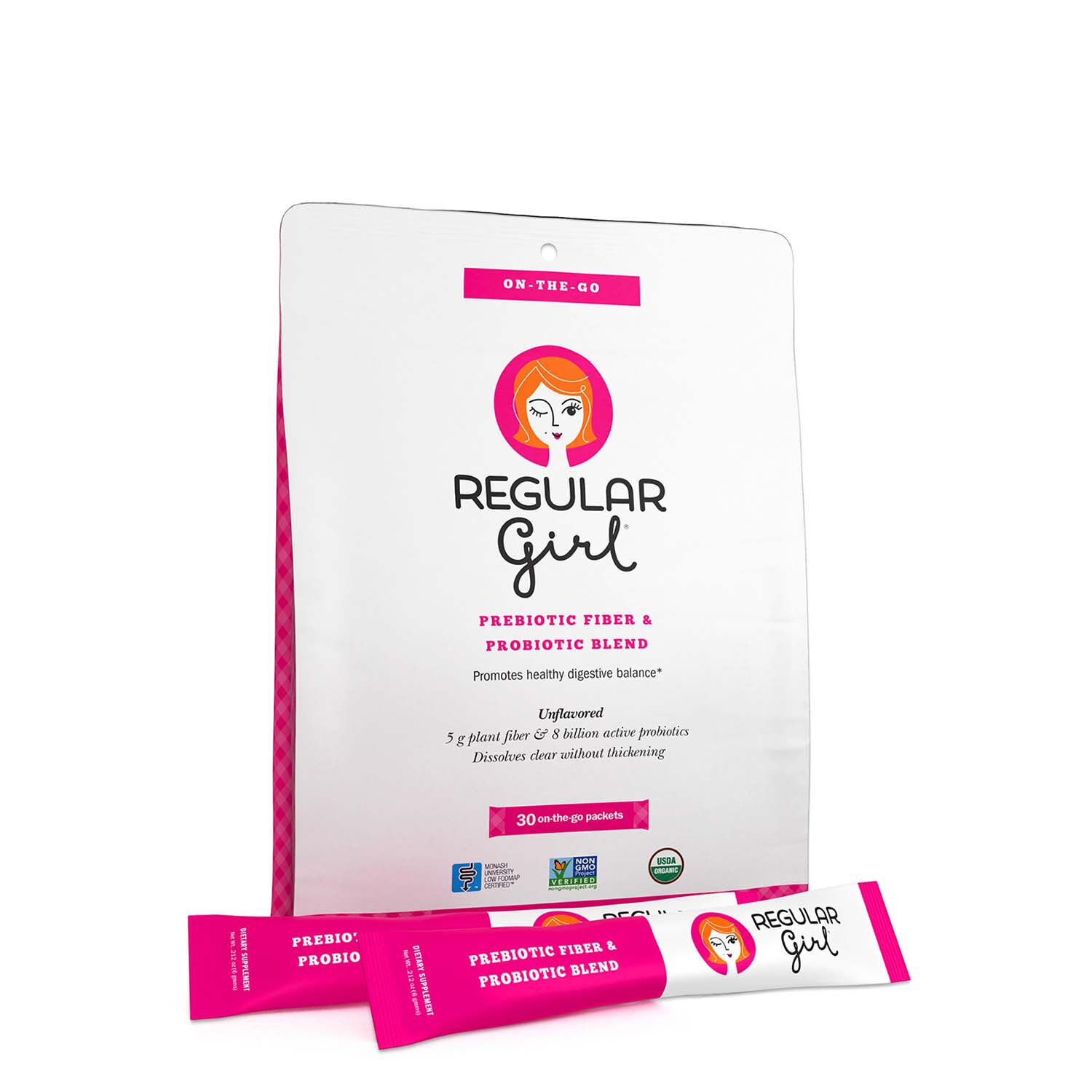
Fiber supplements can be a practical addition to a shopping routine for people who avoid lactose or choose to limit dairy ingredients. Most fiber supplements are made from plant-based or lab-created fiber sources rather than milk, but formulas can vary widely, so the ingredient panel deserves a close look. Shoppers may wish to check for milk, whey, lactose, casein, milk powder, or other dairy-derived ingredients used in a flavoring, coating, binder, or blend. A short ingredient list can make it easier to understand what a product contains, especially when comparing several formats on the same shelf. Soluble fibers such as psyllium husk, methylcellulose, and partially hydrolyzed guar gum are common choices, while capsules, powders, and chewable formats offer different approaches to everyday use. Psyllium husk may appeal to someone seeking a traditional fiber option that can be mixed with water or another beverage. Methylcellulose could be a consideration for shoppers who prefer a fiber that is less fermentable, while partially hydrolyzed guar gum may suit those looking for a powder that dissolves smoothly and blends into drinks or soft foods. Each person’s experience can differ, and a formula that works well for one household may not be the right match for another. Reading serving instructions, checking the source of the fiber, and reviewing added flavors or sweeteners may help shoppers choose an option that fits their preferences and dietary routine. Those looking for additional formats and serving styles can also browse Fiber Supplements For Adults.
When selecting fiber supplements for lactose intolerant shoppers, format and simplicity can matter just as much as the primary fiber source. An unflavored powder may be convenient for mixing into water, oatmeal, yogurt alternatives, smoothies, or soup, while capsules may fit neatly into a work bag or travel case. Chewables can be appealing to people who prefer not to mix a drink, although shoppers may want to review the sweeteners, sugar alcohols, gelatin, and flavoring agents in those formulas. Some people choose to avoid gummy-style products when they are looking for a more straightforward fiber option, since gummies may include extra ingredients that do not suit every dietary preference. A product labeled for a particular dietary pattern may still warrant a full label review, since manufacturing practices and supporting ingredients can differ from one formula to another. For someone who is new to supplemental fiber, a gradual introduction may be more comfortable than adding a large serving all at once. Following the package directions, drinking enough fluid throughout the day, and allowing time to see how a new formula fits into a routine could be useful considerations. Individuals with a health condition, a restricted diet, or questions about combining fiber with medicines may wish to speak with a qualified healthcare professional before choosing a product. This is especially relevant for anyone who has been advised to follow a specific nutrition plan or who is considering a supplement for a child. Fiber supplements are not a substitute for a varied eating pattern, and many shoppers may also choose foods such as oats, beans, lentils, fruit, vegetables, nuts, and seeds as part of their usual meals.
These products may also be useful for households that keep a few convenient nutrition options on hand during busy stretches of the year. During the cooler months, a capsule container in a desk drawer or a resealable powder pouch in a pantry can make it easier to maintain a familiar routine while schedules fill with work, school, travel, and indoor activities. A fiber supplement could be a thoughtful purchase for a friend or family member who carefully checks dairy ingredients, provided the recipient’s preferred format and dietary needs are known. For gifting, an unflavored powder may offer flexibility, but capsules might be a better fit for someone who values portability and a simple serving process. Packaging, storage instructions, serving size, and expiration information are all worth considering before placing an item in a cart. Shoppers may also want to compare the amount of fiber per serving, the number of servings in the container, the presence of added sweeteners, and whether the product dissolves easily in the beverage or food they typically use. A clear, mild-tasting formula could work well for someone who enjoys blending it into a morning smoothie, while a capsule format might suit a person who prefers to keep supplements separate from meals. For people avoiding lactose, label awareness remains the most dependable part of the selection process: look for dairy-related ingredients, review allergen statements, and consider contacting the manufacturer when a formula’s source or processing details are unclear. With those practical details in mind, shoppers may find a fiber supplement that fits their preferred routine, dietary priorities, and day-to-day habits.
Best Sellers
-
Tomorrow's Nutrition
-
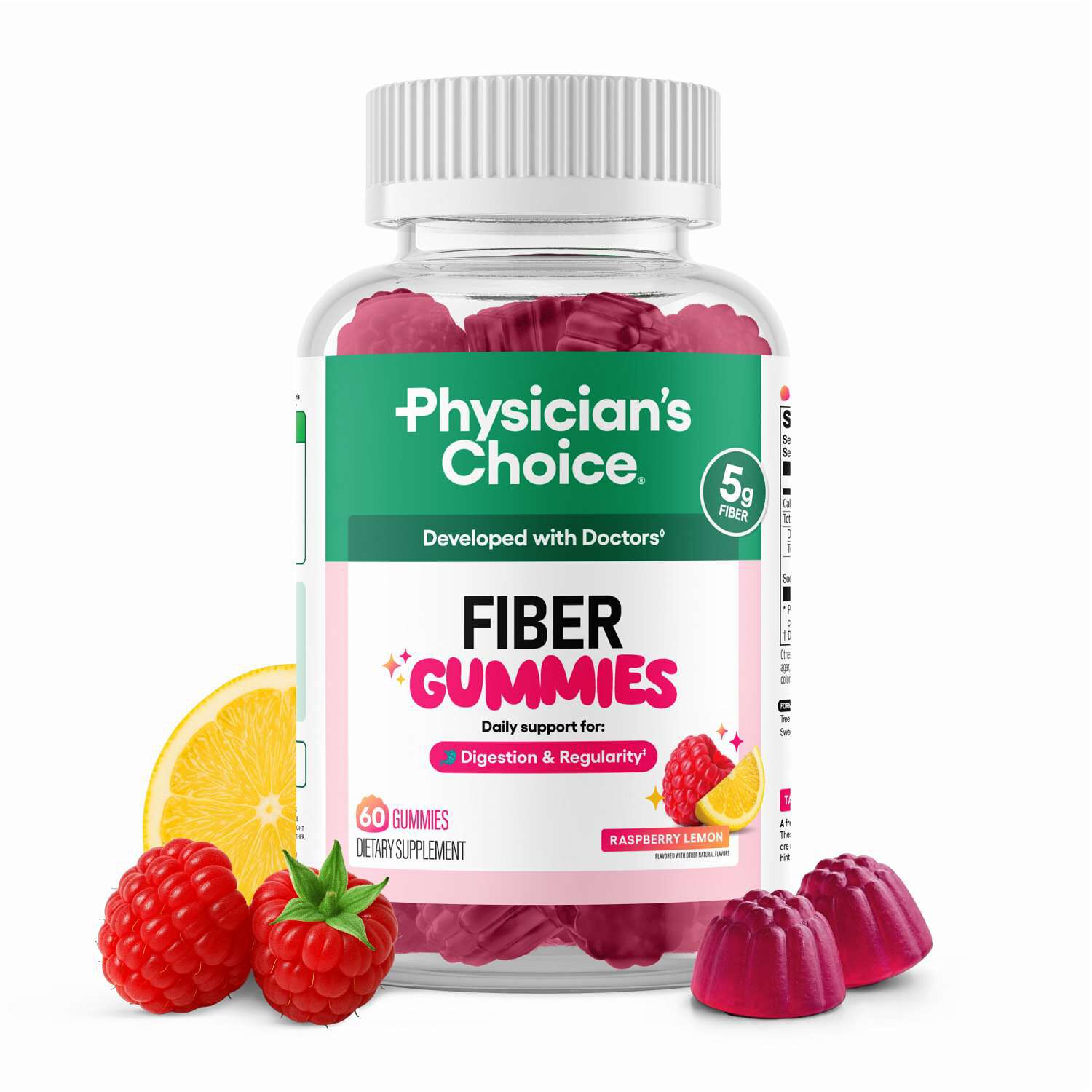 Physician's Choice
 -
Tomorrow's Nutrition