

Fiber Supplements For Wellness Routines
(0 Results)
Fiber supplements for wellness routines could be a convenient addition to daily self-care practices, offering support for those looking to maintain balanced nutrition. With a variety of forms and blends available, these supplements may help fill dietary gaps for individuals with busy lifestyles or specific nutritional goals. Exploring fiber supplements for wellness routines might provide a simple way to prioritize overall well-being as part of your everyday habits.
-
-
-
-

-

-

-

-

-
-

-

-
 $16.99
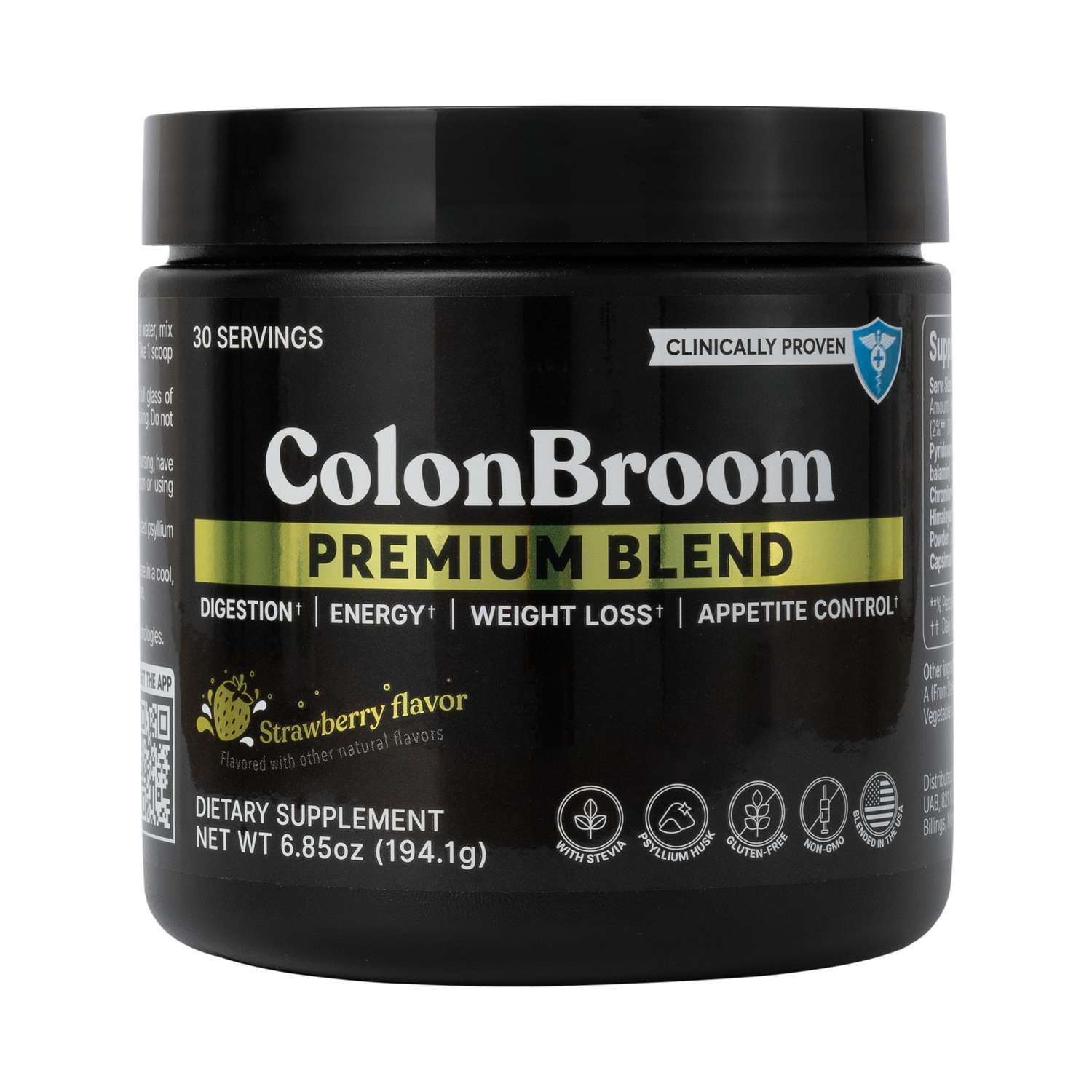
Fiber supplements for wellness routines offer a way to add dietary fiber in a format that suits everyday preferences, whether that means a measured powder stirred into a beverage, a capsule taken according to its label, or a chewable option. Dietary fiber is a component of plant foods, including beans, oats, vegetables, fruits, nuts, and seeds. Supplements provide concentrated sources of fiber rather than the same mix of nutrients found in those foods, so they are best understood as additions to a varied eating pattern, not replacements for meals. The category includes several fiber sources, each with its own characteristics. Psyllium comes from the husks of Plantago ovata seeds; inulin is sourced from plants such as chicory; wheat dextrin is derived from wheat; and methylcellulose is made from modified plant cellulose. Soluble and insoluble fiber describe different physical properties, particularly how fiber interacts with water. Soluble fiber can dissolve in water, and some types may form a gel, while insoluble fiber does not dissolve in the same way. Those differences are useful context when comparing ingredients, but a familiar ingredient name is only part of the picture. The amount of dietary fiber per serving, the suggested preparation, and the other ingredients all help distinguish one formula from another. Some formulas focus on a single fiber source, while others combine several sources or include flavorings and sweeteners. A shorter ingredient list may appeal to someone who prefers a straightforward addition to breakfast; another person may prefer a flavored format that fits an established afternoon routine. People browsing Fiber Supplements For Digestion can also compare these same practical details across formats. For a wellness-focused selection, the most useful starting point is the actual label: what the serving contains, how it is intended to be used, and whether those details suit the person who will use it. Broad descriptions on the front of a package provide context, but they do not replace the more specific information elsewhere on the container.
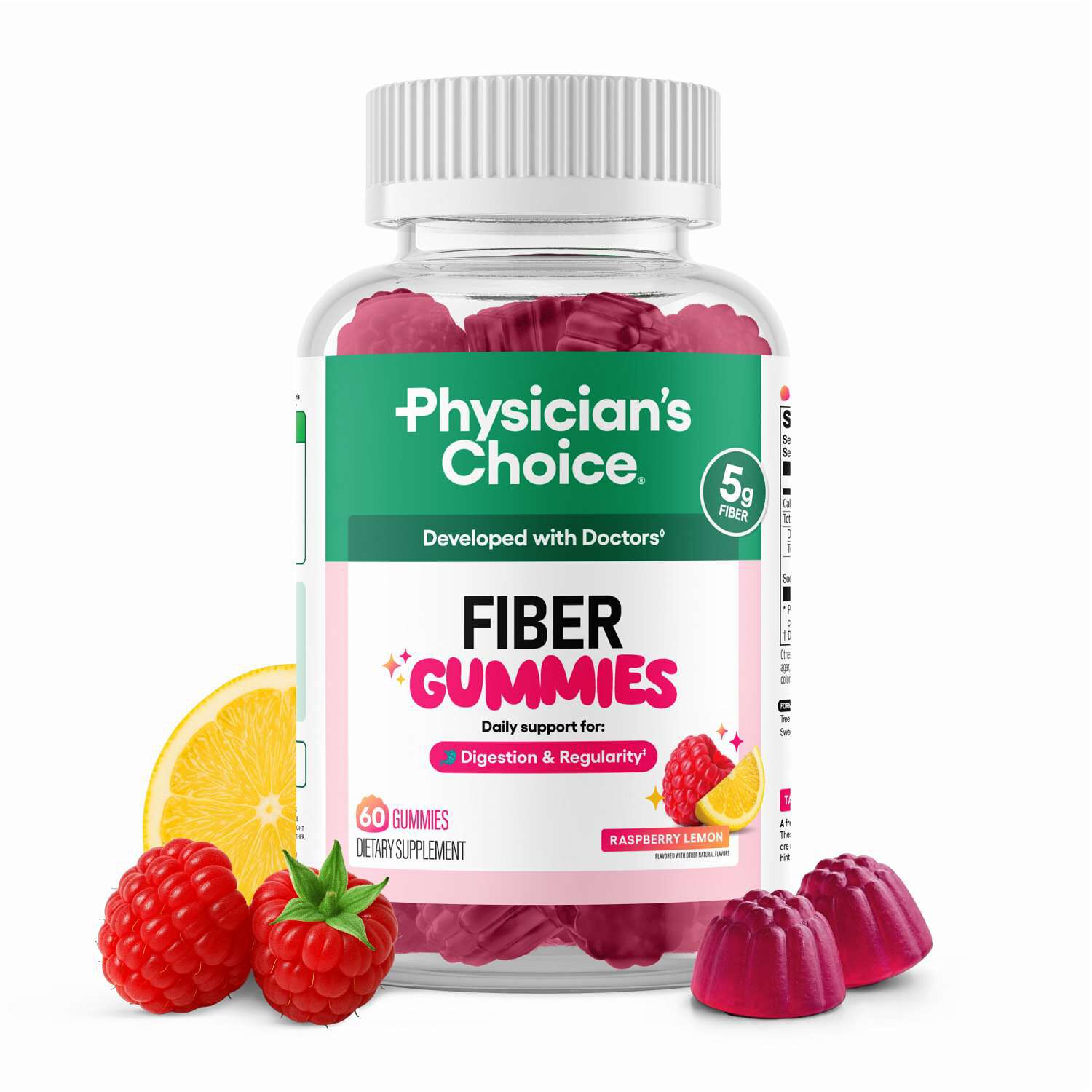
Format makes a meaningful difference in the everyday experience of using a fiber supplement. Powders involve measuring and mixing, so their preparation requirements matter as much as their flavor. A person who eats breakfast at home might prefer a container kept near the usual breakfast supplies, with a dedicated measuring utensil and an appropriate glass within reach. Someone who regularly packs lunch for work might favor individually portioned packets, provided the label’s mixing directions fit that setting. Unflavored does not necessarily mean undetectable: depending on the formula, a powder may change a beverage’s texture, appearance, or taste. Flavored powders bring their own considerations, especially when paired with anything other than water. A citrus flavor and a morning coffee, for example, are very different sensory experiences, and not every powder is intended for every beverage. Preparation instructions indicate the appropriate liquid amount and whether there are particular directions about stirring and consumption. Capsules avoid the flavor and texture of a mixed powder, but the number of capsules in a serving deserves attention. A serving is not always a single capsule, just as a gummy serving is not always one piece. Gummies and other chewable forms also differ in texture, sweeteners, and grams of fiber per serving. Comparing those details makes more sense than assuming that similar-looking formats contain similar amounts. The Supplement Facts panel separates the weight of the serving from the amount of dietary fiber it provides, an important distinction when looking at a scoop of powder beside a few capsules or gummies. Serving sizes also vary across formulas, so a larger container does not necessarily represent more servings. For someone who dislikes measuring, a preportioned format may fit more naturally; for someone who values flexibility in a kitchen routine, a powder may be worth the extra preparation. Neither format is automatically the better choice. The relevant differences are the labeled fiber amount, ingredient profile, preparation requirements, and the experience of using that format as directed.
Other ingredients and packaging deserve the same attention as the fiber source. Flavorings, colors, sweeteners, capsule materials, and gummy ingredients vary, and those details can matter to shoppers with dietary preferences or ingredient exclusions. Plant-derived fiber does not, by itself, establish that every ingredient in a formula is plant-derived. Capsule shells and gummy bases, for example, have their own ingredient lists. Likewise, the name of a fiber source does not provide all the information needed to assess a formula’s suitability for a particular eating pattern; label statements and allergen information offer more specific context. Products described as prebiotic contain ingredients intended to serve as food for certain microorganisms, but the term is not interchangeable with every type of fiber. It also does not establish how much dietary fiber a serving contains. Formulas that combine fiber with other components warrant a closer look at each listed ingredient rather than an assumption that a longer list is preferable. Beyond the formula itself, package design shapes how a supplement fits into a household. A wide-mouth container calls for space to measure and close it securely, while individual packets involve less measuring but create separate wrappers. A bottle intended for home use and a packet tucked into a work bag have different handling considerations, even when their contents serve a similar purpose. Original packaging keeps directions, ingredient information, and date markings accessible. Clear labeling is especially useful in a shared kitchen, where powders and chewables should remain distinguishable from ordinary food. Storage directions and a securely closed package matter for keeping the contents in their intended condition, and dry measuring utensils may help keep moisture out of a powder container. These supplements are a personal purchase rather than an automatic wellness gift, since taste, texture, dietary preferences, and intended use vary from person to person. For an everyday routine, a thoughtful choice comes down to recognizable details: a fiber source that matches the shopper’s preferences, a clearly understood serving, an agreeable format, and preparation and storage requirements that fit ordinary life.
Best Sellers
-
Tomorrow's Nutrition
-
 Physician's Choice
 -
Tomorrow's Nutrition