Fish Oils For Wellness
(0 Results)
Explore the potential benefits of fish oils for wellness, a popular choice for those seeking to support their overall health. Rich in omega-3 fatty acids, these supplements might offer a natural way to nurture your body. Whether you're looking to complement your balanced diet or add an extra layer of nutritional support, fish oils could be a versatile addition to your daily routine. Dive into the possibilities and see how incorporating fish oils for wellness may contribute to your journey toward optimal well-being.
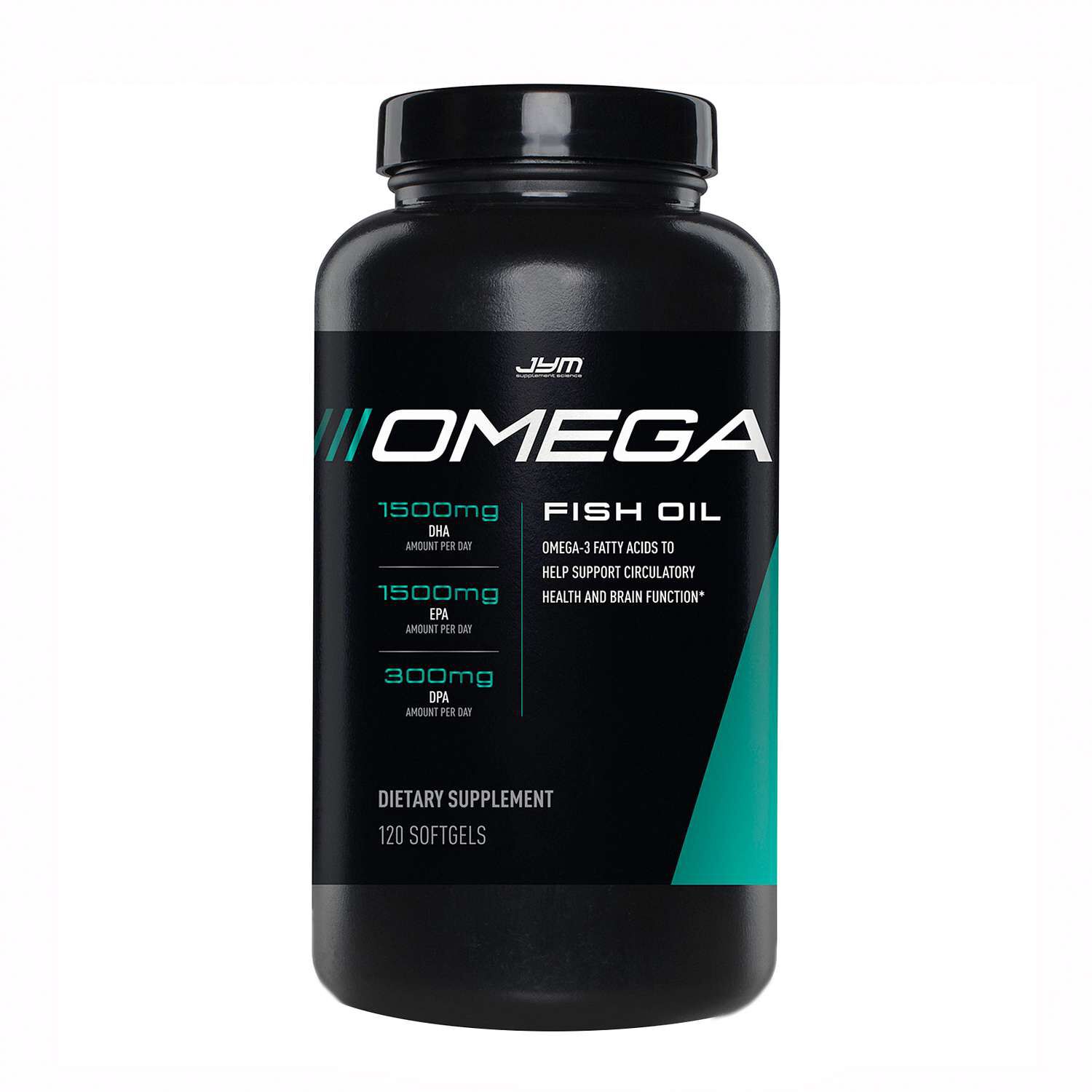








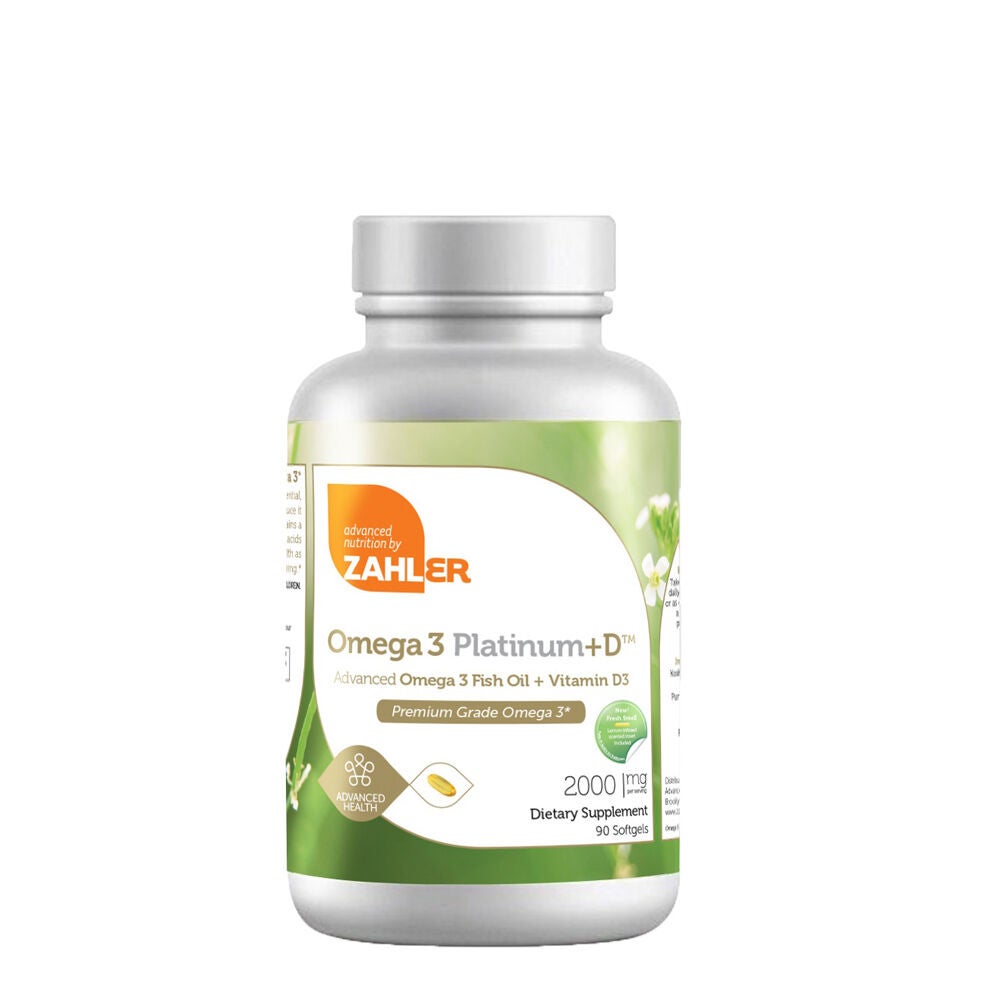



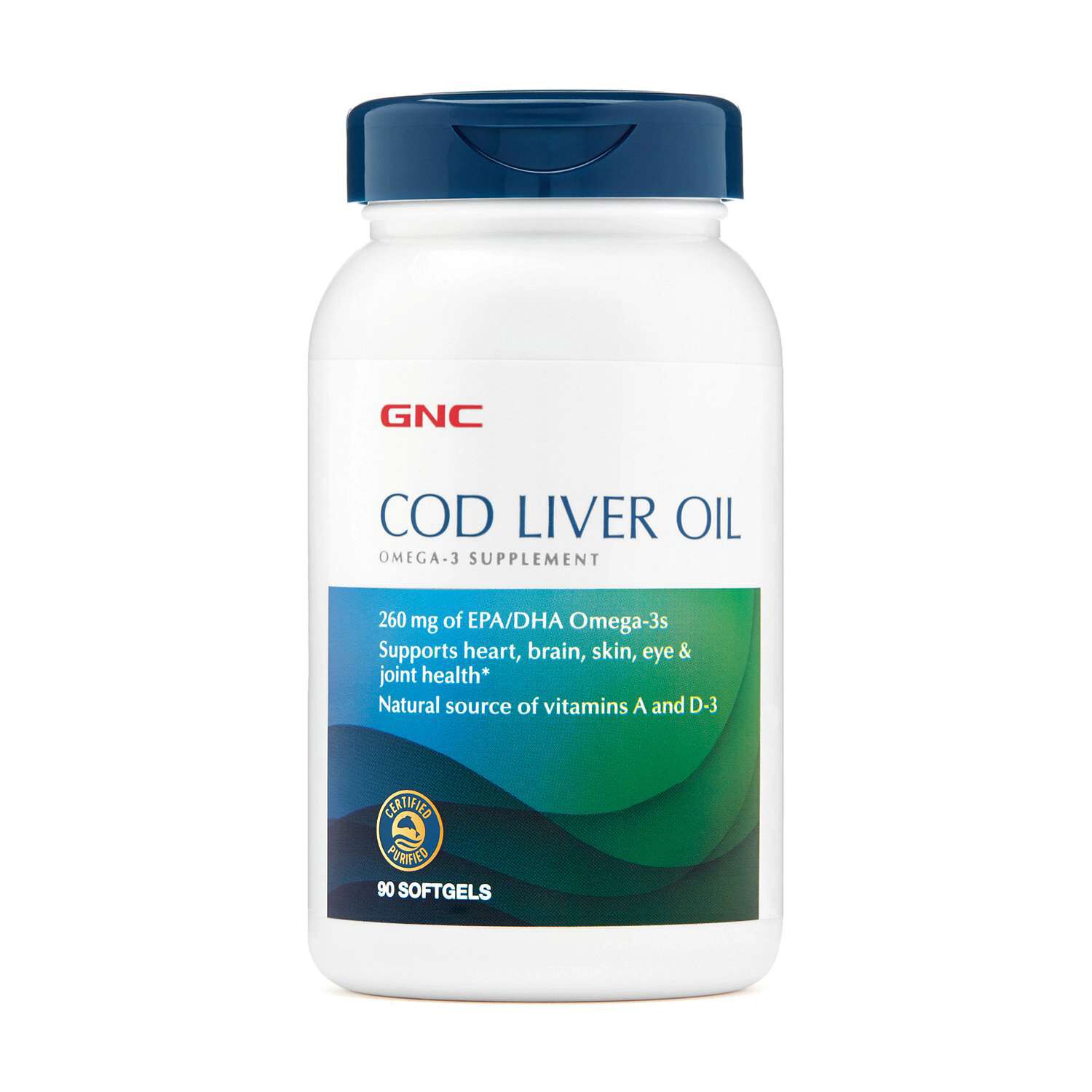


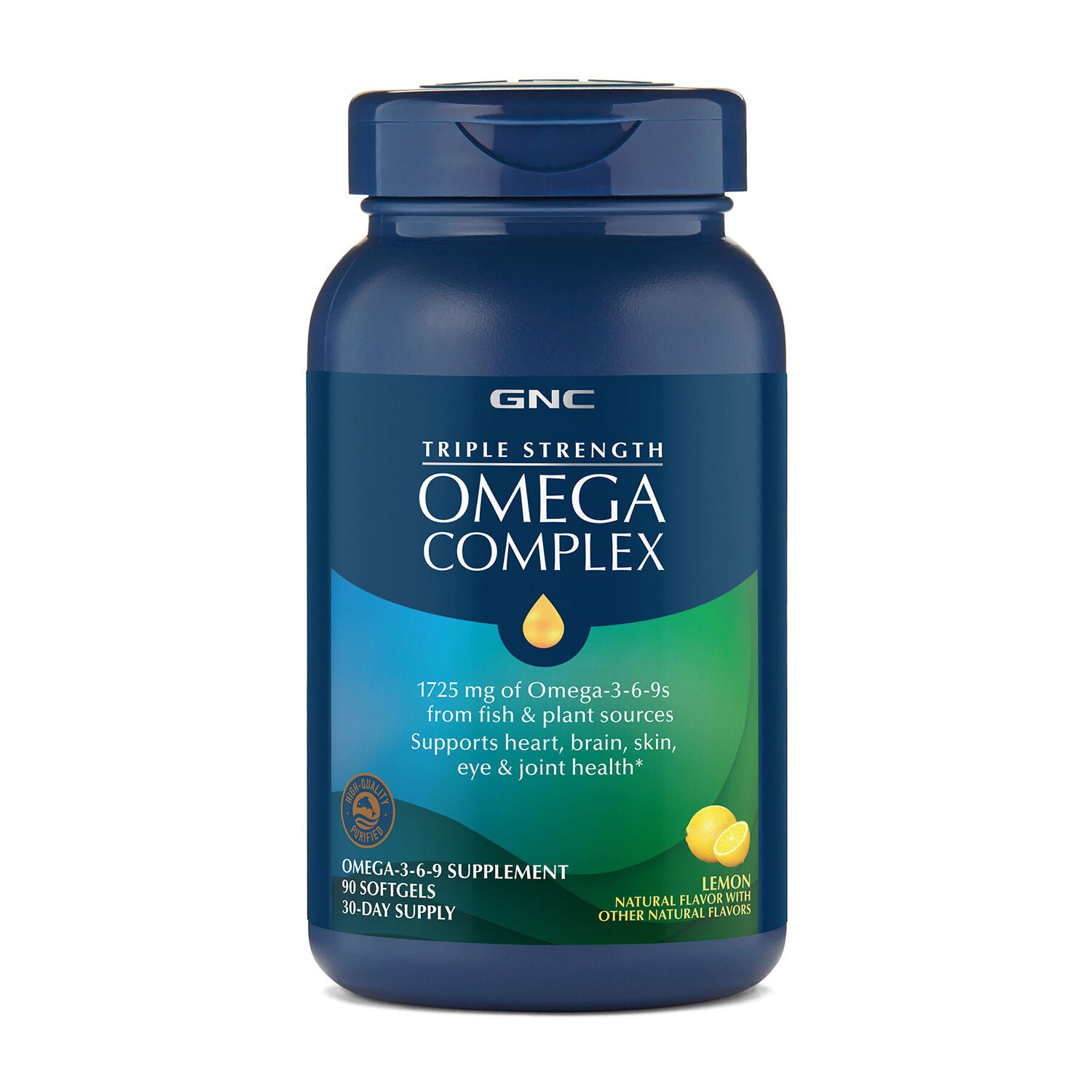

Fish oils are a popular choice for shoppers building a daily wellness routine around omega-3 fatty acids, including EPA and DHA. These nutrients are found naturally in oily fish, while supplements may offer a convenient option for people who do not regularly prepare salmon, sardines, mackerel, or other seafood. Fish oil softgels, liquid formulas, and smaller capsules can fit into routines at home, at work, or while traveling during the warmer and cooler seasons alike. Some people may choose fish oils as part of a broader approach to everyday nutrition, while others might look for a formula that complements an active lifestyle, a balanced eating pattern, or a consistent supplement schedule. Because individual routines vary, shoppers may want to consider the amount of EPA and DHA per serving rather than judging a product by the front-label fish oil amount alone. Capsule size, serving count, flavor, and format can also make a difference; a liquid may suit someone who prefers to mix a supplement into food, while a smaller softgel could feel more convenient for someone who already takes several vitamins each day. Fish oils may have a noticeable seafood aftertaste, and some formulas could be easier to enjoy when taken with a meal. Refrigerated storage may be appropriate for certain liquid products after opening, so reading the package directions can help preserve freshness. As with other dietary supplements, shoppers may wish to review the ingredient panel, suggested use, allergen information, expiration date, and storage guidance before making a selection. Those who prefer products made with added attention to sourcing may also look for details about purification, freshness testing, or independent quality verification when that information is provided by the manufacturer. A simple routine can make a difference in whether a supplement fits naturally into daily life: some people keep a bottle beside breakfast items, while others place it near an evening meal as a visual reminder. Anyone considering fish oil alongside prescription medication, especially medication related to clotting, may want to speak with a qualified healthcare professional before use. A healthcare professional may also help determine whether a fish oil supplement suits a person’s dietary pattern, personal considerations, or existing wellness plan.
Fish oils may be a thoughtful gift for a parent, partner, friend, or family member who enjoys practical wellness items and appreciates products that can become part of an established routine. They could fit comfortably into a care package for someone settling into a new home, preparing for a busy school or work season, or organizing a kitchen cabinet during the cooler months. For gifting, consider the recipient’s usual preferences: a person who dislikes swallowing larger capsules might appreciate a liquid or smaller-size option, while someone who spends time away from home may prefer a compact bottle with a clearly labeled serving size. Shoppers may also browse related options, including Fish Oils For Women, when choosing a formula for a particular household member. Fish oil is not a substitute for a varied diet, and it may work best within a routine that includes seafood or other nourishing foods when appropriate, regular movement, hydration, and restful habits. People who avoid fish for dietary, taste, or lifestyle reasons might consider a supplement as one way to add EPA and DHA to their routine, though product labels should be checked carefully for the source and any additional ingredients. Those with seafood allergies or other dietary concerns may want to review the full label and seek guidance from a healthcare professional before use. The amount used may vary by product, so following the serving directions is important, particularly when comparing concentrated and standard formulas. Taking more does not necessarily make a product a better fit, and higher amounts could require added care for people using medication or managing a health concern. Fish oils may occasionally be associated with an aftertaste, heartburn, nausea, or loose stools, so shoppers could compare flavor options, serving instructions, and capsule coatings when selecting among products. Freshness matters as well: a strong, unpleasant odor from a product that has been stored improperly may be a reason to stop and review the package information rather than continuing use. A cool, dry cabinet away from sunlight may suit many capsules, while liquid products may have different storage needs. Whether selected for personal use or as a considerate gift, fish oils can offer a straightforward way to explore omega-3 supplementation while keeping convenience, label details, personal preferences, and professional guidance in view.
Best Sellers
-
 Nordic Naturals
 -
 Nordic Naturals
 -
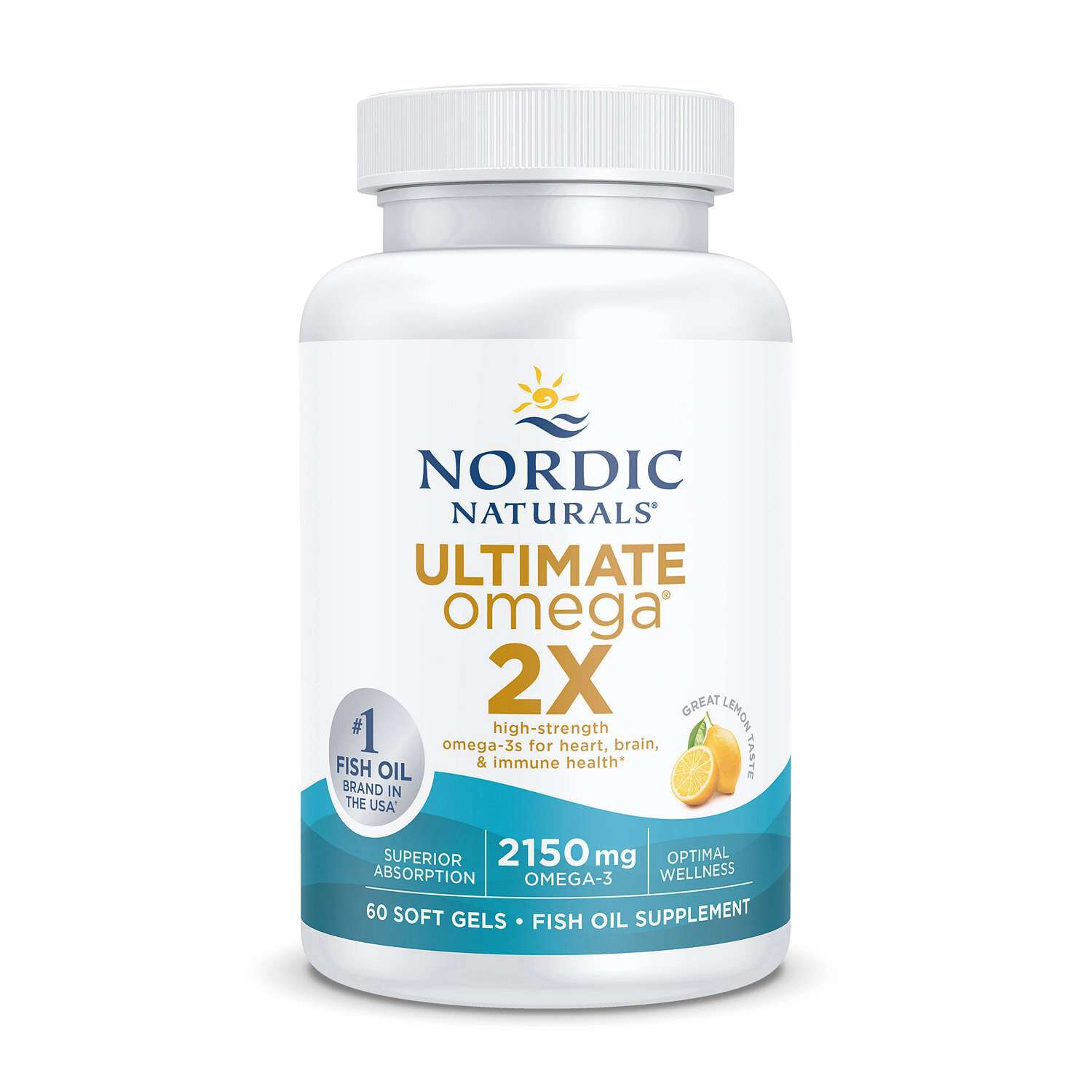 Nordic Naturals