





Flavored Collagen Drinks
(0 Results)
Flavored collagen drinks offer a delicious and convenient way to support your wellness routine. These tasty beverages combine the benefits of collagen with a variety of flavors to suit different preferences, making it easier to incorporate into your daily regimen. Whether you're looking to enjoy a refreshing drink post-workout or a flavorful addition to your hydration habits, flavored collagen drinks could be an excellent choice for those seeking to maintain their health and vitality. Discover the potential benefits and find the perfect flavor that fits your lifestyle.
-
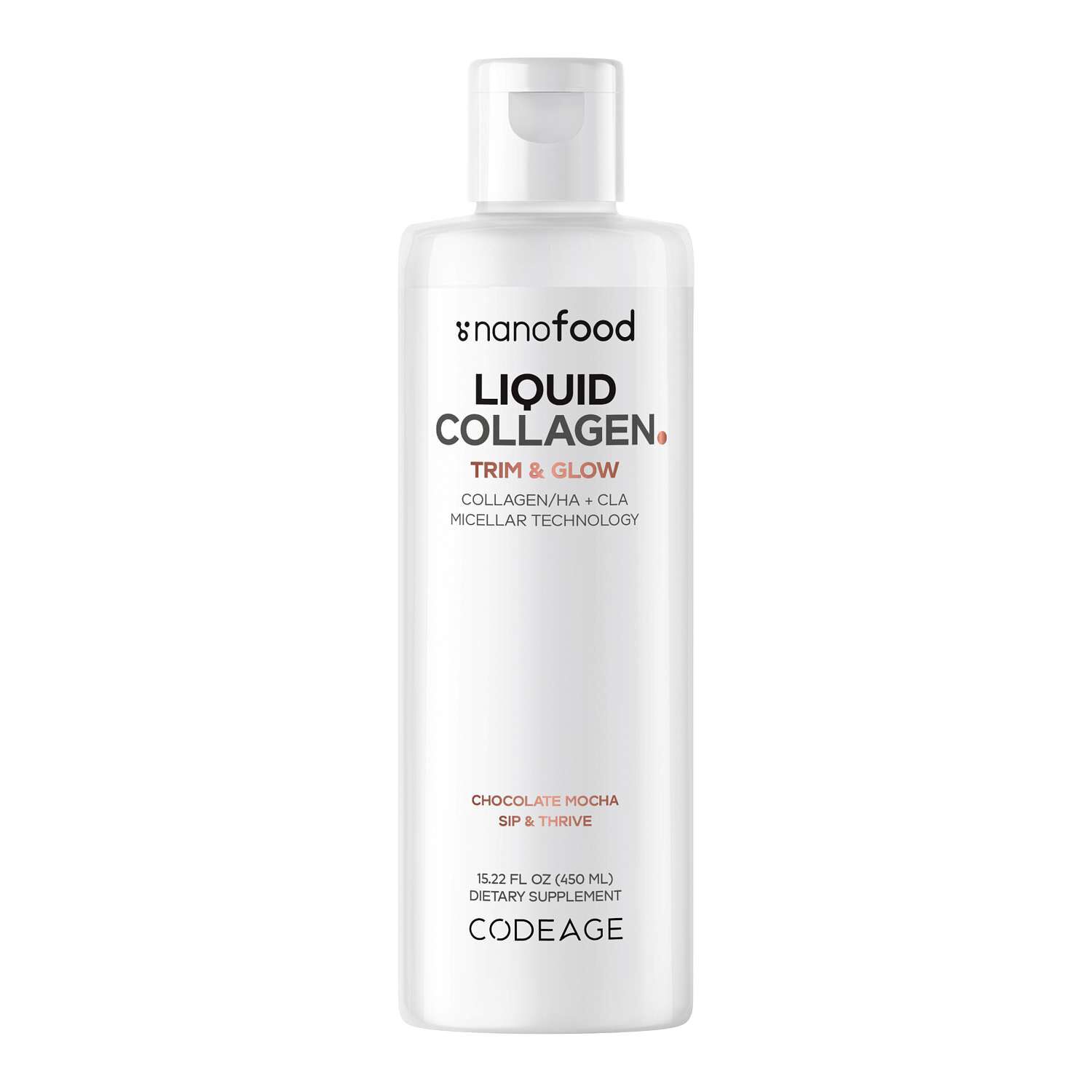
-

-
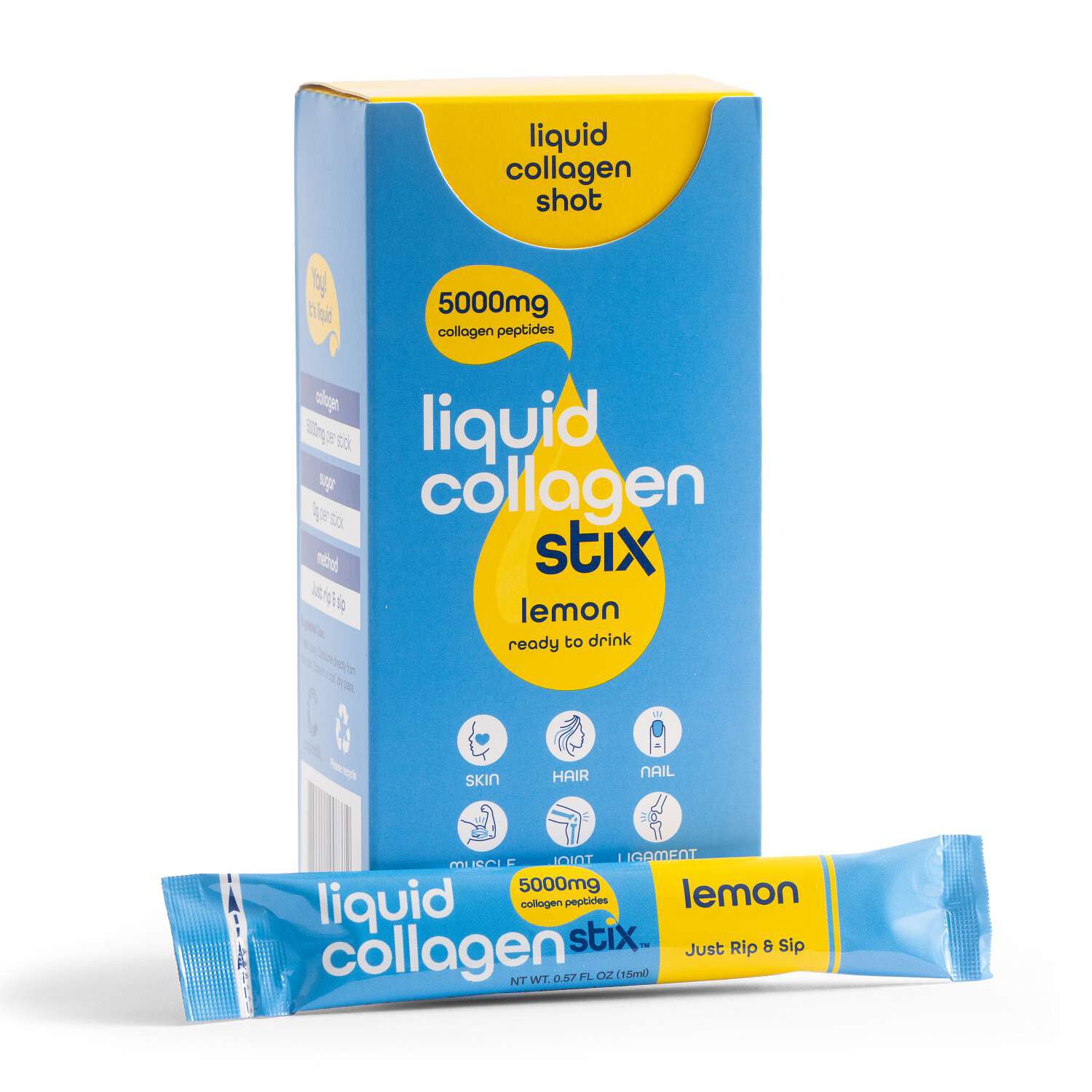
-
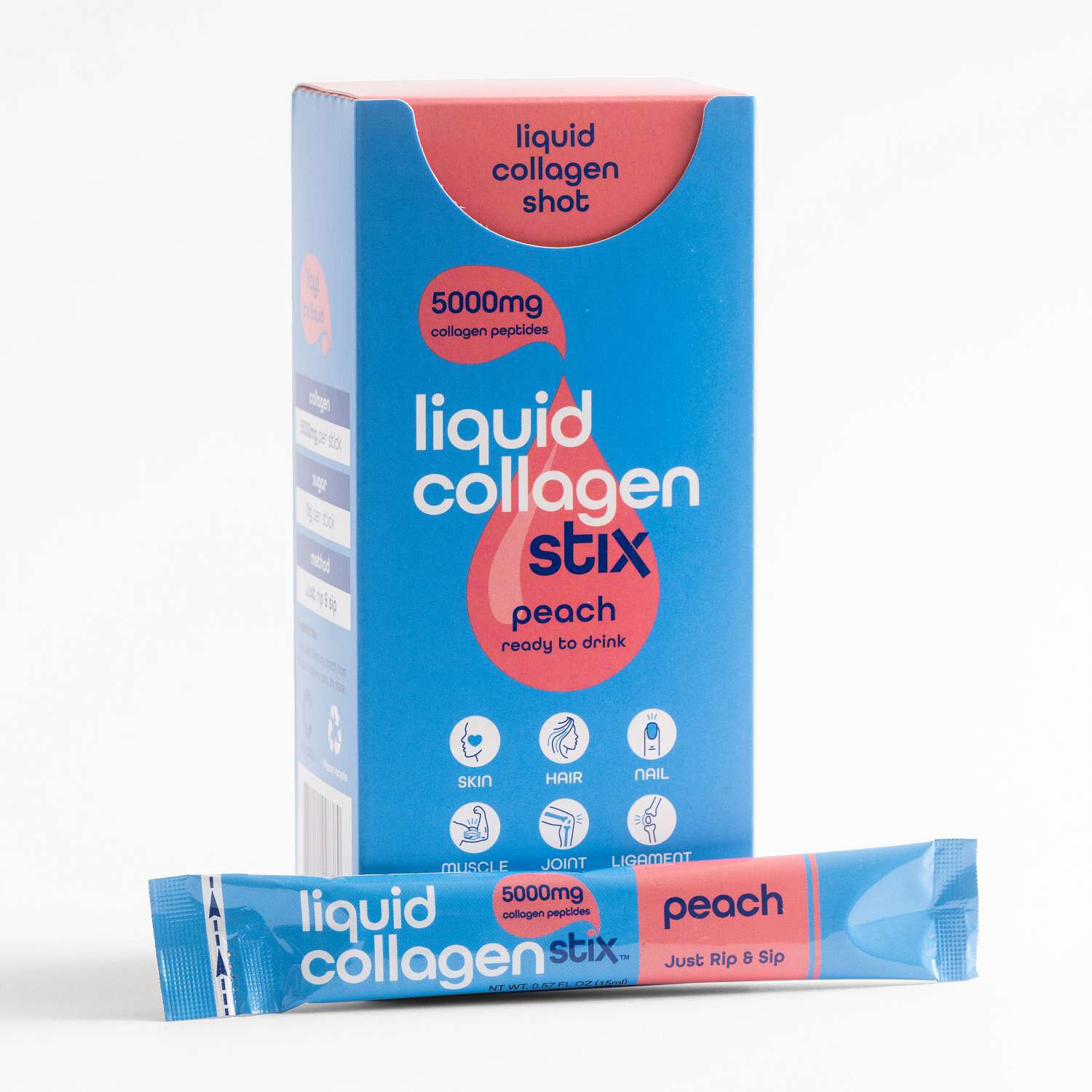
-
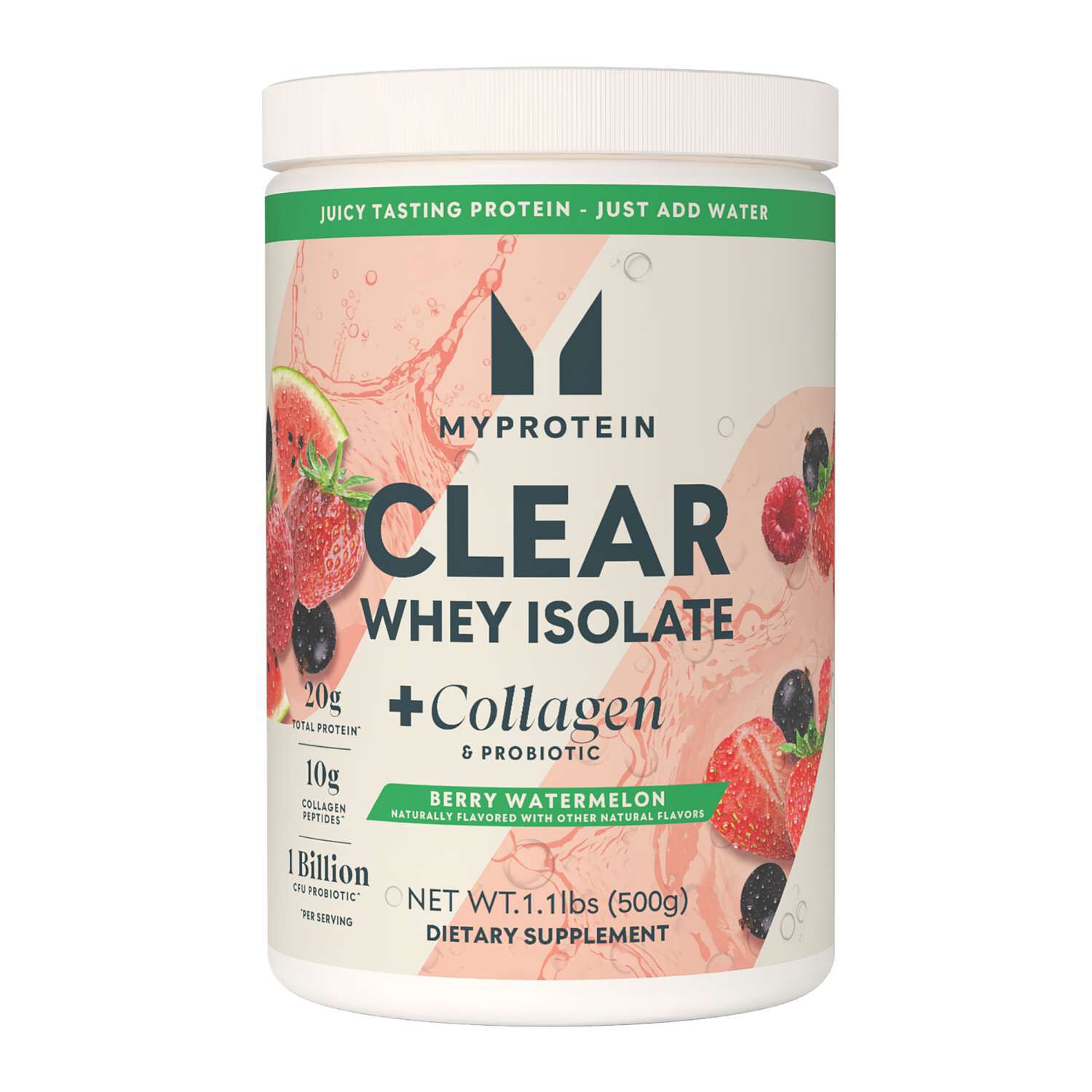
-
-
-
-

-

-
-

-
-
-
 $39.99
-
-
-
 $17.97
-
-
-

-
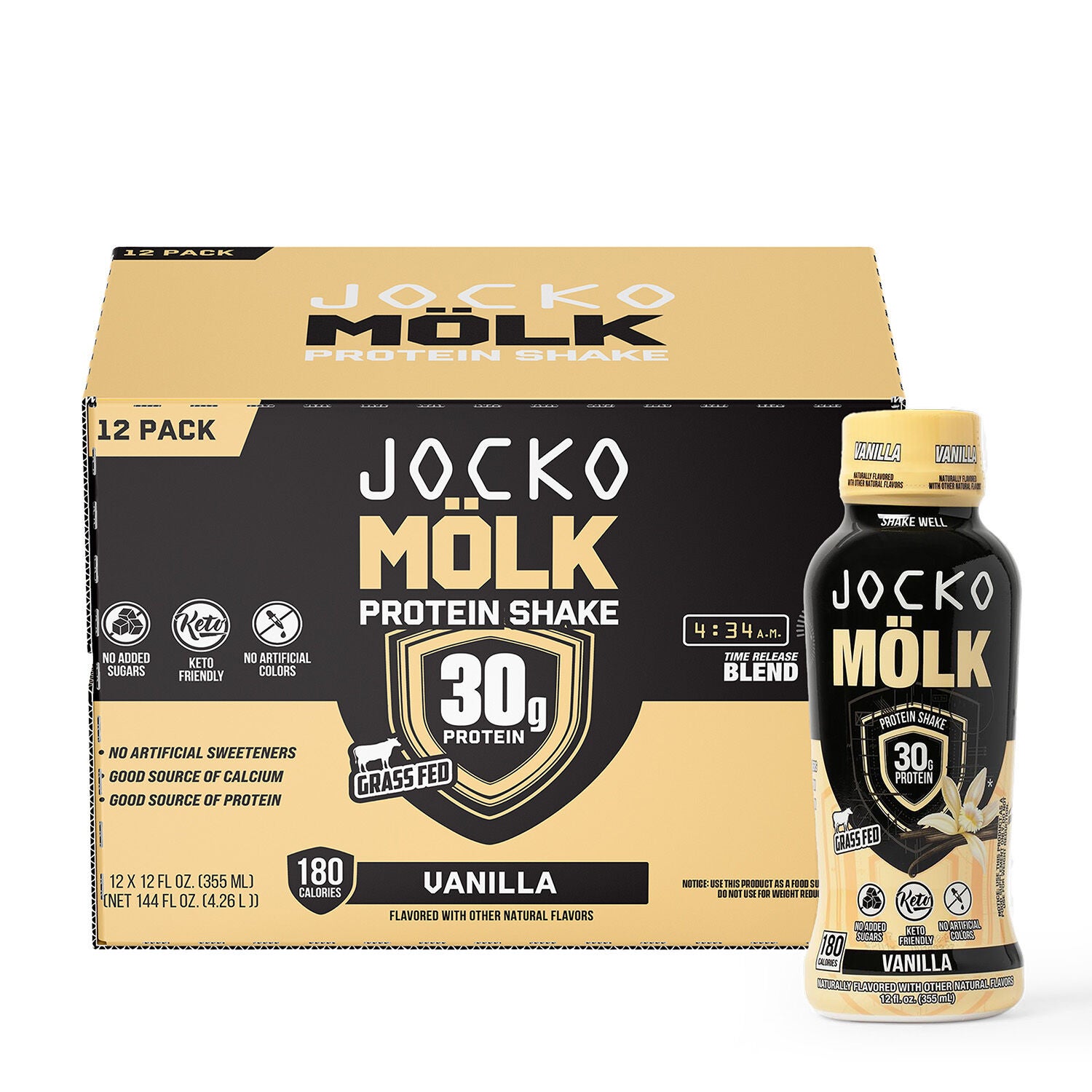

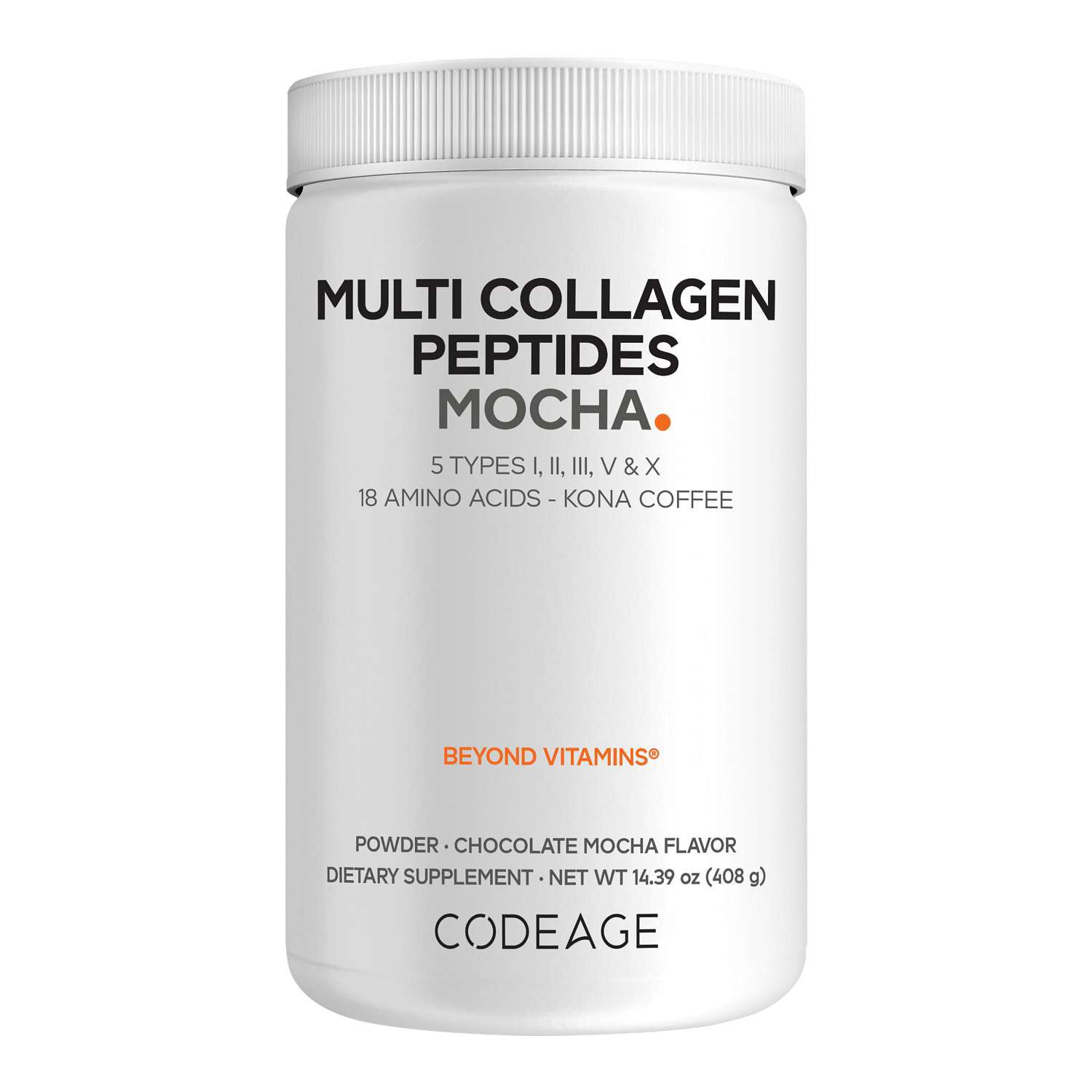
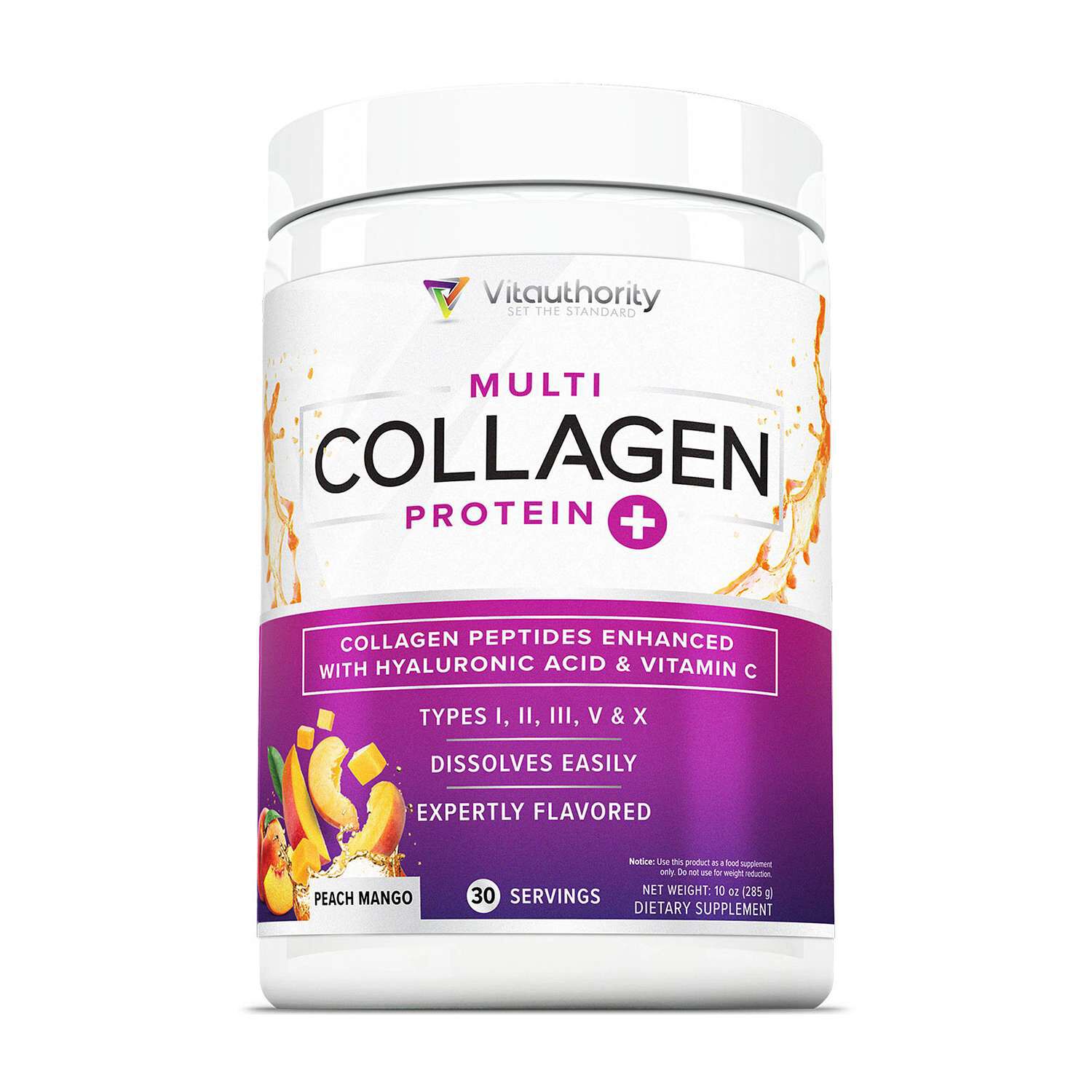
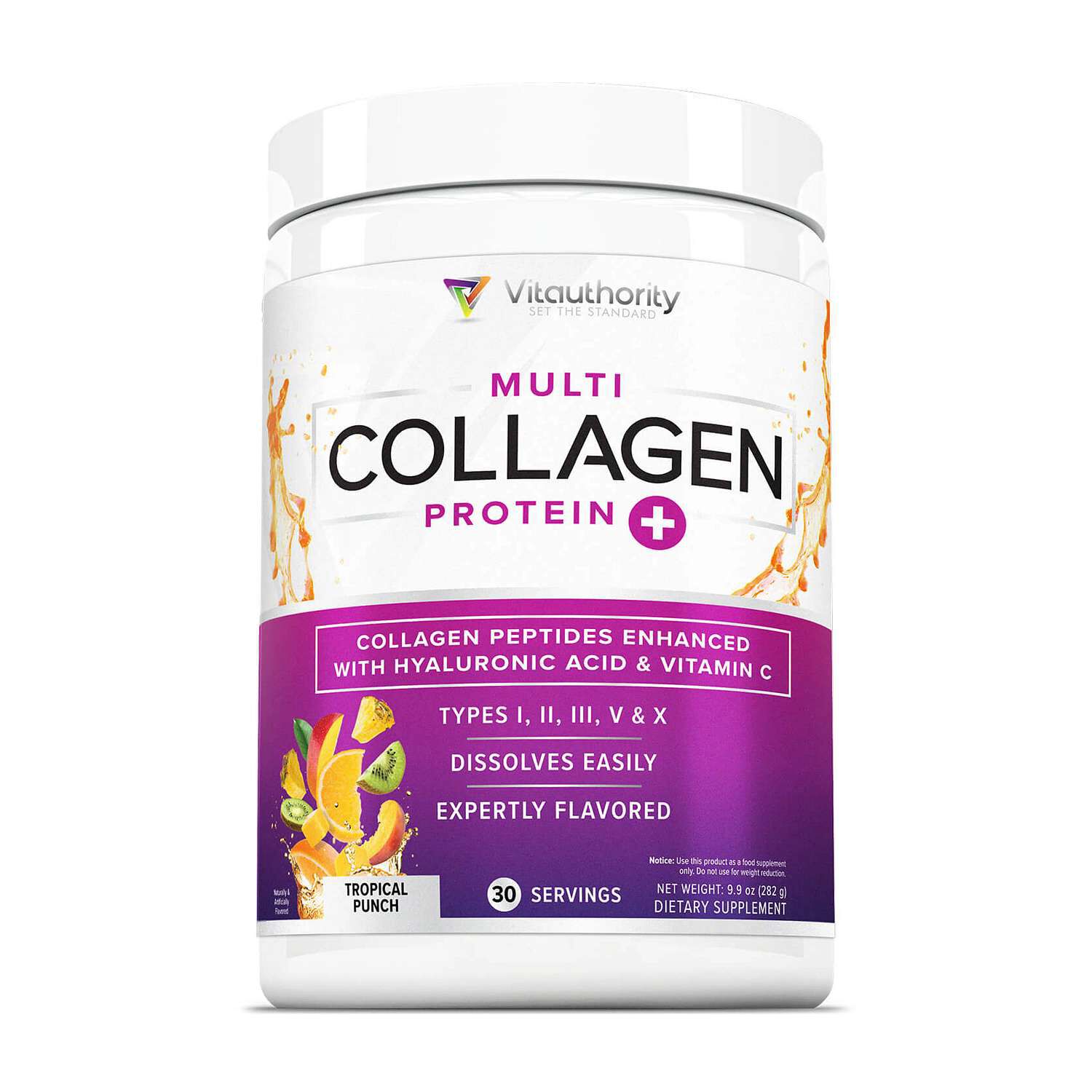
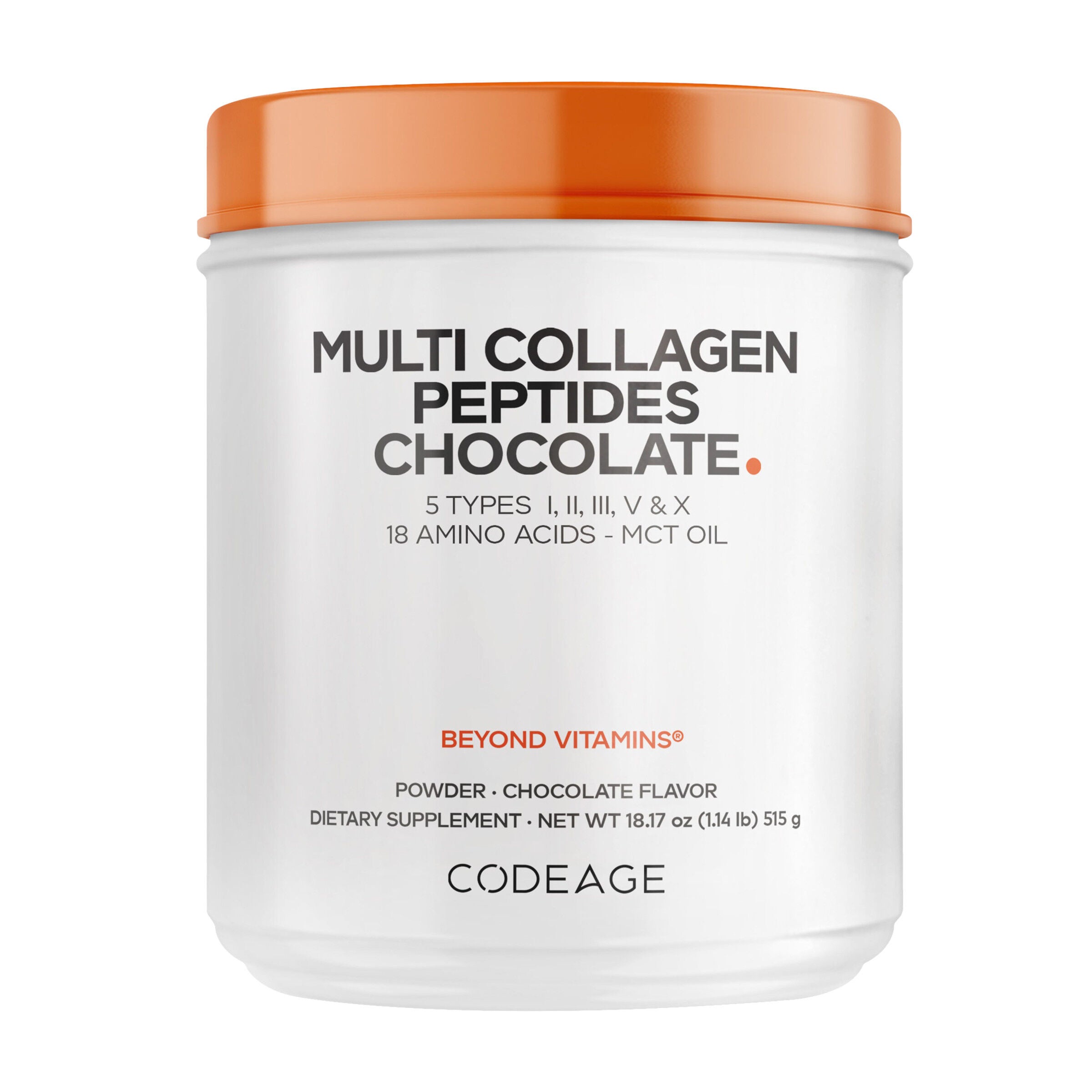
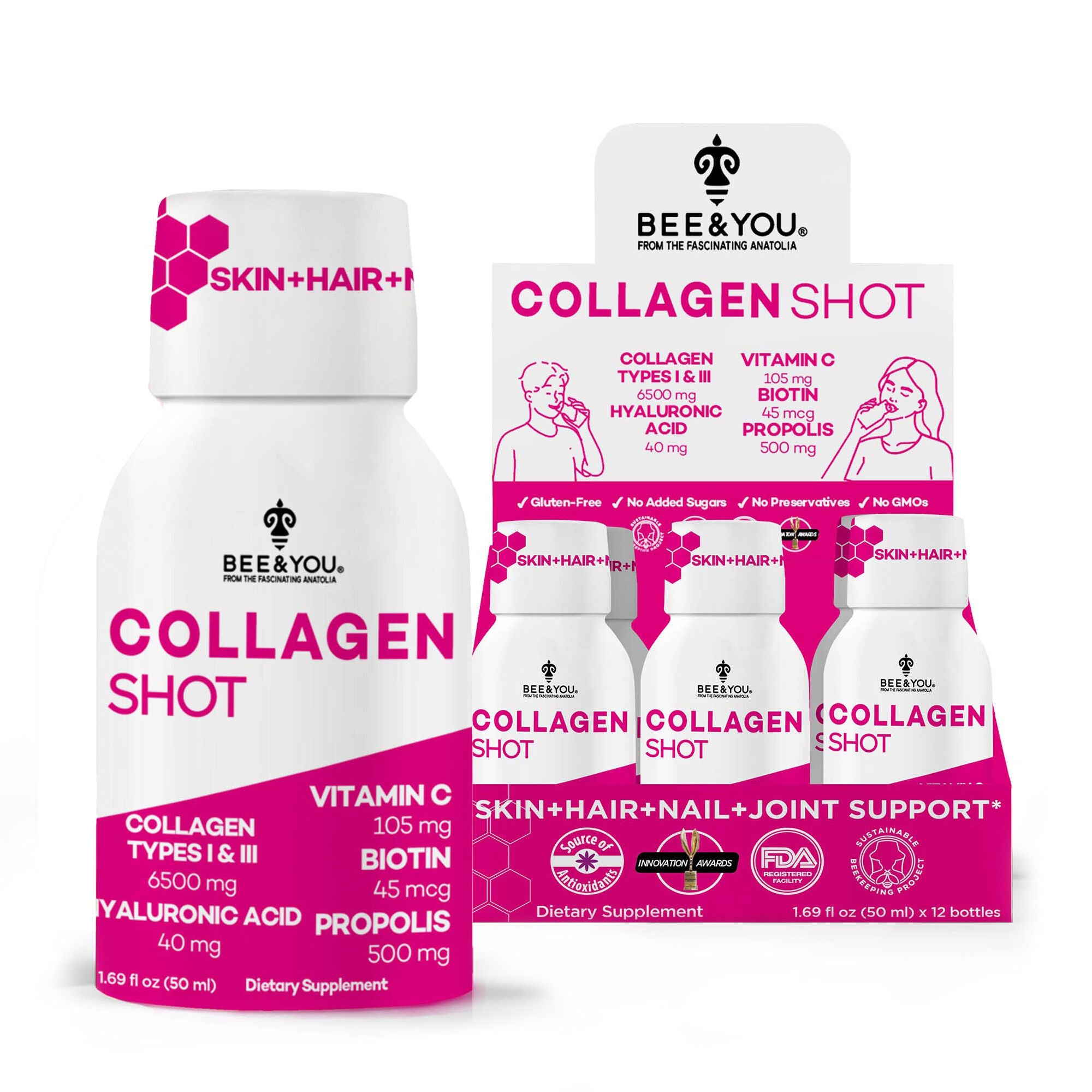
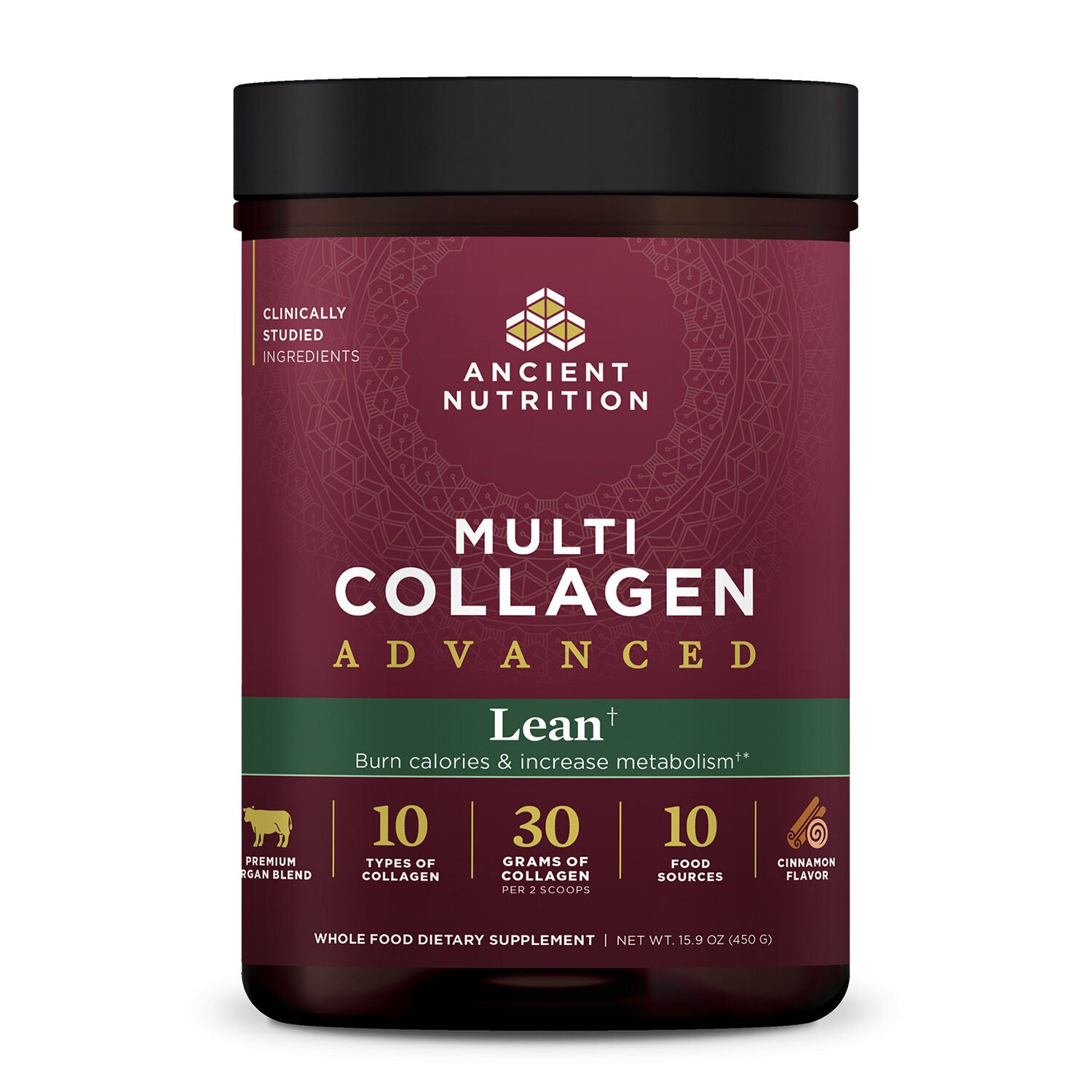
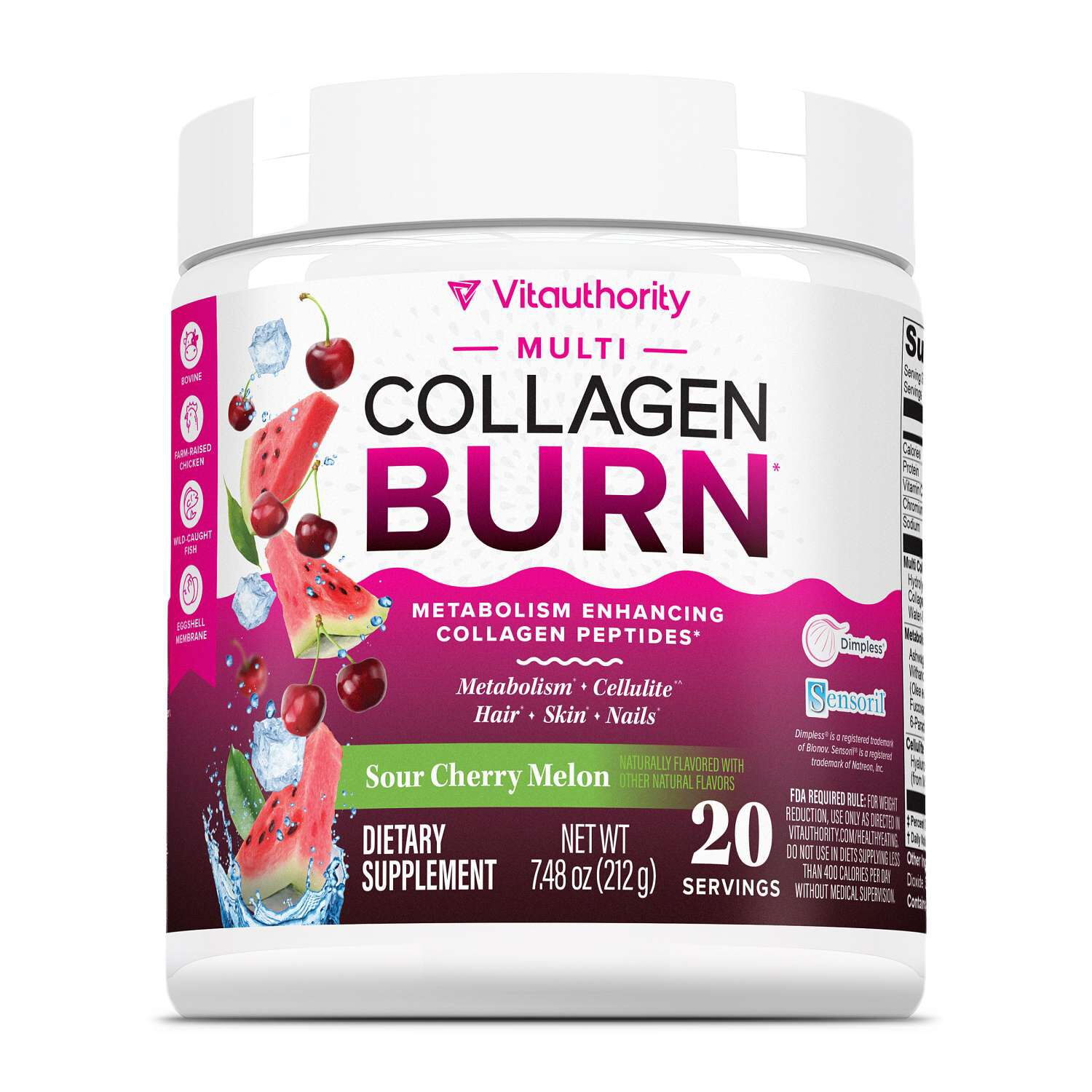
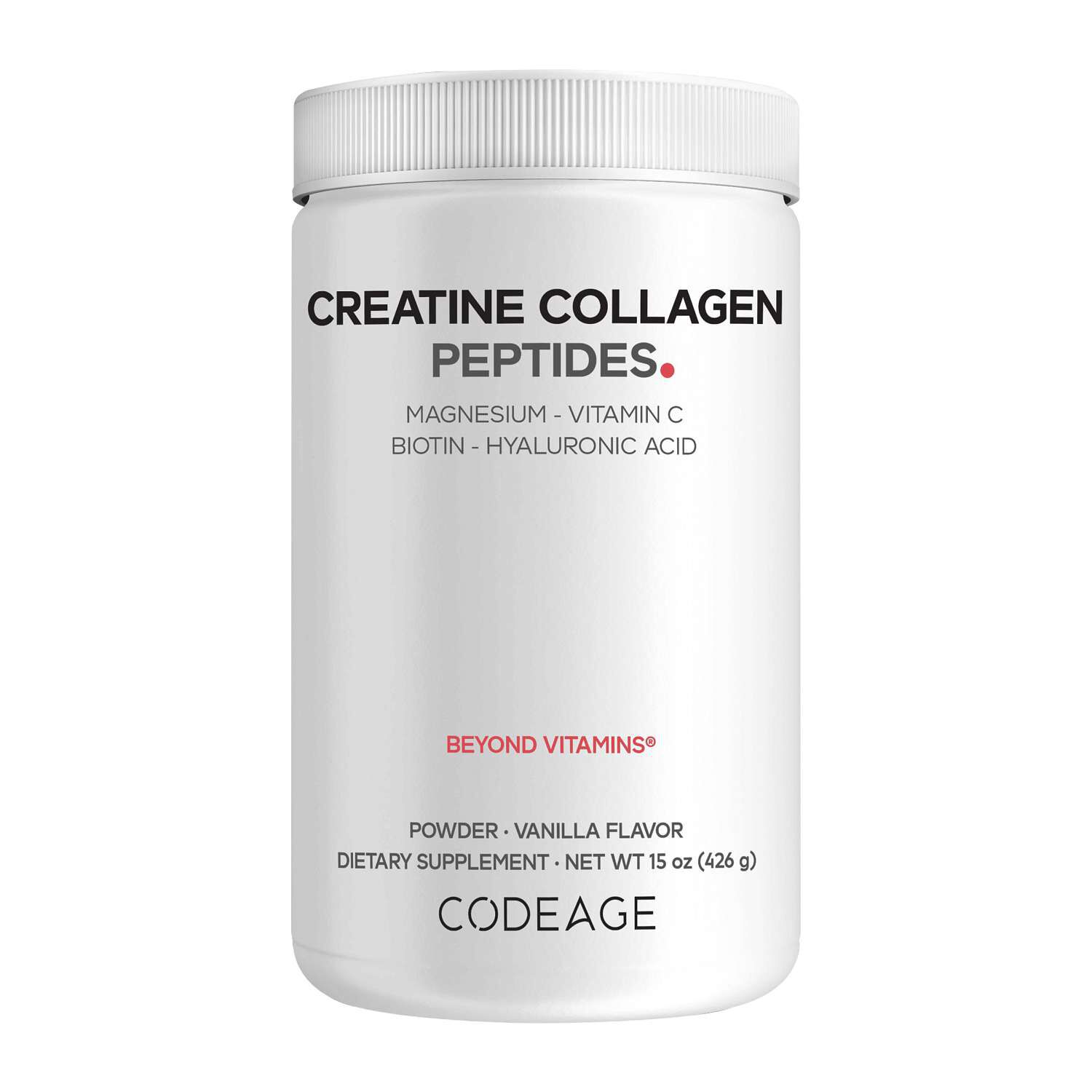
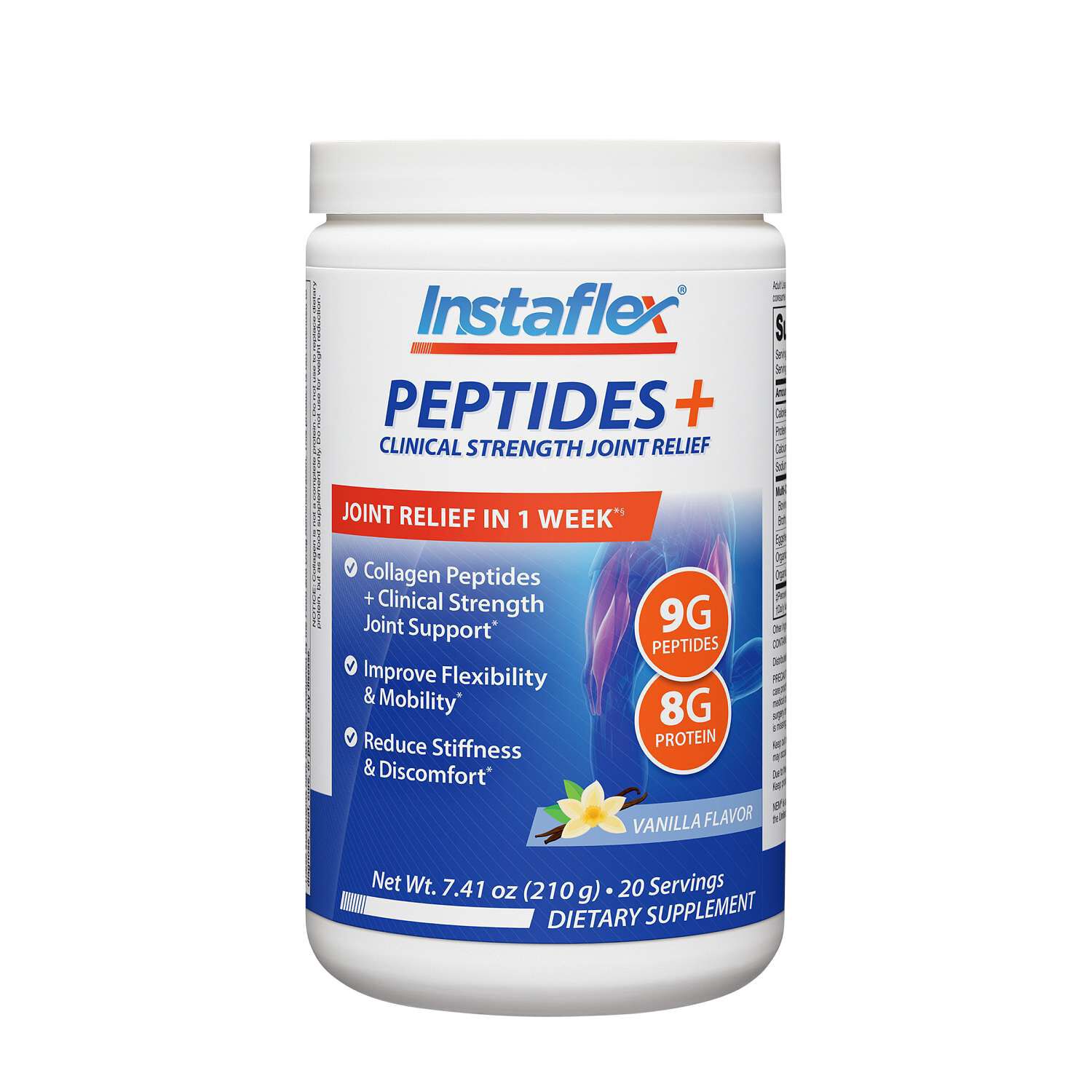
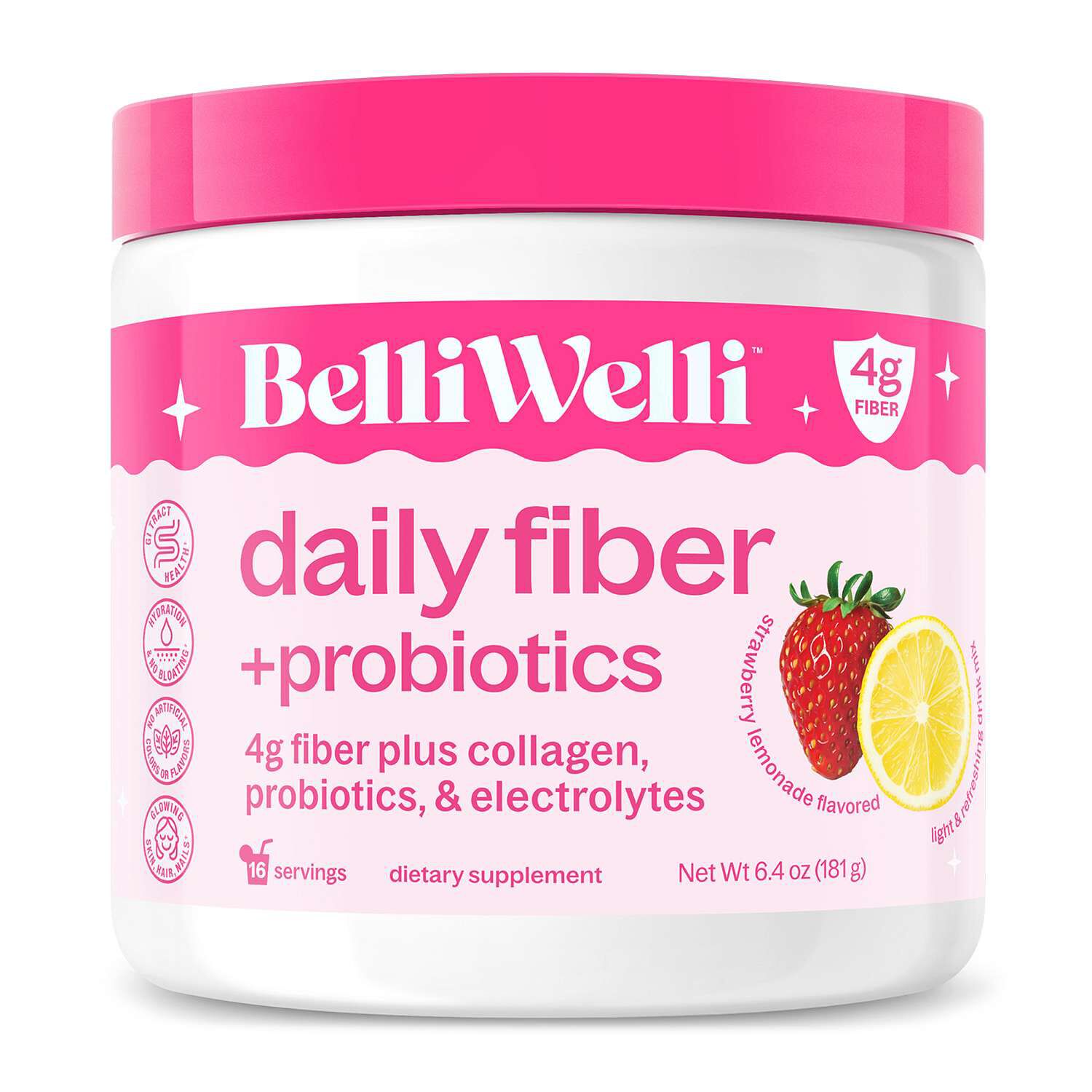
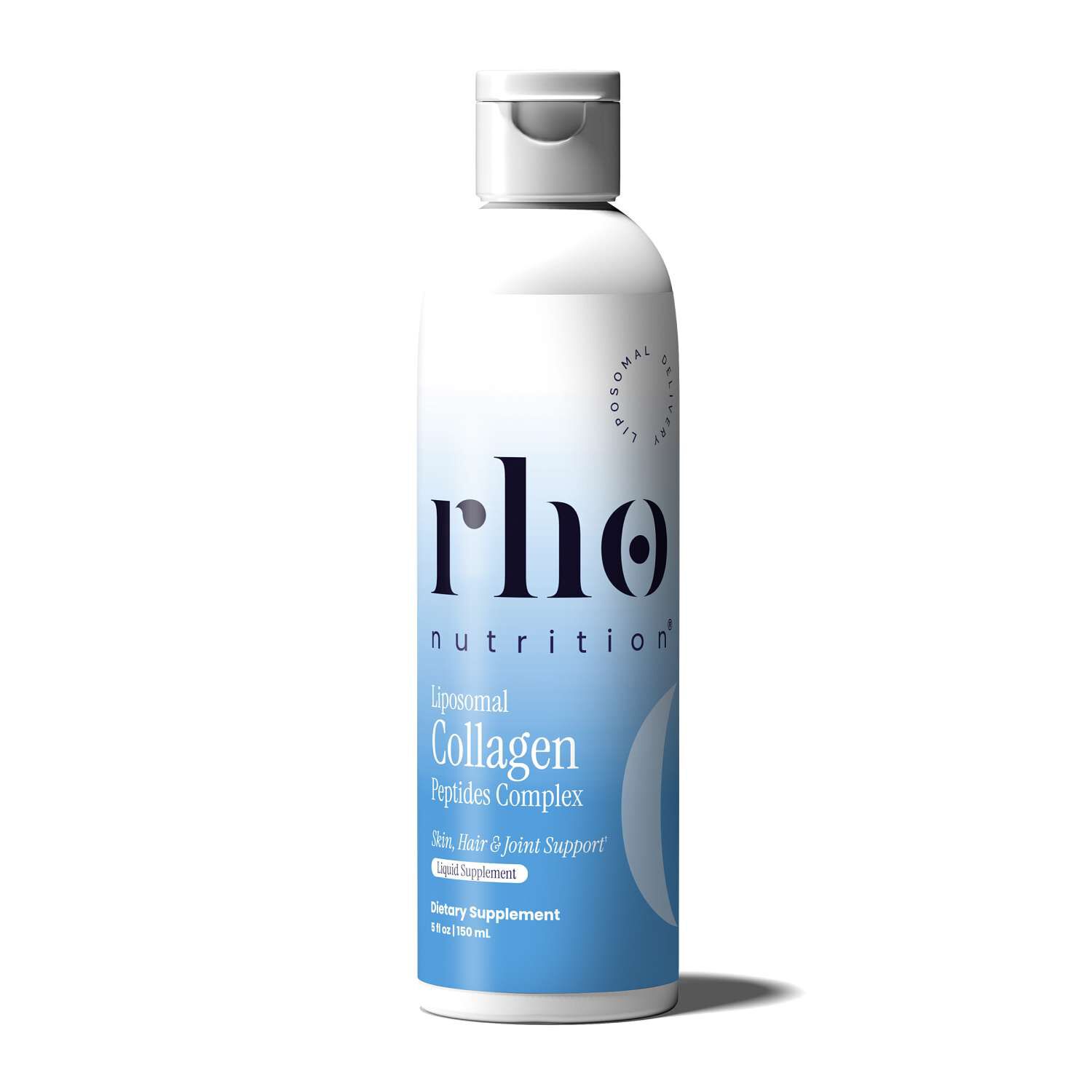
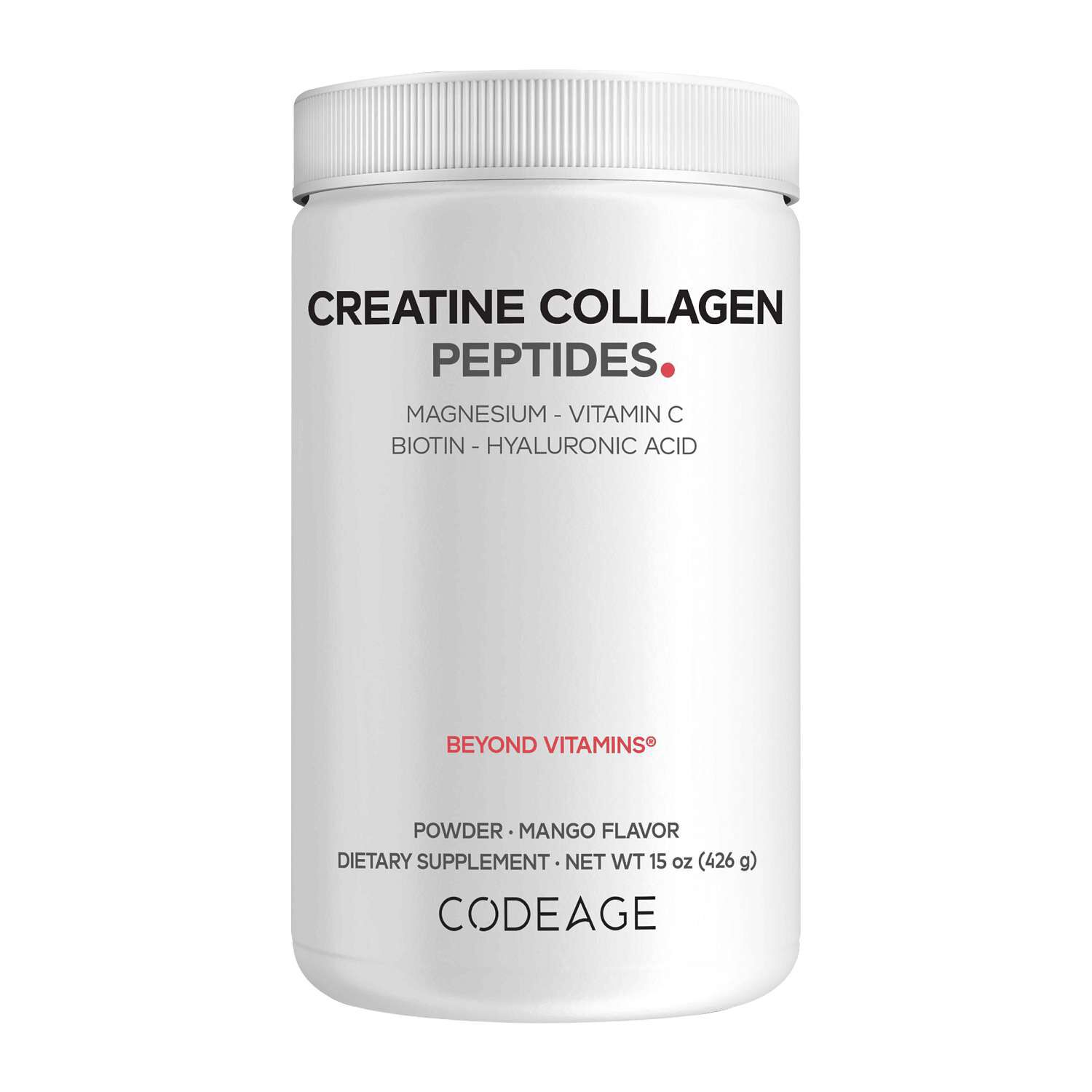
Flavored collagen drinks combine collagen with fruit-inspired, botanical, or other flavor profiles in a form intended for sipping or mixing into a beverage. The category includes ready-to-drink bottles, small liquid servings, concentrates, and flavored powders prepared with water according to package directions. Within the broader category of Collagen Drinks, flavored varieties place particular emphasis on taste, portion size, and preparation style. Berry blends, mango, pineapple, citrus, pomegranate, and strawberry-kiwi illustrate the range of flavor profiles associated with these supplements, from gently sweet to distinctly tart. Collagen itself is a structural protein found naturally in connective tissues. In drink formulas, it commonly comes from bovine or marine sources, although sourcing differs by formula. Bovine collagen comes from cattle, while marine collagen typically comes from fish. Many labels identify the ingredient as hydrolyzed collagen or collagen peptides, meaning the collagen has been processed into smaller peptide chains. These terms describe the ingredient’s form rather than the beverage’s flavor or serving size. Some labels also identify collagen types, such as types I and III, but those details are separate from the amount of collagen in a serving. Comparing the stated grams per serving provides a more useful picture of quantity than comparing bottle sizes alone. A small concentrated serving and a larger beverage can contain different amounts of collagen, so liquid volume does not tell the whole story. Flavored collagen drinks are often considered by adults who already include dietary supplements in their routines and prefer a beverage format to capsules or unflavored powder. Some shoppers approach the category through beauty-focused routines, while others are interested in the ingredient or the drink format itself. Taste, source, preparation, and the labeled serving information remain practical points of distinction without assuming that every formula serves the same purpose. A clearly described flavor and an understandable ingredient list can be just as relevant to an everyday purchasing decision as the container’s shape or size.
Flavor is more nuanced than the fruit name on the front of the package. A berry drink might lean toward tart raspberry, mellow strawberry, or a darker mixed-berry character, while a tropical blend might emphasize pineapple’s tang or mango’s rounded sweetness. Citrus flavors can range from a light lemon accent to a more pronounced orange or grapefruit profile. The ingredient list provides context for those differences: fruit juice, fruit powders, natural flavors, artificial flavors, sweeteners, and food acids are distinct components, and not every fruit-flavored drink contains fruit juice. Citric acid or malic acid may contribute a tart note, while the sweetener blend may influence sweetness and aftertaste. Someone who generally chooses unsweetened beverages may prefer a subtler flavor profile; someone who enjoys fruit punch may be more comfortable with a sweeter blend. Powder and concentrate formats also involve dilution, making the package’s water-to-serving directions relevant to the finished drink. Adding more powder is not simply a flavor adjustment, because it also changes the amount of each ingredient in the glass. Texture deserves attention alongside flavor. Ready-to-drink liquids, concentrated liquids, and mixed powders have different preparation requirements, and package directions clarify whether shaking, stirring, or another mixing method is appropriate. A formula may also contain vitamin C, biotin, hyaluronic acid, other vitamins, or additional ingredients. Their presence should be considered separately from the collagen content rather than treated as evidence that two similarly flavored drinks are interchangeable. The Supplement Facts panel identifies serving size and declared ingredient amounts, while the ingredient list offers details about flavorings and other components. For shoppers with dietary preferences, the collagen source, sweetener type, sugar content, and allergen statements are relevant distinctions. Marine collagen warrants particular attention for anyone avoiding fish ingredients. Plant-based flavorings or fruit imagery do not make animal-derived collagen suitable for a vegan eating pattern, and a tropical flavor name does not establish anything about the underlying protein source.
The most practical format often depends on where preparation fits into the day. A ready-to-drink bottle involves different handling than a tub of powder, while a small liquid serving may be intended for drinking directly or mixing into water, depending on its directions. Individually portioned packets suit routines built around a desk drawer, tote bag, or travel pouch; larger containers involve measuring each serving and keeping the remaining contents properly stored. Someone preparing a beverage at home may welcome a shaker bottle and a measured amount of water, while someone carrying a drink between appointments may prefer fewer preparation steps. Container design matters in those situations: a secure closure, readable serving instructions, and packaging appropriate for transport are useful details to consider. A packet is not necessarily equivalent to a bottle, and a capful is not a standard serving across formulas. Preparation directions are especially relevant for concentrates, where a small amount of liquid may be intended for dilution rather than a full glass poured straight from the container. For powders, a clean, dry scoop and a tightly closed lid are sensible parts of container care. Moisture can affect powder texture, and liquid formulas may have refrigeration instructions or a stated period for use after opening. Storage directions, best-by information, and packaging condition deserve attention regardless of format. A beverage prepared in a reusable bottle also comes with the bottle’s own washing and care requirements. Flavored collagen drinks occupy a specific place among everyday beverage choices: they are supplements, not substitutes for varied meals or ordinary drinking water. Their labels, portions, and preparation methods distinguish them from juice, flavored water, and conventional protein beverages, even when the flavors overlap. Looking at the whole format—collagen source, ingredient amounts, flavor profile, mixing requirements, and storage—creates a clearer basis for comparison. The resulting choice can reflect an established routine and personal taste, whether that means a tart fruit drink mixed at home or a measured liquid serving taken according to its label.
Best Sellers
-
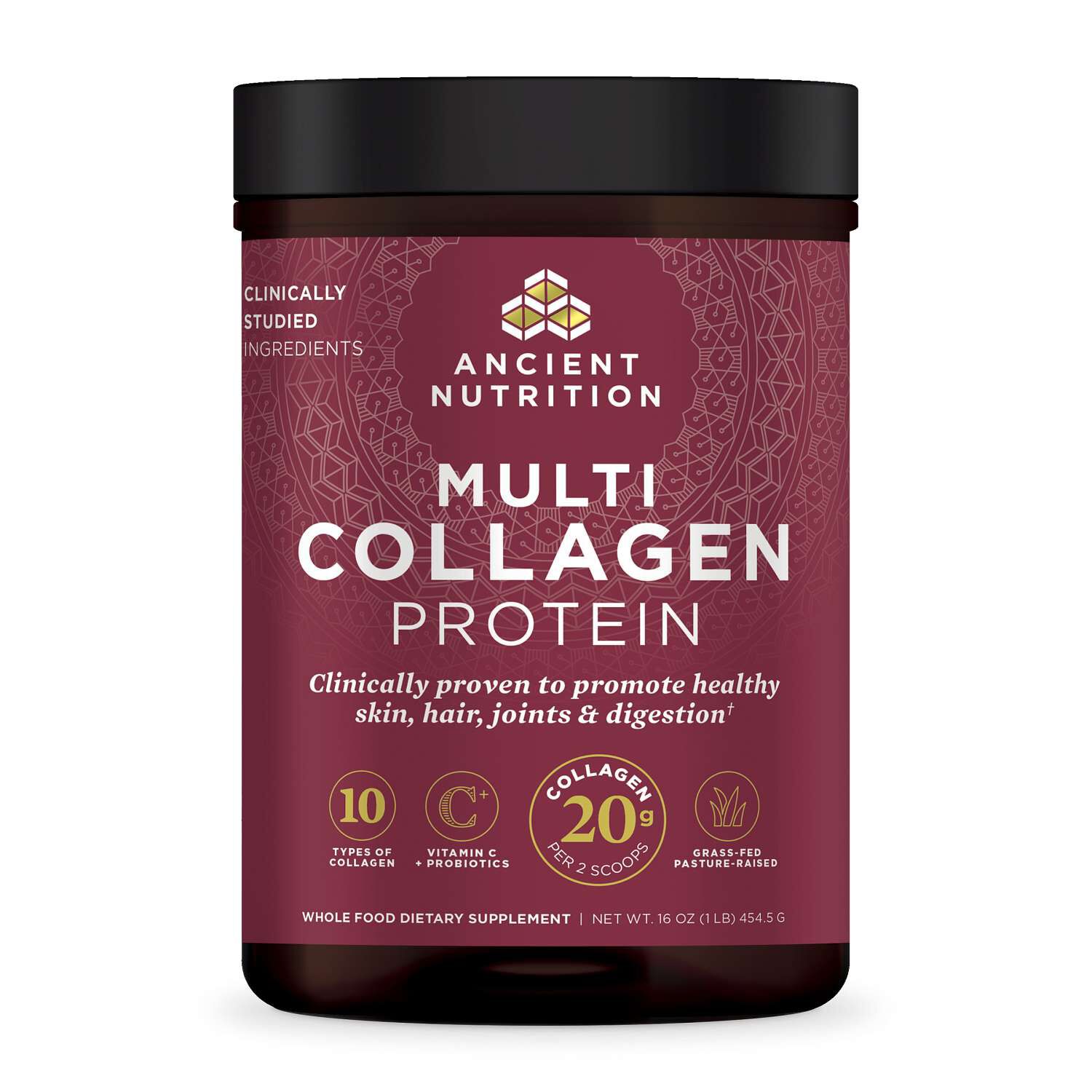 Ancient Nutrition
-
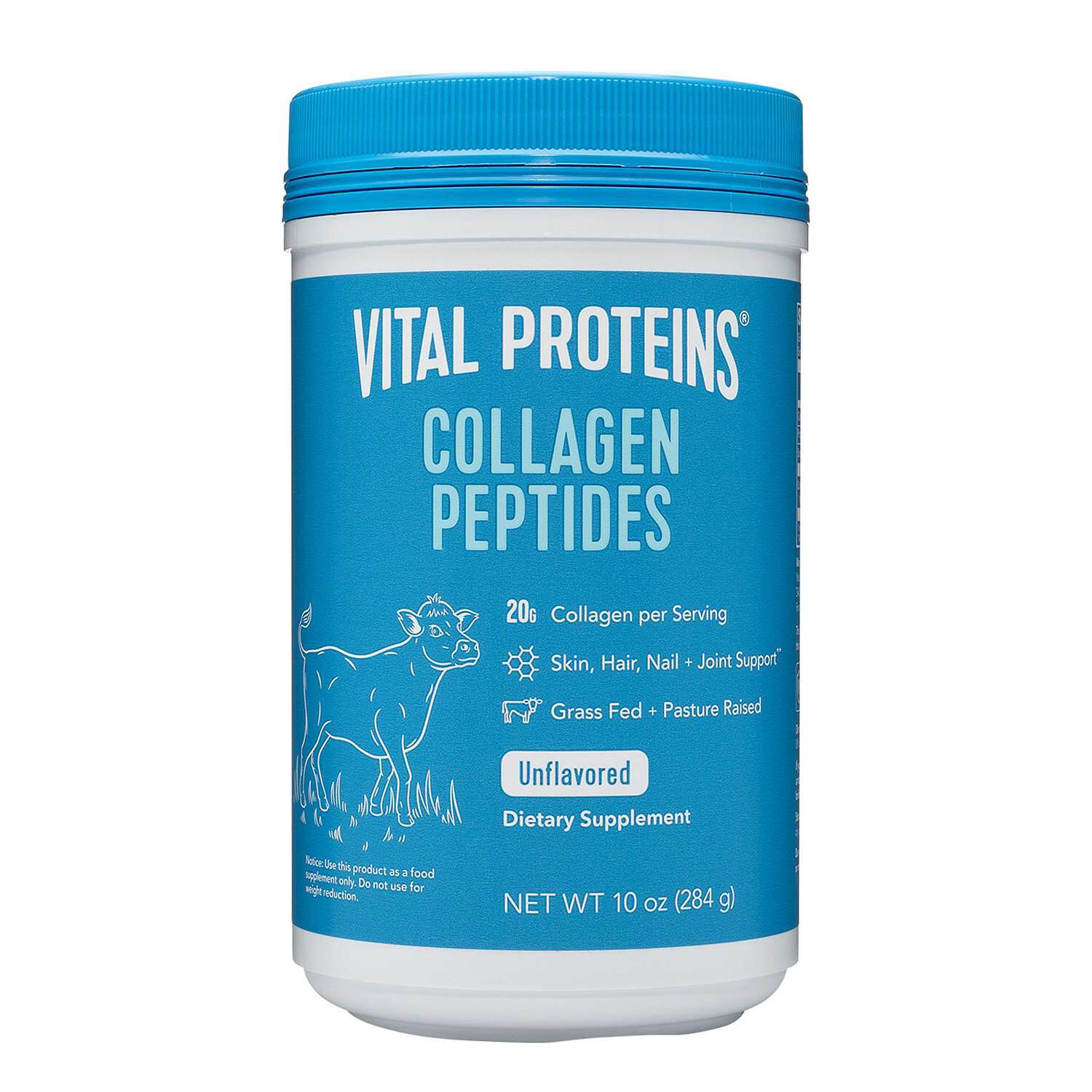 Vital Proteins
Related Pages

Top Collections
- Joint Mobility Supplement Packs
- Zinc Supplements | Top Brands at Great Prices | GNC
- Supplements For Yoga Joint Flexibility
- Supplements For Balance
- Capsule Supplements For Energy And Stamina
- Iron Supplements
- Supplements For Anxiety Relief Support
- Vitamins For Hair Loss
- Cortisol Supplements
- Adult Mobility Supplements