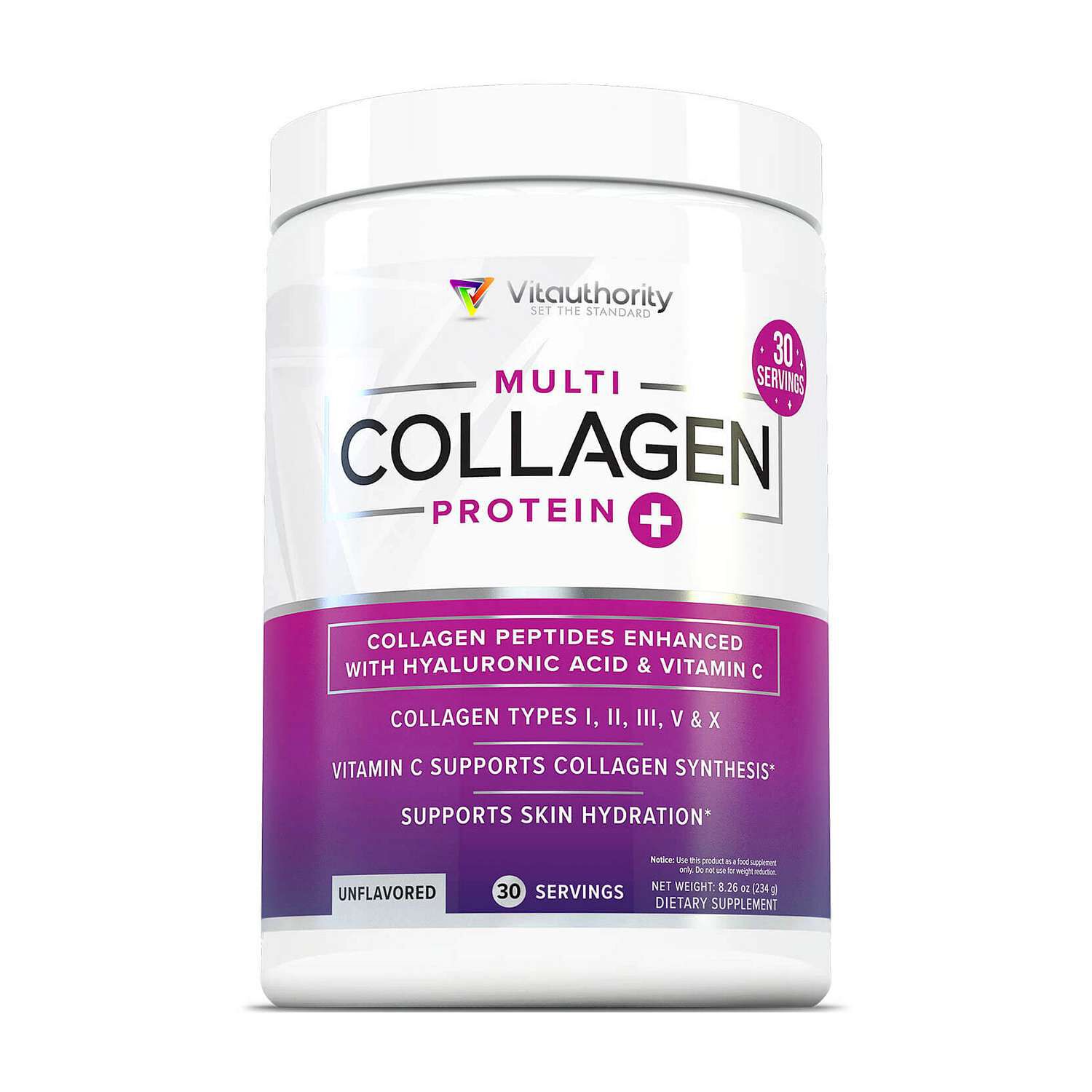
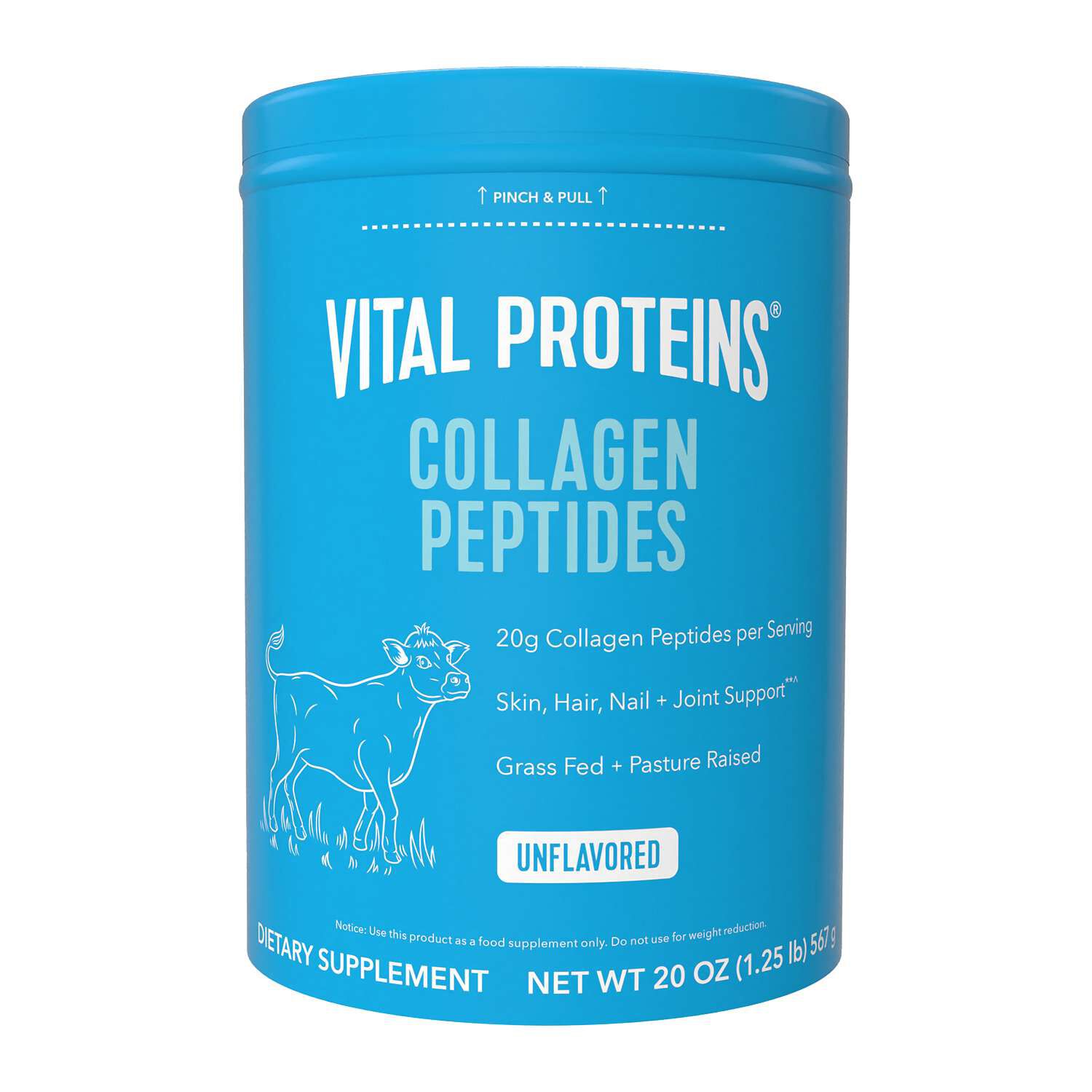
Flavored Collagen
(0 Results)
Flavored collagen is a delicious and convenient way to support your wellness journey. Packed with potential benefits, these tasty supplements help you incorporate collagen into your daily routine without sacrificing flavor. Whether you're looking to support your skincare regimen or simply enjoy a flavorful addition to your diet, flavored collagen offers a versatile option that suits various lifestyles and preferences. Explore the variety of flavors available and find the perfect fit for your taste buds while potentially enhancing your overall well-being.
-
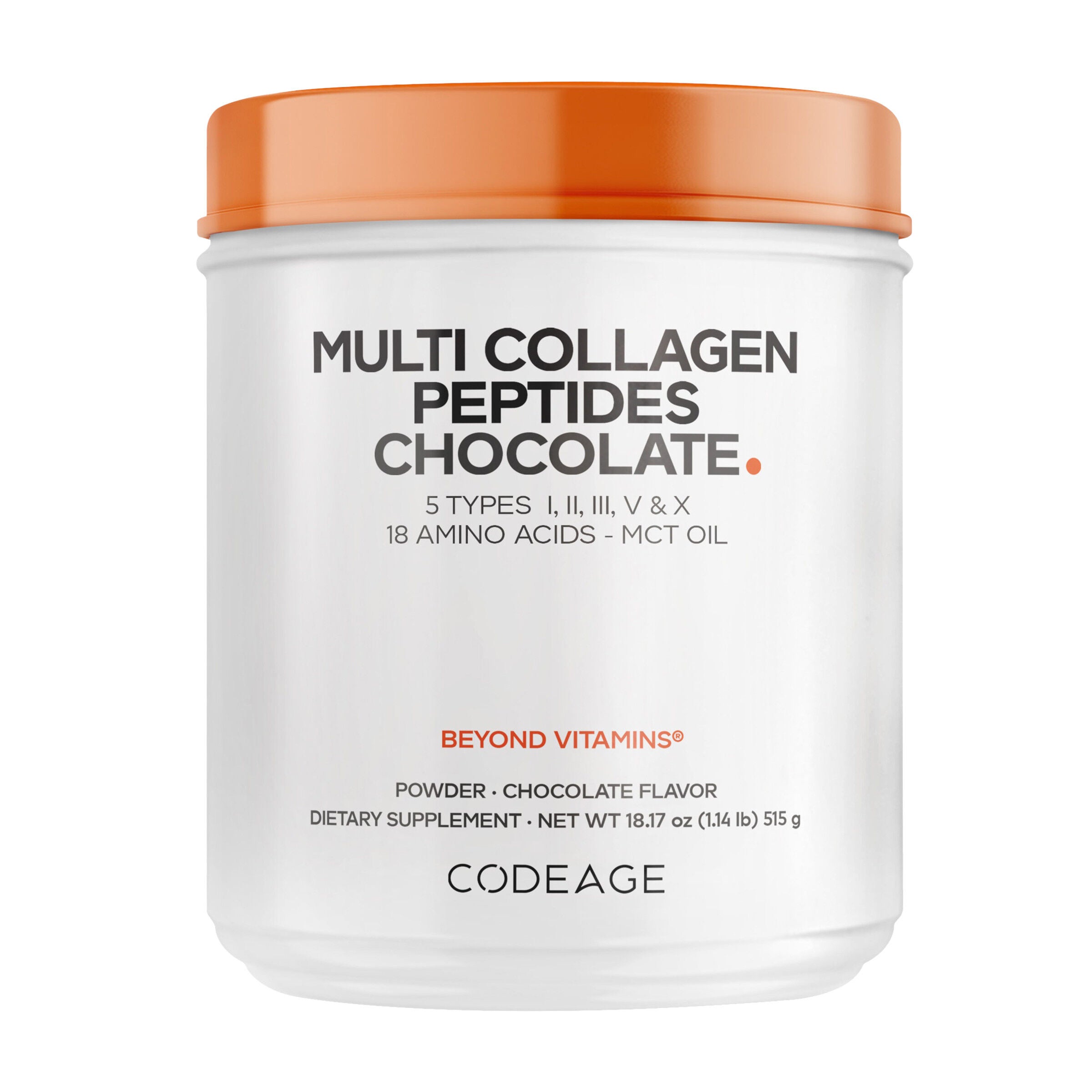
-
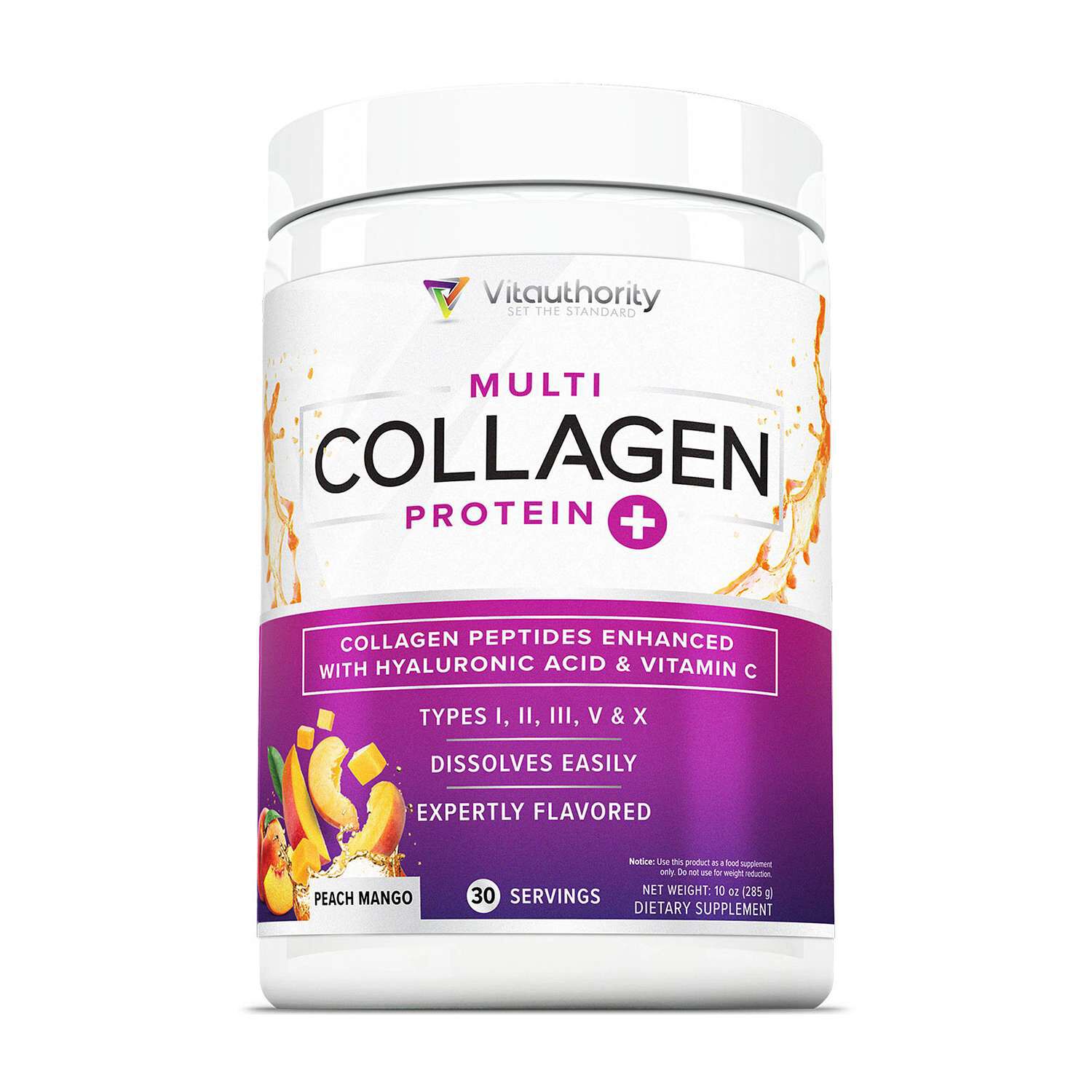
-
-
-
-

-
-
-

-
-

-

-
-
-
 $14.99
-
-
-

-
-
-
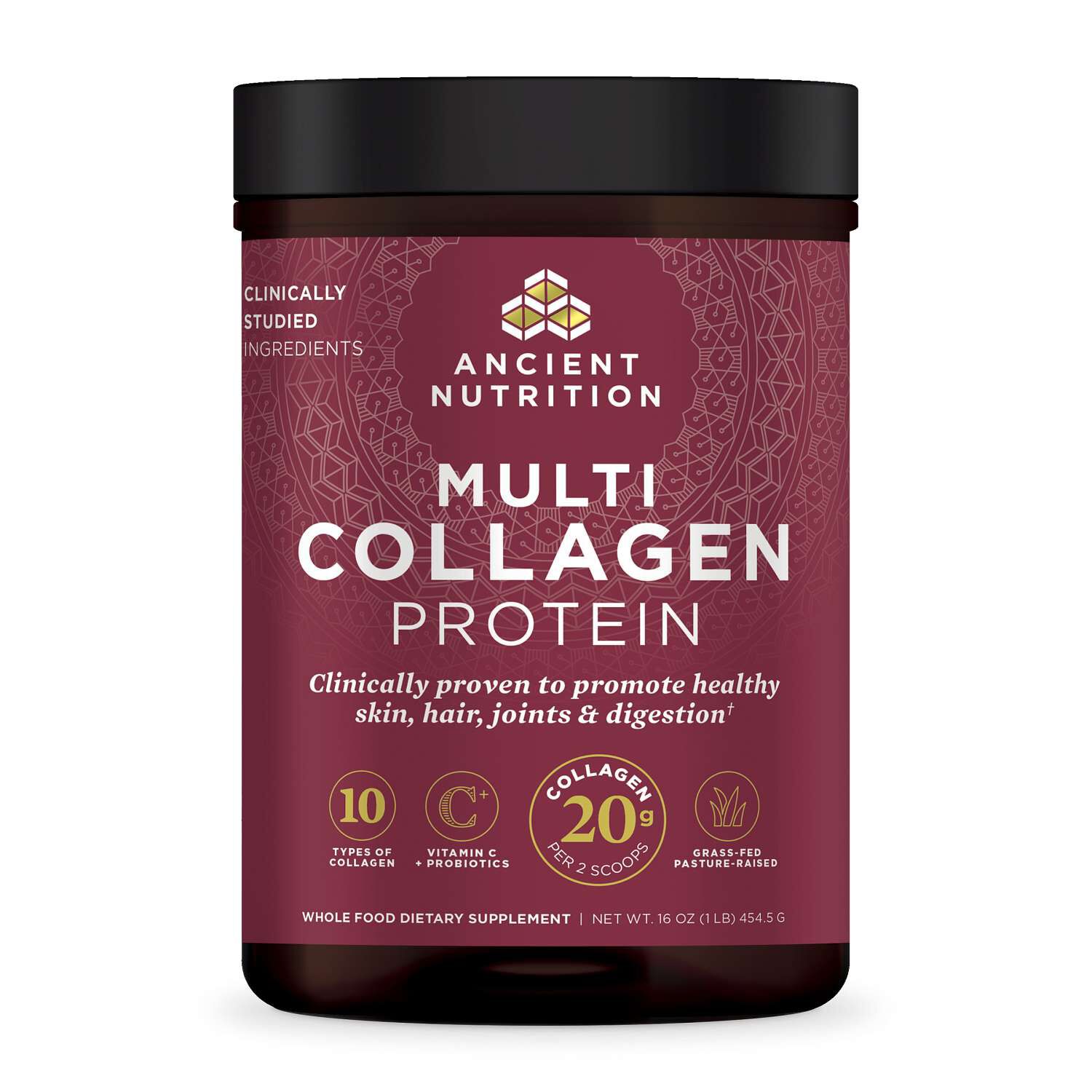
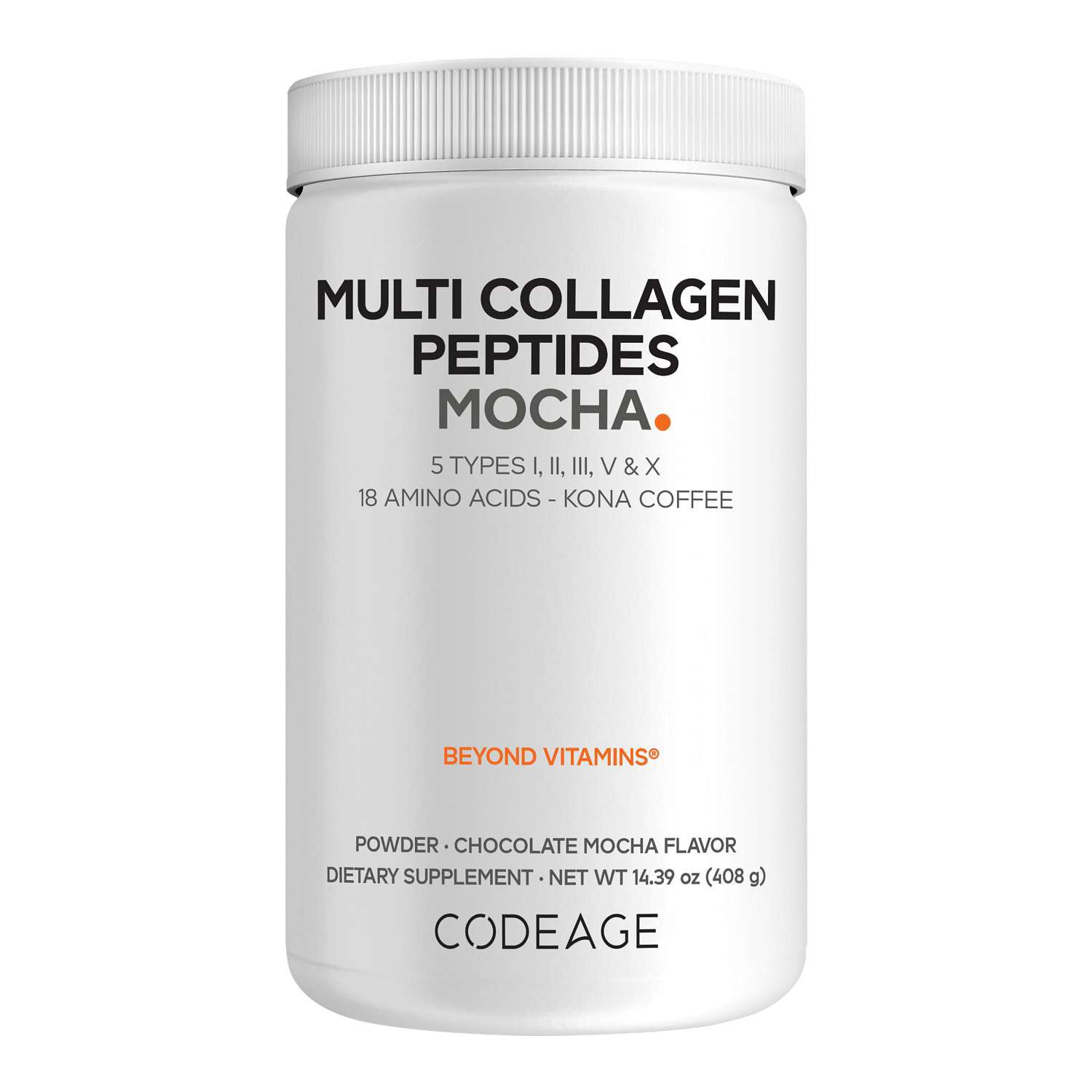
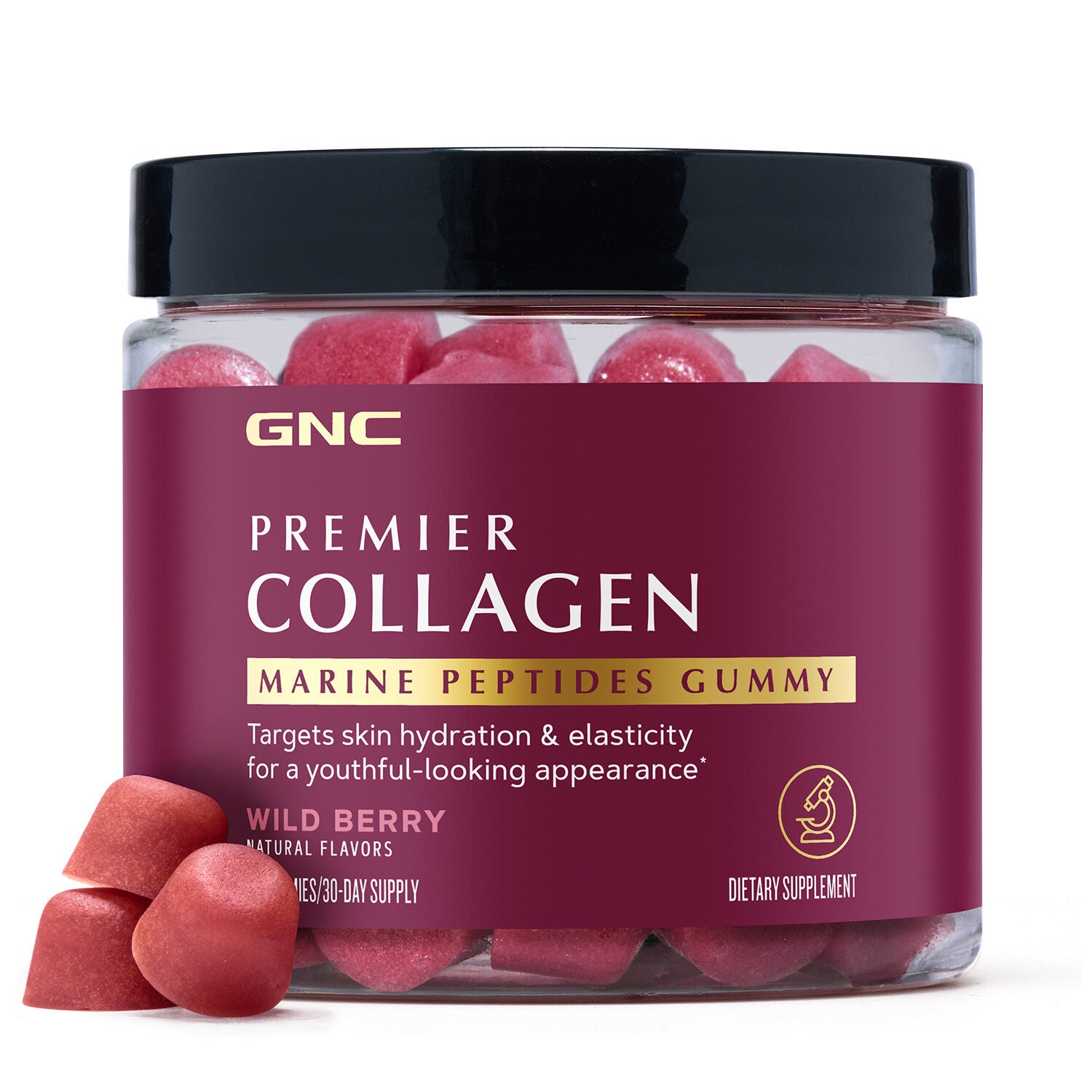

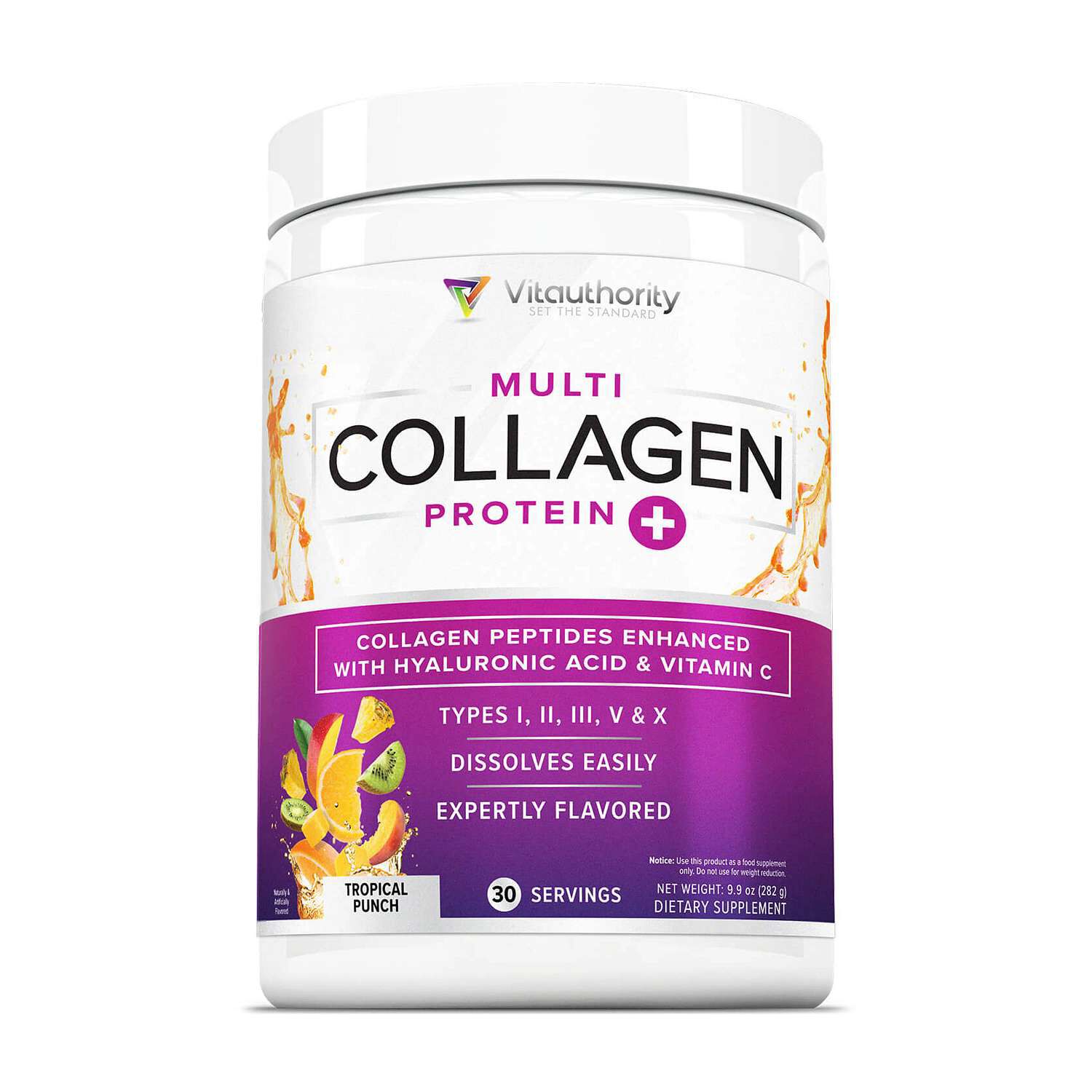
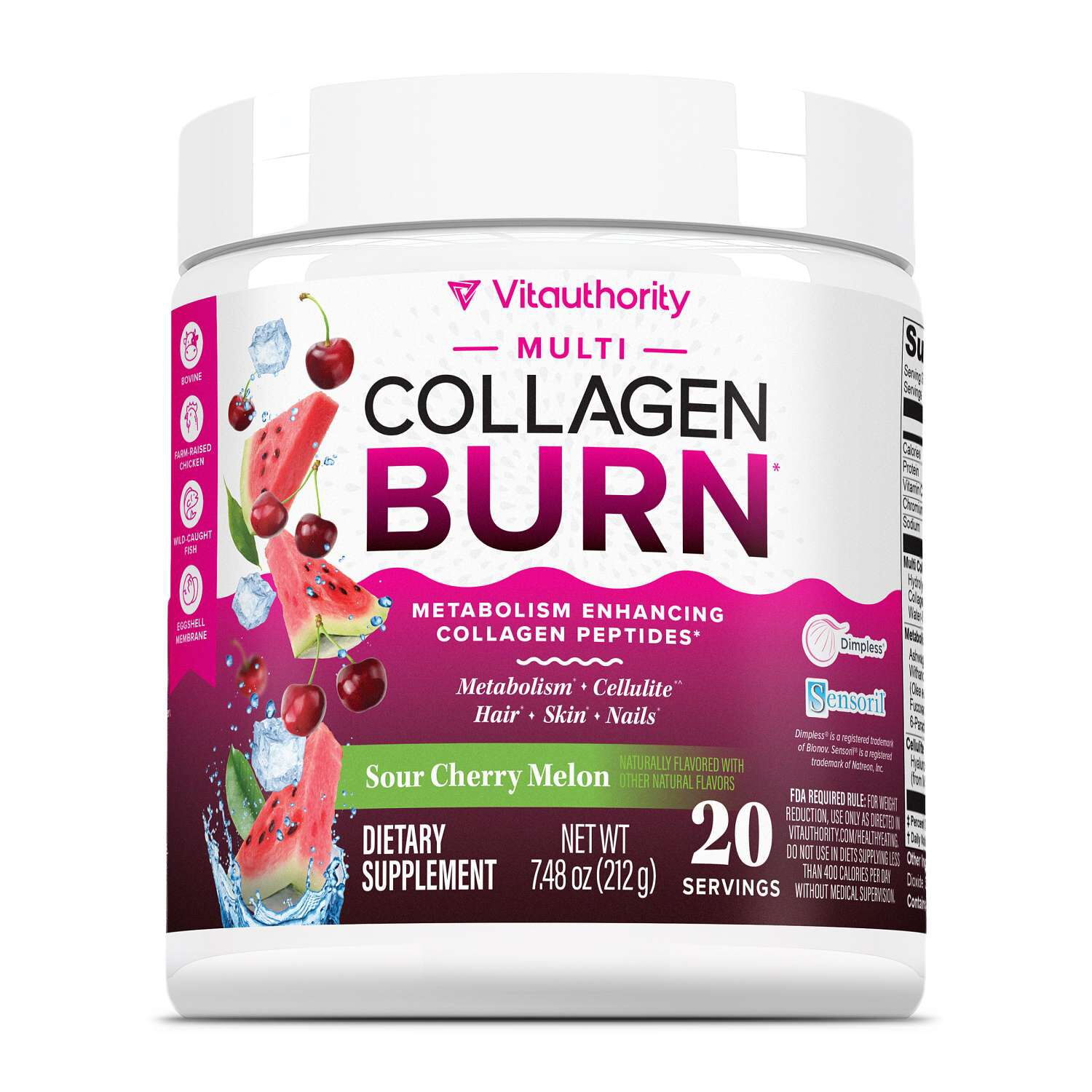
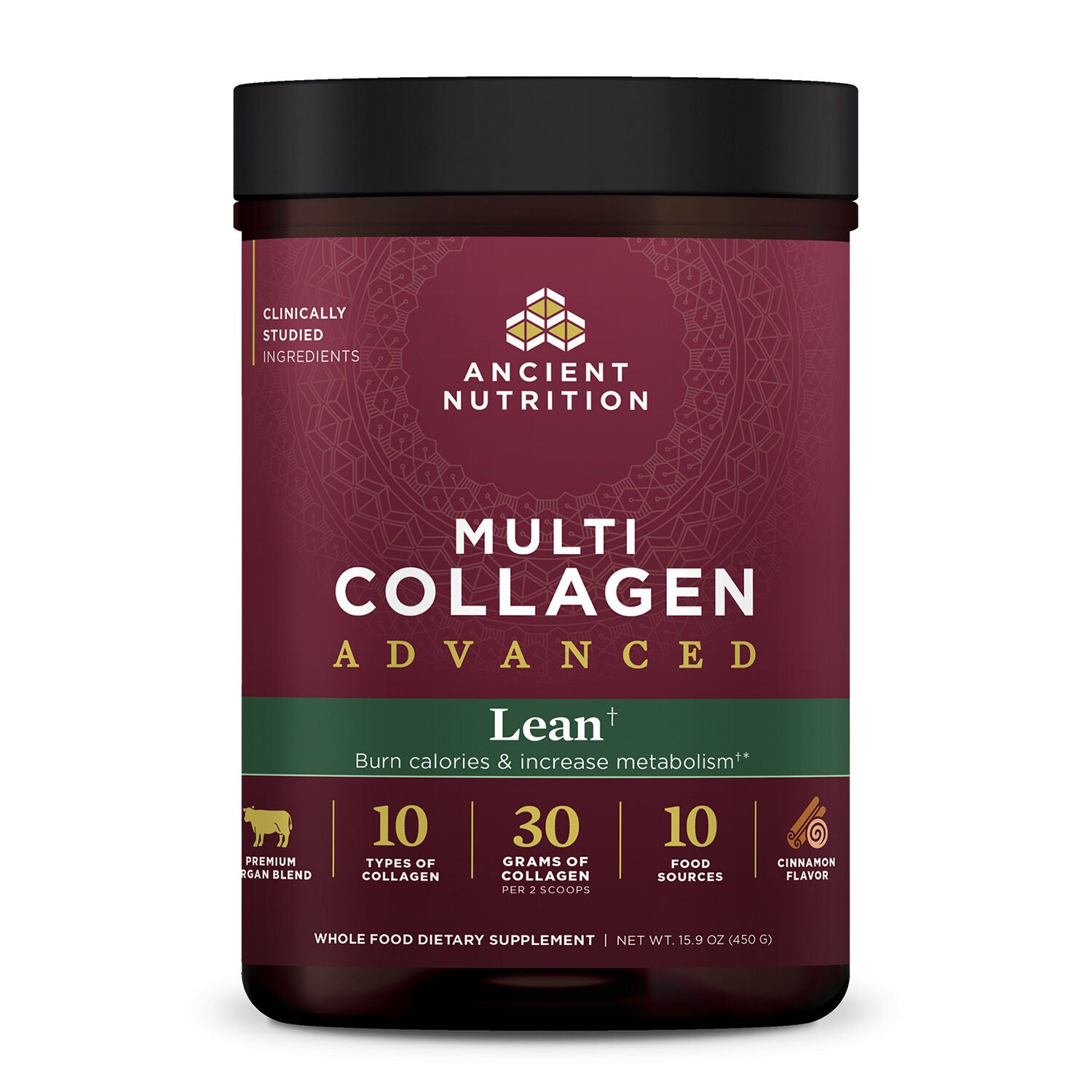
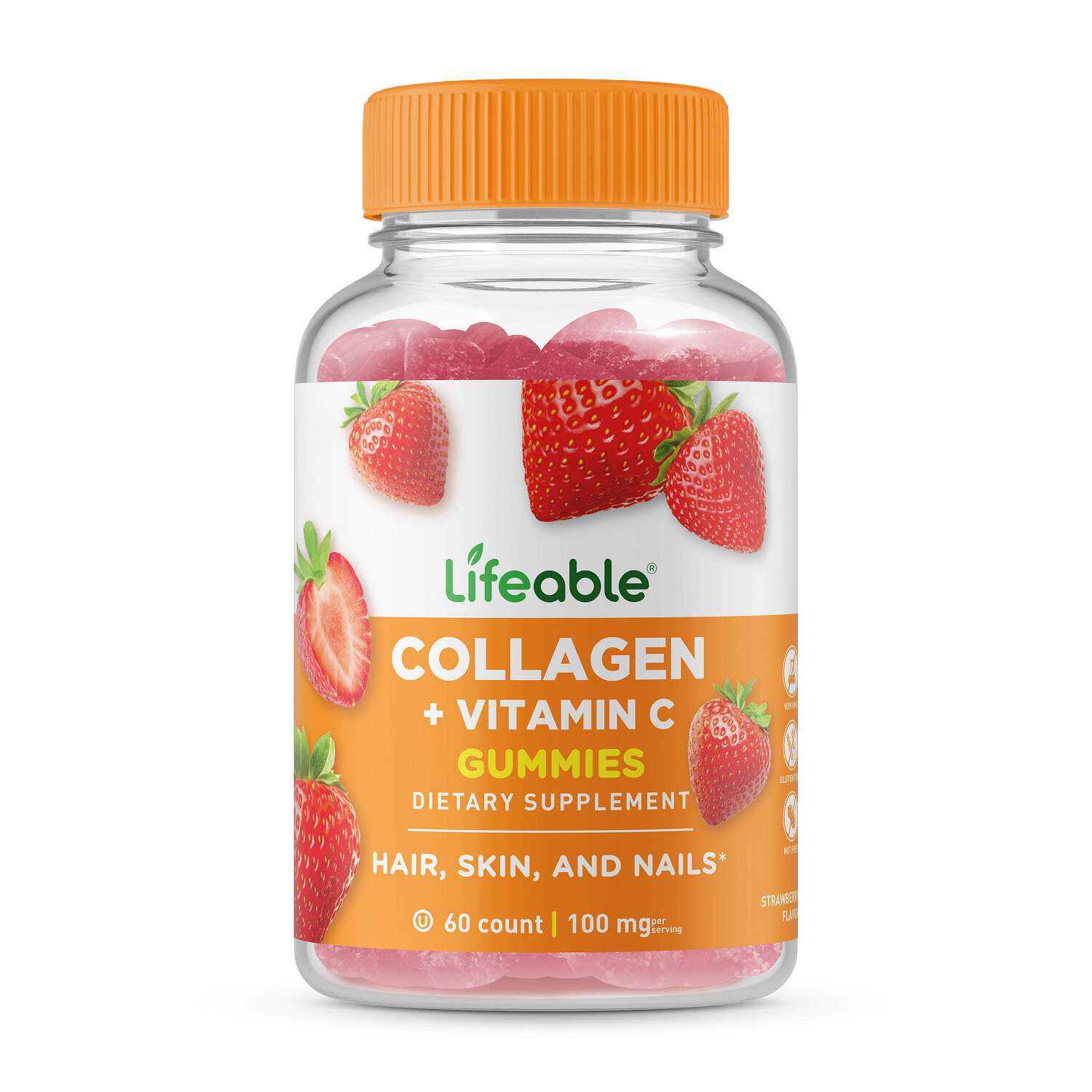
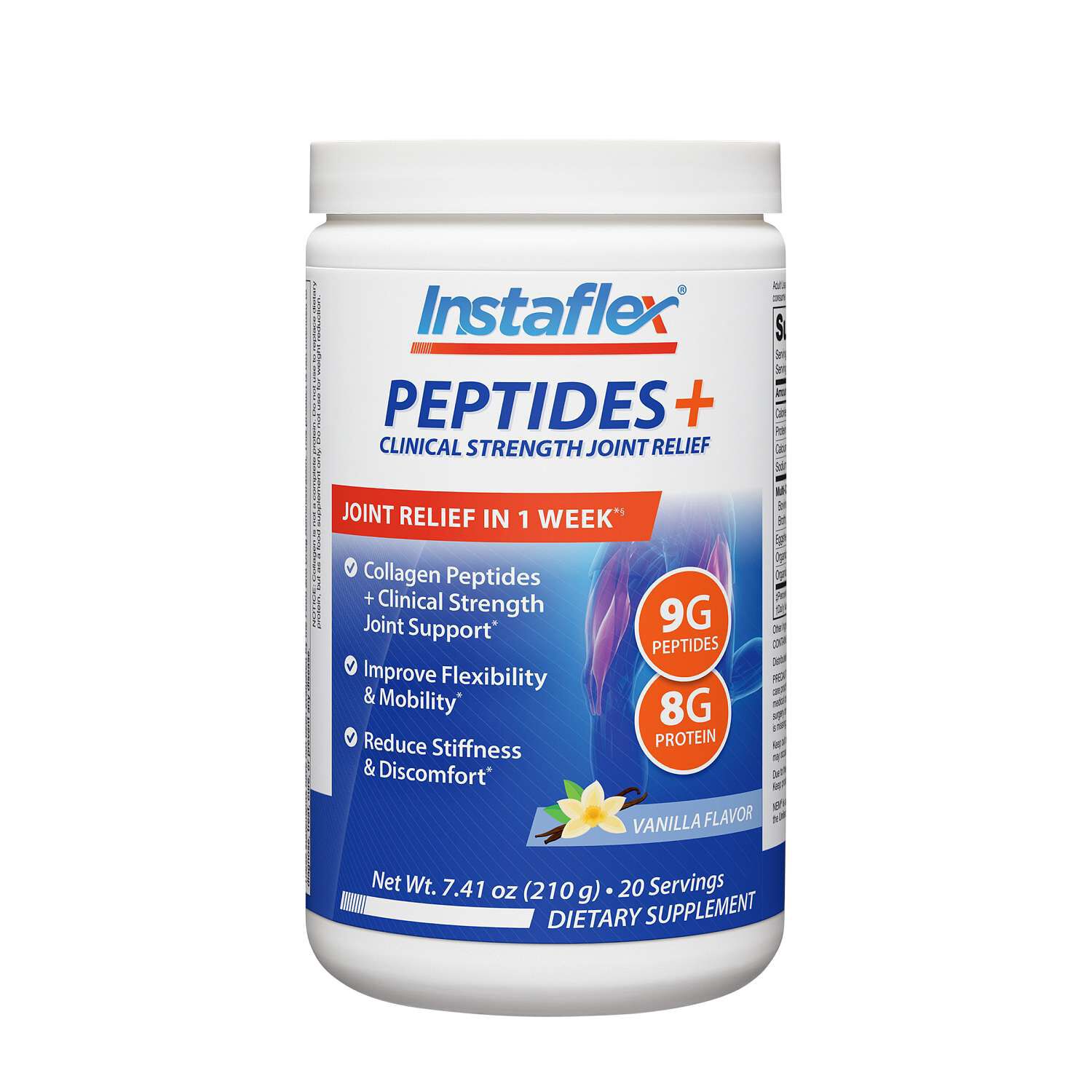
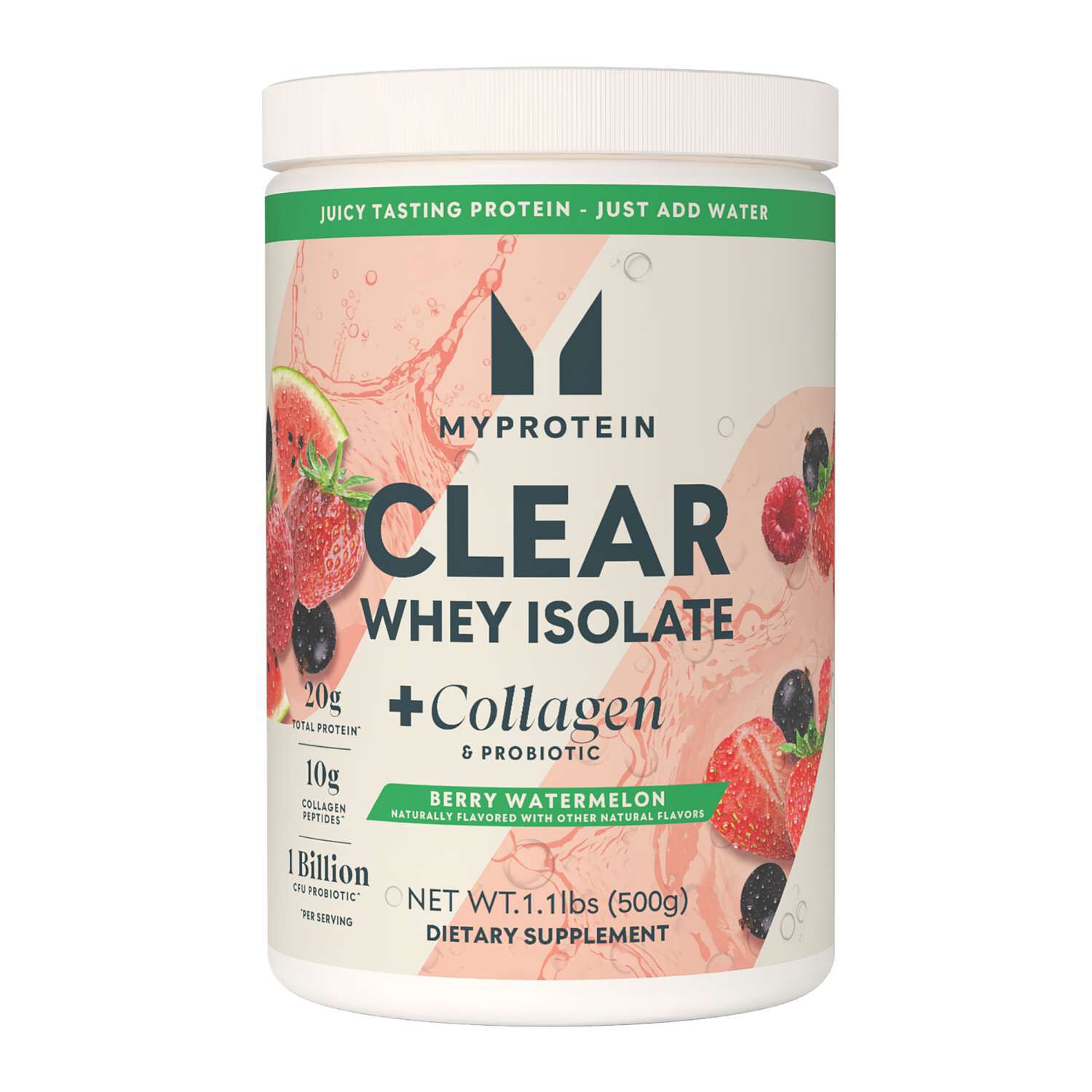
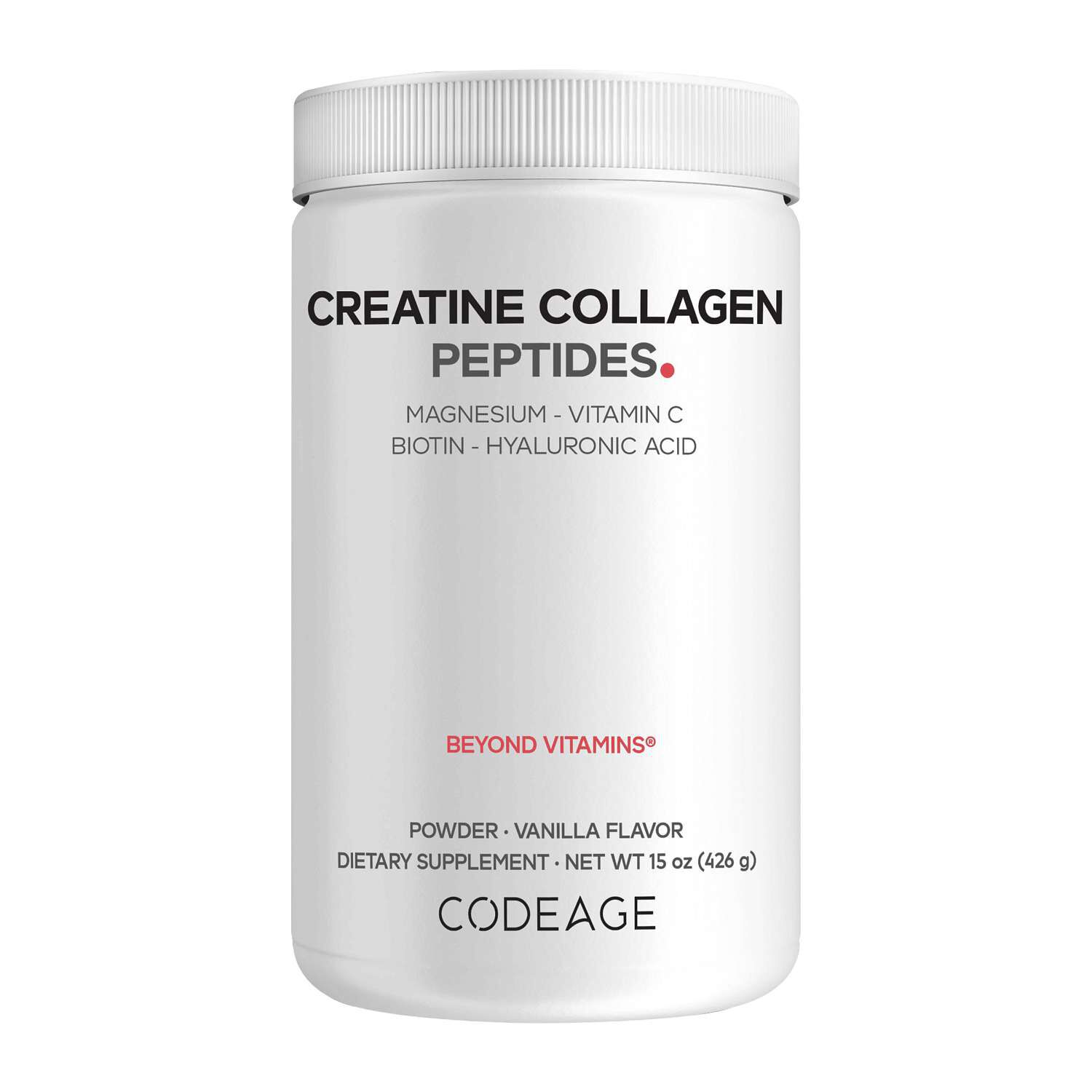
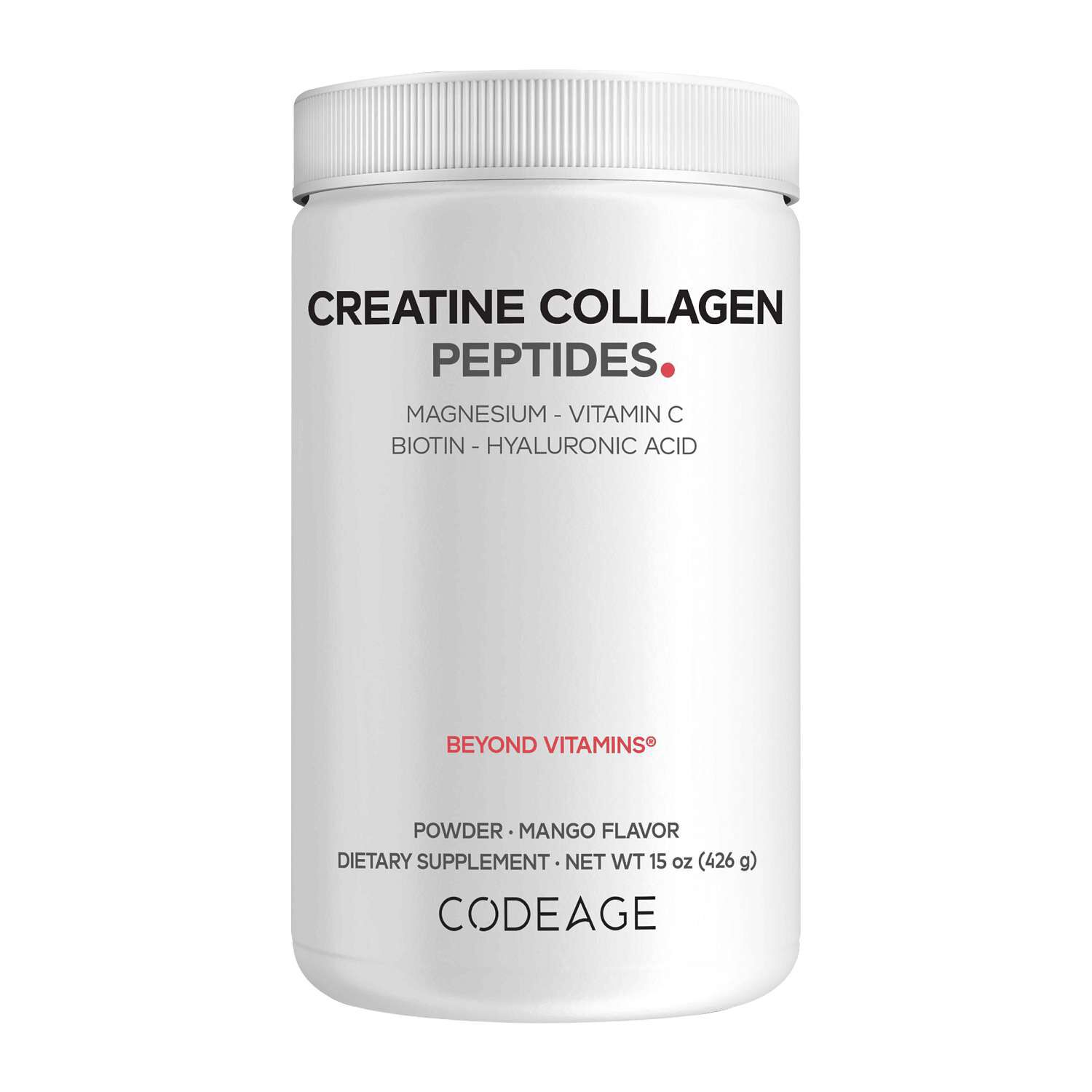
Flavored collagen combines collagen protein with ingredients that create a recognizable taste, such as vanilla, chocolate, citrus, or mixed berry. Powdered versions commonly contain hydrolyzed collagen peptides, which are smaller protein fragments produced through a process called hydrolysis. Collagen itself is a protein found in animal connective tissues, and supplement sources can include bovine, marine, or porcine ingredients. The source, flavoring, serving size, and other ingredients distinguish one formula from another, even when the names on the front of the containers sound similar. For shoppers comparing flavored collagen powders, the ingredient list and Nutrition Facts or Supplement Facts panel provide more useful detail than flavor names alone. A vanilla powder might have a short ingredient list centered on collagen and flavoring, while another formula might also contain sweeteners, creamers, vitamins, or minerals. The amount of collagen per serving is another meaningful comparison, since the weight of a scoop includes everything in the formula, not just the collagen peptides. Serving sizes also differ, so matching scoop sizes by appearance does not establish an equivalent amount. Flavor descriptions offer a starting point for choosing something that fits familiar food and drink preferences. Chocolate may appeal to someone who enjoys cocoa-based shakes, while a berry or citrus profile may suit someone looking for a fruit-flavored drink. Vanilla may be a flexible choice for combinations with coffee, oats, or a banana smoothie, depending on the preparation directions. These flavor families do not describe sweetness, richness, or texture precisely; two powders with the same named flavor may taste quite different. Some lean toward a dessert-style profile, while others emphasize tart fruit notes. Collagen also differs in amino acid composition from proteins such as whey, soy, or eggs, so these categories are not nutritionally interchangeable simply because each supplies protein. Comparing the actual formula helps keep the focus on intended use rather than assuming that every protein powder serves the same purpose.
The way flavored collagen fits into an everyday routine often comes down to the drink or food it will accompany. Someone who usually carries a bottle of water may prefer a fruit-oriented powder intended for that preparation, while a person who blends breakfast smoothies may favor vanilla or chocolate. A berry flavor mixed with plain water may have a noticeably different character from the same powder blended with yogurt and fruit. Likewise, cocoa notes may pair differently with milk, an oat beverage, or coffee. The suggested liquid amount matters because concentration influences the finished taste: less liquid may produce a stronger flavor and thicker texture, while more may soften the sweetness and intensity. Preparation directions also identify whether the formula is intended for stirring, shaking, or blending. A shaker bottle may be practical at a desk or after a workout, whereas a blender may suit recipes containing fruit, oats, or nut butter. Mixing behavior varies with the full ingredient blend, so the word “peptides” alone does not establish how a finished drink will feel. Creamers, cocoa, fibers, and other additions may contribute body, foam, or a little settling. Texture preferences deserve as much attention as flavor preferences, especially for someone who wants a lighter drink rather than a shake-like consistency. Sweeteners are another useful point of comparison. Formulas may use sugar, stevia, monk fruit, sucralose, or combinations of ingredients, each with a different taste profile. A familiar sweetener may be a more comfortable starting point for someone particular about aftertaste. Added sugars, calories, and protein per serving belong alongside those flavor details when reviewing the label. Pairings matter, too: a strongly flavored powder may compete with a delicate tea, while a simpler vanilla profile may sit more quietly alongside other ingredients. There is no single flavor that suits every preparation, and the most practical choice may be the one that matches an existing habit without requiring an elaborate recipe.
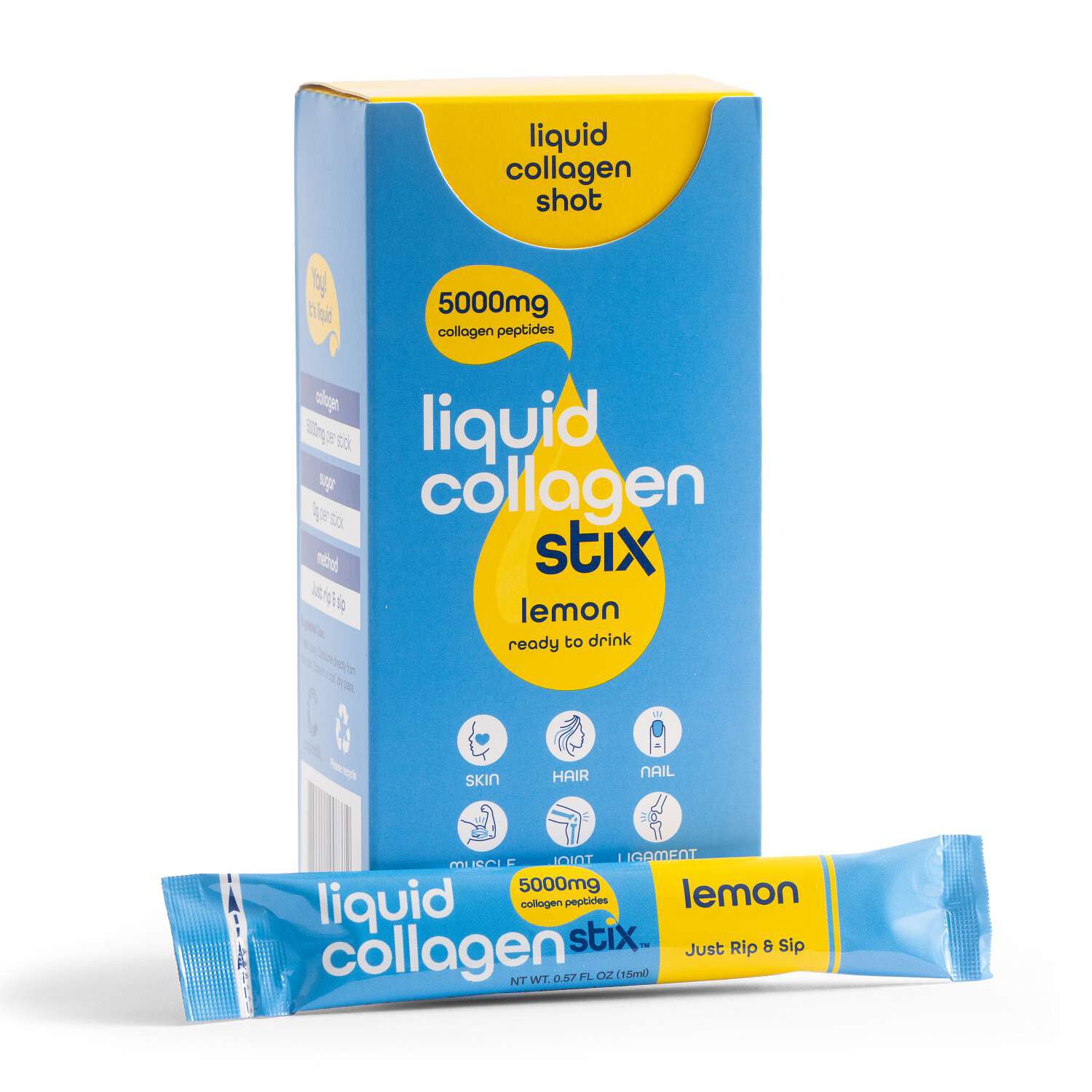
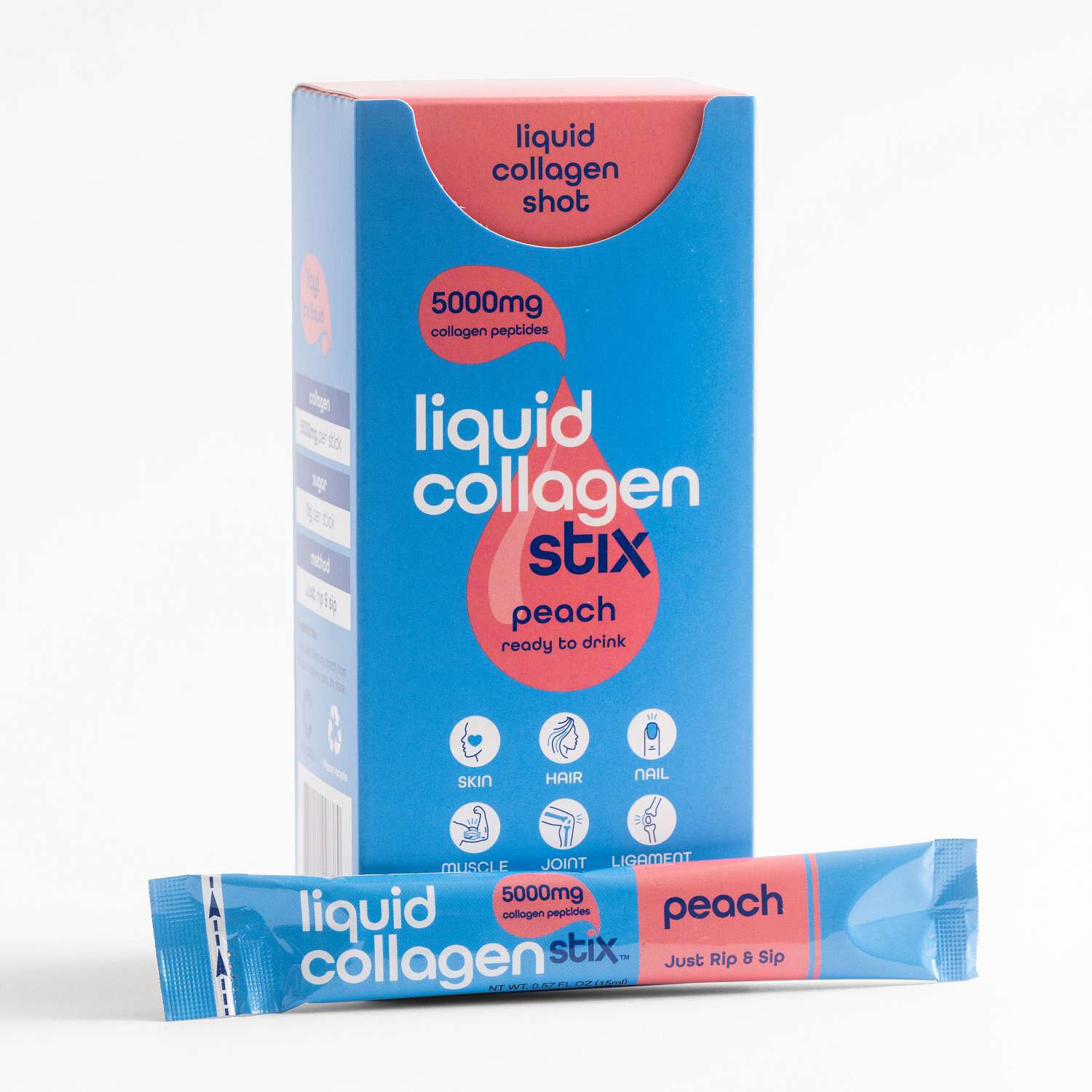
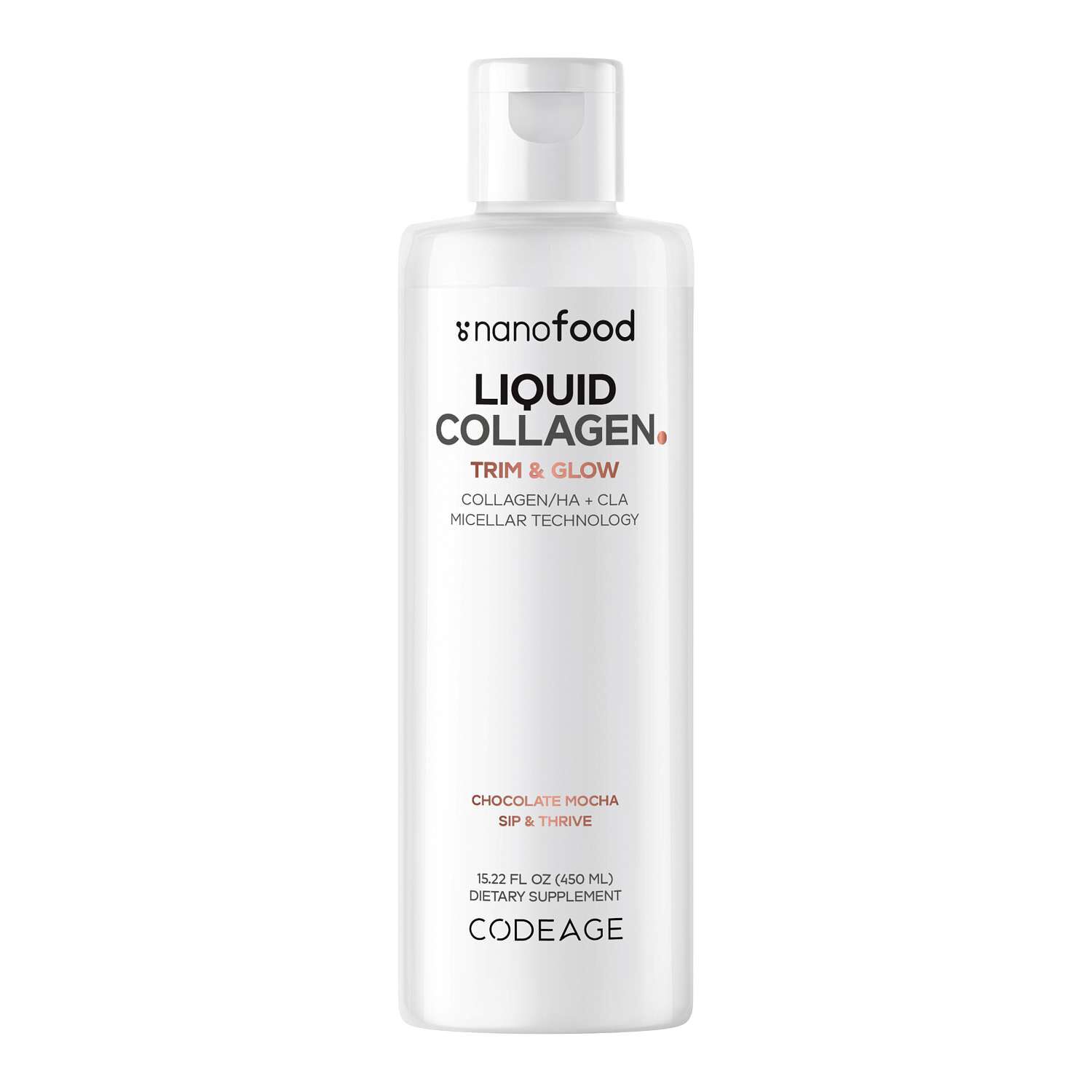
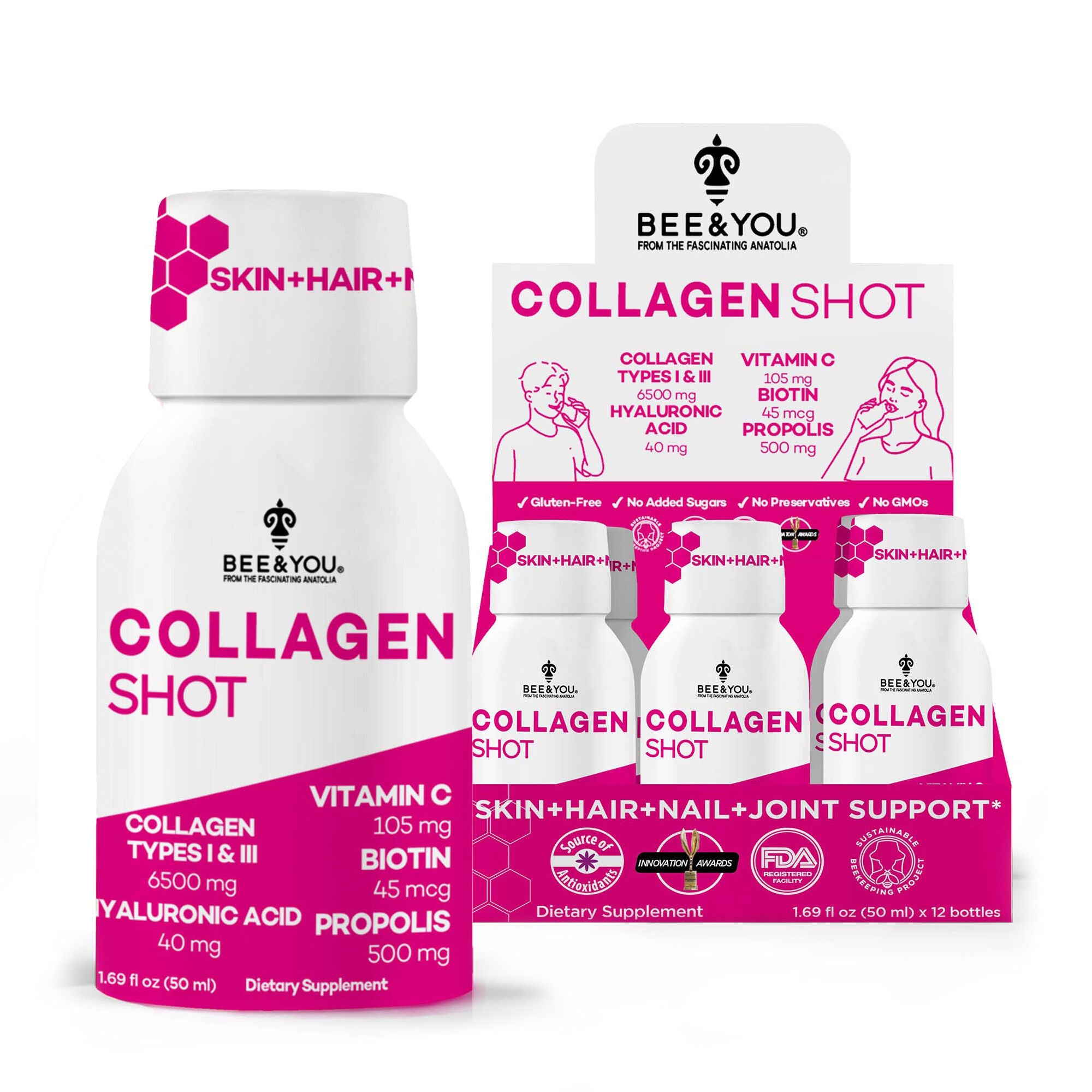
Format and packaging are worth considering alongside the formula itself. A container with a measuring scoop may suit a kitchen counter or pantry, while individually portioned packets may be convenient for a work bag or travel case. Ready-to-drink formats involve different considerations, including bottle size, serving information, and storage directions before and after opening. For powders, the number of servings per container is more useful than judging the package by its size, since serving weights and ingredient blends vary. A clearly marked scoop and readable directions may make everyday measuring simpler, but the serving information on the label remains the reference point. Storage instructions matter as well. A securely closed container, dry measuring utensil, and placement away from moisture are practical considerations for powder care; any additional directions on the package take precedence. With food preferences, the collagen source deserves a closer look. Marine collagen is not necessarily suitable for someone avoiding fish, and bovine or porcine sources may not fit certain dietary practices. Flavor names do not reveal all of those details, and an ingredient list should be considered together with the allergen statement. Collagen is animal-derived, so it is distinct from plant-based formulas marketed around similar beauty or nutrition themes. Shoppers who prefer a particular approach to flavoring can also explore collagen drinks and compare the ingredient details with their own preferences. Flavoring terminology alone does not describe the entire formula, including its sweeteners or other additions. For a shared household, individual tastes and dietary requirements may make separate flavor choices more practical than one large container. For personal use, a familiar flavor, a suitable serving format, and straightforward preparation may matter more than an unusual combination. Taken together, the source information, collagen amount, flavor ingredients, texture expectations, and package directions provide a grounded way to compare flavored collagen for the foods and drinks already part of the day.
Best Sellers
-
Ancient Nutrition
-
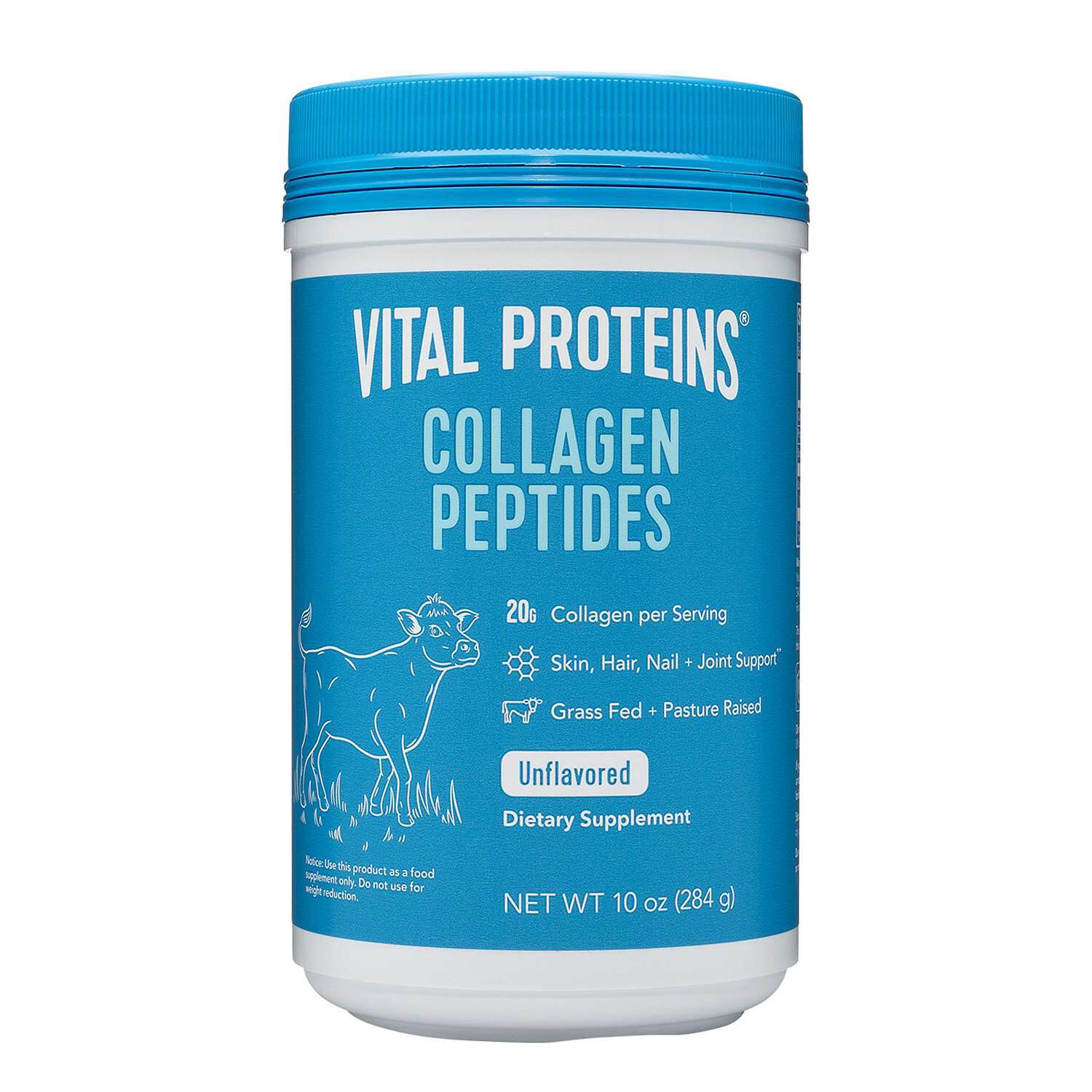 Vital Proteins