





Flavored Joint Support Powders
(0 Results)
Flavored joint support powders offer a convenient and enjoyable way to add joint-focused supplements to your daily routine. With a variety of delicious flavors, these powders can easily be mixed into water or your favorite beverage, making it simple to incorporate supportive ingredients into your lifestyle. Explore the selection of flavored joint support powders and discover options that may fit seamlessly into your wellness journey.
-
-
-

-
 Portions Master$49.99
-
 Portions Master$49.99
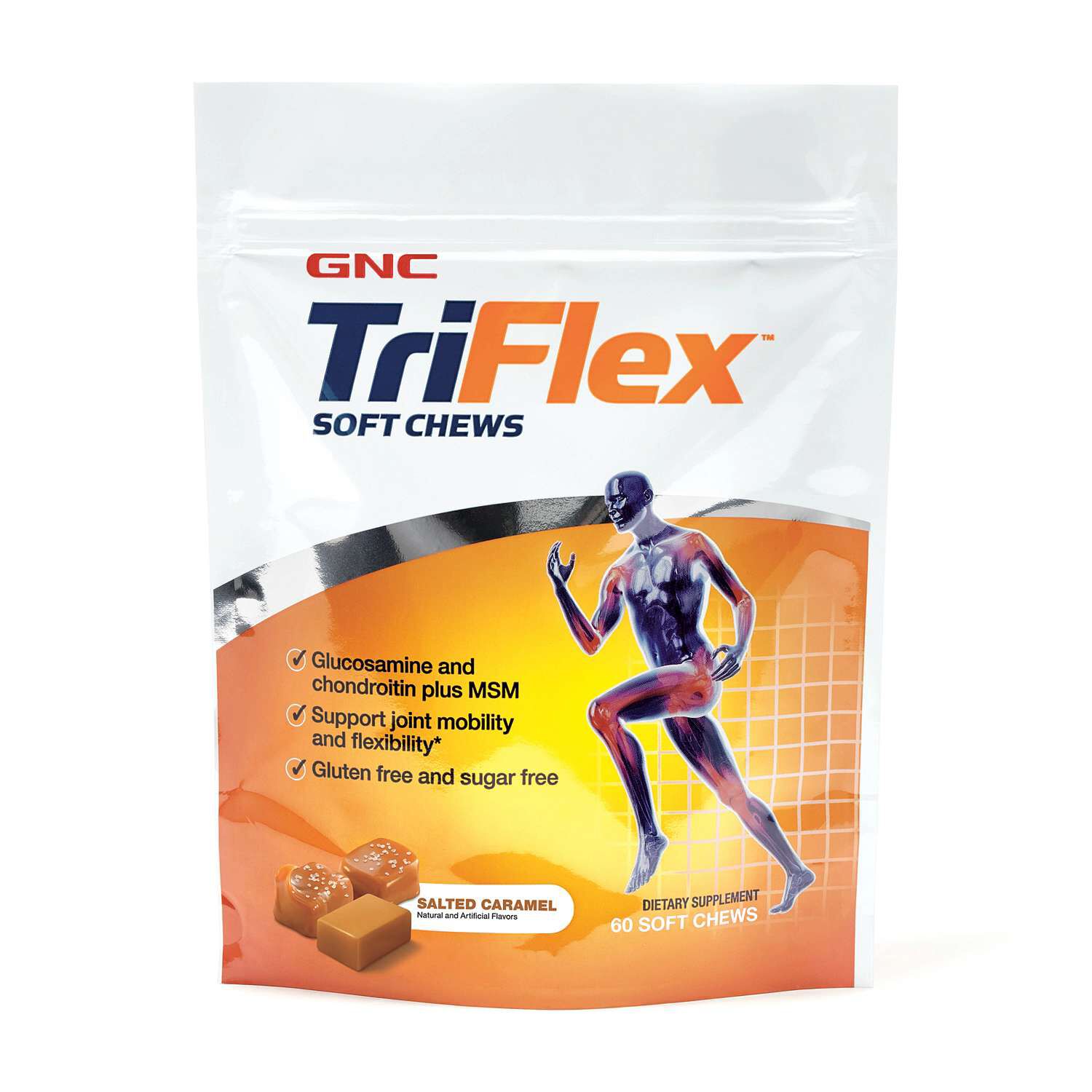
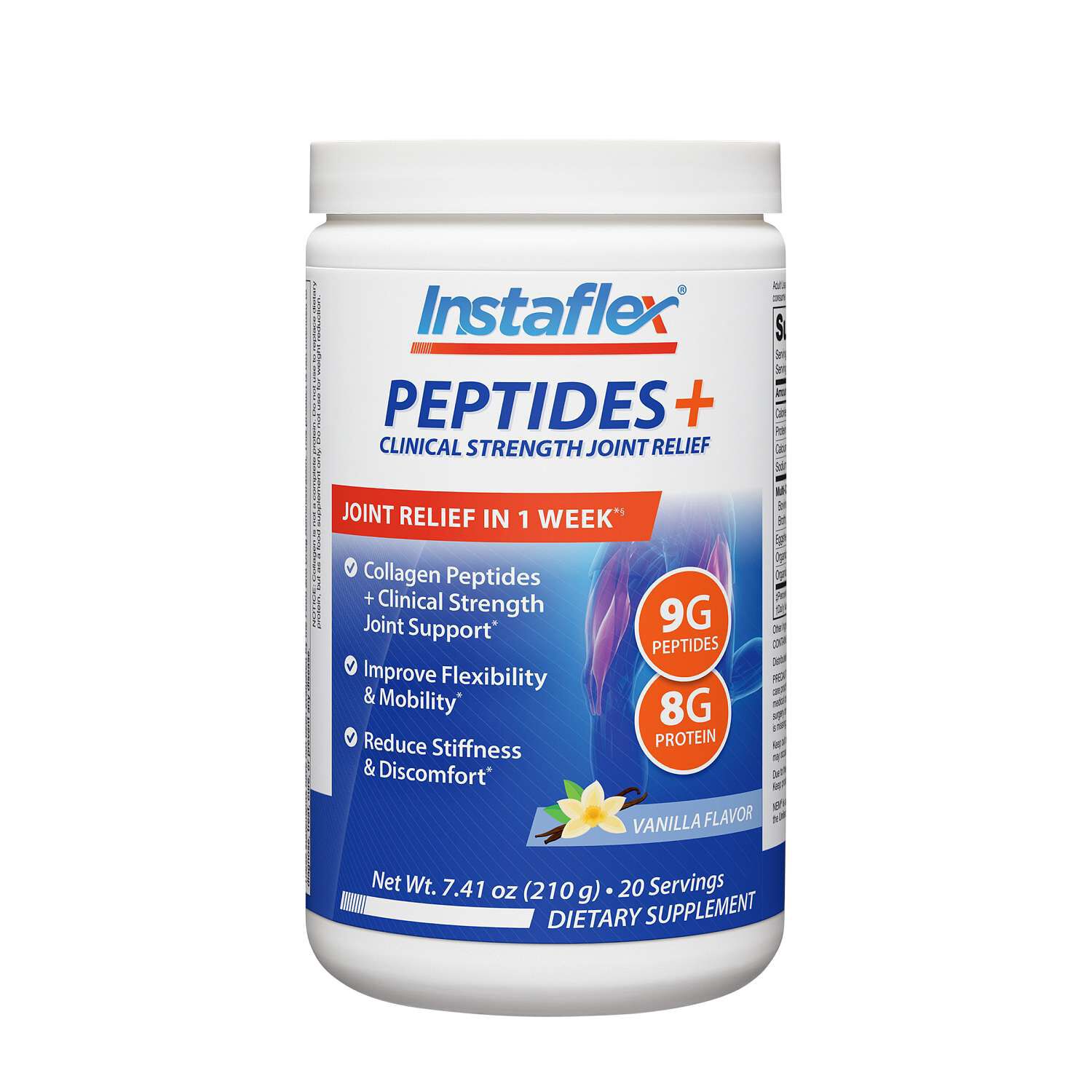
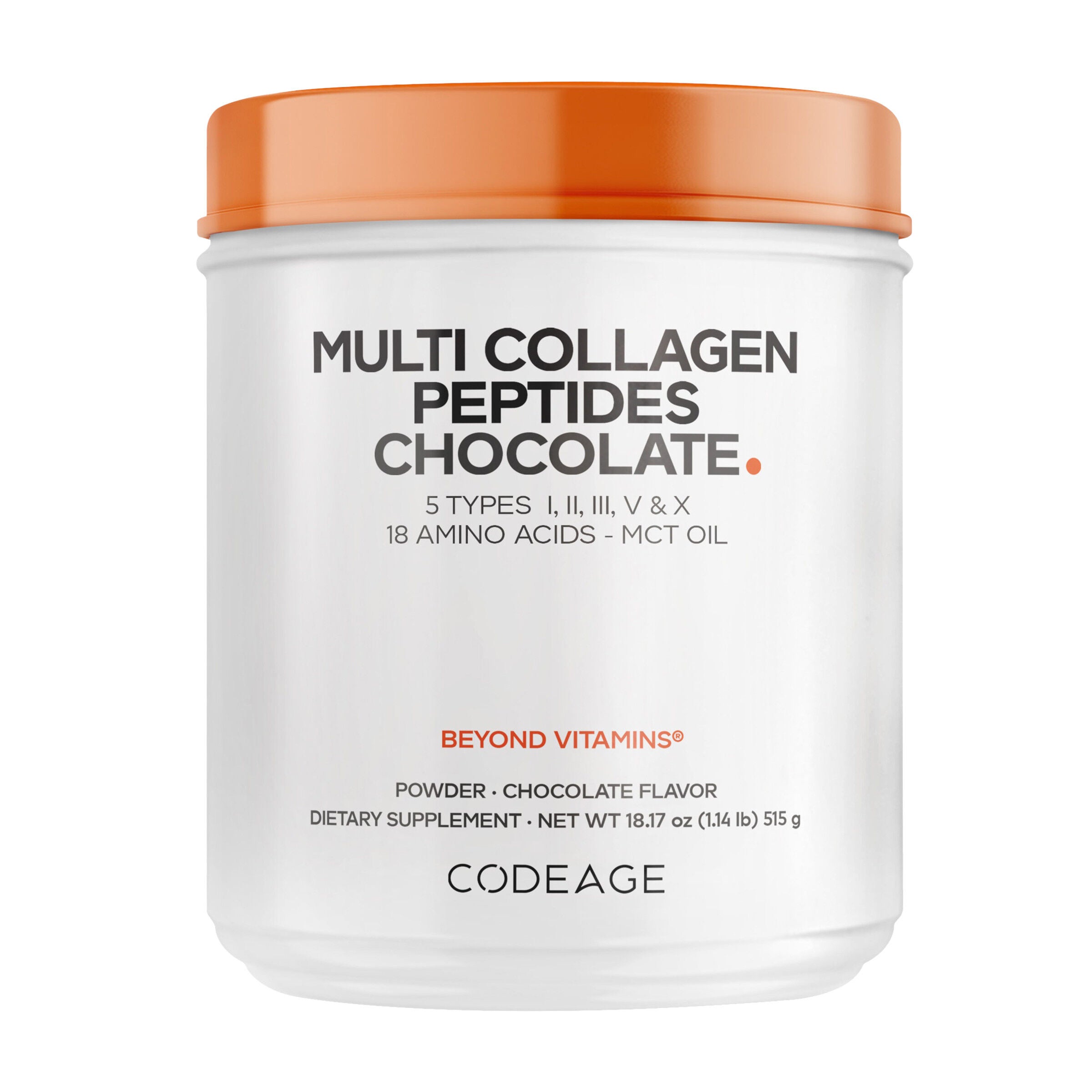
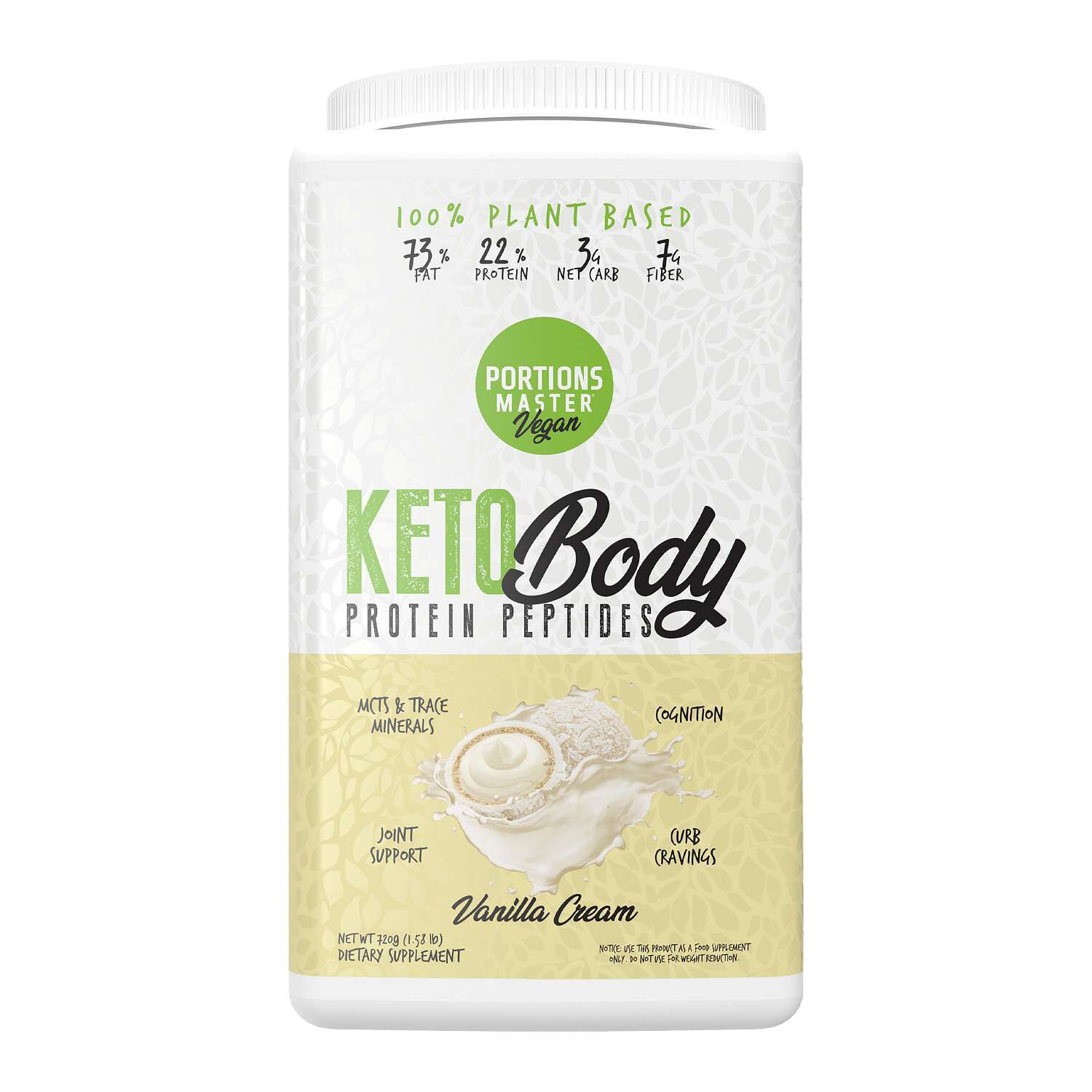
Flavored joint support powders are dietary supplements that pair ingredients commonly used in joint-focused nutrition with flavorings for mixing into a beverage. Depending on the formula, those ingredients may include collagen peptides, glucosamine, chondroitin, methylsulfonylmethane (MSM), or hyaluronic acid, sometimes alongside vitamins and minerals. The category includes different ingredient combinations rather than one standard recipe, so two powders with similar flavor descriptions may have very different compositions. Formulas labeled for adults are distinct from supplements intended for pets; the intended user matters more than a shared flavor or ingredient name. For adults who prefer a drink mix to capsules or tablets, a flavored powder may offer a format that fits familiar routines, such as preparing a beverage with breakfast or packing a shaker for a day away from home. Joint-focused nutrition may interest people with varied schedules, from regular walkers and recreational athletes to adults who spend much of the day on their feet. Those interests do not make every formula interchangeable, and a supplement’s name alone does not describe its contents or suitability. Fruit-inspired flavors, including berry, citrus, and tropical combinations, are familiar choices in drink mixes, while sweetness and tartness vary with the recipe. A bright citrus profile may suit someone who likes a tangy drink, whereas a softer berry flavor might appeal to someone who prefers a less sharp taste. Flavor names describe the intended taste, not necessarily the source of the ingredients: a fruit-flavored powder may contain animal-derived collagen, for example. The ingredient list, serving information, and preparation directions provide a more useful picture than flavor alone. That distinction is especially relevant for a powder intended for repeated use, where the taste, serving size, and preparation method all have a place in the decision. A pleasant flavor may make a measured serving more appealing, but it does not establish what the formula contains or how it compares with another supplement format.
Ingredient sources and clearly stated amounts are meaningful points of comparison within flavored joint support powders. Collagen may come from bovine, marine, or other animal sources, while glucosamine may have shellfish-derived or other origins. A fruit illustration on the package does not establish that a formula is plant-based, and a short ingredient list does not establish compatibility with every dietary preference. Source details, allergen statements, and dietary labeling provide context for shoppers with particular requirements. The amount of a featured ingredient also deserves attention alongside the serving size. The weight of a scoop includes the finished blend, which may contain flavorings, sweeteners, acids, colors, and ingredients used for texture as well as the named joint-focused ingredients. A large scoop therefore does not necessarily represent a larger amount of collagen, glucosamine, or another featured component. Likewise, the number of scoops in a serving may differ between formulas. These distinctions matter when comparing labels, particularly when one package emphasizes an ingredient name and another emphasizes a blend. Sweetening systems are another source of variation. Some formulas use sugar, some use other sweeteners, and some combine different approaches; the resulting taste may range from lightly sweet to closer to a fruit drink. For shoppers who pay attention to sugar, calories, sodium, or protein, the nutrition or supplement information is more informative than descriptions such as “light” or “refreshing.” Texture has its own role, too. Depending on the ingredients and preparation, a mixed serving may seem clear and thin, slightly cloudy, or fuller in body. Collagen-containing blends and formulas with several powdered ingredients may have different mouthfeels, even when their flavor names are similar. Someone who enjoys a simple water-based drink may have different preferences from someone accustomed to thicker shakes. A joint-focused powder is also a different category from a general protein powder or meal replacement, even when the ingredient lists overlap. Its intended use and labeled serving information provide the relevant context.
Preparation and storage are practical parts of choosing a flavored joint support powder for an everyday routine. Label directions establish the suggested liquid amount, mixing method, and serving measurement; a scoop is a measuring tool, not a reason to estimate by eye. A shaker bottle may suit a formula intended for vigorous mixing, while another powder may have directions for stirring into a glass. Using the stated liquid volume gives the intended starting point for flavor concentration, since a small glass and a large bottle may produce noticeably different tastes from the same serving. Water, milk, and other beverages are not automatically interchangeable in every recipe, so the package directions remain relevant when deciding what to mix. For a morning routine, preparation might involve a measured serving beside a breakfast glass; for a packed workday, it might mean a clean bottle and a separately measured portion in a suitable, securely closed container. Packaging format matters in these settings. A tub has different handling and storage needs from individually portioned packaging, and either format needs protection from spills and moisture. A dry scoop, a firmly closed lid, and storage according to the label are straightforward considerations for keeping the powder in its intended condition. Moisture inside a container may affect texture and make measured scooping less consistent. The package date and any storage instructions also belong in the comparison, particularly for someone who uses a supplement less frequently. Beyond the container, a good fit depends on whether the flavor, preparation steps, ingredient sources, and serving format match the intended user’s preferences. Someone who dislikes very sweet drinks may value a different flavor profile from someone who enjoys a pronounced fruit taste, and someone packing a small bag may prioritize a different format from someone mixing at home. The broader Flavored Powders category provides additional context for comparing flavored supplement formats, while ingredient details and labeled intended use distinguish joint-focused options from other drink mixes.
Best Sellers
-
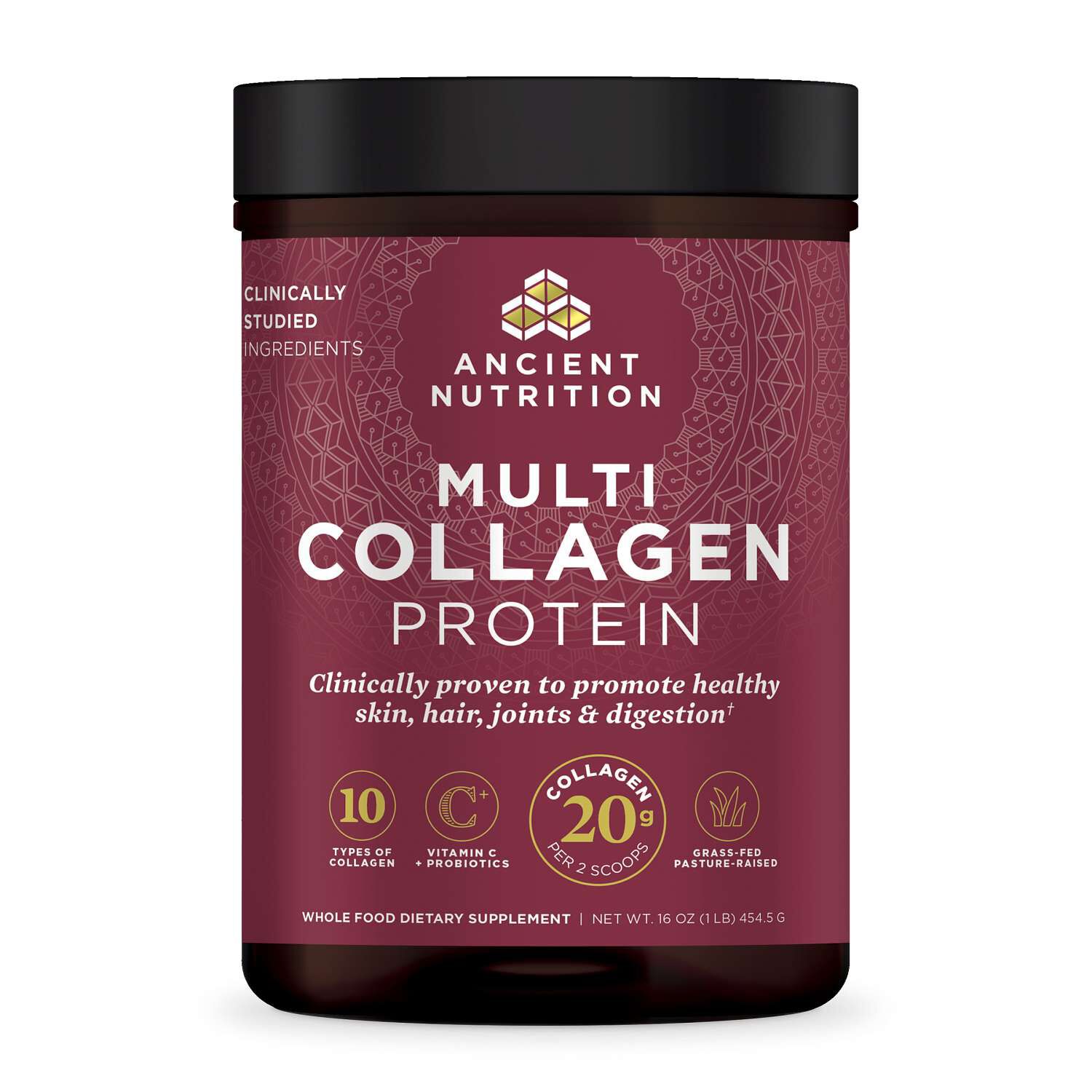 Ancient Nutrition
-
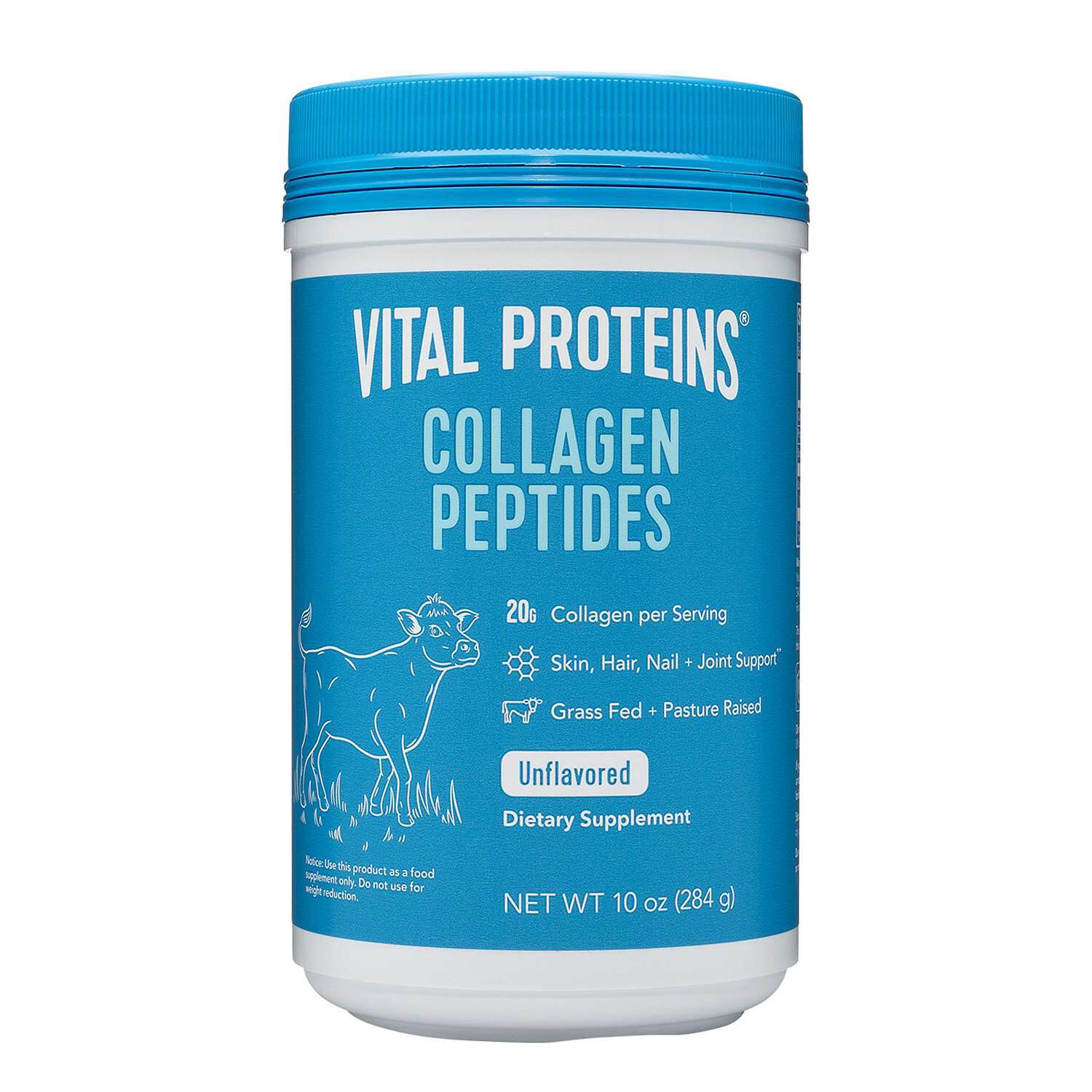 Vital Proteins
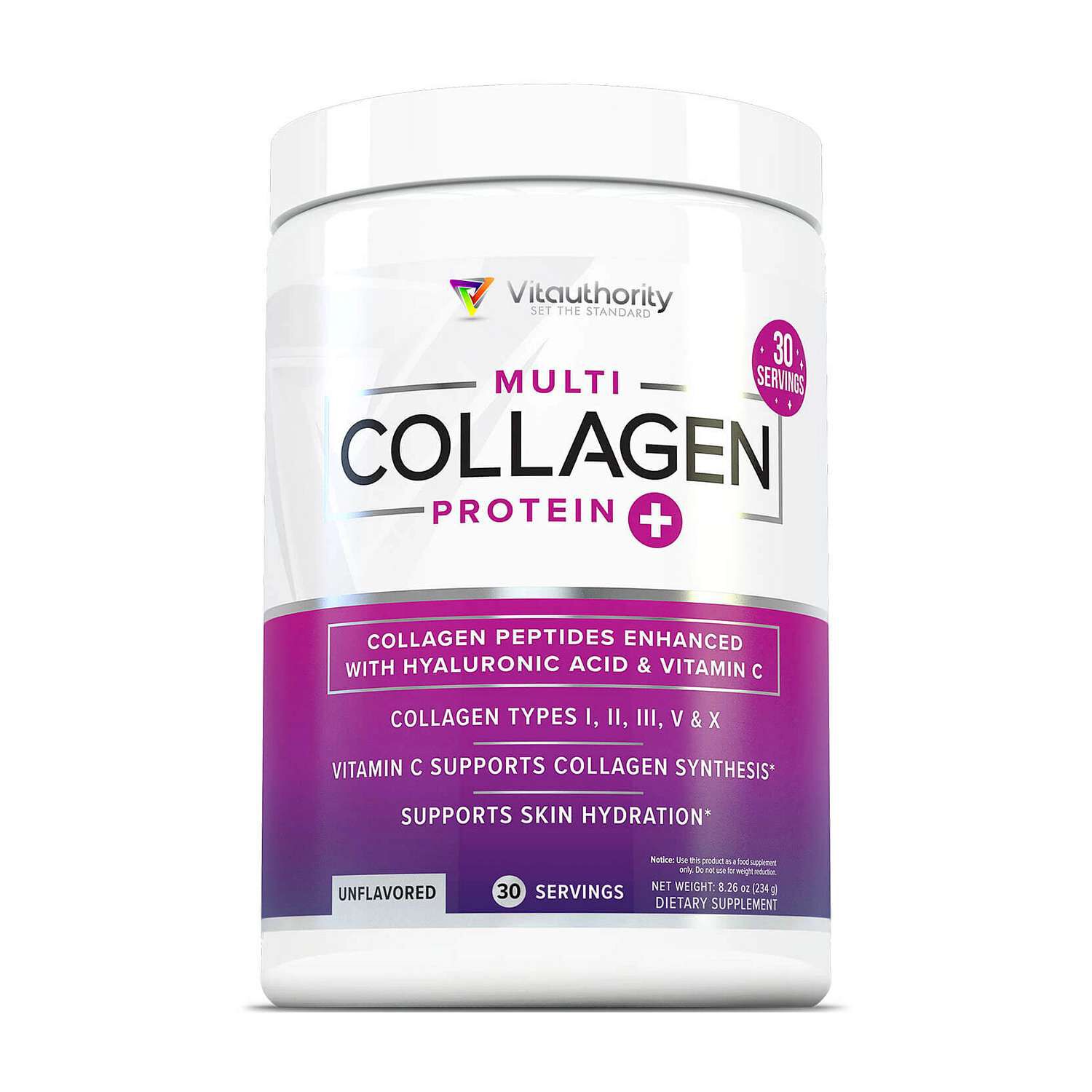
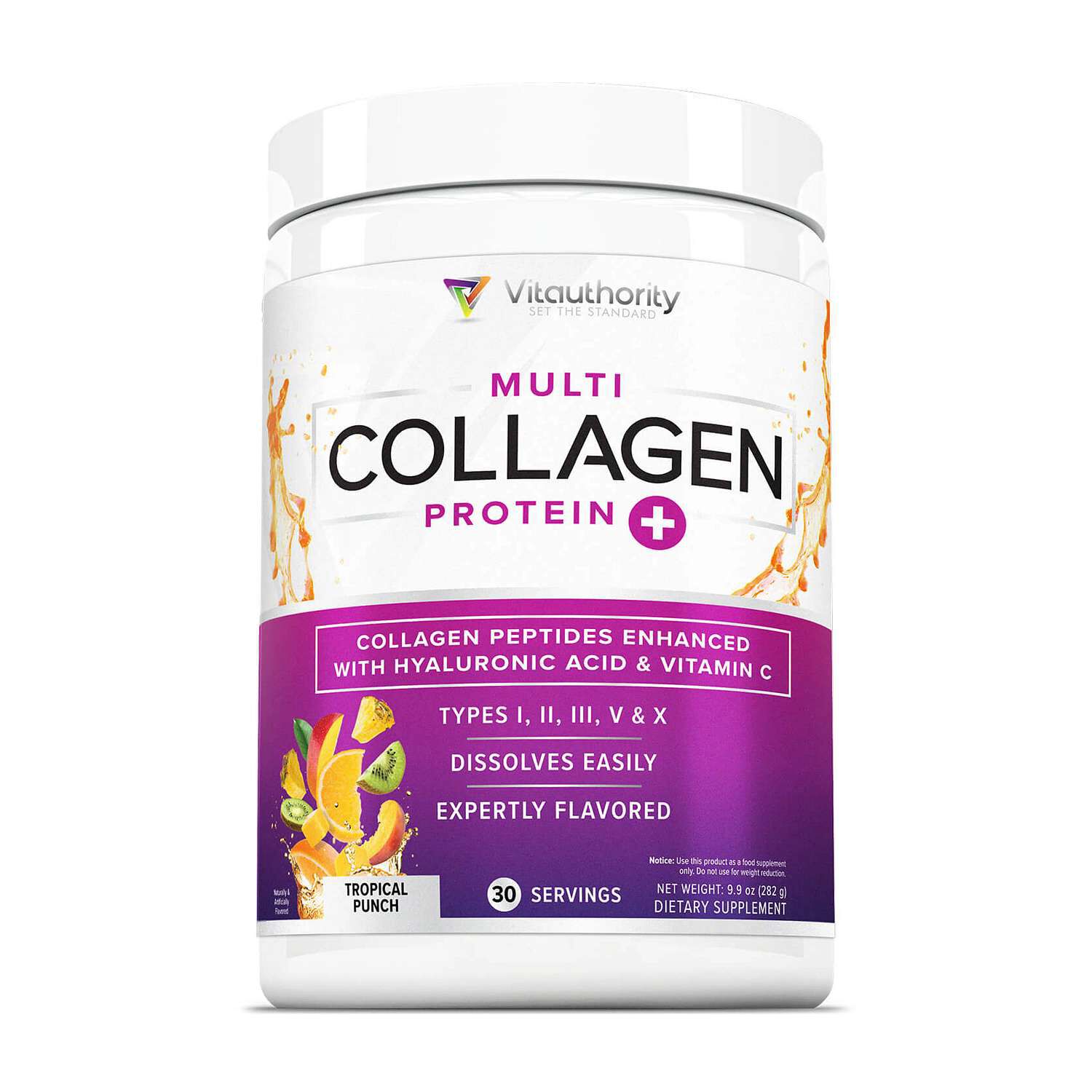
Related Pages
Top Collections
- Chronic Fatigue Supplements
- Vitamins For Hair Loss
- Capsule Supplements For Energy And Stamina
- Supplements For Yoga Joint Flexibility
- Zinc Supplements For Men
- Best Brand of Magnesium Glycinate
- Cortisol Supplements
- Supplements For Energy And Wellness
- Joint Mobility Supplement Packs
- Peptide Supplements