Flavored Powders
(0 Results)
Flavored powders offer a convenient and enjoyable way to support your wellness routine. With a variety of delicious options, these versatile powders can be mixed into water, smoothies, or your favorite beverages. Whether you're looking for something to complement an active lifestyle or simply want to add a burst of flavor to your day, flavored powders may be a great choice to explore. Discover the possibilities and find the perfect fit for your personal preferences.


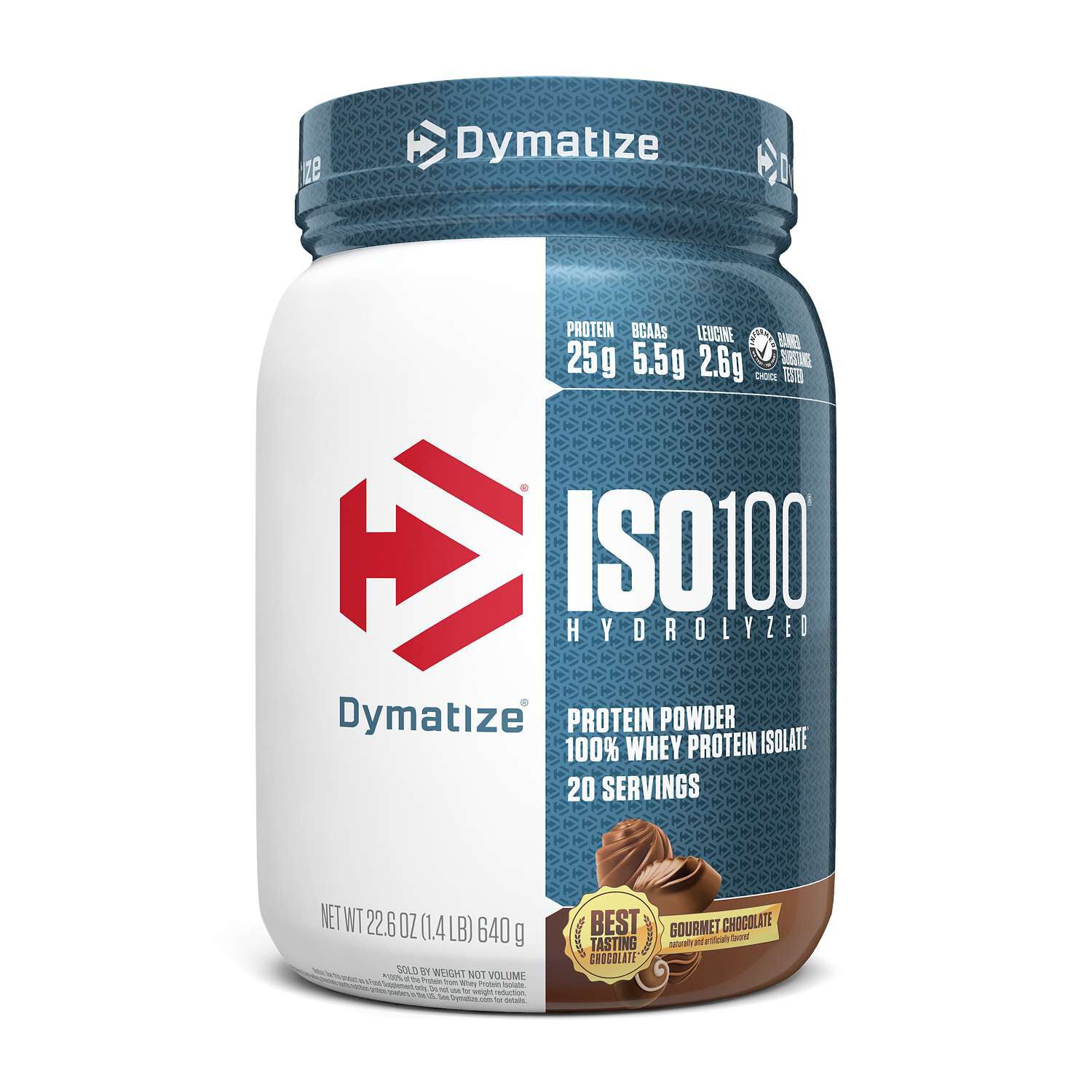

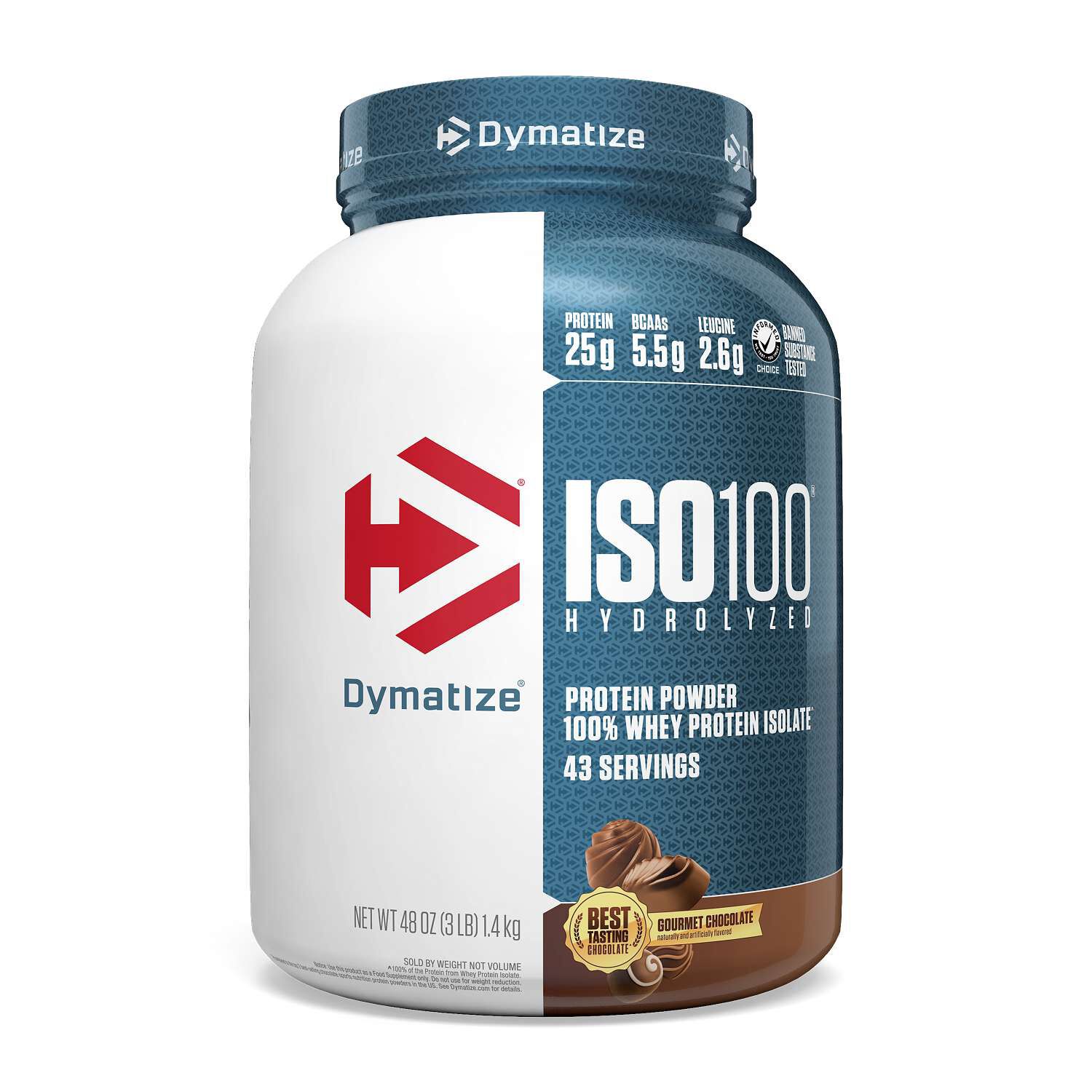
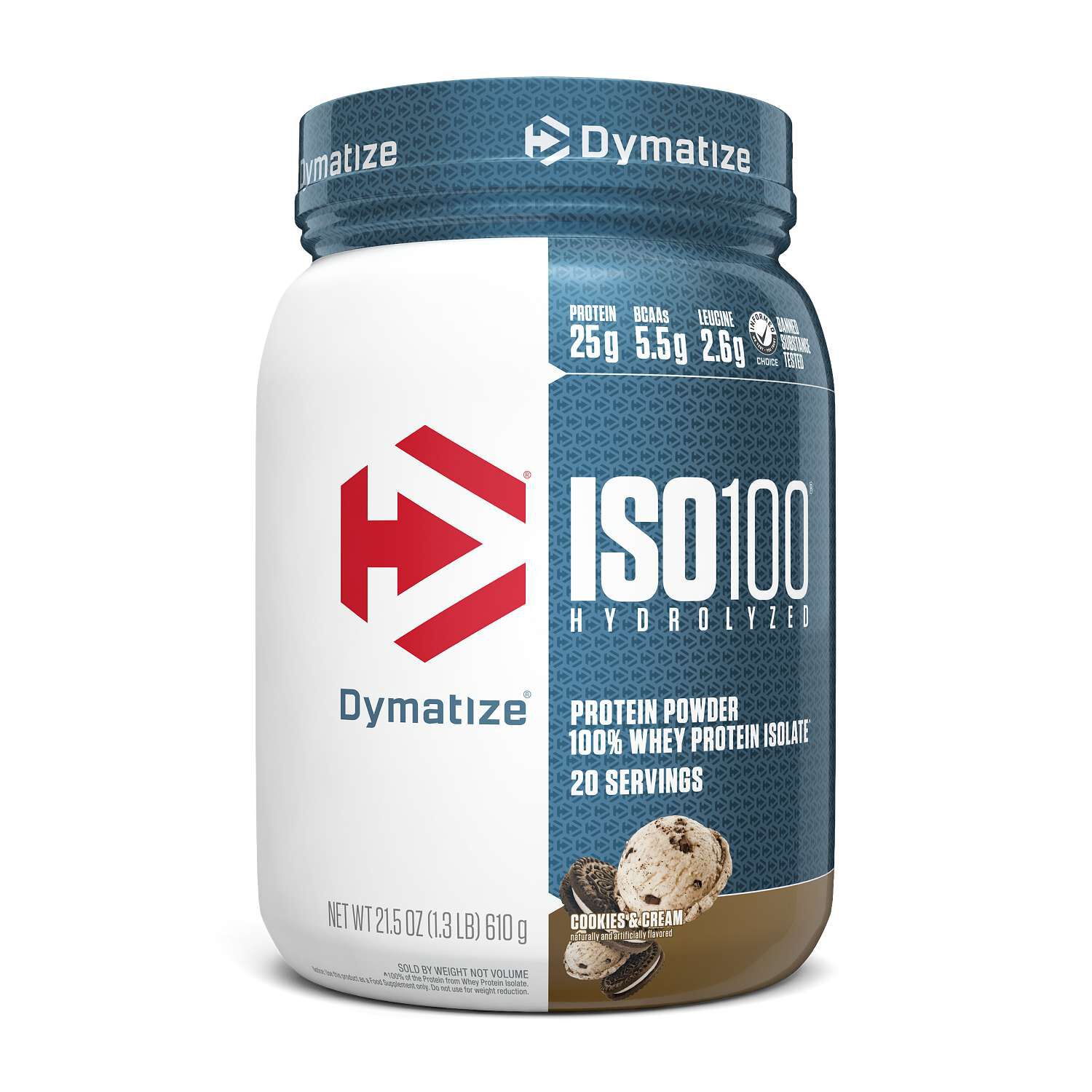


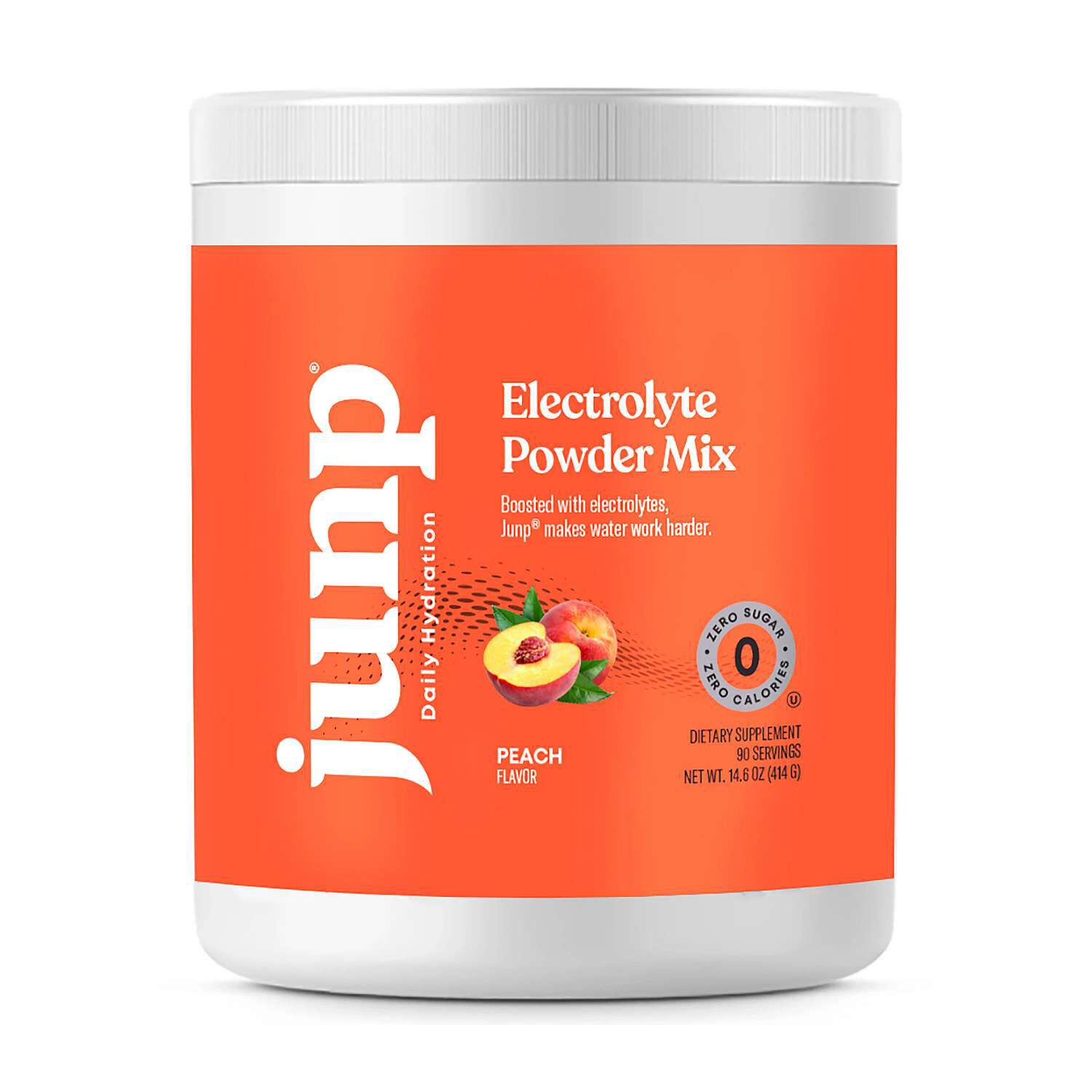


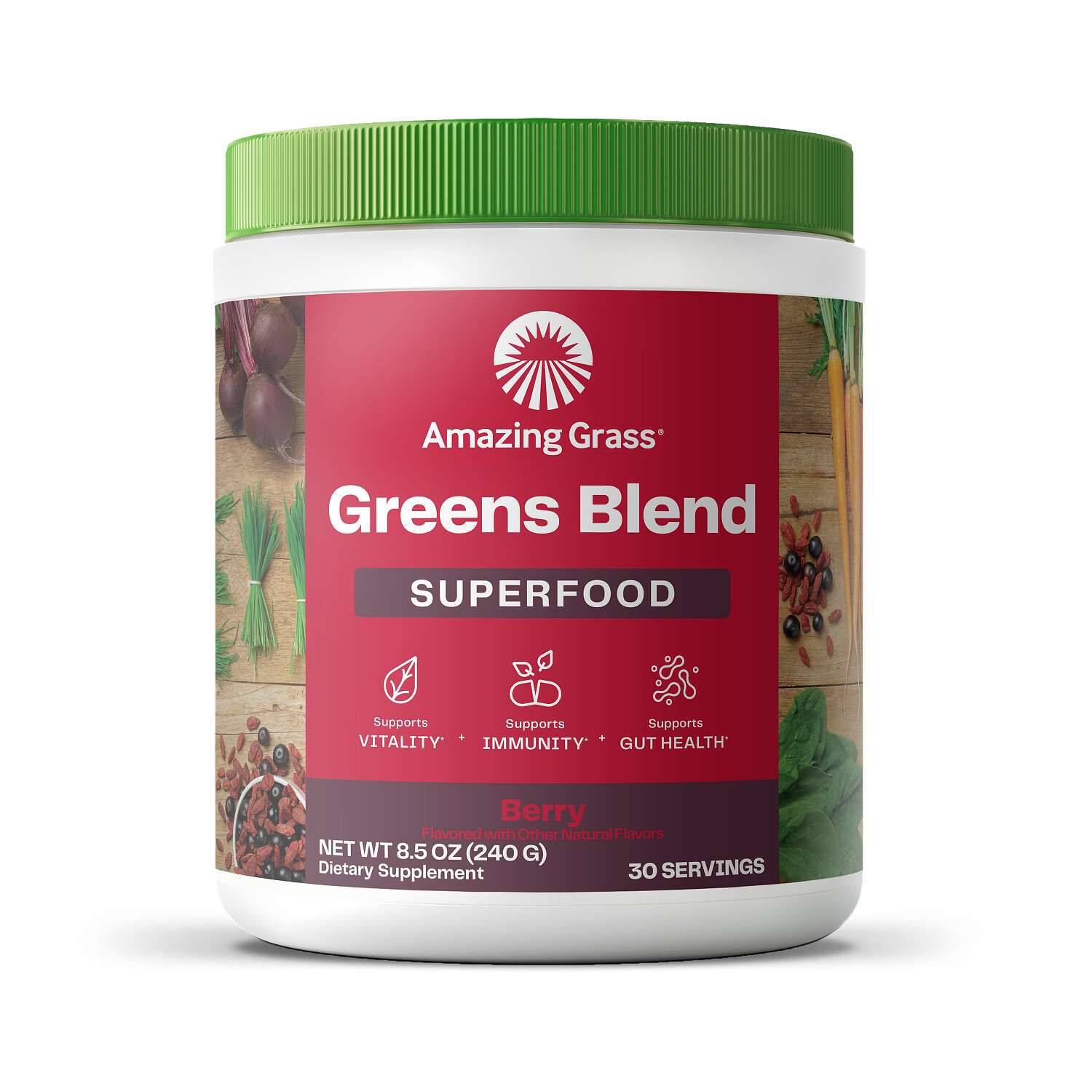
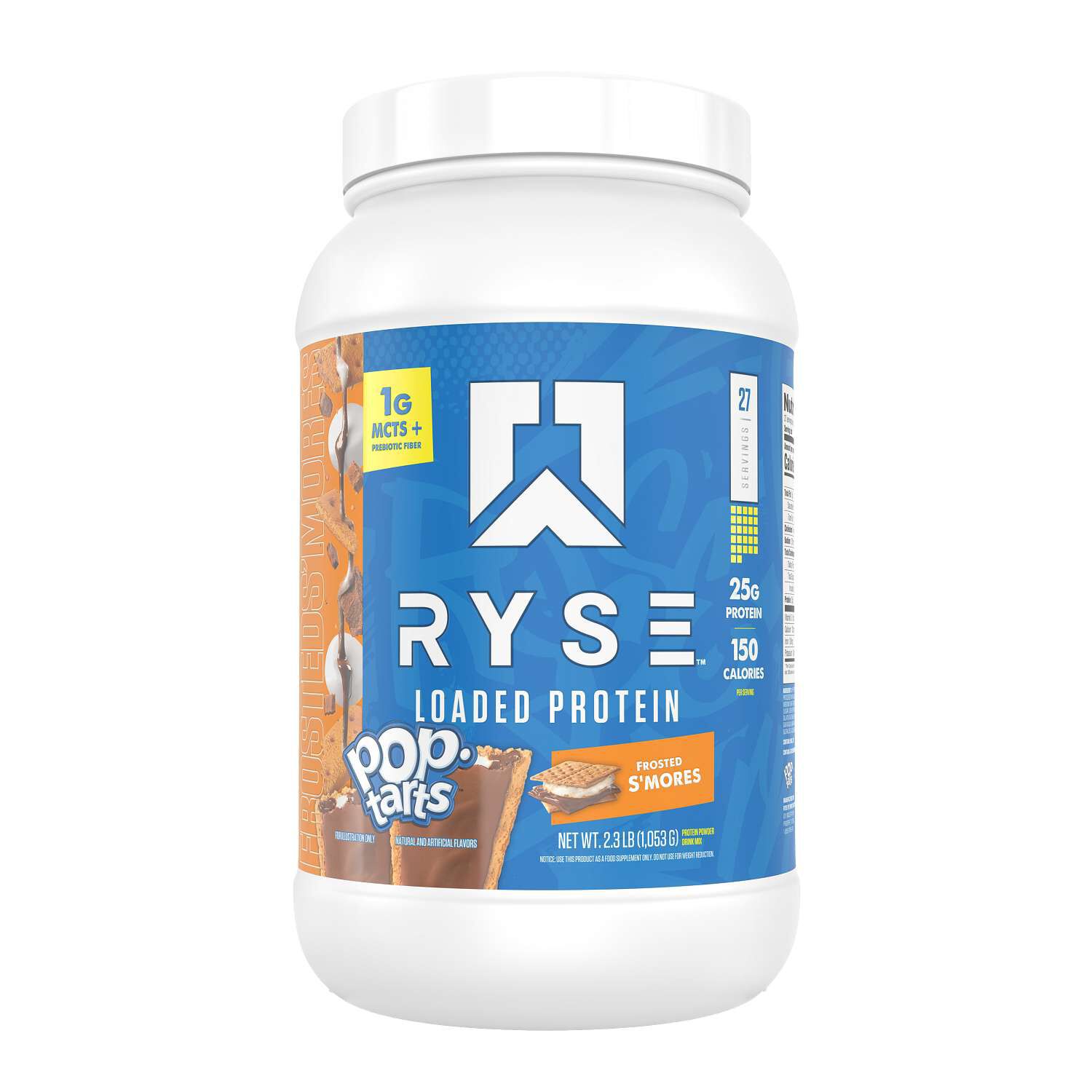
Flavored powders are dry blends intended to be mixed into drinks or foods, with options ranging from concentrated flavoring powders to flavored protein powders and electrolyte drink mixes. The distinction matters: a flavoring powder is primarily about taste and aroma, while a nutrition powder pairs a flavor with ingredients such as protein, carbohydrates, or minerals. They are not automatically interchangeable in a recipe, and their serving sizes can be quite different. For everyday shopping, the intended use is a useful starting point. A powder made for a shaker bottle has different preparation directions from one intended for baking, and a fruit-flavored drink mix has a different ingredient profile from a creamy protein blend. Familiar flavors include vanilla, chocolate, strawberry, citrus, and berry, alongside dessert-inspired combinations such as cookies and cream or salted caramel. Vanilla may work well with several smoothie combinations, while chocolate may appeal to someone who prefers a richer-tasting shake. Fruit flavors may suit a lighter beverage or a mix prepared with water. Beyond flavor, the base ingredients deserve attention. Protein sources may include whey, casein, soy, pea, rice, or combinations of plant proteins. Other formulations feature electrolytes, powdered fruit ingredients, cocoa, or ingredients used for texture and sweetness. Natural flavors, artificial flavors, and powdered fruit ingredients are distinct label terms; a fruit name on the front of a container does not, by itself, explain the entire recipe. Sweetness also varies, with formulas using sugar, other sweeteners, or combinations of both. The nutrition facts and ingredient list offer a clearer picture than a flavor name alone, especially when comparing serving size, protein, added sugars, sodium, and calories. Dairy, soy, and other allergen statements are also relevant to household preferences and dietary requirements. These details distinguish a powder intended mainly for flavor from one selected for its nutritional composition, even when both share the same familiar vanilla or berry name.
The best fit for flavored powders often comes down to the drink or food someone actually enjoys preparing. A shaker mixed with water, a blender drink with milk, and a bowl of yogurt each provide a different setting for the same flavor. Milk or a plant-based beverage may create a creamier result than water, while banana, oats, or nut butter may contribute a thicker texture in a smoothie. The powder’s own ingredients matter, too: some formulas contain thickeners or emulsifiers, and others have a shorter ingredient list with a different mixing character. Preparation directions provide the intended amount of liquid and powder rather than leaving the ratio to guesswork. A serving measured by weight is not necessarily the same as a loosely filled kitchen spoon, and scoop sizes can differ between containers. For someone who prefers a drink alongside a workout or during an active day, fruit-forward mixes offer another flavor direction. Fruit Flavored Hydration Powders focus on that combination of beverage format and fruit-inspired taste. Depending on the formula, an electrolyte mix may contain sodium, potassium, magnesium, or other ingredients, so the label remains the reference for what is included per serving. Some drink powders also contain caffeine, which is worth noting when comparing otherwise similar flavors. For food preparation, vanilla or chocolate powders may suit oatmeal, yogurt, or a blended snack when those uses align with the package directions. Concentrated culinary flavoring powders may be intended for frosting, dry mixes, or baking, but that does not make every flavored nutrition powder suitable for those applications. Protein blends and drink mixes can differ substantially in sweetness, composition, and serving size. In a recipe, those differences may affect texture and flavor balance, particularly when a powder is substituted for flour, cocoa, or another ingredient. The intended application is therefore just as important as the flavor printed on the container.
Package format and everyday handling are also part of choosing a flavored powder. A tub may suit a kitchen counter or a designated cupboard, while individually portioned packets may fit more conveniently into a work bag or gym bag. For a shared household, separate containers or clearly marked flavors may make different preferences easier to accommodate. Someone who enjoys the same shake each morning may prefer a familiar flavor with a straightforward mixing routine; someone who alternates between smoothies and water-based drinks may want different flavor profiles for each use. Texture preferences deserve similar attention. A person who likes a thick, spoonable blend may look for different preparation options than someone who wants a drink with a thinner consistency. Container dimensions, closure style, and serving count are practical details, especially when storage space is limited. Serving count should be considered alongside the labeled serving size, since containers of similar size do not necessarily represent the same number of preparations. Care after opening matters as well. Storage directions generally address keeping the container closed and protecting the contents from moisture, with any additional requirements stated on the package. A clean, dry scoop and a securely fastened lid are sensible parts of that routine. For powders carried outside the home, a food-safe container with a secure closure may be useful, while the original packaging retains the ingredient list, mixing directions, and date information. Prepared drinks require their own handling according to the ingredients used and the package directions; dry-powder storage instructions do not apply to a mixture containing milk or other perishable foods. Flavor can be personal, so a powder chosen as a gift is most appropriate when the recipient’s preferred tastes, dietary requirements, and usual preparation habits are already known. Across these formats, the most relevant distinctions remain clear: what the powder is made for, what each serving contains, how it is prepared, and whether its taste and texture suit the way it will be used.
- Q: What are flavored powders used for?
A: Flavored powders are typically used to add taste to beverages or foods while providing additional nutrients, such as protein, vitamins, or minerals. They are popular for making shakes, smoothies, and even adding flavor to recipes. - Q: How do I mix flavored powders for best results?
A: For best results, add the recommended amount of flavored powder to water, milk, or your favorite beverage and stir or shake until fully dissolved. Using a blender or shaker bottle can help achieve a smoother texture. - Q: Can flavored powders be added to recipes besides drinks?
A: Yes, many flavored powders can be incorporated into recipes like oatmeal, yogurt, pancakes, muffins, and energy bites to add flavor and nutrition. - Q: Are there different types of flavored powders available?
A: Yes, flavored powders come in various types including protein powders, meal replacements, electrolyte mixes, greens blends, and more. Each type is formulated for specific nutritional goals. - Q: Do flavored powders contain artificial sweeteners or colors?
A: Some flavored powders may contain artificial sweeteners or colors while others use natural alternatives. It's important to check the ingredient list on each product to find one that meets your preferences.