Flavored Powder Supplements
(0 Results)
Flavored powder supplements offer a convenient and tasty way to support your wellness journey. Whether you're looking to add more protein to your diet, increase your daily intake of vitamins and minerals, or simply enjoy a delicious beverage with added health benefits, these versatile powders could be the perfect addition to your routine. With a variety of flavors available, finding a supplement that suits your taste preferences has never been easier. Explore the world of flavored powder supplements and discover how they might help you achieve your nutritional goals in a delightful way.
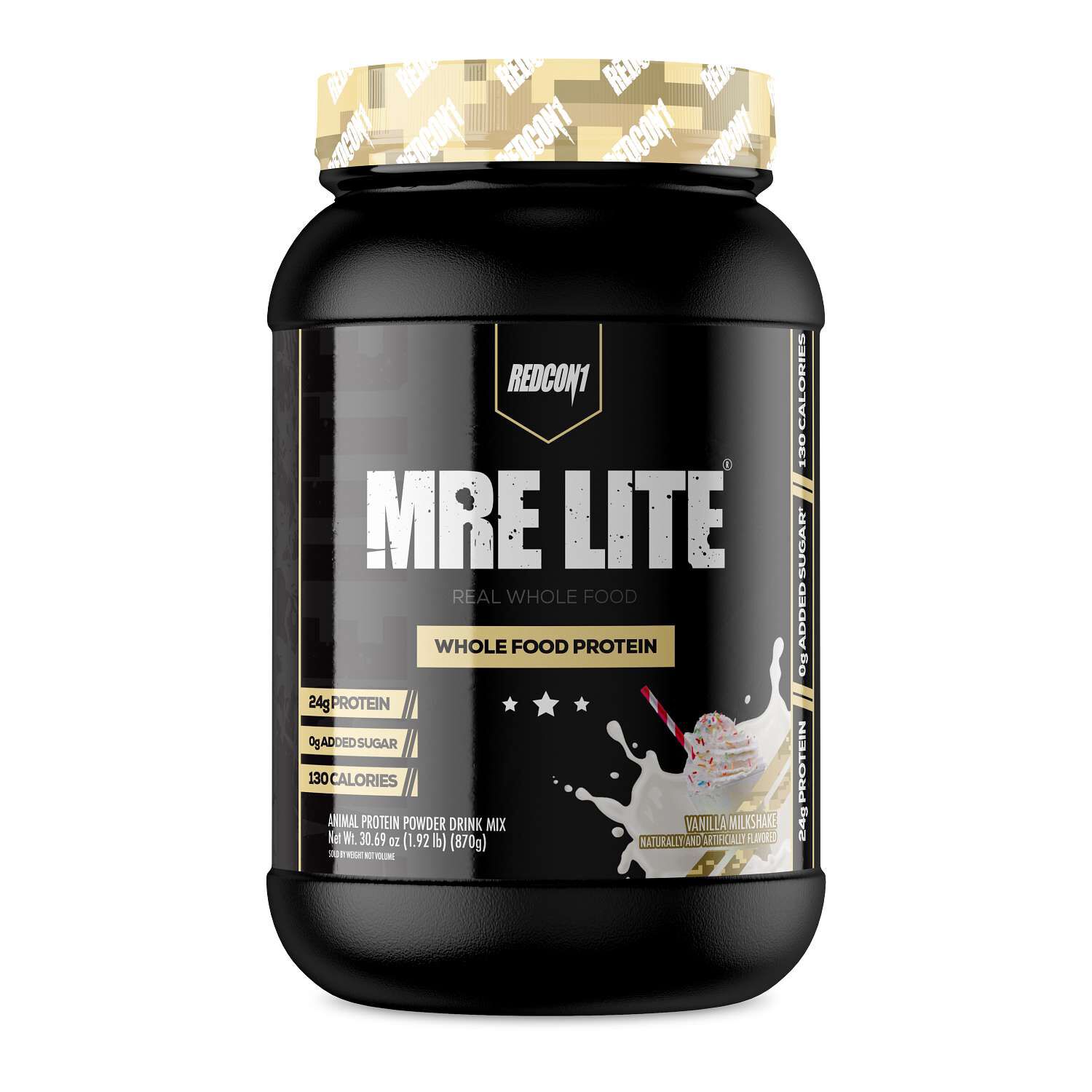


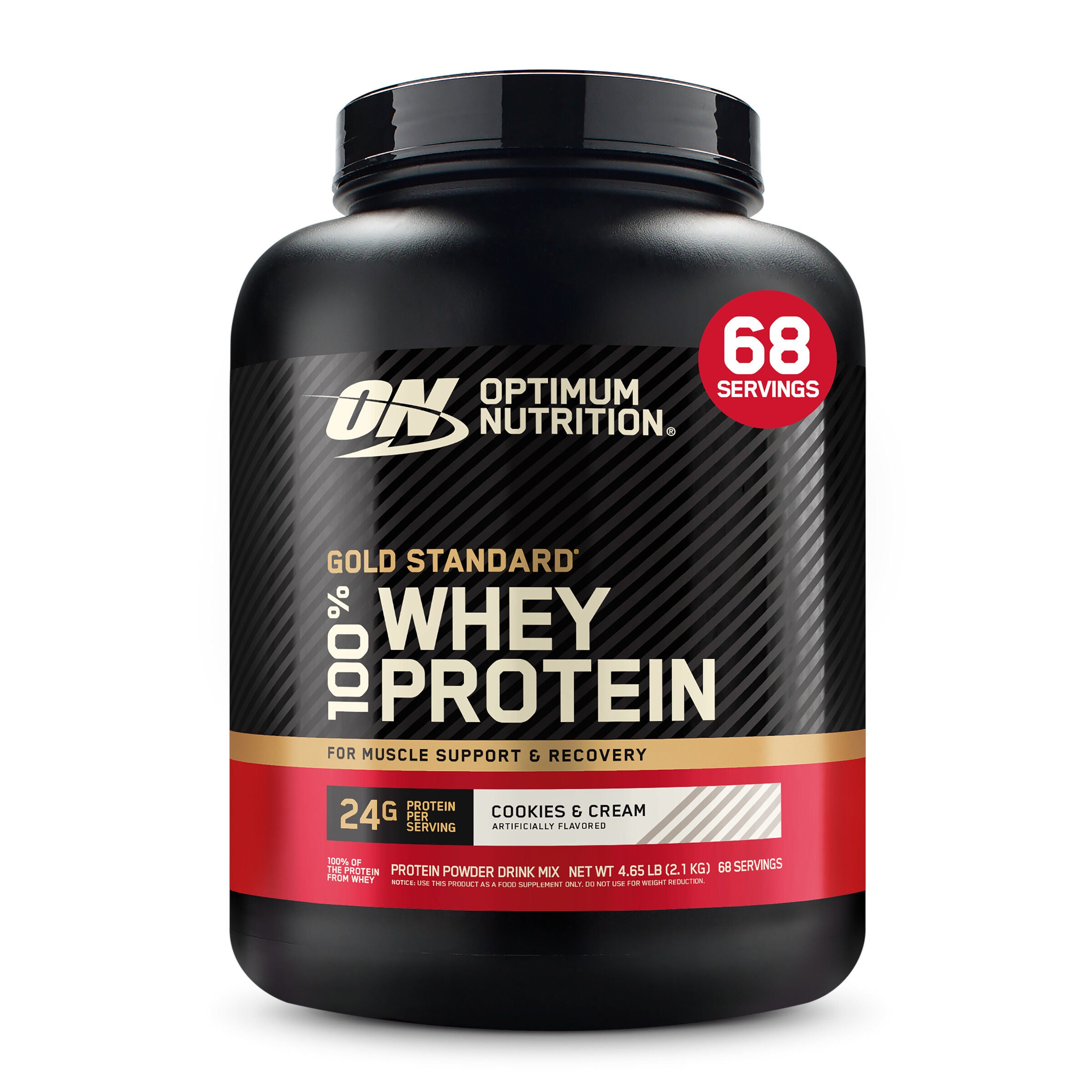

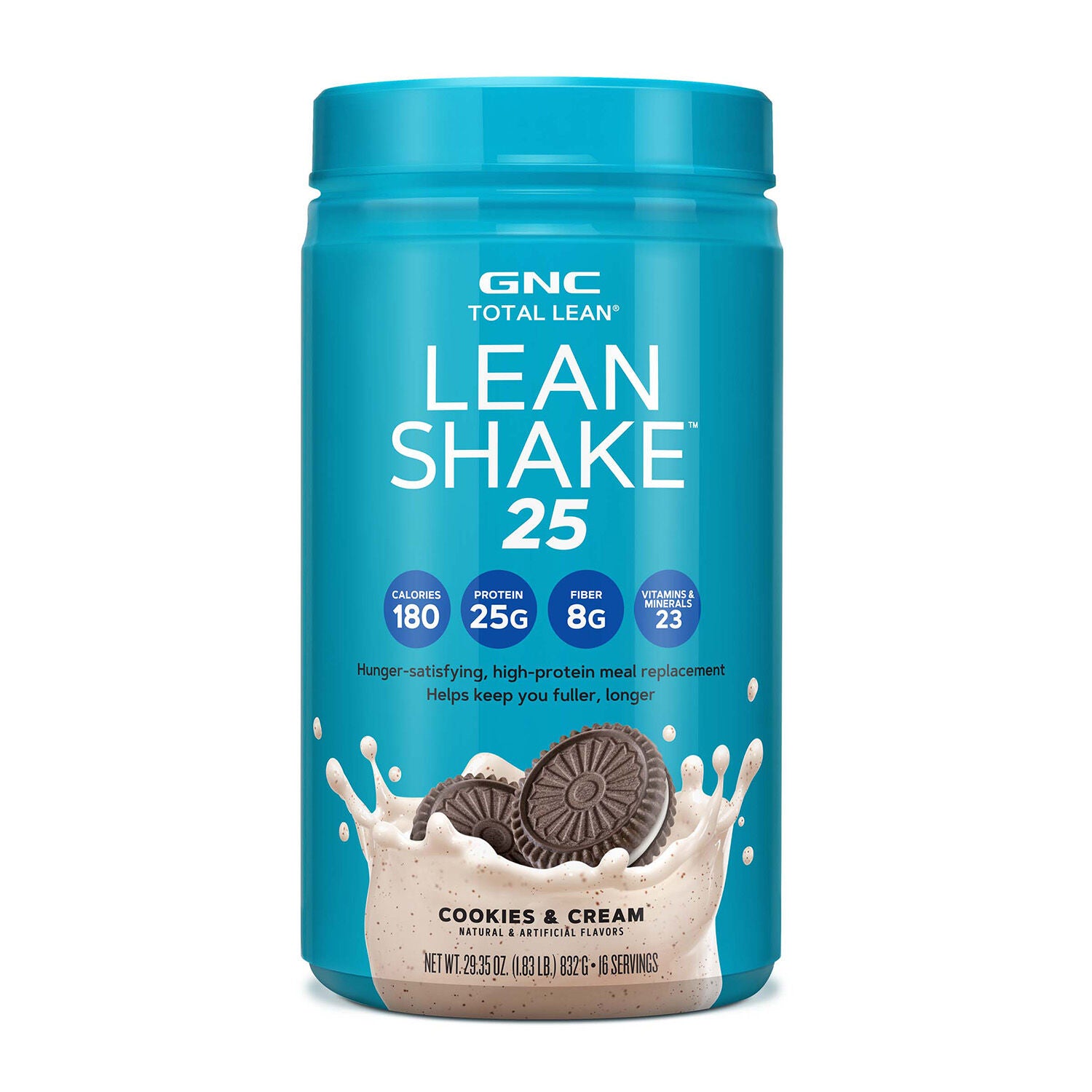
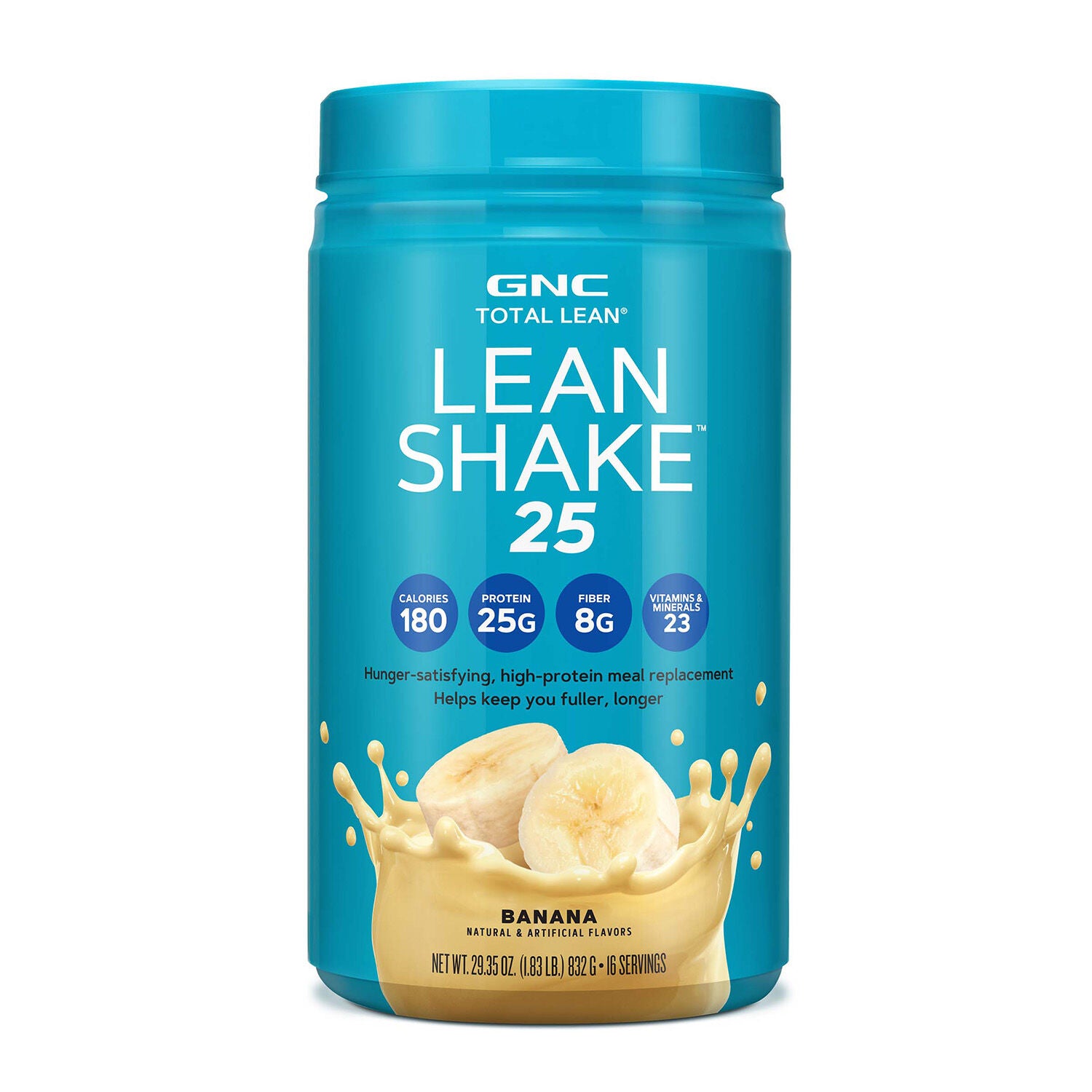
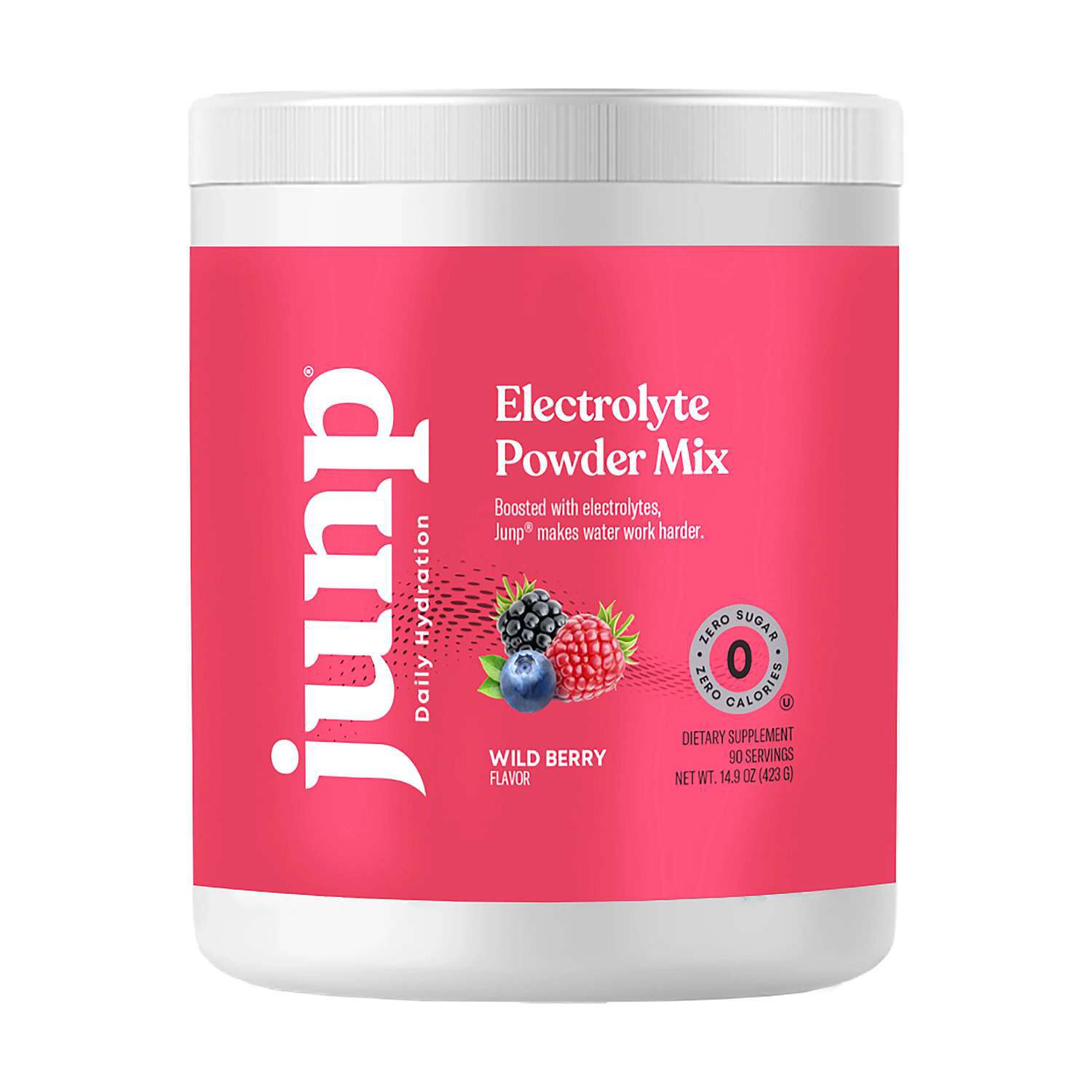


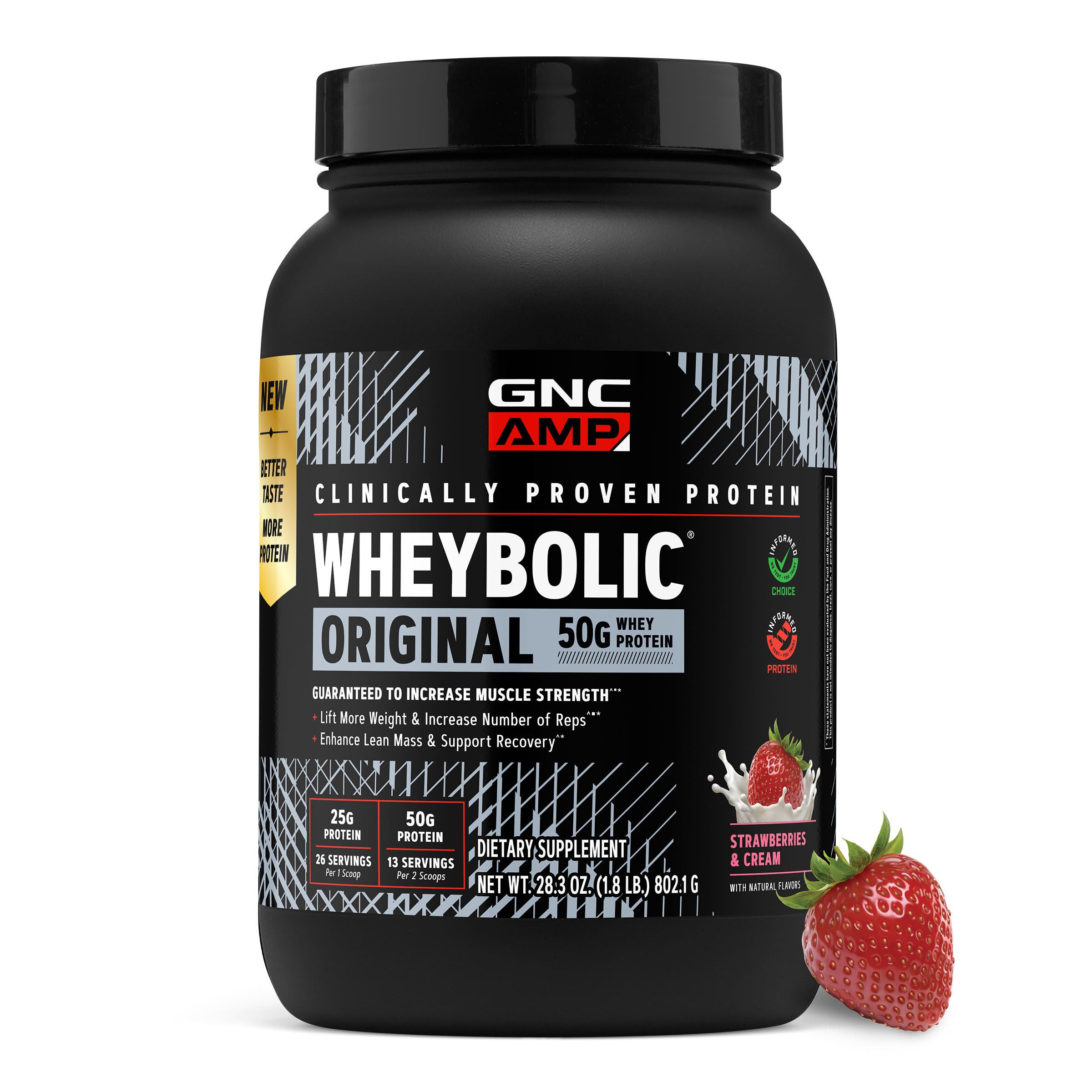

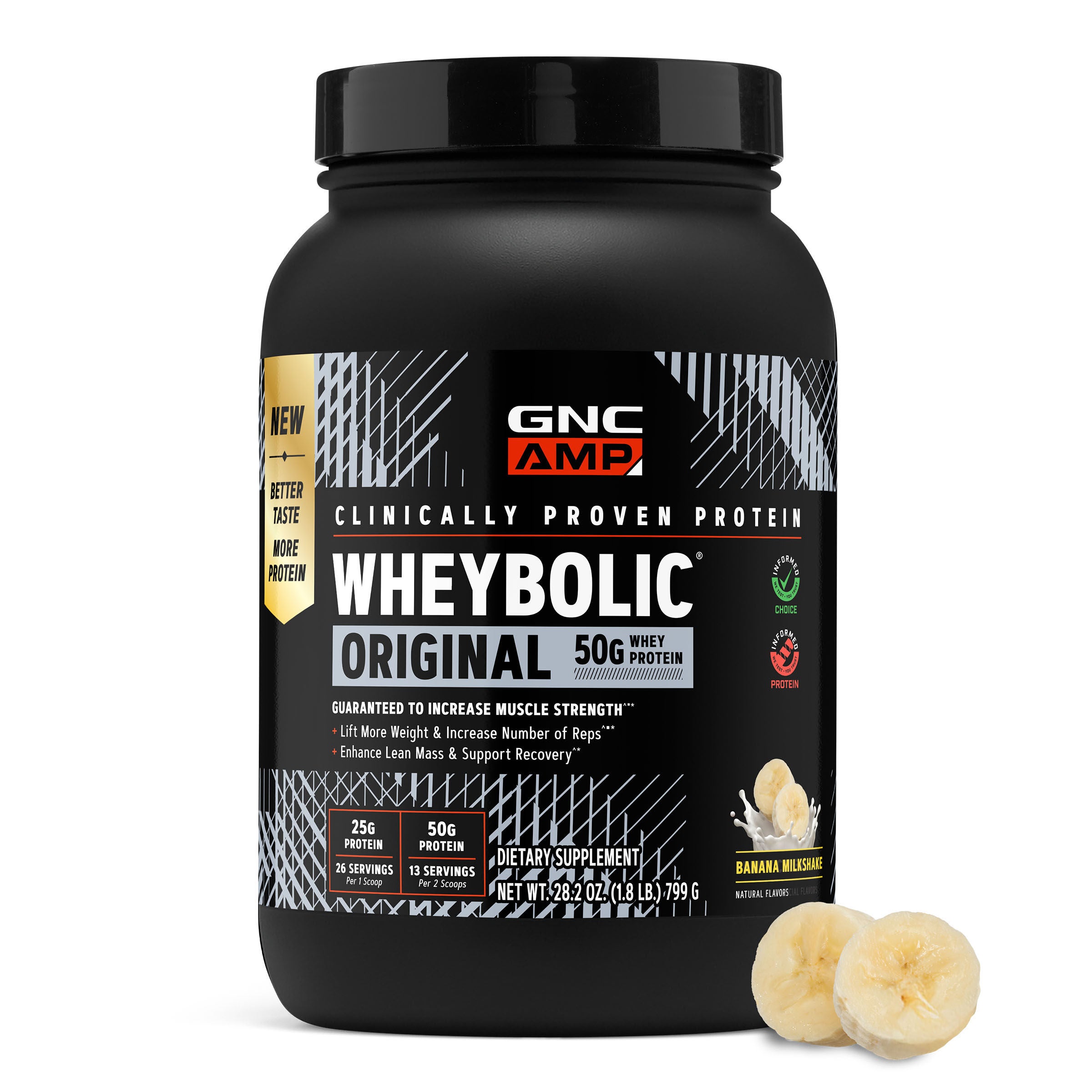


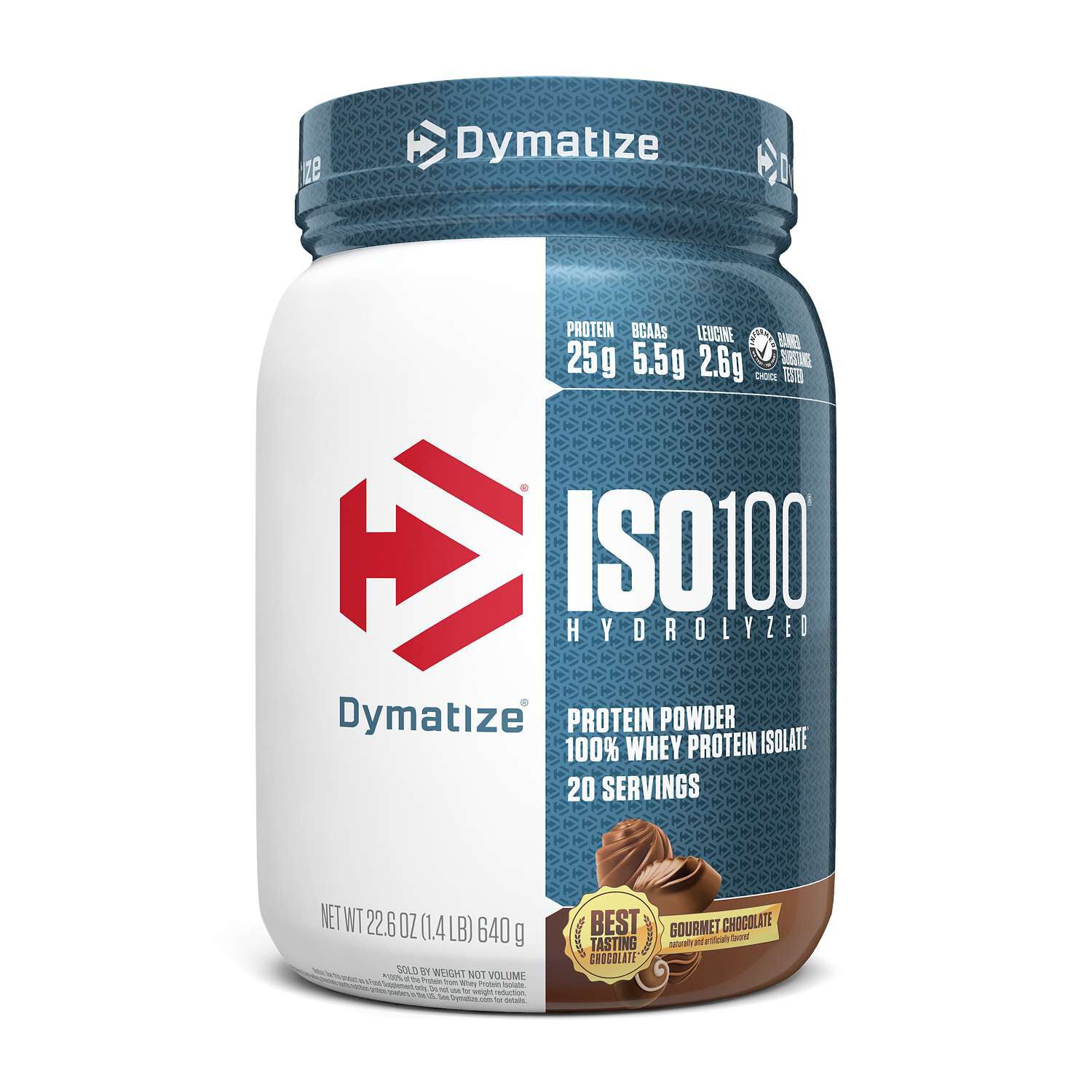
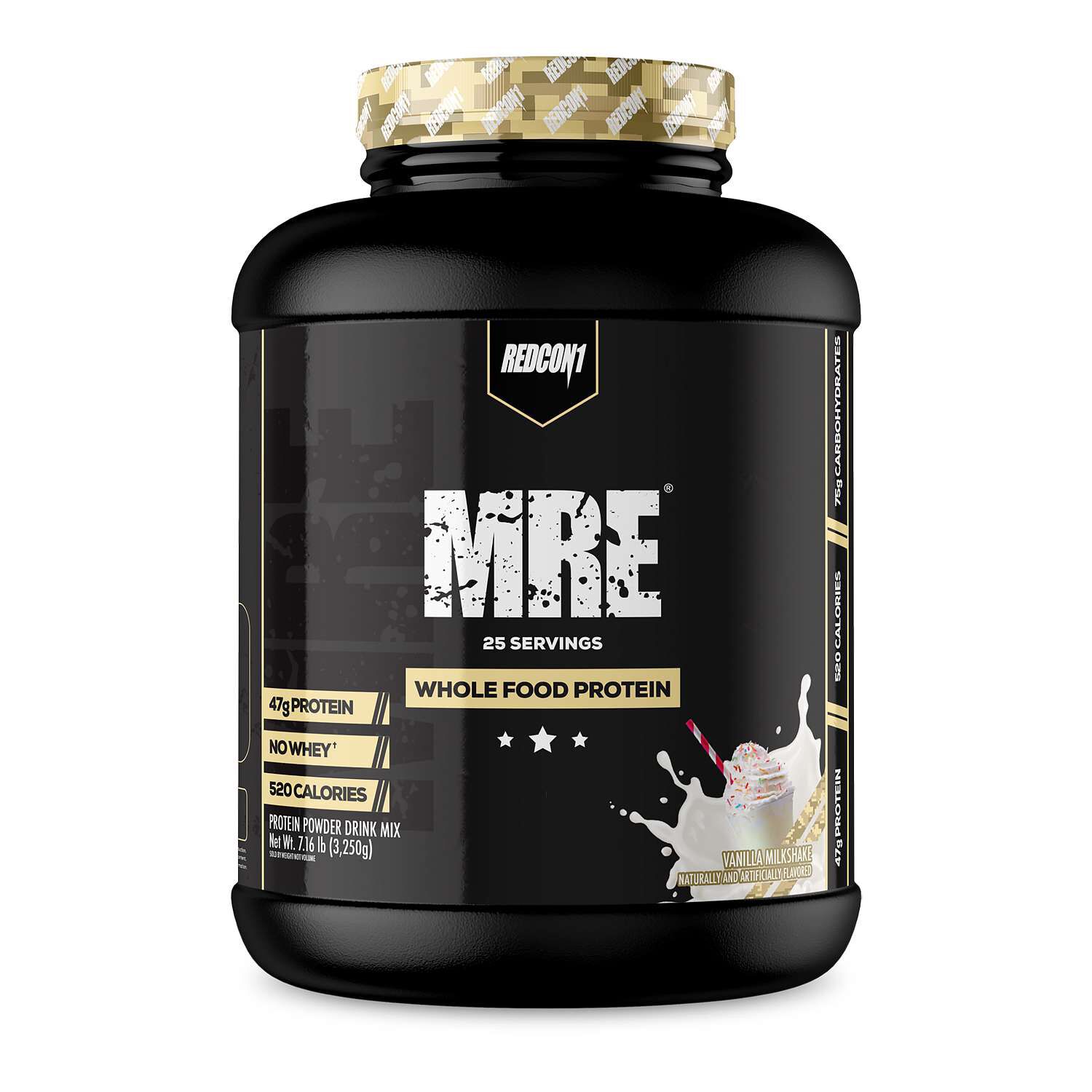
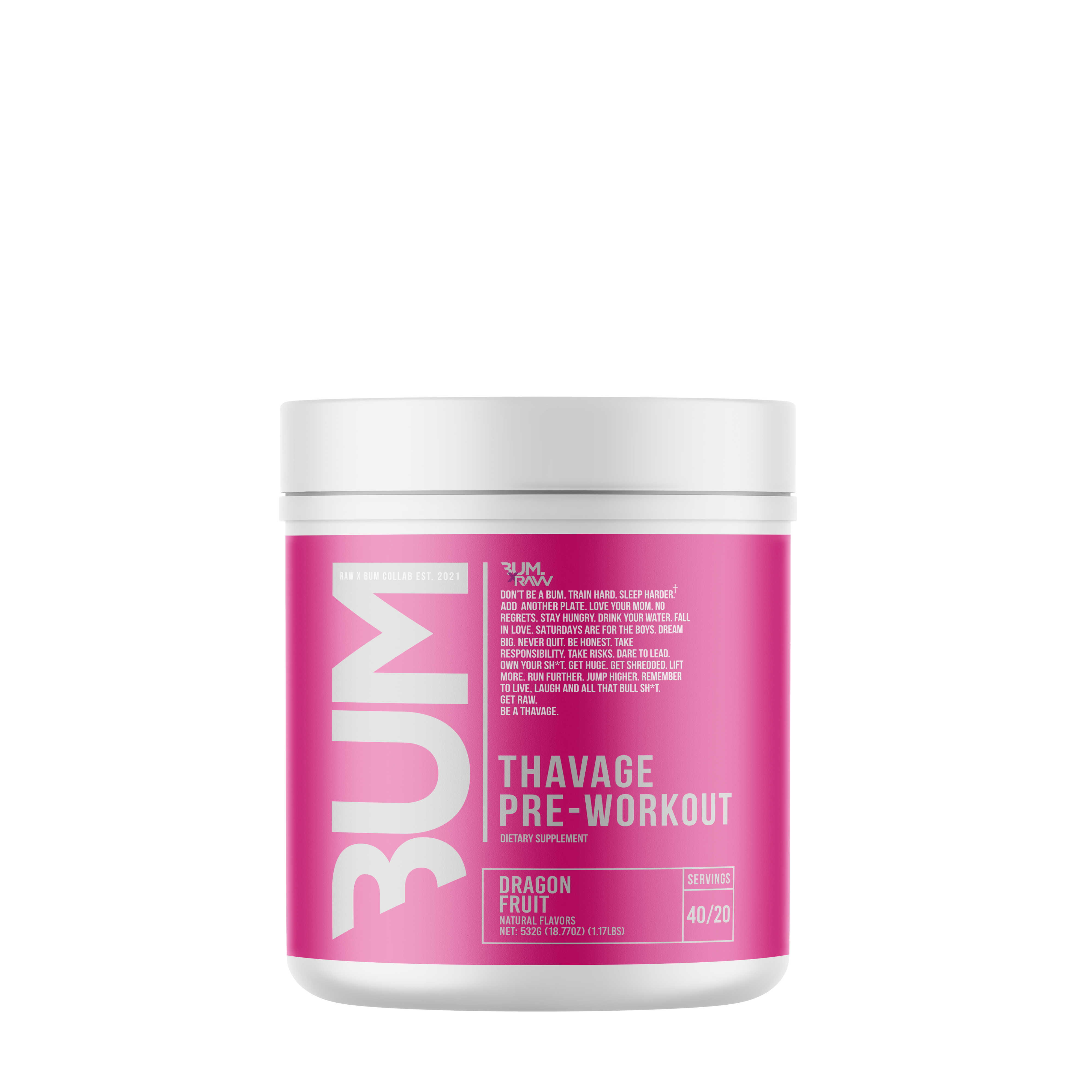
Flavored powder supplements combine a supplement base with flavor ingredients in a dry format intended for mixing before use. The category includes protein powders, collagen blends, greens powders, electrolyte mixes, and powdered formulas intended for use around exercise. Chocolate, vanilla, strawberry, citrus, and fruit punch describe the taste profile, not the supplement’s purpose; two powders with similar flavors can contain very different ingredients and serving sizes. A finished flavored supplement also differs from a concentrated flavor powder. Concentrated flavor powders are ingredients used to give a blend its taste, while finished supplements include the underlying protein, amino acids, minerals, botanicals, or other ingredients identified on the label. Dry flavor ingredients allow manufacturers to incorporate flavor into a powdered base without adding a liquid flavoring during blending. Depending on the formula, those ingredients may include natural or artificial flavors, cocoa, fruit powders, sweeteners, or acids that contribute tartness. Fruit powder and fruit flavoring are not interchangeable: a fruit powder can contribute its own color, texture, and taste, while a formulated flavor ingredient is designed to create a particular flavor profile. Neither a flavor name nor a picture of fruit describes the full composition of the powder. That distinction matters when comparing a creamy vanilla protein blend with a bright lemonade-style electrolyte mix. Each has a different base, mixing ratio, and intended use, even though both belong to the flavored powder supplement category. For a broader view of formats and ingredient types, Powdered Supplements provides a related category to explore. Flavored options are especially relevant to shoppers who prefer a prepared drink over a capsule or tablet, or who want a particular taste as part of an established food or exercise routine. Flavor is one part of that choice, alongside the ingredient list, amount per serving, preparation directions, and suitability for the person who will use it. The name on the front of the container provides a starting point, but the details elsewhere on the label explain what is actually inside.
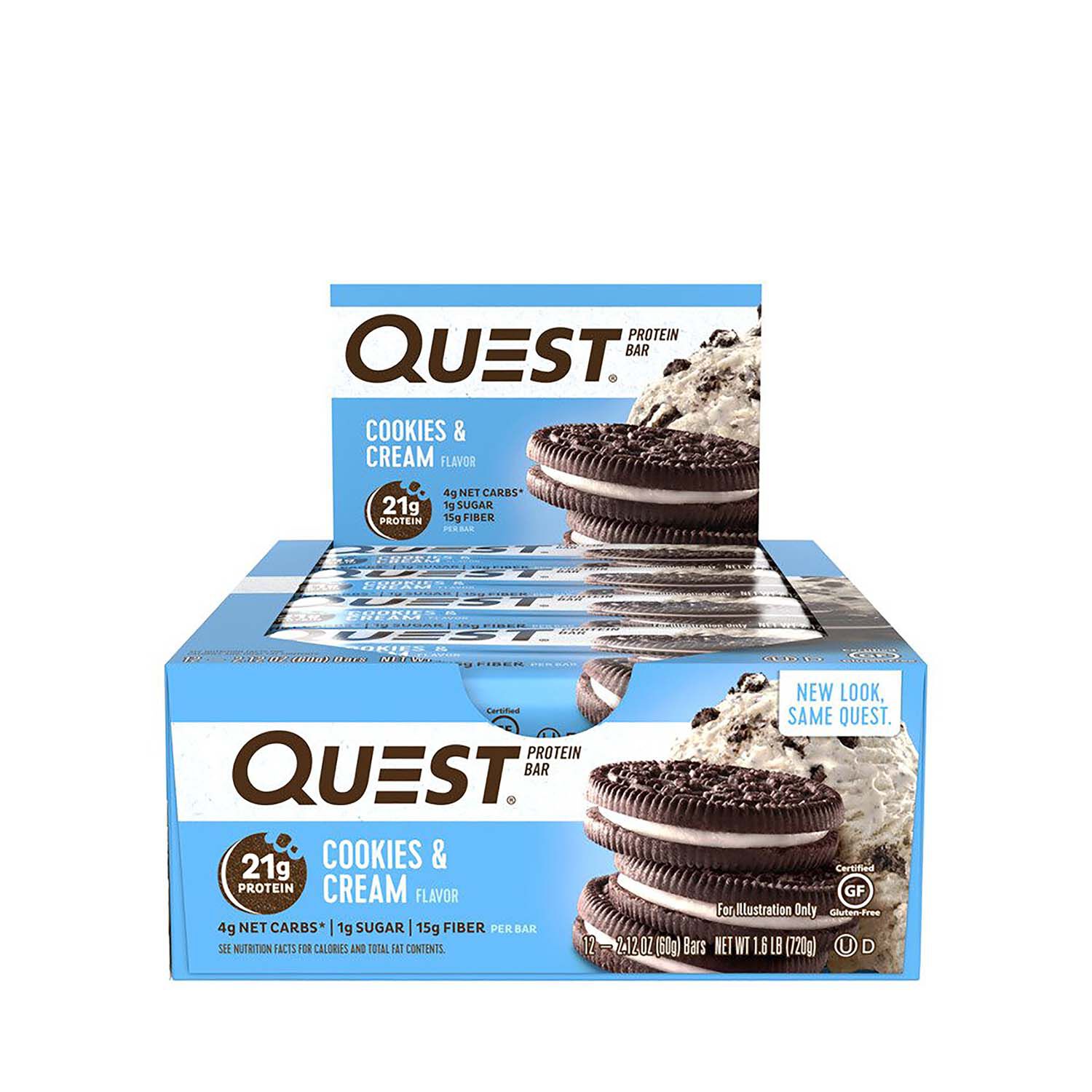
Taste and texture give this category much of its variety. Chocolate powders can range from a mild cocoa profile to a darker, less sweet style, while vanilla can serve as a neutral-tasting starting point for a shake prepared according to the label. Berry and tropical fruit profiles often have a more pronounced sweet-tart balance, and citrus flavors can include a sharper finish. Descriptions such as cookies and cream or salted caramel suggest a dessert-inspired taste, but they do not establish sugar content, ingredient sources, or nutritional composition. Those details belong to the label. Sweeteners also differ from one formula to another, with options that include sugar, stevia, monk fruit, or other sweetening ingredients. Individual preferences vary: a sweetness that suits a small serving mixed with water could seem different in a milk-based drink or alongside other ingredients. The supplement base contributes its own character, too. Whey, casein, pea, rice, and other protein sources differ in composition and can produce distinct textures. Greens blends may have an earthy or grassy note beneath their added flavor, while mineral-containing mixes may retain a salty note. Flavoring does not make those bases identical. The liquid and preparation method further shape the finished drink. Water leaves fewer additional flavors in the mixture, while milk or a plant-based beverage adds its own taste and nutrients. A shaker bottle, spoon, or blender is appropriate only as specified for the particular powder; not every formula disperses in the same way. Some mixtures look smooth after stirring, while others contain visible particles or develop foam after shaking. Label directions establish the intended amount of liquid and powder, which makes them a useful basis for comparing taste consistently. A shopper who wants a simple drink between daily commitments may value straightforward preparation, while someone who regularly uses a blender may prefer a flavor that pairs with the other ingredients in a familiar shake. In either case, a pleasing flavor and a suitable formula are separate considerations, and both deserve attention.
The practical details of flavored powder supplements extend beyond the first serving. Containers commonly include tubs, resealable pouches, or individual packets, and the format affects storage, measuring, and cleanup. A tub requires space for the container and access to its scoop; a pouch depends on a properly closed seal; an individual packet contains a premeasured quantity, with the label explaining how that quantity relates to a serving. For someone carrying a shaker to a gym or workplace, a secure lid and enough mixing space are useful considerations. A container used for transporting powder should be clean, dry, and intended for food contact. Keeping the original label accessible preserves the ingredient information and preparation directions when a serving is carried separately. At home, package instructions govern storage, and keeping the closure secure helps limit exposure to moisture. A dry scoop avoids introducing water into the remaining powder, while cleaning and drying reusable mixing equipment prepares it for the next use. These are consumable products rather than durable goods, so package condition, the printed date, and storage requirements matter more than long-term wear. Ingredient suitability deserves the same attention as convenience. Milk, soy, wheat, and other allergen statements can be relevant regardless of whether a flavor sounds dairy-based or fruit-based. A vanilla powder is not necessarily made with milk, and a fruit-flavored powder is not necessarily plant-based. Likewise, a flavored protein powder and a flavored exercise formula are not interchangeable simply because both mix into water. Caffeine content, serving size, ingredient amounts, and any label cautions help distinguish their intended uses without relying on flavor names or packaging style. When choosing a supplement as a gift, the recipient’s stated preferences and dietary requirements are more useful than guessing from a favorite dessert or beverage. For personal use, the most relevant comparisons bring together the formula, taste profile, preparation method, and storage format. That combination gives flavored powder supplements their breadth: familiar flavors presented in different kinds of blends, with practical details that determine how each fits into an individual routine.