





FSA Eligible Supplements
(0 Results)
Looking to maximize your health and wellness budget? Dive into our selection of FSA eligible supplements, carefully curated to support your nutritional needs while offering flexibility in spending your flexible spending account dollars. From essential vitamins to specialized formulas, these supplements are designed to help you reach your wellness goals without straining your wallet. Explore our range of FSA eligible supplements and invest in your well-being today.

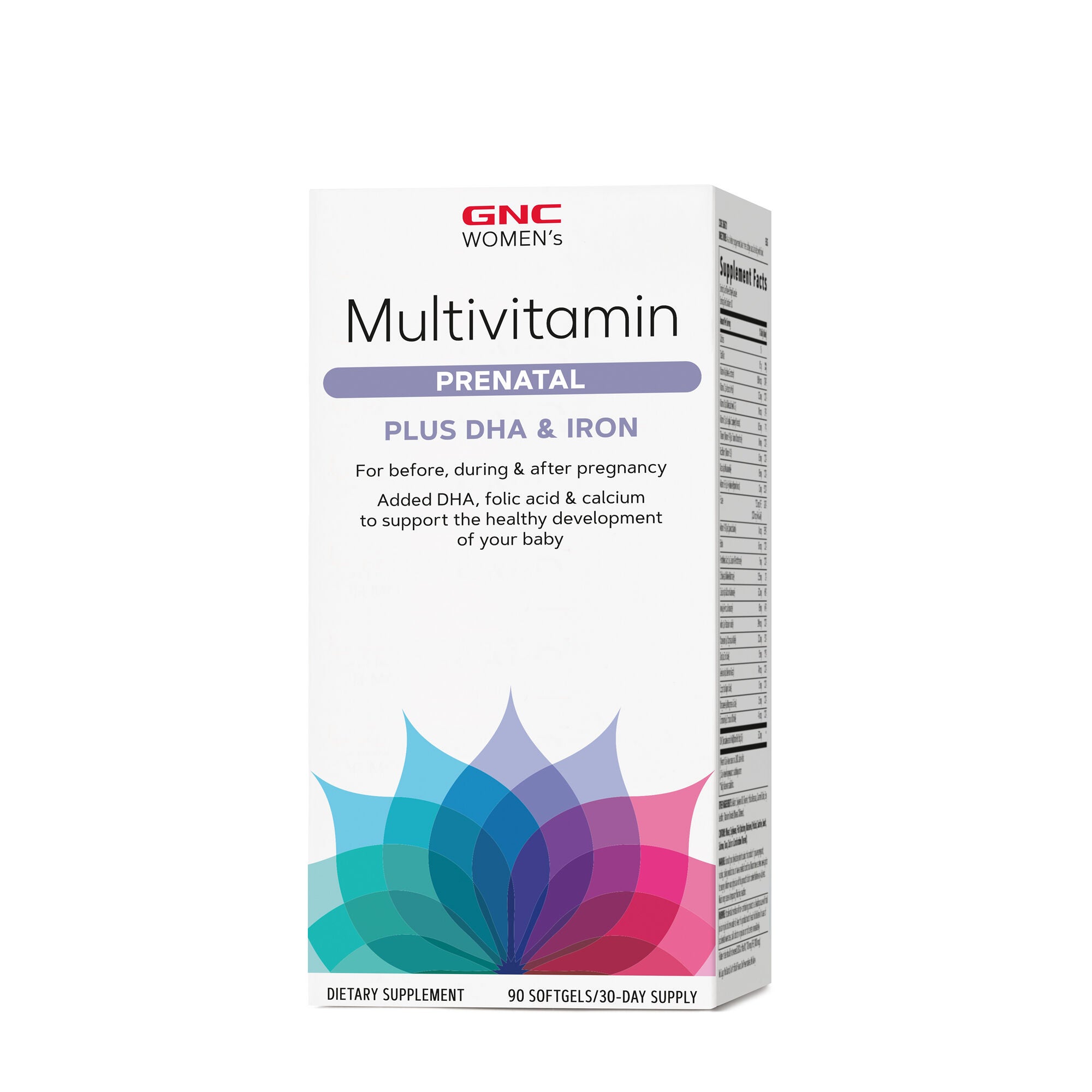


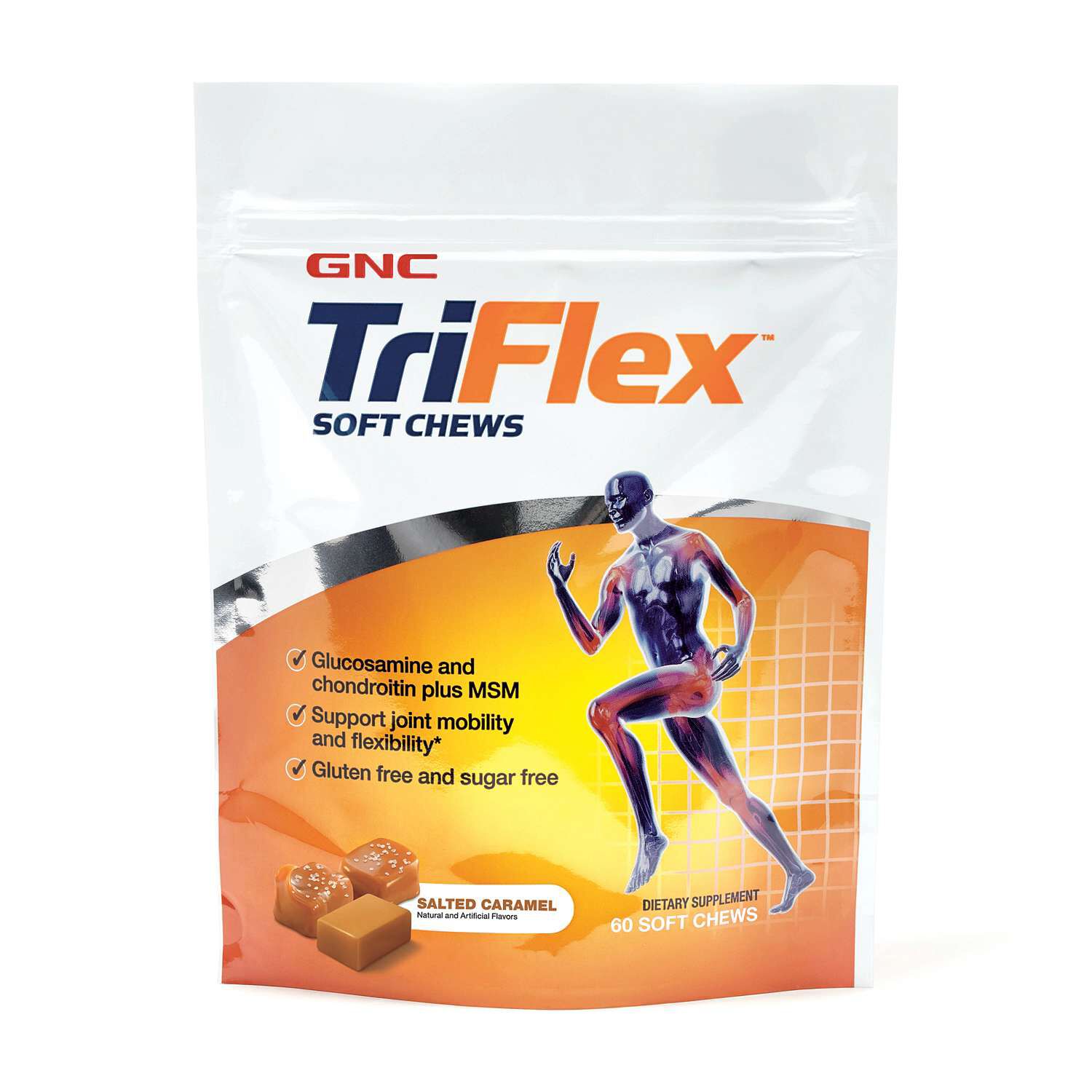


Flexible Spending Account (FSA) rules can make supplement purchases more nuanced than a typical wellness purchase. In many cases, vitamins and dietary supplements may qualify for reimbursement only when they are intended to address a specific, diagnosed medical condition and are supported by a Letter of Medical Necessity (LMN) from a licensed healthcare provider. A general desire to maintain wellness usually may not be enough on its own. Before placing an order, review your plan documents or contact your FSA administrator to confirm what qualifies, whether an LMN is required, and what documentation must accompany your claim. Eligibility can vary by plan, product category, and the way an item is listed by the administrator. Some products may be eligible through an FSA marketplace or with a standard receipt, while other purchases may require a provider’s written statement connecting the item to a particular medical need. Keep an itemized receipt that shows the product name, purchase date, and amount paid, along with any supporting paperwork requested by your plan. This small habit can make recordkeeping easier when cooler weather brings more indoor routines, holiday travel, and a renewed focus on household spending. FSA-eligible offerings may include prenatal vitamins, fiber-based products intended for occasional digestive support, and joint-focused formulas containing ingredients such as glucosamine or chondroitin, when the purchase meets your plan’s requirements. Certain protein powders, collagen peptides, greens blends, omega-3 formulas, probiotics, digestive enzymes, individual vitamins, minerals, and fitness-focused formulas may also qualify when a provider documents a specific need. These products may be used as part of a broader nutrition routine, but they are not automatically FSA-eligible simply because they are sold as supplements. Product packaging, retailer listings, and online eligibility labels can provide useful starting points, yet your plan administrator’s rules should guide the final decision. If you are shopping for another person, such as a parent managing a documented nutrition need or a family member organizing supplies for the colder months, consider asking about their FSA requirements before purchasing. A thoughtful gift may be practical, but reimbursement eligibility generally belongs to the account holder and may depend on the recipient’s documented circumstances.
Choosing among FSA-eligible supplements may begin with the reason for purchase, the provider documentation available, and the format that fits comfortably into an established routine. Capsules may work well for someone who prefers a simple morning habit, while powders could suit a person who already blends ingredients into a smoothie after a walk, workout, or busy commute. Chewable formats may be convenient for travel, and single-ingredient formulas can make it easier to identify the item named in an LMN or listed in plan documentation. Read the Supplement Facts panel, serving instructions, allergen information, storage guidance, and other label details before buying. If a formula contains multiple ingredients, compare the full label with the paperwork required by your plan rather than assuming that every component qualifies. People who use a daily nutrition routine may also browse Daily Supplements for additional options, while keeping FSA rules in mind for each purchase. During the transition from early fall into winter, routines often shift: breakfast may happen on the go, outdoor activities may move indoors, and travel bags may replace the familiar kitchen cabinet. A product that fits the way someone already lives may be easier to use consistently than a complicated selection of separate containers. Even so, supplements may not replace varied meals, hydration, rest, or guidance from a qualified healthcare professional. Anyone who is pregnant, managing a diagnosed condition, taking prescription products, preparing for a procedure, or making a purchase for a child should speak with a licensed healthcare provider before beginning a new supplement routine. Ask the provider whether the intended product may be appropriate and whether an LMN is needed for FSA reimbursement. For purchases made with pre-tax funds, save receipts and correspondence together in one secure location, and check submission deadlines so eligible expenses do not get overlooked as the plan year moves forward. With careful label reading, clear documentation, and a quick review of account rules, shoppers may find options that align with both their routine and their FSA requirements.
Best Sellers


Related Pages


Top Collections
- Daily Collagen Supplements | Top Brands & Deals | GNC
- Cortisol Supplements
- Top Rated Collagen | Shop Customer Favorites | GNC
- Vitamins For Hair Loss
- NAD+ Supplement Tablets
- Peptide Supplements
- Best Brand of Magnesium Glycinate
- Protein Powders For Muscle Growth Support
- Vitamins That Help Support Weight Gain
- Peptide Supplements for Muscle Growth