





HSA Eligible Supplements
(0 Results)
Discover a wide selection of high-quality HSA eligible supplements to support your health and wellness goals. From essential vitamins and minerals to specialty supplements, our range is designed to help you maintain a balanced and healthy lifestyle. Whether you're looking to boost your immune system, support your workout recovery, or enhance your overall well-being, we have a variety of options that are eligible for purchase with your Health Savings Account. Explore our collection of HSA eligible supplements today and take a proactive approach towards optimizing your health.

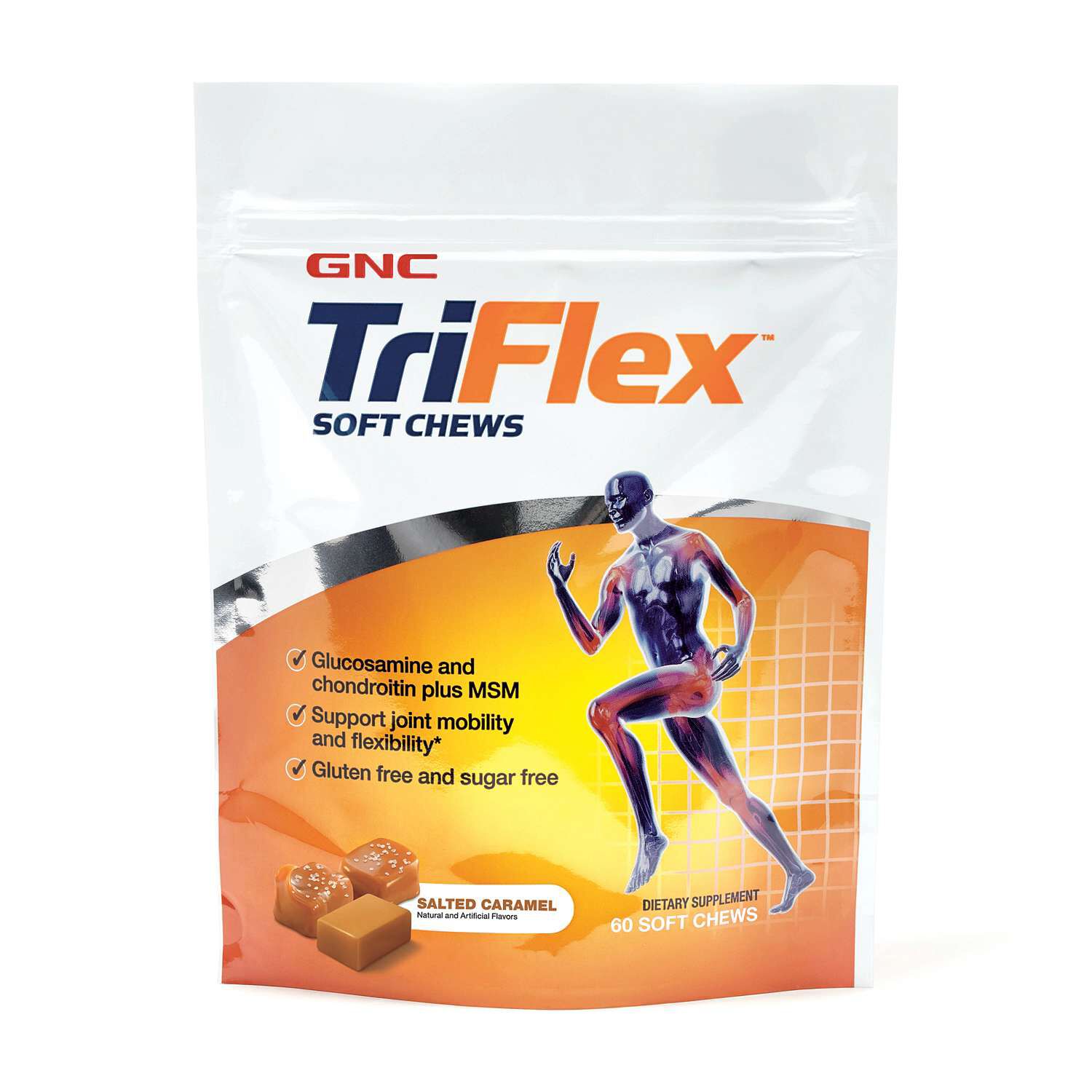


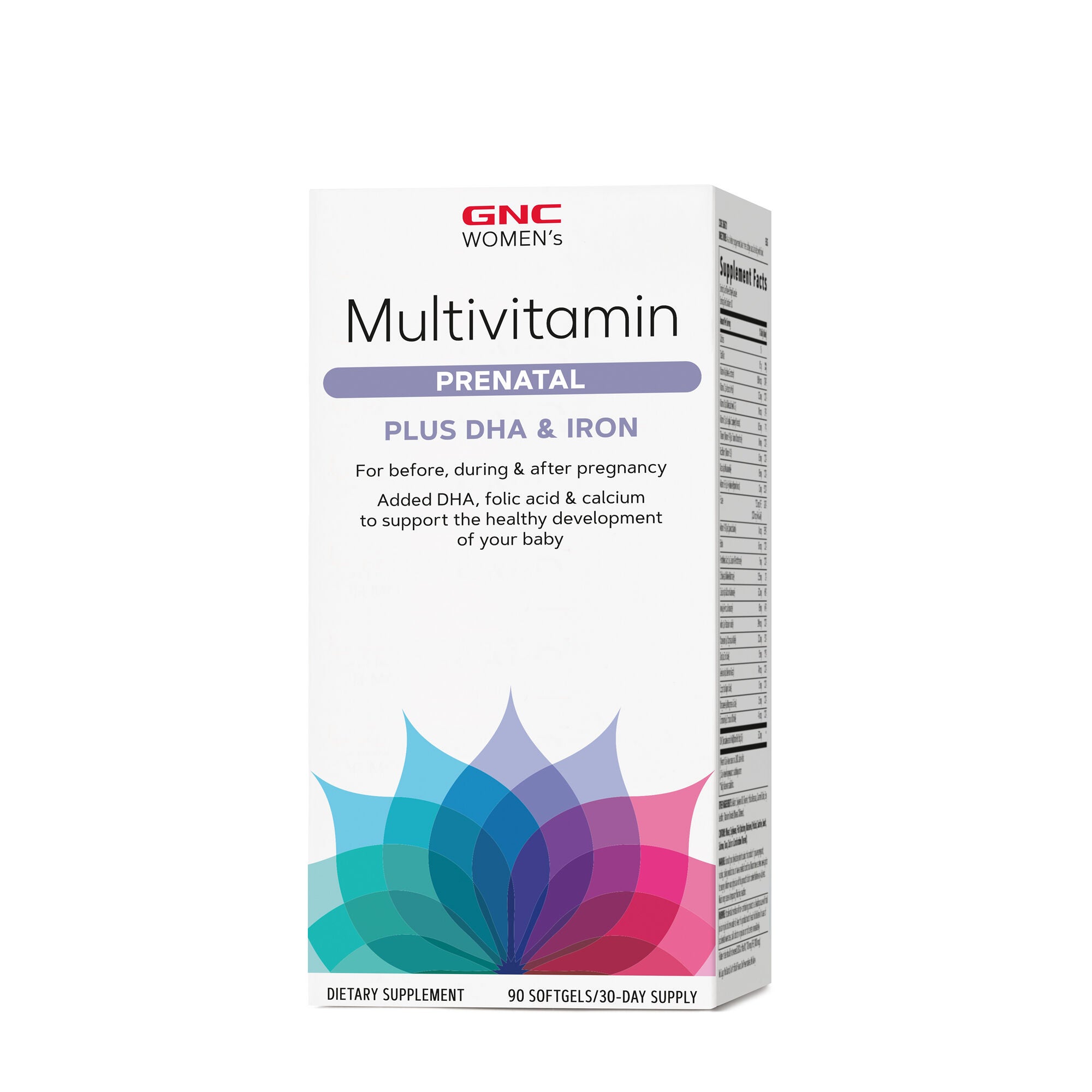


HSA-eligible supplements can offer a practical way to use health savings funds for certain products, but eligibility depends on the purpose of the purchase, applicable IRS rules, and the policies set by your HSA administrator. A supplement purchased for general wellness may not qualify on its own, even when it is part of a thoughtful nutrition routine. In many cases, a licensed healthcare provider may need to document that a specific product is intended to address a diagnosed medical need through a Letter of Medical Necessity, often called an LMN. Some categories may receive different treatment under HSA guidelines, including prenatal vitamins used during pregnancy, glucosamine and chondroitin for documented osteoarthritis or cartilage concerns, and fiber products used for constipation or other documented digestive concerns. Other products, including vitamin D, magnesium, vitamin B12, probiotics, omega-3 fatty acids, protein powder, or creatine, may qualify when a provider documents a related deficiency, nutritional gap, or diagnosed health concern. Rules can vary, so reviewing your plan details and keeping receipts, product information, and supporting documentation may make recordkeeping easier. An HSA administrator or qualified tax professional can provide guidance for your specific account, while a licensed healthcare provider can determine whether a supplement fits your personal needs.
When browsing an HSA-eligible supplements collection, start by considering the intended use, serving format, ingredient list, storage needs, and the documentation required for reimbursement. Capsules and tablets may fit easily beside a morning routine, while powders can work well in smoothies, yogurt, oatmeal, or another familiar part of the day. Prenatal vitamins may be a considerate gift for an expecting parent, although the recipient’s healthcare provider should guide the selection. Fiber products may suit someone who has been advised to add a particular type of fiber to their routine, while products containing vitamin D, magnesium, or vitamin B12 may be selected when a documented need has been identified. Probiotic products and omega-3 supplements may also be considered for specific provider-directed purposes rather than as general-purpose purchases. Protein powder or creatine may be relevant when a provider has identified a nutritional gap or muscle-related concern and has recommended a particular product. For everyday nutrition habits that do not involve an HSA claim, shoppers may also explore Daily Supplements for options suited to a broader routine. Reading the Supplement Facts panel can help you compare serving sizes, ingredient amounts, added sweeteners, flavoring, allergens, and other details that matter in daily use. Packaging, expiration dates, and storage instructions are also worth checking, especially when ordering several items for the cooler months or keeping powders in a warm kitchen.
A thoughtful purchase begins with matching the product to the documented purpose, rather than choosing an item simply because it appears in an HSA-focused collection. A parent-to-be might appreciate a prenatal option selected in line with provider guidance; a family member managing a documented nutritional deficiency might value a carefully chosen vitamin; and someone following a provider-directed digestive routine might prefer a fiber or probiotic format that fits naturally into breakfast. These products may be used at home, packed for work, or kept in a travel bag, but consistent use should follow the product label and professional guidance. If an HSA administrator asks for proof, retain the receipt and any Letter of Medical Necessity, along with the name and amount of the product purchased. Some accounts may require documentation before reimbursement, while others may request it later for recordkeeping. Eligibility can change according to account rules and tax guidance, so approval should not be assumed for every supplement or every use. During the transition from warmer days into cooler weather, a clear record and a simple routine can make supplement shopping feel more organized, whether the purchase is for personal use or a practical gift. The most suitable choice may depend on the intended purpose, the recommended ingredients, the preferred format, and the documentation available for the HSA claim.
Best Sellers


Related Pages


Top Collections
- Daily Collagen Supplements | Top Brands & Deals | GNC
- Cortisol Supplements
- Top Rated Collagen | Shop Customer Favorites | GNC
- Vitamins For Hair Loss
- NAD+ Supplement Tablets
- Peptide Supplements
- Best Brand of Magnesium Glycinate
- Protein Powders For Muscle Growth Support
- Vitamins That Help Support Weight Gain
- Peptide Supplements for Muscle Growth