Full Spectrum Supplements
(0 Results)
Discover the potential benefits of incorporating full spectrum supplements into your daily wellness routine. These comprehensive formulations may support various aspects of health and well-being, providing a balanced blend of nutrients that could complement your diet. Whether seeking to fill nutritional gaps or aiming to maintain overall vitality, full spectrum supplements might offer a convenient and effective solution. Explore our selection to find the right fit for your unique needs and lifestyle.
-
-

-
-

-
-

-
 $49.99
 -
-

-
-

-

-

-

-
-
-

-
-


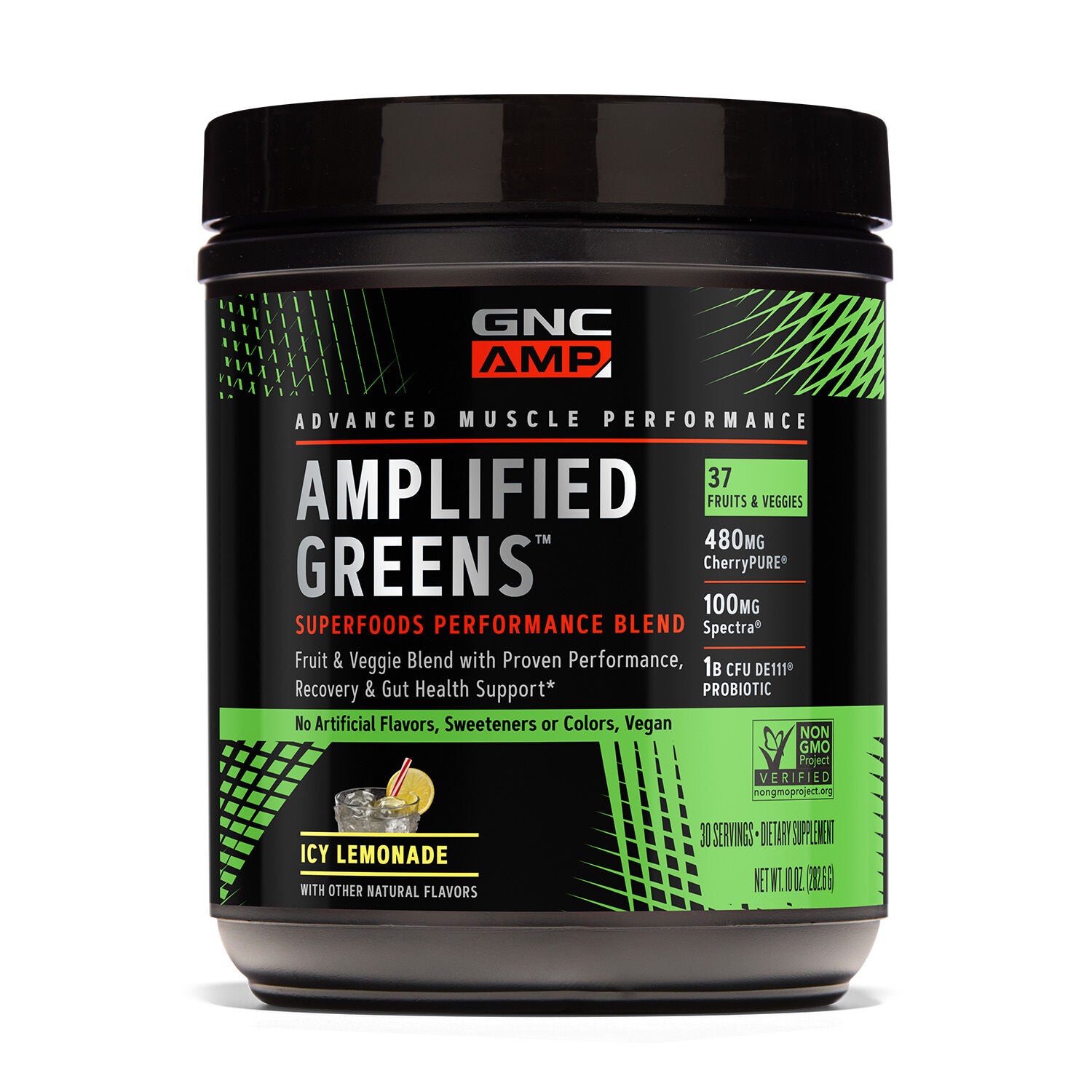
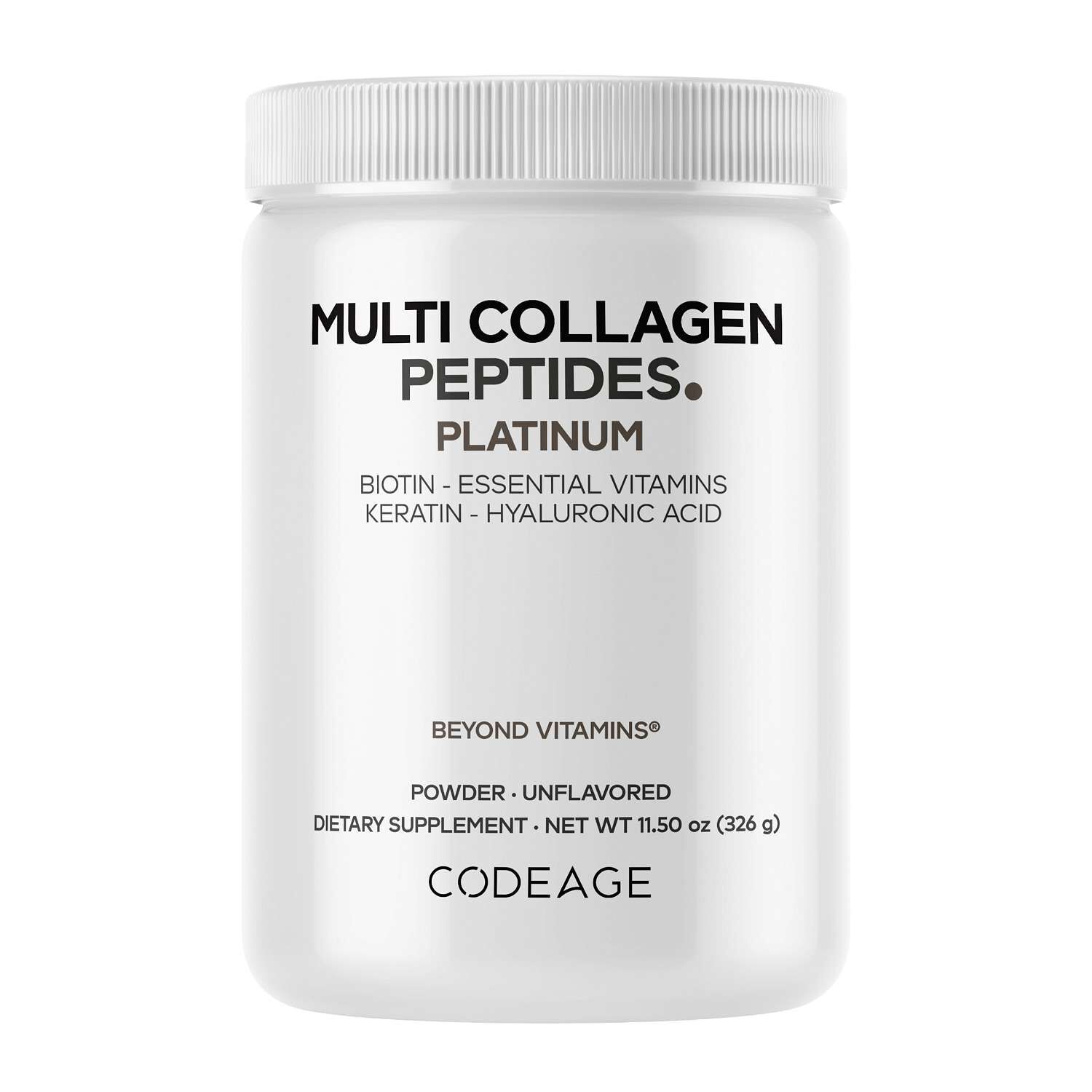
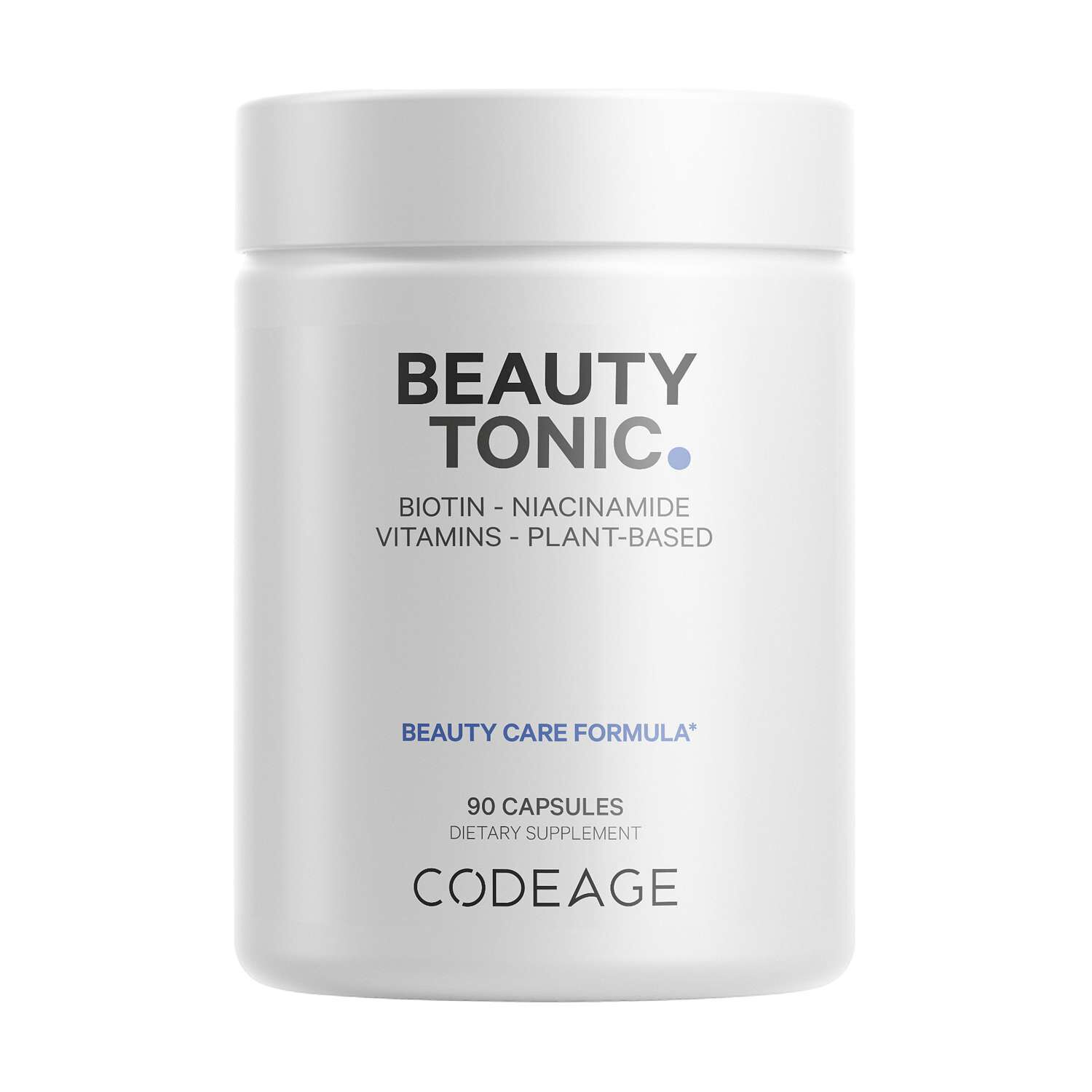

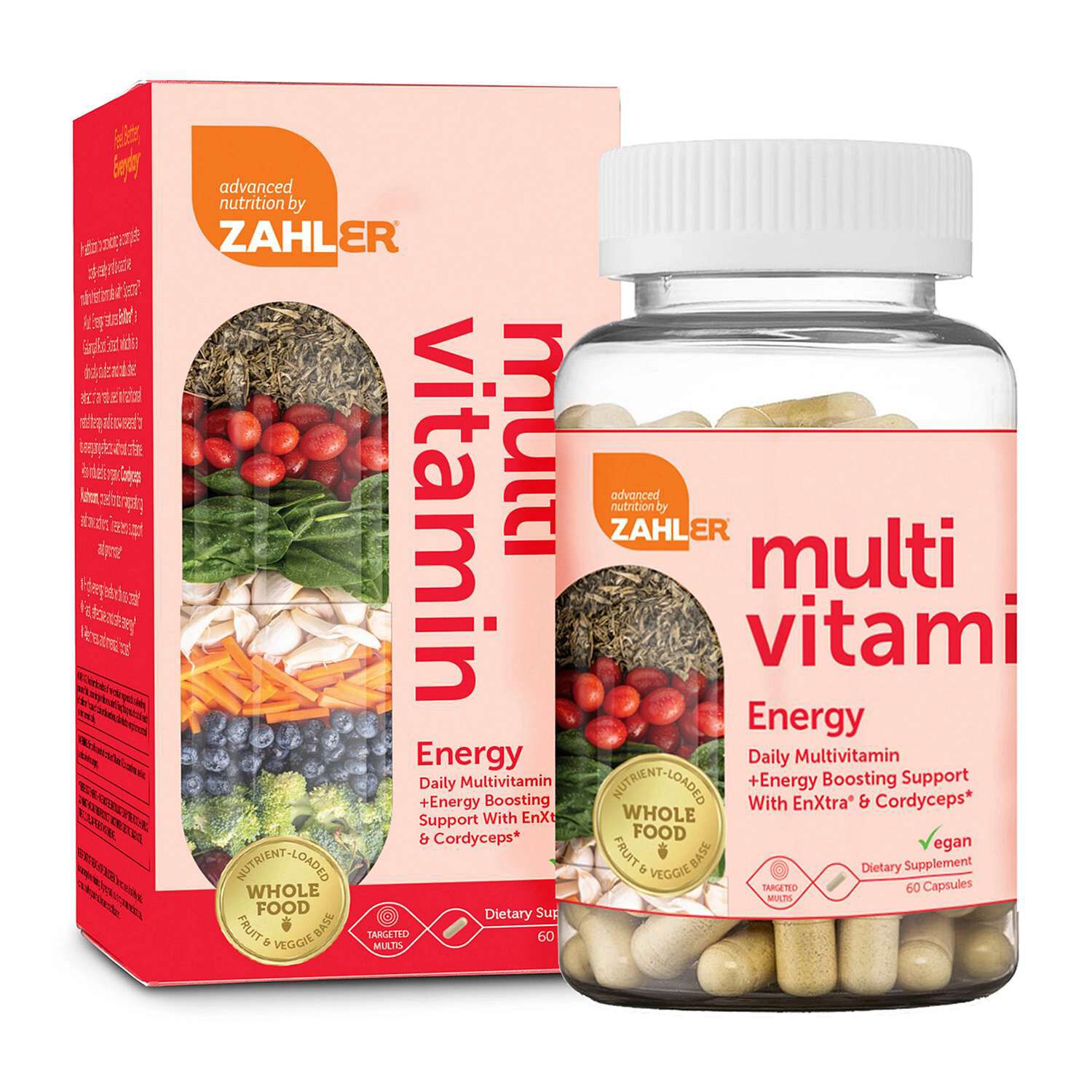
Full spectrum supplements generally describe formulas that contain a range of related nutrients or naturally occurring constituents rather than a single isolated ingredient. The phrase can apply to botanical extracts, mushroom supplements, mineral blends, and other nutritional formulas, although its meaning depends on the category and the manufacturer’s description. In a botanical formula, full spectrum may refer to an extract intended to retain several constituents found in the source plant. In a mineral blend, it may describe a selection of minerals presented together instead of one mineral on its own. These are different approaches to formulation, so the words on the front of the package are a starting point, not a substitute for the ingredient details. A broader composition does not necessarily mean that every constituent of the original material remains present, or that every nutrient appears in the same proportion as it does in food. Extraction methods, processing, and serving size all influence what ends up in the finished formula. Naturally occurring plant compounds, such as polyphenols, may appear alongside the ingredient highlighted on the label, but their presence and amounts depend on the formulation. Some supplements identify these accompanying constituents individually; others describe the source material more generally. Full spectrum also differs from whole food, a term that usually refers to ingredient sourcing rather than a consistent composition across supplements. Neither description, by itself, establishes how well a formula might suit an individual. For shoppers interested in full spectrum supplements, the most useful distinction is between a broad ingredient profile and a narrowly focused formula. One presents several related components together, while the other centers on a particular nutrient or constituent. Both approaches can appear in familiar formats, including capsules, tablets, powders, and liquids. Understanding that distinction makes it easier to compare formulas by what they contain, rather than treating a descriptive phrase as evidence that all products bearing it are alike.
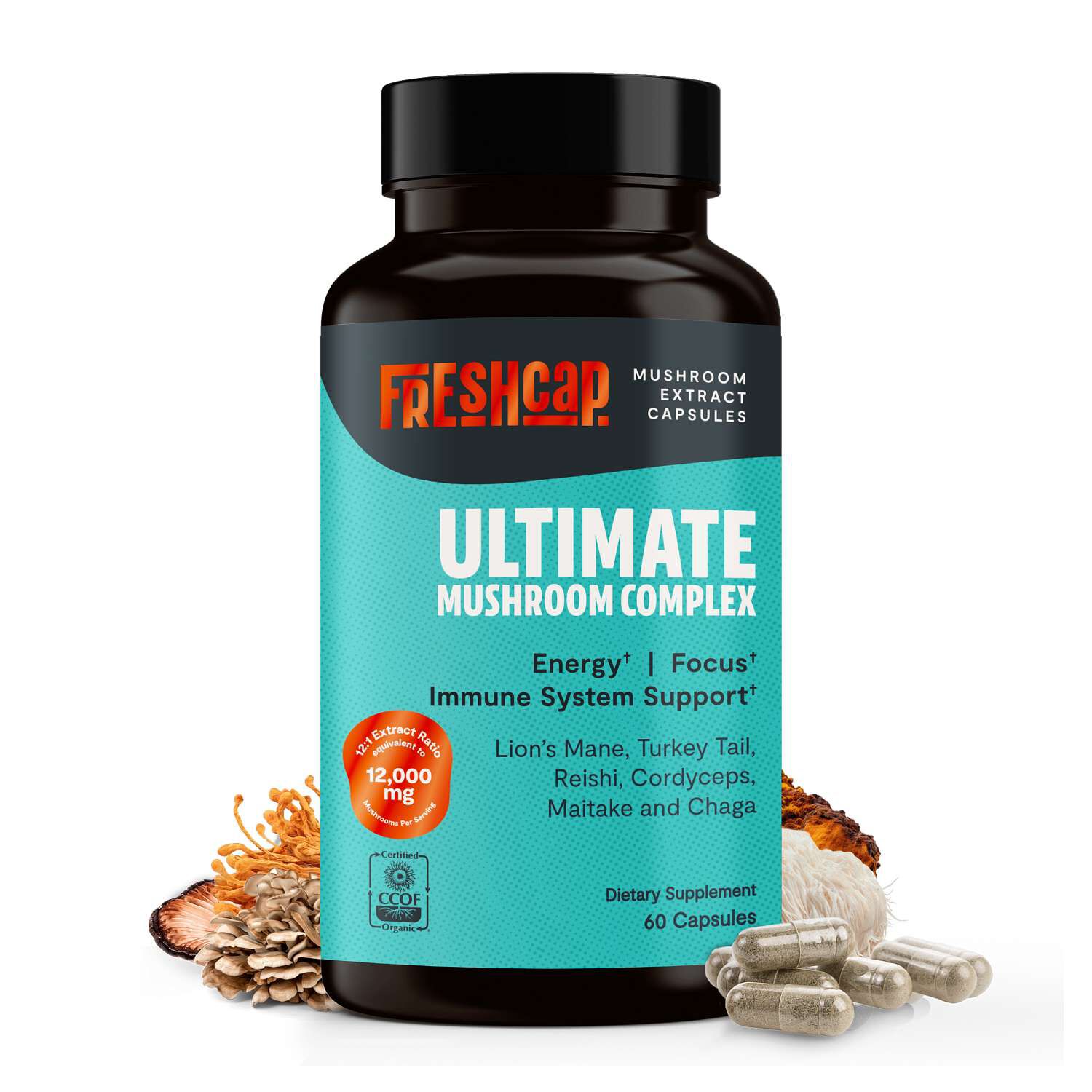
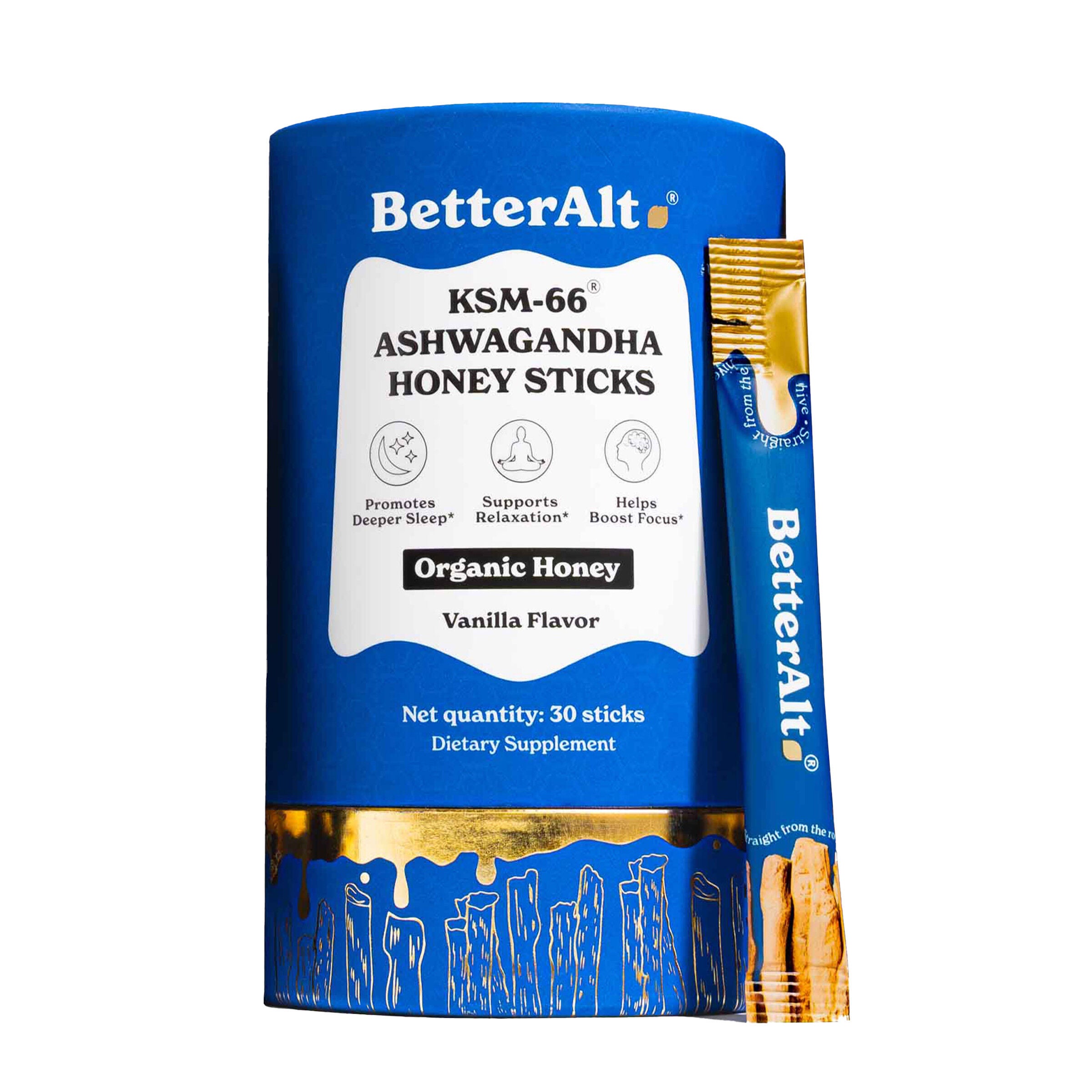
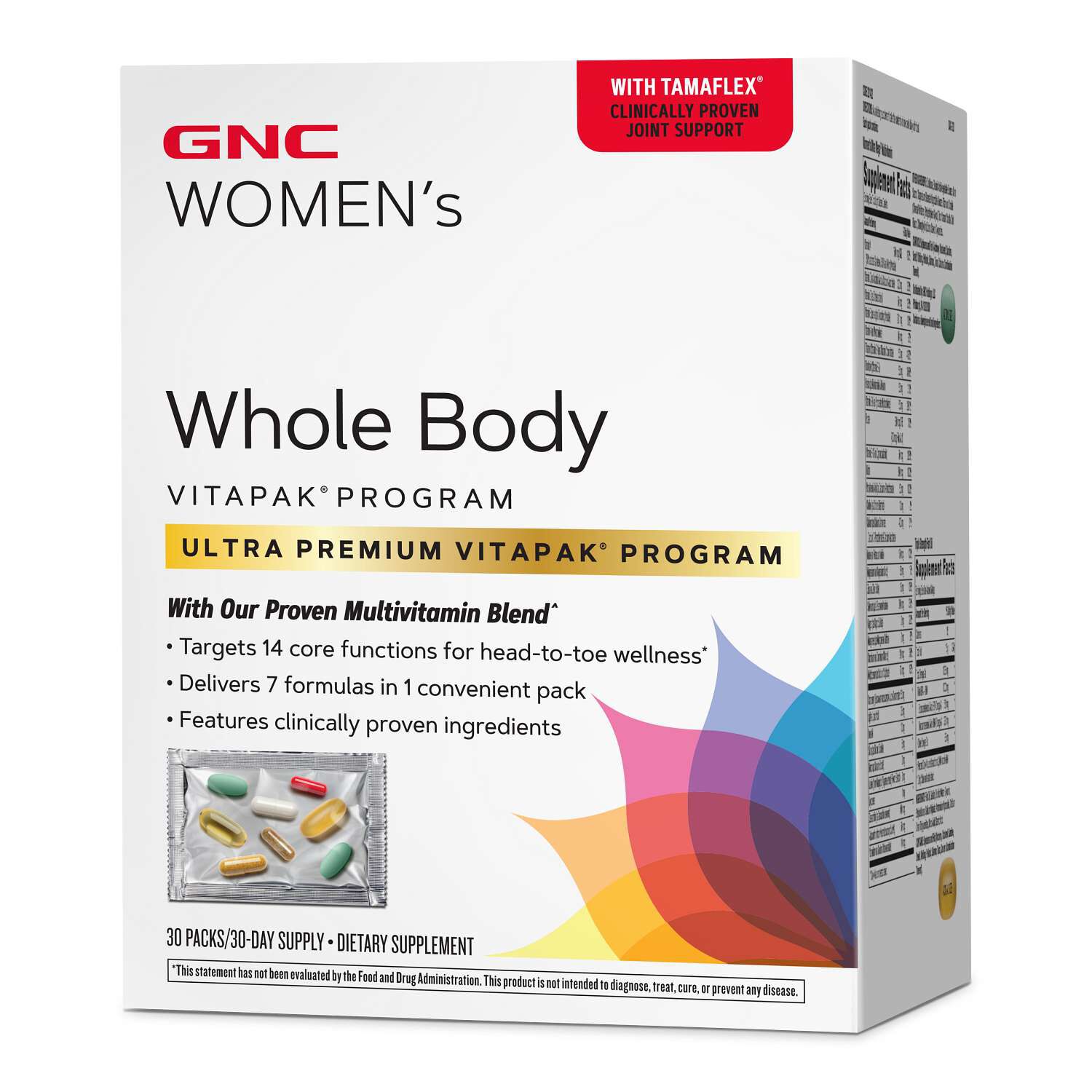
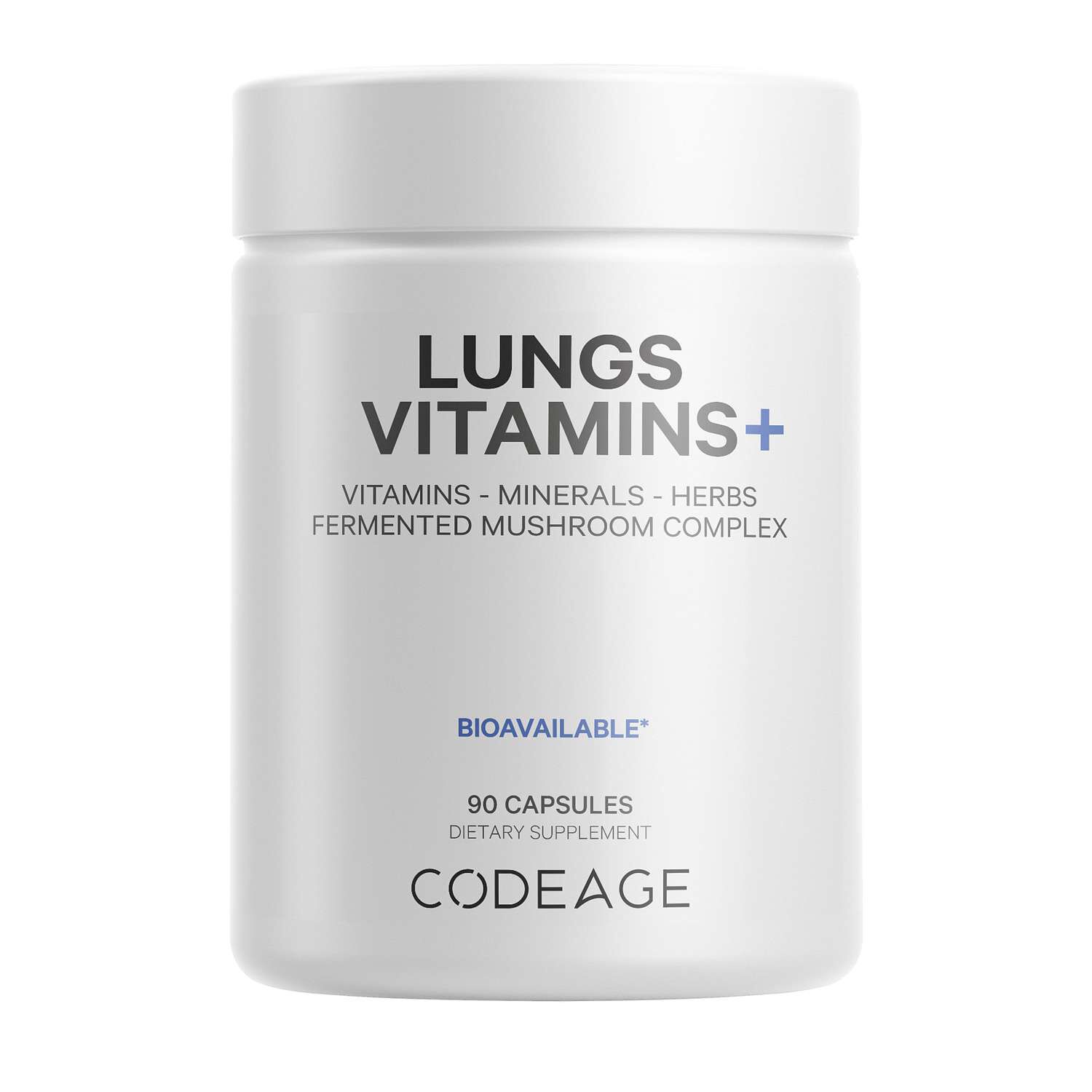
The practical details of a full spectrum formula begin with its Supplement Facts panel, ingredient list, and serving directions. A capsule count describes the package, while the serving size describes the portion used to list nutrient amounts; those numbers are not always interchangeable. A serving may consist of more than one capsule or tablet, and a powder may use a measured scoop rather than a single packet. Botanical labels can identify the plant species, the part used, and whether the ingredient is a powder or an extract. A root powder and a leaf extract from the same plant represent different starting materials, making that small line of label text worth noticing. Mushroom formulas may distinguish fruiting body material from mycelium and identify whether the contents have undergone extraction. Mineral and vitamin formulas may list the forms of individual nutrients, along with their amounts per serving. An extract ratio describes a relationship between source material and extract; it should not be read as a universal ranking across unrelated ingredients. These details provide a clearer basis for comparison than an ingredient name alone. The other ingredients also matter to everyday preferences: capsule shells may use gelatin or plant-derived materials, while tablets can contain binders and coatings. Powders and liquids may include flavorings, sweeteners, or ingredients used to maintain their texture. Dietary suitability depends on the actual label, including allergen statements, rather than assumptions about words such as natural or botanical. Format can be just as relevant as composition. Capsules offer a premeasured option, tablets have their own size and coating characteristics, and powders involve measuring and mixing according to the package directions. Liquids require attention to the stated serving measure and any instructions about shaking or storage. Shoppers considering a broader vitamin-and-mineral approach can also explore Holistic Multivitamins, while comparing the nutrient lists and serving formats that distinguish one category from another. The comparison is about formulation and intended use, not simply the number of ingredients printed on a label.
Choosing among full spectrum supplements also involves the ordinary details of where a supplement will be kept, how it will be measured, and whether its format fits an established routine. Someone who prefers a straightforward preparation process may favor a premeasured format, while someone comfortable mixing a drink may prefer a powder with clearly stated mixing directions. A large container belongs in a different routine than a compact bottle: one needs space for a scoop and a mixing vessel, while the other needs a place where its label remains easy to read. Flavor, aroma, texture, and tablet dimensions are practical considerations, especially when comparing an unflavored botanical powder with a flavored blend or a small capsule with a larger tablet. Those characteristics are not measures of nutritional suitability, but they may influence personal preference. Packaging and care deserve attention as well. Storage directions explain whether a formula has particular requirements after opening, and the original container keeps the ingredient information, serving instructions, and date marking together. A securely closed lid and clean, dry measuring tools may help limit unwanted moisture exposure where the label calls for dry storage. Powders may change texture when exposed to moisture, and liquid formulas may have different handling requirements from capsules or tablets. A container’s closure, seal, and label legibility are more relevant considerations than durability in the sense used for clothing or equipment. Supplements are consumable products, so their composition, condition, and stated storage requirements matter more than how long the package looks new. Full spectrum formulas may appeal to adults who prefer several related ingredients in one preparation, or who want to compare broader blends with single-ingredient options. That preference remains personal: a longer ingredient list is not automatically a better match, and the same descriptive term can cover substantially different formulas. For an everyday nutritional routine, the clearest picture comes from considering the source ingredients, their stated amounts, the serving format, and the directions together. This keeps the focus on what a supplement actually contains and how it is intended to be used.
Best Sellers
-
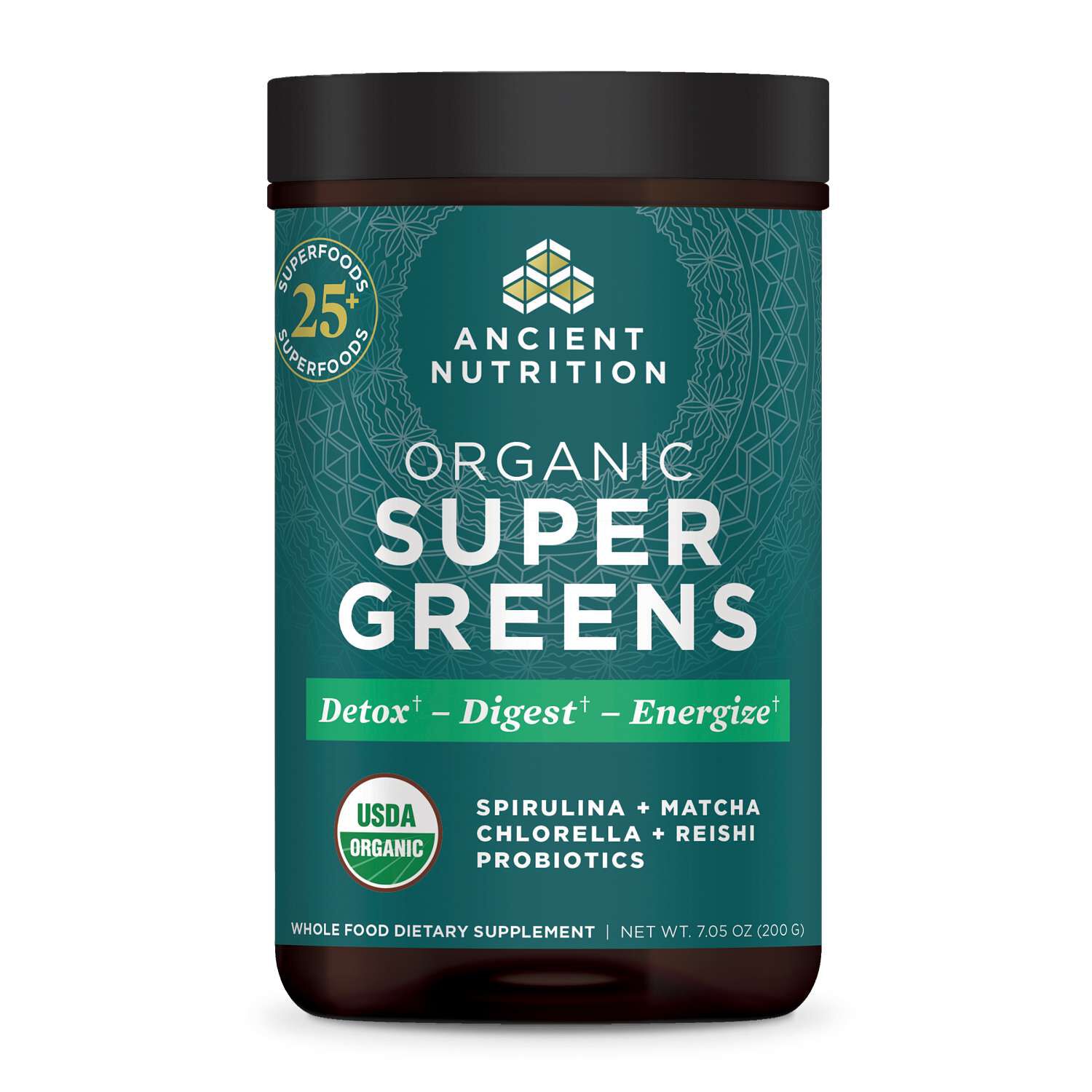 Ancient Nutrition
 -
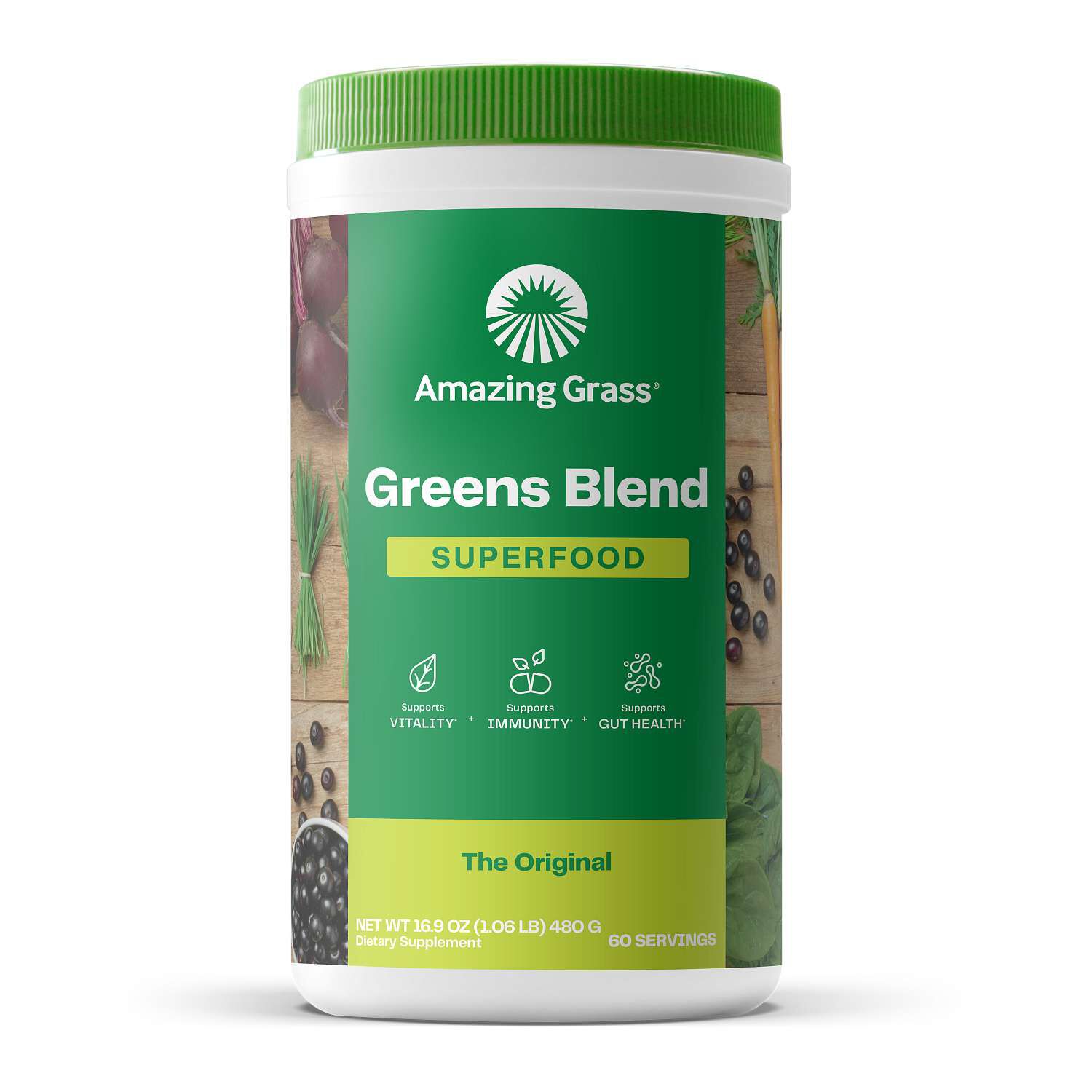 Amazing Grass