Greens Powders Without Artificial Colors
(0 Results)
Greens powders without artificial colors are a popular choice for those seeking a more natural approach to their daily wellness routine. Featuring blends of nutrient-rich greens, these powders may support your goals without the addition of artificial colorants. Explore options that could fit seamlessly into your lifestyle, whether you’re mixing them into smoothies or adding them to your favorite recipes. Discover how greens powders without artificial colors might help you on your journey toward balanced nutrition.
-

-

-

-

-
-
-
-

-
-

-
-
-
-
-
-

-

-

-
-

-
 4$59.99
-
 You Matter Wellness$49.99

Greens powders without artificial colors are powdered dietary supplements formulated without synthetic color additives. Their color may come from plant ingredients such as spinach, kale, spirulina, chlorella, or matcha rather than added artificial dyes. The finished powder may range from muted olive to a deeper green, depending on the ingredients and their proportions. Color alone does not indicate nutritional value, ingredient quality, or how much of any one plant is present. A darker drink is not necessarily a more concentrated serving, and a pale blend is not necessarily a simpler formula. The ingredient list, Supplement Facts panel, and stated serving size provide more meaningful points of comparison. Within this category, recipes vary: some focus on leafy vegetables and grasses, while others include algae, fruit powders, herbs, or additional vitamins and minerals. A greens powder is not the same as a serving of fresh vegetables, and a list of plant ingredients does not establish an equivalent amount of whole produce. These powders are intended to supplement an eating routine rather than take the place of varied meals. For shoppers who prefer products without artificial colors, that distinction leaves room to consider both the formula and the everyday experience of using it. Someone who mixes a drink at the kitchen counter before commuting may want a mellow flavor that works with water. Someone who regularly makes smoothies may prefer an unflavored powder that could blend into banana, berries, or yogurt without an added flavor theme. Earthy, grassy, and subtly marine notes are possible with different plant combinations, while citrus or berry flavoring may soften the overall taste. Unflavored does not mean tasteless, just as a vivid green appearance does not necessarily mean an artificial color was added. Descriptions of the ingredients and flavor offer more context than the shade of the powder alone.
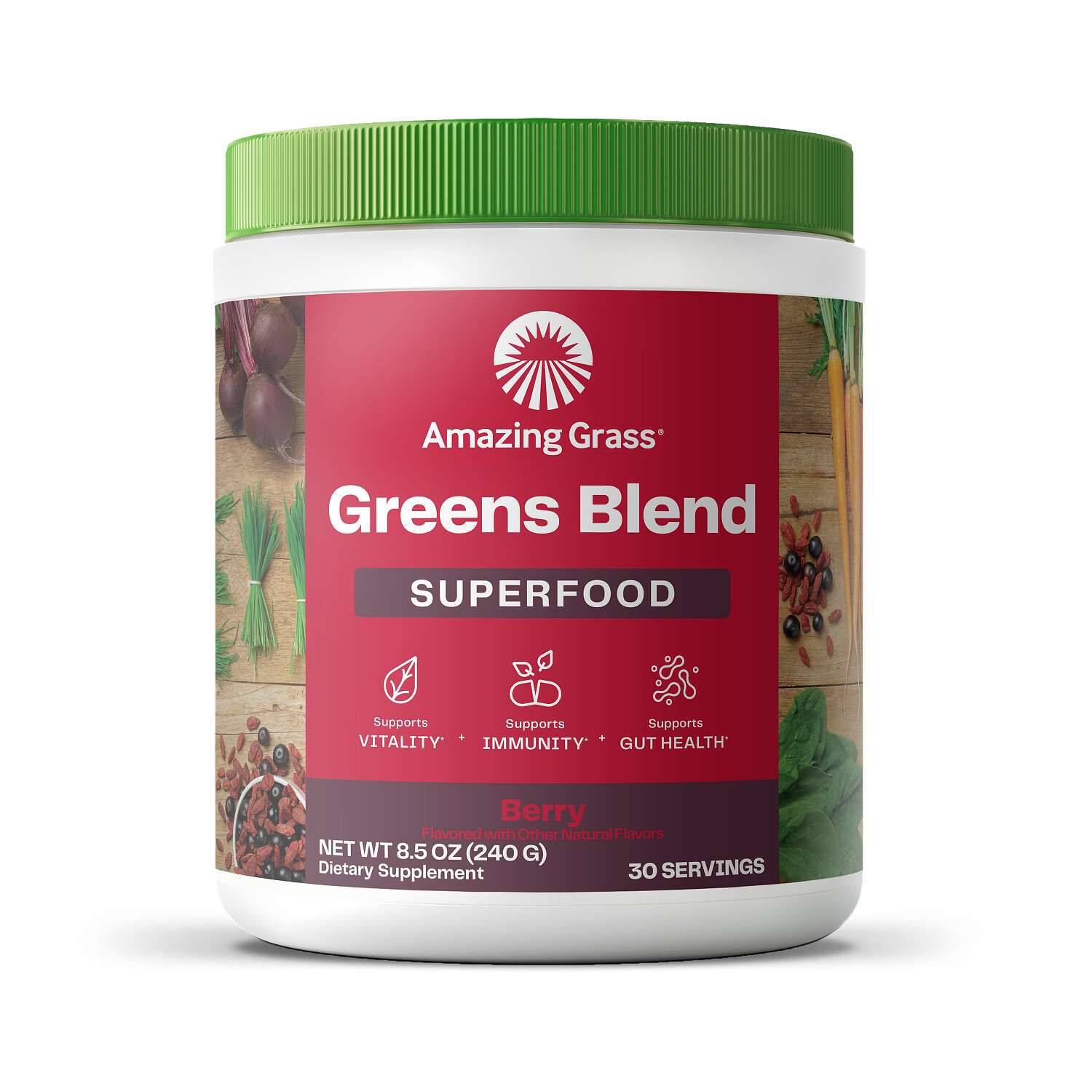
The absence of artificial colors is one formulation detail, not a description of every ingredient in the container. A blend made without artificial colors may still contain flavoring, sweeteners, added sugars, or ingredients that do not suit a particular dietary preference. Artificial colors and artificial flavors are separate categories, so a statement about one does not establish the absence of the other. Shoppers interested in both characteristics can also explore No Artificial Flavors Greens Supplements while comparing the individual labels. Flavor descriptions deserve attention, especially for anyone planning to drink a powder mixed only with water. A berry-flavored blend may include natural flavors, fruit ingredients, sweeteners, or a combination of those components; the flavor name alone does not describe the recipe. Likewise, plant-based ingredients do not automatically establish that a finished formula meets every dietary requirement. Allergen statements, ingredient sources, and clearly stated dietary designations offer useful context for households with different preferences. Matcha and other tea ingredients also warrant a closer look when caffeine is a consideration, since a greens-focused name does not describe every component of the blend. Serving sizes are another meaningful difference. One scoop is a measuring direction, not a standard amount shared by all powders, so the serving weight in grams helps put label information into context. Some labels identify amounts for individual ingredients, while others group ingredients together in a blend. Those formats provide different degrees of detail and should not be treated as interchangeable. Nutrient amounts, fiber content, and added ingredients can also differ substantially between formulas. A long ingredient list is not automatically a better match than a shorter one. For someone who already enjoys a range of plant foods, a straightforward formula may be appealing; another shopper may prioritize a particular flavor or a clearly described ingredient combination. The relevant comparison is between the actual labels and the intended use, not broad assumptions about what every greens powder contains.
Everyday fit often comes down to preparation, texture, and storage as much as the ingredient list. A powder intended for a quick drink at a desk has a different role from one measured into a blender alongside fruit and a thicker liquid. Depending on the formula, stirring may leave small particles or some settling, while shaking or blending may produce a more uniform texture. Plant powders do not always dissolve like a clear beverage mix, so a slightly cloudy appearance or fine sediment is not, by itself, evidence of artificial coloring. The preparation directions on the package establish the suggested serving and liquid amount; using the scoop supplied with that container avoids assuming that scoops from different powders hold the same quantity. For a smoothie, banana or mango may complement grassy notes, while berries may contribute a more pronounced fruit flavor. Milk, an oat beverage, or yogurt may create a fuller texture than water, depending on the recipe. These combinations are matters of taste and intended use rather than a reason to exceed the labeled serving. Packaging also matters for the setting where the powder will be used. A resealable container may suit a dedicated spot beside the blender, while individually portioned packaging may be convenient for a work bag or travel when offered. Moisture control deserves attention with either format. Following the storage directions, closing the package after use, and keeping the measuring scoop dry may help preserve the powder’s intended condition. The labeled date and any instructions for use after opening provide the relevant reference points for storage duration. An unusual odor, a damaged seal, or a noticeable change in the powder warrants checking the package guidance rather than judging the contents by color alone. For regular smoothie makers, commuters, and adults who prefer supplements without artificial colors, the most suitable choice is one whose ingredients, flavor, serving format, and care requirements align with the way it will actually be used.
Best Sellers
-
Ancient Nutrition
-
Amazing Grass