





Protein Powders Without Artificial Colors
(0 Results)
Protein powders without artificial colors could be a great choice for those seeking a more straightforward approach to their nutrition routine. Whether you’re looking to support your fitness goals or simply want a clean addition to your daily regimen, these options may fit seamlessly into your lifestyle. Explore a range of protein powders without artificial colors that might align with your preferences and wellness journey.
-
-
-

-
-

-
-
-
-
-
-
-
-
-
-
-

-
-
-
-
-
-

-

-
 Wild Society Nutrition7$39.99
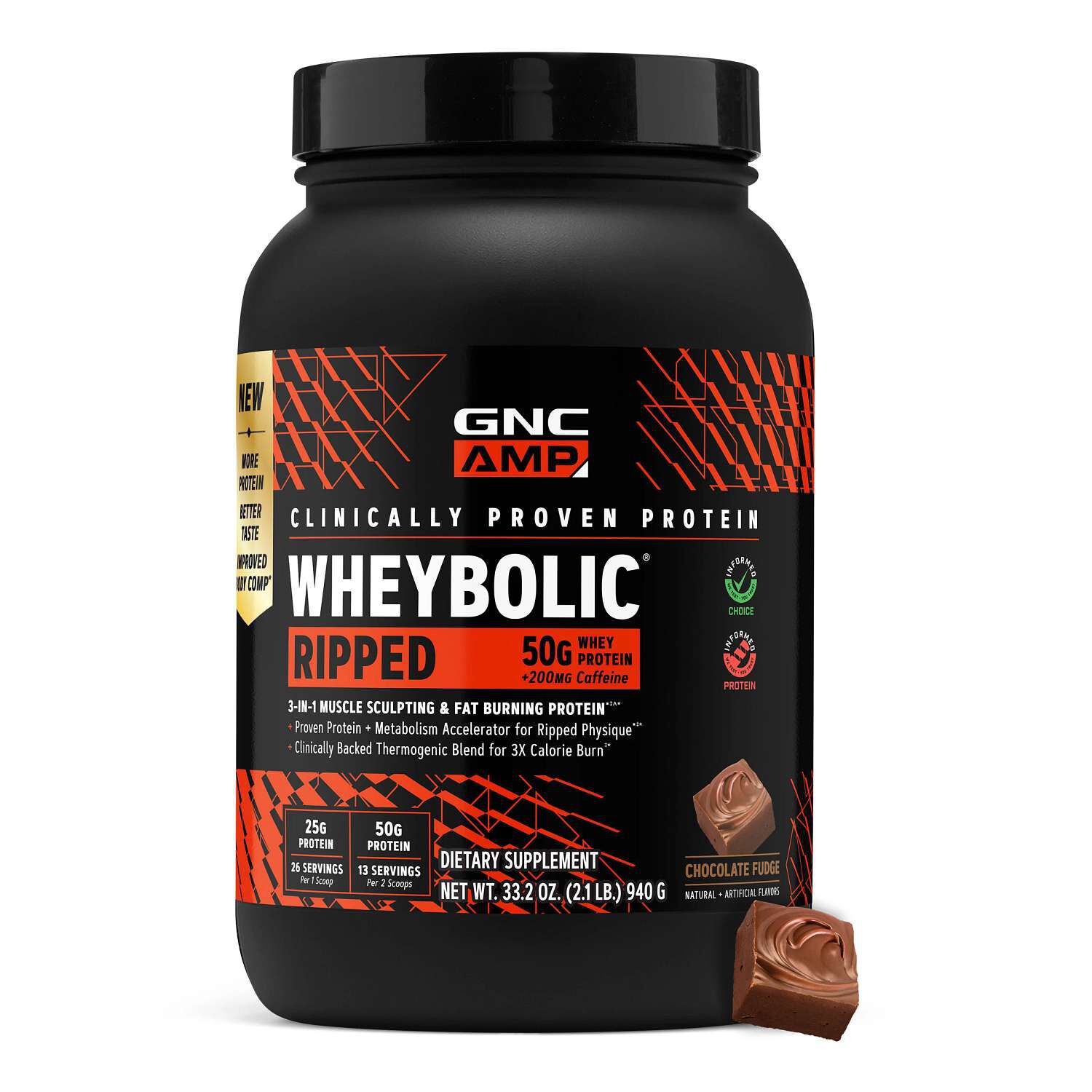
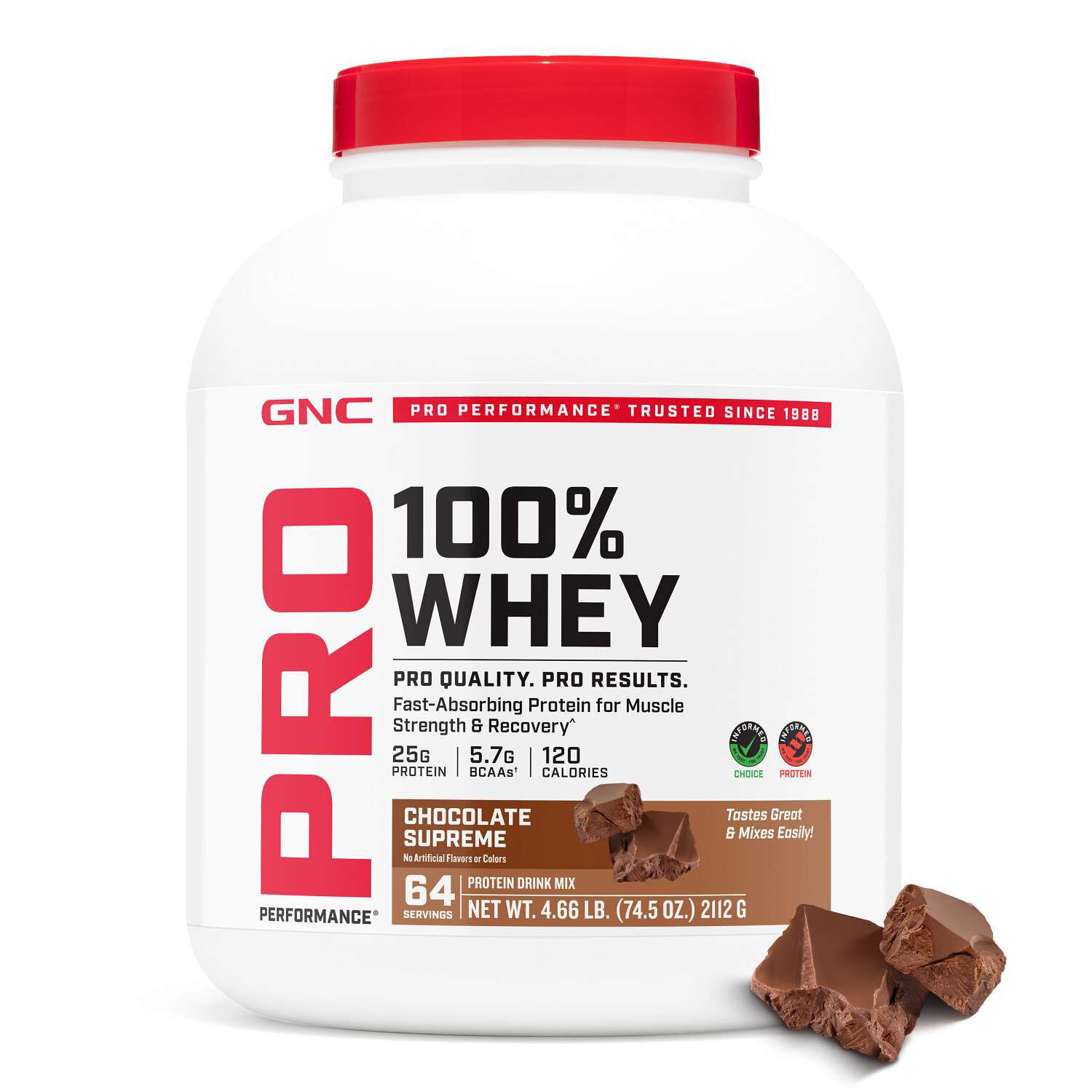
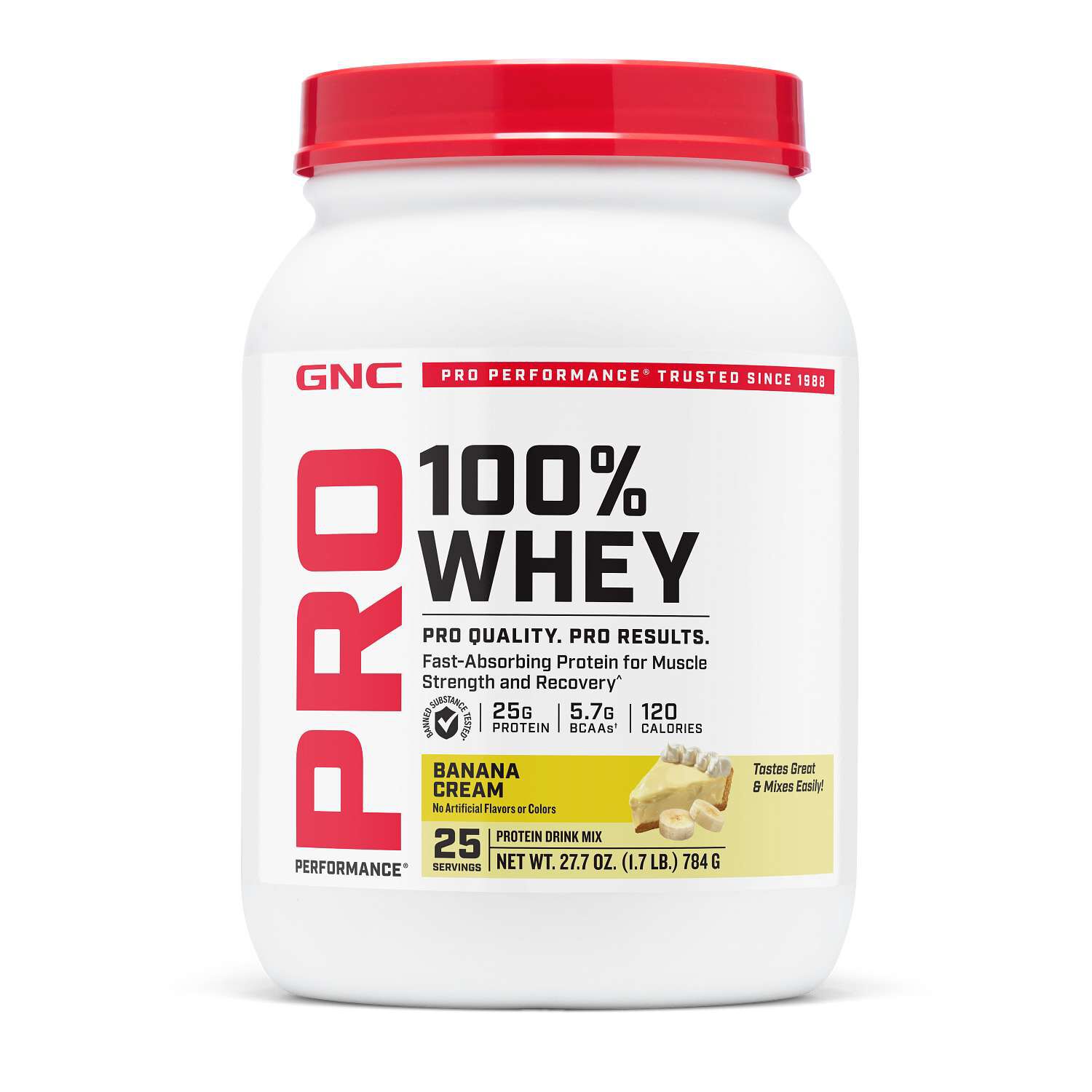
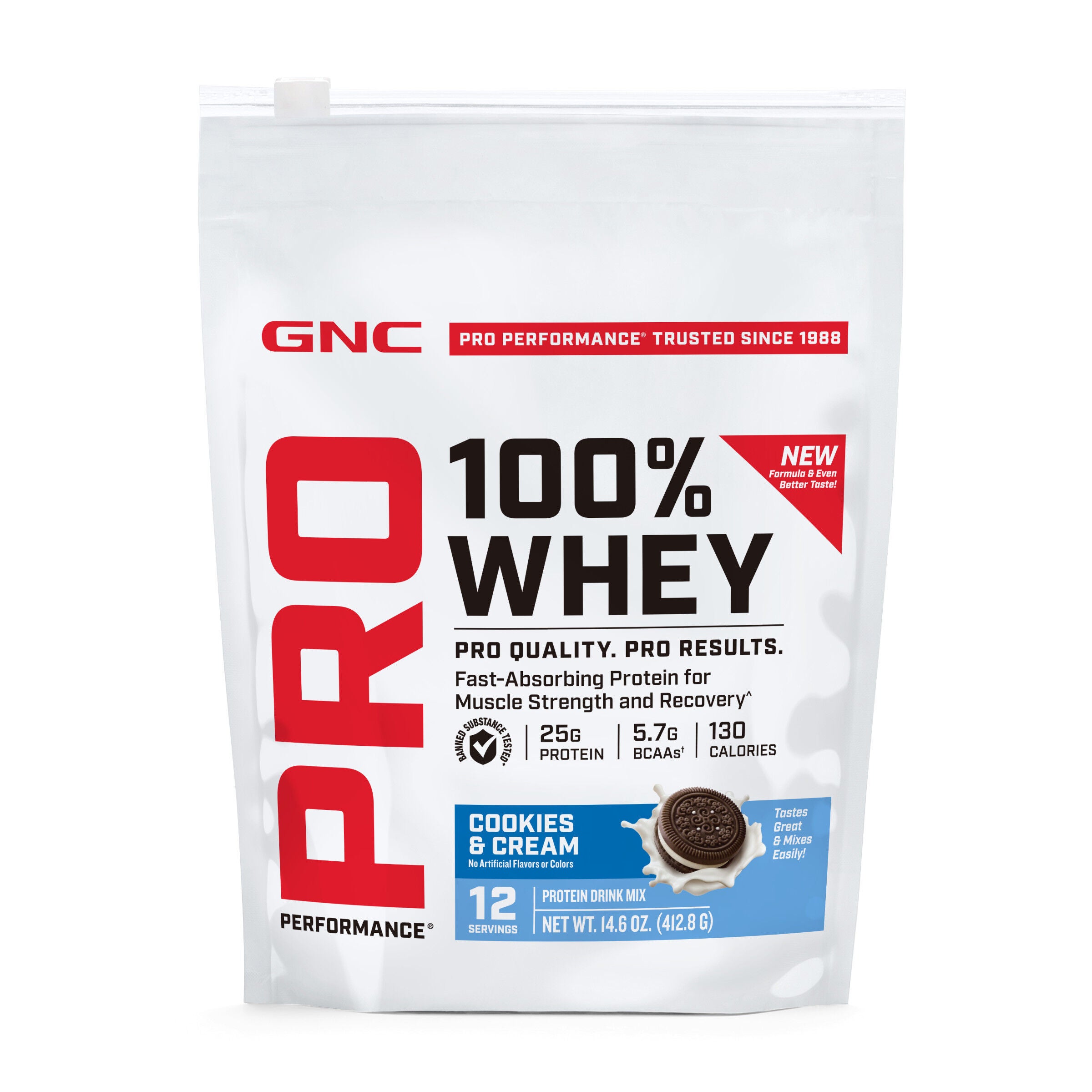
Protein powders without artificial colors are made without synthetic color additives, such as Red 40, Blue 1, or Yellow 5. Their appearance comes from the protein ingredients themselves or from other ingredients in the formula, rather than artificial dyes. An unflavored powder might look ivory or pale beige, while cocoa or fruit ingredients may give a flavored blend a brown or pink hue. The absence of artificial coloring does not mean every powder looks white, nor does it mean every formula contains only protein. Flavorings, sweeteners, thickeners, and other ingredients are separate considerations. This makes the ingredient list an important companion to any front-label statement about color. Some powders have a short ingredient list centered on a single protein source; others combine several sources with ingredients chosen for flavor or texture. Both approaches may suit shoppers who prefer to skip synthetic dyes, depending on what else they want in a shake. Descriptions such as unflavored, naturally flavored, organic, and no artificial colors refer to different characteristics and should not be treated as interchangeable. Even a plain-looking powder deserves a closer look at its label, since appearance alone does not establish which ingredients were used. Along with the ingredient list, the Nutrition Facts or Supplement Facts panel provides serving information and the amount of protein per serving. Container size, scoop size, and the number of servings also offer useful context when comparing powders intended for everyday use. A larger scoop is not automatically a more concentrated source of protein, especially when formulas contain different proportions of cocoa, sweetening ingredients, or other additions. For someone who wants an addition to a breakfast smoothie or a shake after a workout, the relevant comparison is the full formula, not just the color statement. Protein powders without artificial colors represent an ingredient preference, with a wide range of protein sources, flavors, and preparation styles within that preference.
The protein source is another way to distinguish between formulas. Whey and casein come from milk, while egg white protein comes from eggs. Plant-based powders may use peas, rice, soy, or a combination of sources. Concentrates, isolates, and blended formulas have different ingredient compositions, so the source name alone does not tell everything about the finished powder. Milk, egg, and soy are also important details for shoppers comparing allergen statements, and a plant-focused description is not a substitute for reading the package. Flavor and texture deserve the same attention as the protein source. Depending on the formula, whey may have a mild dairy character, pea protein may bring an earthy note, and rice protein may have a grain-like character. Added cocoa, vanilla flavoring, or fruit ingredients may influence how noticeable those underlying notes become. An unflavored powder may suit someone who changes smoothie ingredients often, although unflavored does not necessarily mean tasteless. A flavored option may be a better match for someone who usually mixes a shake with water and prefers a consistent taste. Sweetness is a separate consideration: powders without artificial colors may contain sugar, stevia, monk fruit, artificial sweeteners, or no added sweetening ingredients. Shoppers comparing both attributes may also explore Protein Powders With No Artificial Sweeteners, since a color preference does not establish how a formula is sweetened. Texture-related ingredients, such as lecithin or gums, are worth noting as well; their presence does not automatically indicate artificial coloring. The same powder may taste different in water, dairy milk, or a plant-based beverage, and the amount of liquid may change its thickness. Someone who likes a light, pourable shake may prefer a different preparation than someone who wants a spoonable smoothie bowl. These practical distinctions may matter more in daily use than whether the dry powder has a perfectly uniform shade.
Everyday routines give protein powders without artificial colors plenty of context beyond the shaker bottle. A morning smoothie with banana, oats, and cinnamon calls for a different flavor match than a simple cocoa shake mixed after a gym visit. An unflavored formula may fit savory recipes or a rotating selection of fruit smoothies, while vanilla or chocolate may complement familiar combinations with nut butter, coffee, or berries. Recipe results vary by formula: protein powder may change the thickness of oatmeal, the texture of yogurt, or the tenderness of pancakes and baked goods. A recipe written for the same type of protein offers a more useful starting point than swapping equal scoops between unrelated formulas. For drinks, the package’s mixing directions provide a starting proportion, with liquid adjusted to personal preference. A shaker bottle may suit a desk drawer or gym bag, while a blender may be useful for recipes containing frozen fruit or oats. Practical packaging details matter, too. A container with a secure lid and enough room to reach the scoop may fit a busy routine, while individually portioned packaging may suit travel or a packed workday. The labeled serving remains the reference point, since scoops are not interchangeable across powders. Storage and handling deserve attention regardless of the protein source: follow the package directions, keep the container closed, and use a clean, dry scoop. Moisture introduced by a damp utensil may cause clumping, and a container stored beside the sink is more exposed to splashes than one kept in a dry cabinet. Prepared shakes should be handled according to their ingredients and package directions rather than treated like dry powder. For regular shake drinkers, occasional smoothie makers, and home cooks experimenting with protein-containing recipes, a suitable option may be one that matches both ingredient preferences and actual kitchen habits. Comparing color ingredients alongside source, flavor, serving information, preparation, and storage keeps the choice grounded in how the powder will be used.
Best Sellers


Related Pages


Top Collections
- Joint Mobility Supplement Packs
- Daily Collagen Supplements | Top Brands & Deals | GNC
- GLP 1 Support For Adults
- Zinc Supplements | Top Brands at Great Prices | GNC
- Supplements For Yoga Joint Flexibility
- Supplements For Balance
- Capsule Supplements For Energy And Stamina
- Adult Mobility Supplements
- Chronic Fatigue Supplements
- Vitamins For Hair Loss