





Protein Powders Without Artificial Flavors
(0 Results)
Finding protein powders without artificial flavors may be a great choice for those looking to support their nutrition goals with a simpler ingredient list. Whether you’re blending up a post-workout shake or adding protein to your favorite recipes, these options might fit into a variety of wellness routines. Explore protein powders without artificial flavors and discover selections that could align with your preferences for straightforward, clean-tasting nutrition.
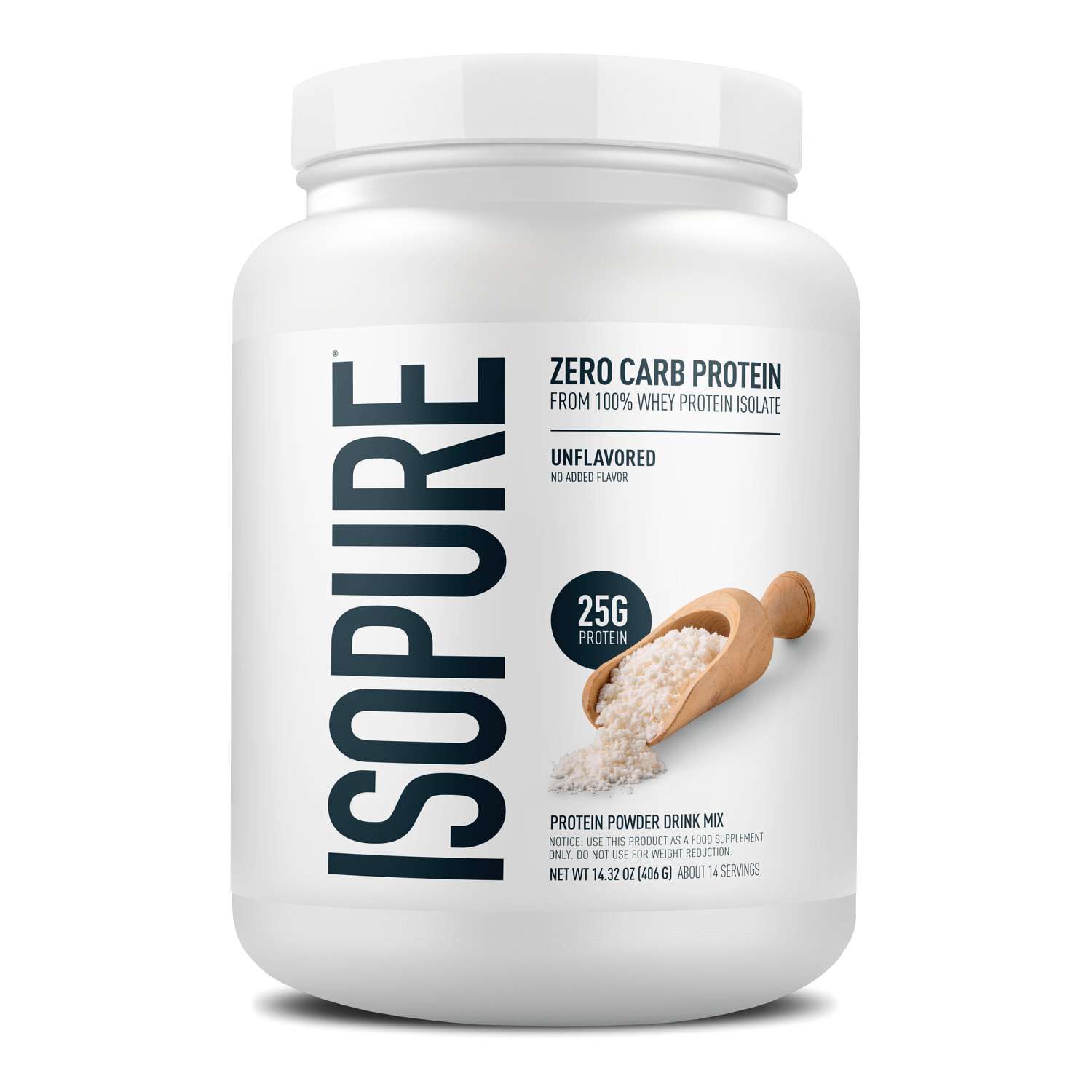
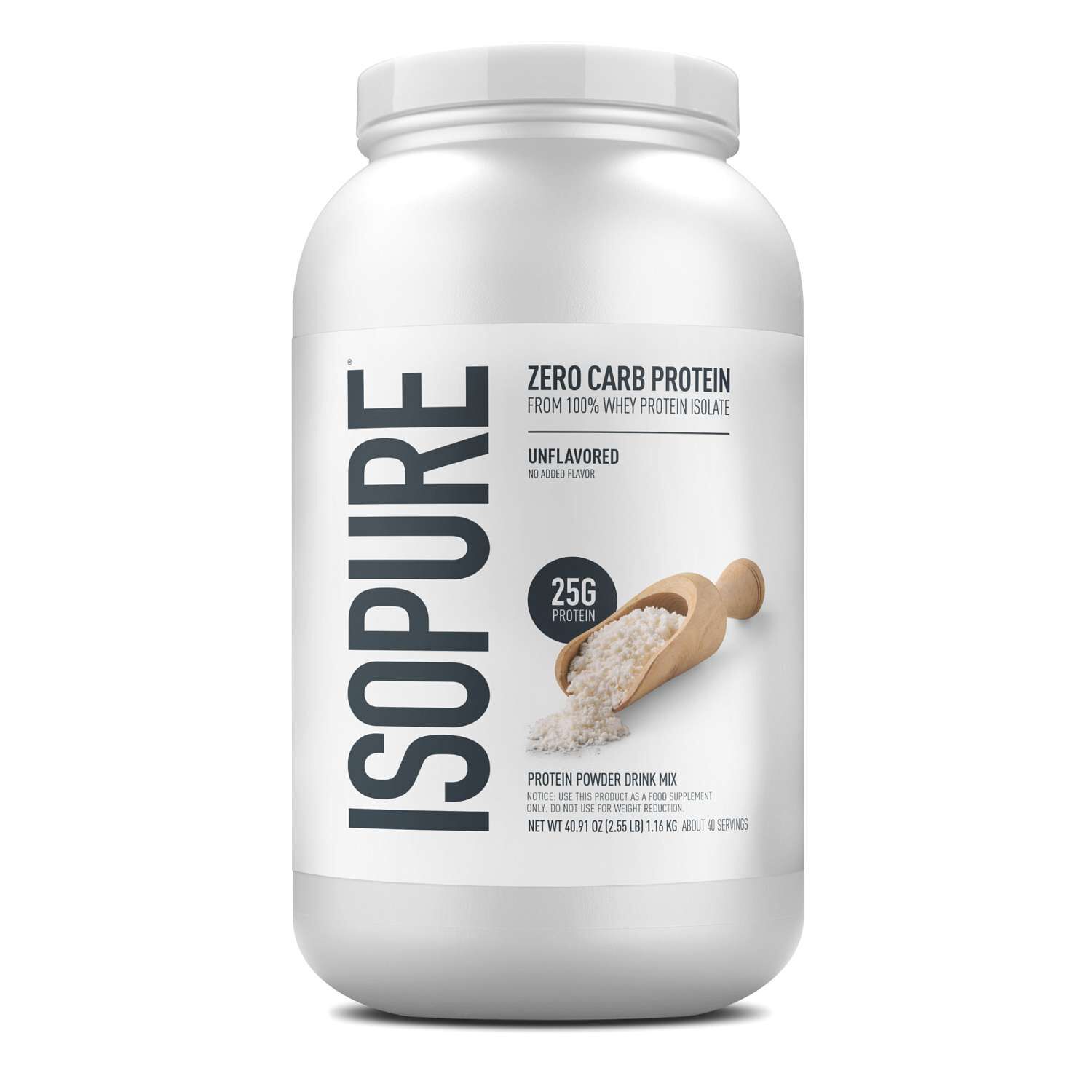


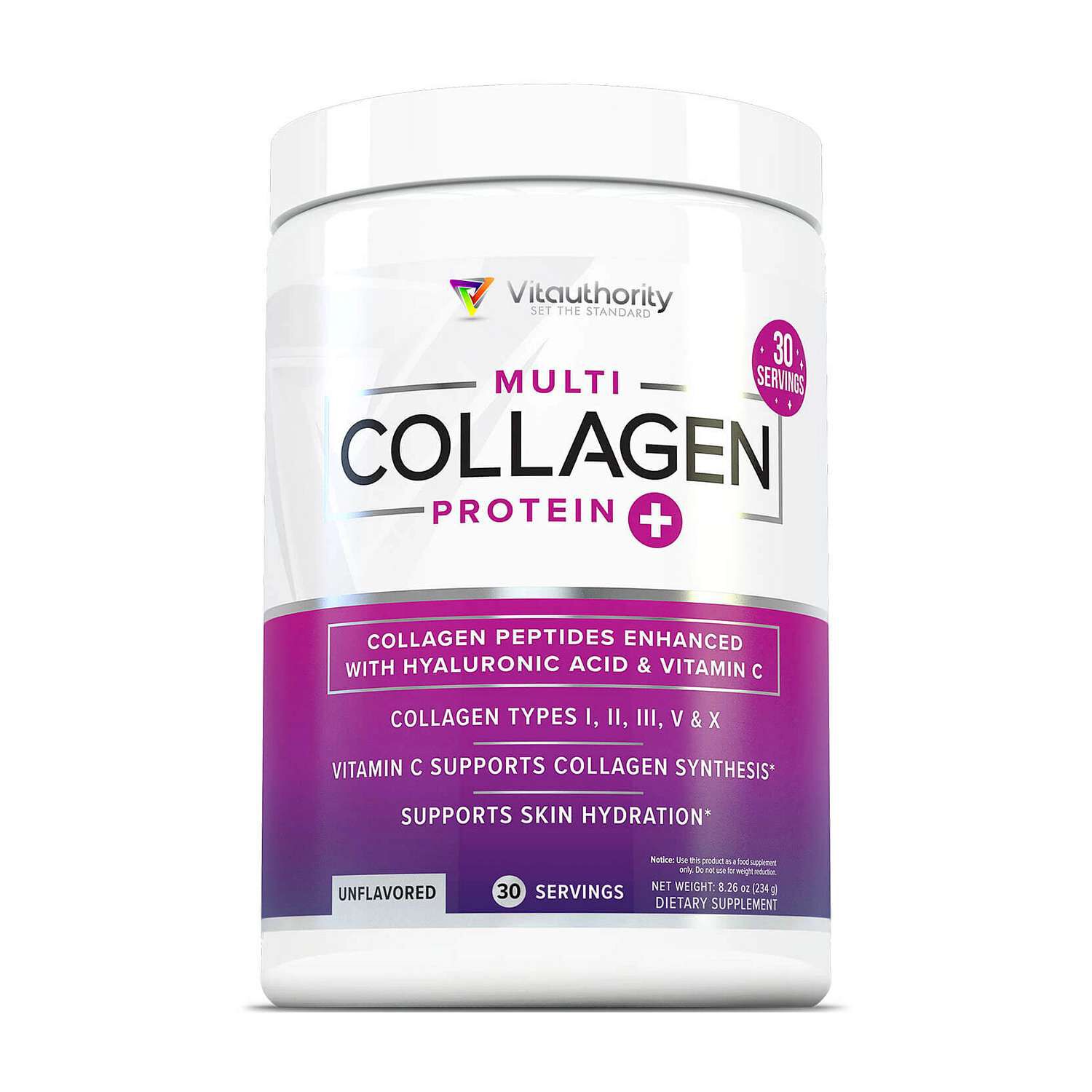

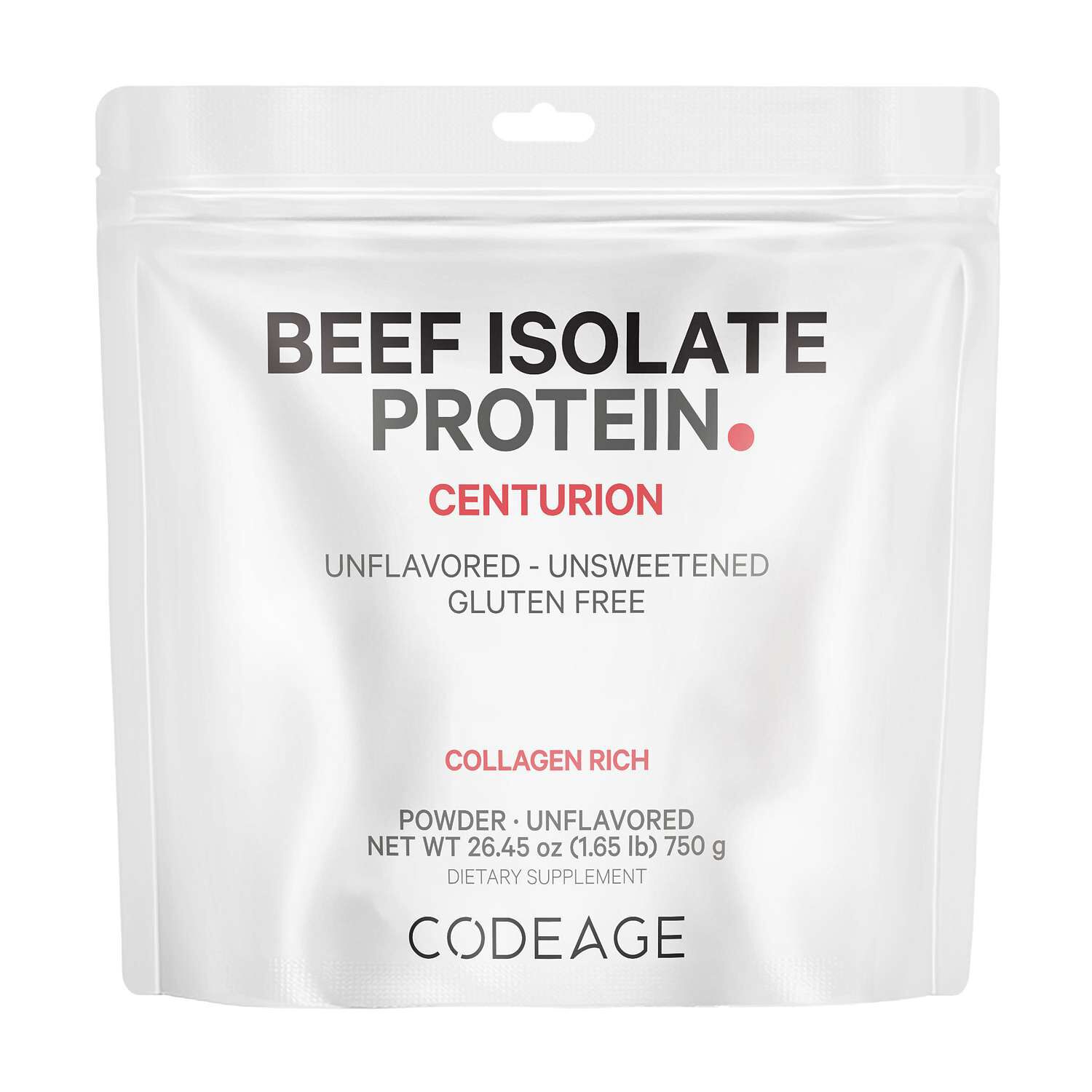


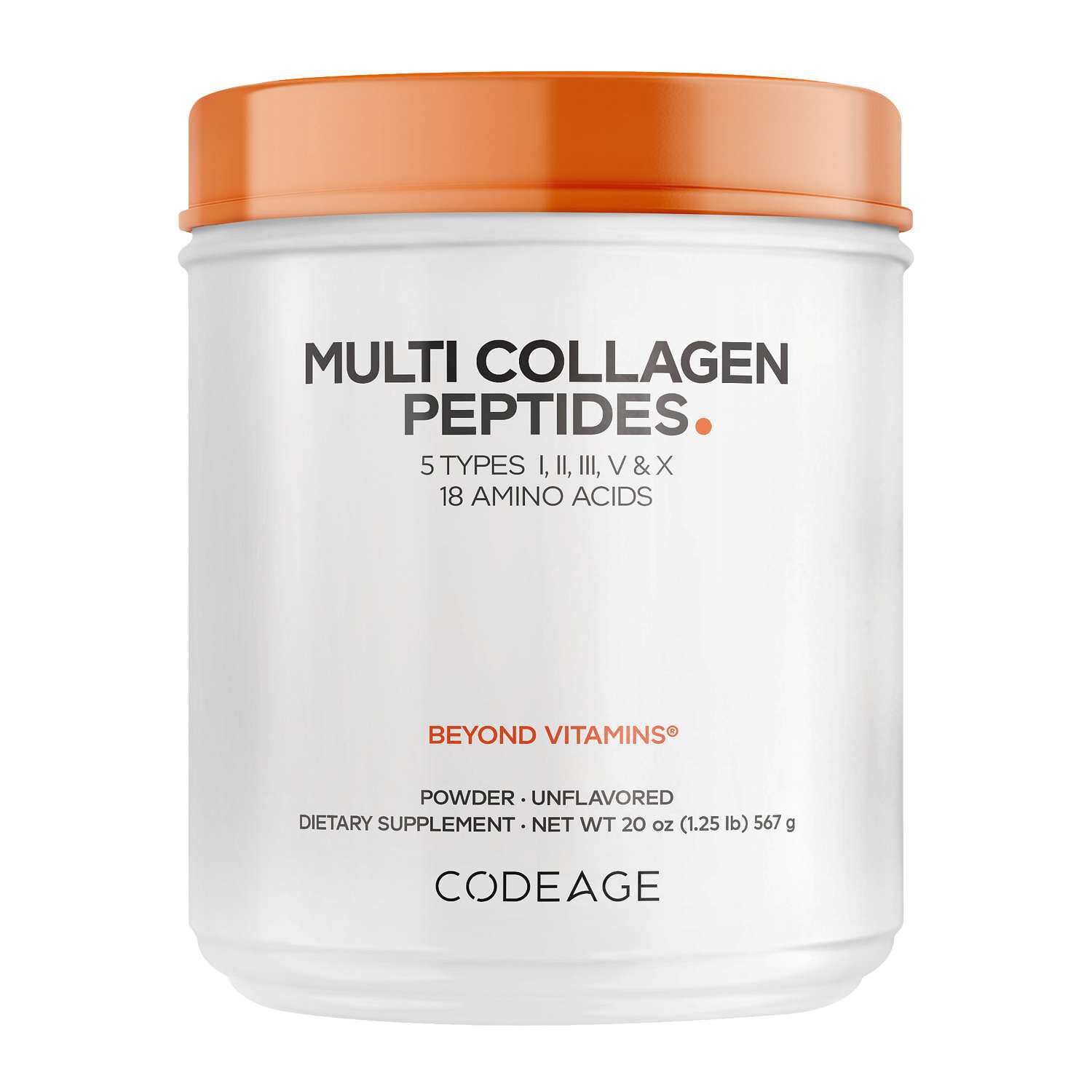


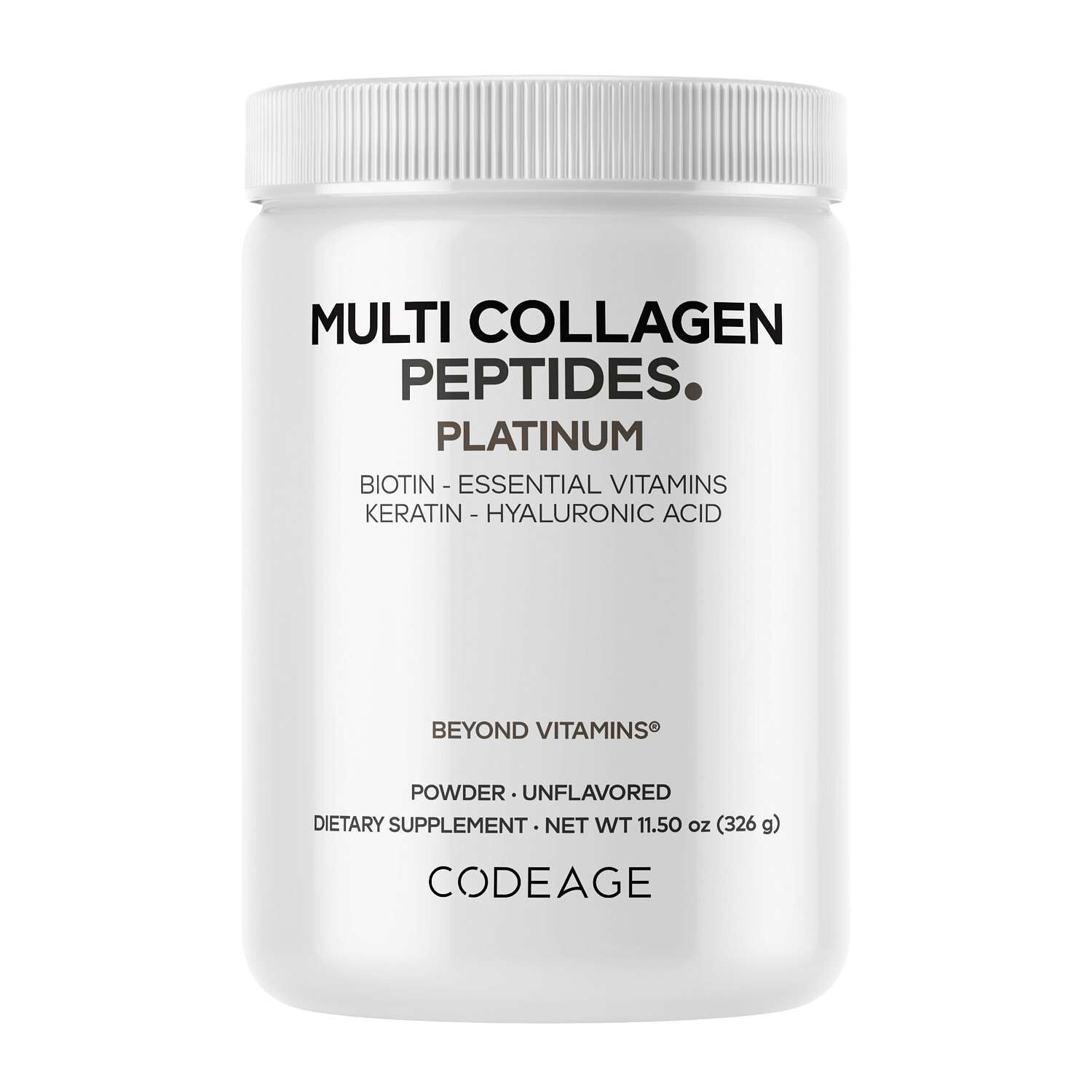
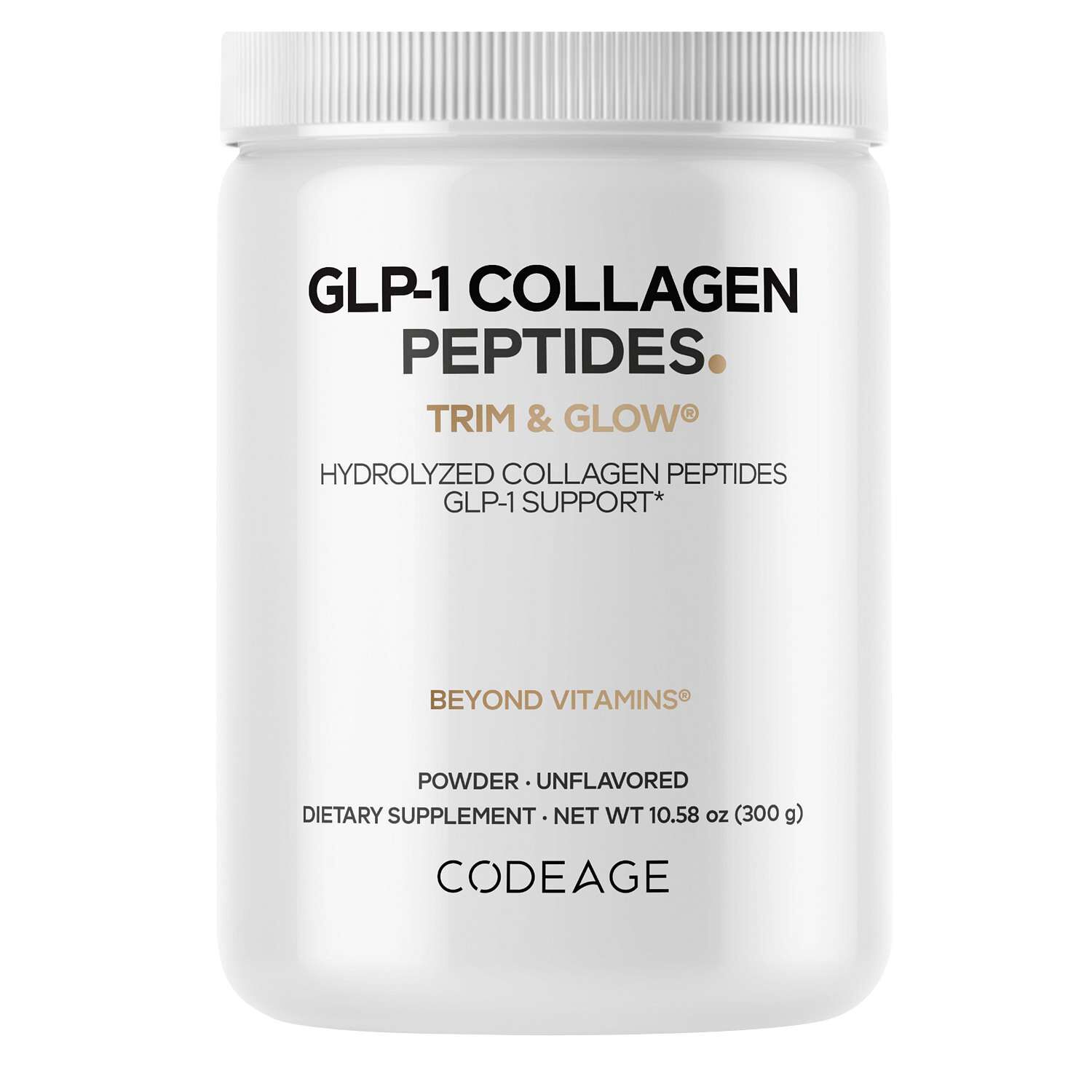
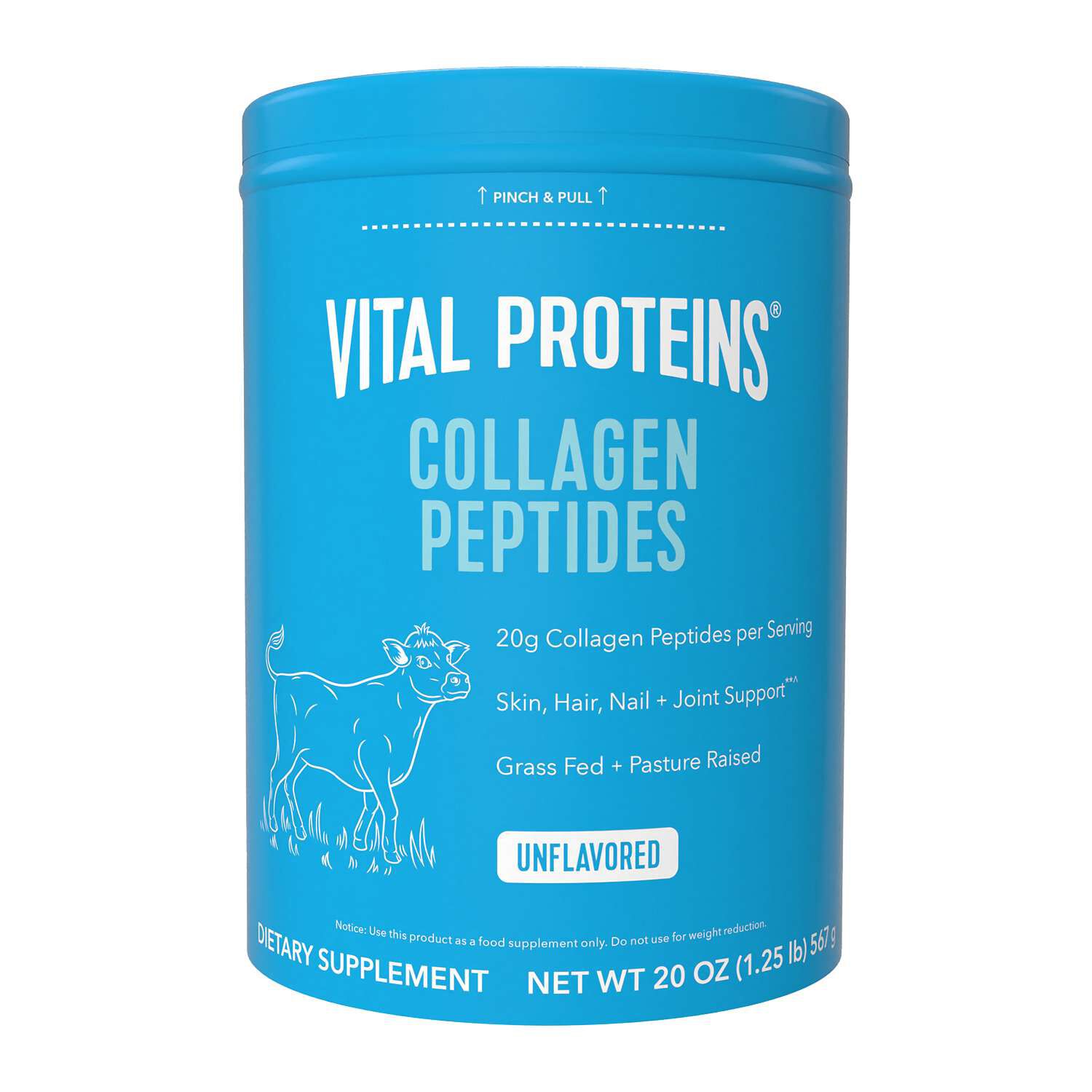

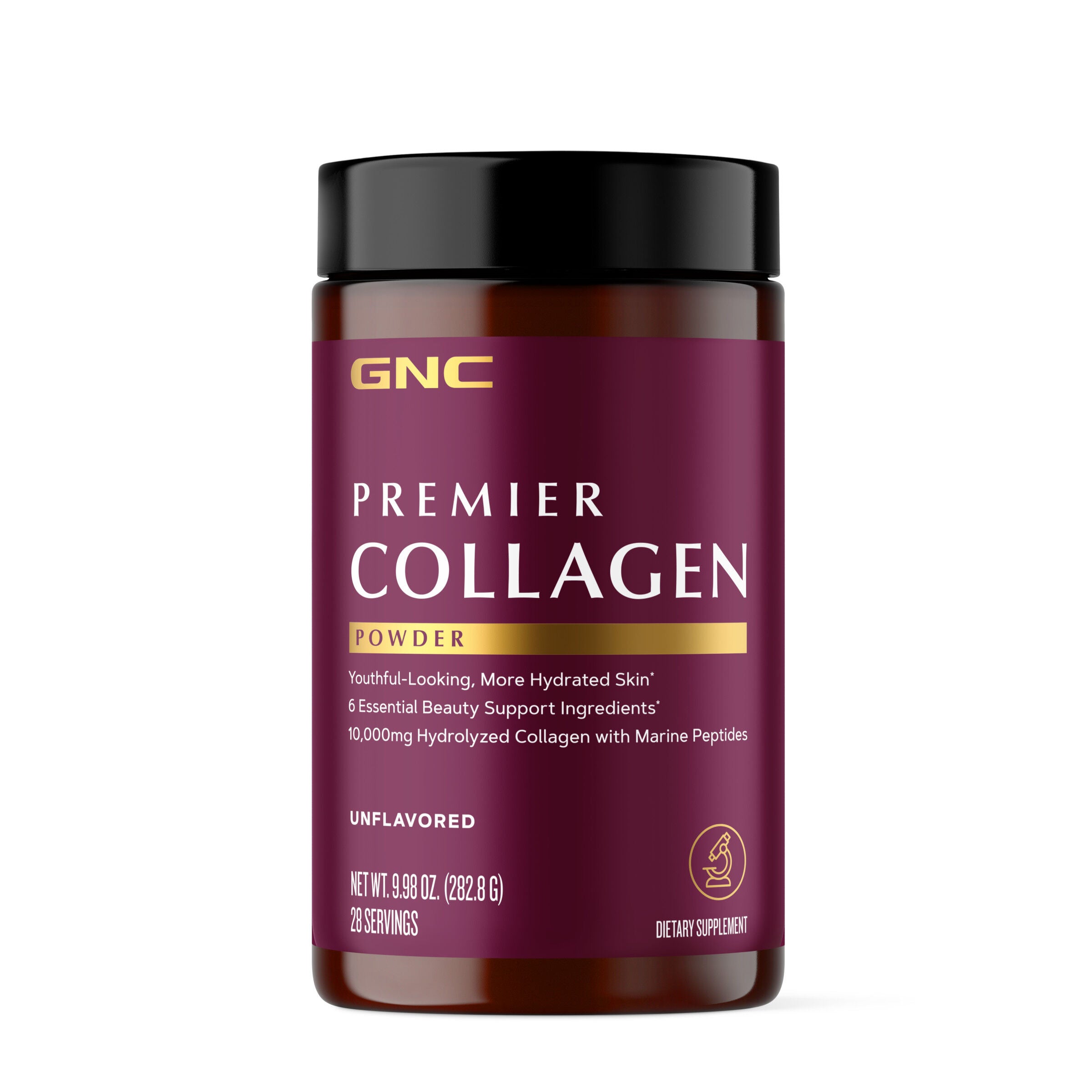
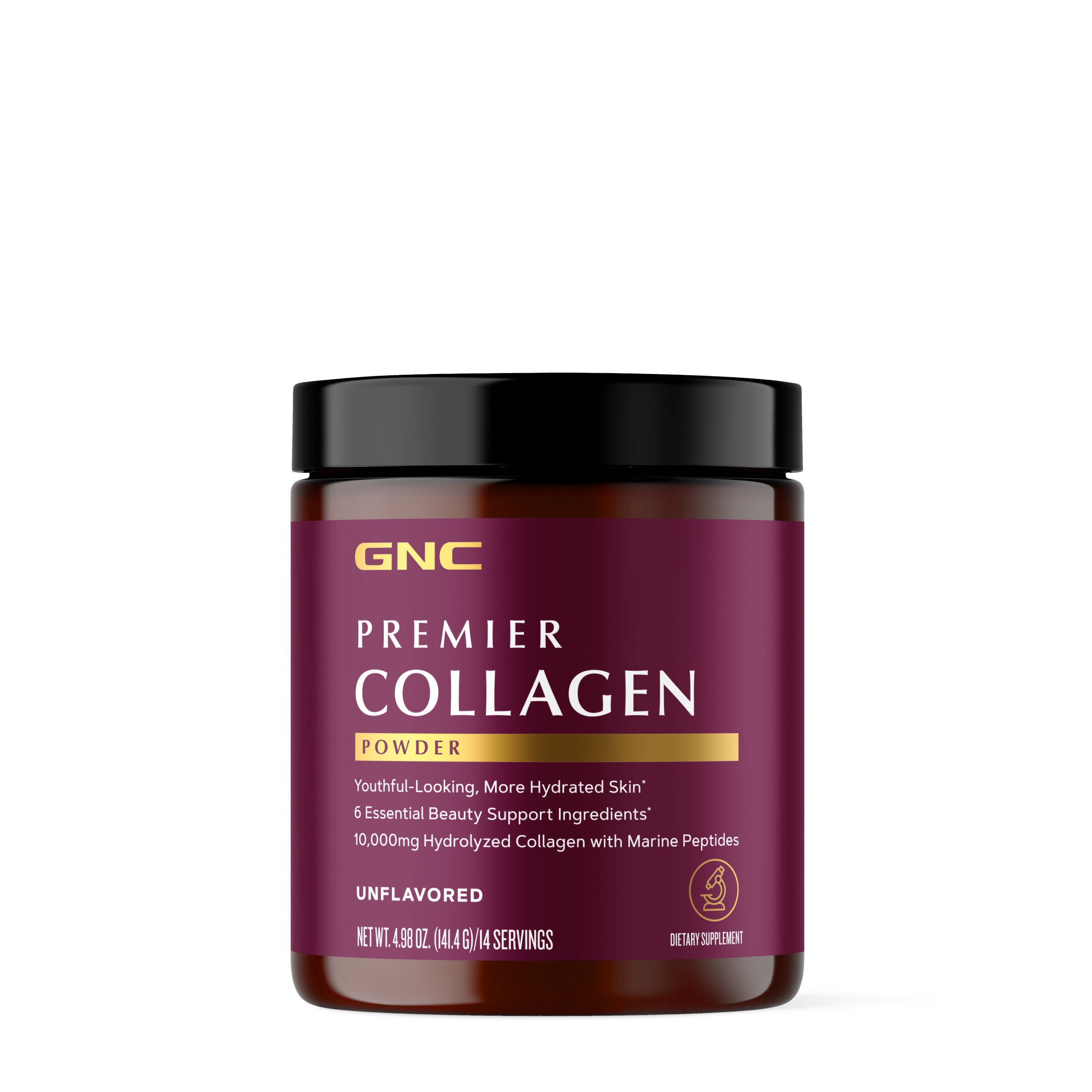
Protein powders without artificial flavors are made without artificial flavoring ingredients, whether they have an unflavored profile or a taste created with ingredients such as cocoa, vanilla, or natural flavors. This category describes how a powder is flavored, not how it is sweetened. A vanilla powder might contain a sweetener, while an unflavored powder might contain no added sweetening ingredients at all. Flavoring ingredients and sweeteners serve different purposes: one contributes a particular taste or aroma, while the other adds sweetness. For that reason, a statement about artificial flavors does not also establish that a powder has no artificial sweeteners, no added sugar, or only a few ingredients. Those are separate characteristics reflected on the package. The Protein Powders With No Artificial Sweeteners collection addresses another ingredient preference for shoppers considering both flavoring and sweetness. Beyond those ingredients, the protein source gives each powder its foundation. Whey and casein are derived from milk, egg white protein comes from eggs, and plant-based options may feature peas, rice, soy, or a blend of sources. Whey concentrates and isolates have different compositions, making the Nutrition Facts panel useful for understanding the formula beyond its protein source. Protein amounts, carbohydrate amounts, fat, and serving sizes vary among formulas. An unflavored powder is not necessarily tasteless, either. Dairy-based powders may have a mild milky character, while some plant-based powders may taste earthy or have a more noticeable texture. Cocoa and vanilla may soften those base notes, although the underlying protein source still contributes to the experience. Ingredient lists sometimes include lecithin, gums, or other ingredients used for mixing and texture; their presence is a separate consideration from artificial flavoring. A shorter ingredient list and a powder without artificial flavors are not automatically the same thing. The full ingredient list provides a clearer picture than a flavor description alone, especially for shoppers balancing several preferences.
Everyday use is another meaningful difference among protein powders without artificial flavors. Someone who regularly blends bananas, berries, and oats may prefer an unflavored powder that leaves more room for the other ingredients. A shopper who enjoys a simple shake mixed with water may prefer a more defined vanilla or chocolate taste. Milk and plant-based beverages bring their own flavor and texture, so the same powder may taste different depending on the liquid. Unsweetened beverages and sweetened beverages also create different starting points. A powder that seems gently sweet in water might taste much sweeter alongside flavored yogurt or a ripe banana. Texture deserves attention alongside flavor: some powders may produce a lighter drink, while others may make a thicker mixture with a more substantial mouthfeel. The suggested liquid amount on the package provides a starting point, and preparation directions account for the formula’s intended use. A shaker bottle may suit a straightforward drink for a commute or a visit to the gym, while a blender may be more practical for combinations with fruit, oats, or nut butter. For home cooks, powders without artificial flavors may also fit into yogurt bowls, oatmeal, pancakes, or other recipes that call for protein powder. Unflavored varieties may be especially adaptable when a recipe already includes cinnamon, fruit, cocoa, or another distinct ingredient. Flavored varieties may work well when their taste matches the rest of the recipe rather than competing with it. Baking requires a little more attention because protein powder and flour have different properties. A recipe developed with protein powder accounts for those differences more reliably than a direct substitution in an unrelated recipe. The amount used, the protein source, and the surrounding ingredients all matter. For someone interested in both shakes and cooking, preparation suggestions on the label may help clarify whether a formula fits that range of uses.
Choosing among these powders also involves practical details that extend beyond the flavor name. The serving size in grams and the grams of protein per serving provide useful points of comparison, since one scoop does not represent the same amount across different formulas. Added sugars, fiber, fat, and the remaining ingredients provide context for how a serving fits alongside other foods. Milk, egg, and soy ingredients are relevant to individual dietary requirements, and ingredient lists and allergen statements deserve separate attention. A plant-based description addresses the protein source, while a statement about artificial flavors addresses flavoring; neither replaces a review of the rest of the label. People who exercise recreationally, pack meals for work, or enjoy experimenting with smoothies may have different priorities even within this category. One person may value a neutral taste for several recipes, while another may prefer a familiar flavor for the same afternoon shake. Someone sharing a kitchen may also care about a securely closing container and a scoop that stays easy to reach. Storage and cleanup are part of that everyday experience. Package directions specify storage conditions, and a tightly closed container, a dry scoop, and protection from moisture are sensible considerations for powdered foods. A container left open beside a steaming kettle or a damp scoop returned to the powder introduces moisture where it does not belong. Prepared drinks need handling appropriate to their ingredients, particularly when mixed with milk, yogurt, or cut fruit. A clean mixing bottle and prompt washing after use may make the routine more pleasant, especially around the lid and mixing insert. Ultimately, the most relevant choice reflects the combination of protein source, ingredient preferences, flavor, texture, and preparation habits. Protein powders without artificial flavors offer a way to shop around one clearly defined preference while leaving room for different tastes and everyday uses.
What are protein powders without artificial flavors?
Protein powders without artificial flavors are made without synthetic flavoring ingredients. They may be unflavored or use flavor sources such as cocoa, vanilla bean, or fruit extracts.
Why do some people prefer protein powders without artificial flavors?
Some individuals choose protein powders without artificial flavors because they may prefer products with simpler ingredient lists or enjoy the taste of naturally flavored options.
How can I identify if a protein powder contains artificial flavors?
You can check the ingredient list on the product label. Protein powders that do not contain artificial flavors may be labeled unflavored, mention natural flavors, or list specific flavoring ingredients such as cocoa or vanilla. Look for label statements about artificial flavors when comparing options.
Do protein powders without artificial flavors taste different from those with artificial flavors?
Protein powders without artificial flavors might have a more subtle or natural taste profile compared to those with artificial flavoring, which could be more pronounced or sweeter.
Are there different types of protein sources available in powders without artificial flavors?
Yes, you may find a variety of protein sources such as whey, plant-based proteins (like pea or rice), and egg white proteins offered in formulas that do not use artificial flavors.
Best Sellers
-
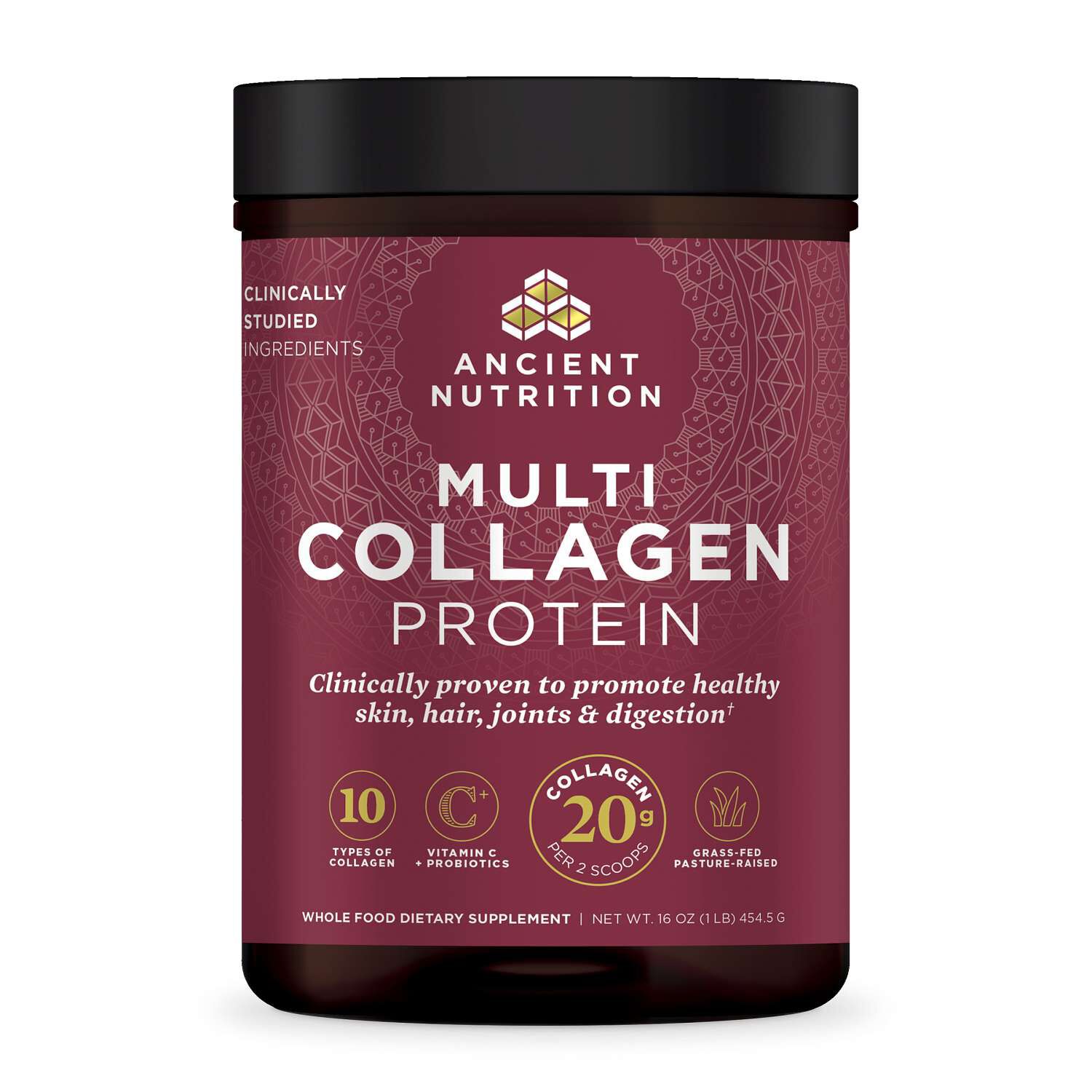 Ancient Nutrition
-
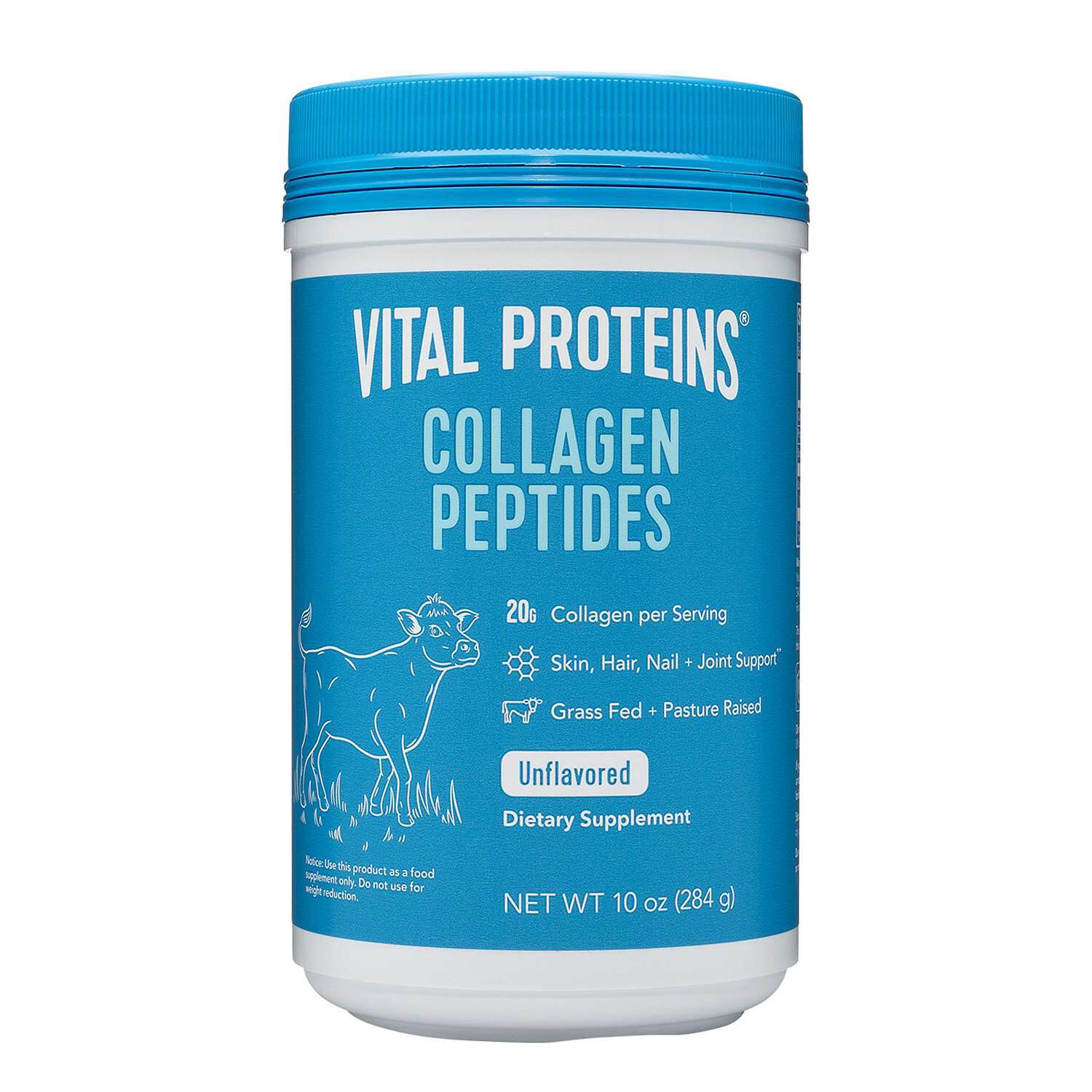 Vital Proteins
Related Pages

Top Collections
- Supplements For Yoga Joint Flexibility
- GLP 1 Support For Adults
- Joint Mobility Supplement Packs
- Chronic Fatigue Supplements
- Adult Mobility Supplements
- Supplements For Balance
- Supplements For Anxiety Relief Support
- Capsule Supplements For Energy And Stamina
- Zinc Supplements | Top Brands at Great Prices | GNC
- Anti Aging Supplements For Women