

Protein Powders Without Artificial Hormones
(0 Results)
Protein powders without artificial hormones could be a great choice for those who prioritize clean ingredients in their wellness routine. These options may appeal to anyone seeking a more natural approach to supporting their fitness goals. With protein powders without artificial hormones, you might find a variety of formulas designed to fit different dietary preferences and lifestyles. Explore a selection that could help you fuel your day and support your active lifestyle.


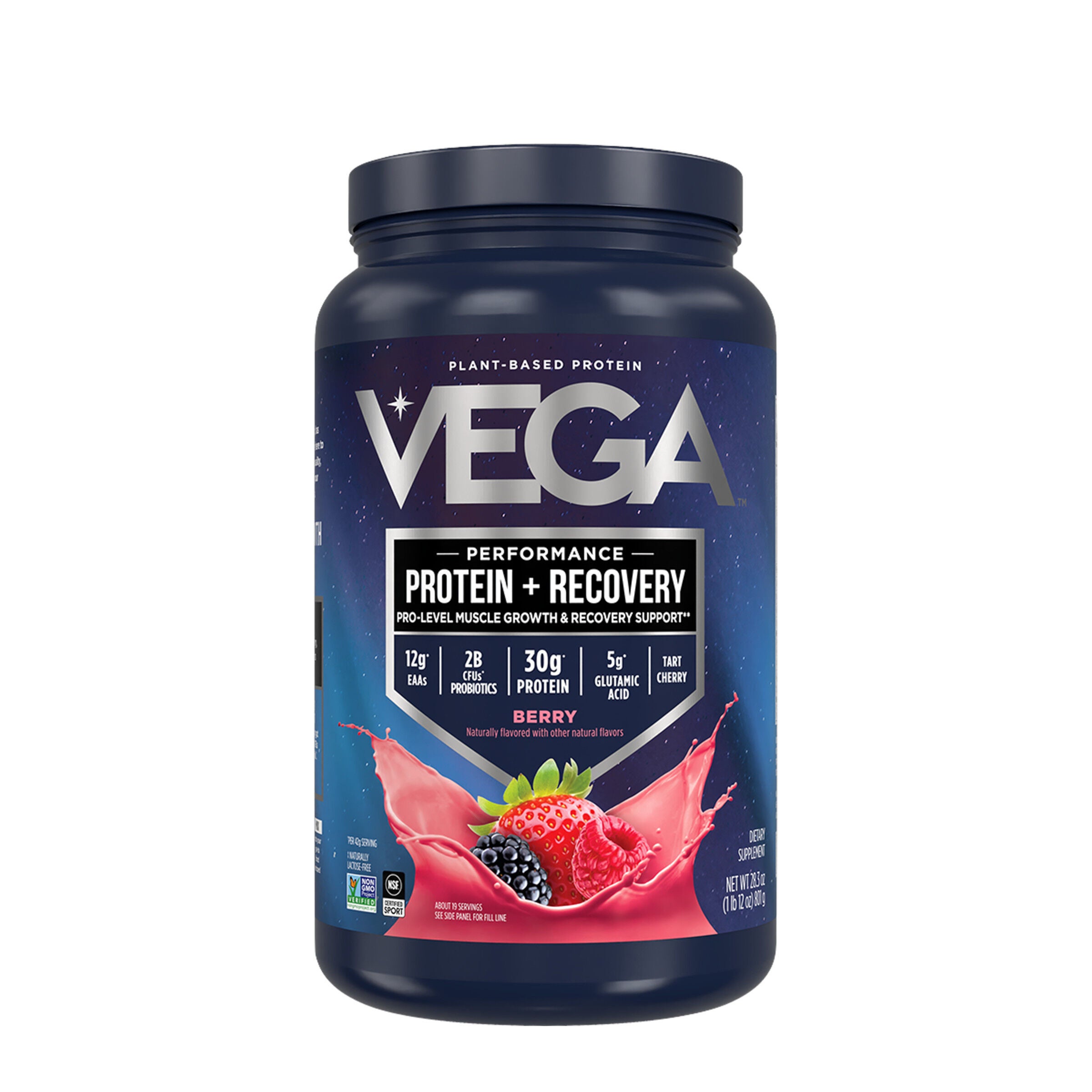
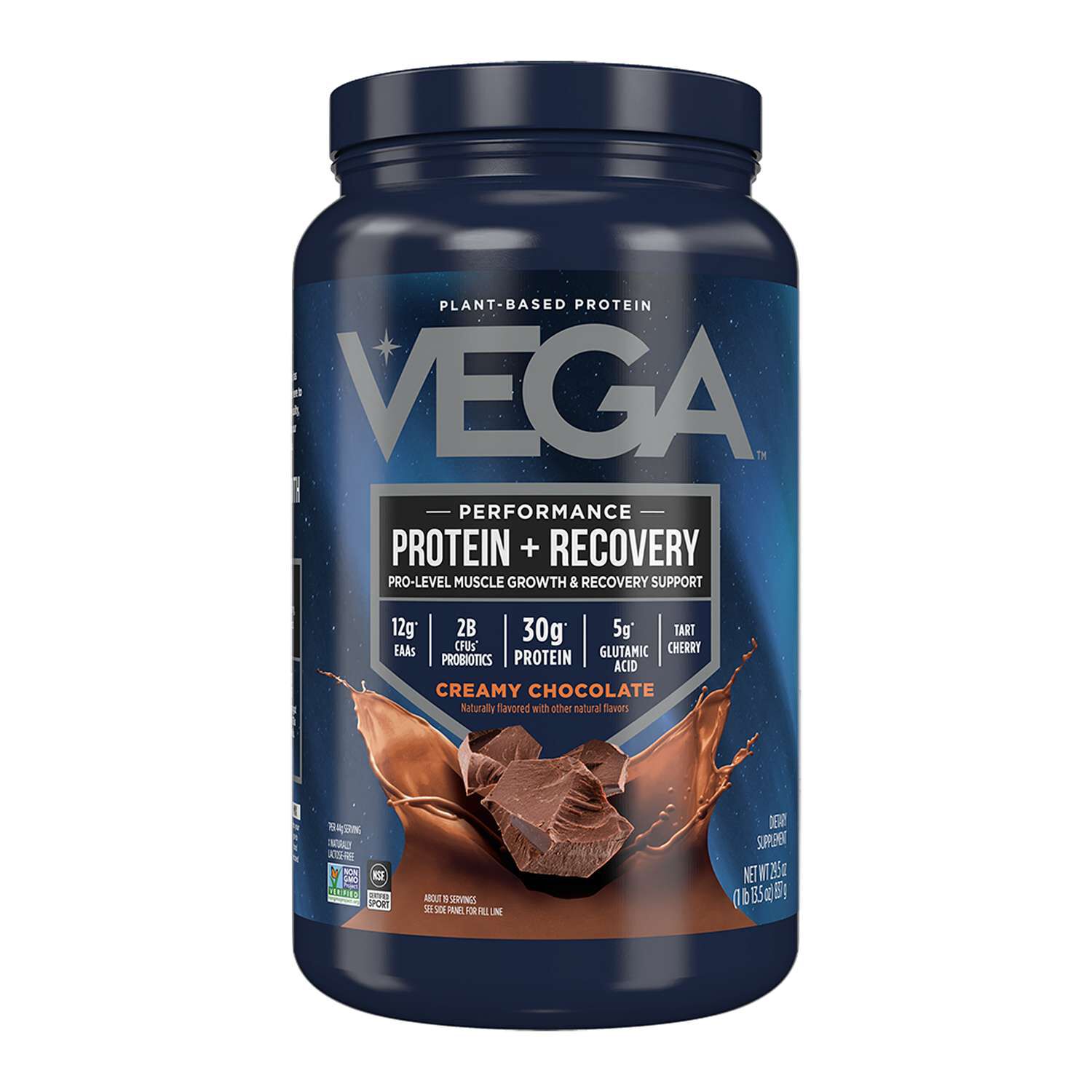

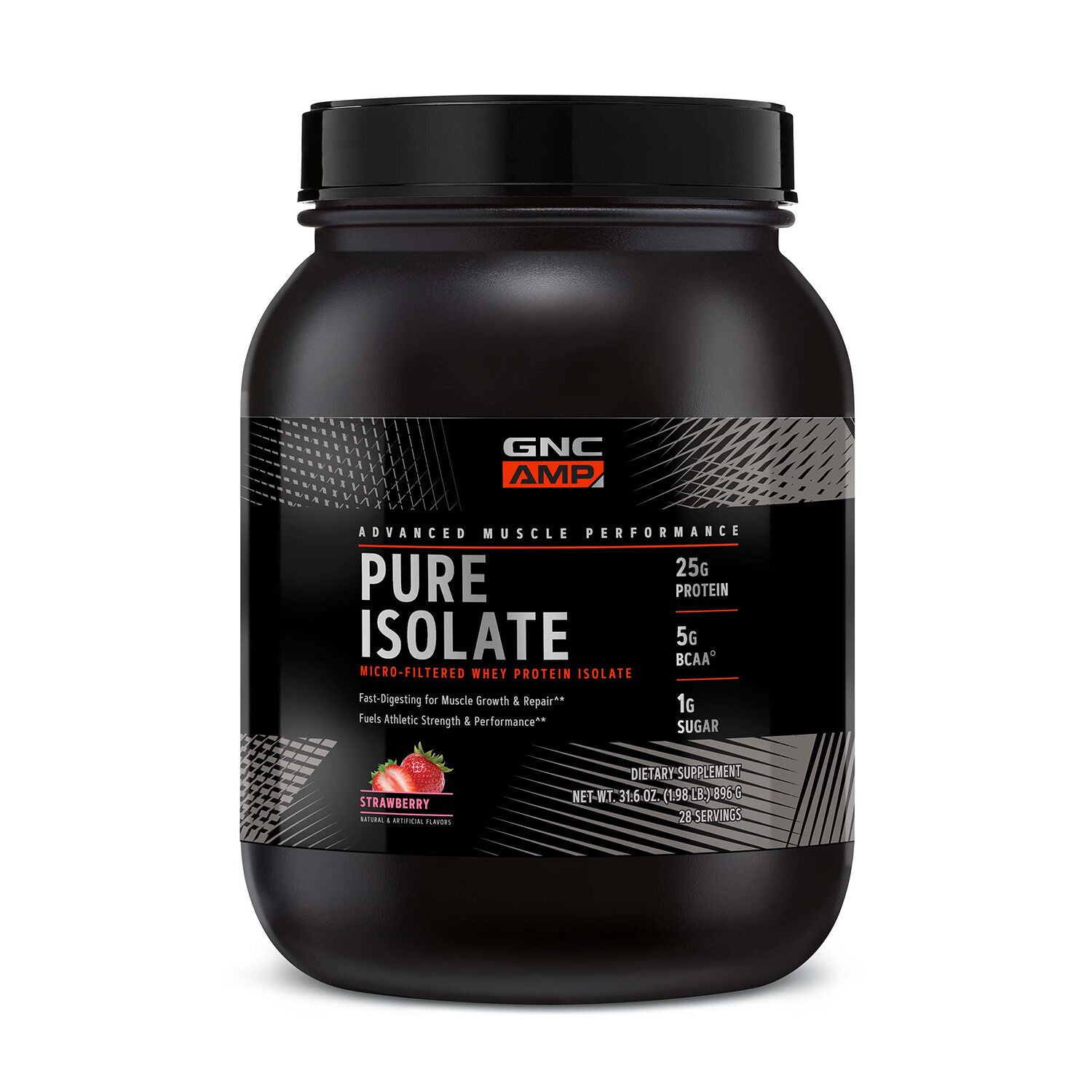
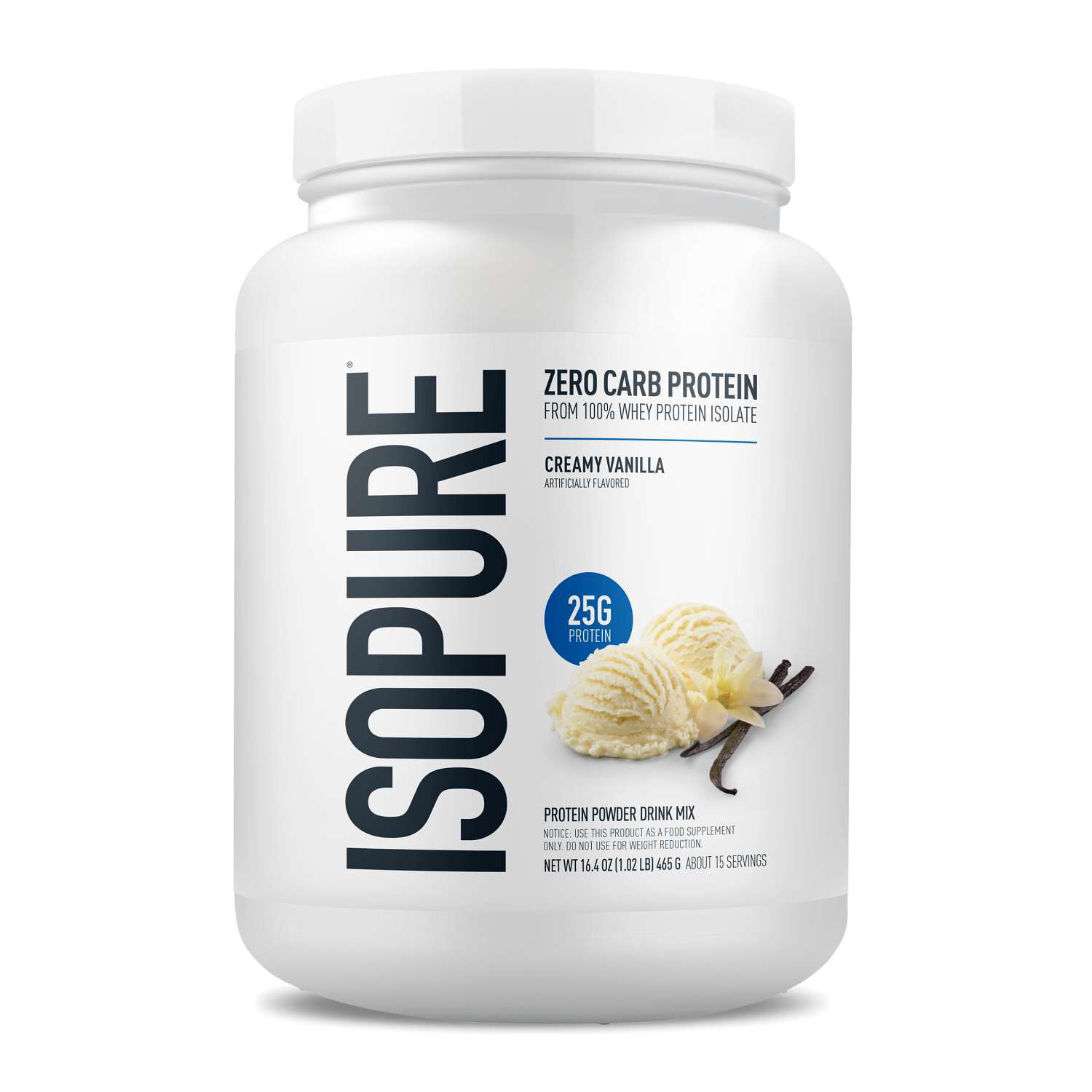

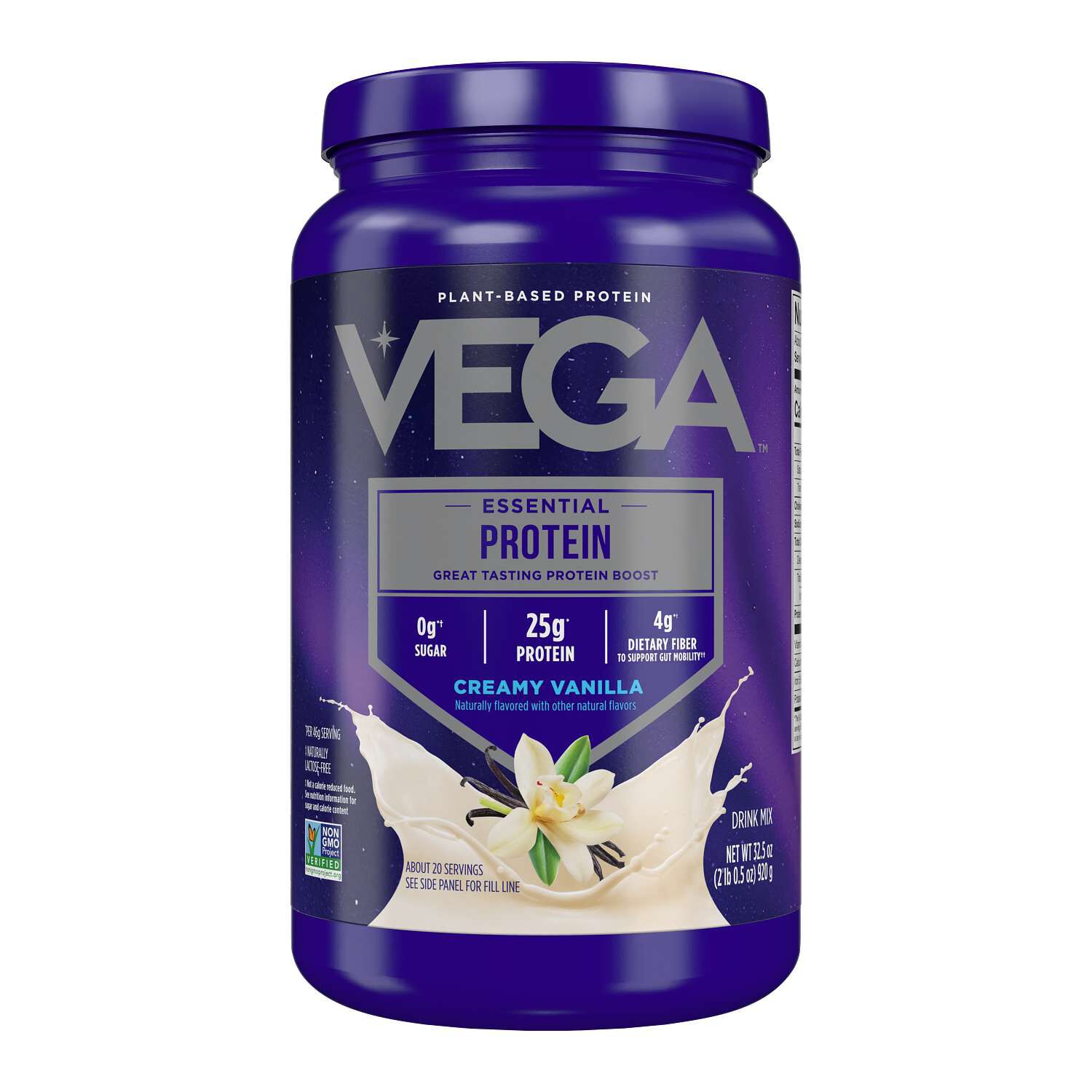


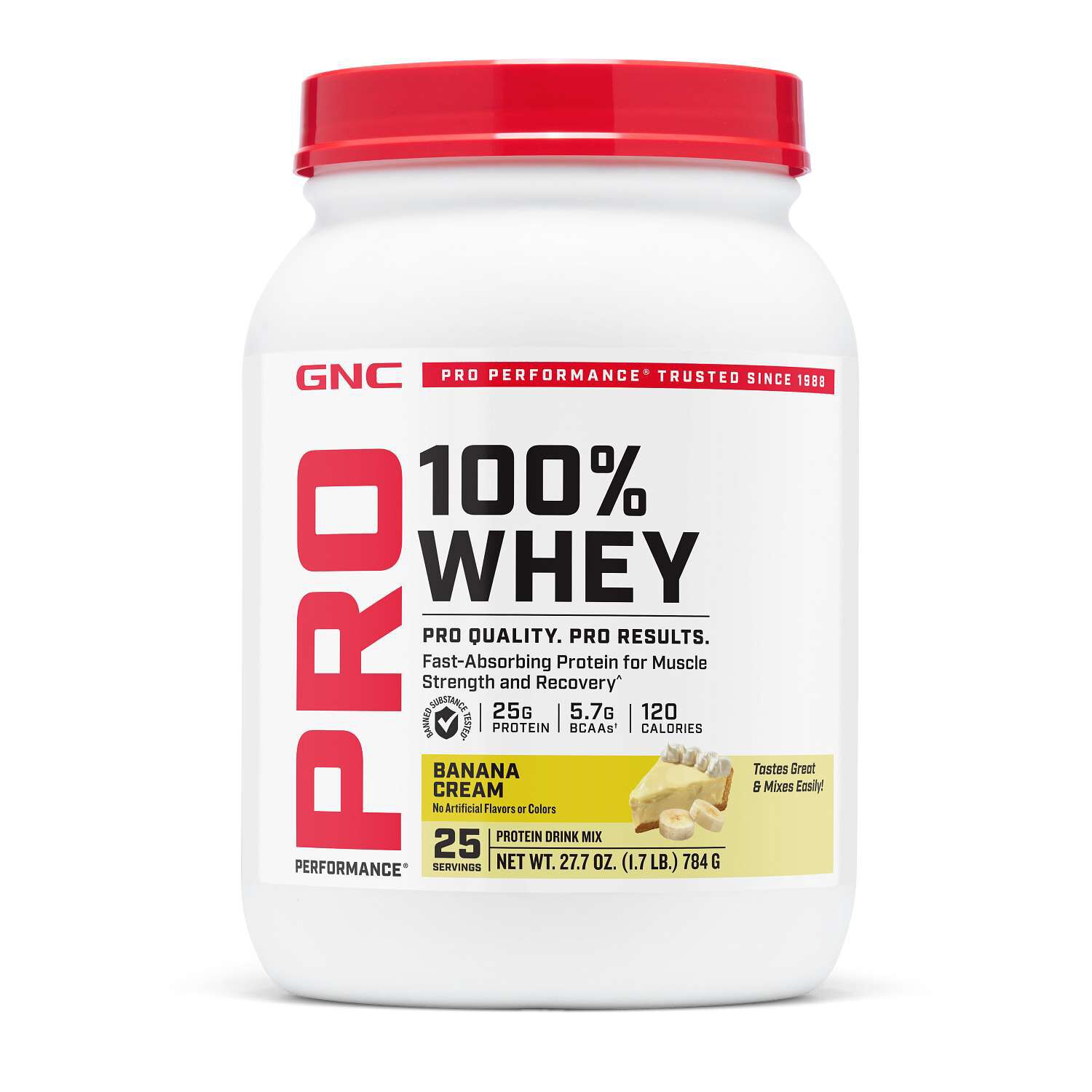

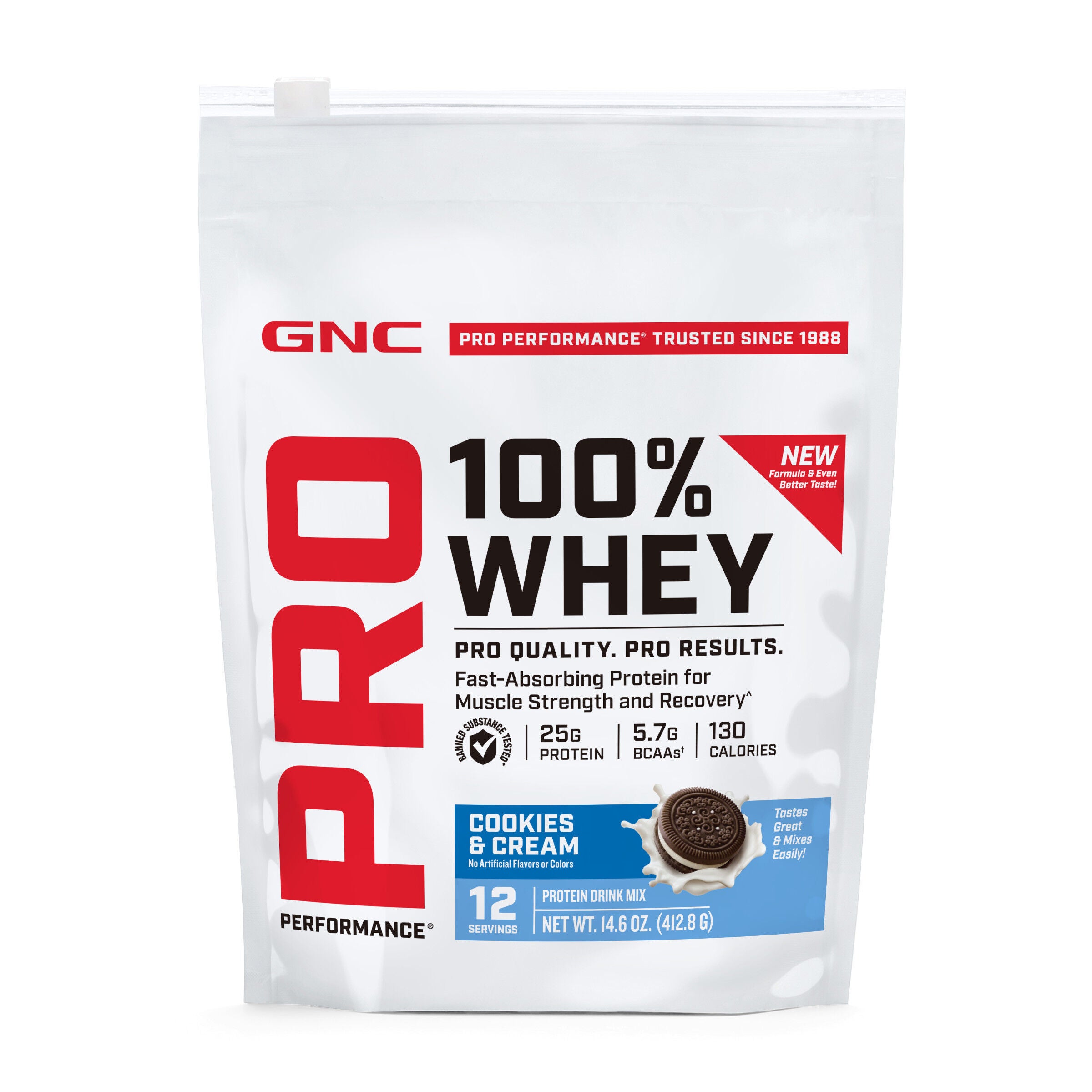

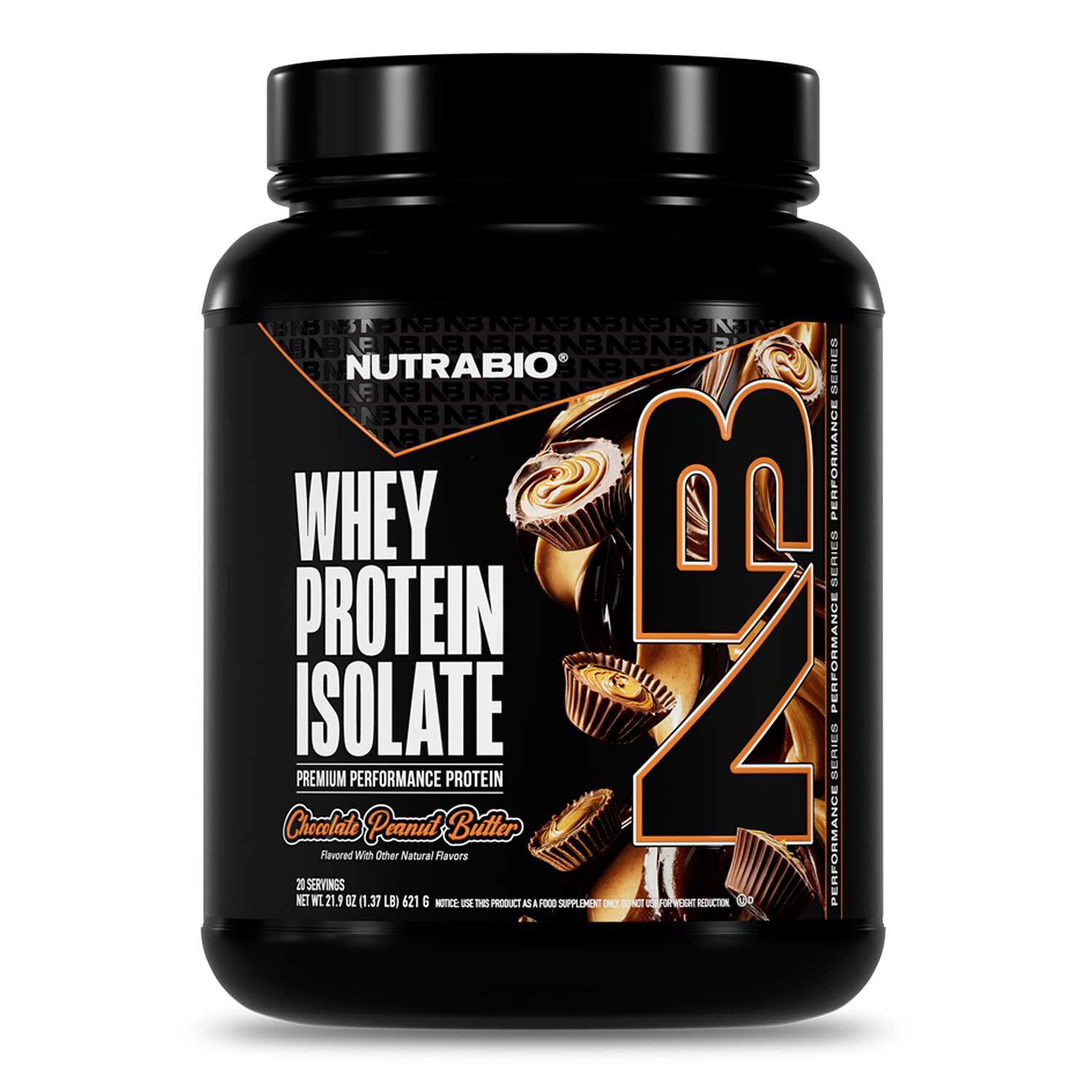
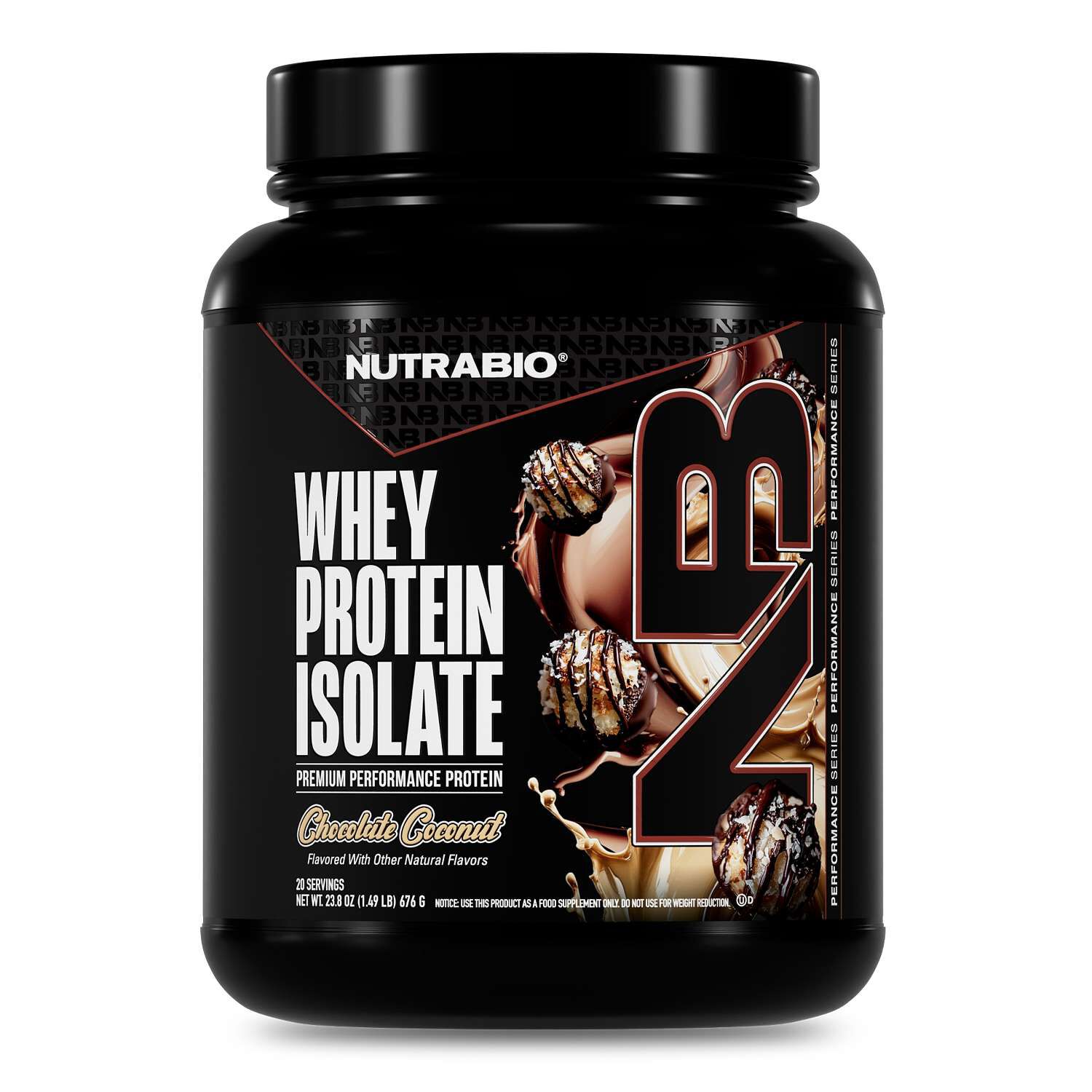
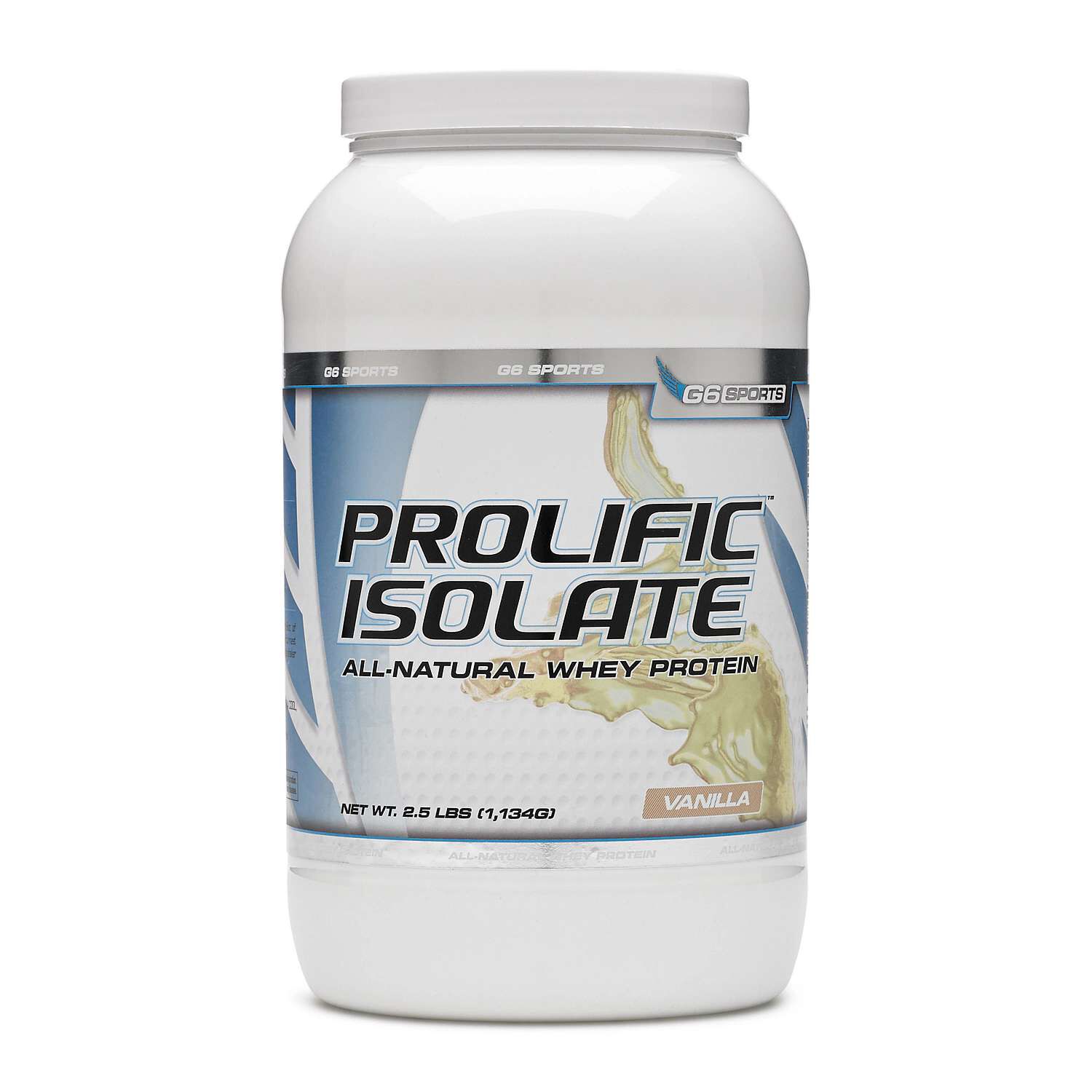
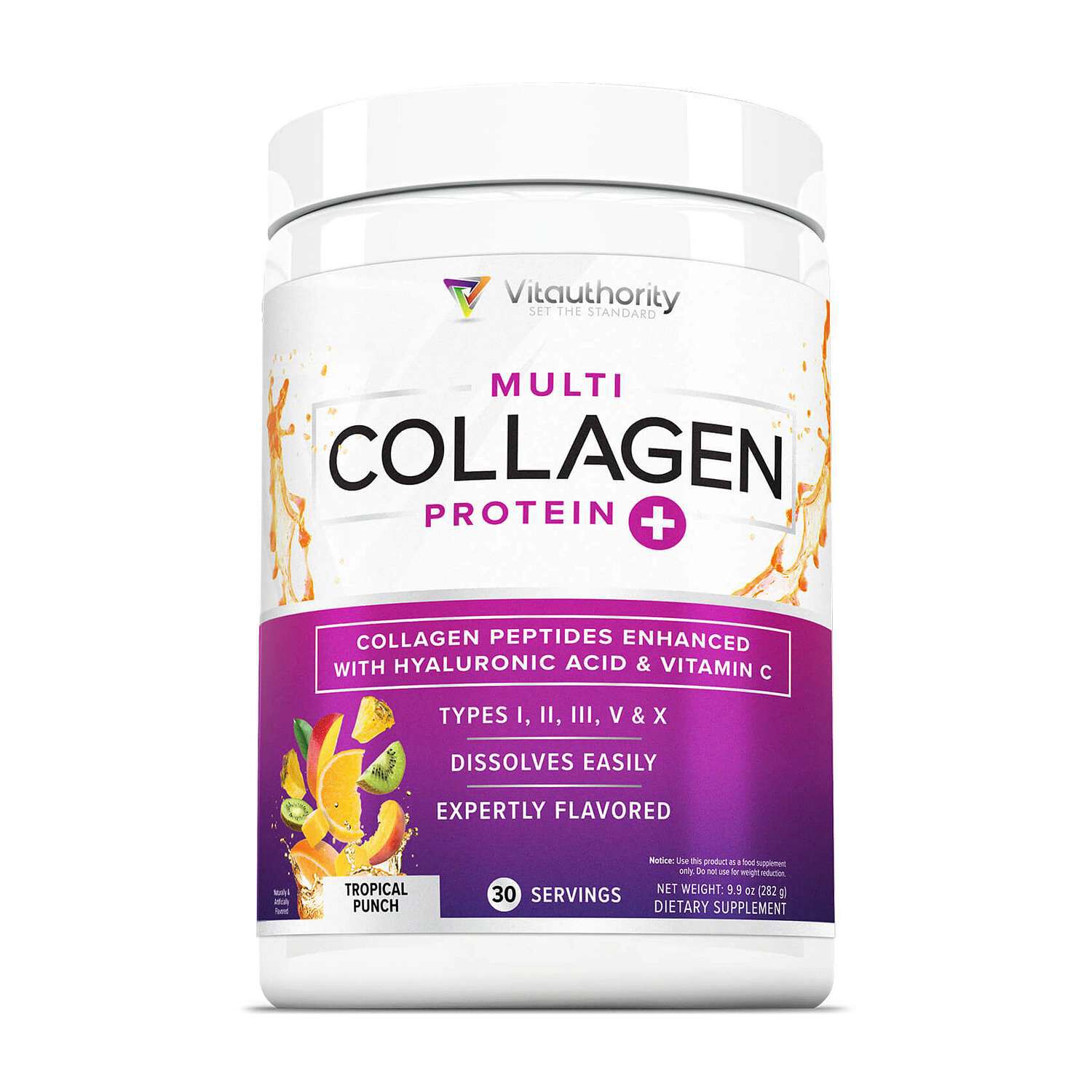
Protein powders made without added artificial hormones may appeal to shoppers who want a straightforward way to include protein in a daily routine while paying closer attention to sourcing. These products may come from dairy-based whey or from plant sources such as peas, pumpkin seeds, and brown rice. Whey options may suit people who enjoy a creamy texture and a familiar milk-based flavor, while plant-based powders could be a practical choice for shoppers who avoid dairy or prefer ingredients sourced from plants. When browsing this selection, consider the type of protein, the serving size, the flavor profile, and the ingredient list. A short ingredient list may make it easier to understand what is in each scoop, especially when comparing flavored blends with unflavored varieties. Some shoppers may prefer a simple powder that can be stirred into water or milk, while others might choose chocolate, vanilla, or another flavor for smoothies, overnight oats, or homemade snack bars. A certification such as USDA Organic or Non-GMO Project Verified may offer additional sourcing information, and labels referencing cows raised without added synthetic growth hormones may help shoppers identify whey products that align with their preferences. For plant-based powders, organic certification could provide insight into agricultural practices and permitted ingredients. Since formulas vary, checking the package for sweeteners, thickeners, emulsifiers, and flavoring agents may help narrow the selection. Stevia, monk fruit, or an unflavored formula could suit someone looking to avoid certain artificial sweeteners, while a blend with a smooth texture may work better for a morning shake enjoyed on the way out the door.
The best choice may depend on how the powder fits into real routines rather than on a single feature. Someone who spends early mornings at the gym might keep a resealable pouch in a desk drawer and mix a serving into a shaker after a workout, while a parent could blend powder with fruit and yogurt for a quick breakfast before a busy school day. During warmer weather, a chilled smoothie with berries, oats, and a scoop of protein may make an appealing breakfast or afternoon snack; during cooler months, the same powder could be stirred into oatmeal, blended into a warm beverage after it has cooled slightly, or added to pancake batter. A neutral flavor may work well in savory recipes or baked goods, while a flavored option might be more convenient for a simple shake. Texture can also shape the experience: whey isolate may create a lighter, smoother drink, whereas plant-based blends may have a heartier character that pairs well with bananas, nut butter, cocoa, or cinnamon. People who are new to protein powders may appreciate single-serve packets or smaller containers before choosing a larger size, and experienced shoppers may compare servings per container and cost per serving to find a format that fits their routine. These powders could also make a thoughtful gift for a friend setting up a home workout space, a college student organizing a compact pantry, or a family member who enjoys experimenting with smoothies and better-for-you baking. A shaker cup, measuring scoop, or recipe card could complement the gift without assuming a particular dietary plan. Anyone with food allergies, dietary restrictions, or questions about personal nutrition may wish to review the label carefully and speak with a qualified professional for guidance suited to their circumstances.
Shopping for protein powders without artificial hormones may also involve looking beyond front-of-package language. The Nutrition Facts panel can show protein per serving, while the ingredient list may reveal whether the formula includes added sugar, sugar alcohols, gums, or other texture-supporting ingredients. Neither a long ingredient list nor a short one automatically determines whether a product suits every shopper, so personal preferences, flavor, and intended use remain useful parts of the comparison. Dairy-based shoppers may want to check whether a whey powder is made from concentrate, isolate, or a combination of protein sources. Plant-based shoppers may compare single-source powders with blends that combine peas, pumpkin seeds, and rice for a broader flavor and texture profile. Packaging claims such as “grass-fed” or “raised without added synthetic growth hormones” may be worth reviewing alongside the full product description, since standards and wording can vary. Storage matters too: a cool, dry pantry and a tightly closed container may help preserve the powder’s texture and flavor. For a more convenient routine, portioning ingredients into blender cups or keeping fruit in the freezer could make preparation easier when schedules become crowded. Shoppers looking for a similarly streamlined label may also enjoy browsing Protein Powders Without Artificial Colors. Whether the goal is a creamy post-exercise smoothie, a portable breakfast, or an ingredient for weekend baking, this collection may help make it easier to compare options by source, certifications, flavor, and everyday practicality.