Protein Powders Without Soy
(0 Results)
Looking for a protein powder that's soy-free? You're in luck! Our selection of protein powders without soy offers a variety of options to support your fitness goals and dietary preferences. Whether you're sensitive to soy, following a specific diet, or simply looking to switch up your protein routine, these products are packed with quality ingredients to help you fuel your body and stay on track. From whey protein to plant-based blends, find your perfect match right here.


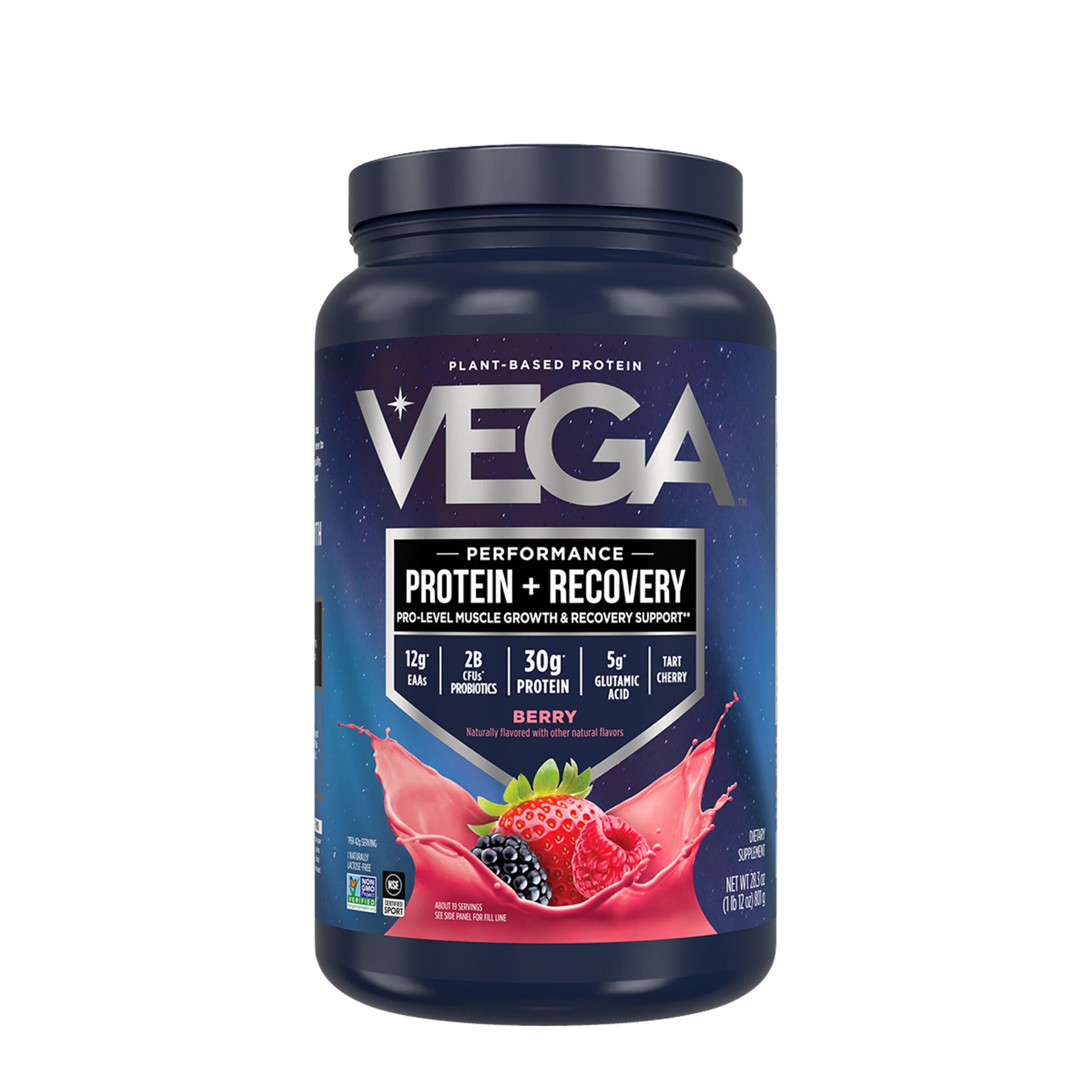

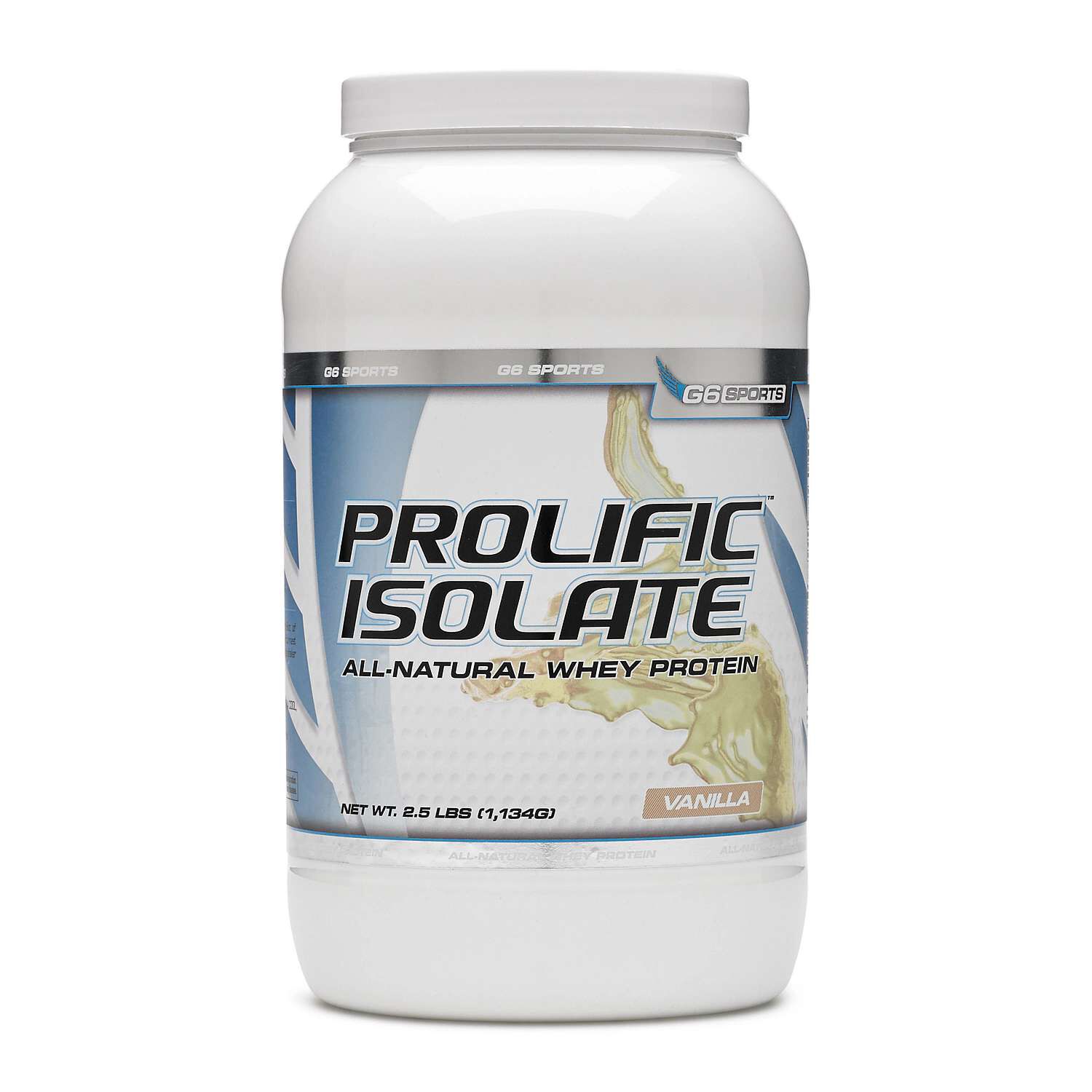

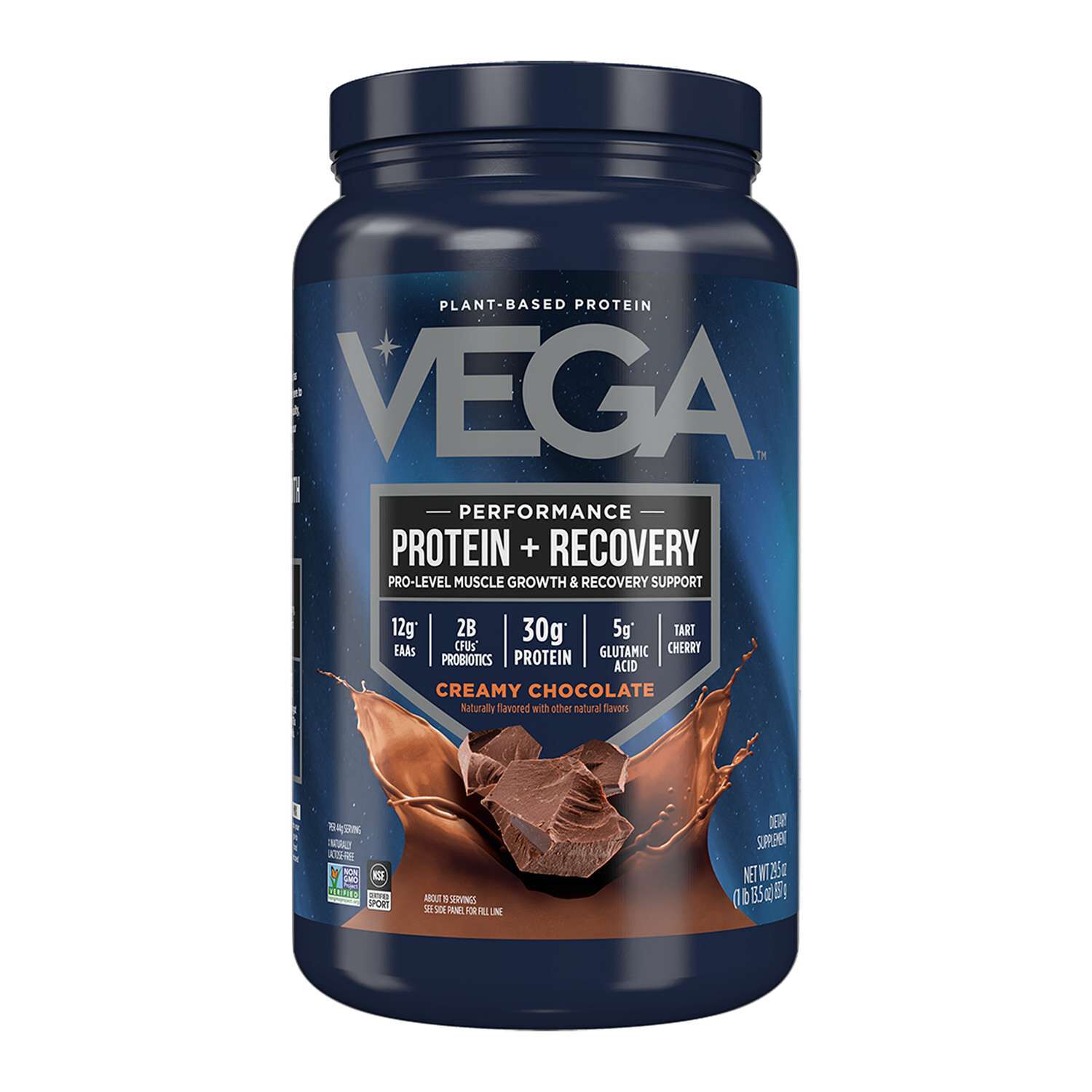

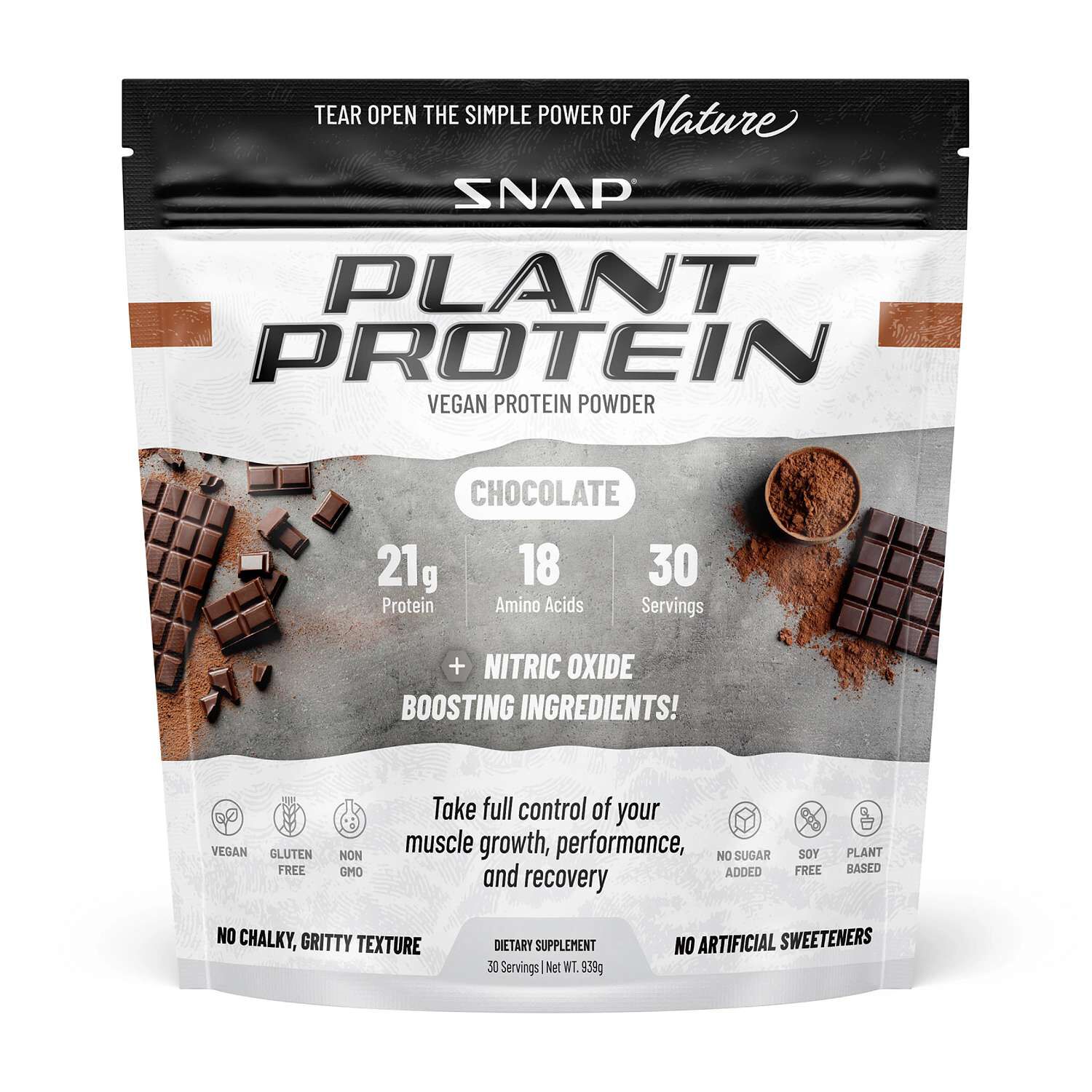

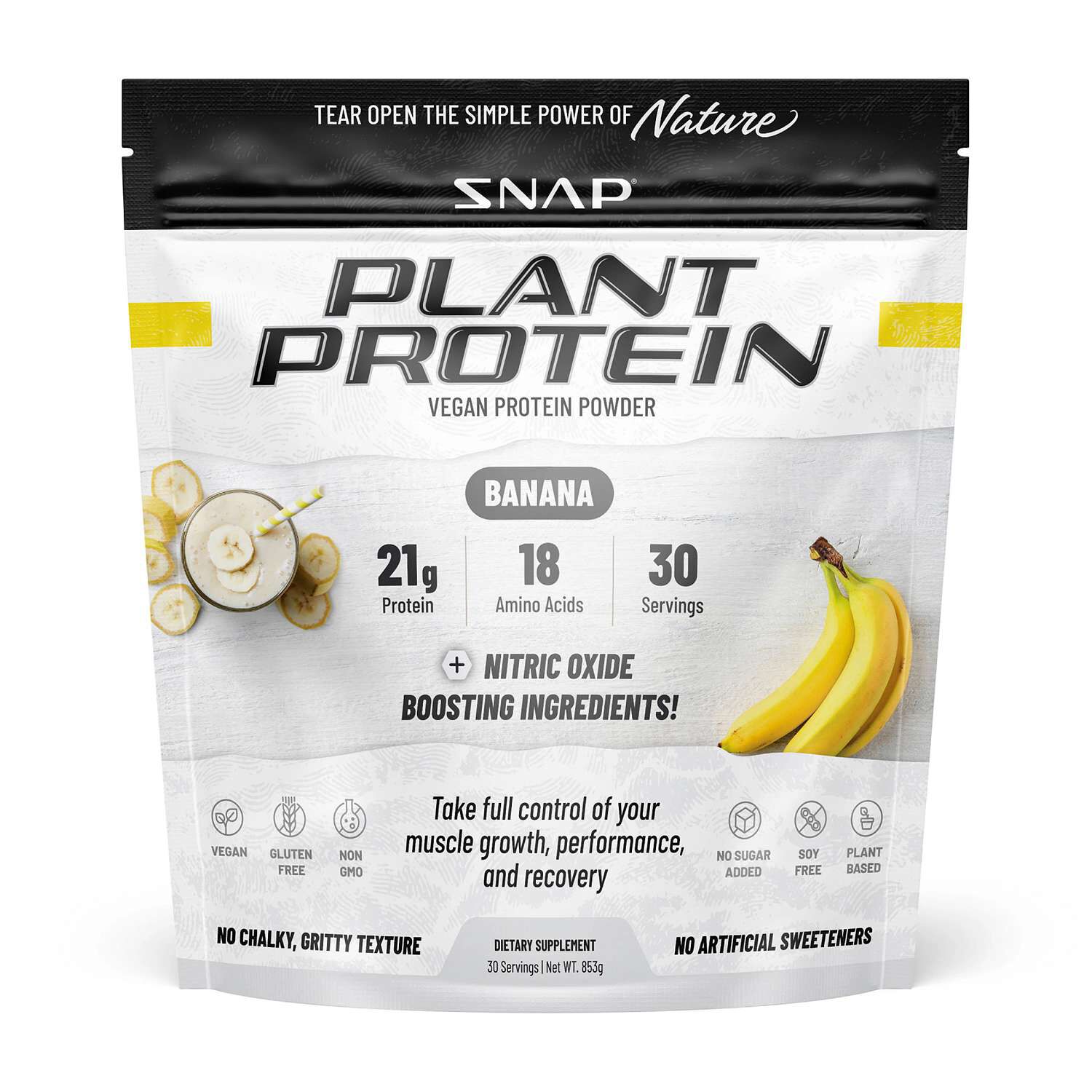
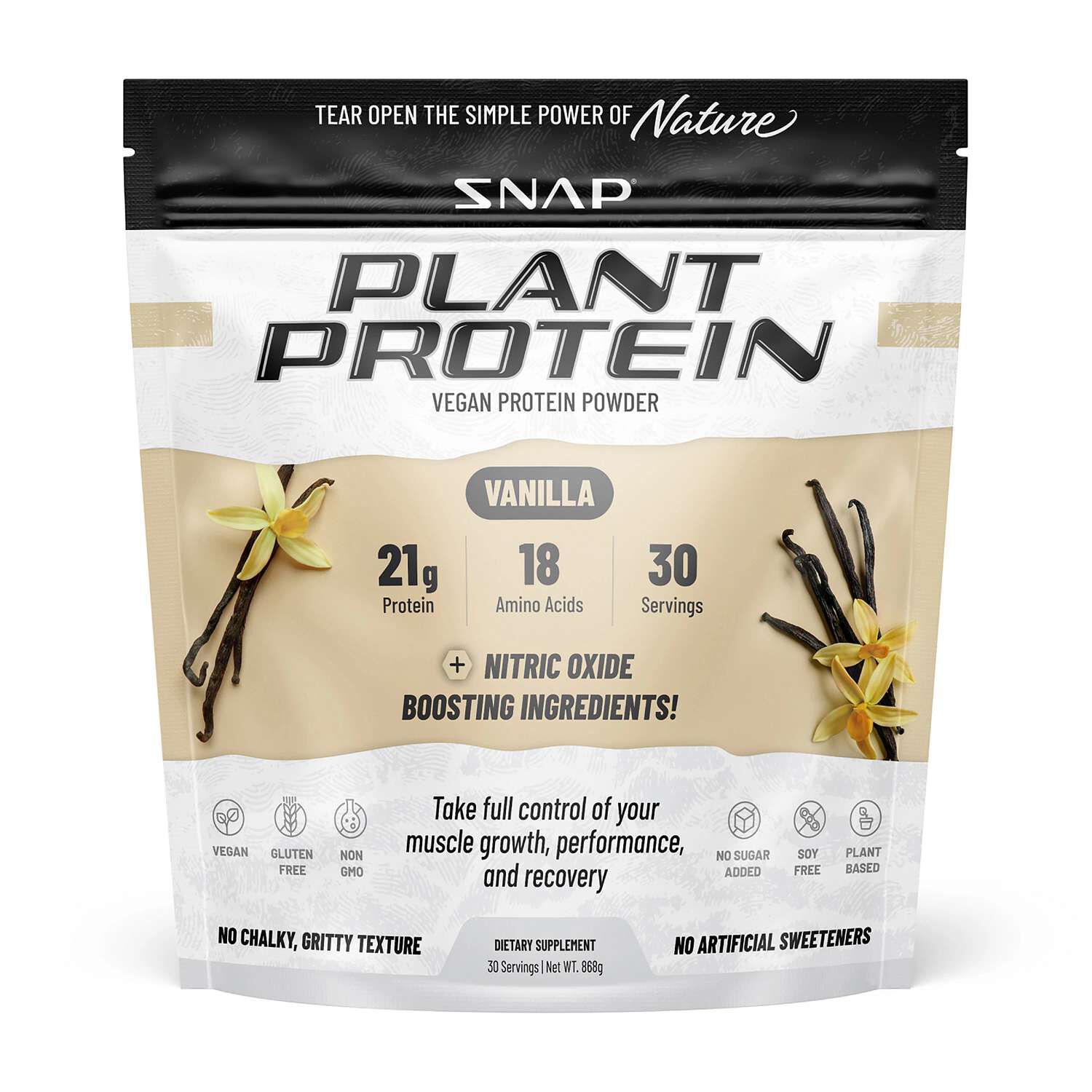


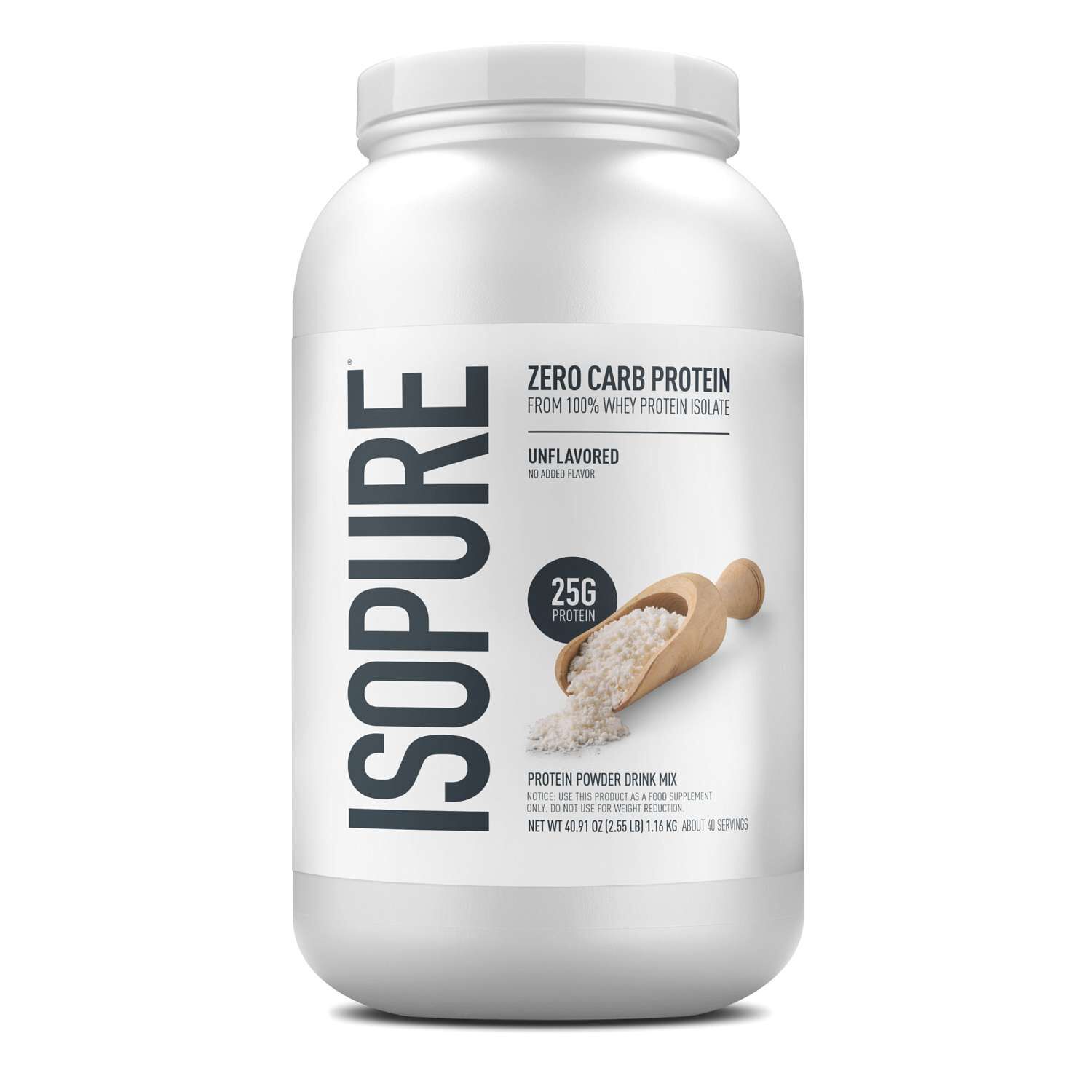
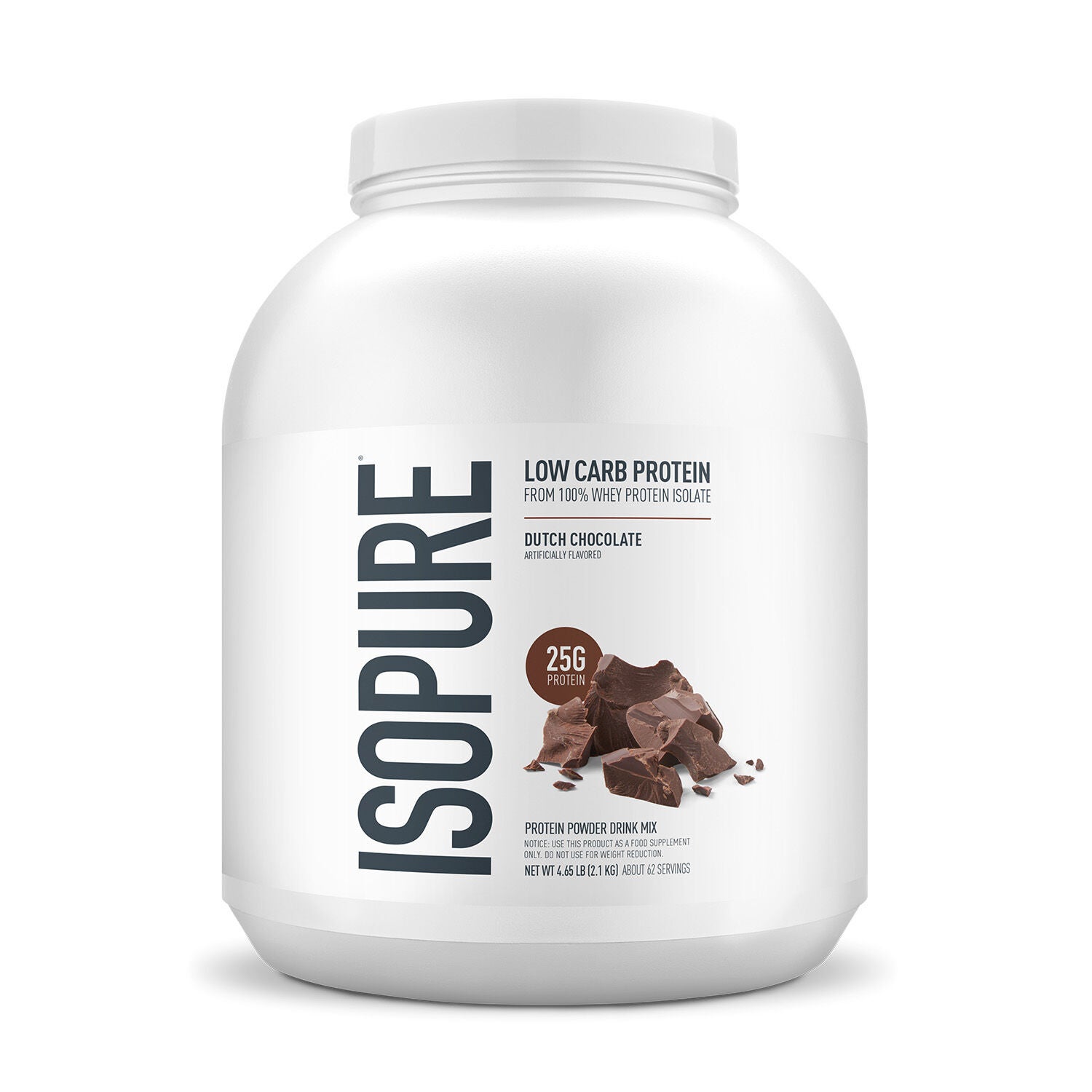

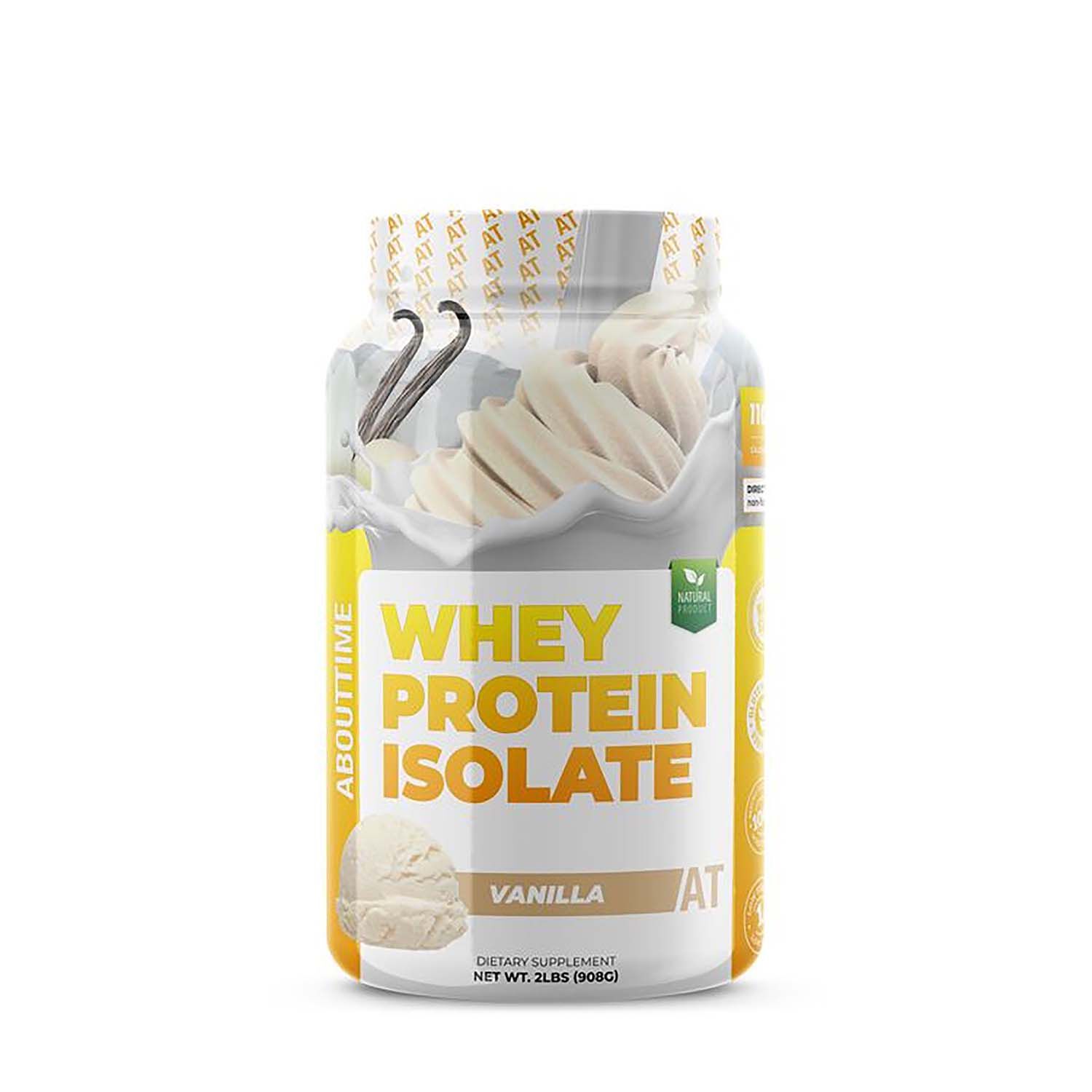
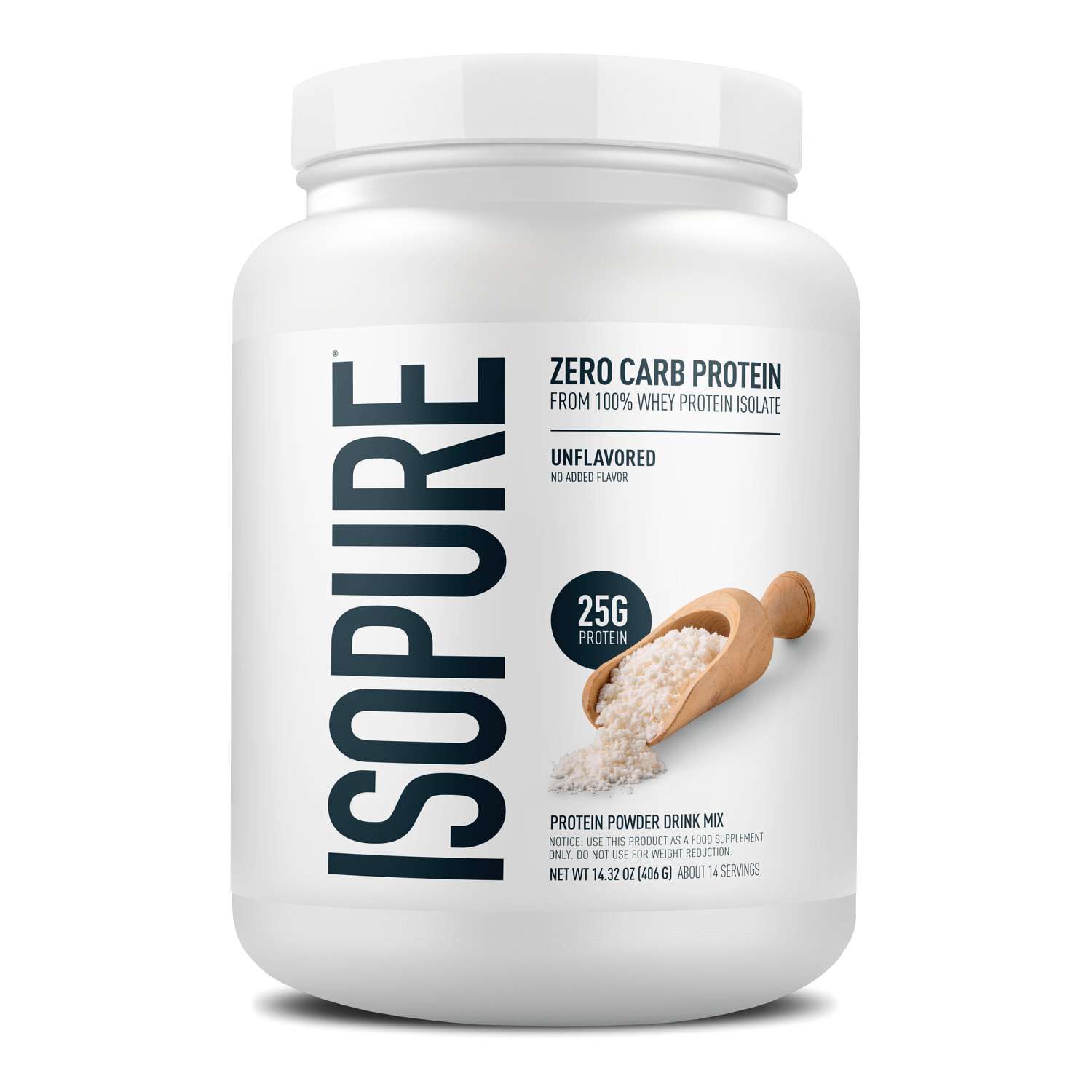
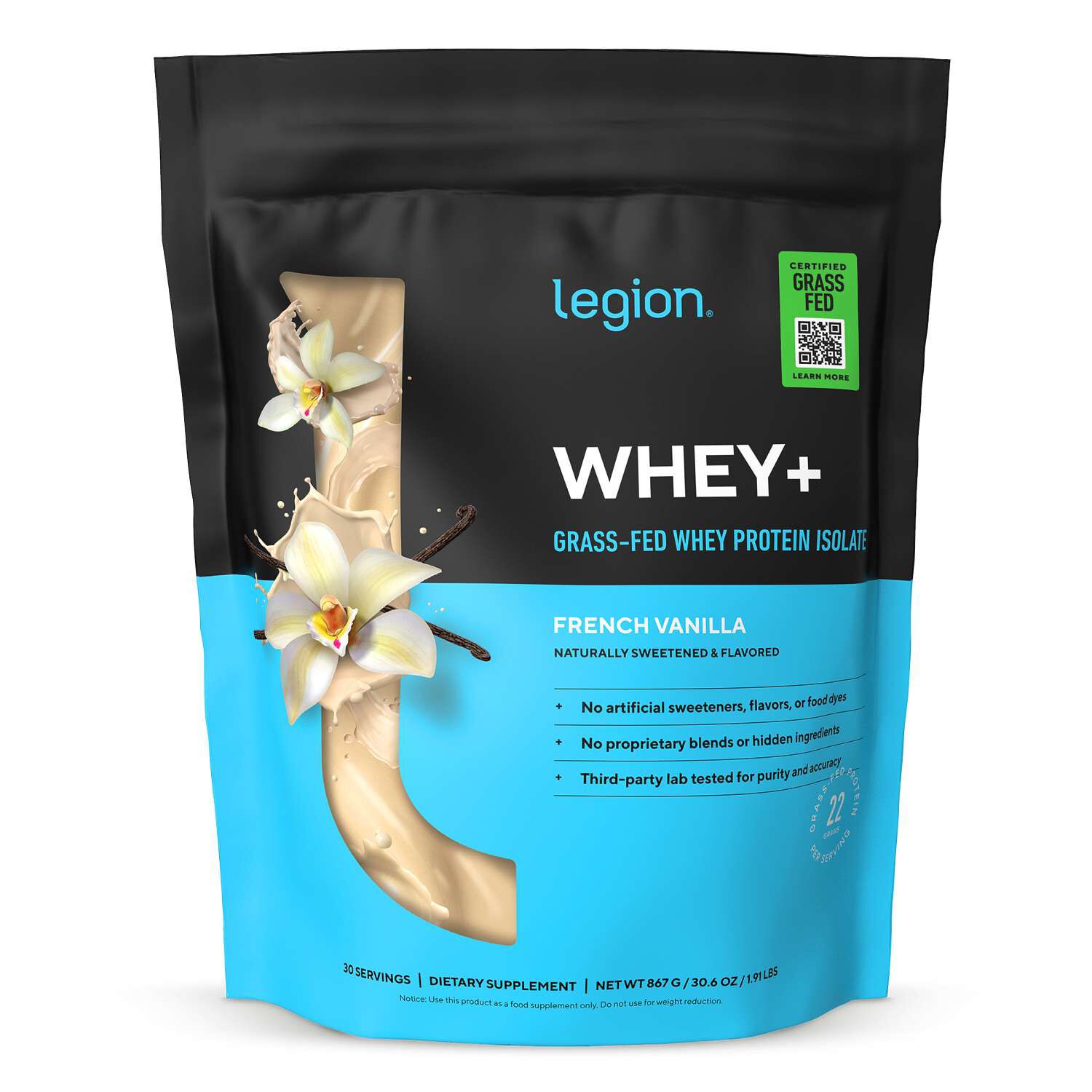
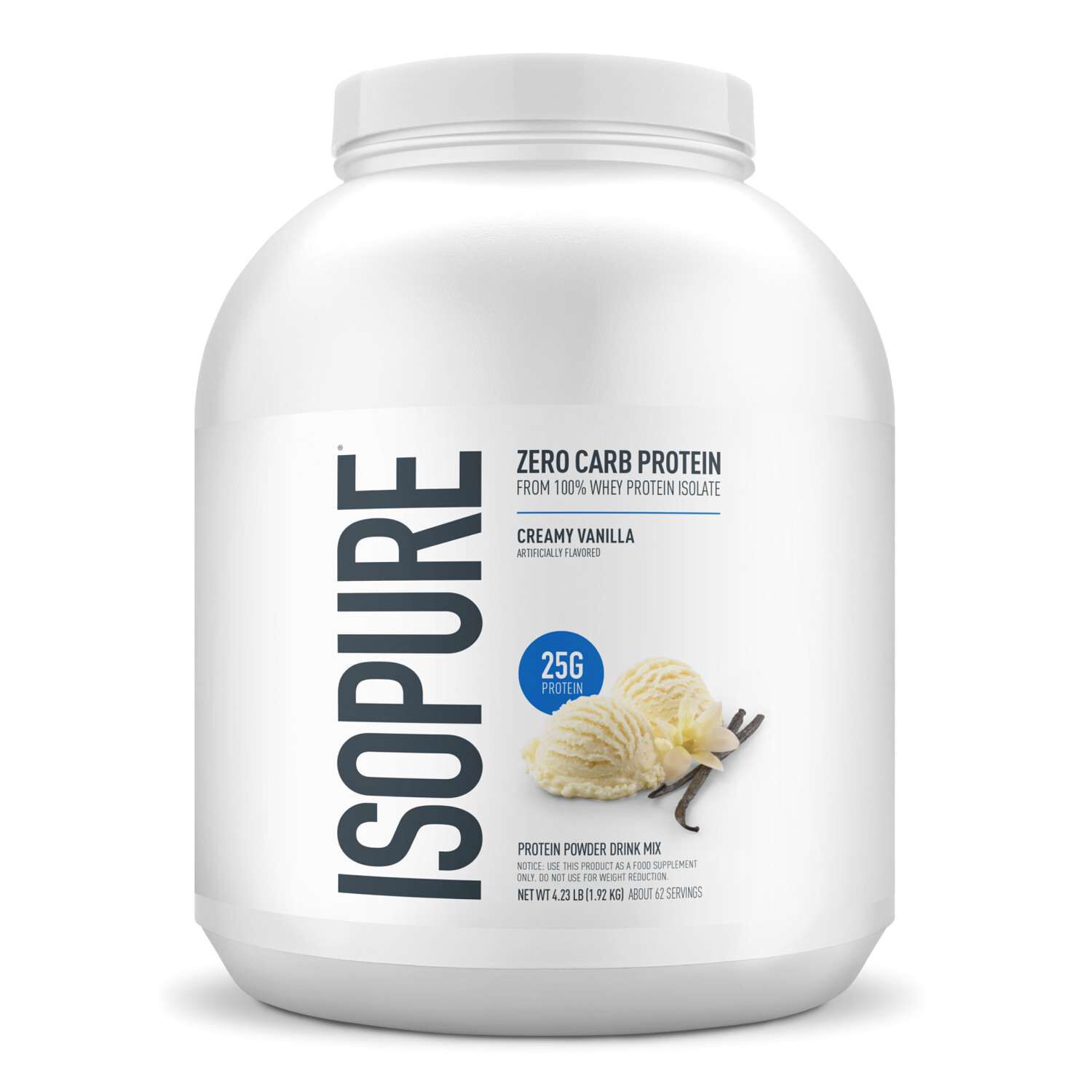
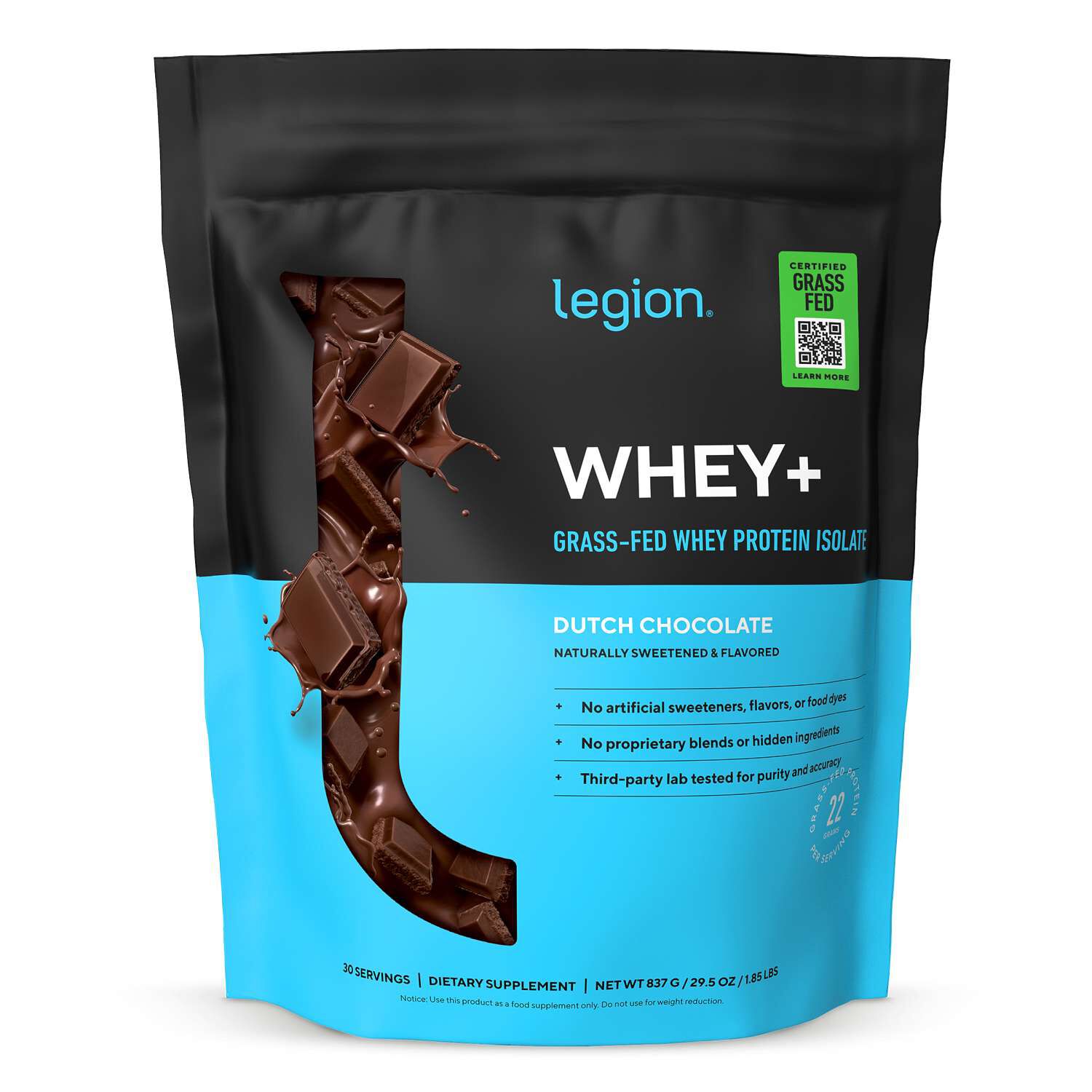
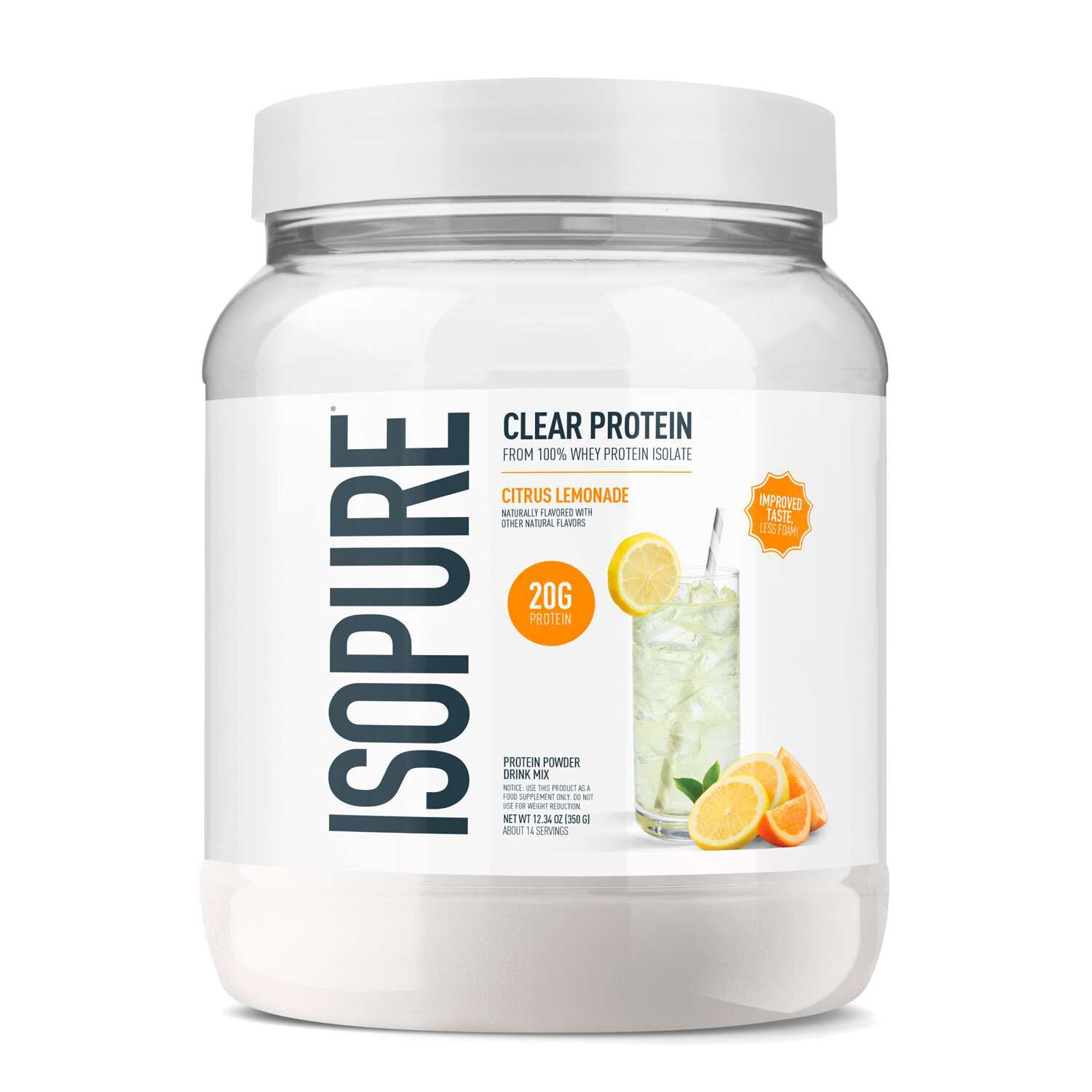
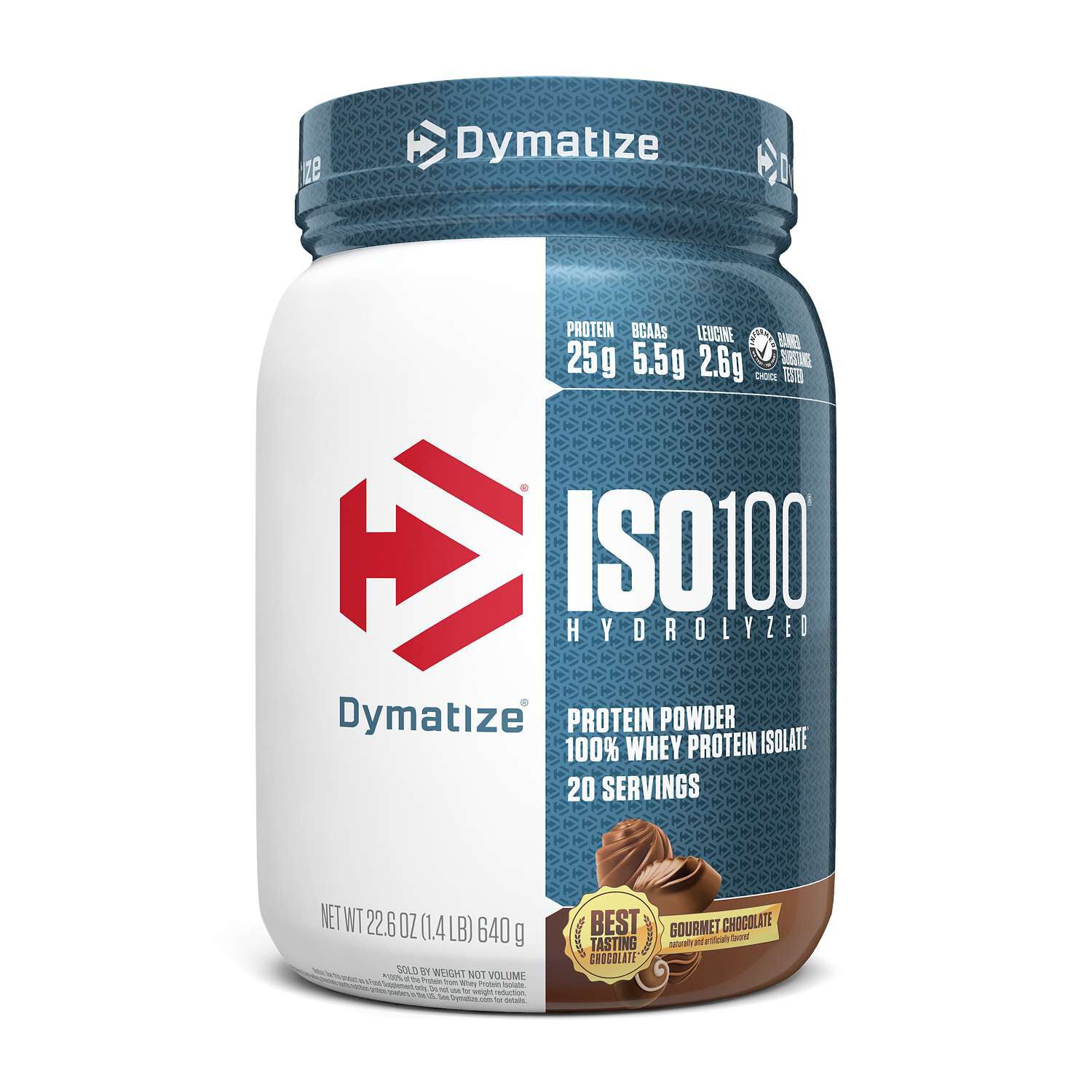
Protein powders without soy offer a range of dairy-based, egg-based, and plant-based choices for shoppers who prefer to leave soy ingredients out of their routine. Common protein sources include whey, casein, egg white, pea, and brown rice, along with blends that combine more than one source. The distinction is in the full formula, not just the protein named on the front of the container: a whey powder may contain soy lecithin, while a plant-based powder may use soy protein alongside other ingredients. A useful starting point is a clearly identified protein source paired with an ingredient list that matches your preferences. Whey and casein come from milk, so choosing a powder without soy does not necessarily mean choosing one without dairy. Egg white protein is another animal-derived option, while pea and brown rice are familiar choices for shoppers seeking plant-based ingredients. Some plant formulas combine sources to provide a different amino acid profile than a single-source powder. Amino acids are the building blocks of protein, and their proportions vary by source. For everyday shopping, protein grams per serving, serving size, flavor, and the remaining ingredients provide practical points of comparison. Someone mixing a shake after a workout may prefer a different formula from someone stirring a small amount into oatmeal or blending a smoothie for an afternoon snack. A powder intended for a shaker bottle might also need a different texture or flavor profile than one selected for baking. The category includes both flavored and unflavored formats, with ingredient lists ranging from a single protein source to formulas containing sweeteners, thickeners, and added nutrients. None of those formats alone establishes whether soy is absent. Looking at the protein source and the supporting ingredients together gives a clearer picture of what belongs in the container and how it might fit into an established eating routine.
Soy lecithin is an especially relevant ingredient when comparing protein powders without soy. Lecithin serves as an emulsifier and is often included to help ingredients disperse in liquid; its source matters when soy is something you prefer to avoid. Sunflower lecithin is an alternative found in some formulas, although its presence does not establish that every other ingredient meets the same preference. Other soy-derived ingredients include soy protein isolate, soy protein concentrate, and soy flour. The ingredient list, any “Contains” statement, and information about shared equipment or facilities each provide a different part of the picture. An ingredient list describes the formula, while manufacturing statements address aspects of how and where it is made. The absence of a shared-facility statement is not, by itself, confirmation of separate production equipment. When manufacturing details matter to a purchase, information from the manufacturer is more useful than assumptions based on a package’s front label. Plant-based, vegan, and organic descriptions do not independently establish that a powder contains no soy. Similarly, third-party testing may examine protein content, ingredient identity, or other characteristics without specifically evaluating soy; the stated scope of testing matters. Beyond soy, comparing the Nutrition Facts or Supplement Facts panel helps distinguish powders that otherwise look similar. Serving sizes differ, and one scoop is not a standard measurement across containers. Protein grams, carbohydrate content, added sugars, fat, and sodium are best considered alongside the listed serving amount. Sweetener choices also deserve attention: some formulas use sugar, while others use stevia, monk fruit, sugar alcohols, or combinations of ingredients. Flavor descriptions are a separate consideration from the protein source. Shoppers who also want to compare that part of a formula can explore Protein Powders Without Artificial Flavors, while checking each label for soy-related details. Unflavored and unsweetened are not interchangeable terms, either. A powder described as unflavored may still have a noticeable taste from its base ingredients, and its label remains the best place to confirm whether sweeteners are included.
Day-to-day enjoyment often comes down to how a protein powder might work with the foods and drinks already in your kitchen. Vanilla may pair well with bananas, oats, or cinnamon, while chocolate could complement peanut butter or a blended coffee drink. An unflavored pea or rice powder might suit someone who wants more control over the sweetness of a smoothie, though its underlying flavor may still come through. Dairy-based powders may have a milky character, and plant-based powders may taste earthy or grain-like; processing, flavoring, and the other ingredients influence the finished result. Texture varies as well. Some formulas may produce a thinner drink, while others could feel denser or develop a little foam after shaking. The package’s suggested liquid amount provides a starting point, with small adjustments offering a way to find a preferred consistency. A shaker bottle is a practical format for a straightforward powder-and-liquid drink, while a blender accommodates fruit, oats, and nut butter. The liquid deserves the same ingredient attention as the powder: pairing a powder without soy with soy milk changes the ingredients in the finished drink. For cooking, protein powder is not a direct substitute for flour, and larger substitutions could change the moisture, structure, or taste of pancakes and muffins. Recipes written for the particular protein source may offer a more predictable starting point. Container size and packaging also matter for intended use. A resealable pouch might fit a narrow pantry shelf, while a tub offers a wider opening for measuring; individual packets, where offered, provide a premeasured format for carrying separately from a mixing bottle. Follow the package’s storage directions, keep the closure secure, and use a clean, dry scoop to limit moisture entering the powder. Checking the date and allowing room to store the container properly are practical parts of choosing a size. Together, ingredient transparency, an appealing flavor, manageable preparation, and suitable packaging may make a protein powder without soy a comfortable addition to an everyday routine.