Protein Powders With No Yeast
(0 Results)
Protein powders with no yeast could be a great option for those seeking to support their fitness goals while avoiding yeast ingredients. Whether you’re looking to complement your workout routine or add extra protein to your daily nutrition, these options may fit a variety of dietary preferences. Explore protein powders with no yeast that might align with your lifestyle and nutritional needs.


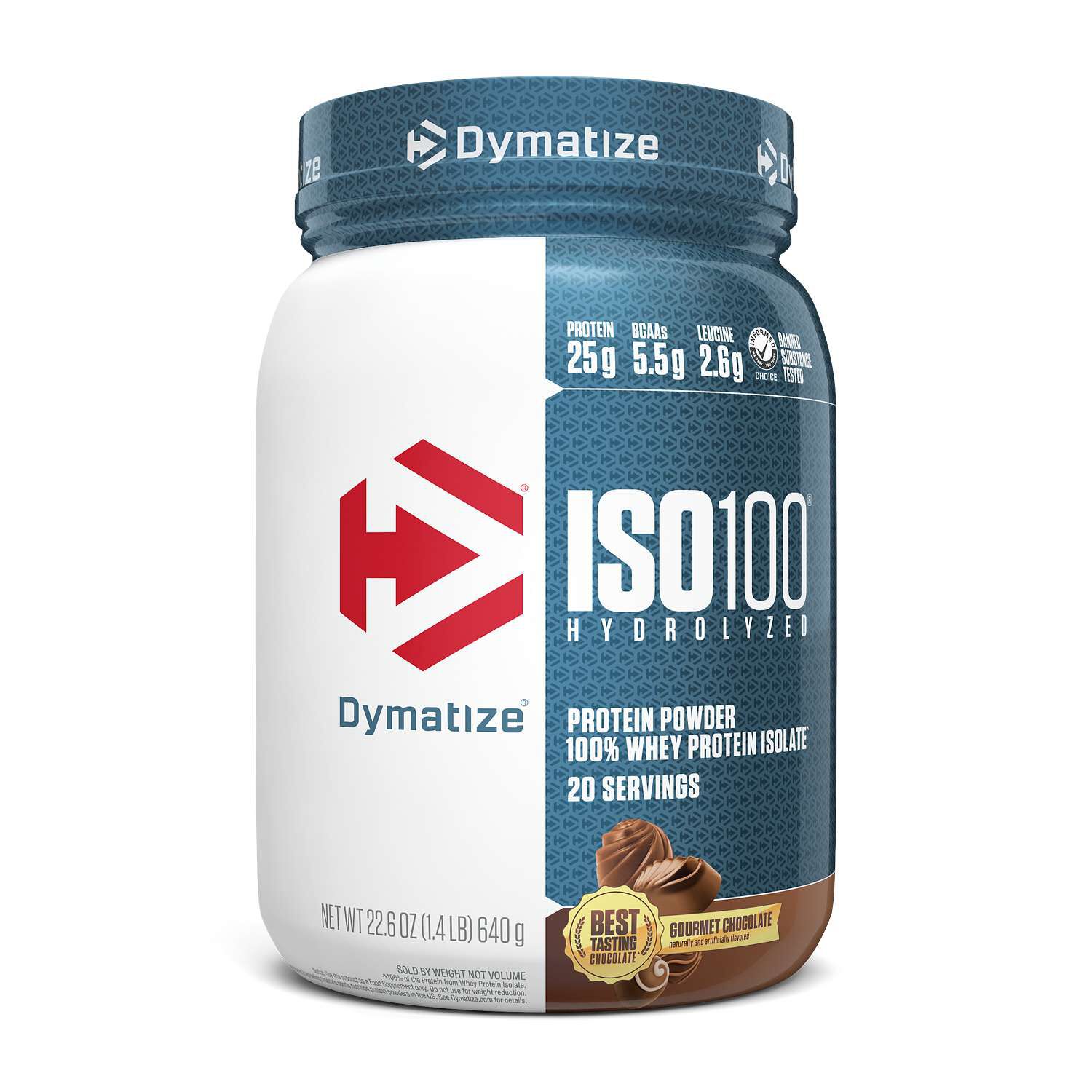
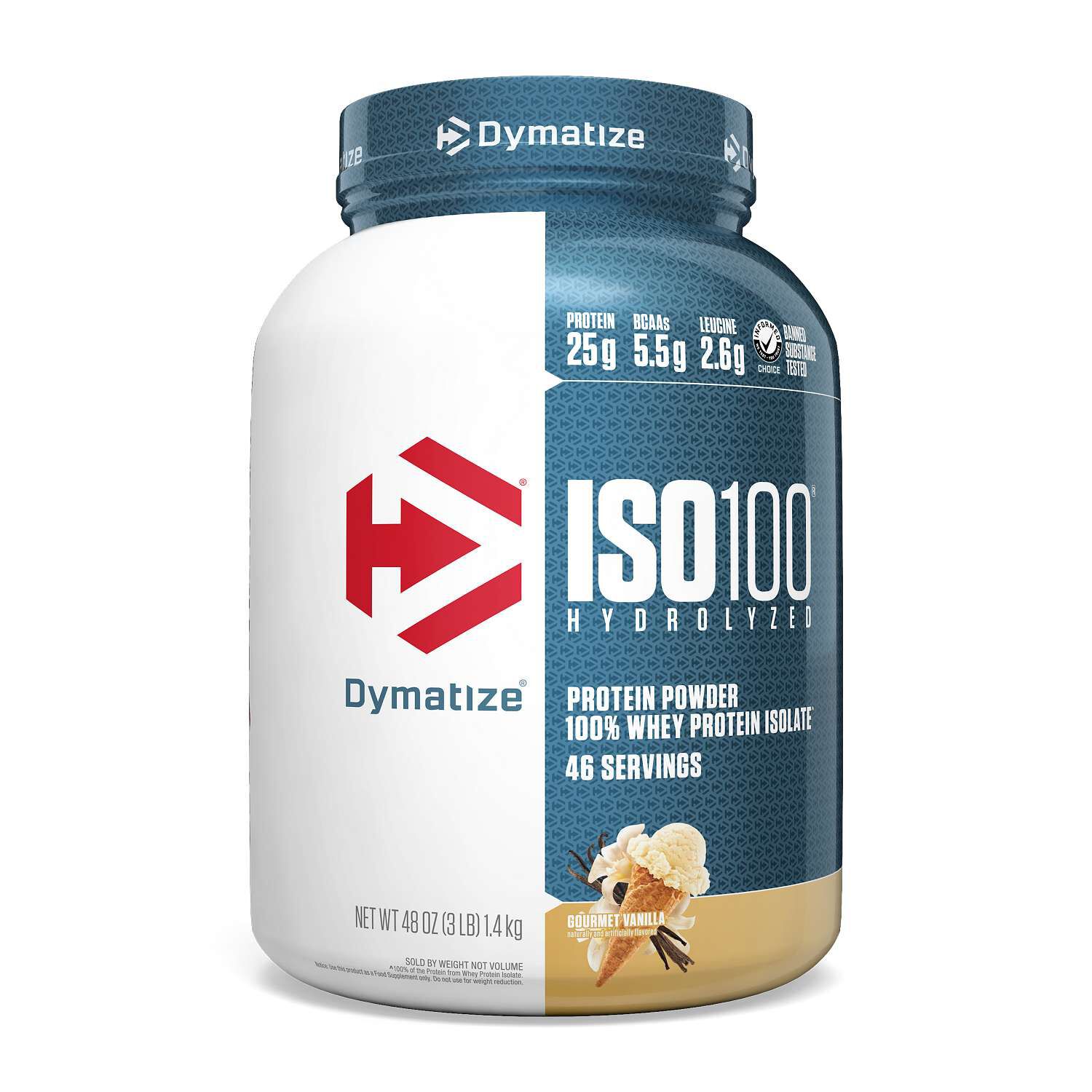
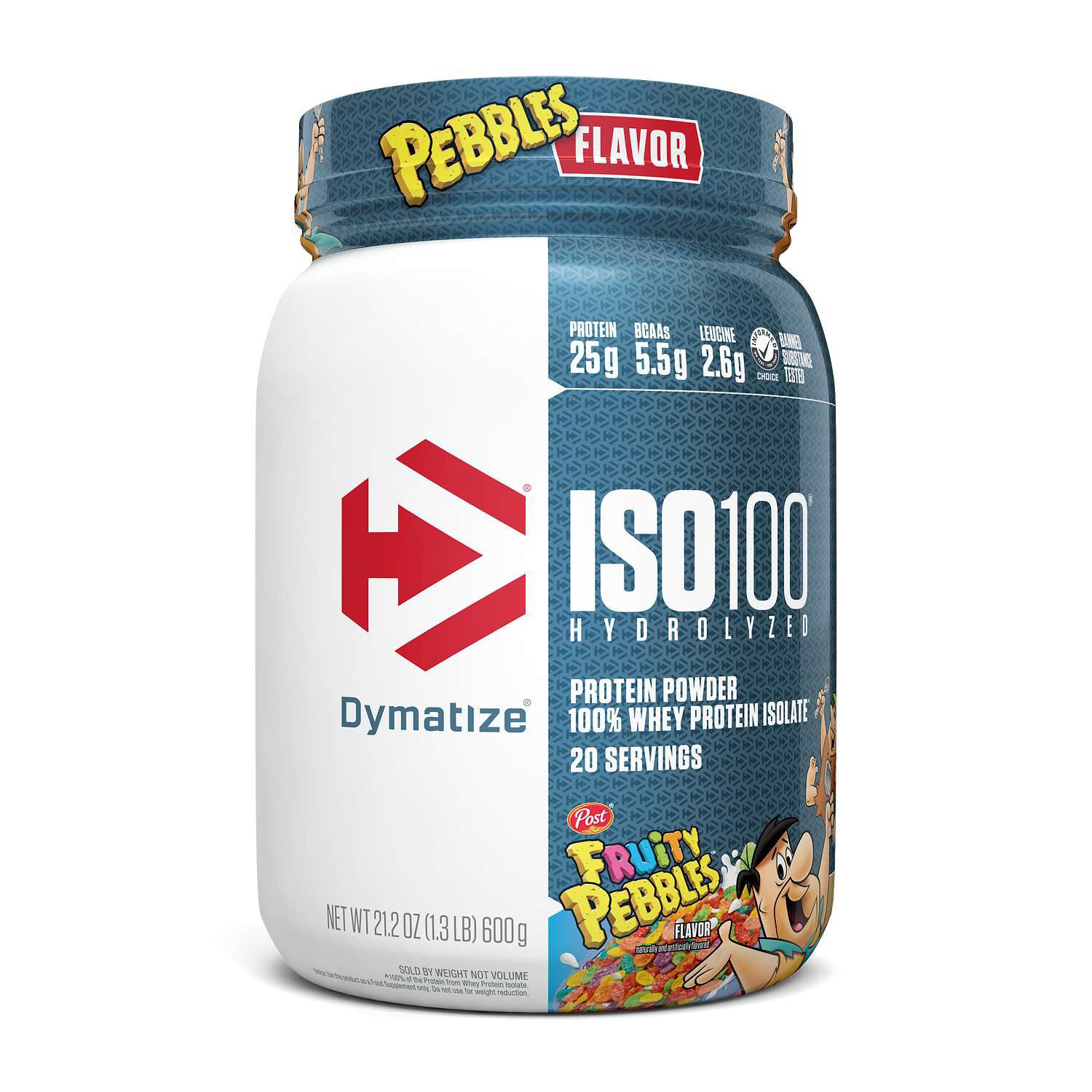


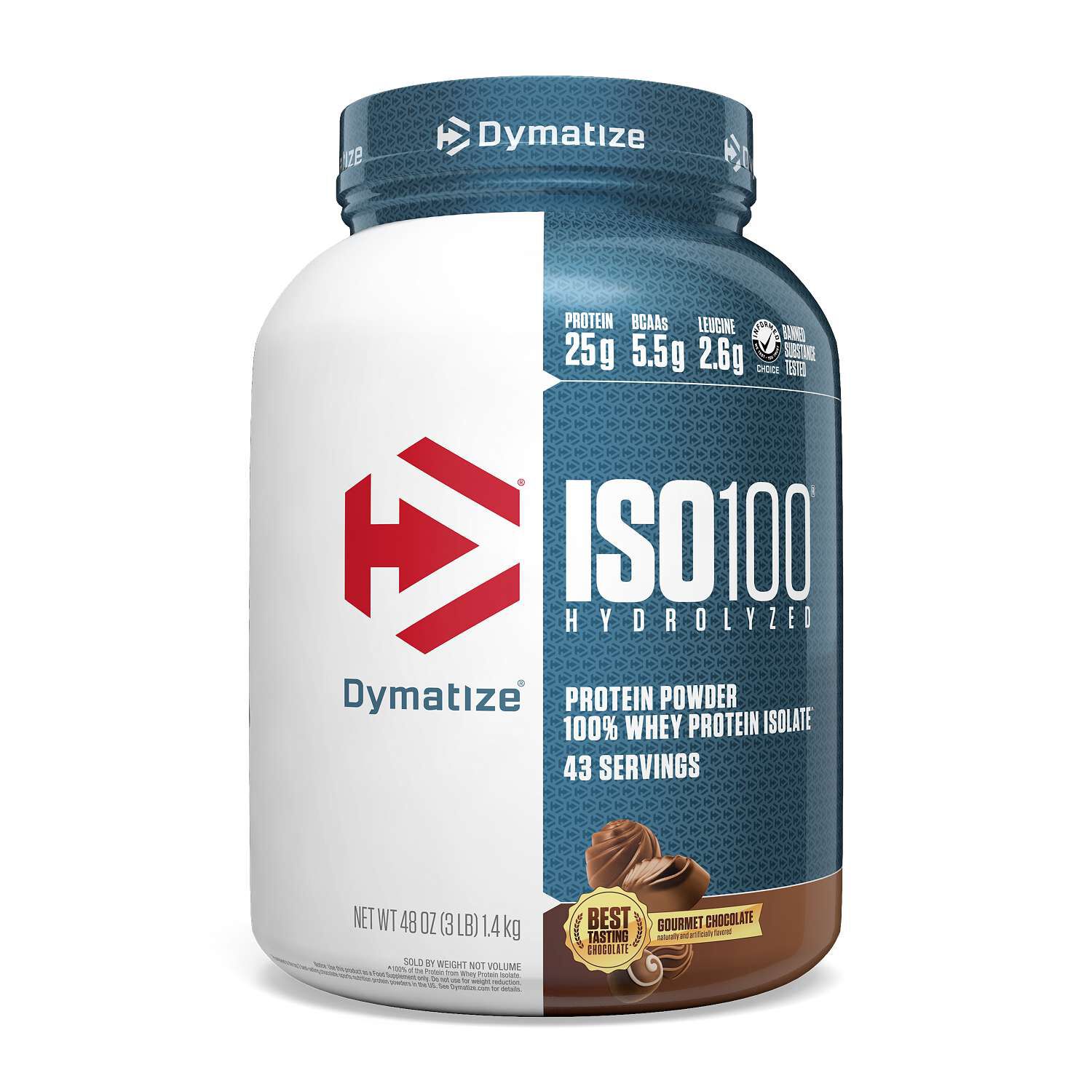
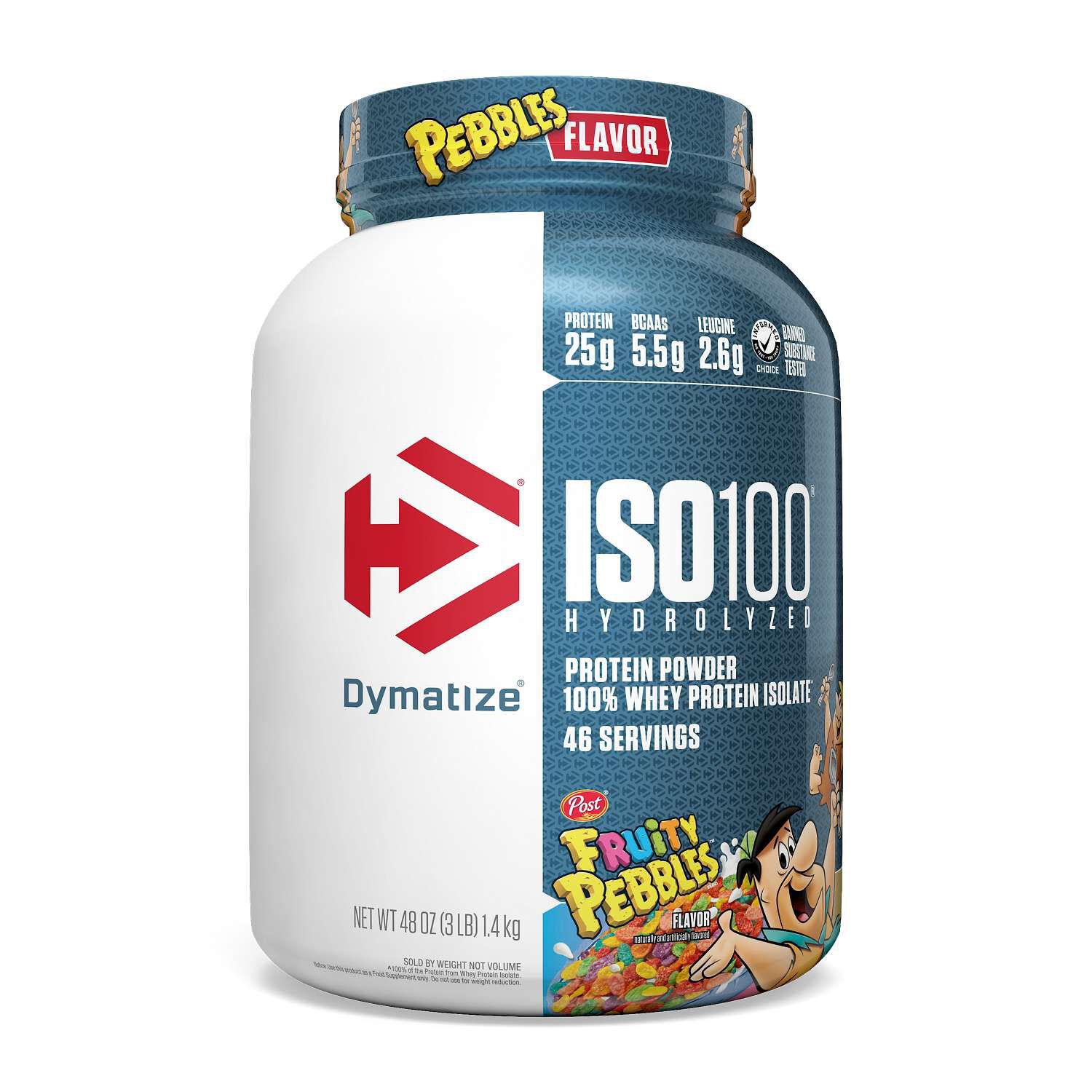
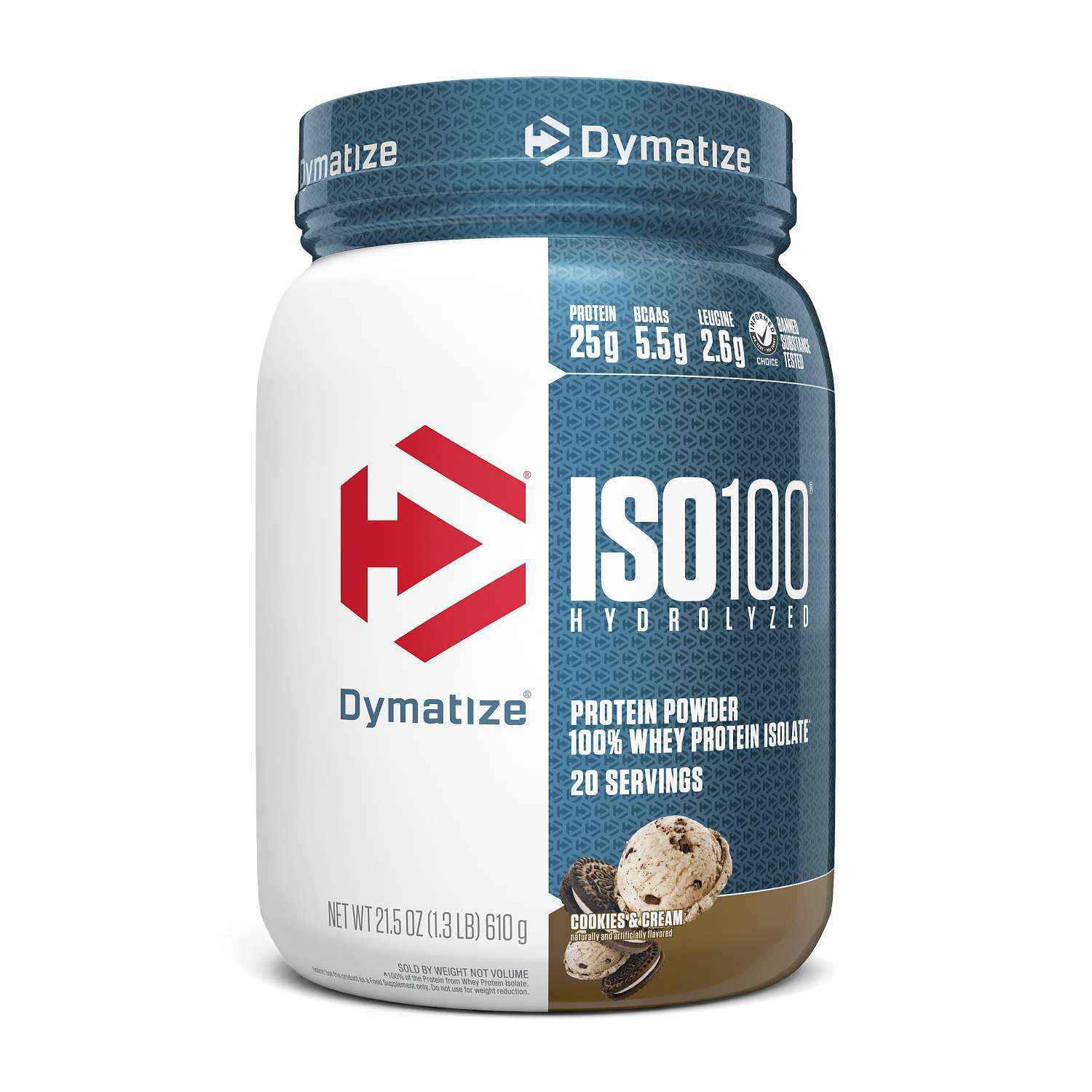
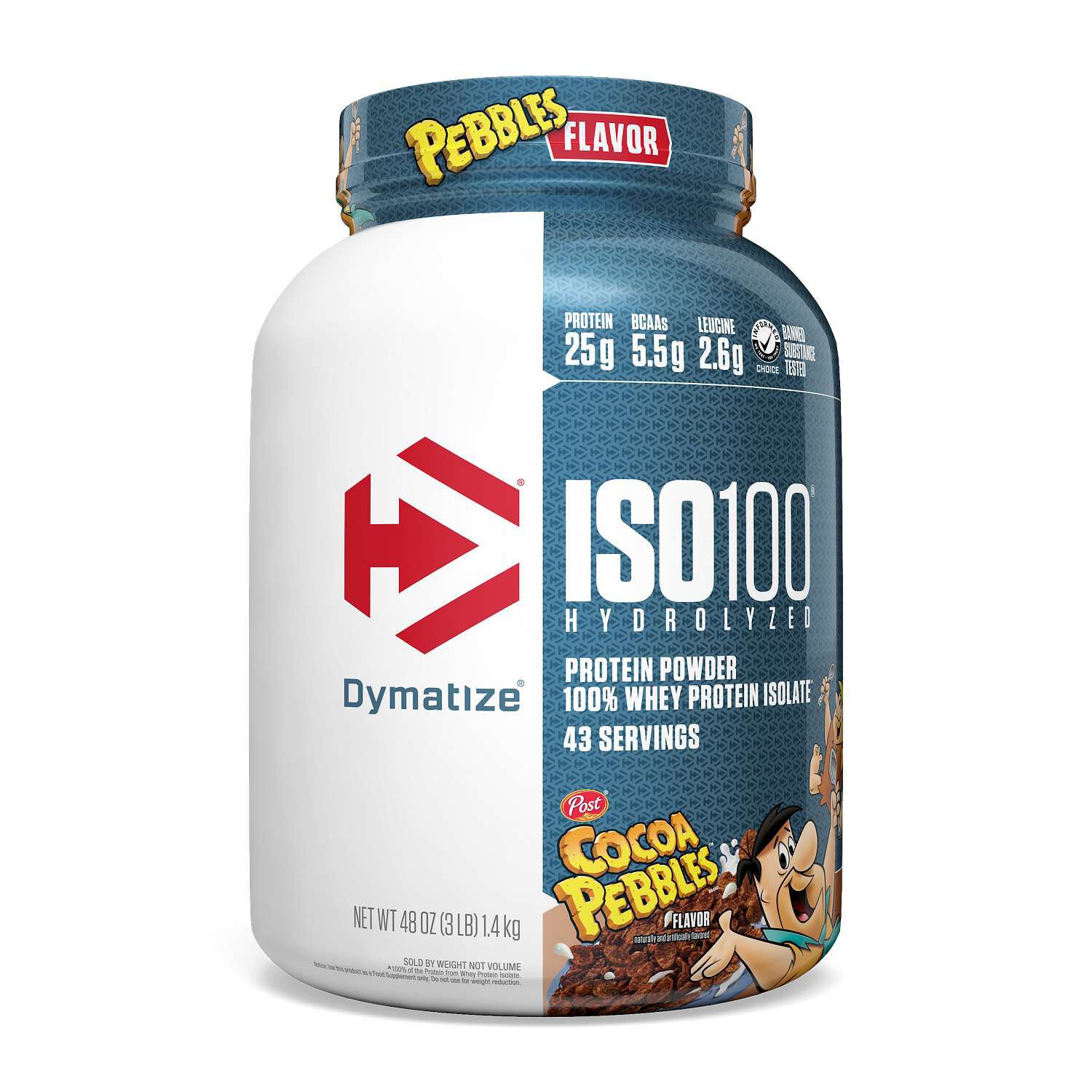


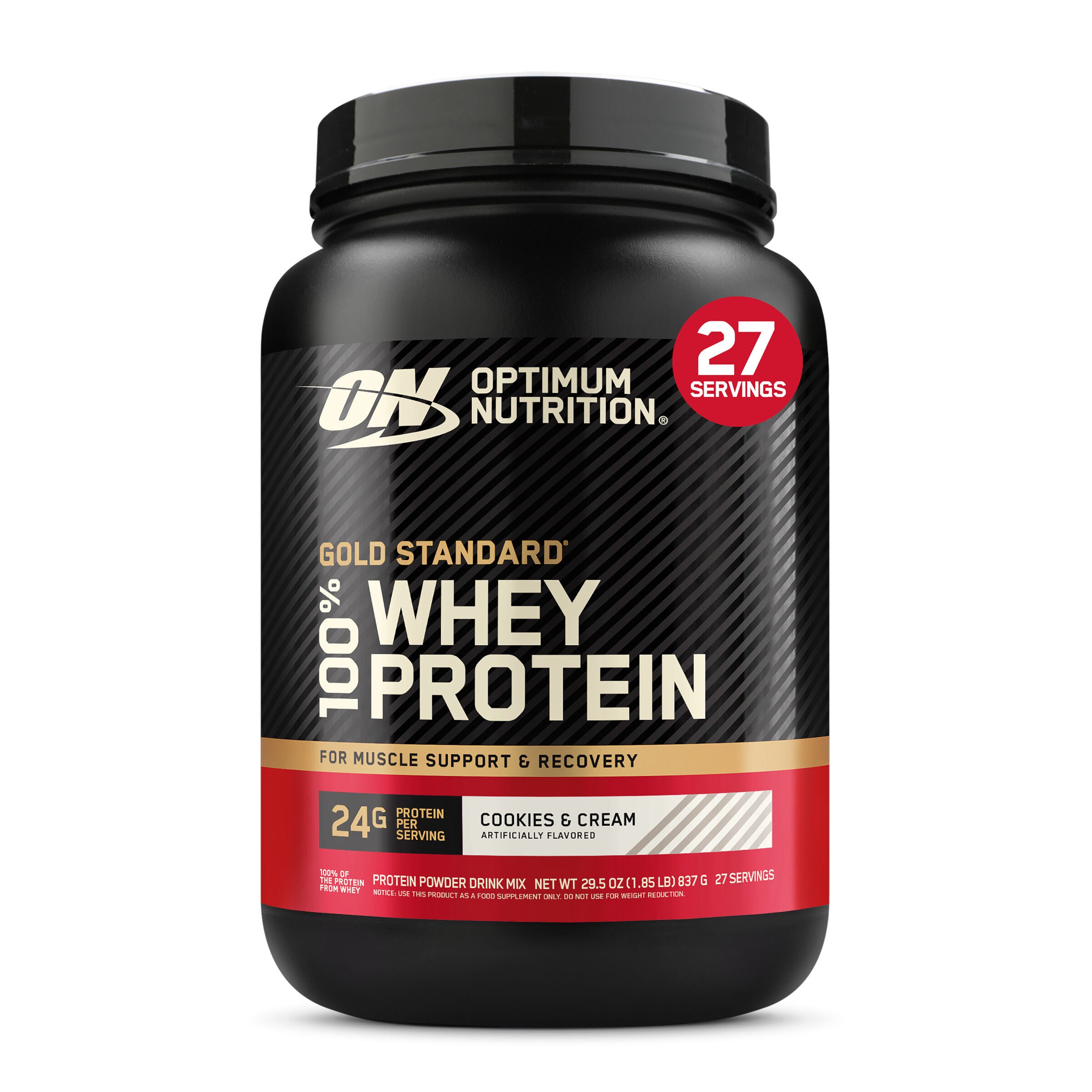


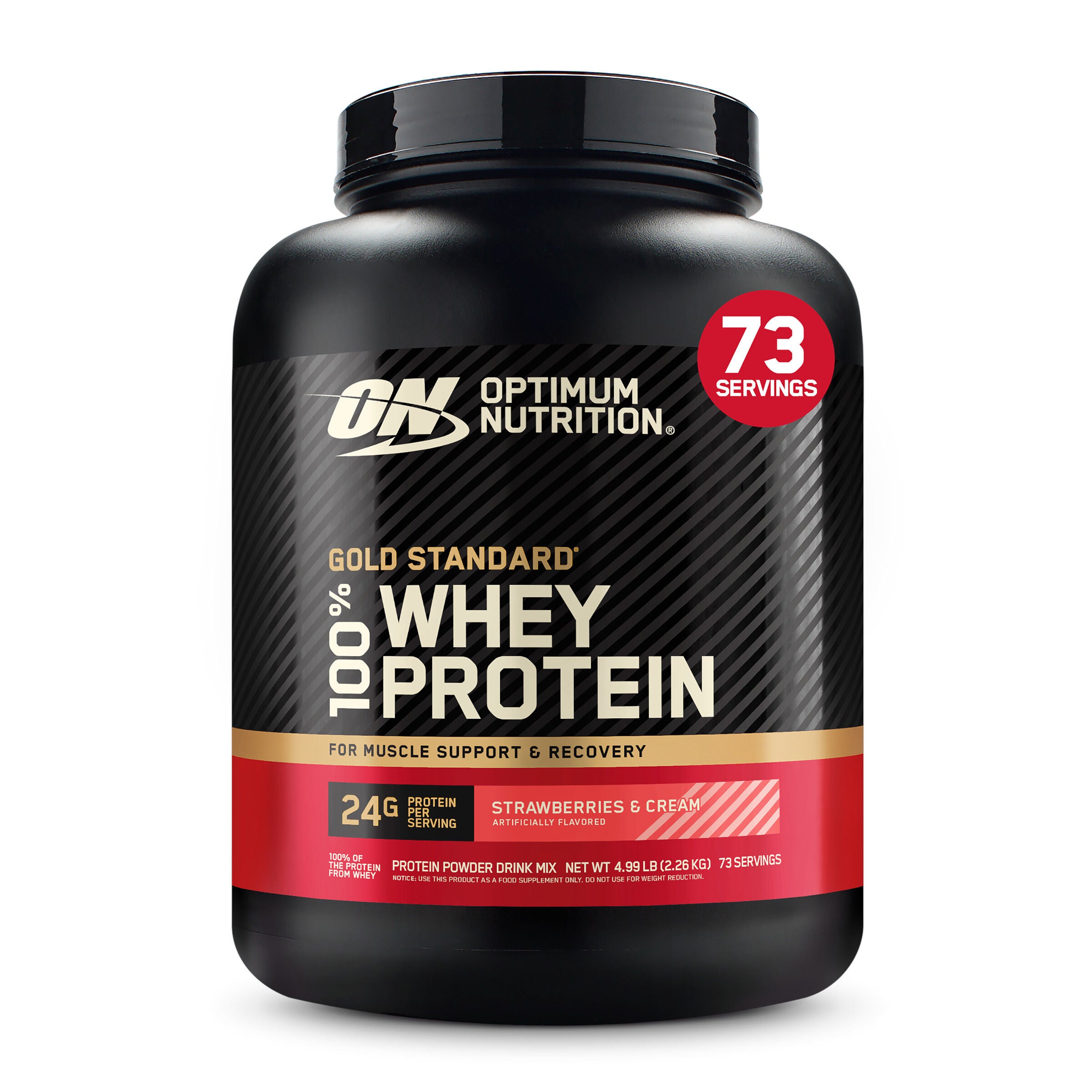

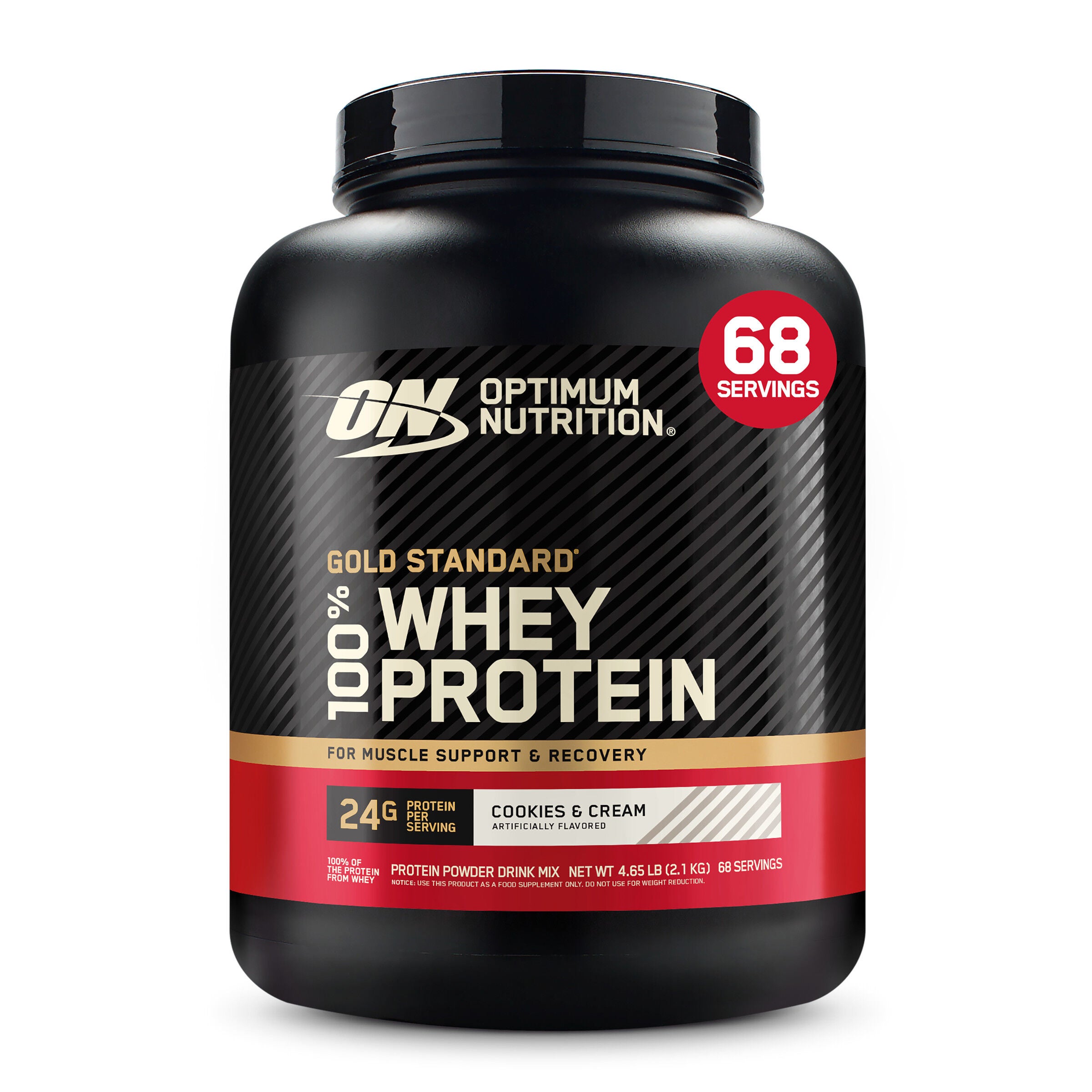

Protein powders with no yeast offer a straightforward way to shop for a protein supplement when yeast is not part of your preferred ingredient profile. Traditional protein bases such as whey, casein, pea, rice, and soy are distinct from yeast, although the full formula may include additional ingredients that deserve a closer look. A short ingredient list can make the selection process easier, especially when comparing powders with different flavors, textures, and preparation styles. Unflavored powders may suit smoothies, oatmeal, yogurt, or homemade snack recipes, while chocolate, vanilla, and other familiar flavors may be more convenient for mixing with water or milk. Dairy-based options may appeal to shoppers who enjoy a creamy texture, while plant-based choices may fit vegan routines or preferences that avoid dairy. When reviewing a product page or package, check the protein source, serving information, flavor ingredients, sweeteners, and any added blends. Some flavored or specialty formulas may include vitamins, probiotics, botanical ingredients, or nutrient combinations made through fermentation, so shoppers who specifically avoid yeast may want to review every listed ingredient rather than relying only on the front label. Terms such as “yeast-free” may appear on some labels, but availability and labeling language can vary, making the ingredient panel and manufacturer information useful parts of the purchasing process.
Protein powders without yeast may fit a variety of everyday routines. Someone heading out early for a long commute could blend a scoop with fruit and milk before leaving home, while a college student might keep a container in the kitchen for quick smoothies between classes. A recreational runner, gym member, hiker, or busy parent may use protein powder as part of a meal or snack routine, depending on personal preferences and overall eating habits. These products can also work well in seasonal routines: a cool smoothie may be appealing as the weather warms, while a warm bowl of oats or a blended coffee drink may feel more inviting during cooler months. Protein powder can be stirred into pancake batter, mixed into overnight oats, folded into yogurt, or combined with nut butter and grains for homemade snack bites. The best format often comes down to texture, flavor, and convenience. Whey and casein powders may provide the creamy mouthfeel many shoppers associate with classic shakes, whereas pea and rice powders may bring a slightly earthier character that pairs well with cocoa, berries, banana, cinnamon, or nut-based ingredients. Soy protein may offer another plant-based option for shoppers who are comfortable with soy, while those avoiding soy can browse Protein Powders Without Soy for additional choices. A shaker cup can suit a desk drawer or gym bag, while a blender may be preferable for recipes that include frozen fruit, oats, or thicker ingredients. Since serving sizes and protein amounts vary by formula, comparing labels can help shoppers select a powder that fits the way they plan to use it.
A protein powder without yeast may also make a practical gift for someone who enjoys building smoothies, preparing meals at home, or trying new pantry staples. It could suit a friend assembling a gym bag for a new routine, a family member who likes experimenting with breakfast recipes, or a host who appreciates useful kitchen items alongside a shaker bottle, insulated tumbler, or smoothie ingredients. For gifting, an unflavored powder may offer flexibility, while a familiar flavor may feel more approachable for someone who already enjoys protein shakes. Dietary preferences should guide the choice: dairy-based, plant-based, soy-free, gluten-related, and other ingredient considerations can differ from person to person, and a gift is more thoughtful when the recipient’s preferences are known. Shoppers may also want to consider container size, serving convenience, sweetness, and whether the powder blends smoothly into the foods or drinks the recipient already enjoys. Storing the container in a cool, dry pantry and closing it securely after each use may help preserve its intended texture and flavor. With careful label reading, a clear understanding of the protein source, and attention to added ingredients, shoppers can find a no-yeast protein powder that fits a morning smoothie, afternoon snack, post-workout meal, or cozy recipe during the changing seasons.