





Growth Factor Supplements
(0 Results)
Unlock your potential with growth factor supplements that may support your body's natural processes. These innovative supplements could be a game-changer for individuals looking to optimize their health and wellness routines. Designed to potentially aid in various aspects of physical performance and recovery, growth factor supplements are becoming a popular choice for those aiming to elevate their fitness journey. Explore our range of options that might help you reach new heights in your personal health goals.
-
-
-

-
 2,035$119.99
-
-

-
-
-

-
-
-

-
-

-

-
-

-
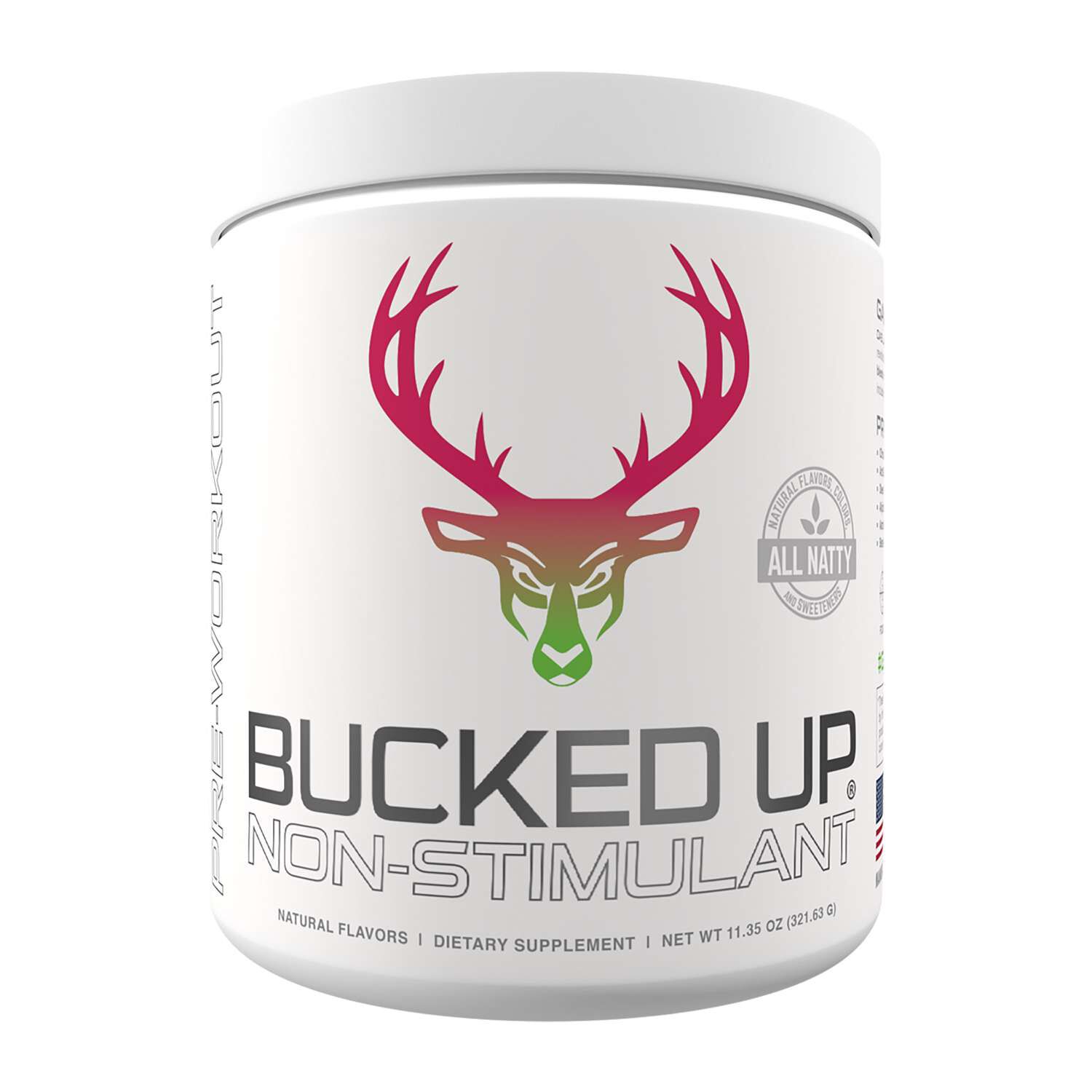
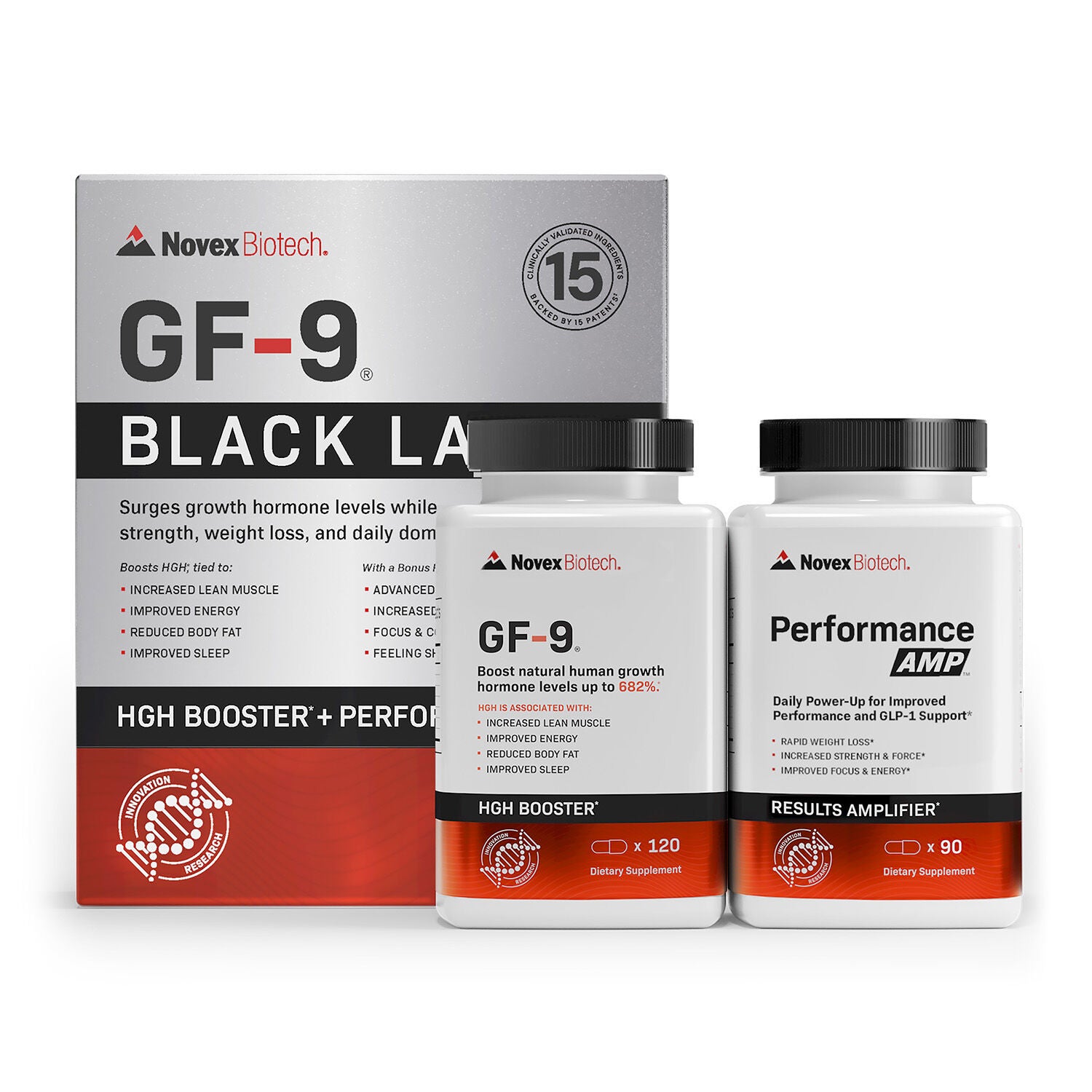
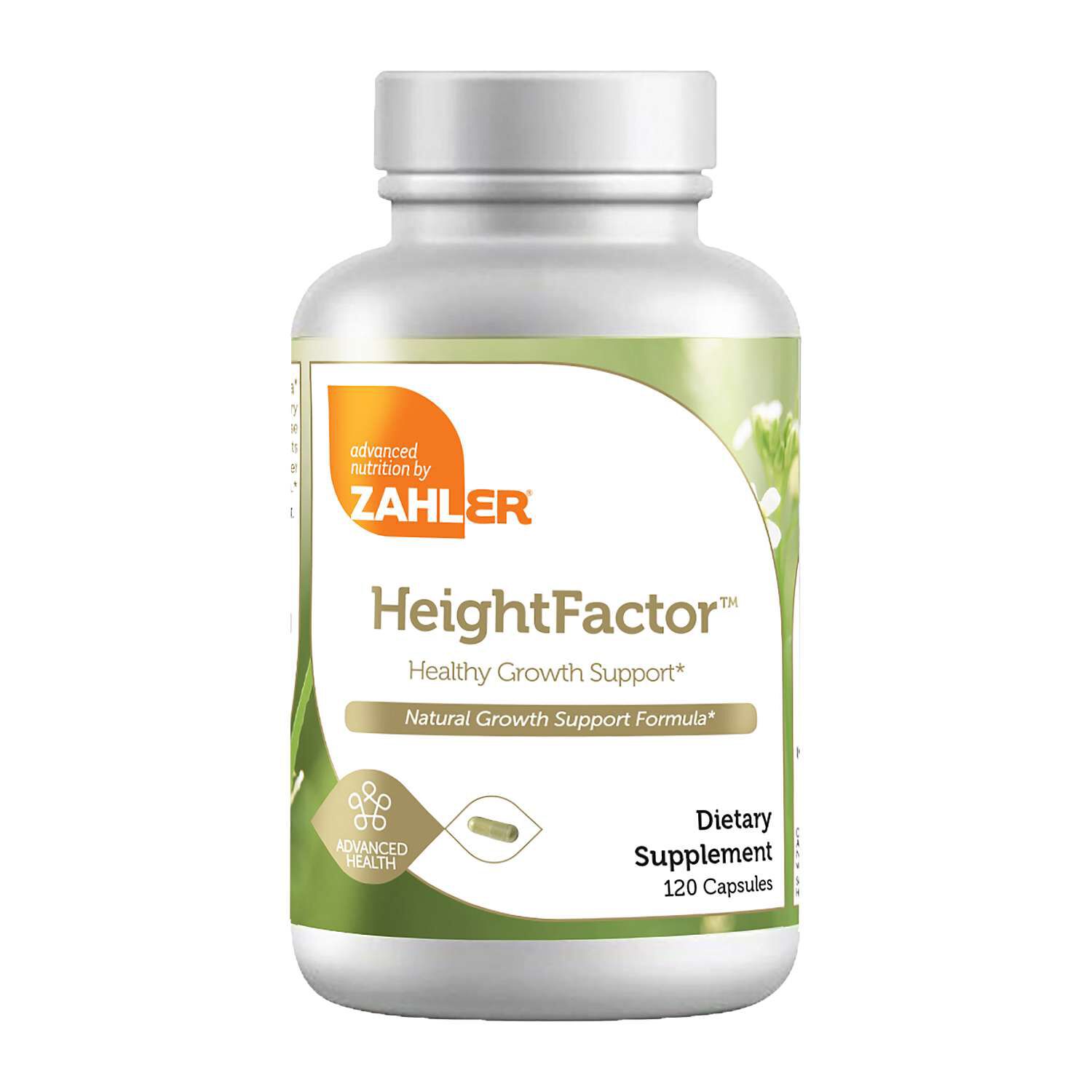
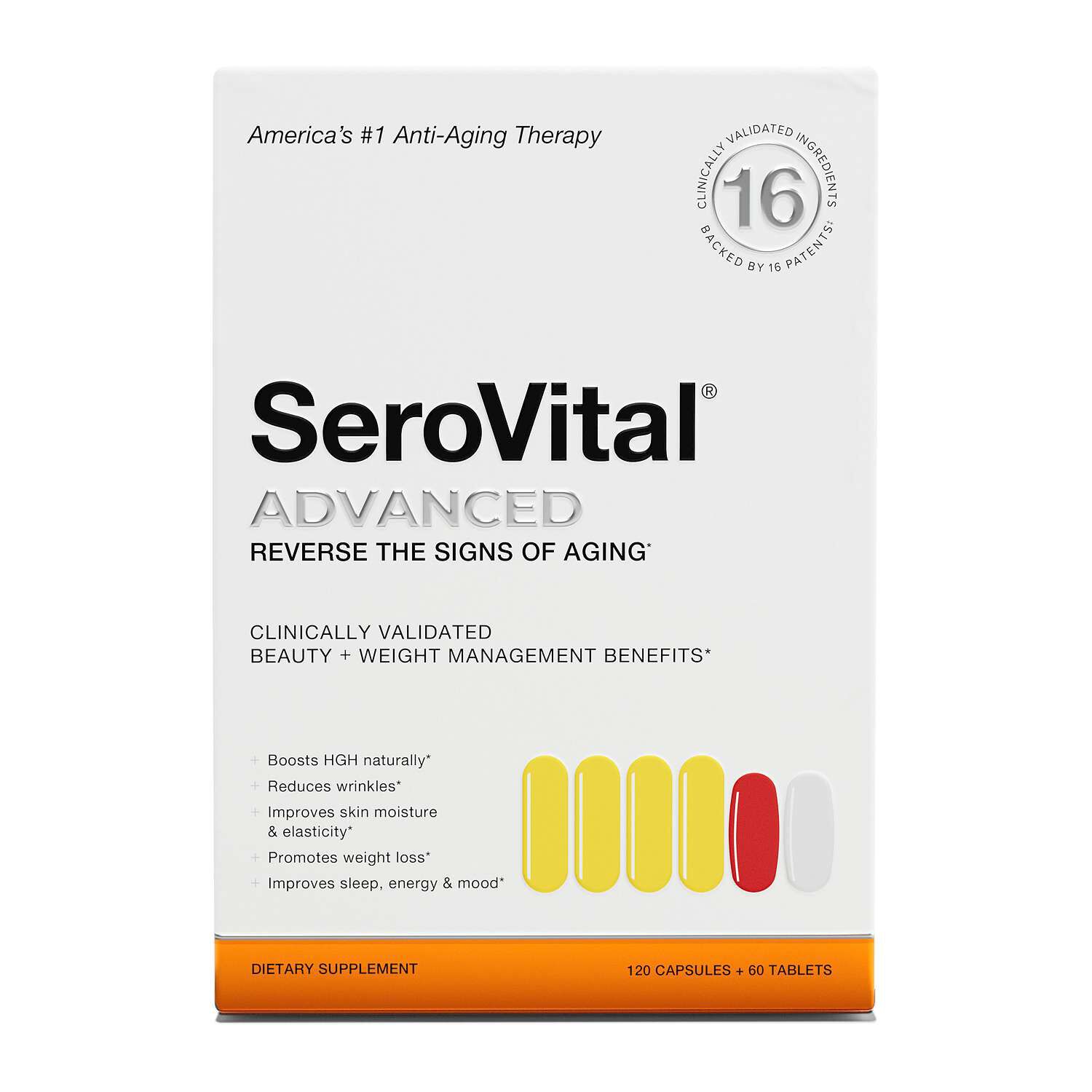
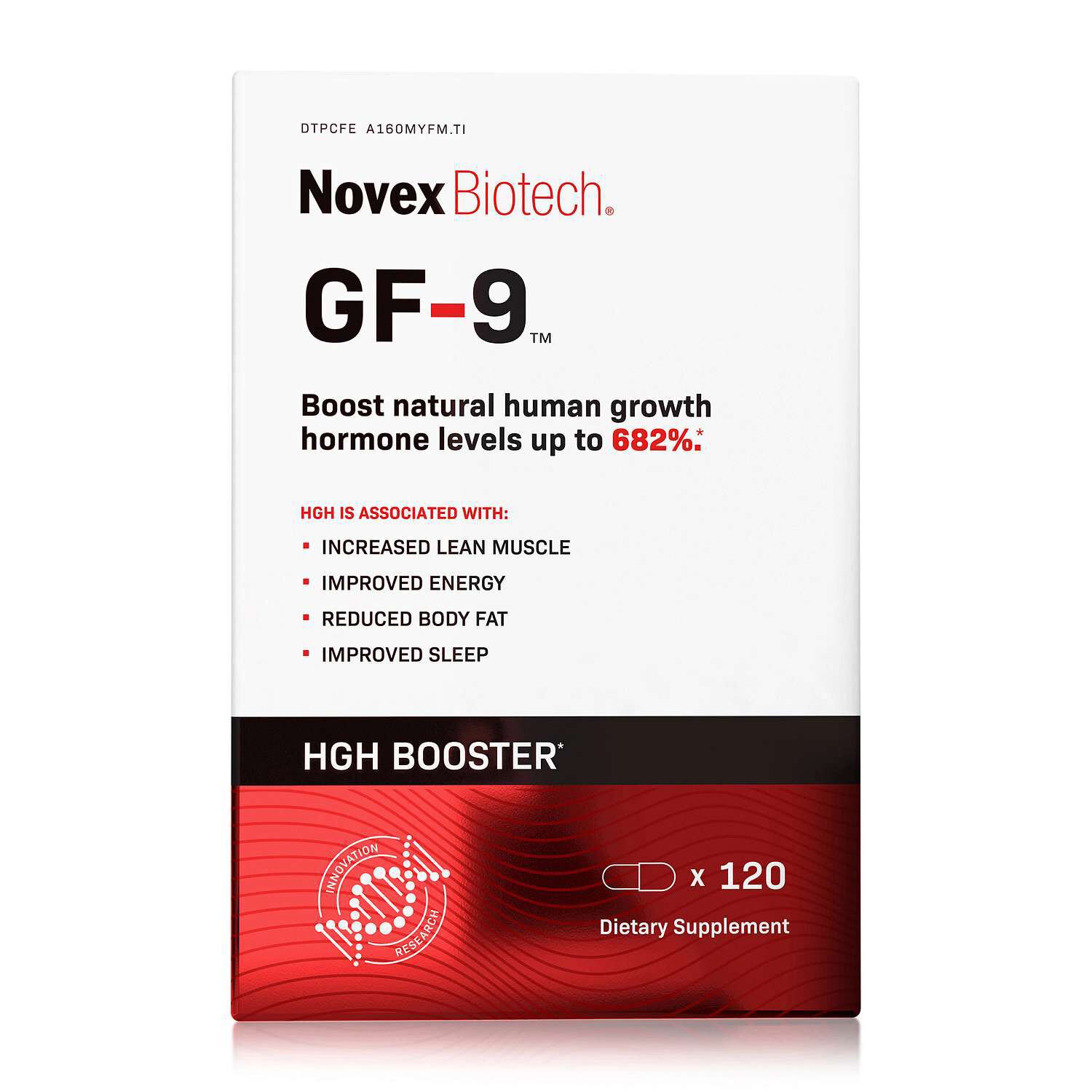
Growth factor supplements are a broad category of dietary supplements marketed in connection with growth-related biological processes, exercise routines, and adult wellness. The term does not identify a single ingredient or standardized formula. Growth factors themselves are naturally occurring proteins involved in communication between cells, but a supplement described with this wording is not necessarily a source of those proteins. Formulas in the category may contain amino acids, botanical ingredients, bovine colostrum, or combinations of ingredients with different nutritional characteristics. Amino acids such as L-arginine and L-lysine are building blocks of proteins, while bovine colostrum is the early milk produced by cows. These ingredients are not interchangeable, and their names alone do not establish what a finished formula might do. The distinction between an ingredient, a naturally occurring growth factor, and a hormone matters when comparing descriptions. An oral supplement is also different from a prescription hormone treatment. Dietary supplements do not receive FDA approval for effectiveness before sale, and placement in this category is not evidence of a particular physical outcome. Proteins consumed by mouth undergo digestion, so the presence of a protein in a powder or capsule does not establish that it reaches the bloodstream intact. Likewise, findings involving an injected substance or a laboratory experiment do not automatically apply to an oral supplement. Research is most relevant when it addresses the same ingredient form, serving amount, method of use, and type of participant. A study involving one ingredient is not necessarily evidence for a blend containing several ingredients in different amounts. For an adult comparing growth factor supplements, the most useful starting point is therefore the actual formula rather than the category name. Clearly stated ingredients, serving information, and an intended audience provide more concrete context than broad references to growth, vitality, or athletic performance. Expectations about height, hormone production, or changes in physique require evidence beyond a name on the front of a container.
The Supplement Facts panel provides a closer look at how growth factor supplement formulas differ. A serving might consist of several capsules, one measured scoop, or a specified amount of liquid, making the serving size just as important as the amount printed beside an ingredient. Capsule count and serving count are different measurements: a container with many capsules may represent fewer daily servings than its size suggests. Ingredient quantities may appear in milligrams or grams, and a blend may list one combined amount without stating the amount of every component. That distinction matters when comparing two formulas with similar ingredient lists. Other ingredients also contribute to the format, including capsule materials, flavorings, sweeteners, and ingredients used to keep powders flowing. Someone who avoids animal-derived capsule materials may prefer a plant-based capsule, while someone choosing colostrum should recognize its dairy origin. Milk, soy, and other allergen statements deserve attention alongside dietary preferences and ingredient sourcing. A powder mixed into a shaker has different practical characteristics from a capsule carried in its original container. Taste, texture, serving volume, and the need for a measuring scoop may influence which format could fit a routine. An unflavored powder is not necessarily tasteless, particularly when its ingredients have a naturally milky, earthy, or bitter character. Product descriptions can also distinguish an amino acid blend from a protein powder that lists grams of dietary protein per serving. Those are different ways of presenting nutrition, even when both appear in an exercise-focused shopping routine. For a related category with a protein-centered focus, Protein Growth Supplements offers another point of comparison. Across categories, sourcing details, manufacturing information, and clearly identified independent testing can add useful context. Testing for identity or composition, however, is different from research on an intended benefit. A quality seal should be understood according to what the named testing program actually evaluates, rather than treated as evidence for every statement associated with a formula.
Intended use and everyday handling round out the comparison. Growth factor supplements may appeal to adults who already organize their nutrition around strength training, recreational sports, or a consistent exercise schedule, but the category name does not establish suitability for every age group or circumstance. The labeled audience and directions are more specific than general fitness language. For someone who leaves home early with a packed lunch and gym bag, a capsule format could be simpler to carry than a powder requiring a separate scoop and mixing cup. Someone who prepares a shake at home may find a measured powder more compatible with that existing habit. Neither format is inherently evidence of a stronger effect; format primarily describes how the supplement is packaged and consumed. Comparing a formula with supplements already in the routine can also reveal repeated ingredients, especially when amino acids, botanical blends, and other sports nutrition formulas overlap. Serving directions provide the relevant boundaries for each formula, rather than assumptions based on container size or familiarity with another supplement. Storage instructions matter, too. A tightly closed lid, a dry measuring scoop, and the original labeled container may help limit moisture exposure and keep serving information accessible. A damp scoop placed back into a powder can introduce moisture, while loose capsules in an unlabeled bag separate the contents from their directions, ingredient list, and date information. Leaving a container in a car or beside a steamy shower also creates conditions that may differ from its labeled storage requirements. Packaging integrity and the printed date are useful details to check throughout use. More broadly, supplements belong within the context of ordinary meals, dietary protein, sleep, and an exercise routine rather than serving as a substitute for those habits. The strongest comparison is grounded in what can be verified: ingredient identity, stated amounts, serving format, sourcing, testing details, and directions. Those details give growth factor supplements a clearer place within an adult nutrition routine while keeping expectations proportionate to the evidence for the formula itself.
Best Sellers
-
 Inno Supps
-
Novex Biotech
-
 SNAP Supplements
Related Pages

Top Collections
- Zinc Supplements | Top Brands at Great Prices | GNC
- Cortisol Supplements
- Joint Mobility Supplement Packs
- NAD+ Supplement Tablets
- Best Brand of Magnesium Glycinate
- Top Rated Collagen | Shop Customer Favorites | GNC
- Iron Supplements
- Peptide Supplements
- Protein Powders For Muscle Growth Support
- Vitamins That Help Support Weight Gain