Healthy Protein Chips
(0 Results)
Crunchy, satisfying, and packed full of potential benefits, healthy protein chips could be a game-changer for those looking to balance snacking and nutrition. These innovative snacks might offer a delicious way to increase your protein intake while still enjoying that irresistible crunch. Whether you're on-the-go or just craving something savory, protein chips may provide a convenient option that fits seamlessly into an active lifestyle. Explore how these tasty treats could complement your nutritional goals and add a burst of flavor to your day.
-
-

-
-

-

-

-
-

-
-
-
 Gym Snack$39.99
-
 $39.99
-

-

-
-
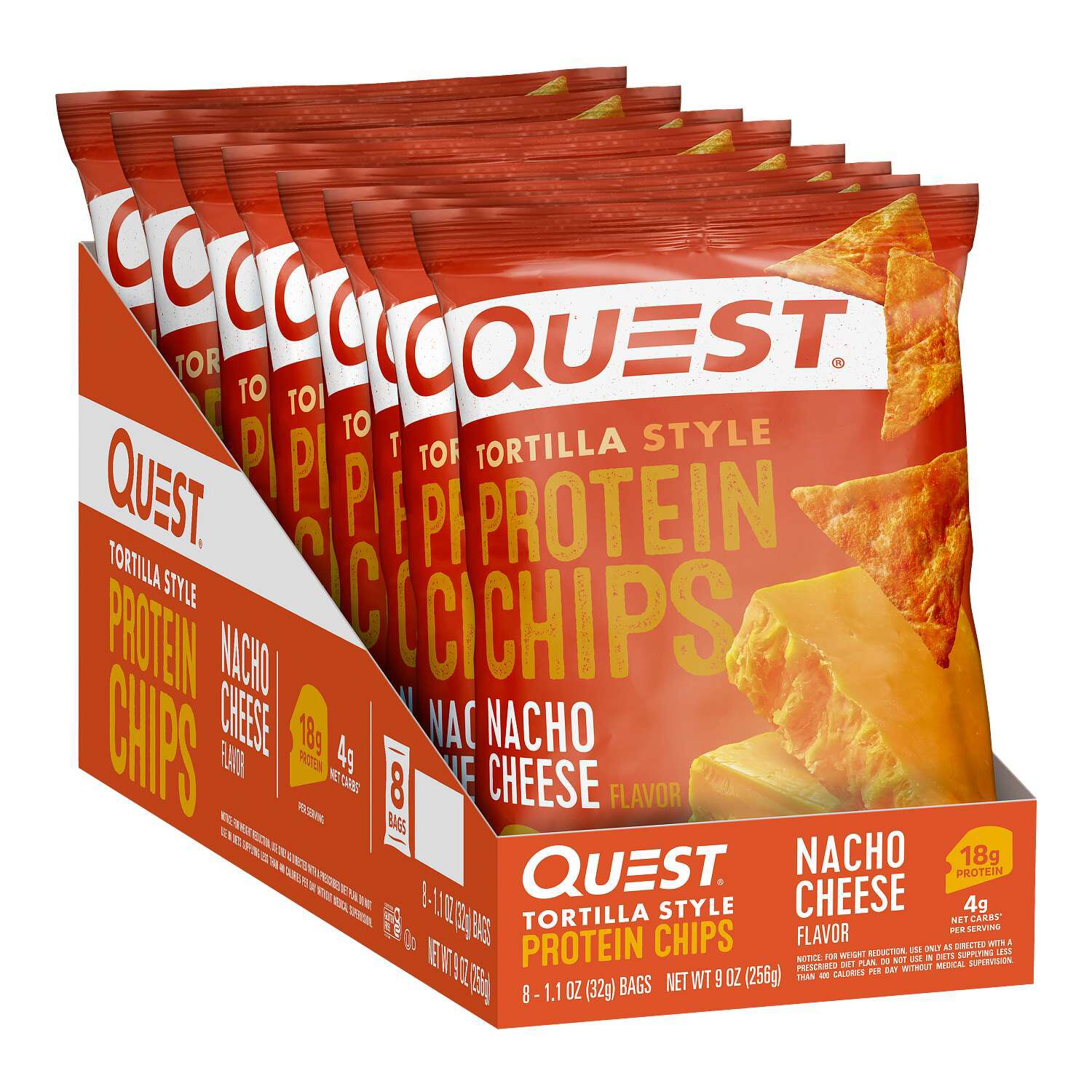
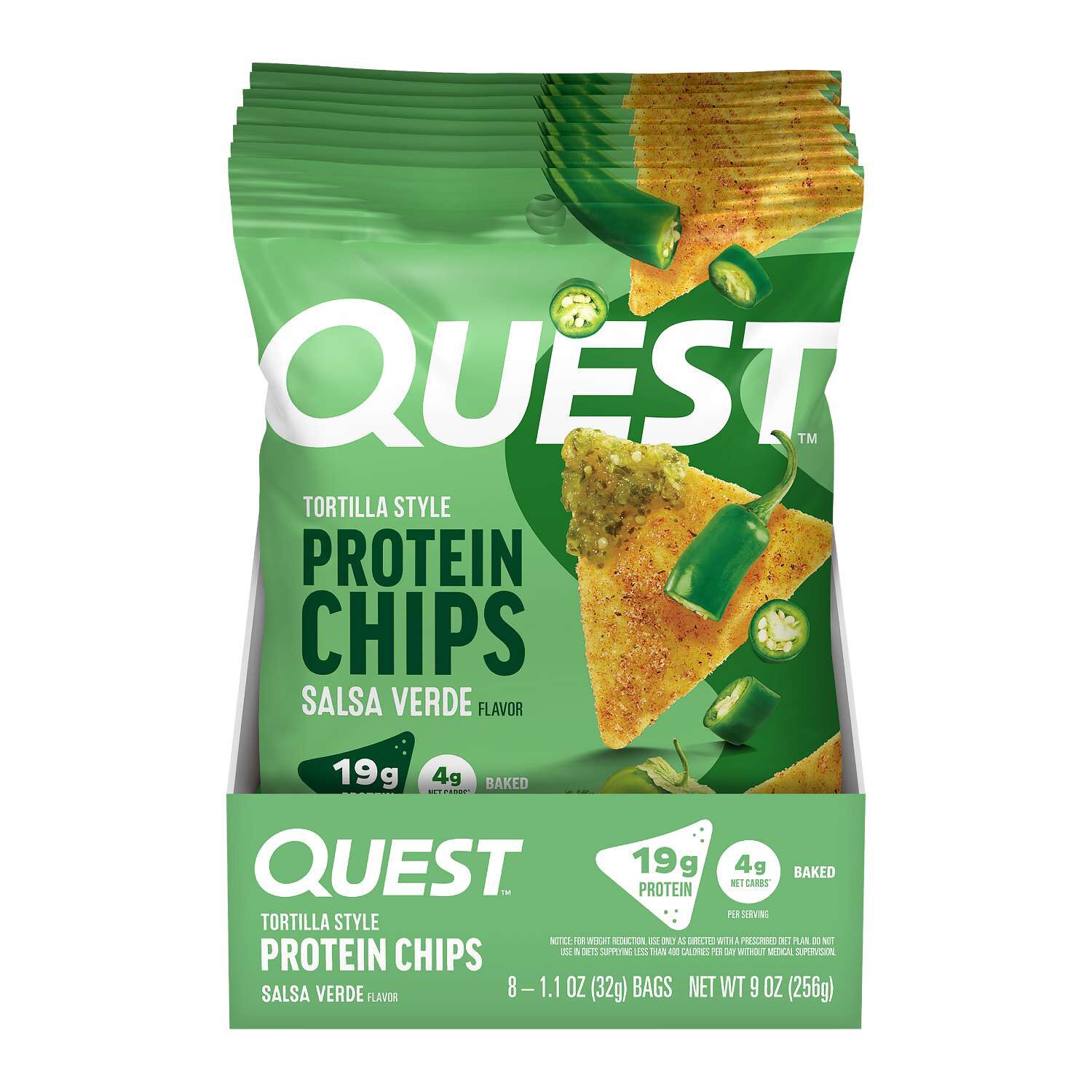
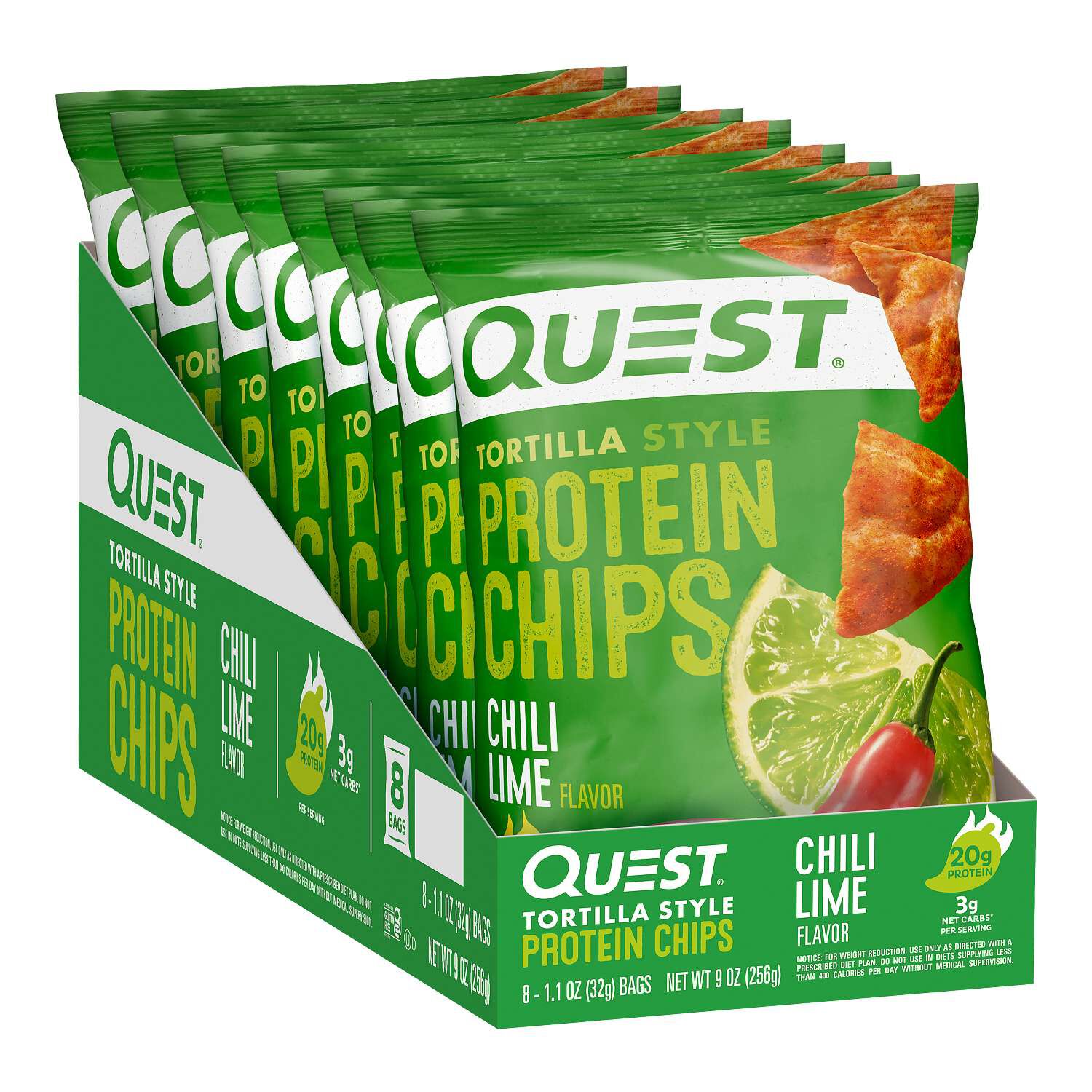
Healthy protein chips bring a familiar savory crunch to a snack category built around ingredients such as milk protein, whey, peas, soy, or lentils. Unlike conventional potato or corn chips, these snacks often incorporate concentrated protein into the chip itself, sometimes alongside grain flours, starches, oils, and seasonings. The result can range from a thin, tortilla-style triangle to an airy popped bite or a sturdy, ridged chip. Many varieties contain more protein per serving than traditional chips, and some contain fewer carbohydrates, but those comparisons depend on the recipes and serving sizes. The word “healthy” is not a single nutritional standard for this category: protein content is only one part of the picture, alongside calories, sodium, saturated fat, fiber, and the ingredients that suit a person’s eating preferences. A higher protein count does not automatically mean a snack is lower in calories or sodium. Likewise, baked or popped describes a preparation method, not a set nutritional profile. Some protein chips are baked rather than fried, while others use different processes to create their texture; the package provides the relevant details. For shoppers comparing healthy protein chips, the most useful distinction is often the balance between nutrition and the actual snacking experience. A delicate chip with a light dusting of salt feels different from a dense triangle coated in tangy seasoning, even when their protein amounts are similar. These are prepared snack foods rather than a substitute for a varied eating pattern, and their appeal lies in offering another way to enjoy something crisp and savory. They may suit someone who prefers a salty afternoon snack to a sweet bar, wants another protein-containing addition to a packed lunch, or enjoys a crunchy accompaniment to a sandwich. Their place in a routine depends on taste, portion size, and what else is being eaten.
Ingredients shape both the nutritional profile and the texture of protein chips. Whey and milk proteins are dairy-derived ingredients, while pea, soy, and lentil ingredients come from plants. A chip made with a plant protein is not necessarily vegan, because cheese powders, milk ingredients, or other animal-derived ingredients may also appear in the recipe. Similarly, a grain-based ingredient list does not establish whether a snack meets a particular dietary preference without a closer look at the full label. For shoppers who prefer plant-based choices, Plant Protein Snacks offers a related category to consider alongside chips. Ingredient lists and allergen statements matter here, especially when shopping for someone else or setting out snacks for a shared table. Milk, soy, and wheat are among the ingredients worth checking according to individual needs. Protein concentrates and isolates are common in this category; their presence explains how a small serving of chips can contain a meaningful amount of protein, but it does not tell the whole nutritional story. The Nutrition Facts panel provides the grams of protein, carbohydrates, fiber, and fat, along with calories and sodium per serving. Serving size deserves particular attention because a bag can hold one serving or several. Comparing equal portions gives a clearer picture than comparing the numbers on two differently sized packages. For lower-carbohydrate eating preferences, carbohydrate content still varies, even among chips described as protein snacks. Fiber and sugar amounts vary as well, so the category name alone is not enough to establish a match. Flavor adds another layer to the choice: cheese-style seasonings can taste rich and tangy, barbecue blends may combine sweetness with smoky notes, and chili or pepper seasonings can deliver a sharper finish. Salt, acids, spices, and sweeteners all contribute to those differences. Someone who enjoys a lightly seasoned chip may prefer a simpler flavor profile, while someone pairing chips with an unseasoned dip may welcome a bolder coating. The best match is not necessarily the bag with the largest protein number; it is the combination of ingredients, portion, and flavor that fits the intended occasion.
Shape and structure are practical considerations when choosing protein chips for everyday use. Thin, crisp pieces are suited to eating straight from the bag, while broader or thicker chips may be a better match for salsa, hummus, or a yogurt-based dip. A heavily coated chip brings its own seasoning to a pairing, whereas a lightly salted version leaves more room for the flavors of the accompanying food. Texture also differs across protein sources and recipes: some chips have a fine, even crunch, others have a puffed center, and some leave a denser bite. That variety matters for shoppers who want the experience of a familiar chip rather than something resembling a bar or shake. At lunch, a portion alongside a wrap and sliced vegetables may add contrast to softer foods. At a desk, a small bag may be a convenient savory choice between scheduled meals. For a road trip or a day with several stops, portioned packaging may simplify carrying a snack without needing a bowl or utensils. The package format is worth considering as carefully as the flavor. Individual bags have a defined portion and are easy to tuck into a lunch tote, while larger bags allow different portions for sharing or serving with a meal. Larger packages also require attention after opening: following package storage directions and closing the bag securely may help preserve crispness. A dry storage location and protection from heavy objects may help keep chips from becoming soft or turning into crumbs before snack time. When packing them next to a drink bottle or a substantial lunch container, a separate compartment or rigid container may offer useful protection. For shared occasions, keeping the original packaging nearby leaves the ingredient and allergen information accessible. Healthy protein chips are ultimately a varied category, with meaningful differences in protein source, nutrition, seasoning, bite, and packaging. Those details give shoppers a more grounded basis for choosing a savory snack than a single front-of-package description.