Back To School Protein Chips
(0 Results)
Back to school protein chips are a tasty and convenient option for busy students and families looking to stay fueled during the school year. Whether you’re packing lunches, grabbing a quick snack between classes, or need something to enjoy after extracurricular activities, these crunchy bites fit seamlessly into any routine. Explore a variety of flavors and find an option that may help keep you satisfied throughout the day as you tackle homework, sports, and everything in between.
-
-
-
-

-
-

-
-
-

-
 $39.99
-

-
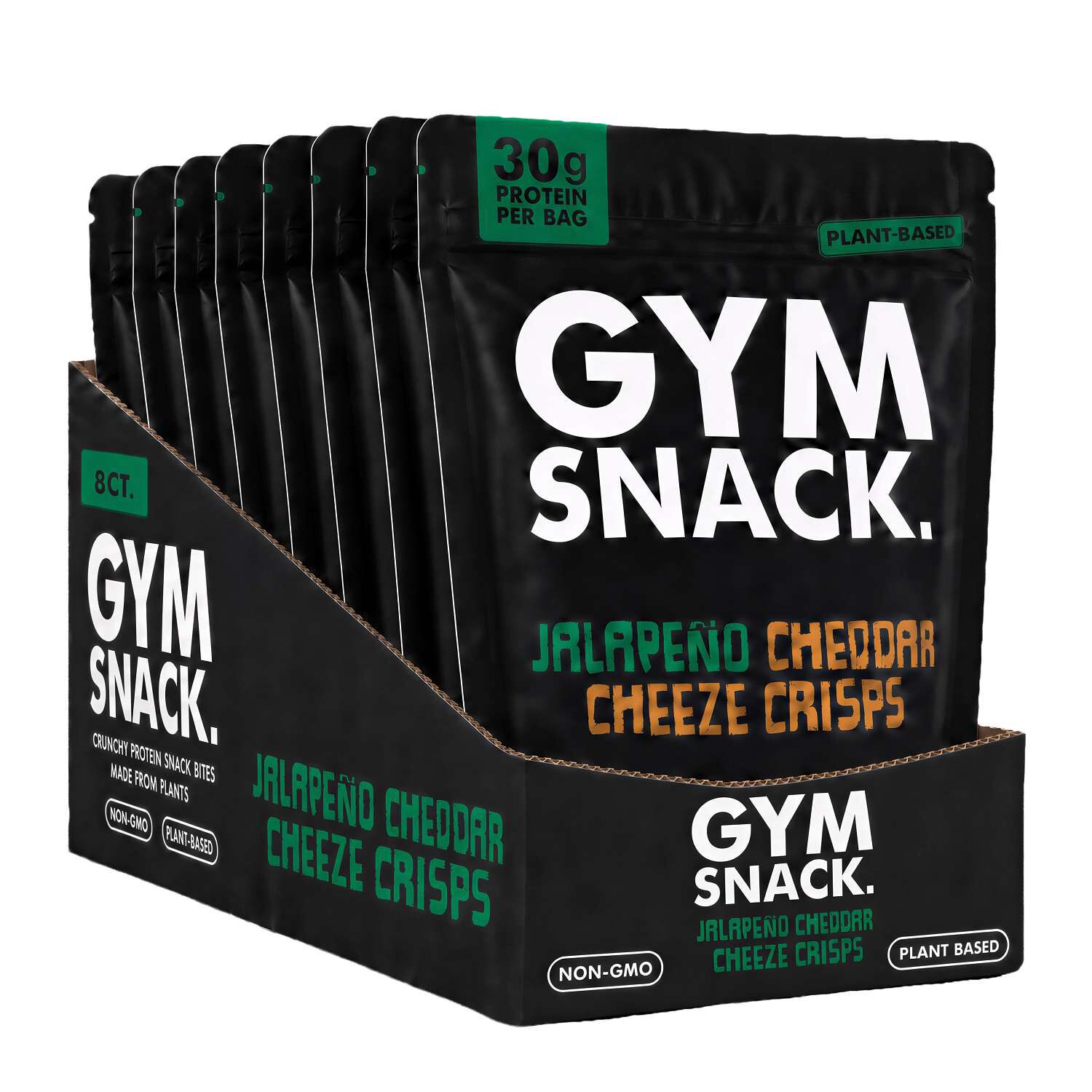 $39.99
-
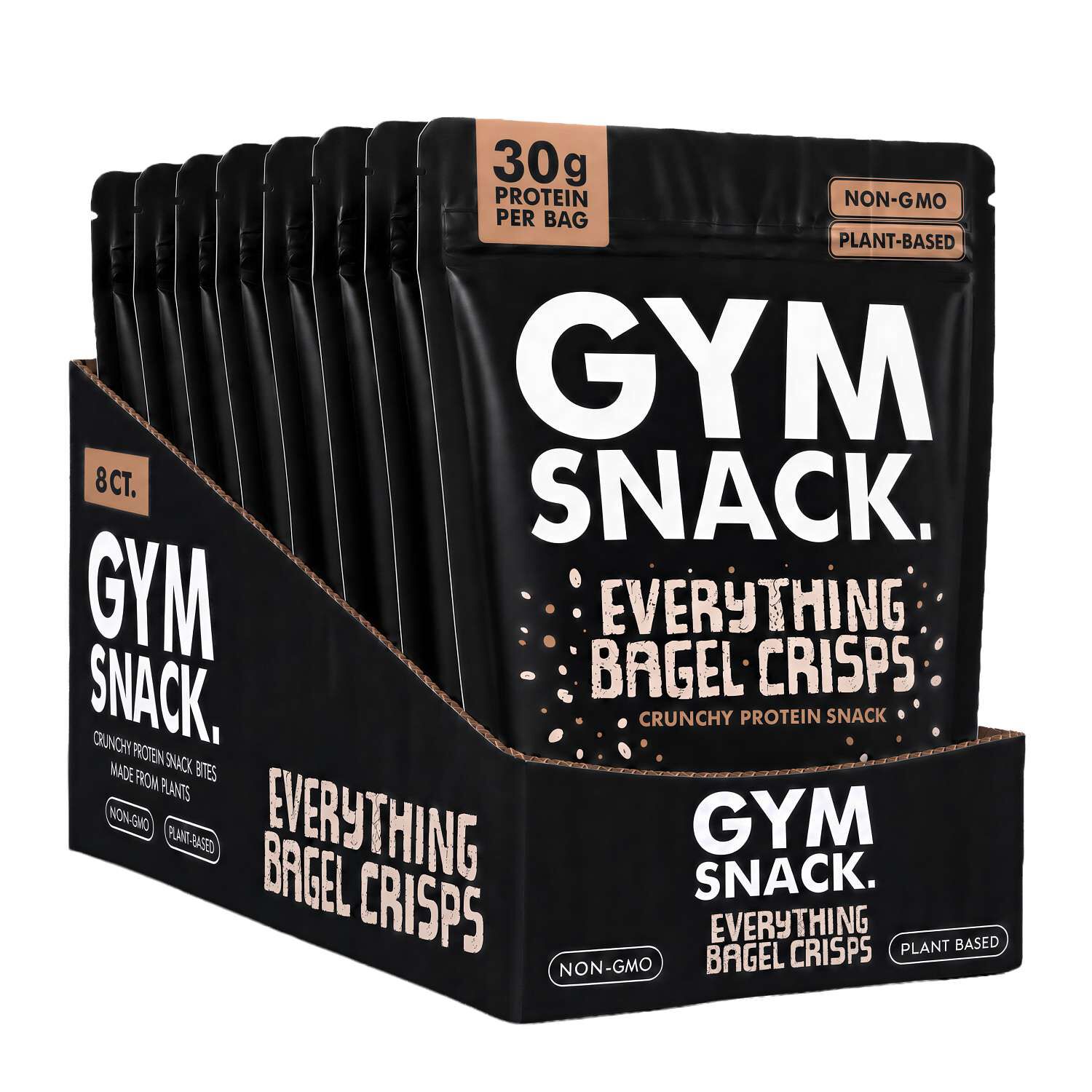
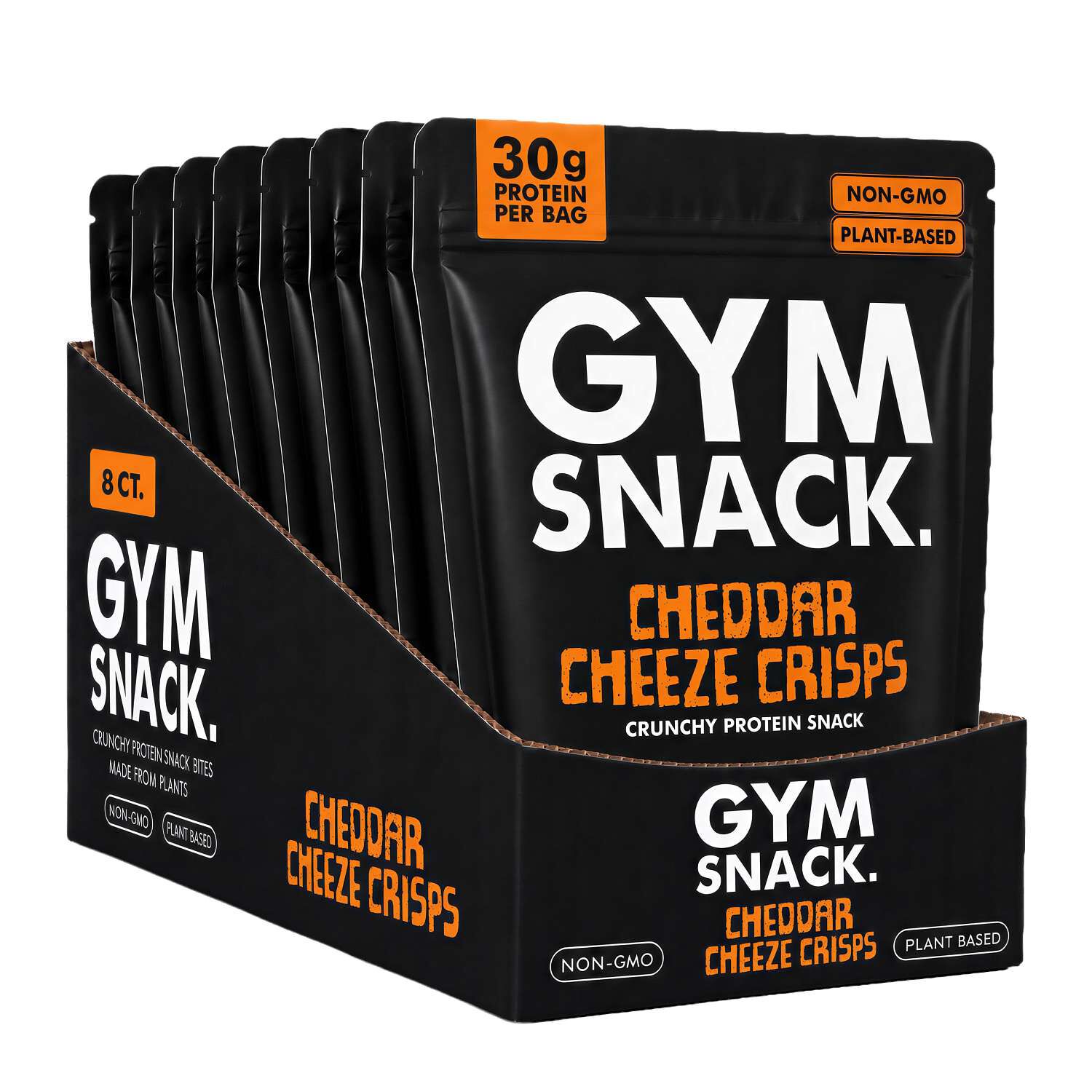 Gym Snack$39.99
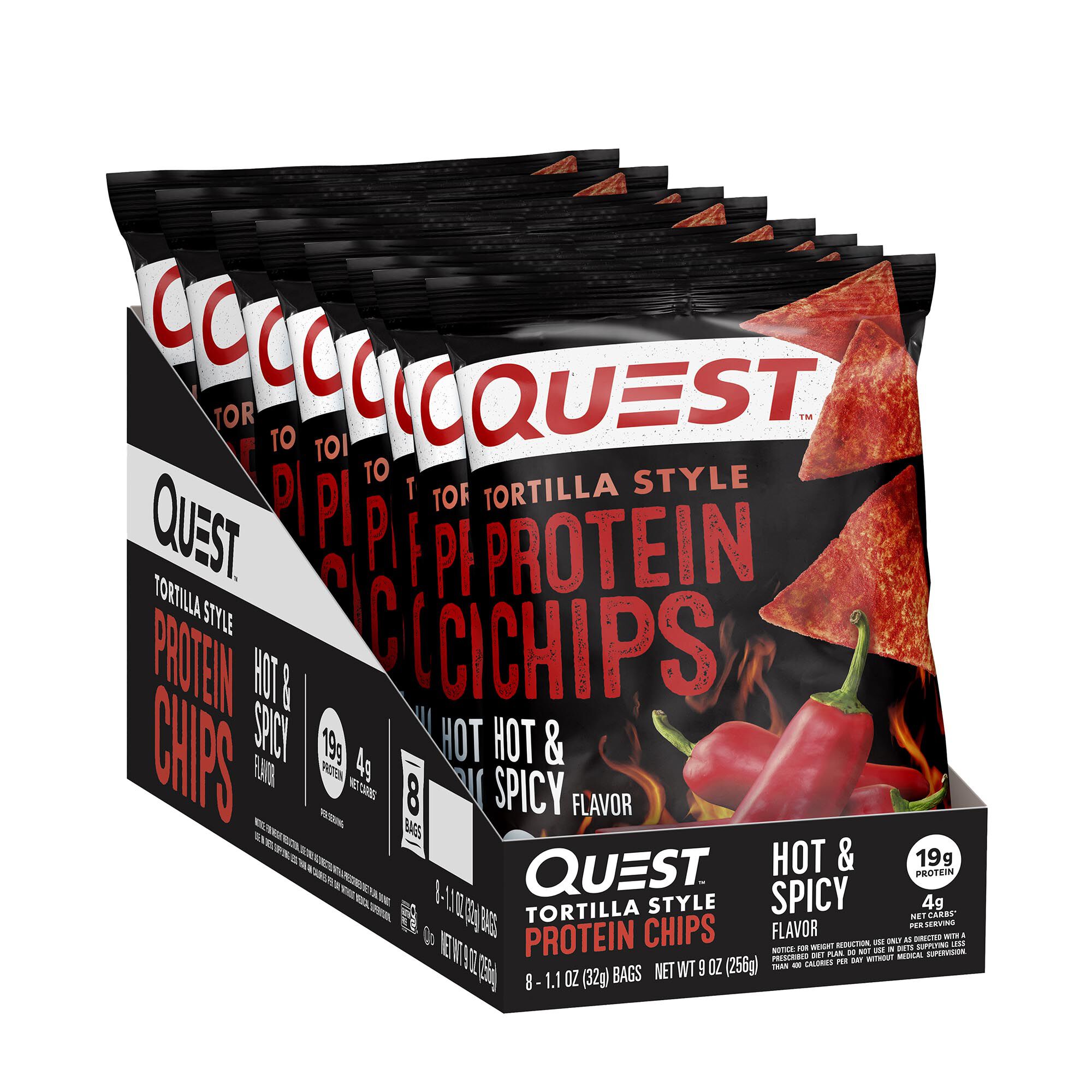
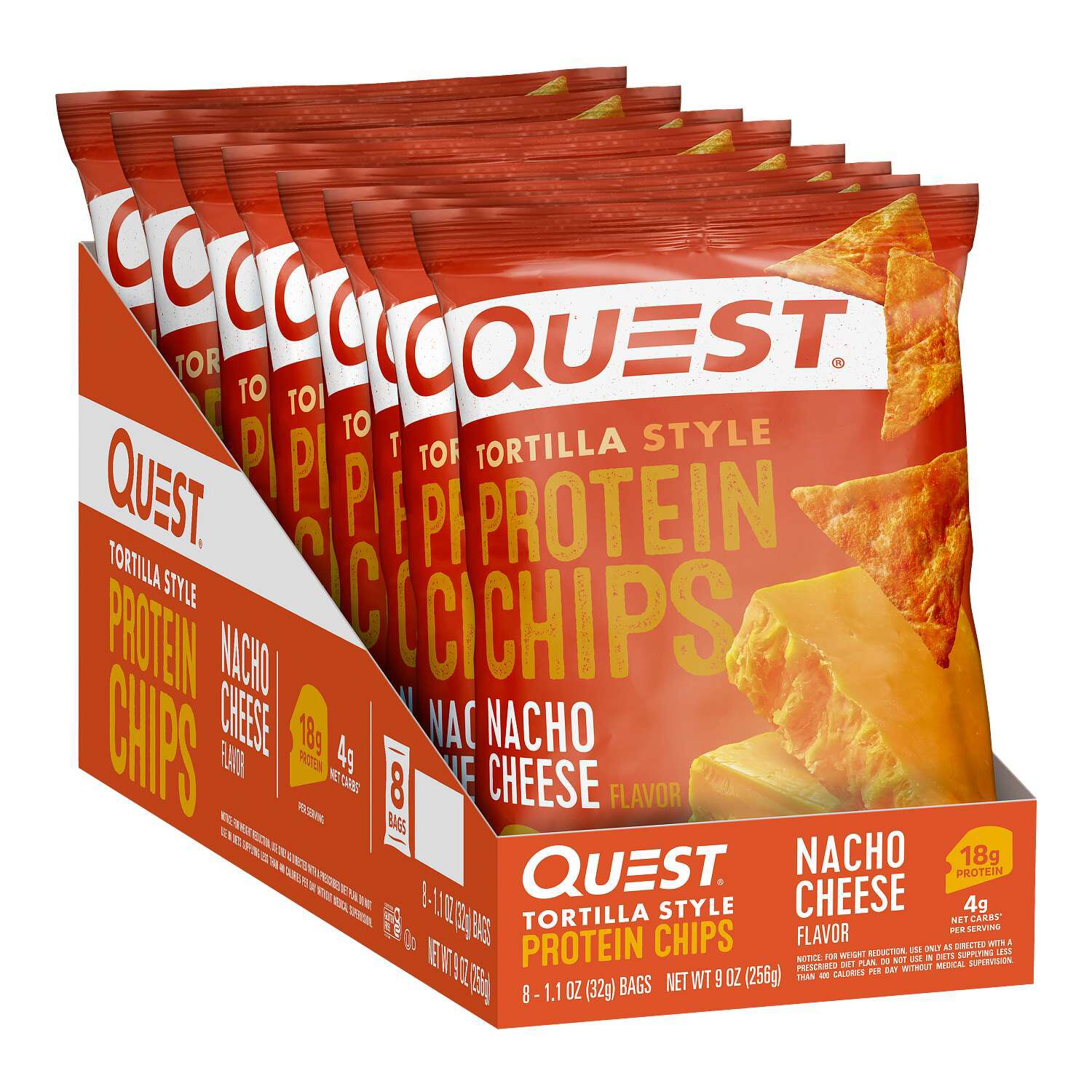
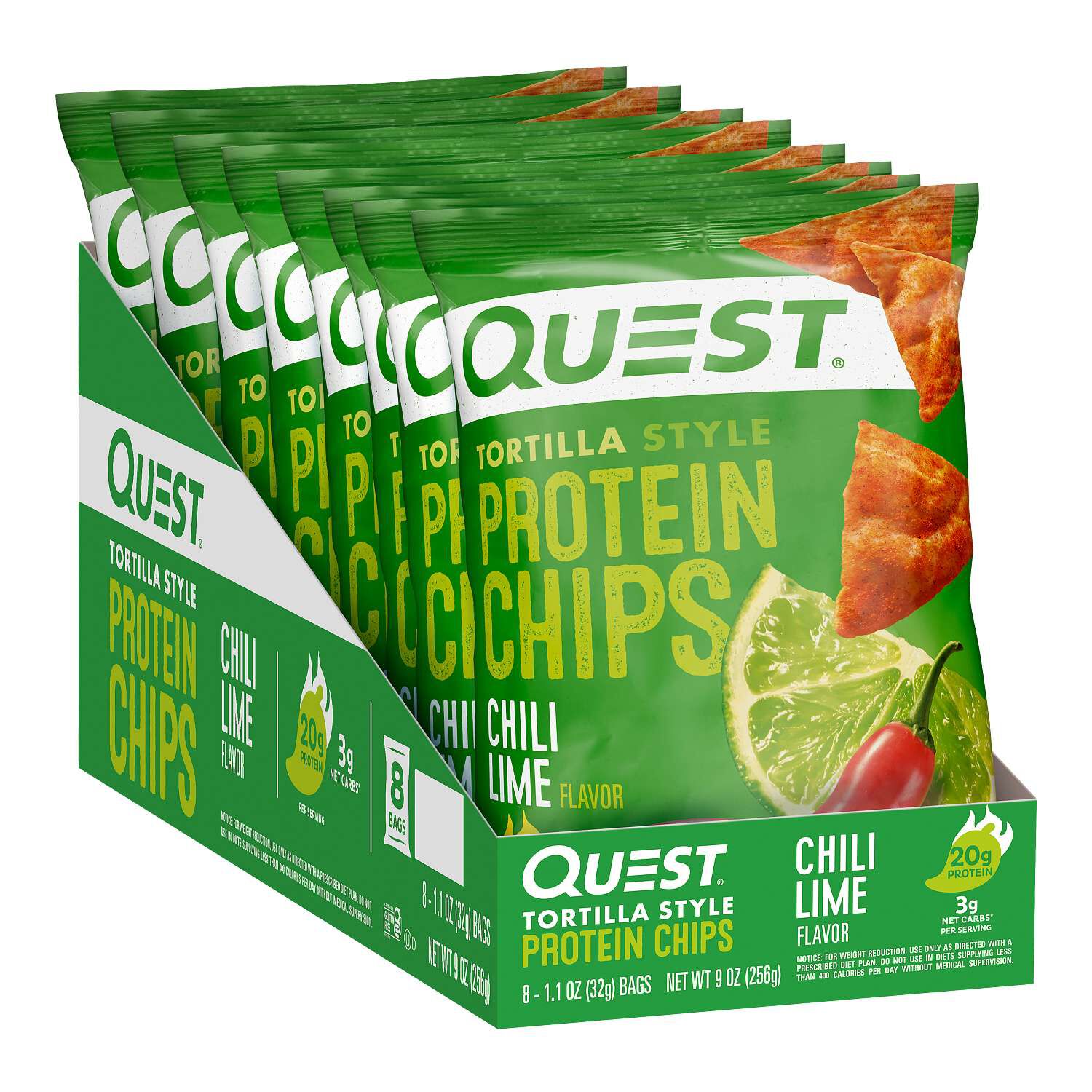
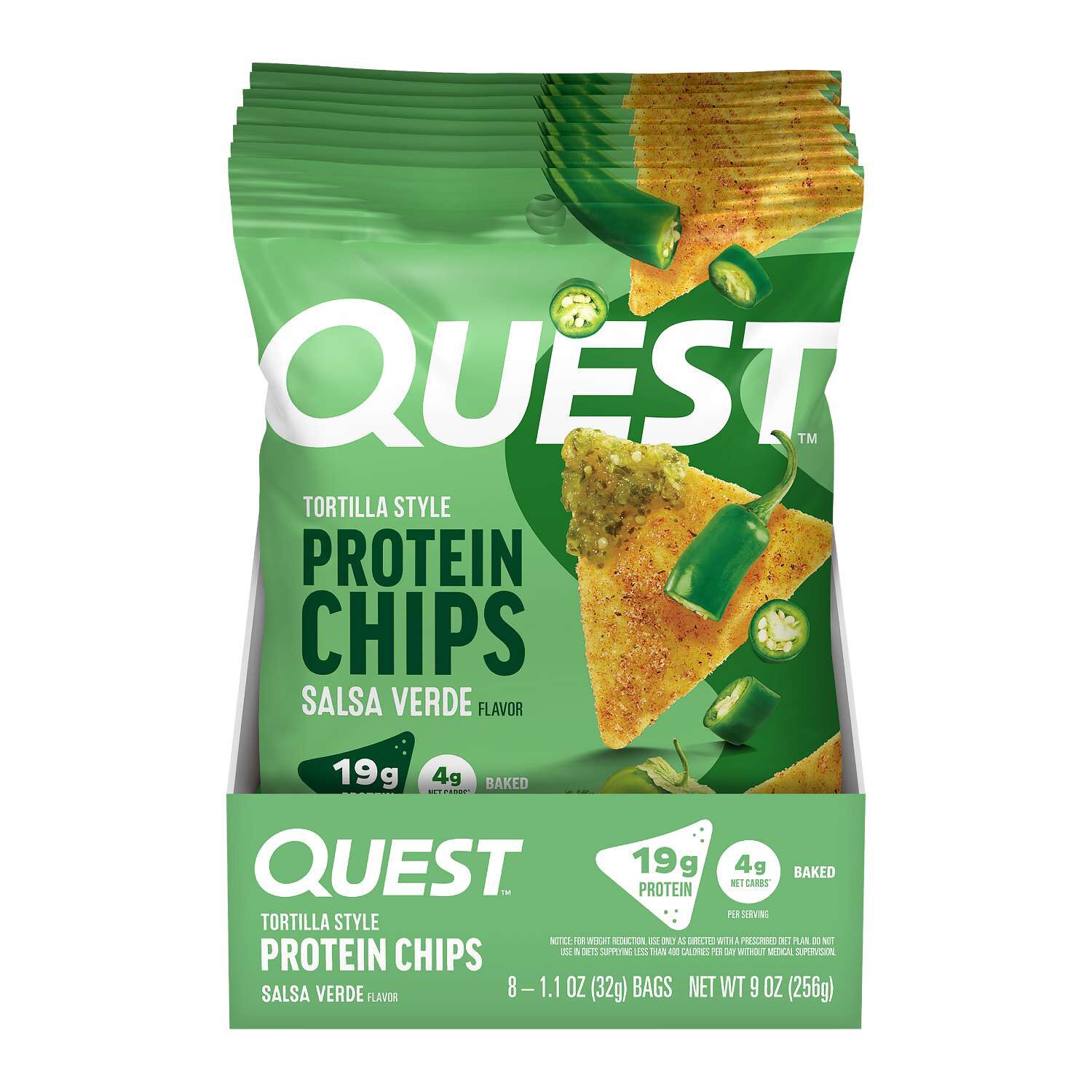
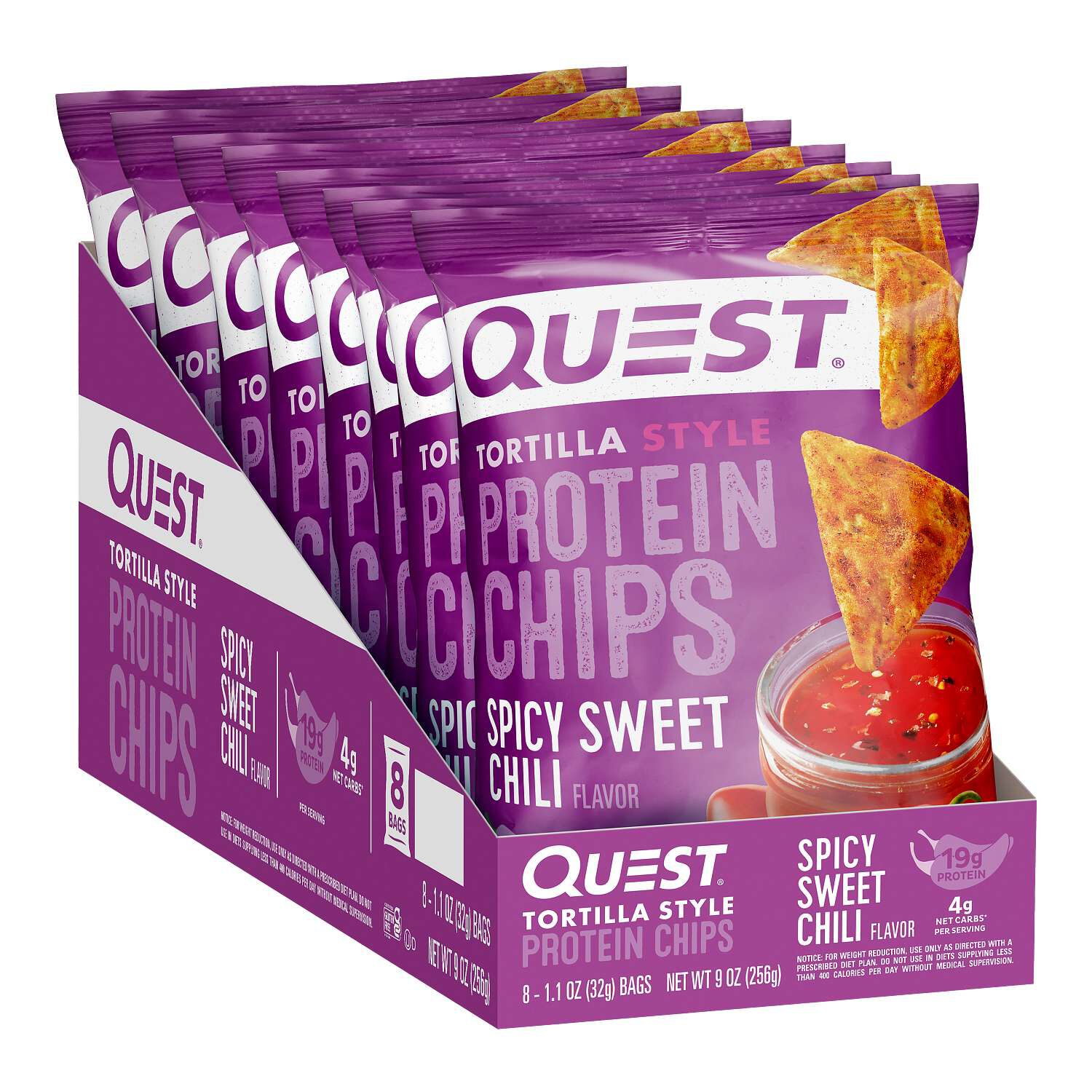
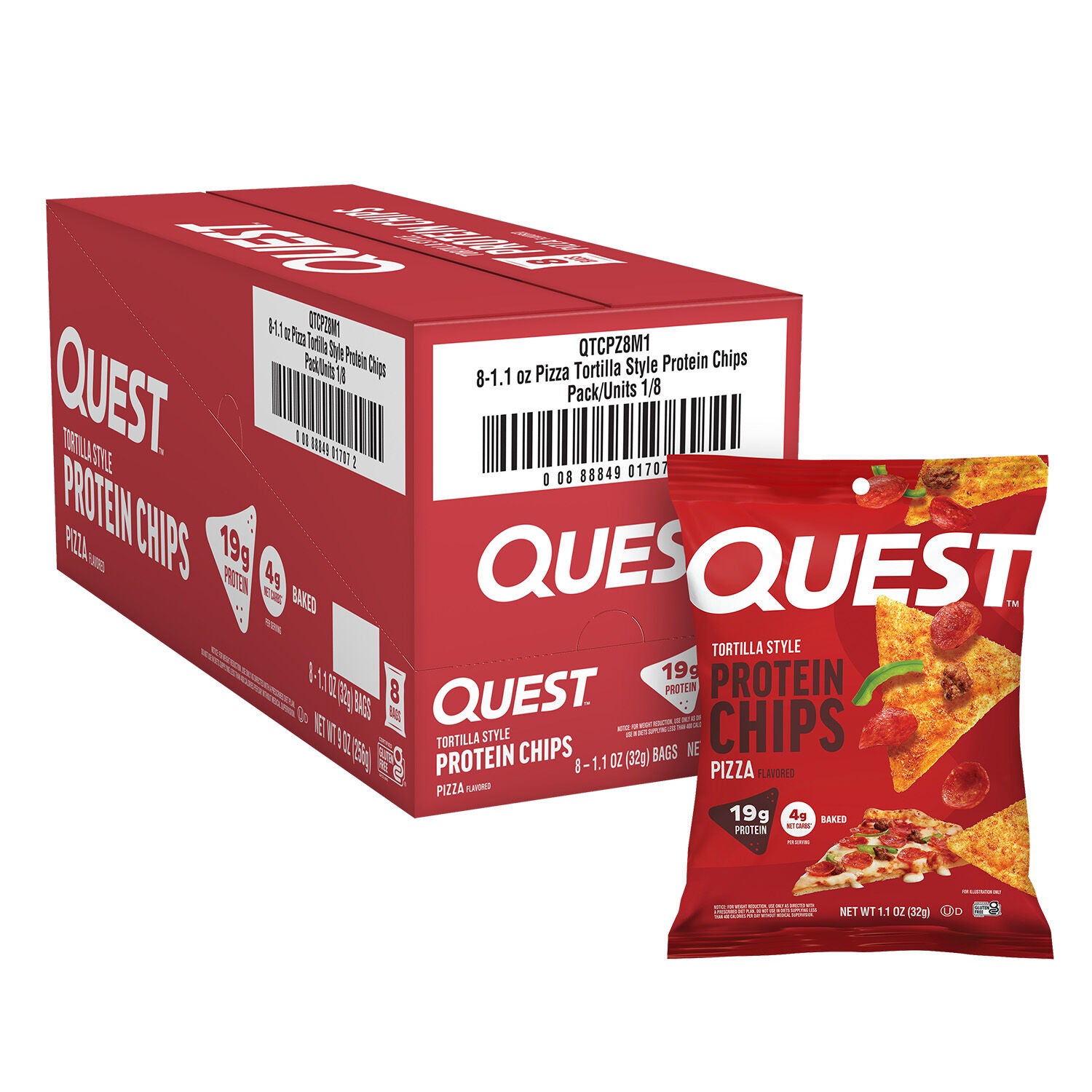
Back-to-school protein chips are savory, crunchy snacks made with protein-containing ingredients, with formats suited to lunch bags, backpacks, and campus snack drawers. The category pairs the familiar appeal of a crisp chip with a different ingredient profile from many potato or tortilla chips. Depending on the recipe, protein sources may include milk, whey, soy, peas, or other ingredients, sometimes combined with corn, potato, or additional starches. Some varieties are baked, while others use different cooking methods, so the package description matters more than assumptions about the category. Texture varies, too: a thin, airy chip has a different bite from a denser triangle or a sturdy, ridged piece. For a student who likes a savory snack between classes, those details may matter just as much as the protein amount printed on the bag. Cheese, barbecue, sour cream and onion, and chili-lime seasonings represent familiar flavor directions, ranging from mellow and creamy to tangy or peppery. A bold seasoning blend may appeal to an older student while being less suited to someone who prefers lightly seasoned snacks. Protein content, serving size, carbohydrates, fiber, fat, and sodium differ across recipes; protein chips are not automatically low in carbohydrates simply because protein is part of the name. The Nutrition Facts panel identifies the amount per serving, and the serving count shows whether a bag contains one portion or several. That distinction is useful when comparing a small lunchbox bag with a larger package intended for sharing. Ingredient lists also distinguish dairy-based recipes from those made with plant ingredients, without relying on flavor names to tell the story. For families organizing school lunches or college students settling into a class schedule, back-to-school protein chips may be one savory choice within a varied snack rotation, rather than the centerpiece of every meal. Familiar flavors and clearly labeled portions may make that rotation easier to personalize for different appetites and preferences.
The practical side of school snacking is often about the bag itself: where it fits, how it travels, and when it gets opened. A smaller sealed package may fit beside a sandwich container without requiring another reusable tub, while a larger resealable bag may suit a dorm room or an off-campus kitchen. Package dimensions matter in a crowded lunch bag, particularly when a water bottle, fruit container, and utensils share the same space. Thin chips are delicate, and a backpack packed tightly with textbooks is a very different setting from a pantry shelf. A separate lunch compartment or rigid outer container may help limit crushing during the trip to school. Storage directions on the package remain the reference for keeping unopened snacks and handling any remaining portion after opening. Resealable packaging may help preserve crispness when closed as directed, but not every bag has the same closure. On the table, protein chips belong to the savory side of a lunch: beside a sandwich, cut vegetables, fruit, or another familiar food, rather than standing in for the whole meal. A plain or lightly seasoned chip may pair with a more flavorful sandwich, while barbecue or chili-lime seasoning may appeal alongside milder foods. Dips introduce another texture, though any dip’s storage needs are separate from those of the chips. The school setting matters as well. A quiet study area, a short lunch period, and an after-school club each involve different amounts of time and space for eating. Single-serving bags may suit short breaks without requiring anyone to divide a larger package at a shared table. Milk, soy, wheat, and egg appear in some recipes, making ingredient and allergen statements important for households and schools with food restrictions. Classroom snack rules also vary, especially where food sharing is limited. For younger students, age-appropriate food choices, familiar portions, and caregiver review belong alongside flavor and convenience when choosing a lunchbox snack.
Different school routines call for different approaches to the same category. A commuter student may prefer a compact bag tucked into a lunch tote, while someone living on campus may favor a mix of flavors for a room snack drawer. A parent packing several lunches may look for individually wrapped portions with clearly marked flavors, especially when siblings have different preferences. Teachers and school staff may also include savory snacks in their own packed lunches or keep a sealed portion for a break between responsibilities. For a student care package, a few familiar flavors may feel more personal than a large assortment chosen only for its protein content. The recipient’s ingredient preferences, food restrictions, and access to storage space are relevant details, particularly in a shared residence hall. The broader selection of Crunchy Protein Chips reflects the appeal of this snack format: recognizable seasonings, varied textures, and protein-containing recipes in a portable package. Within that category, differences in chip thickness, seasoning intensity, bag size, and ingredients give shoppers several concrete points of comparison. A student who likes a delicate crunch may prefer a different style from someone who enjoys a firmer bite with a sandwich. Someone who dislikes seasoning on their fingers may place more importance on a lighter coating, while another person may enjoy a generously seasoned chip. Familiarity can matter during a busy school day; a flavor already enjoyed at home may be a more comfortable lunchbox choice than an unfamiliar spicy blend. Variety still has a place, particularly for older students assembling their own lunches and snacks. Back-to-school shopping often centers on schedules, supplies, and everyday routines, and food choices are part of that preparation. Protein chips may fit those routines as an occasional crunchy addition, selected with the same attention to taste, ingredients, portions, and practical packaging as the rest of the lunch bag.
- Q: What are protein chips and how do they differ from regular chips?
A: Protein chips are a snack option that may contain higher amounts of protein compared to traditional potato or corn chips. They are often made with ingredients like pea protein, soy protein, or whey protein, which can provide a different nutritional profile than standard chips. - Q: How can protein chips fit into a back to school routine?
A: Protein chips might be a convenient snack to include in lunchboxes or as an after-school treat. Their portable packaging and variety of flavors could make them an easy addition to busy school days. - Q: What types of flavors are commonly available for protein chips?
A: Protein chips may come in a range of flavors such as barbecue, sour cream and onion, cheddar, spicy varieties, and more. This variety can help satisfy different taste preferences. - Q: Are there plant-based options for protein chips?
A: Yes, some protein chips are made using plant-based proteins like pea or lentil protein. These options might appeal to those following vegetarian or vegan eating patterns. - Q: Can protein chips be paired with other foods for a balanced snack?
A: Protein chips could be enjoyed alongside items like fresh fruit, yogurt, or cut vegetables for a more varied snack experience during the school day.