Healthy Sports Drinks
(0 Results)
Stay hydrated and energized with our selection of healthy sports drinks designed to fuel your active lifestyle. Whether you're hitting your personal best at a workout, going for a run, or simply need a refreshing boost during your day, our range of sports drinks offers delicious flavors and essential nutrients to keep you at your best. From electrolyte-packed options to protein-infused blends, find your perfect companion for staying refreshed and replenished no matter where your fitness journey takes you.
-

-

-
 Axe & Sledge Supplements$39.99
-
 $34.99
-
 $34.99
-
-

-
-
 $24.99
-
-

-
 Instant Hydration$19.99
-

-
 Instant Hydration$19.99
-

-
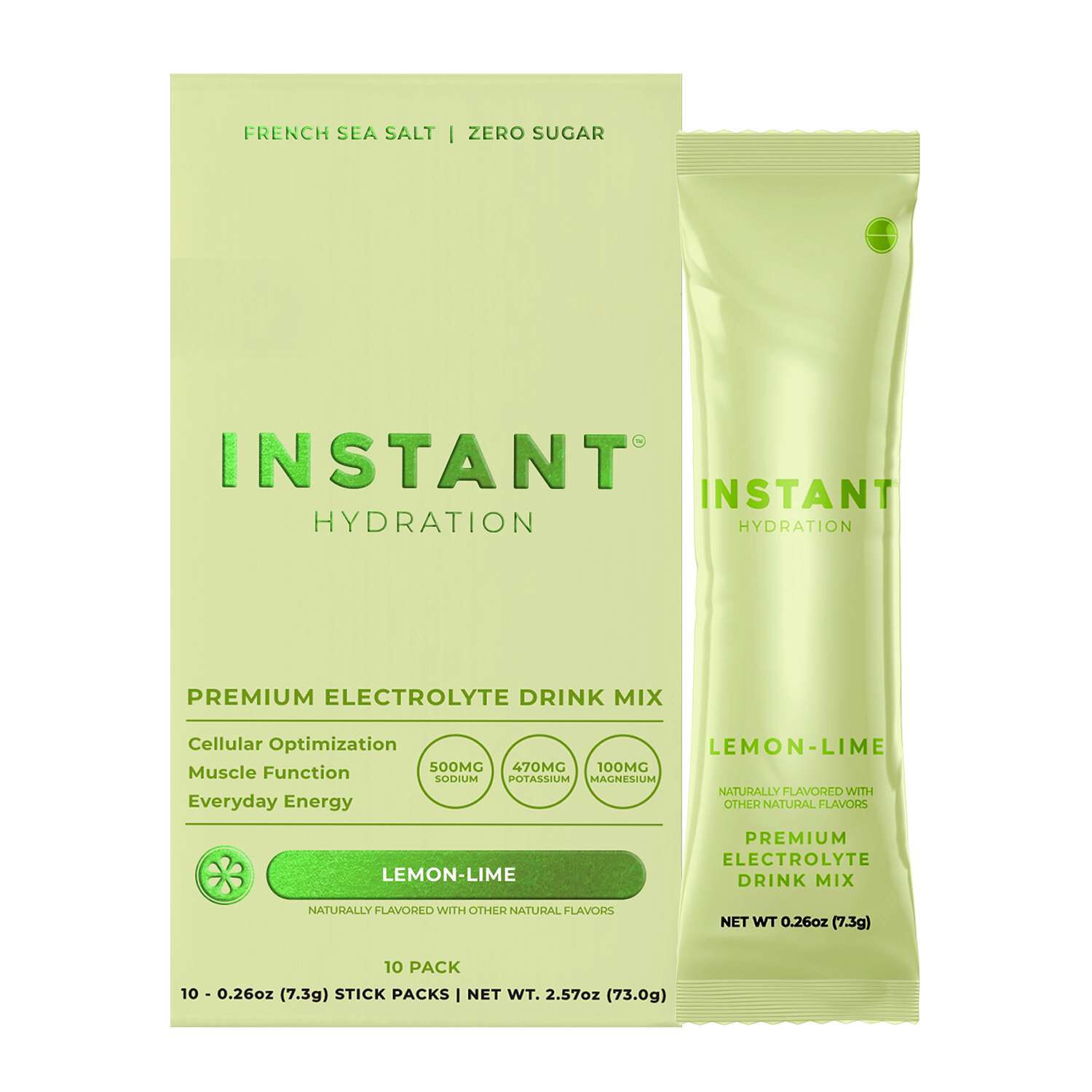 Instant Hydration$19.99
-

-

-

-
-

-
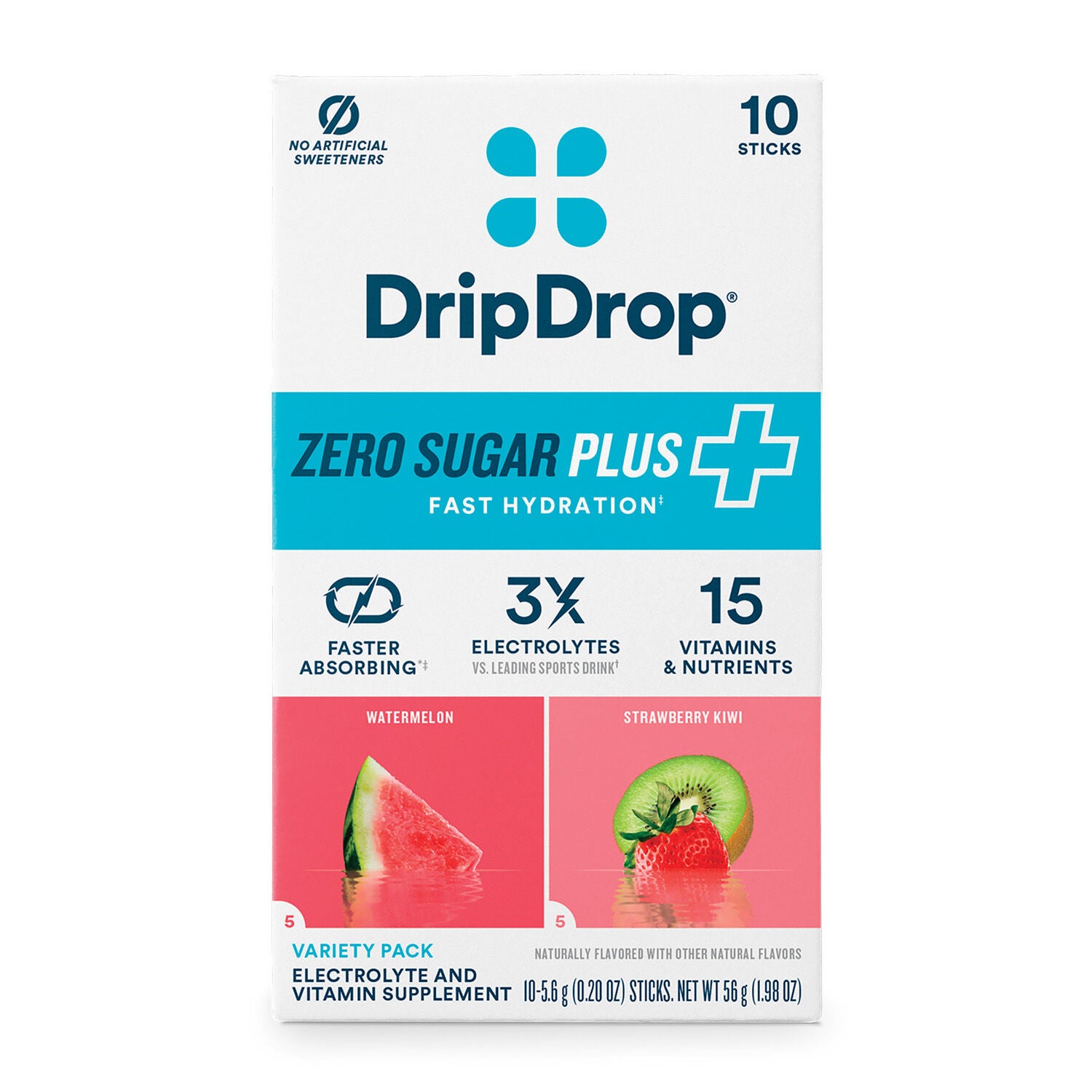
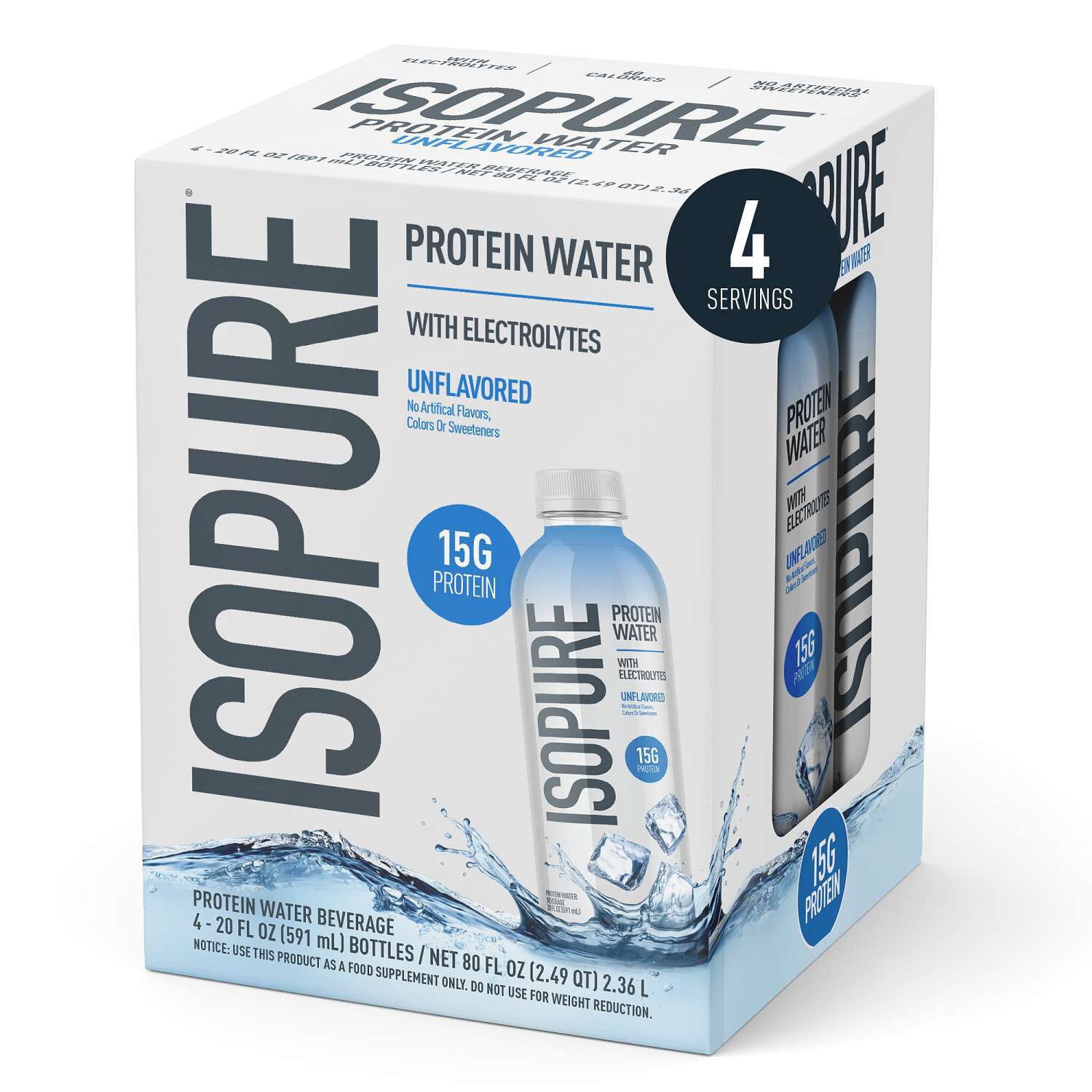
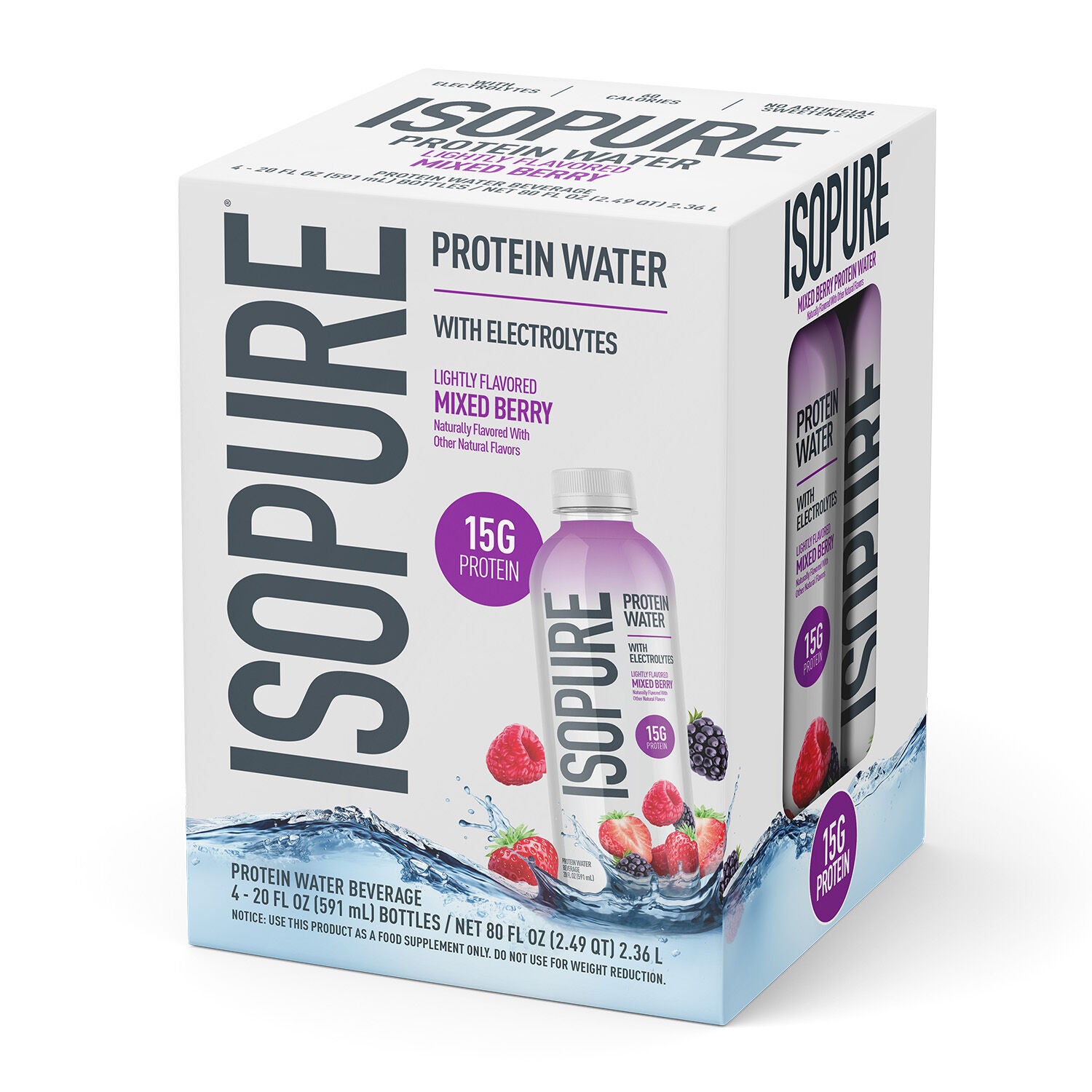
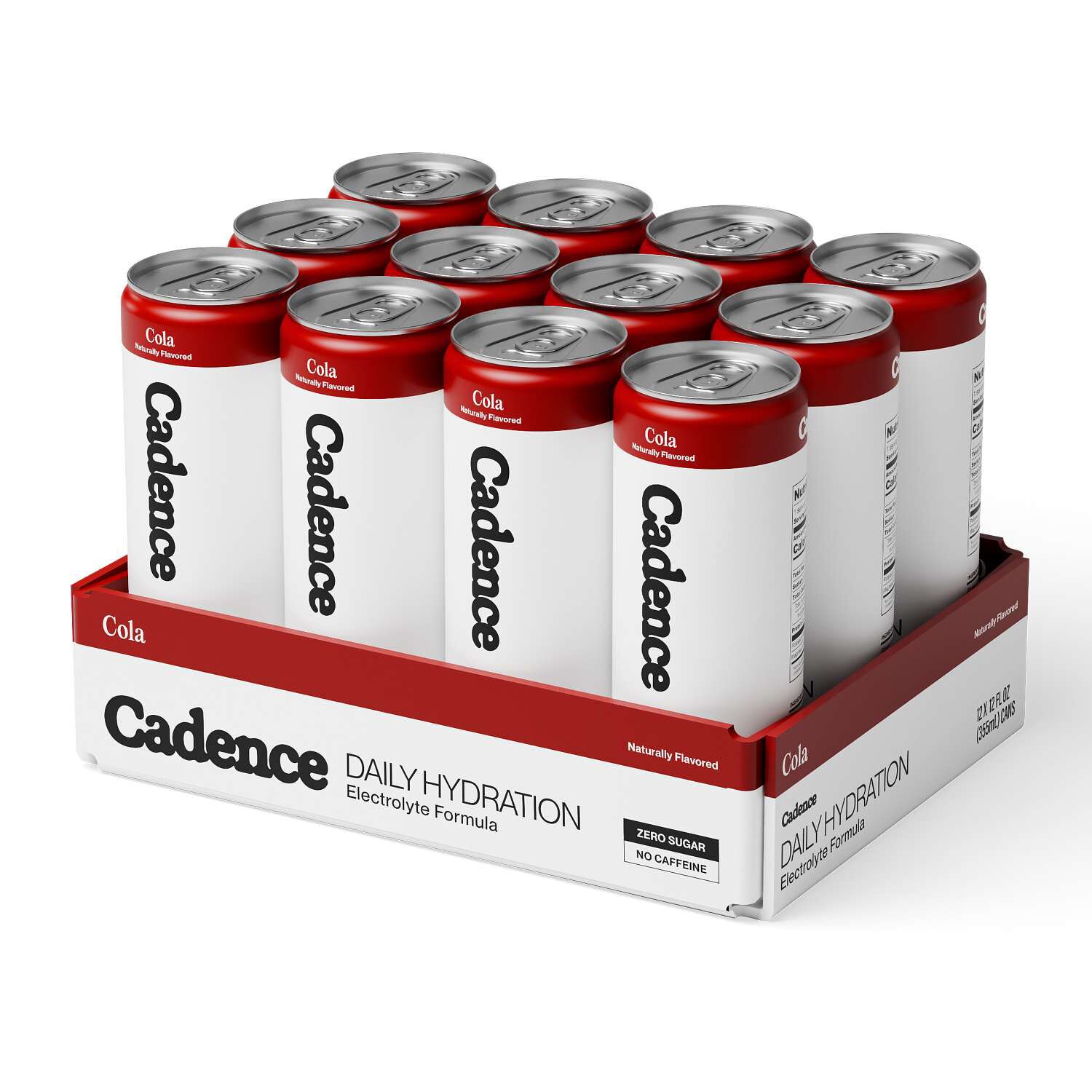
Healthy sports drinks include ready-to-drink beverages and drink mixes formulated with electrolytes, often alongside carbohydrates, flavorings, and other ingredients. Depending on the formula and intended use, they may support hydration during an active routine. Within this category, “healthy” is best understood through the ingredient list, nutrition information, and the way a drink fits someone’s preferences rather than through a single claim on the package. Some shoppers prioritize little or no added sugar, while others look for carbohydrates to accompany longer training sessions. Traditional sports drinks often combine carbohydrates with electrolytes; hydration-focused formulas may contain fewer carbohydrates or none at all. Sodium, potassium, and magnesium are common electrolytes listed on labels, although the combination and amount vary between formulas. Comparing those amounts per prepared serving gives a clearer picture than comparing package size alone. Sugar deserves the same attention: a drink with no added sugar may still contain naturally occurring sugar from its ingredients, and a zero-sugar formula may use another sweetener. Calories, serving size, and the number of servings in a bottle or scoop are also useful details when comparing beverages. Fruit-derived ingredients, coconut water, and mineral salts appear in some formulations, but an ingredient’s source does not, by itself, establish the nutritional value of the finished drink. The full ingredient list provides context, including sweeteners, colors, flavorings, and any ingredients that matter to an individual’s food preferences. Carbohydrates in a sports drink may provide fuel for sustained activity, while a lower-sugar option may appeal to someone who prefers an electrolyte beverage without much sweetness. Neither approach makes every formula interchangeable. A drink selected for a lengthy cycling session may have a different composition from one chosen for a gym visit or a recreational game. Healthy sports drinks are therefore a varied category, with meaningful differences in their nutrient profiles, preparation requirements, and intended role alongside water and regular meals.
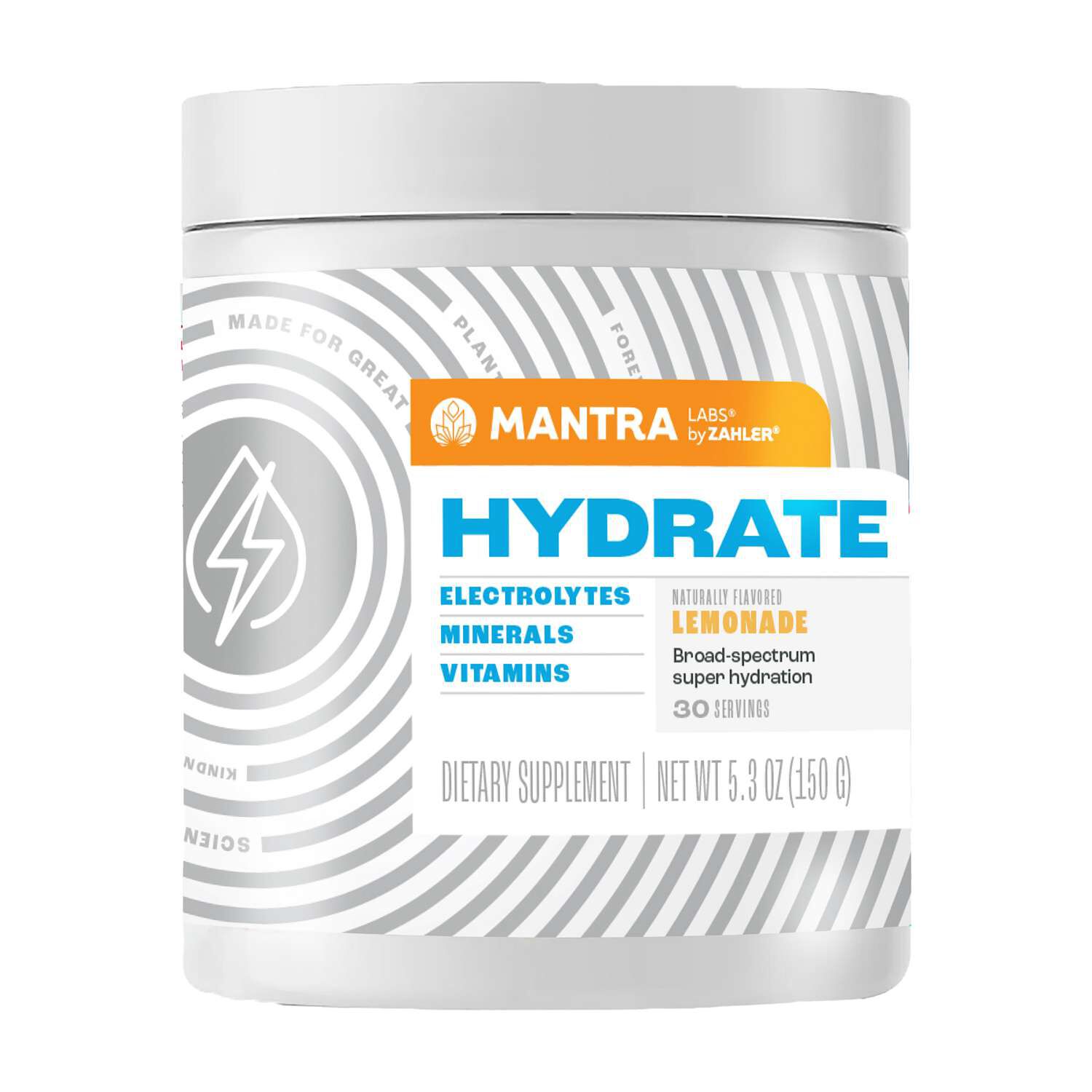
Format often shapes how comfortably a sports drink fits into the day. A ready-to-drink bottle requires no measuring or mixing, making it a straightforward choice for a gym bag, a practice session, or a stop between work and an evening activity. Powdered mixes offer a different routine: the drink is prepared with water according to the package directions, and the container or individual packet travels separately until needed. Dissolving tablets are another compact format, with preparation instructions that specify the amount of water and time needed before drinking. For mixes, the stated water volume matters because the nutrition information corresponds to a particular prepared serving. A larger bottle does not automatically call for another scoop, and changing the amount of water changes the concentration and flavor. Taste and texture are practical considerations, too. Citrus, berry, and other fruit flavors range from lightly flavored to distinctly sweet, and different sweeteners have different finishes. Some formulas dissolve into a clear beverage, while others look cloudy or require additional shaking. A pleasant flavor may make a drink easier to incorporate into a routine, but sweetness, color, and aroma do not establish its nutritional qualities. Packaging has its own role in everyday use. Resealable bottles, securely closed tubs, and individually sealed packets each suit different carrying and storage arrangements. A narrow packet may fit into a small bag compartment, while a tub needs space and a clean, dry measuring scoop. Closures, seals, and container condition matter when drinks share a bag with shoes, clothing, and other training gear. Preparation and storage directions distinguish unopened packages from beverages that have already been opened or mixed. Reusable mixing bottles also have care requirements, including washing the lid, threads, and any mixing components according to their instructions. These details are less visible than flavor names, yet they shape how practical a drink format may be over repeated use.
Intended use brings those details together. A recreational runner carrying a small bag may prefer a compact mix that can be prepared at a planned stop, while someone heading directly from an office to a fitness class may favor a beverage that is already prepared. For a cyclist using bottle holders, the prepared volume and bottle fit are relevant alongside the drink’s ingredients. A person attending a lengthy practice may compare carbohydrate content and electrolyte amounts differently from someone looking for a lightly flavored beverage during an ordinary gym visit. The Sports Drinks for Athletes collection provides another way to explore this category with training routines in mind. Across these settings, the most useful comparisons stay grounded in the label: serving size, carbohydrates, sugars, sodium, other listed minerals, and preparation directions. Formulas that include caffeine or additional ingredients warrant a separate look, since those features are not shared by every sports drink. Food preferences also influence the selection. Ingredients derived from milk, coconut, or other sources may matter to shoppers choosing beverages that align with their usual eating patterns, and package statements provide more specific information than flavor descriptions alone. Sports drinks are not meal replacements, and the category includes beverages with very different nutrient compositions. Water remains part of the broader picture rather than something a sports drink automatically replaces. For a gift connected to an established fitness routine, a familiar flavor and a convenient format may be more thoughtful than choosing solely by the appearance of the packaging. Someone who already carries a mixing bottle may appreciate a different format from someone who prefers a sealed beverage after practice. Household routines matter as well: storage space, access to water, and whether drinks are prepared at home or carried unopened all affect convenience. A well-matched selection balances composition with ordinary practical details, creating a place for sports drinks within an active lifestyle without treating every workout, shopper, or beverage as the same.