





Herbal Colon Cleansers Support
(0 Results)
Herbal colon cleansers may offer a gentle approach for those looking to prioritize digestive wellness as part of their daily routine. Featuring a range of plant-based ingredients, these products could complement a balanced lifestyle focused on overall well-being. Explore options designed to fit into your unique health journey with herbal colon cleansers support, and discover how adding these supplements might align with your personal wellness goals.


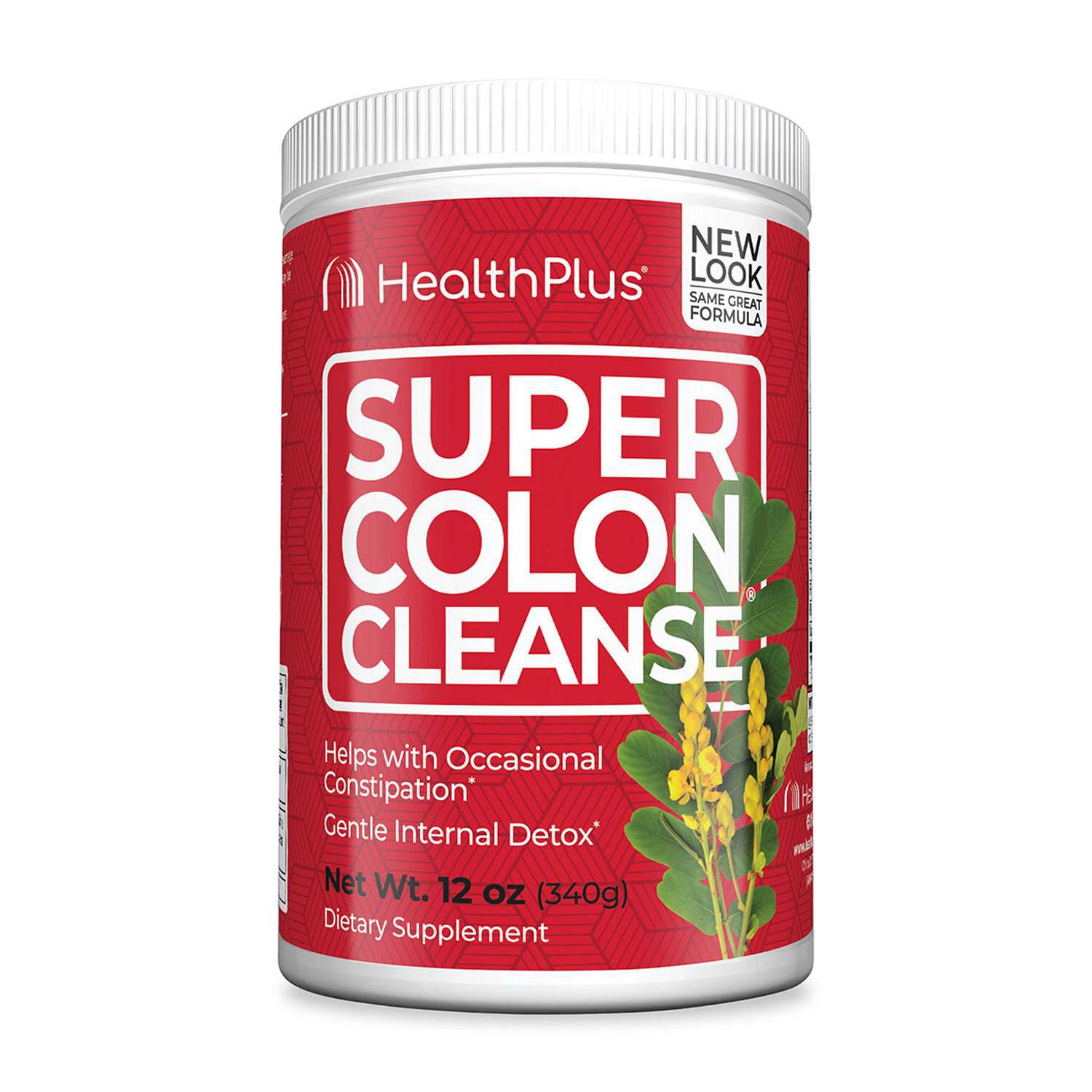


Herbal colon cleansers are products marketed for digestive support, often combining botanical ingredients with fiber or other components in capsules, tablets, powders, or teas. Although these formats share a category name, their ingredient lists, serving sizes, preparation requirements, and intended uses can differ considerably. Some formulas feature plant materials such as leaves, roots, or bark; others contain extracts or blends that bring several ingredients together. Those distinctions matter more than a familiar phrase on the front of the package. In the United States, herbal colon cleansers sold as dietary supplements fall under FDA oversight, but they do not undergo the same premarket approval process as medicines. The FDA does not approve dietary supplements for safety and effectiveness before they are marketed. Manufacturers are responsible for meeting applicable safety and labeling requirements. The terms “cleanse” and “detox” are marketing descriptions, not evidence that a formula removes toxins. Likewise, “herbal” identifies an ingredient source rather than establishing that a product is suitable for everyone. A useful comparison starts with the Supplement Facts panel, where the serving size and listed ingredient amounts provide more meaningful context than the product name alone. A serving might consist of several capsules rather than one, and a blend might list a combined amount without disclosing the quantity of each botanical. Ingredient descriptions can also distinguish a whole plant material from an extract and identify the plant part used. When a label describes an extract as standardized, the accompanying details matter: the statement should identify what is being measured rather than leave shoppers to infer a broader benefit. Other ingredients deserve attention as well, including capsule materials, binders, flavorings, sweeteners, and potential allergens. For adults comparing herbal colon cleanser support products, these details create a clearer picture of what each formula contains and how its format might fit personal preferences. Category language provides a starting point; the individual label supplies the information needed for a closer comparison.
Format is often the most noticeable difference when considering how a supplement might fit an established routine. Capsules may appeal to shoppers who prefer a measured serving without preparing a drink, while tablets may offer a similarly straightforward format with a different size, shape, or coating. Capsule shells can be made from gelatin or plant-derived materials, so dietary preferences may influence that choice independently of the botanical blend inside. Someone who prefers not to swallow capsules might consider a powder or tea instead, although those formats bring their own practical details. A powder requires attention to the labeled serving measurement and preparation directions; its flavor, texture, and mixing characteristics may also matter to someone who expects a familiar drinking experience. A tea has preparation instructions that may specify the amount of water and steeping time, making it distinct from a capsule even when some ingredient names overlap. The amount printed on a package is not always directly comparable across formats, particularly when one product lists whole botanical material and another lists an extract. Counting ingredients alone is not a reliable way to judge the formulation, either. A short ingredient list may be easier to review, while a longer blend may require closer attention to individual components and disclosed amounts. For a shopper who already keeps several supplements on a kitchen shelf, clearly printed labels and easily distinguishable containers might make product identification simpler. Someone with dietary restrictions may place greater emphasis on capsule composition, allergen statements, and any documented dietary certifications. Certification language is most informative when the organization and the scope of its review are identified. Testing statements likewise warrant a specific explanation, whether they address ingredient identity, manufacturing practices, or screening for contaminants. These are concrete differences in composition and presentation, not reasons to assume that one format delivers a better result. The most relevant comparison keeps the ingredient information, serving details, and practical handling requirements together rather than judging the formula by packaging style or the number of botanicals it contains.
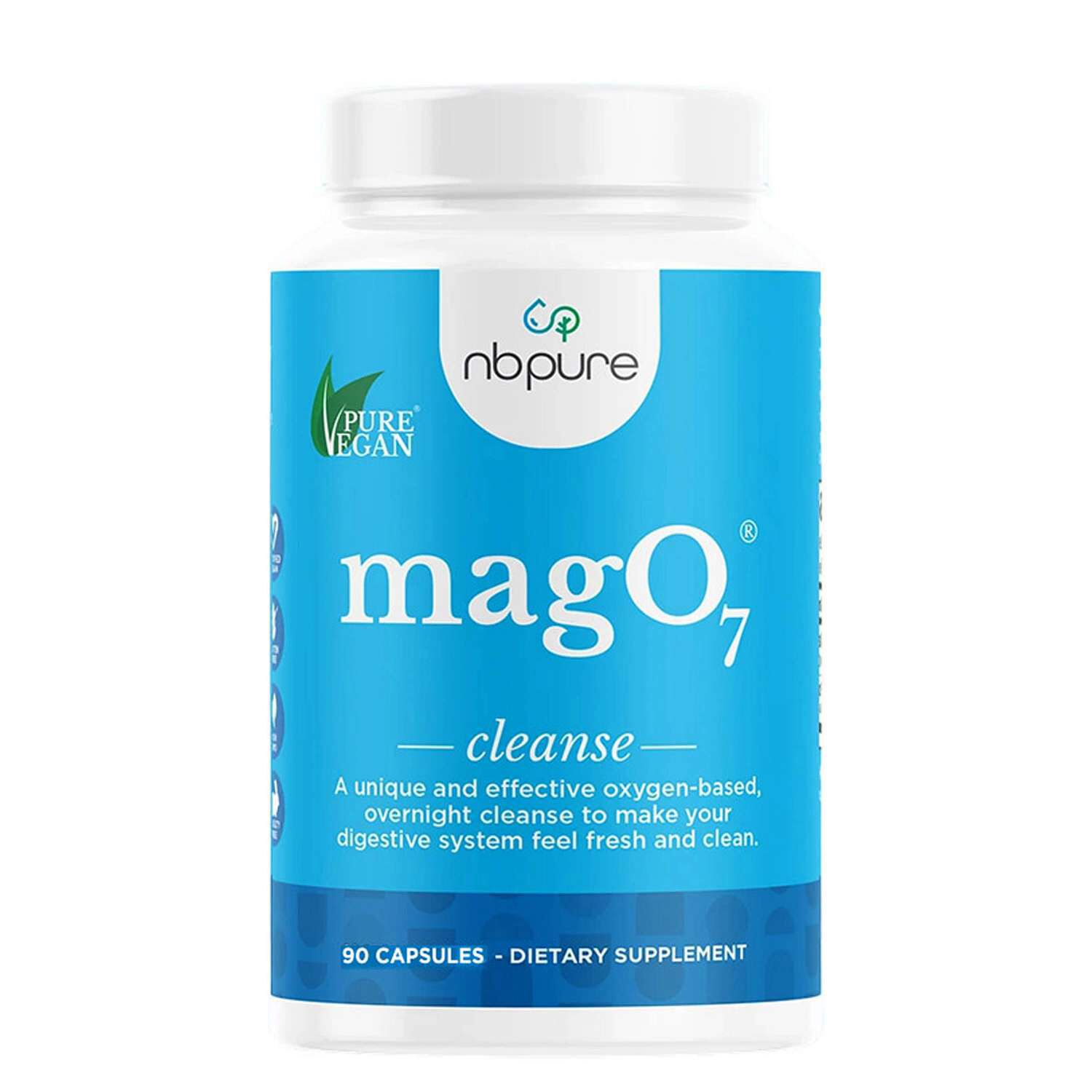
Intended use and package directions are equally important parts of this category. Herbal colon cleansers should not be treated as interchangeable with everyday beverages or ordinary pantry ingredients simply because they contain plants. Labels may describe a limited period of use, specify a serving schedule, or include restrictions that distinguish the product from supplements intended for an ongoing routine. Package warnings may address age, pregnancy, nursing, medication use, or other personal circumstances; those statements remain relevant even when the front label uses familiar botanical names. Individual suitability cannot be established from a category page or a product name alone. For people considering several supplements at once, overlapping ingredients are another meaningful point of comparison, since the same botanical or fiber source may appear in more than one formula. Care and storage also deserve attention. The container’s closure, protective seal, and printed storage directions help explain how the contents are meant to be handled, while the expiration date provides a reference for their labeled shelf life. Keeping the original packaging preserves the ingredient panel, lot information, preparation directions, and warnings in one place. A powder container may require different handling from a bottle of capsules, and individually wrapped tea bags may have different storage instructions from loose botanical material. Packaging condition matters, but an attractive bottle or elaborate carton says little about the formulation itself. Related category browsing through Colon Cleanser Detox may offer another way to compare products described with similar terminology, while each product’s own label remains the basis for understanding its contents and intended use. Across herbal colon cleanser support products, a thoughtful comparison focuses on transparent ingredient descriptions, clearly stated serving amounts, suitable formats, readable directions, and relevant warnings. That approach keeps attention on tangible product characteristics and leaves broad cleansing language in its proper context: a description of the category, rather than proof of a particular outcome.
Best Sellers
-
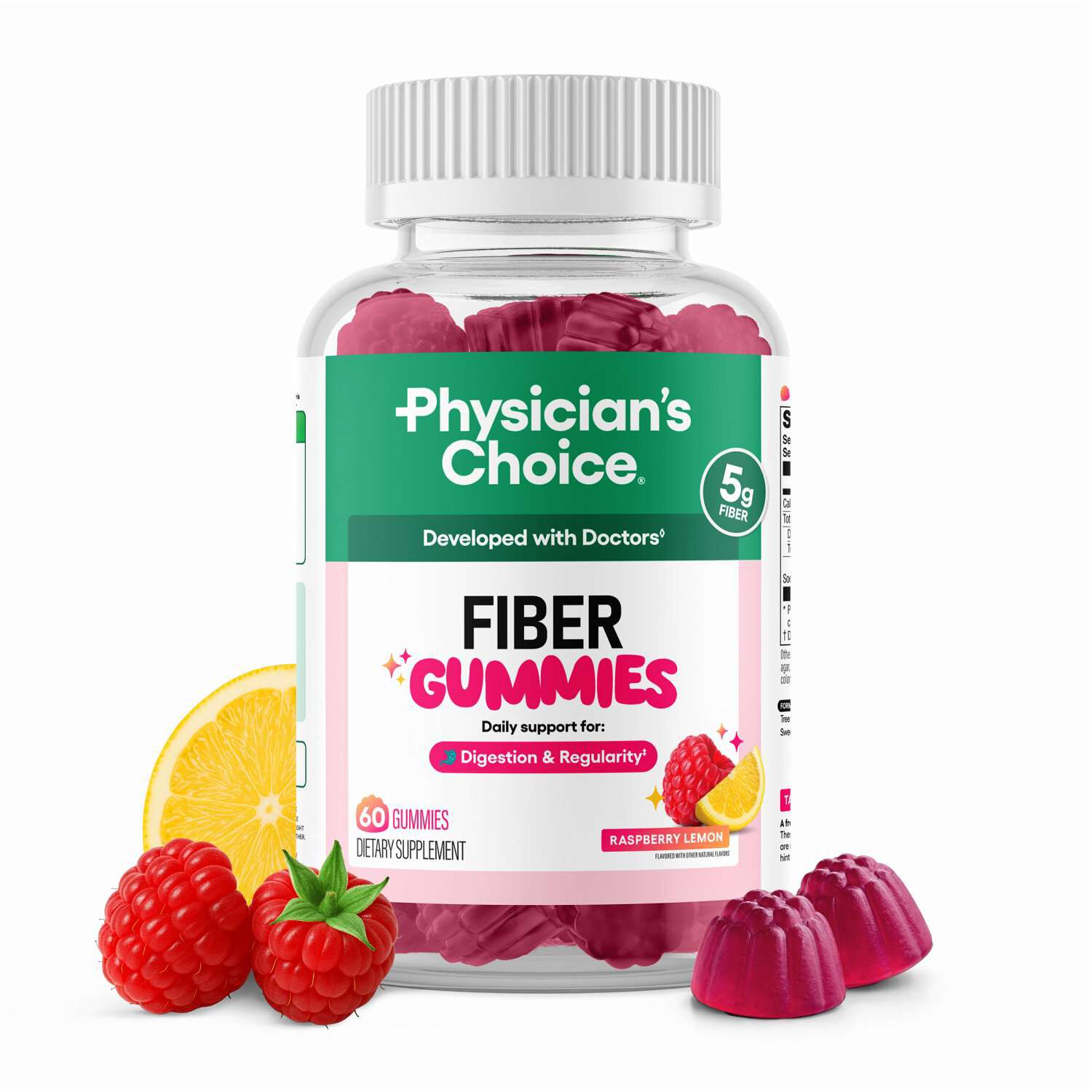 Physician's Choice
-
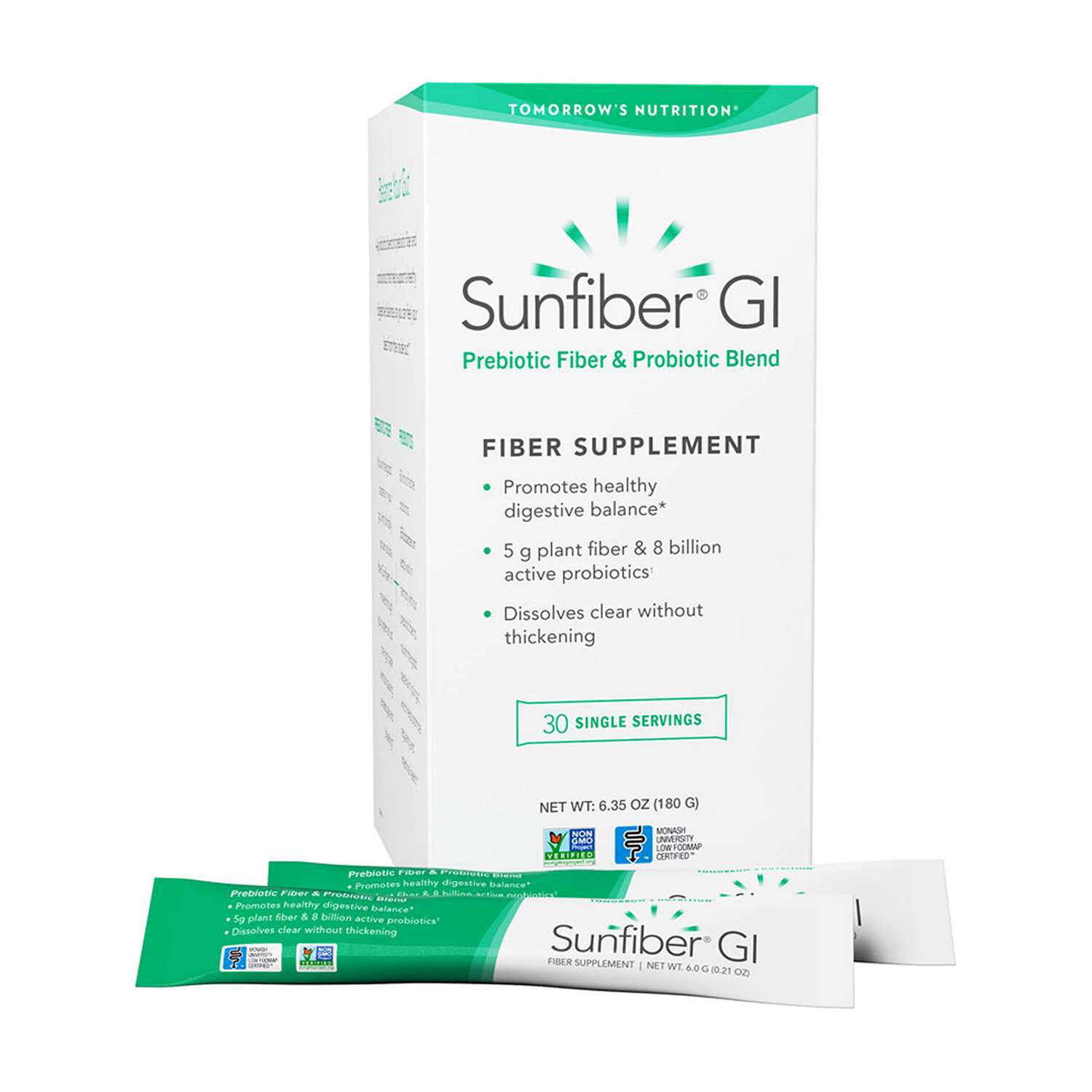 Tomorrow's Nutrition
-
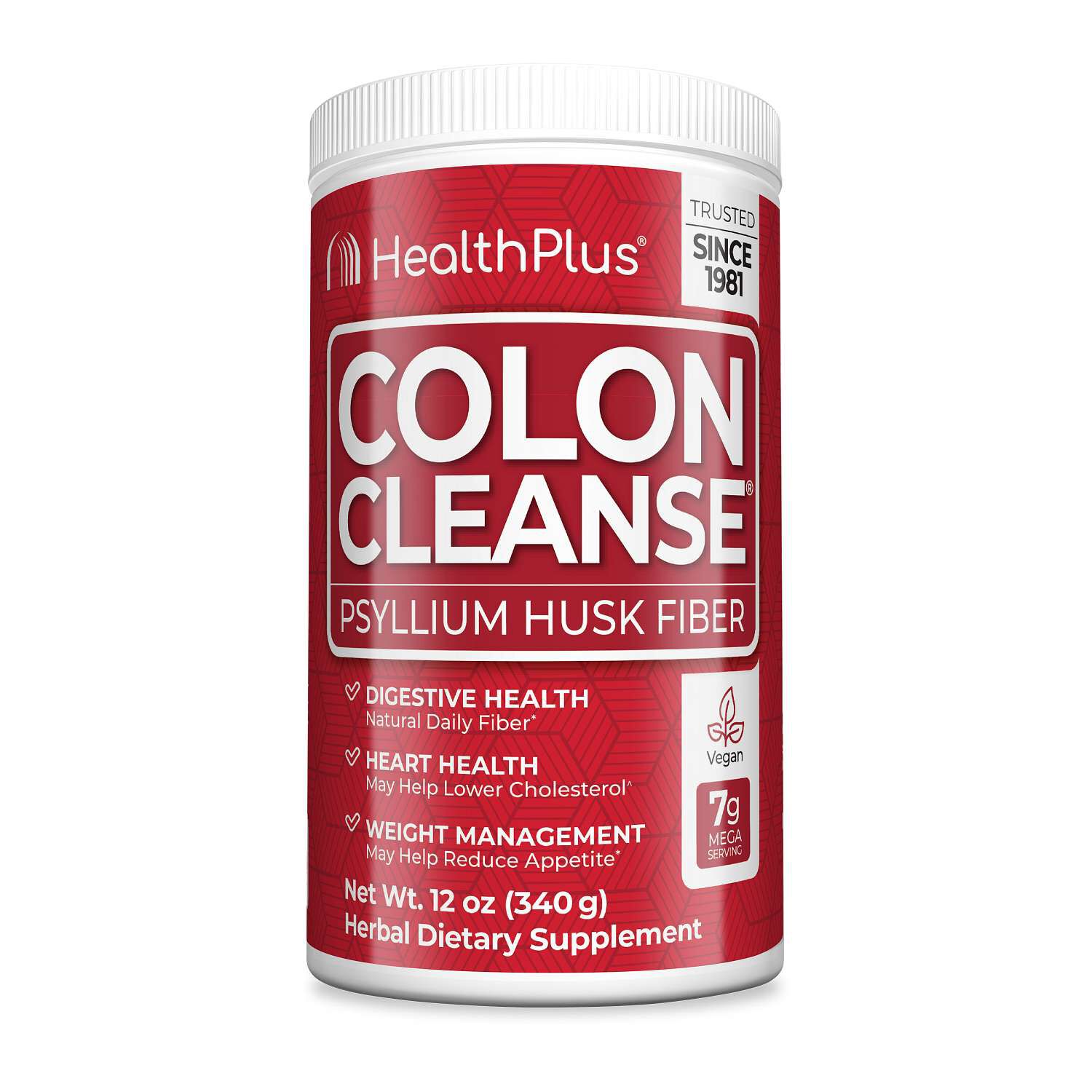 Health Plus
Related Pages
Top Collections
- Daily Collagen Supplements | Top Brands & Deals | GNC
- Joint Mobility Supplement Packs
- Zinc Supplements | Top Brands at Great Prices | GNC
- Supplements For Yoga Joint Flexibility
- Supplements For Balance
- Chronic Fatigue Supplements
- Capsule Supplements For Energy And Stamina
- Cortisol Supplements
- NAD+ Supplement Tablets
- Iron Supplements