Herbal Vitamin C Drops For Immune Health
(0 Results)
Herbal vitamin C drops for immune health offer a convenient way to support your wellness routine. Packed with botanical ingredients and vitamin C, these drops fit easily into busy lifestyles and may be a great choice for those seeking plant-based options. Explore a range of herbal vitamin C drops for immune health that could complement your daily habits and help you prioritize your well-being.


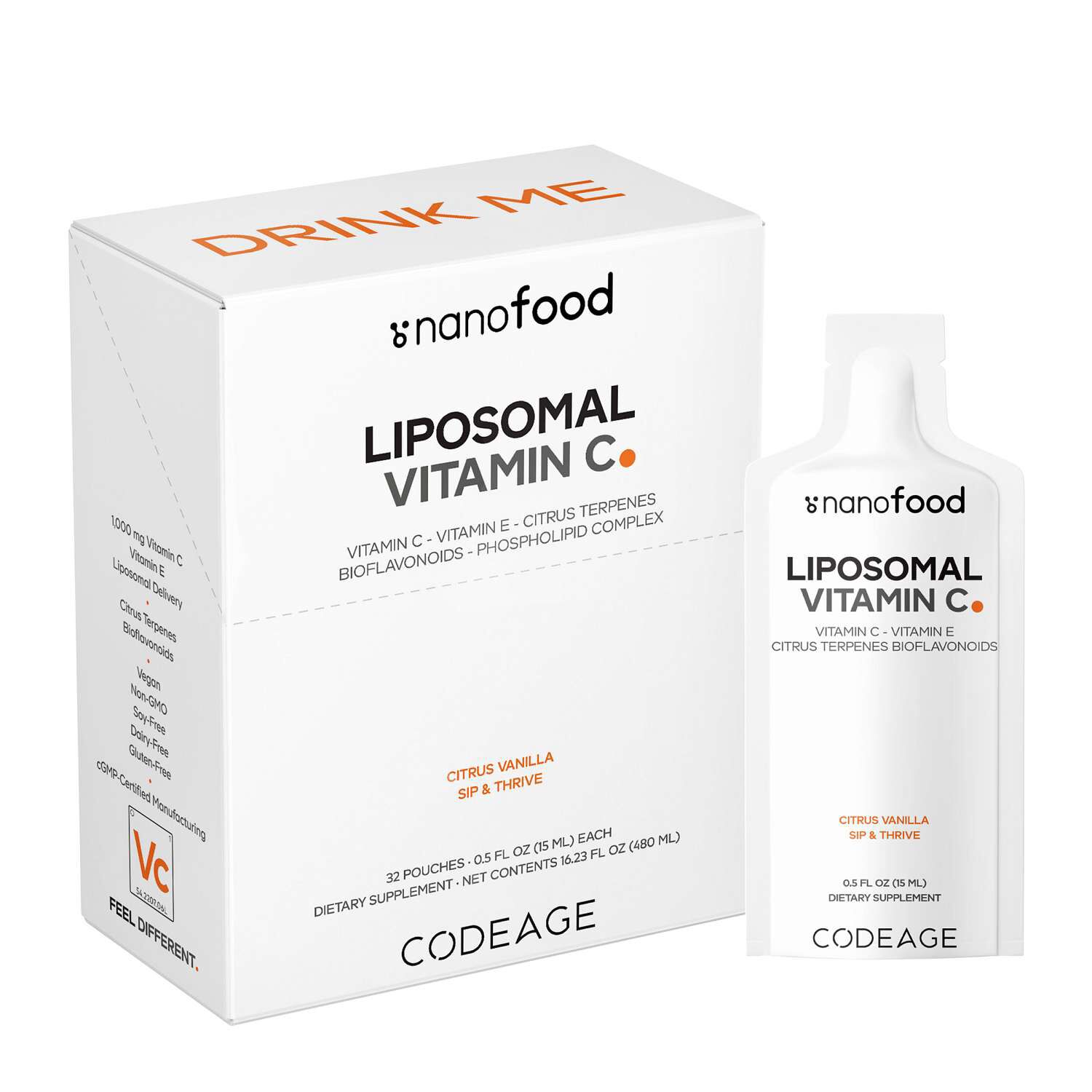

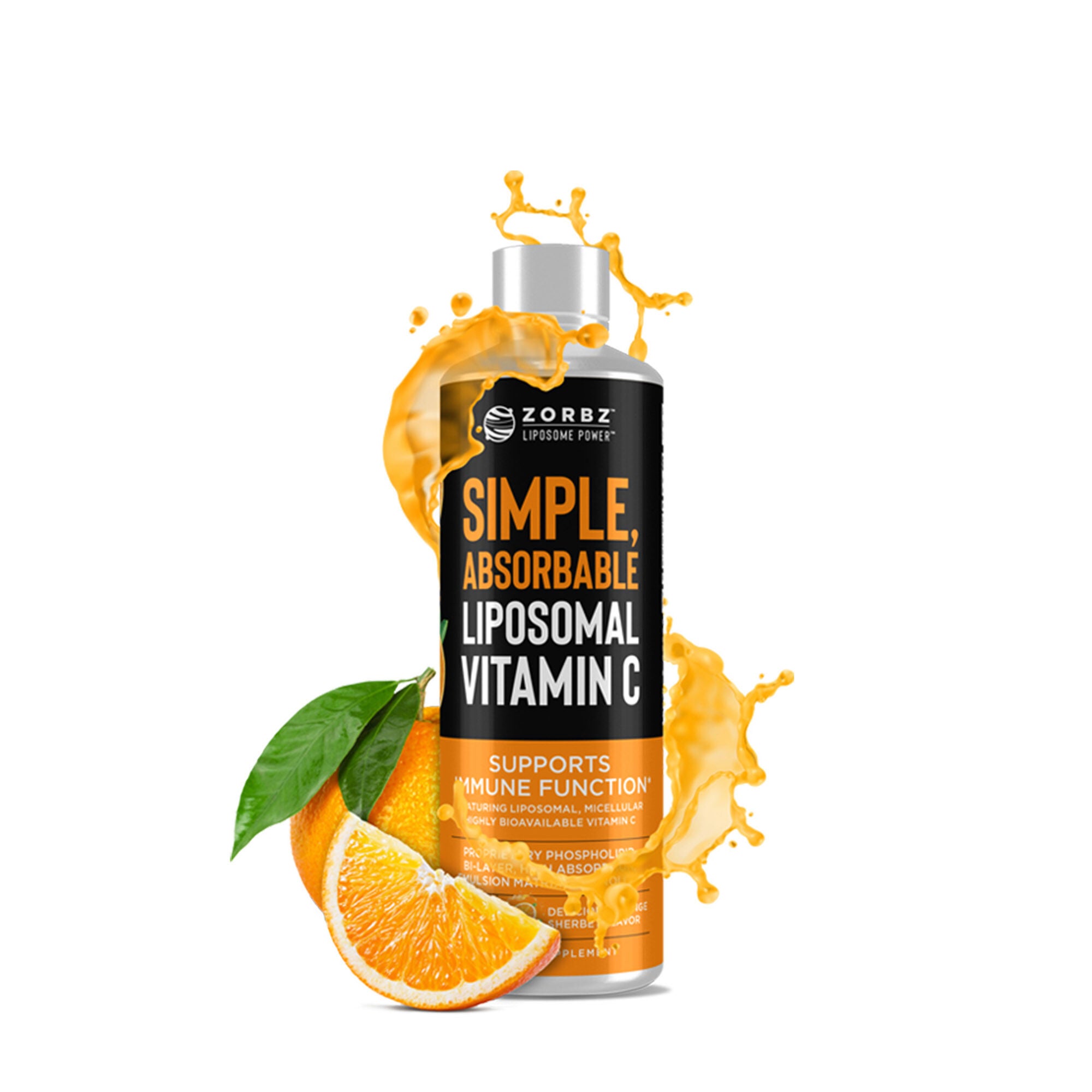
Herbal vitamin C drops are liquid dietary supplements that combine vitamin C with botanical ingredients or use plant-derived sources of the nutrient. These formulas may support everyday immune health, with a format suited to people who prefer liquids over tablets or capsules. The word “herbal” can describe different ingredient combinations, so the ingredient list offers more detail than the front label alone. Some formulas feature acerola fruit, while others pair vitamin C with botanicals such as elderberry or rose hips. A fruit extract and a measured amount of vitamin C are not interchangeable descriptions: the Supplement Facts panel identifies the vitamin C amount per serving, while botanical ingredients may appear separately. That distinction matters when comparing a simple vitamin C formula with a blend containing several plant ingredients. The source of vitamin C can also vary, with ingredient lists identifying forms such as ascorbic acid or other vitamin C compounds. A plant-focused description does not, by itself, establish that every ingredient comes from a plant or that the finished formula meets a particular dietary preference. Details about sweeteners, flavorings, preservatives, and other ingredients belong in the comparison, too. Orange, berry, and other fruit flavors can give a liquid supplement a distinctly different taste, and botanical ingredients may add tart or earthy notes. For someone who notices the aftertaste of supplements, these details can be as relevant as the bottle size. Texture also varies; a thin liquid and a syrup-like formula can feel different when used as directed. Concentration, serving size, and flavor together explain how bottles differ without relying on broad claims about strength. Herbal vitamin C drops encompass varied formulations rather than a single standardized recipe. Reading the label connects the botanical description on the package with the nutrient amount, ingredient mix, and suggested use inside.
The appeal of liquid vitamin C often comes down to everyday preferences and the practical details of a routine. An adult who prefers not to take capsules might choose a dropper bottle, while someone who values a short ingredient list might focus on a formula with fewer added components. For a morning routine at the kitchen counter, clearly marked measurements and straightforward directions can make the format easier to navigate. A bottle tucked into a work bag brings different considerations, including a secure closure, upright storage, and packaging that follows the label’s handling requirements. Serving directions deserve particular attention because a serving may be expressed in individual drops, milliliters, or another stated measure. A full dropper is not automatically the same as one serving, and droppers from different bottles are not necessarily interchangeable. Bottle volume alone also does not show how many servings a formula contains; that information depends on the labeled serving size. Where a label permits mixing with a beverage, the directions identify the intended method of use. Other formulas have different instructions, so the liquid format should not be treated as permission to use every formula the same way. Taste preferences matter here as well: a pronounced botanical flavor may appeal to one person, while another may prefer a milder fruit profile. Liquid delivery alone does not establish faster absorption or better results than another supplement format. Its clearest distinction is the way the serving is measured and taken. Age guidance is another meaningful label detail. A bottle intended for adults should not be assumed suitable for children, and a fruit flavor does not establish who the formula is designed for. Matching the labeled audience, serving method, and ingredient profile to the intended user keeps the comparison grounded in concrete information.
Comparing herbal vitamin C drops with other immune-health supplements also involves looking beyond the botanical name. Some shoppers prefer a vitamin C-centered formula, while others want to compare combinations of nutrients. The related collection Vitamin C D3 Zinc For Immune Defense offers another ingredient combination to consider alongside botanical vitamin C formulas. The useful comparison is between the nutrients listed, their amounts per serving, the suggested use, and any overlapping ingredients across supplements already part of a routine. A longer ingredient list does not automatically make a formula a better match. Dietary preferences can narrow the comparison further, but each attribute needs its own label confirmation. Vegan labeling, organic certification, sweetener choices, and statements about particular ingredients describe different characteristics; one does not establish the others. Packaging deserves similar attention because the bottle, cap, and measuring tool are part of everyday use. Glass and plastic containers have different handling considerations, and a dropper with readable markings offers a different experience from a cap-based measuring system. Storage instructions may call for refrigeration after opening or specify another storage location. Keeping the original label with the bottle preserves the directions, ingredient information, and date markings for later reference. A clean measuring tool and a securely closed cap are practical parts of caring for a liquid supplement, with the package directions determining the appropriate handling. Travel plans add another detail: bottle size, closure design, and any refrigeration requirement can affect whether a formula suits time away from home. These considerations make intended use more tangible than a broad wellness description. Whether the preference is a simple fruit-derived vitamin C formula or a blend with additional botanicals, the most informative details remain the same: a clearly identified nutrient amount, an understandable ingredient list, a suitable serving format, and handling requirements that fit the household routine.