

Herbs For Anxiety
(0 Results)
Herbs for anxiety have been used in wellness routines for centuries, offering a natural approach that many people incorporate into their daily lives. Whether you’re looking to add to your self-care regimen or simply exploring new options, herbal supplements may provide a gentle way to support your overall sense of calm. Discover a variety of choices that could fit your lifestyle and preferences as you browse herbs for anxiety, each selected with your wellbeing in mind.


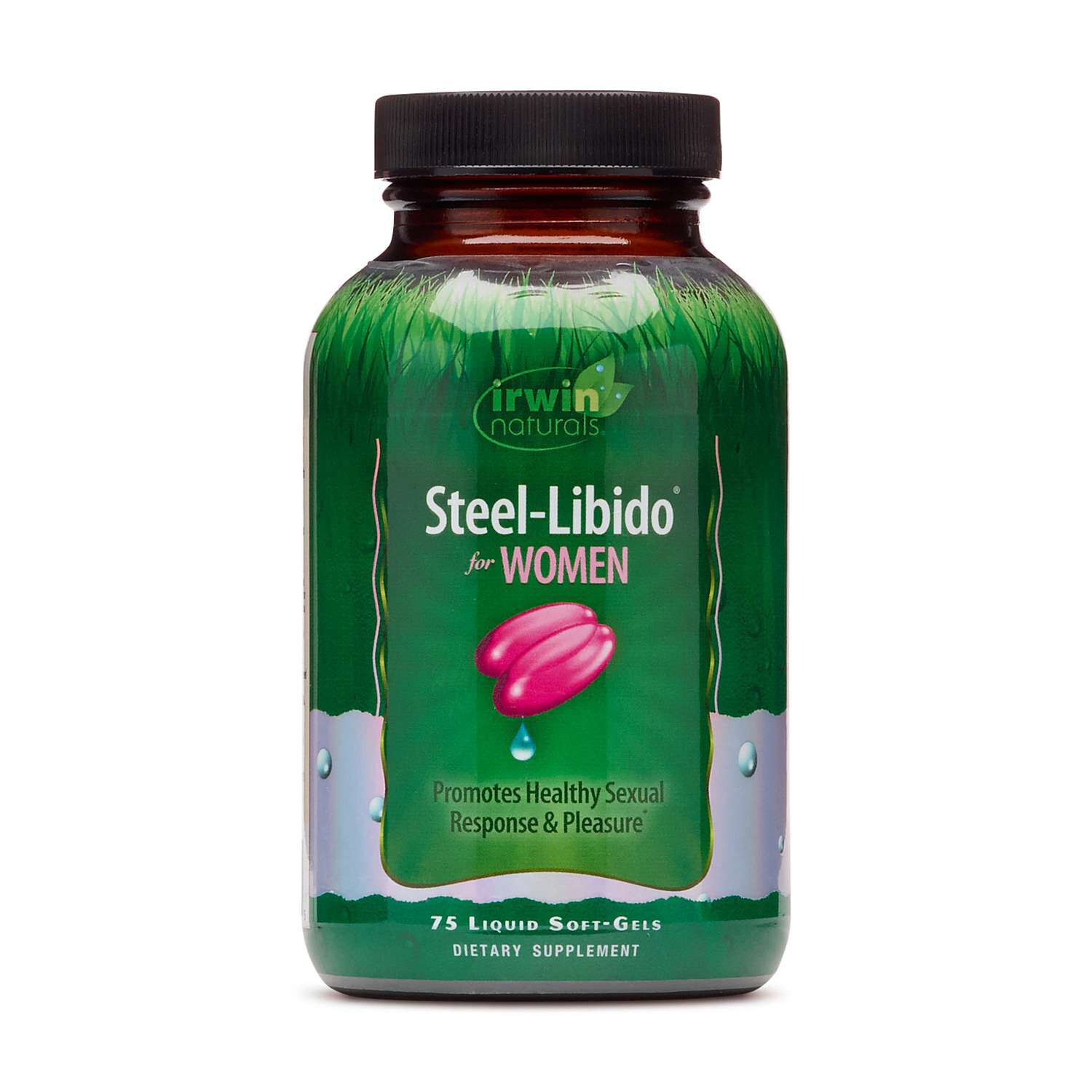


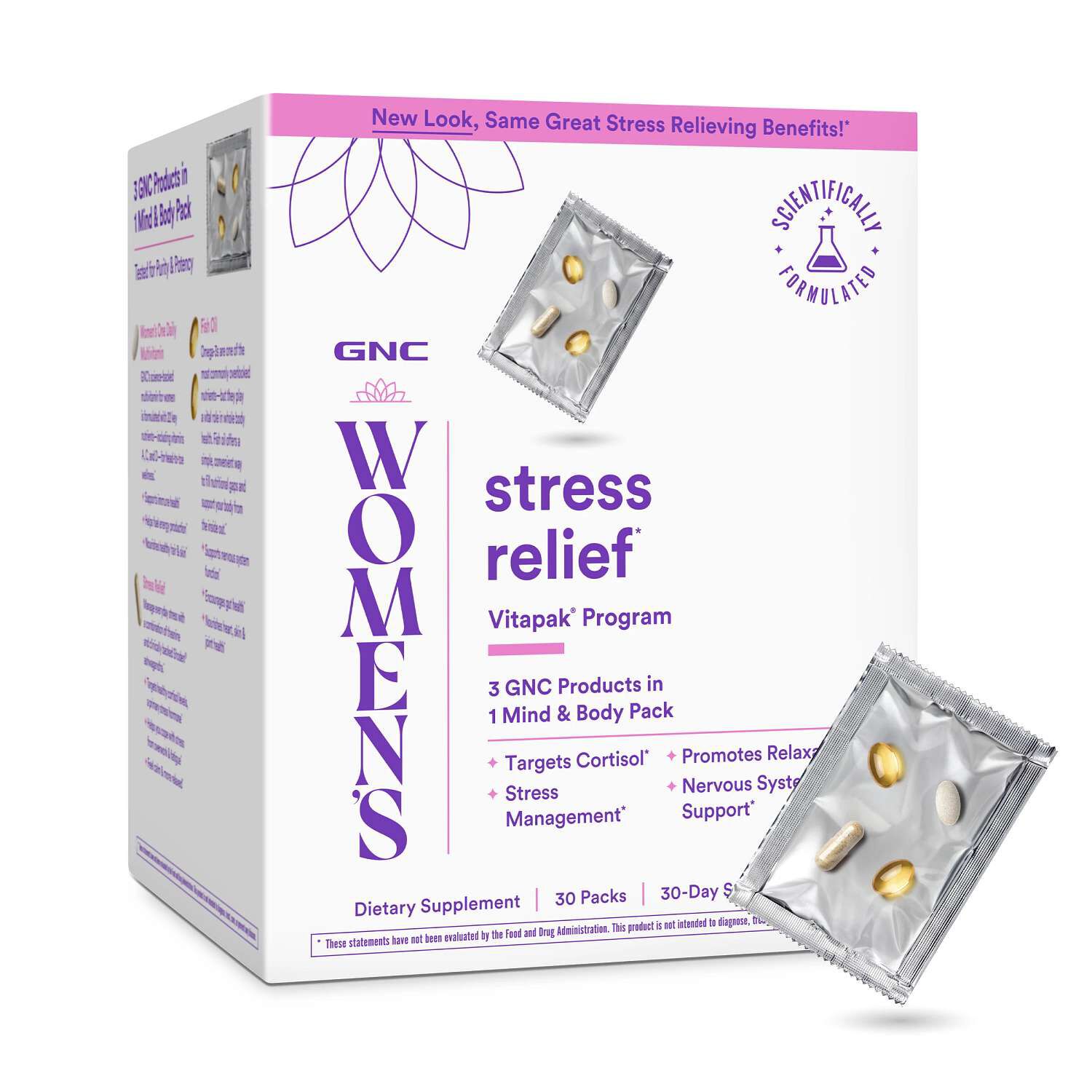


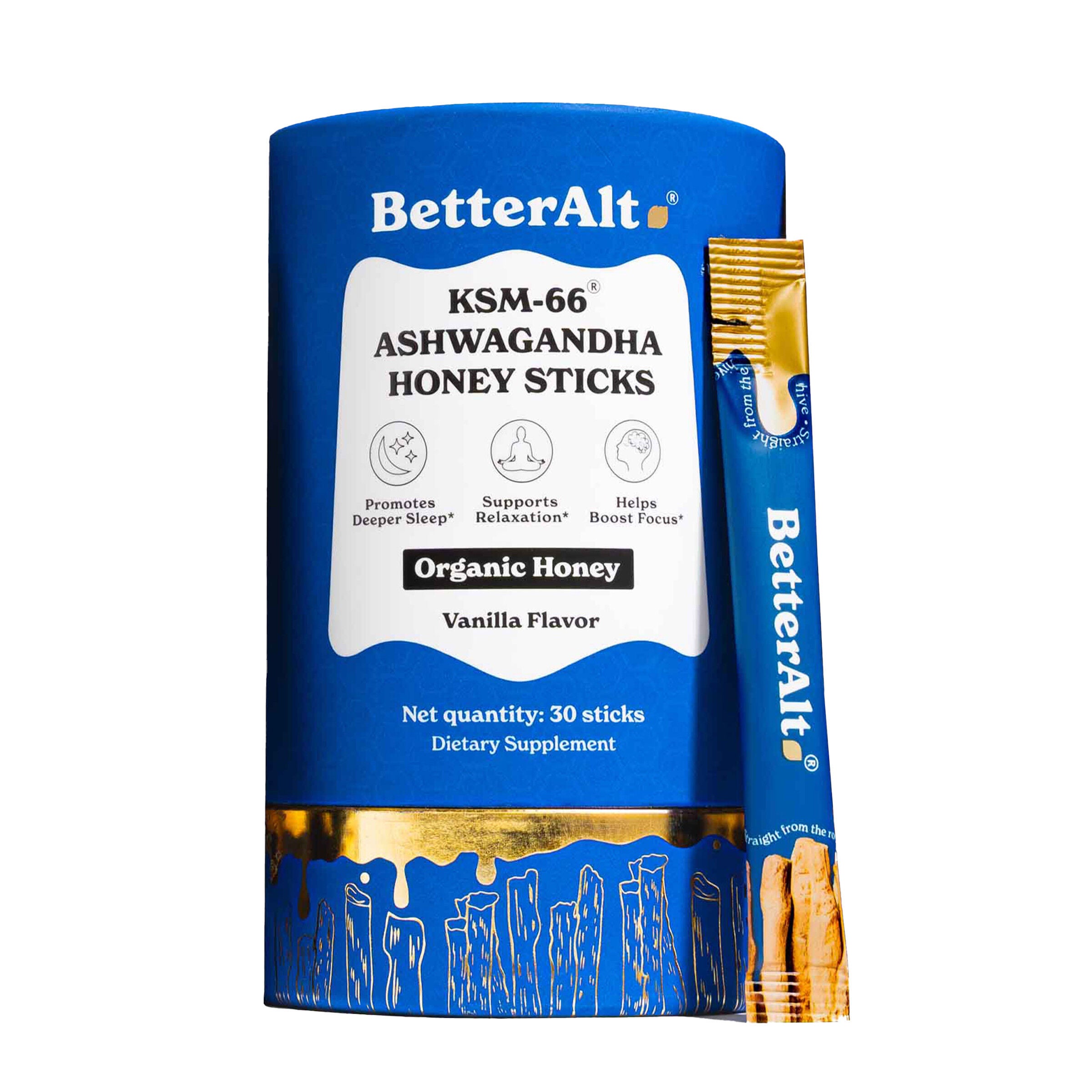
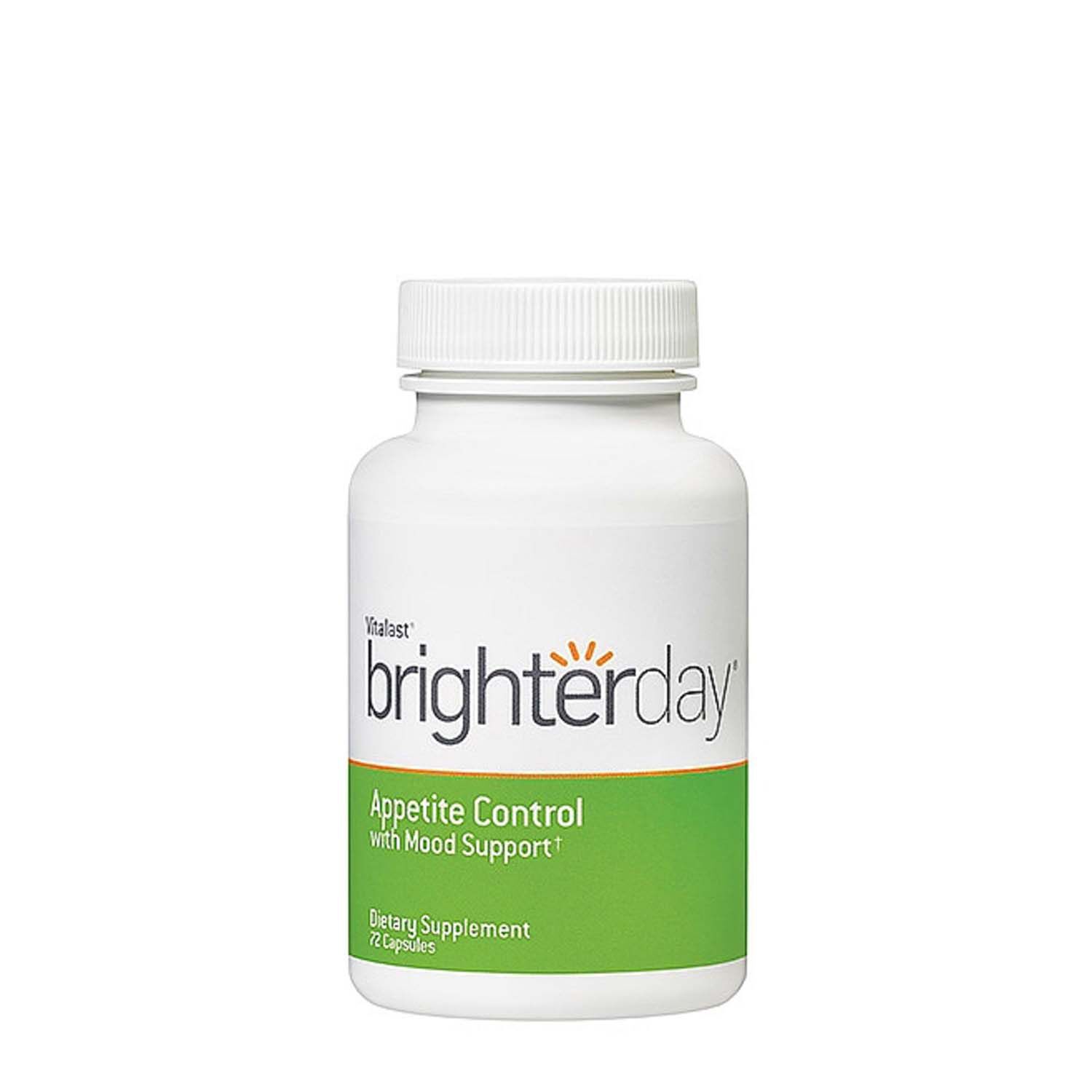
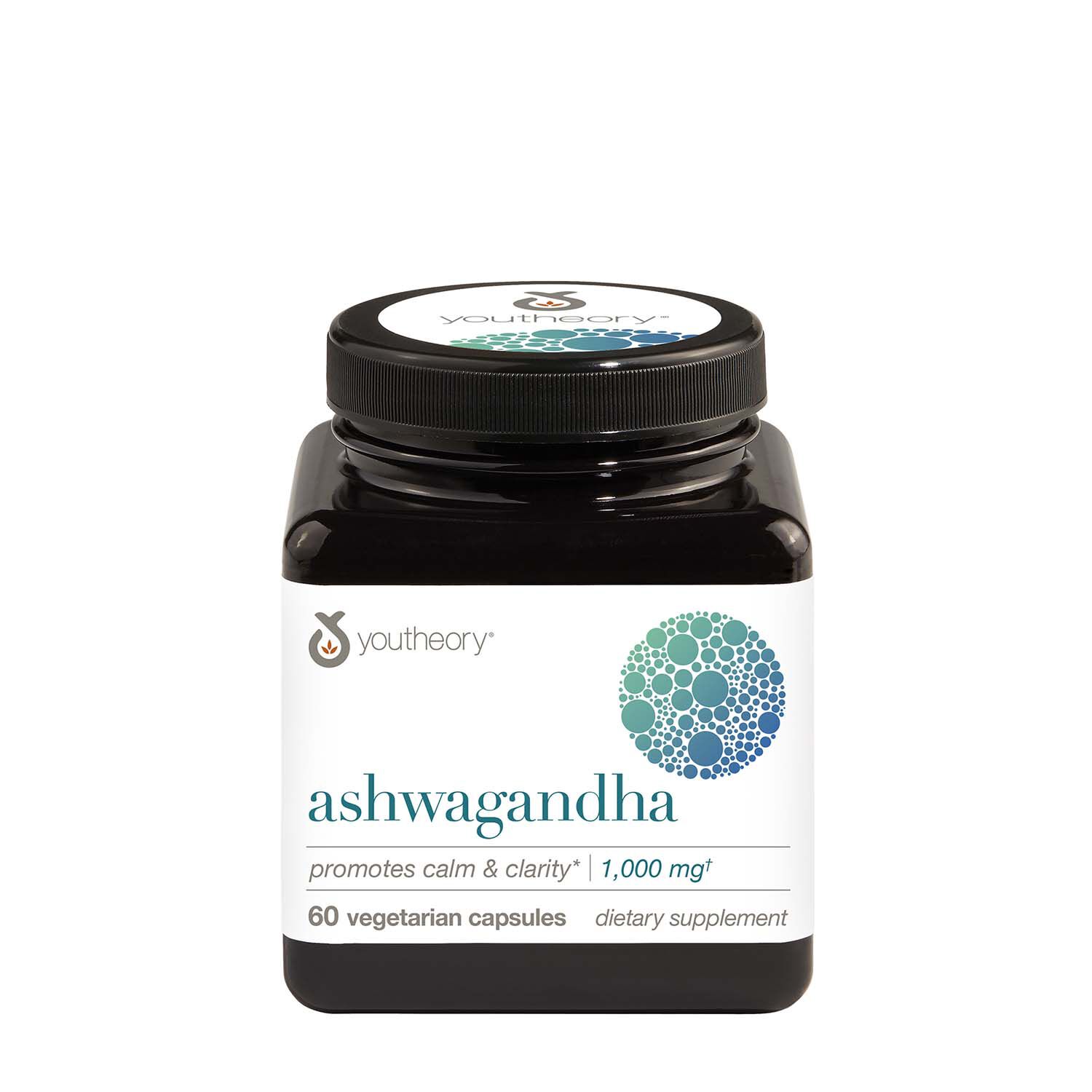
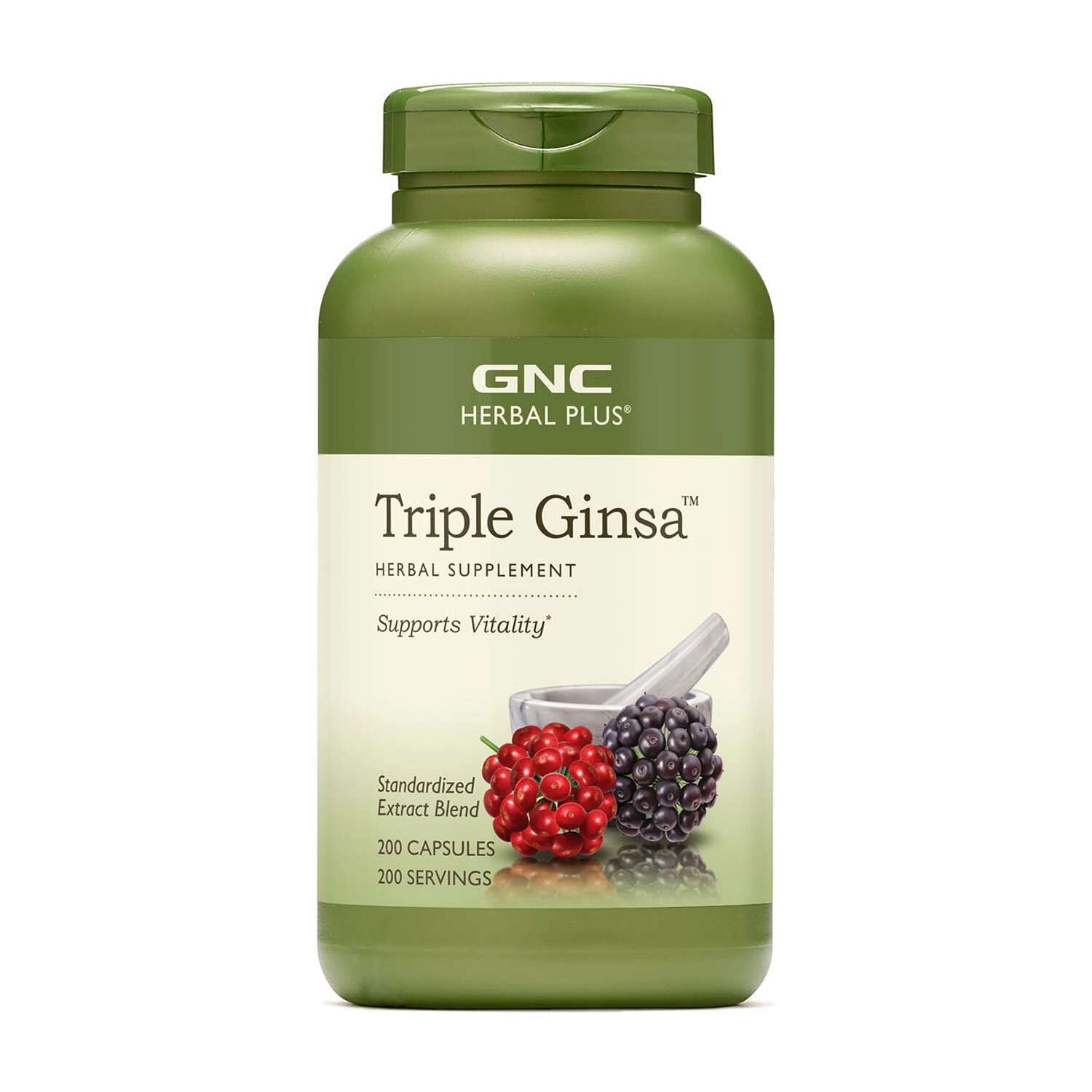
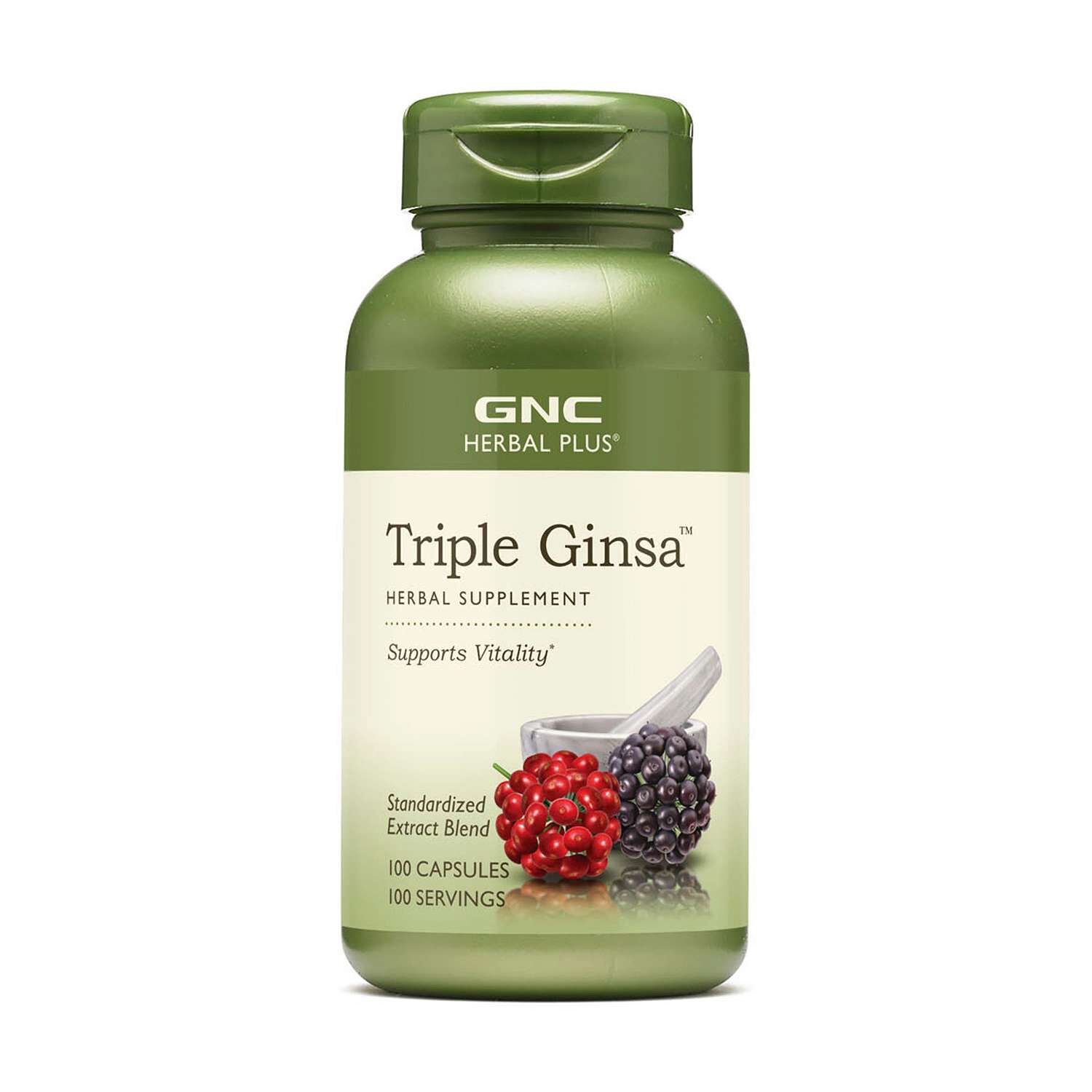
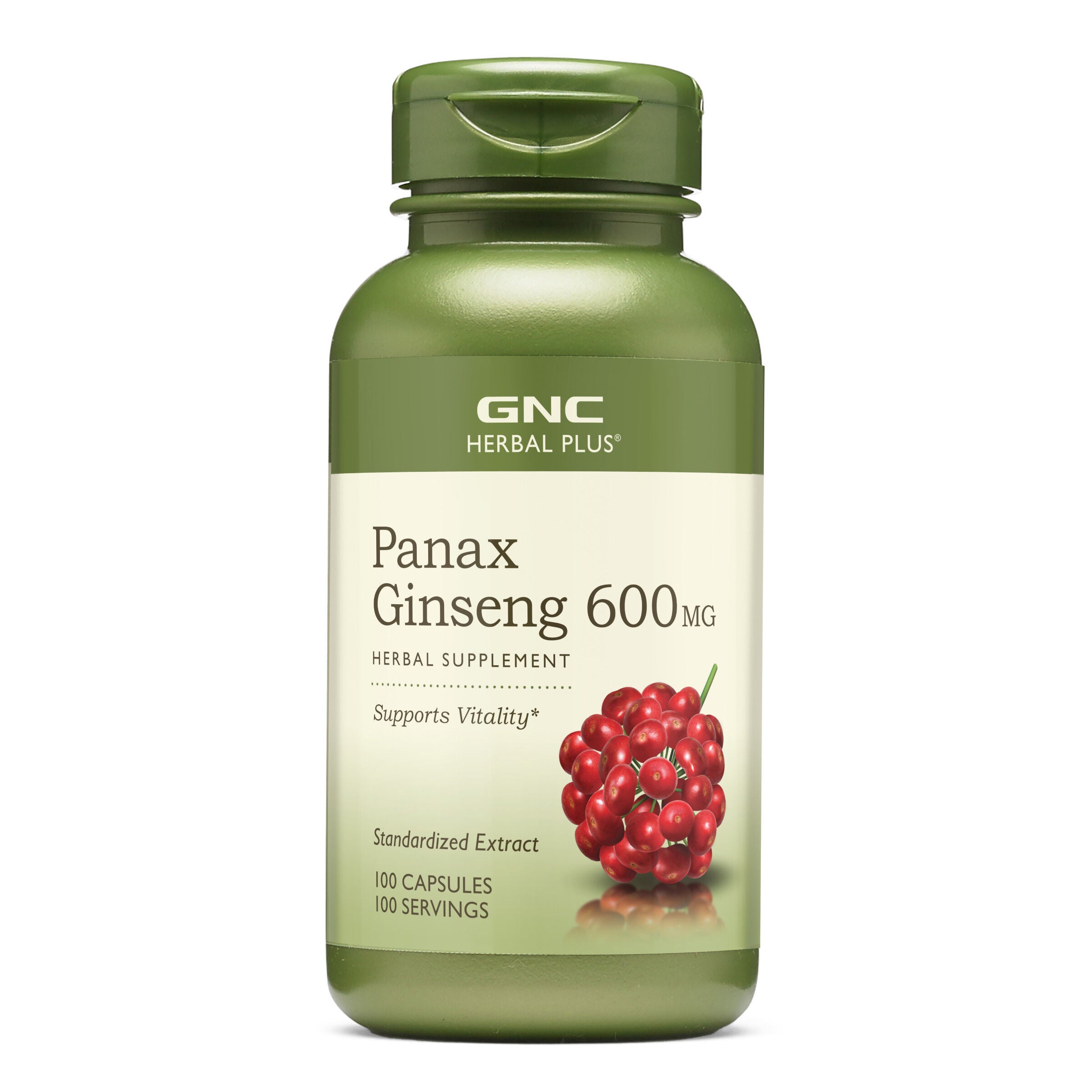


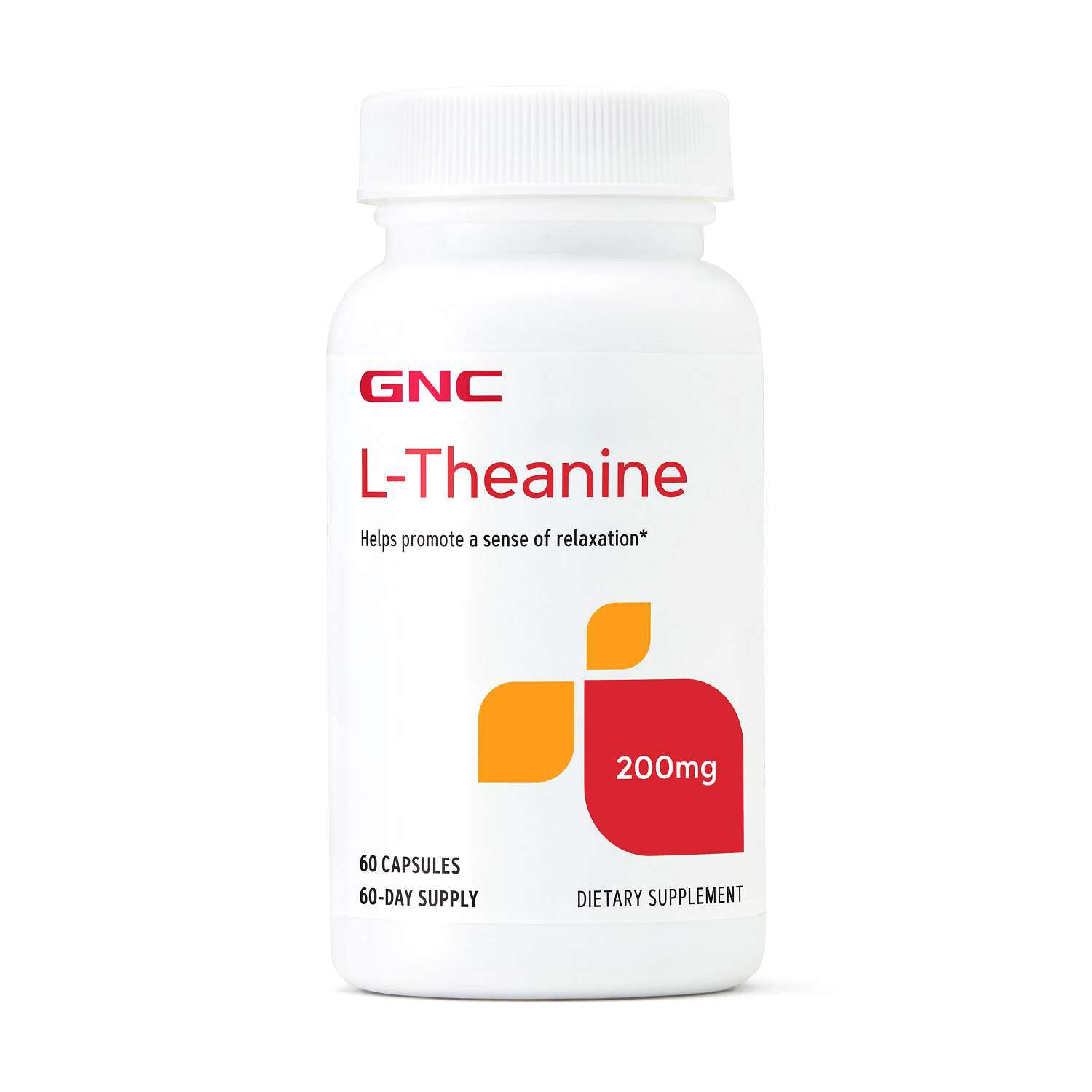


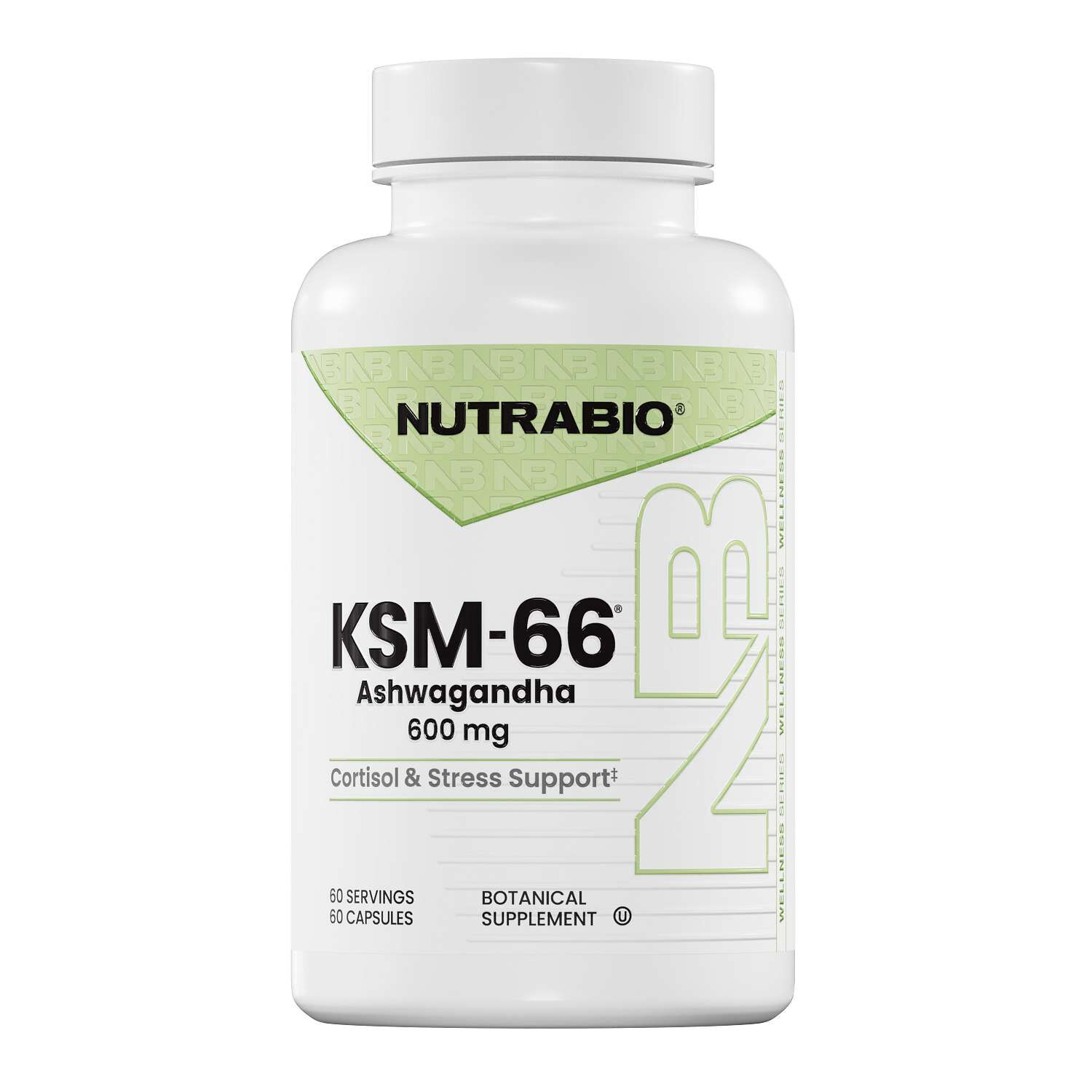

Shopping for herbs for anxiety often begins with an interest in botanical ingredients, everyday relaxation, and a more intentional wind-down routine. Herbal supplements in this category can differ considerably: some feature a single plant, while others combine several botanicals in capsules, tablets, liquids, gummies, or tea preparations. Chamomile, lavender, lemon balm, passionflower, valerian root, and ashwagandha are familiar names associated with relaxation-focused shopping, but they are not interchangeable ingredients. Chamomile preparations commonly use the flower, lemon balm preparations often use the leaf, and valerian products typically feature the root. Ashwagandha formulas may contain root material or extracts made from different plant parts, making the ingredient panel especially useful for understanding what a formula contains. These distinctions give more context than a familiar herb name alone. A dried botanical, a powdered plant ingredient, and a concentrated extract can each have a different composition, even when they come from the same species. Some herbal formulas may support a sense of calm or relaxation, but the category name does not establish what any particular formula will do for an individual. Botanical supplements also vary in how they fit into daily life. Someone who enjoys the gentle aroma and preparation ritual of an herbal beverage may prefer a tea format, while someone who values a compact container and a clearly listed serving may be more interested in capsules. A person browsing for a simpler evening routine might focus on a short ingredient list; another shopper may want to understand every component of a blend before choosing it. The useful starting point is the actual label: the botanical name, plant part, preparation type, serving information, and stated intended use. Together, those details offer a clearer picture of an herbal supplement than broad language about calm alone, without assuming that similar-looking formulas share the same characteristics.
The format of an herbal supplement affects the shopping experience as much as the botanical ingredients do. Capsules keep powdered ingredients or extracts in a contained serving, with shell materials that can vary between gelatin and plant-derived alternatives. Tablets have their own dimensions, coatings, and serving counts, so two bottles with similar front labels may feel quite different to use. Gummies bring flavor, texture, sweeteners, and other ingredients into the comparison; their serving size may also involve more than one piece. Liquid preparations can include water, glycerin, or alcohol as part of the formula, and their labels may express a serving in drops or milliliters. A dropper is a measuring component, not a reason to assume that all liquid formulas share the same concentration. Herbal teas place more emphasis on aroma, taste, and preparation. Chamomile often has a mellow floral character, lemon balm can have a light citrus-like scent, and some roots have an earthier profile. Blends may soften or change those characteristics through additional herbs or flavor ingredients. For a shopper who dislikes a lingering botanical taste, that sensory difference can matter as much as the number of servings in the package. Intended use deserves equally close attention: a lavender ingredient in an oral supplement is not the same preparation as a lavender fragrance product, and an aromatic oil is not interchangeable with a product labeled for consumption. Within oral supplements, the Supplement Facts panel and other ingredient statements help distinguish the featured botanicals from capsule materials, flavorings, colors, and processing ingredients. Labels may also identify dietary attributes or provide allergen information relevant to personal preferences. Single-herb formulas make it easier to see the amount of one featured botanical, while blends require a closer look at how ingredient quantities are disclosed. The amount of extract listed on a label should be read alongside its description; a larger milligram number by itself does not establish a better match. These practical differences help narrow the category around taste, serving format, ingredient transparency, and the routine a shopper actually wants to maintain.
Quality and care considerations for herbal supplements center on ingredient identity, packaging, and storage rather than the kind of wear associated with clothing or equipment. A useful product description identifies the botanical clearly and explains whether the formula contains plant powder, an extract, or a combination. Some labels include an extract ratio or standardization information, which adds detail about how the botanical ingredient is characterized. Those details are most meaningful in context, alongside the plant part and amount per serving, rather than as isolated numbers on the front of a container. When a package carries a testing statement or certification mark, the accompanying explanation can clarify what was evaluated; different programs address different attributes. Packaging matters in ordinary ways, too. A securely closing bottle, a legible label, and an intact seal make it easier to keep the contents identified and follow the storage directions. A countertop beside a steaming kettle, a damp bathroom cabinet, or a car glove compartment may not match the conditions described on the package. The labeled storage instructions and date markings are more useful than assumptions about how long a dried herb or botanical extract should last. For a household with several supplement users, keeping each formula in its original container also preserves access to its ingredient list and serving information. Personal fit extends beyond the bottle itself. An adult who enjoys a quiet cup of tea after putting away a laptop may value the preparation ritual, while another may prefer a format that does not require steeping or measuring a liquid. Neither preference establishes a particular outcome; it simply reflects how the product fits into an existing routine. Because botanical choices are personal, supplements are generally a more considered purchase than a surprise gift. Shoppers exploring related formats and ingredient combinations can also browse Natural Anxiety Reducers for additional context. Across these options, the most useful comparison remains grounded in clearly described ingredients, an appropriate intended-use statement, understandable serving information, and practical details that make each formula distinct.
Best Sellers
-
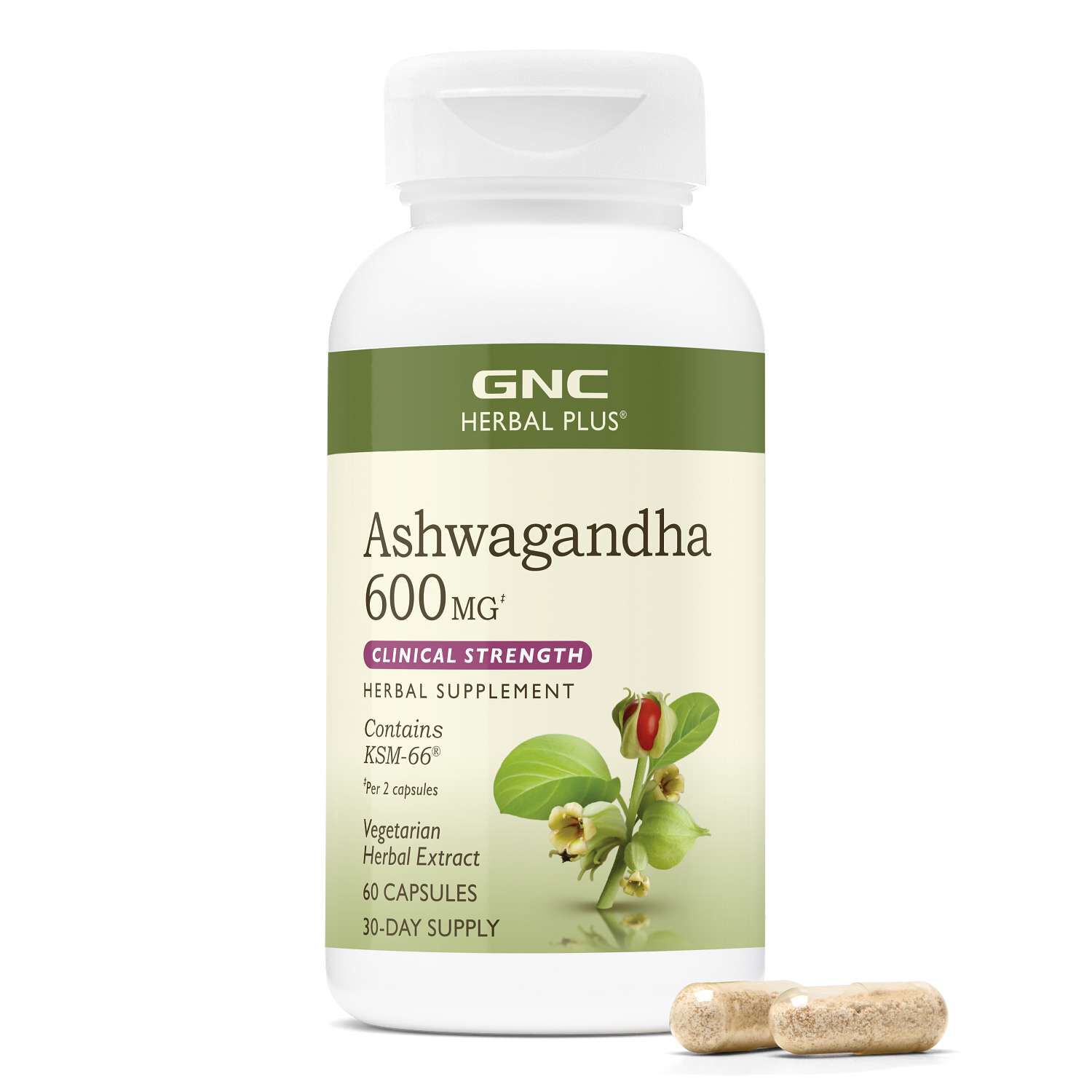 GNC Herbal Plus
 -
 GNC Herbal Plus