High Fiber Meal Replacement Shakes
(0 Results)
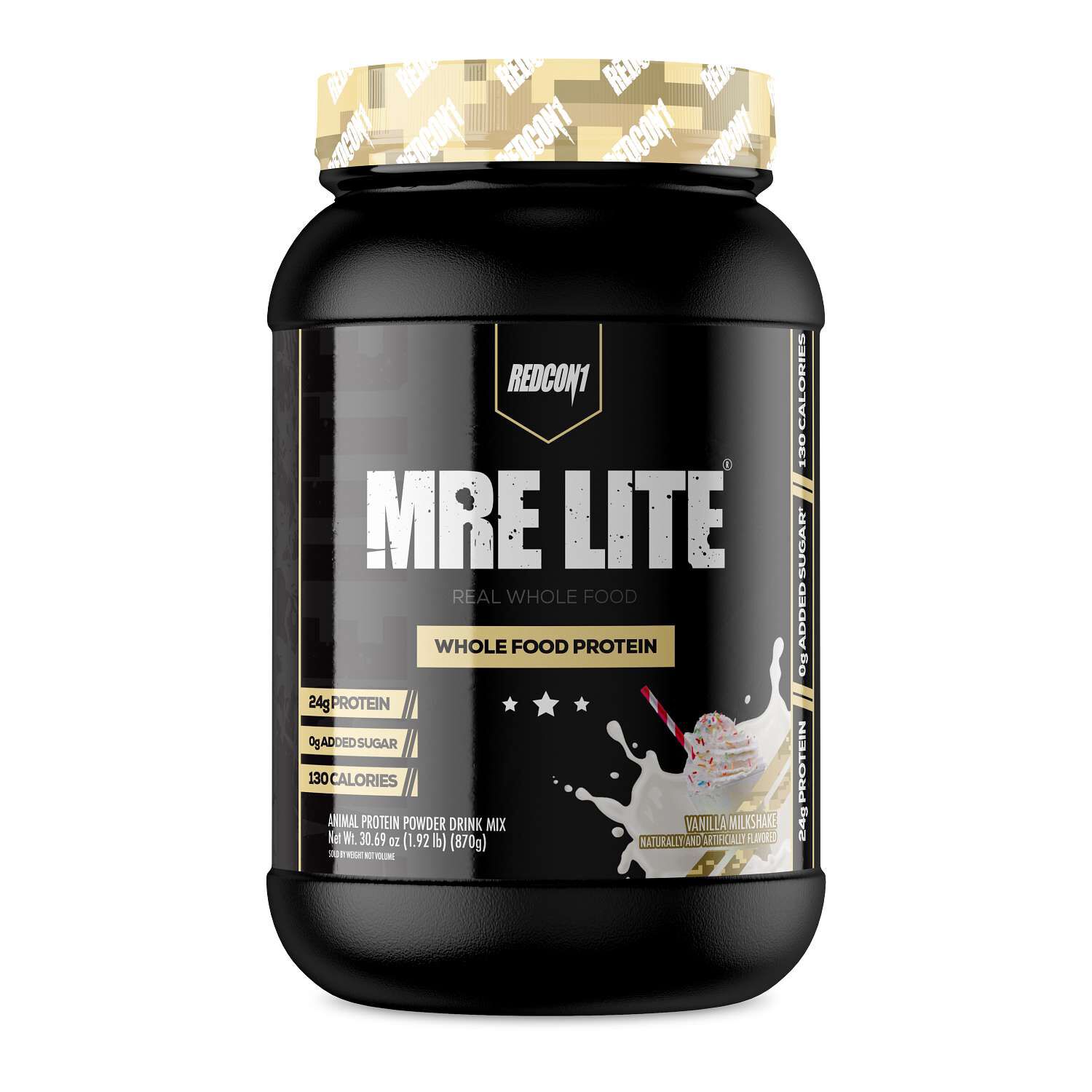
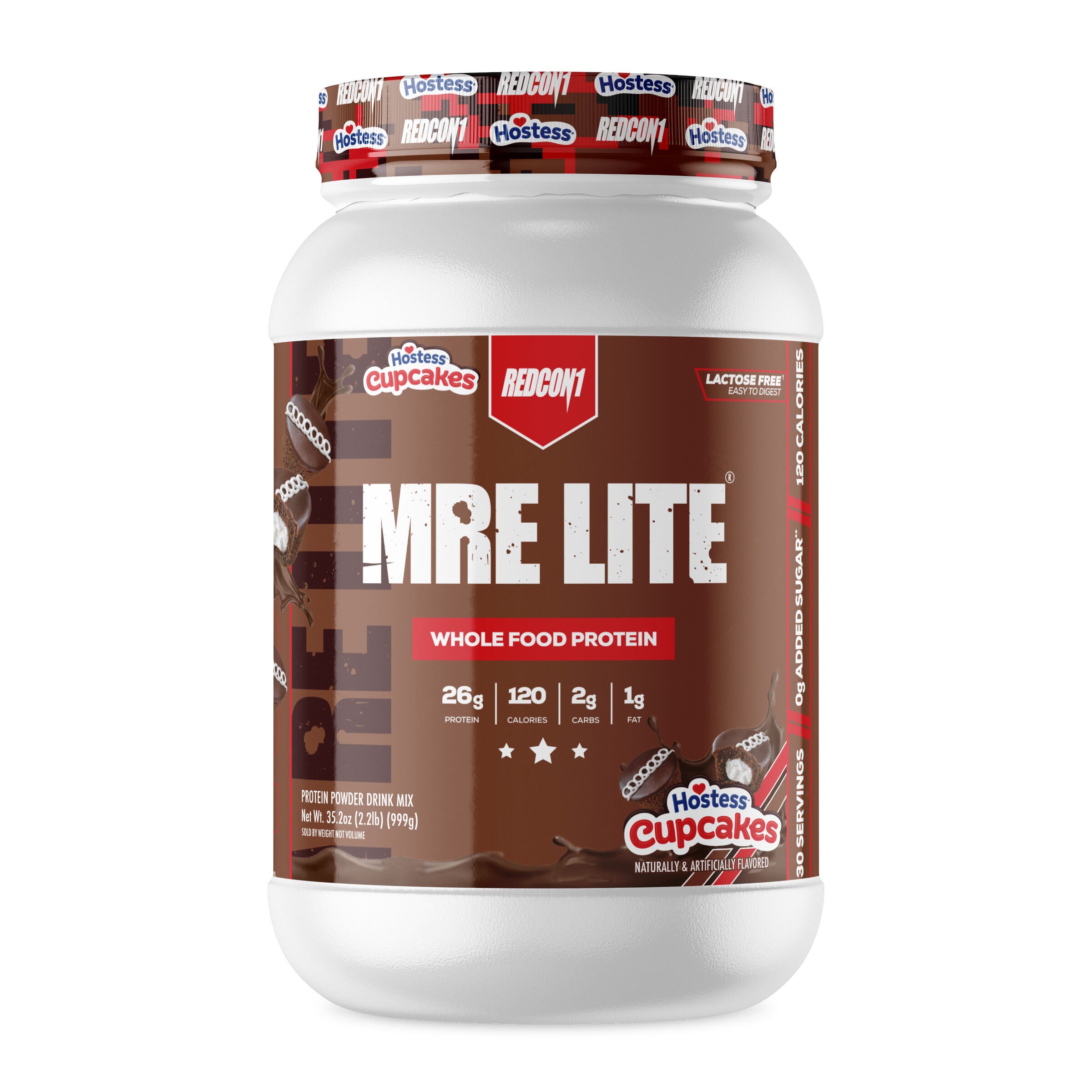
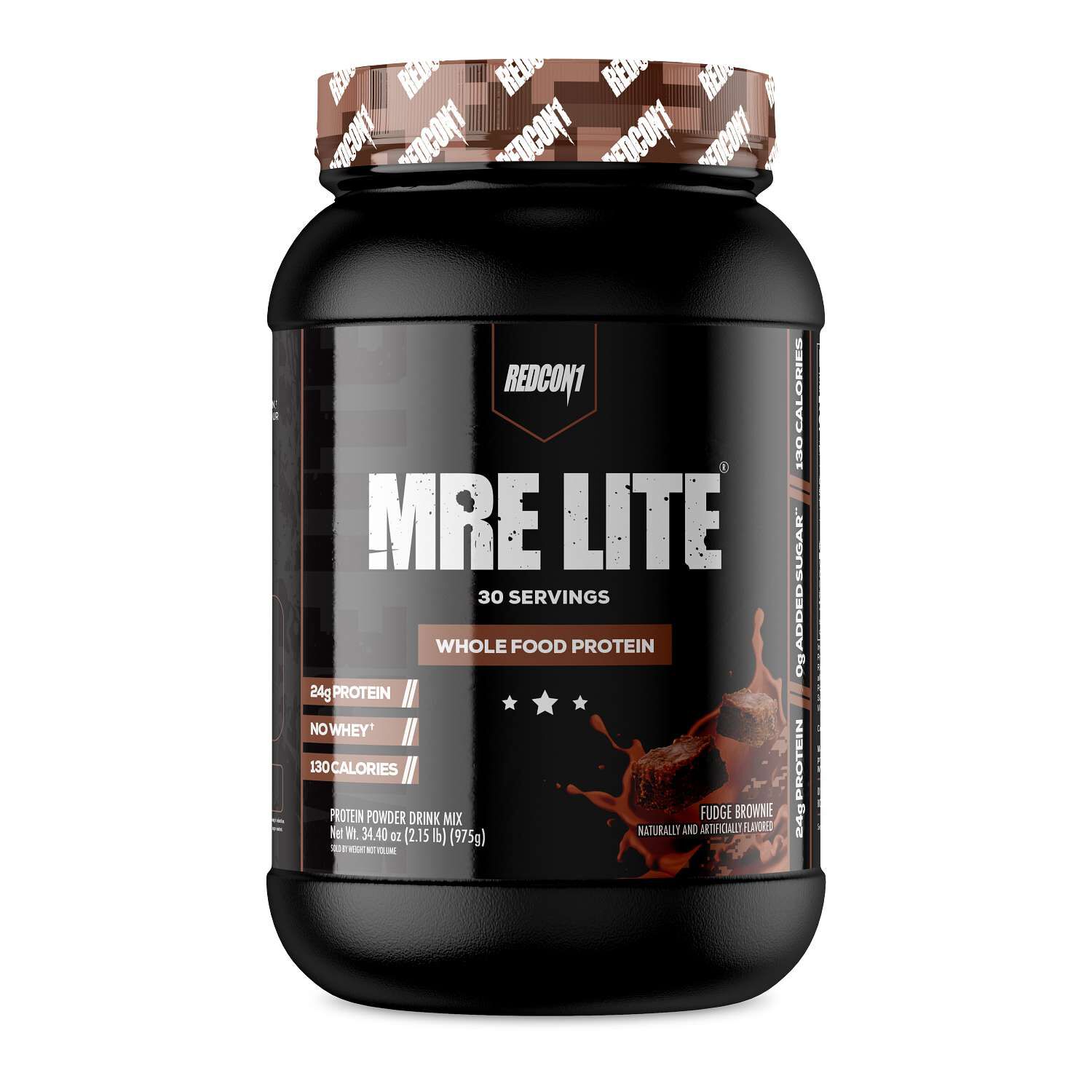
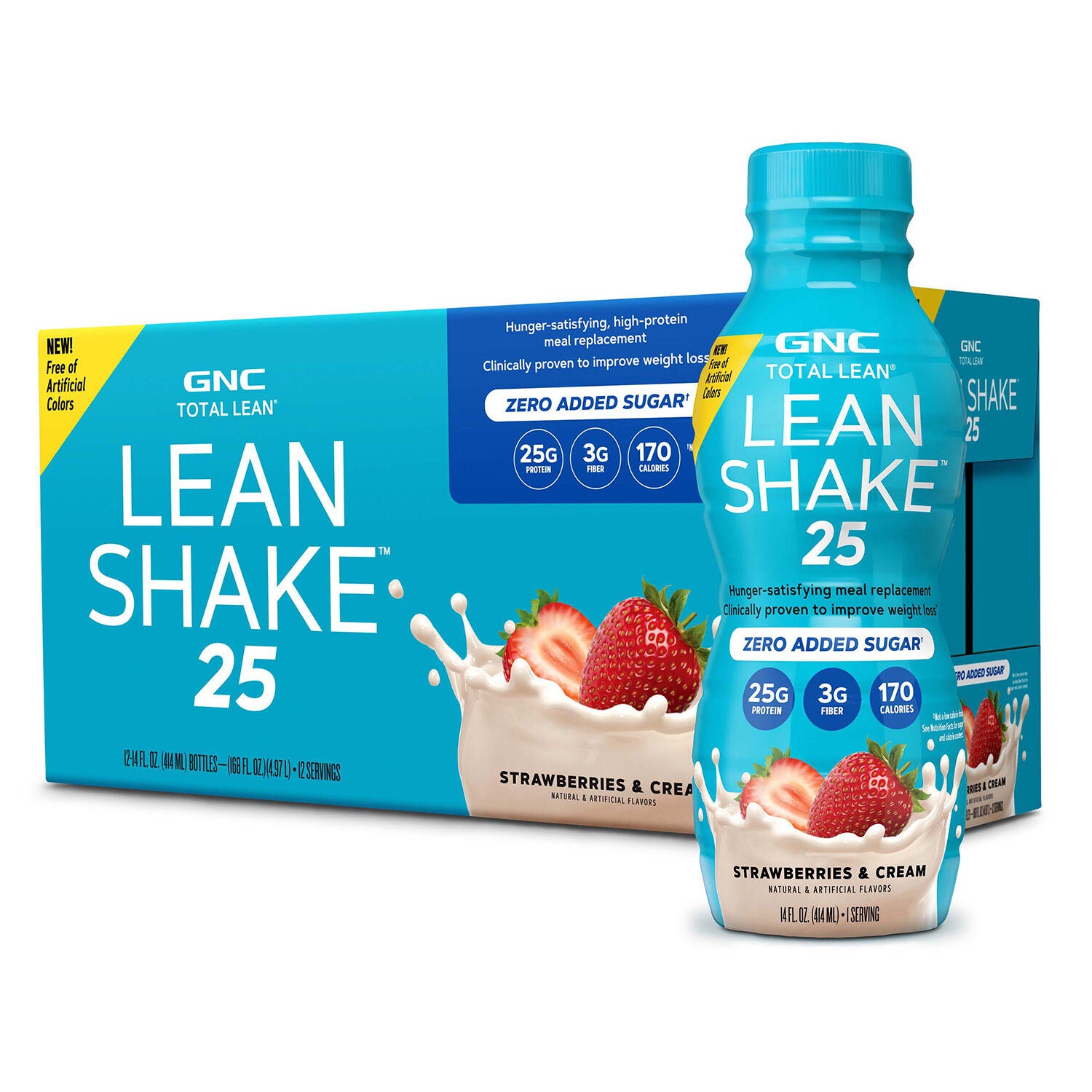
Compare high fiber meal replacement shakes by fiber and protein per serving, flavor, and preparation style. Explore powders and ready-to-drink options, then review each label for ingredients and directions. A powder may fit a routine with time to mix, while a bottled shake could suit days with less prep time.
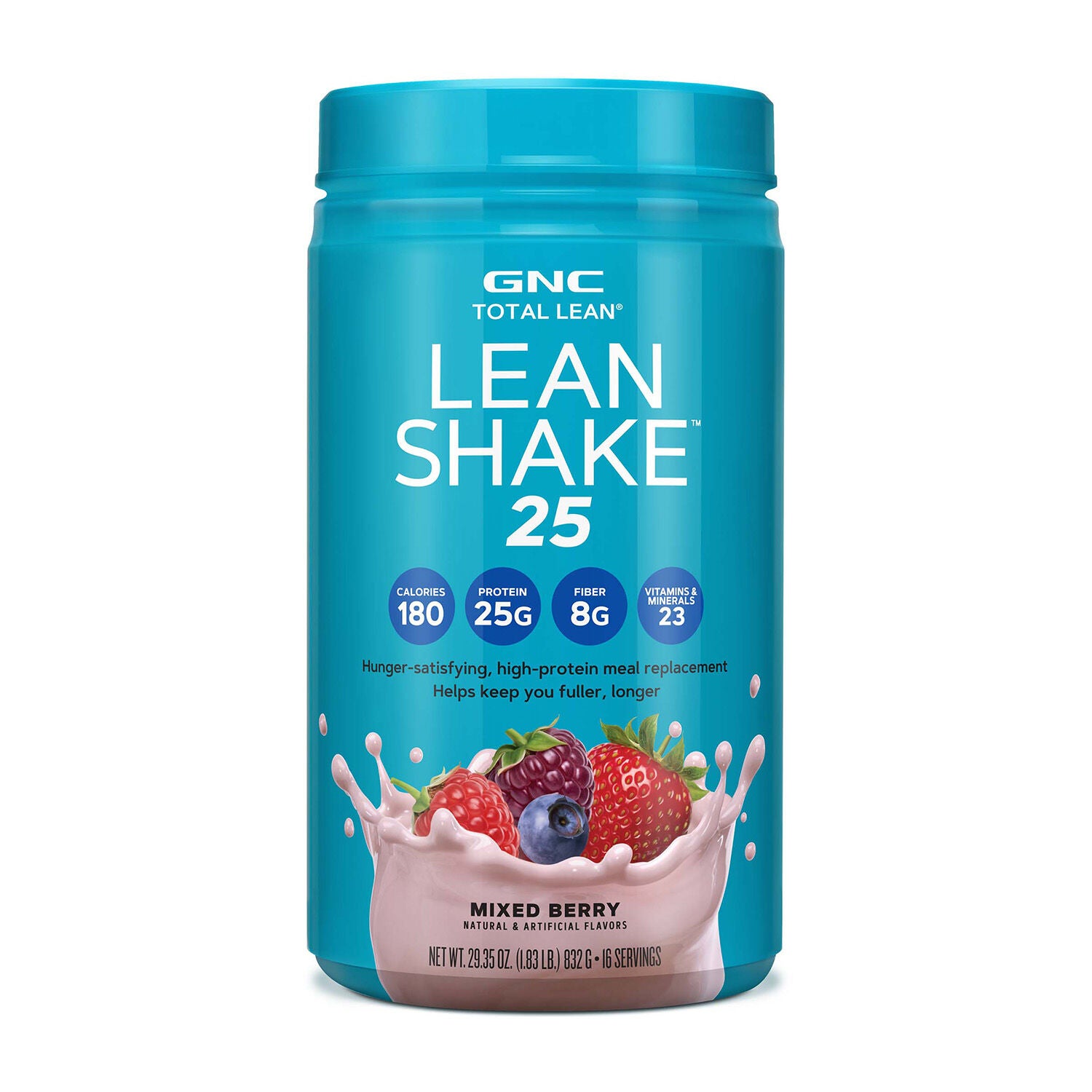

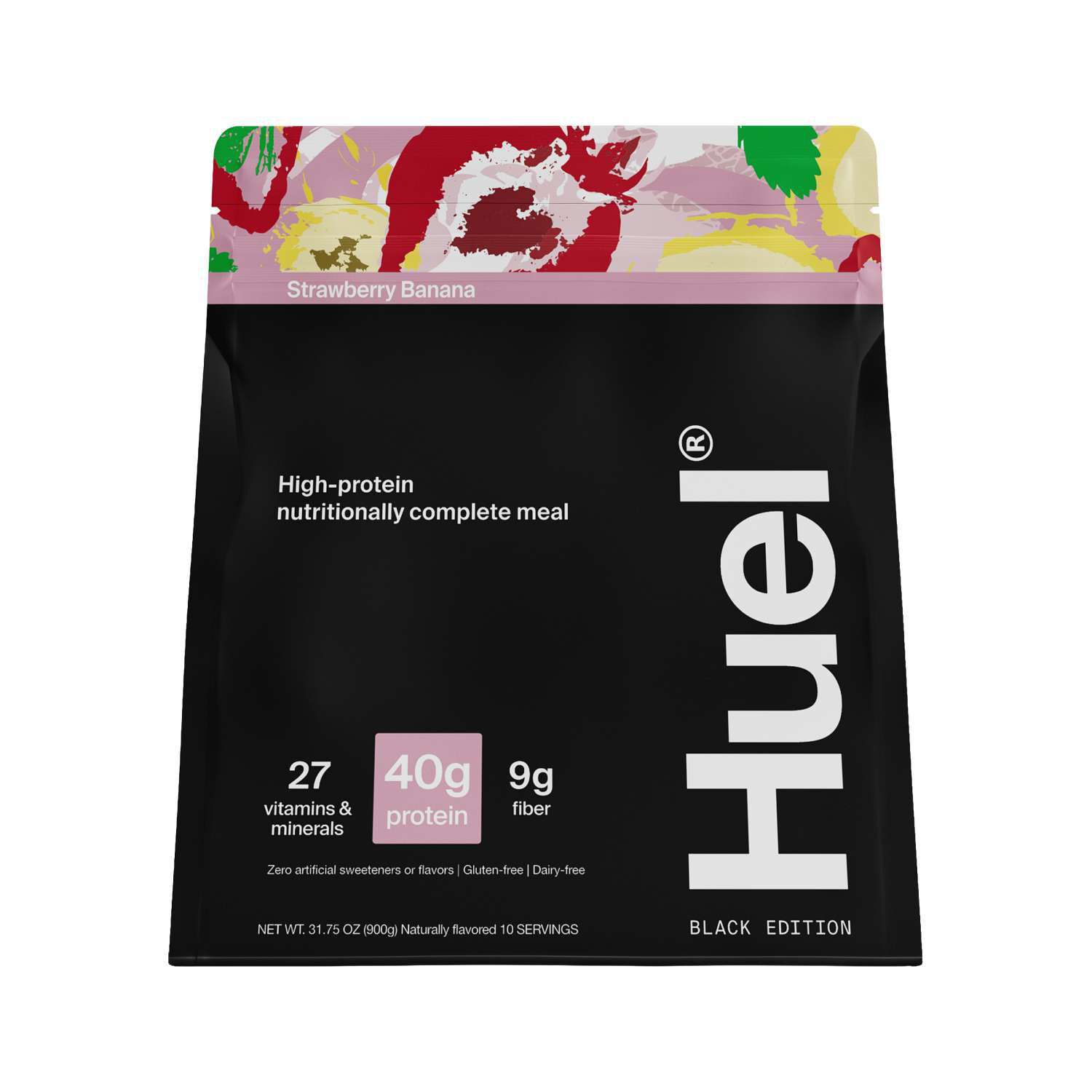
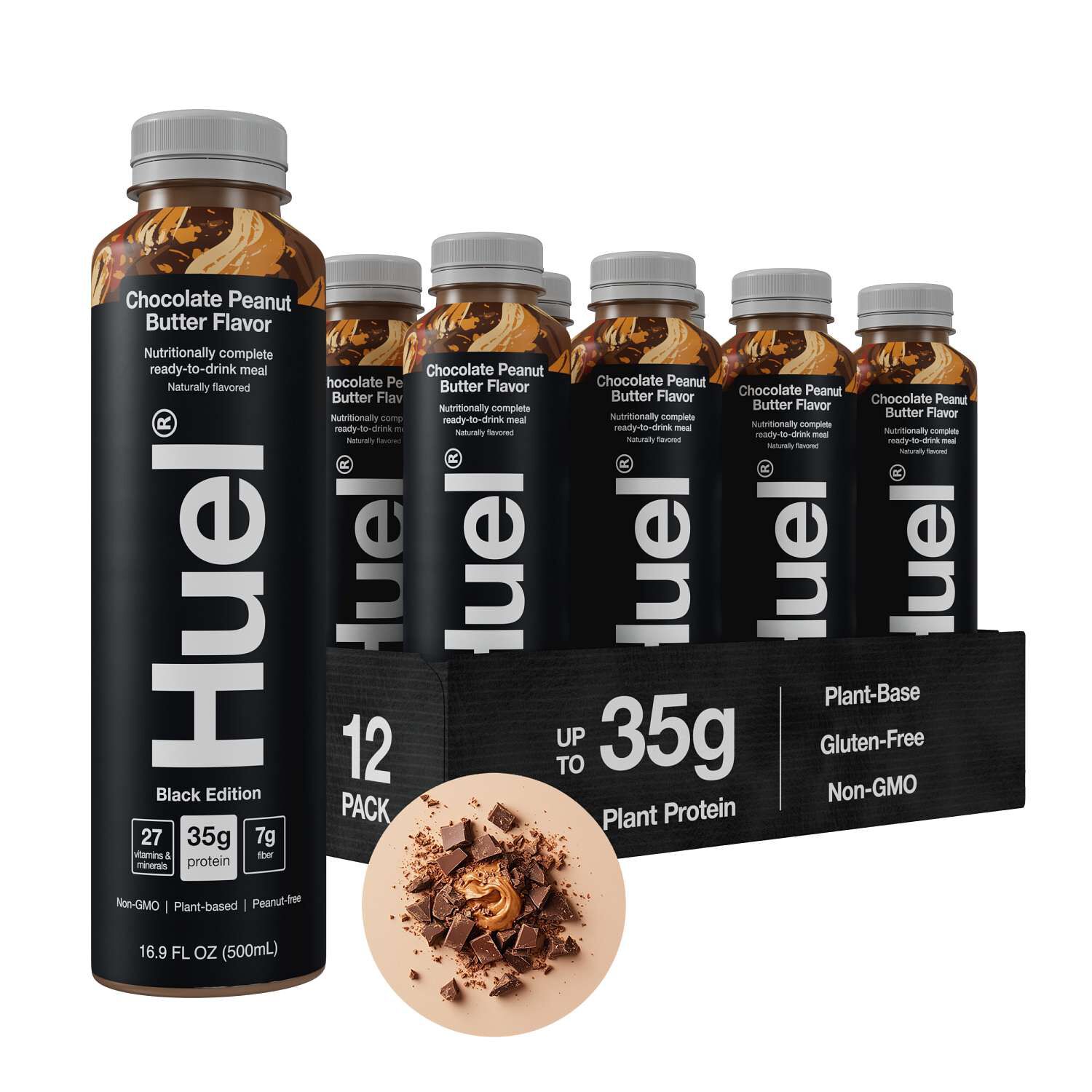

High fiber meal replacement shakes bring dietary fiber, protein, carbohydrates, and fat into a drinkable format intended for occasions when a conventional meal is less practical. They differ from a basic protein shake because the focus extends beyond protein alone to a broader mix of nutrients and calories. A higher fiber content may also make a shake feel more substantial, although the experience varies with the formula, portion, and individual preferences. The Nutrition Facts panel is the most useful starting point for understanding these differences. Fiber is listed in grams per serving, alongside its percentage of the Daily Value. On U.S. labels, the Daily Value for dietary fiber is 28 grams; a serving with 6 grams provides about one-fifth of that amount. That example offers a concrete reference for comparing labels without assuming every shake contains the same quantity. Serving size matters just as much as the number itself: one powder may list nutrition for two scoops, while another uses a different scoop size or preparation method. Calories, protein, added sugars, and fat provide additional context, especially when comparing a lighter drink with a more substantial meal replacement. Nutrition listed for powder mixed with water will also differ from the finished drink when milk, fruit, or other ingredients are added. A shake described as high in protein is not necessarily high in fiber, and a fiber-focused drink is not automatically intended to take the place of a meal. Reading the product description alongside the nutrition panel helps distinguish those purposes. Within the broader category of Meal Replacement Shakes, fiber content is one useful comparison point rather than the only measure of fit. The overall nutritional profile, flavor, texture, and preparation requirements all belong in the same decision, particularly for a drink intended to become part of an established eating routine. Comparing equivalent prepared portions makes those distinctions easier to understand than comparing scoop counts or front-label descriptions alone.
Ingredients give high fiber meal replacement shakes much of their character, from a smooth, milkshake-like consistency to a heartier texture with noticeable grain. Fiber sources can include oat fiber, chicory root fiber, inulin, psyllium, and other plant-derived ingredients, depending on the formula. These ingredients are not interchangeable in the glass: some may contribute thickness, while others may be less noticeable in the finished drink. Soluble and insoluble fiber describe different properties, and a formula may contain one type or a combination. The ingredient list identifies the sources, while the nutrition panel shows the dietary fiber amount per serving. Protein sources add another distinction. Whey, casein, milk protein, pea protein, soy protein, and rice protein appear across the broader meal replacement category, sometimes alone and sometimes in blends. For someone who prefers plant-based ingredients, the protein source is worth checking alongside the rest of the formula rather than relying on flavor names or package imagery. Anyone shopping around a food allergy should review the ingredient list and allergen statement on the exact package. Flavor and sweetness deserve similar attention because a shake that looks suitable on paper still needs to suit the person drinking it. Cocoa-forward flavors may appeal to someone who enjoys a richer drink, while vanilla offers a familiar base for combinations with fruit or cinnamon. Added sugars, sugar substitutes, and other sweeteners vary by formula, so the ingredient list offers detail that the sugar number alone does not convey. Texture preferences can be equally personal: one person may welcome a thick drink eaten slowly with a spoon, while another prefers a thinner consistency from a shaker bottle. Powders containing visible grains or seeds may have a different mouthfeel from finely milled blends. None of these characteristics makes a formula universally preferable. Together, they describe how the drink might fit into an ordinary breakfast break, a desk lunch, or another occasional meal on a crowded schedule.
Format and preparation are often what separate a suitable high fiber meal replacement shake from one that feels inconvenient after the first few uses. Powder offers flexibility in the amount of liquid used within the package directions and in whether the drink is mixed in a shaker or blender. Ready-to-drink formats require less preparation and may suit a commute, a workplace without a kitchen, or travel where measuring powder would be awkward. Storage requirements differ, however, so the package directions matter before packing a bottle into a bag or leaving a prepared shake at a desk. Some unopened drinks are shelf-stable, while others require refrigeration; opened containers and mixed powders have their own handling instructions. For powder, a dry measuring scoop and a tightly closed container may help preserve its intended condition between uses. The package’s serving directions also provide a consistent reference when comparing flavor and texture from one preparation to the next. Changing the liquid, adding ice, or blending in fruit changes the finished drink, and those additions contribute their own volume and nutrients. A banana and a spoonful of nut butter, for example, create a different meal than the same powder prepared with water. A shaker bottle suits straightforward mixing, while a blender may be more convenient for ingredients that need chopping or thorough blending. Washing the lid, seals, and mixing components after use is part of the routine, especially when the drink contains milk or other perishable ingredients. Intended use should remain clear throughout the comparison: a meal replacement is different from a small snack, and neither its name nor its fiber content describes every aspect of its nutrition. Adults looking for an occasional portable meal may value a familiar flavor, readable preparation directions, and a serving size that works with their day. The most relevant choice brings those practical details together with fiber content and the rest of the nutrition panel, rather than asking a single number to tell the whole story.
- Q: How do meal replacement shakes differ from protein shakes?
A: Meal replacement shakes are formulated for use as a meal option, while protein shakes focus on providing protein. Check the product's stated purpose and compare the full nutrition panel rather than choosing by the protein amount alone. - Q: Where can I find the fiber content of a meal replacement shake?
A: Look for dietary fiber on the nutrition panel. Compare the amount per serving, and check whether the listed information refers to the powder alone or the shake prepared according to its directions. - Q: What is the difference between powder and ready-to-drink formats?
A: Powders require mixing with a liquid according to the label directions. Ready-to-drink shakes come already mixed. Compare preparation steps and storage instructions to choose a format that matches your routine. - Q: Are all high fiber meal replacement shakes plant-based?
A: No. Fiber content does not identify a shake's protein source or other ingredients. Look for an explicit plant-based designation and read the ingredient list if that is part of your shopping criteria. - Q: Can I prepare a meal replacement powder with different liquids?
A: Check the product's mixing directions for the recommended liquid. Using another mixer may change the flavor, texture, and nutrition of the prepared shake, so account for the mixer's ingredients and nutrition information when comparing options.