High Potency Glucosamine
(0 Results)
High potency glucosamine could be an excellent addition to your daily routine for those seeking to support joint health and mobility. With its potential benefits, this supplement might help maintain the healthy function of your joints and cartilage. Whether leading an active lifestyle or simply looking to stay on the move, high potency glucosamine may offer the extra support you need. Explore a range of options designed to fit your unique needs and preferences.
-

-

-
-
-
-

-

-

-
-

-

-
 You Matter Wellness1$39.99
-
.jpg?sw=305&sh=305&sm=fit "TriFlex Joint Support Complete Care (30-Day Supply) | GNC")

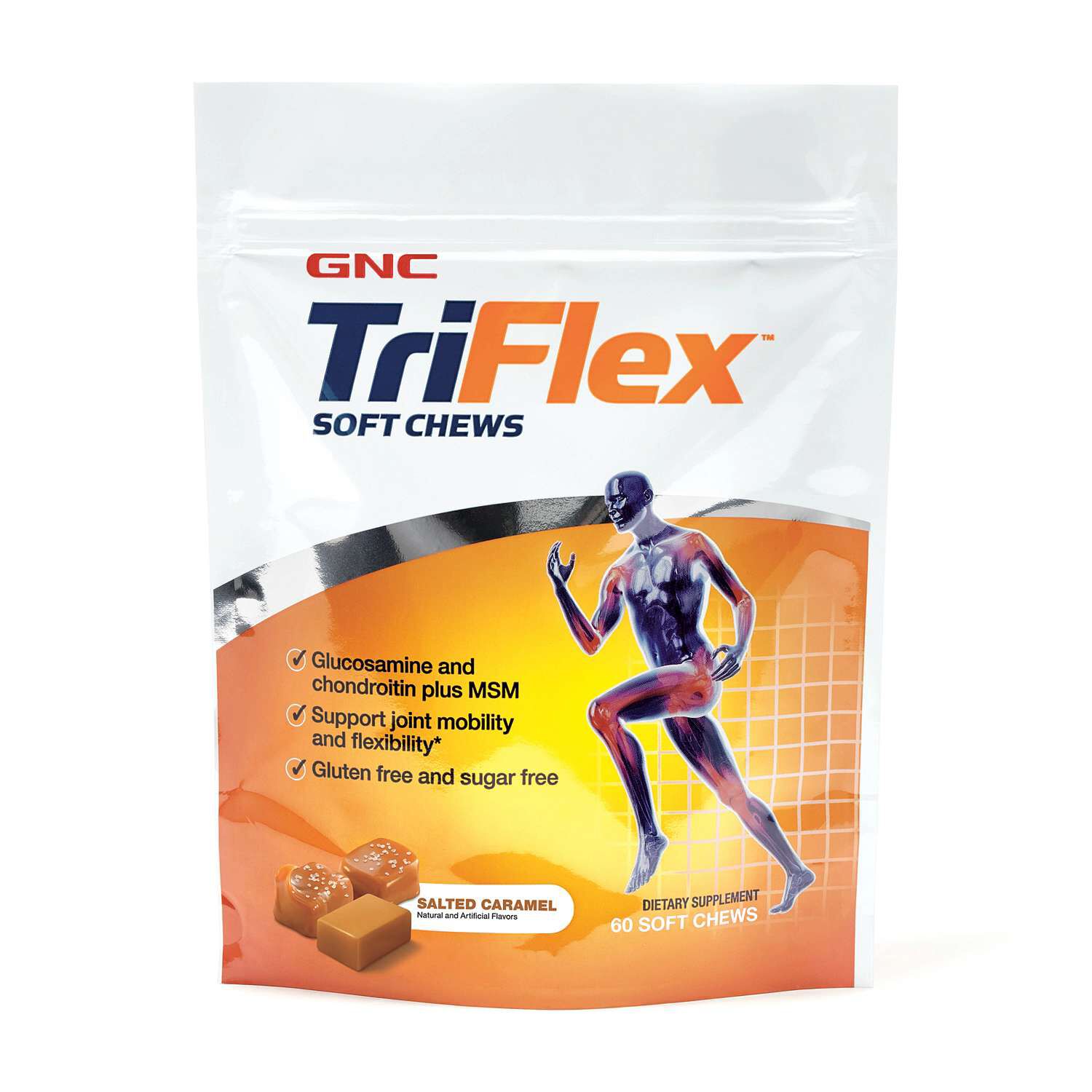

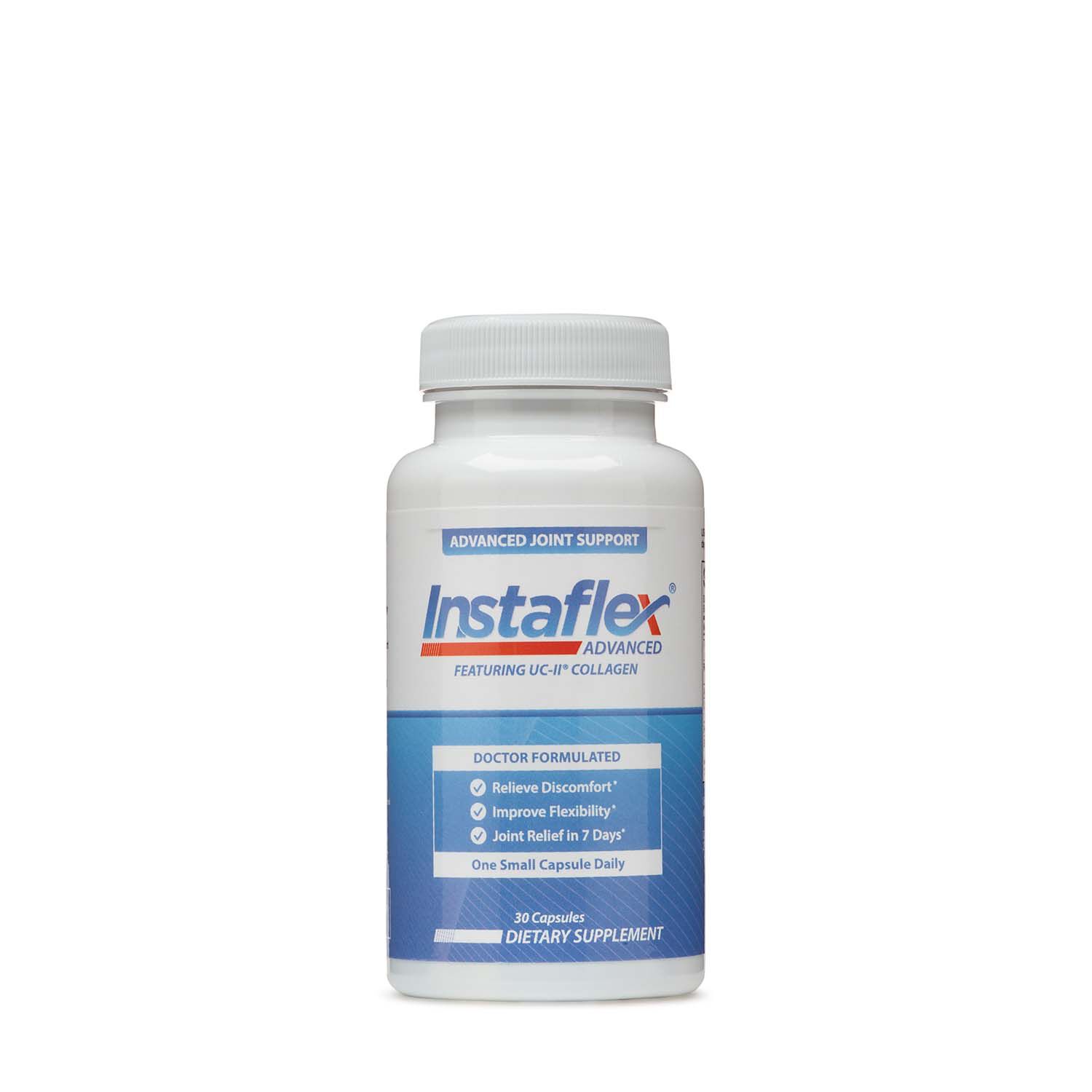
High potency glucosamine supplements may support everyday joint comfort and mobility, with formulas that vary in their glucosamine source, ingredient combinations, and serving format. Glucosamine is a naturally occurring compound found in the body and is associated with the structure of cartilage, the connective tissue that cushions joints. In supplements, it commonly appears as glucosamine sulfate or glucosamine hydrochloride, often shortened to glucosamine HCl. Many high potency formulas list around 1,500 milligrams of glucosamine per daily serving, although the amount varies by formula. That figure refers to the serving described on the label, not necessarily a single tablet or capsule. A serving might consist of two or three tablets, so a front-label milligram amount tells only part of the story. The Supplement Facts panel brings the ingredient amount and serving size together, making it easier to compare similar formats on the same basis. For example, a bottle containing 90 tablets with a three-tablet serving provides 30 servings; the tablet count alone does not describe how long the bottle corresponds to the labeled routine. High potency also does not identify a particular glucosamine form, a particular tablet size, or a formula containing only one featured ingredient. Some formulas center on glucosamine, while others pair it with additional ingredients in a broader blend. The sulfate and hydrochloride names identify different forms of glucosamine rather than interchangeable label descriptions. Neither name by itself describes the rest of the formula, its ingredient source, or its capsule materials. Those details give a strength descriptor useful context. For adults who already keep a daily supplement organizer or prefer a simple morning routine, the number of tablets or capsules per serving can be just as relevant as the milligram amount. A concentrated formula and a convenient serving format are separate characteristics, and both deserve attention when comparing high potency glucosamine supplements.
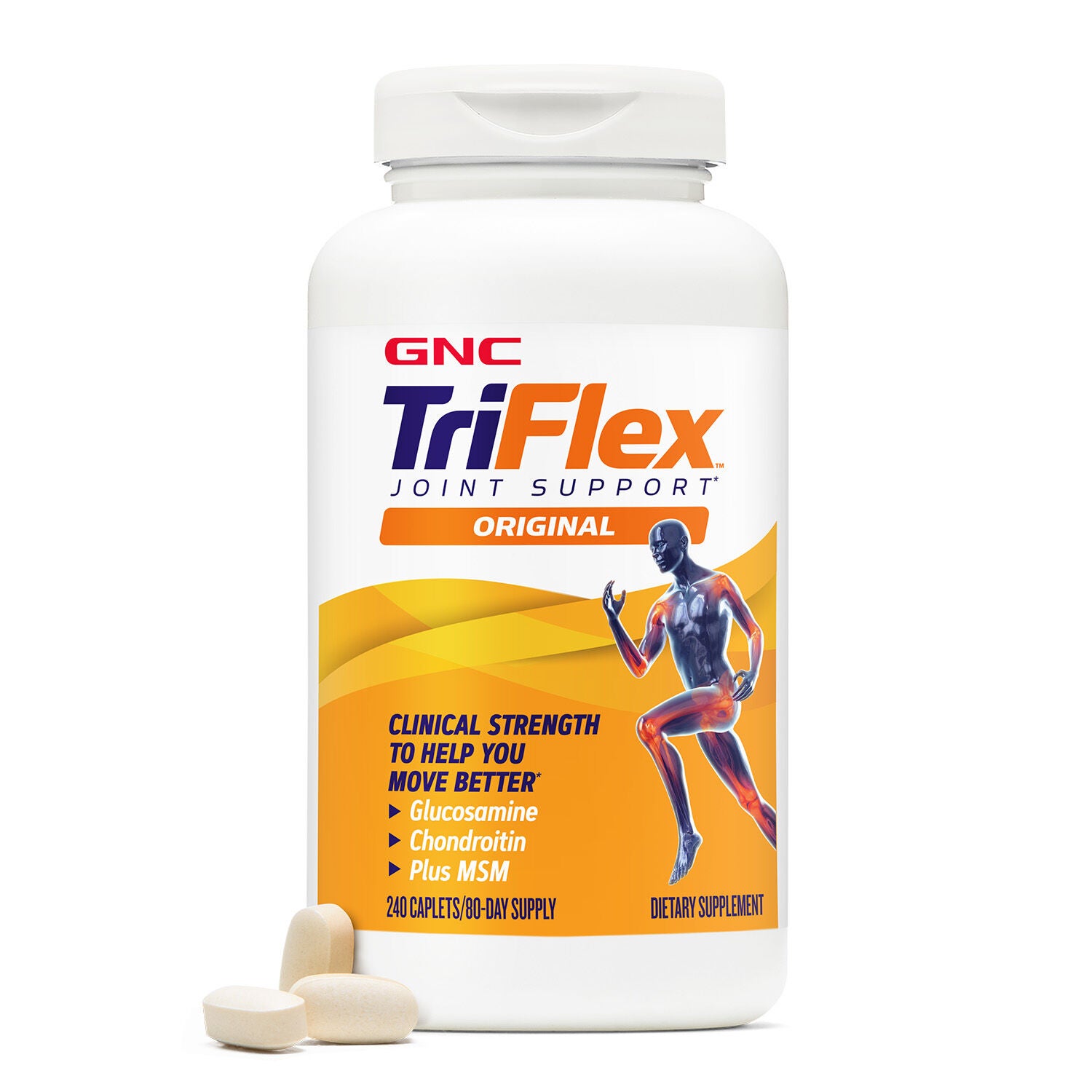
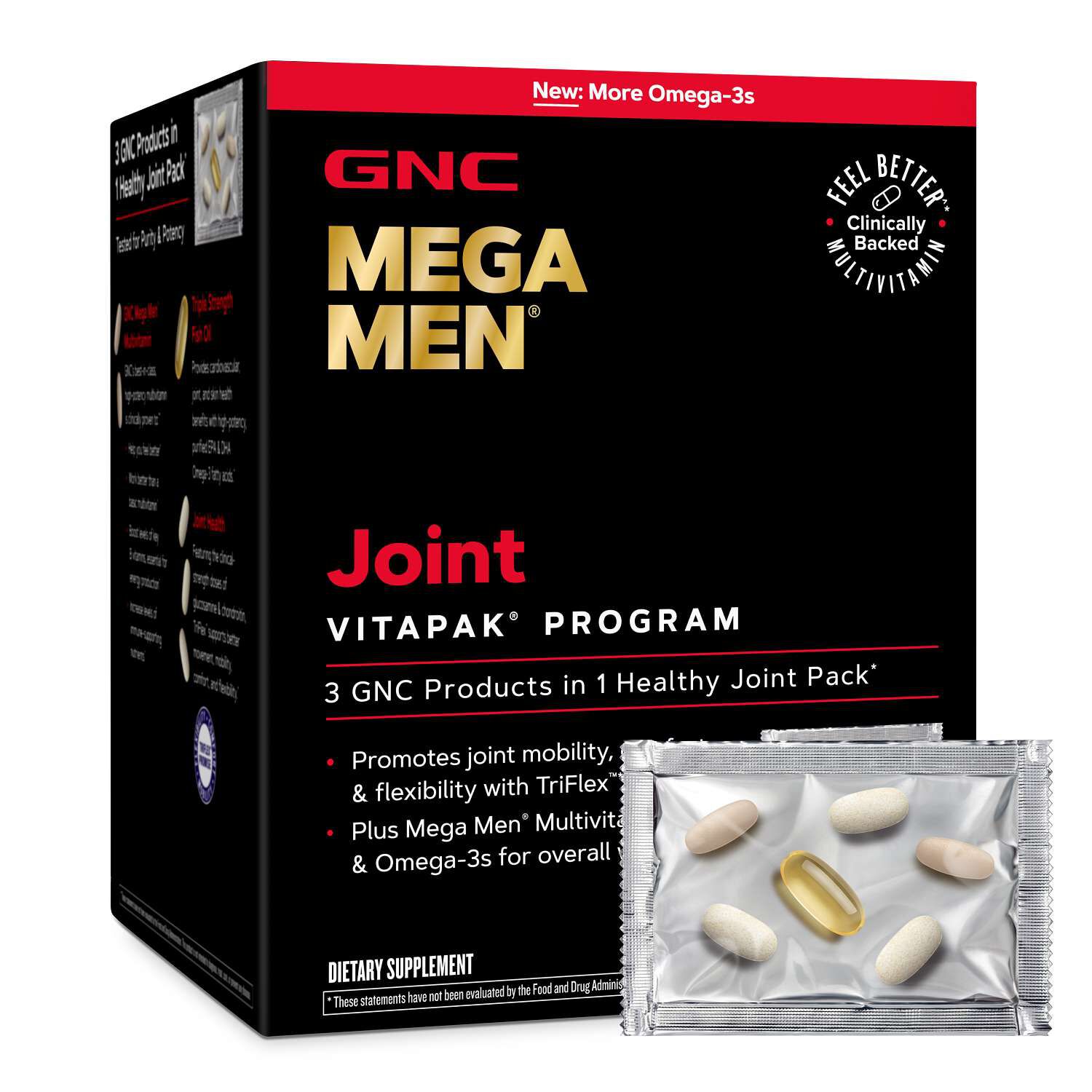
Combination formulas bring another set of distinctions to this category. Glucosamine and chondroitin are frequently paired, and some formulas provide around 1,500 milligrams of glucosamine alongside approximately 1,200 milligrams of chondroitin per daily serving. These amounts are not universal, and each ingredient has its own entry on the Supplement Facts panel. Chondroitin is another compound naturally present in cartilage. MSM, short for methylsulfonylmethane, is a sulfur-containing compound that also appears in many combination formulas. Other blends include vitamin C or additional vitamins and minerals. The presence of these ingredients changes the composition of the formula, but a longer ingredient list does not automatically make one option a better match for every shopper. A glucosamine-focused formula offers a different ingredient profile from a blend containing glucosamine, chondroitin, MSM, and added nutrients. Shoppers interested in these combinations can also explore Glucosamine Complex for related formulations. When comparing blends, the distinction between an individual ingredient amount and the weight of a combined blend is especially useful. A number associated with several ingredients should not be read as the amount of glucosamine alone. Similarly, two formulas with matching glucosamine amounts may have different quantities of their companion ingredients. For someone who already uses a multivitamin, added vitamins and minerals are another point of comparison across the labels in an existing routine. Ingredient amounts are only one part of the picture: tablets, capsules, coatings, and serving counts can differ even when the featured ingredients sound similar. A straightforward ingredient panel may appeal to someone who prefers a narrowly focused supplement, while a combination format may appeal to someone seeking several named ingredients in one formula. The most meaningful comparison considers what is included, how much is listed per serving, and how that serving is presented, rather than relying on the number of ingredients featured on the front of the bottle.
Ingredient sourcing and everyday practicality also distinguish high potency glucosamine supplements. Some glucosamine is derived from shellfish, while other sources involve fermentation. The words sulfate and hydrochloride do not establish whether a formula meets a particular dietary preference; sourcing statements and allergen information provide separate details. Capsule shells may contain gelatin or plant-derived materials, and tablets may include binders and coatings that affect their composition and surface texture. A plant-derived capsule shell alone does not establish the origin of every ingredient inside it. For shoppers with dietary restrictions, the ingredient list, source information, and explicit dietary statements work together to describe the formula more fully. Format matters in ordinary routines, too. An adult packing a supplement organizer for travel may value clearly stated serving directions and a manageable number of capsules, while someone who prefers bottles kept in their original packaging may pay closer attention to the cap and label readability. Tablet dimensions are not determined by potency alone, and capsules containing similar ingredient amounts can differ in size. Product images sometimes provide useful visual context, though actual dimensions are more informative when provided. Storage directions and date markings round out the practical details. Labels commonly specify a dry storage location away from excessive heat and moisture, making a cabinet away from a steamy shower a more suitable setting than a damp bathroom shelf. The original container also preserves access to ingredient information, serving directions, and handling instructions. A daily organizer may be convenient, but it does not replace those reference details. Whether the shopper enjoys long neighborhood walks, regular gym visits, gardening, or an otherwise active schedule, the selection considerations remain grounded in the formula itself rather than the activity pictured on a label. Ingredient source, labeled strength, serving format, companion ingredients, and storage requirements provide a clear basis for choosing a high potency glucosamine supplement that fits an established wellness routine.