





HMB Supplement
(0 Results)
Looking to support muscle health and performance? An HMB supplement might be just what you need. HMB, or beta-hydroxy beta-methylbutyrate, is a compound that could help play a role in muscle preservation and recovery. Whether you're an athlete aiming to optimize your training or someone seeking to maintain muscle mass as you age, incorporating an HMB supplement into your routine may offer valuable benefits. Explore our selection of HMB supplements designed to support your fitness goals and overall well-being.
-
-
 42$49.99
-
-
-
 Raw Nutrition$39.99
-

-
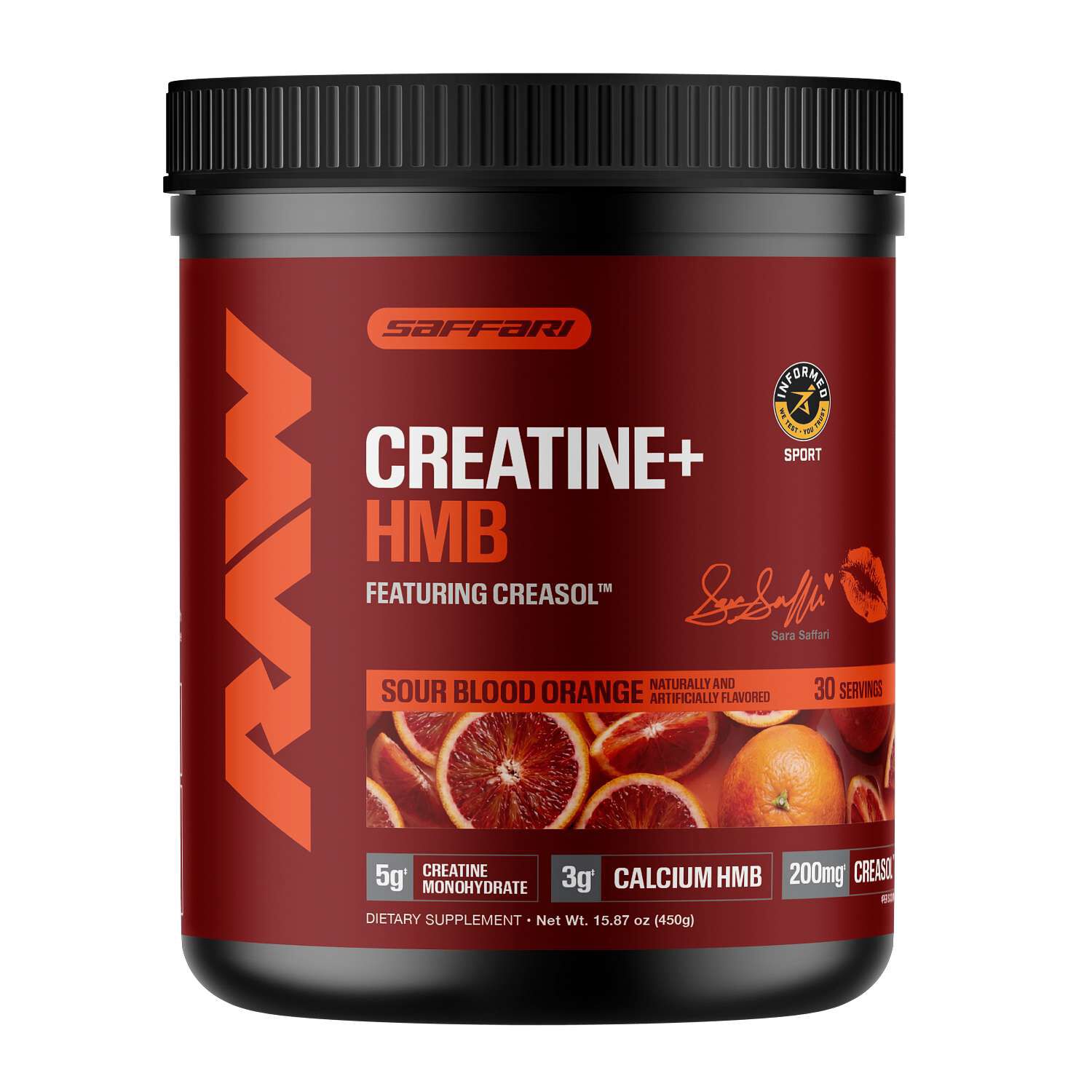
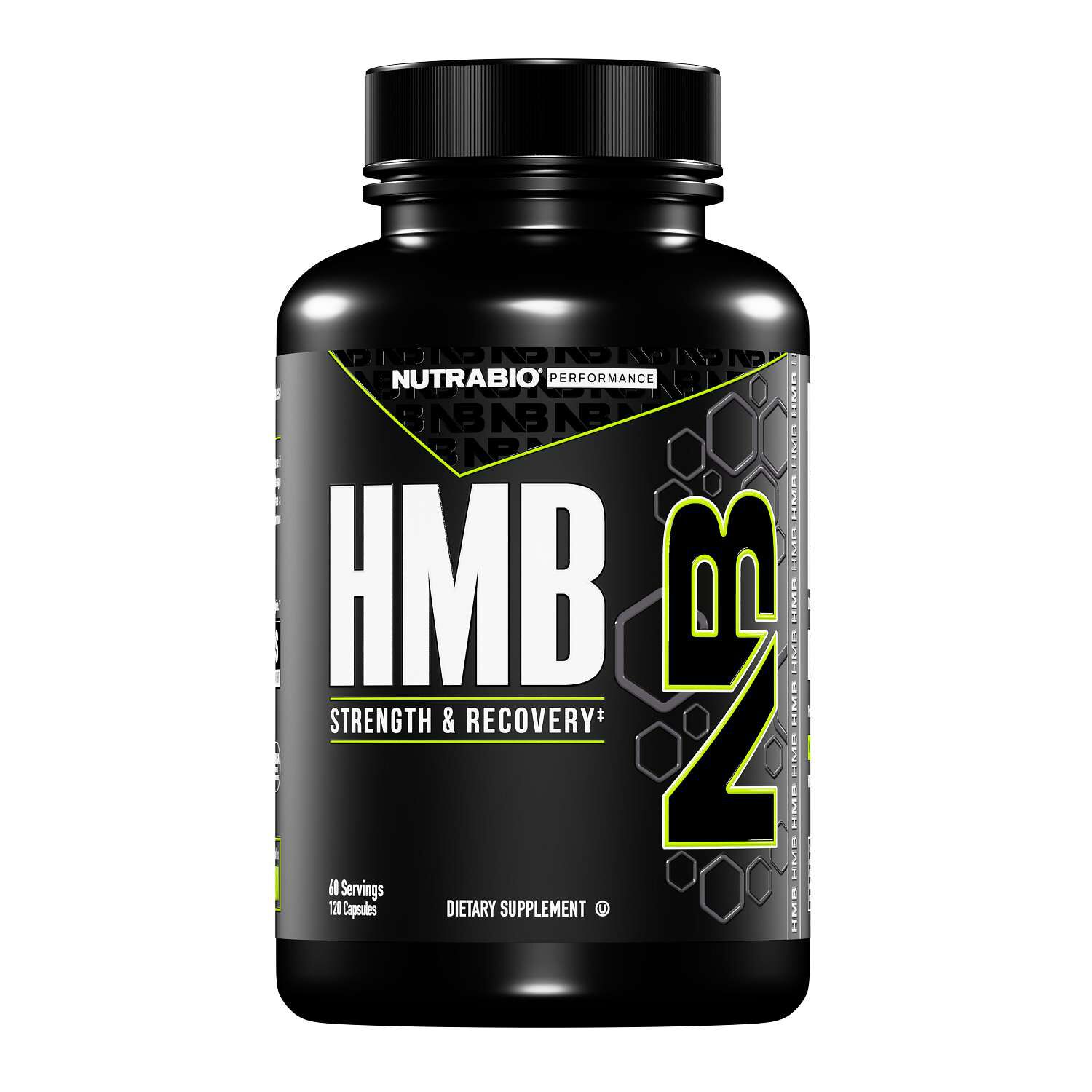
An HMB supplement provides beta-hydroxy-beta-methylbutyrate, a compound the body produces when it processes leucine, an amino acid found in dietary protein. Leucine and HMB are related, but they are not interchangeable ingredients: leucine is one of the amino acids used to build proteins, while HMB is a substance formed through leucine metabolism. In sports nutrition, HMB is studied for its potential role in muscle maintenance and recovery alongside exercise. HMB supplements may support muscle retention and recovery as part of a routine that includes resistance training, adequate nutrition, and rest. That makes the category relevant to adults beginning a strength-training program, recreational lifters adjusting their workouts, and active adults interested in maintaining muscle as they age. Individual results can vary with training experience, eating habits, and consistency, so a supplement is not a substitute for the work done in the gym or the meals eaten afterward. Picture a routine built around squats, rows, and presses, with planned recovery days and protein-containing meals: HMB is an optional addition to that foundation, rather than the foundation itself. Unlike protein powder, an HMB supplement does not provide a broad collection of amino acids or a substantial serving of dietary protein. Unlike a pre-workout blend, a standalone HMB formula is not defined by caffeine or a stimulating sensation. These distinctions matter when comparing products that share muscle-focused language on their labels but serve different purposes. HMB is also different from creatine, even though both appear in strength-training nutrition categories. Understanding the ingredient itself makes it easier to distinguish a focused HMB formula from a broader workout supplement and to compare options according to their actual contents rather than the size of the container or the imagery on the label.
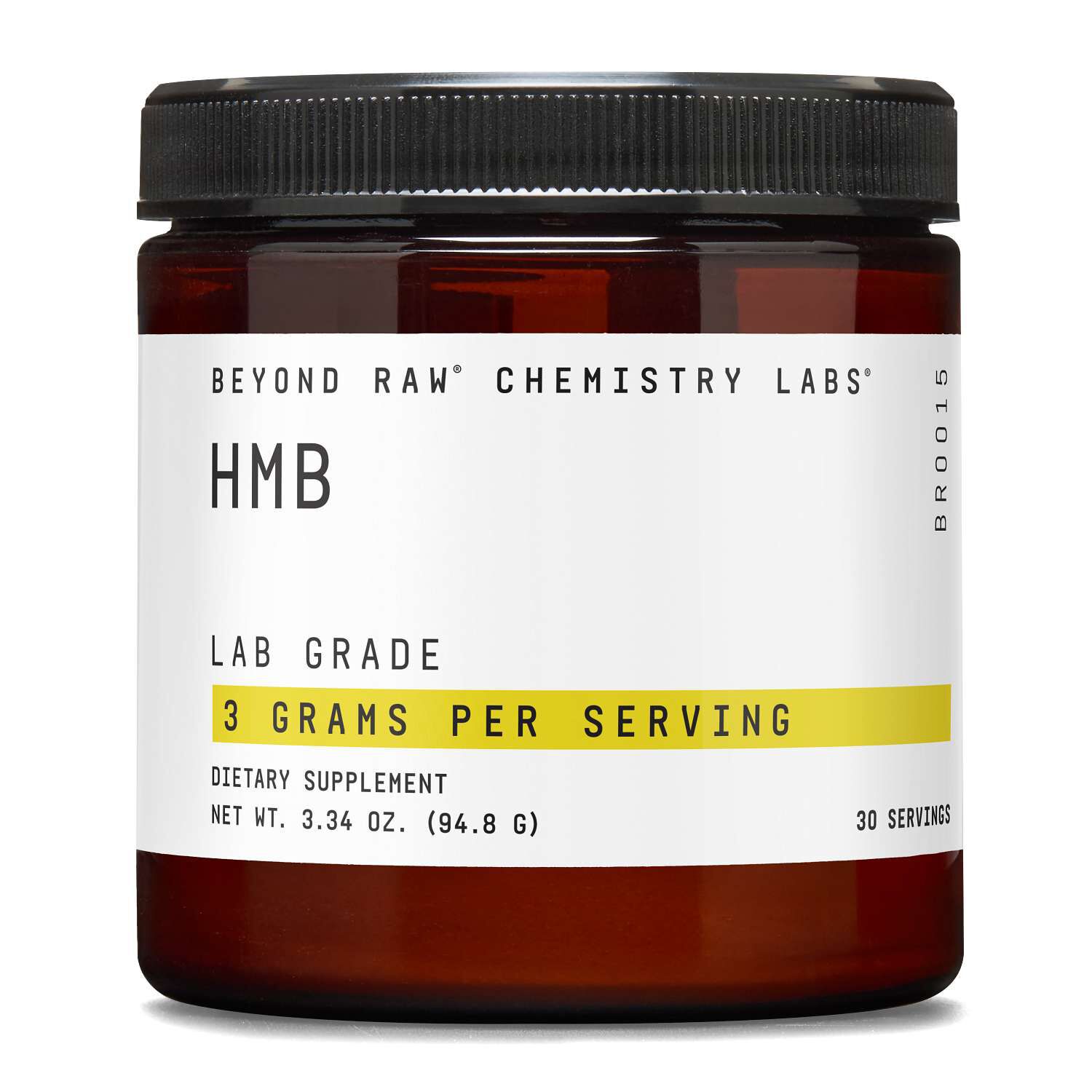
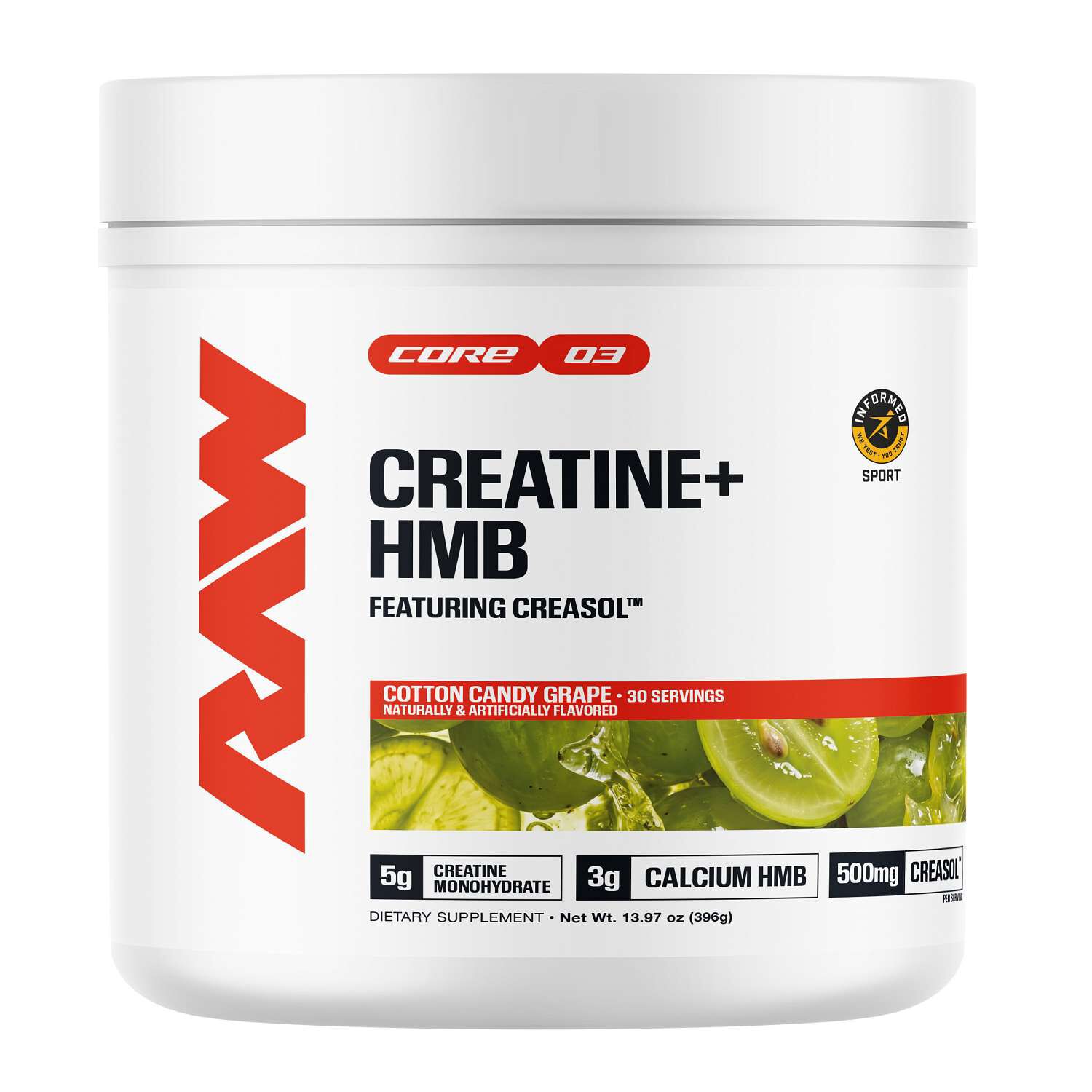
HMB supplements come in formats such as capsules, tablets, and powders, with practical differences that can matter as much as the ingredient name. Capsules and tablets provide measured portions without the need to mix a drink, although a labeled serving may include several capsules or tablets rather than just one. Powder involves measuring and mixing but may suit someone who already prepares a daily shake. A person packing a small gym bag may prefer a compact bottle, while someone with an established kitchen-counter routine may prefer a powder container beside a shaker. For either format, the Supplement Facts panel is the best place to identify the amount of HMB per serving, the serving size, and the number of servings in the package. A large number on the front label is less informative without that context. Units also matter: 1 gram equals 1,000 milligrams, so converting both labels to the same unit makes a comparison more straightforward. Research on HMB in adult exercise settings commonly uses 3 grams daily, but a study amount does not establish the appropriate serving for every shopper; the individual product’s directions remain important. Ingredient form deserves attention, too. Calcium HMB, often written as HMB-Ca, is HMB bound to calcium, and labels may distinguish between the amount of that compound and the amount of HMB it supplies. Comparing the same stated ingredient quantity helps avoid treating unlike numbers as equivalent. Beyond the main ingredient, capsule shells, coatings, flavorings, sweeteners, and other ingredients can affect whether a formula fits personal preferences. Someone who follows a vegetarian eating pattern may want to check the capsule material, while someone adding powder to a flavored shake may prefer a formula without added flavoring. Do not assume that every HMB powder tastes neutral or behaves identically in liquid; texture and mixing directions differ by formulation. For competitive athletes, a clearly identified third-party sports certification may also be a meaningful selection criterion. Read the scope of any testing statement rather than treating every quality emblem as the same credential.
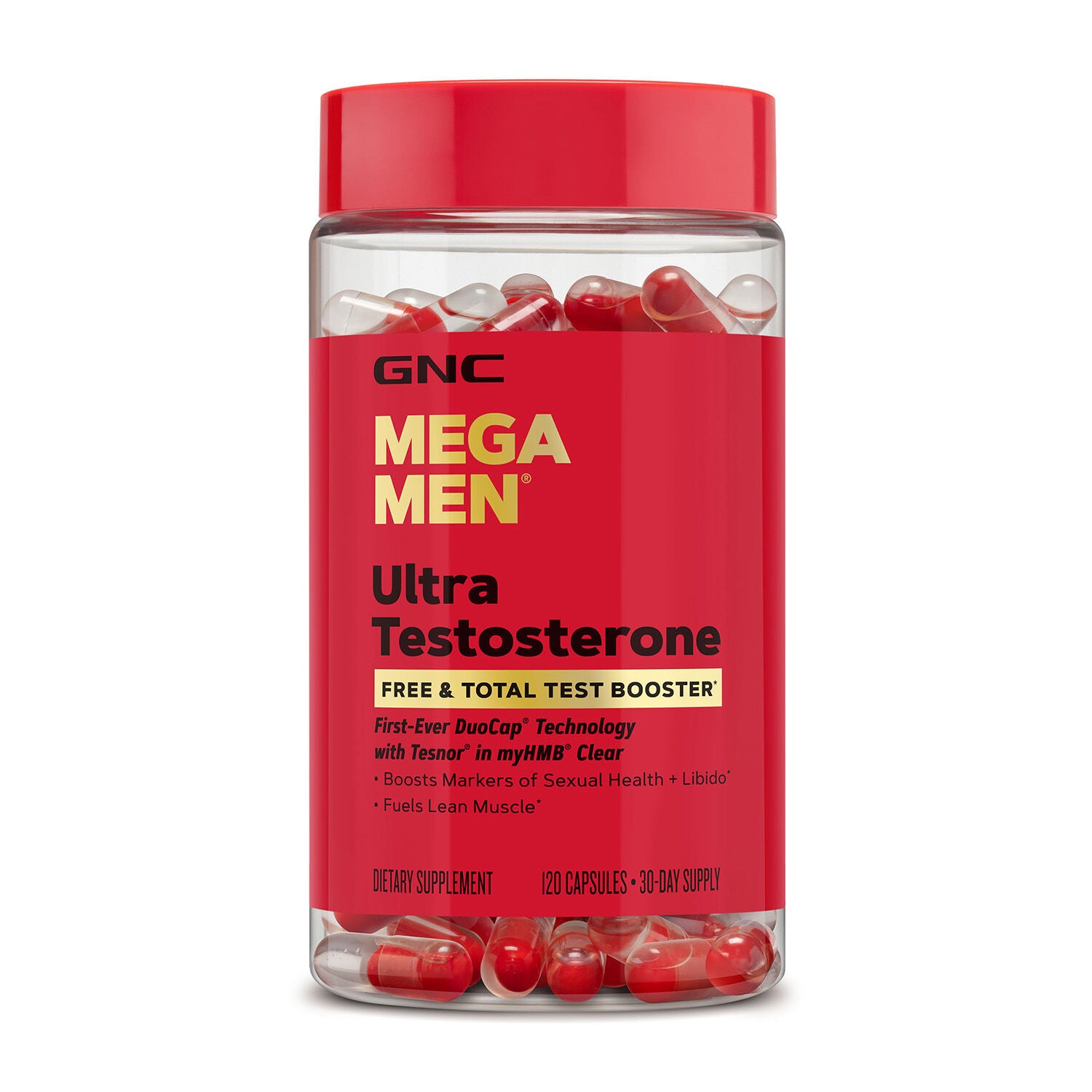
The most practical HMB supplement is one whose format and directions fit an established routine without unnecessary complexity. Consider the difference between an early gym session followed by a commute and an evening workout followed by dinner at home. Those schedules create different preferences for portability, preparation, and storage, even when the shopper’s training interests are similar. Follow the package directions for serving size, preparation, and timing rather than assuming that every HMB product belongs immediately before or after a workout. If several supplements are part of the same routine, compare their ingredient panels for overlap; an HMB-containing blend and a standalone HMB product can contain the same ingredient despite very different packaging. A simple formula makes its ingredient list easier to review, while a multi-ingredient formula calls for a closer look at each component and its stated amount. More ingredients do not, by themselves, establish a better match for a particular training goal. Shoppers exploring adjacent workout nutrition categories can also browse Best Supplement Muscle Hunter while keeping the distinctions among HMB, protein, and other supplement types in view. Once a product becomes part of the daily setup, ordinary handling matters. Keep it in its original, tightly closed container, follow the storage instructions, and check the expiration date. Use a clean, dry measuring utensil for powders, and avoid leaving an open container beside a wet sink or inside a damp gym bag. Retaining the original label also keeps serving directions, ingredient information, and lot details accessible. For travel, a securely closed package with a readable label is more practical than an unidentified scoop of powder in a loose bag. Packaging condition matters as well; the seal and closure should be intact before use. Ultimately, comparing HMB supplements comes down to a few tangible details: what form of HMB is included, how much a labeled serving provides, which other ingredients are present, and how comfortably the format fits everyday habits. Those details offer a clearer basis for selection than dramatic workout imagery or expectations of rapid physical change.



.jpg?sw=305&sh=305&sm=fit "Creatine HMB Supplements | GNC")