





Hyaluronic Acid Powders
(0 Results)
Hyaluronic acid powders offer a versatile way to support your daily wellness routine. With a reputation for being easy to mix into beverages or recipes, these powders could be a convenient addition to your supplement lineup. Whether you are looking to explore new options for your regimen or simply want a flexible format, hyaluronic acid powders may fit seamlessly into your lifestyle. Discover the variety of choices available and find the option that aligns with your preferences.
-
-
-
-

-
 44$44.99
-
-


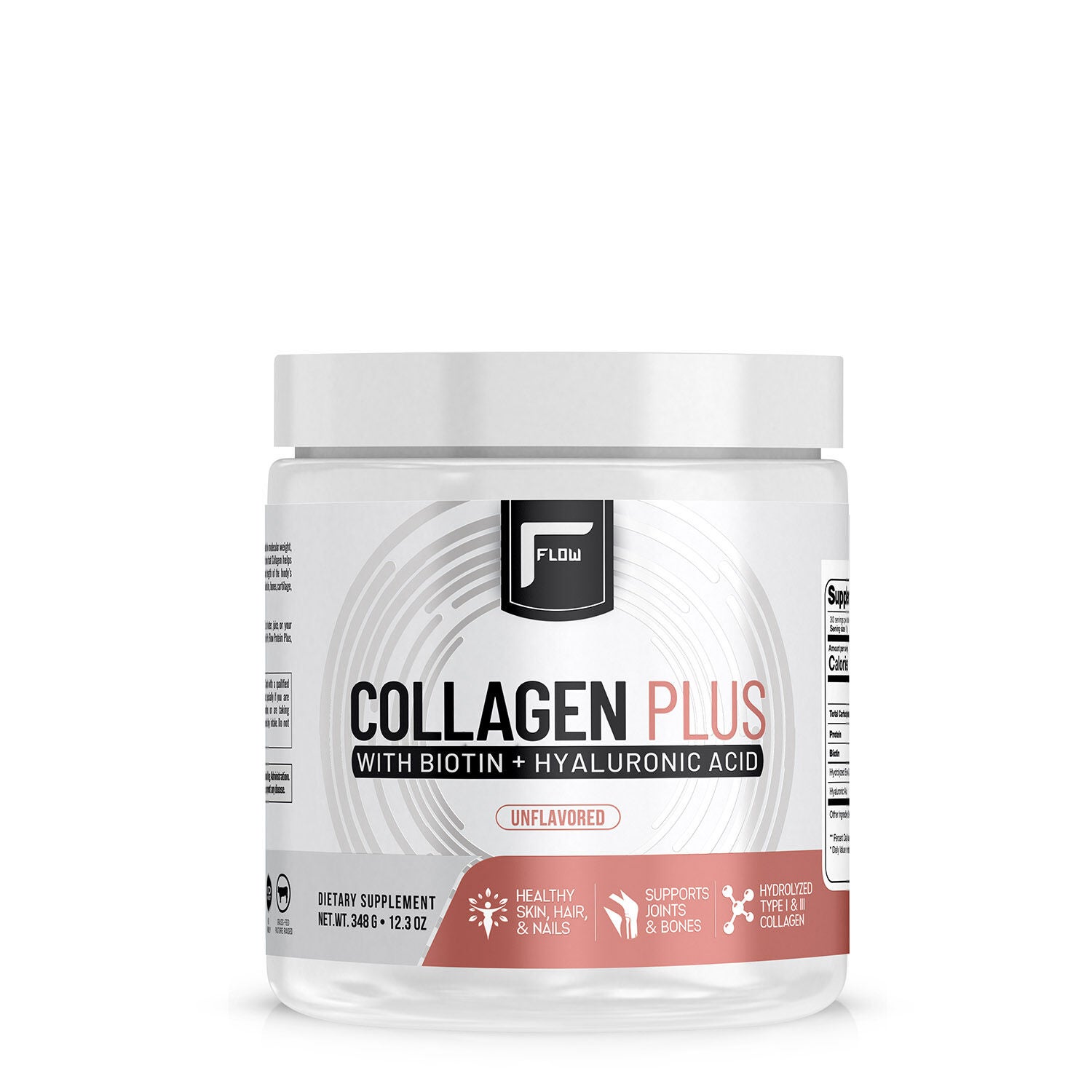
Hyaluronic acid powders are powdered ingredients or dietary supplement formulas containing hyaluronic acid, a naturally occurring carbohydrate found in the body, including the skin and connective tissue. The ingredient is associated with moisture because of its ability to bind water, and oral supplement formulas may support skin hydration. On ingredient lists, hyaluronic acid may appear as sodium hyaluronate, the sodium salt form of the same substance. That naming difference is useful context when comparing labels, but the ingredient name alone does not establish how a powder is intended to be used. This category can include oral dietary supplements, raw materials for cosmetic formulation, and powders intended for external applications. Those uses are distinct: a cosmetic ingredient is not interchangeable with an oral supplement, and a supplement powder is not automatically suitable for making a facial serum. Packaging and labeling provide the clearest distinction, including whether a formula carries a Supplement Facts panel or identifies a cosmetic purpose. Even descriptions such as “pure” or “food grade” do not, by themselves, explain the intended route of use or preparation requirements. For shoppers interested in a beauty-focused supplement routine, the relevant details include the amount of hyaluronic acid per serving, the other ingredients, and the preparation directions. For shoppers considering cosmetic materials, formulation requirements and the finished application matter more than beverage compatibility or supplement serving size. Molecular weight may also appear in product descriptions, typically as a measurement expressed in daltons. That information describes the size of the ingredient’s molecules; it is not the same as the amount in a serving. A prominently displayed number therefore needs context rather than serving as a simple ranking of quality. These distinctions make hyaluronic acid powder a category defined as much by intended use and formulation as by the ingredient itself, with different formats suited to different routines.
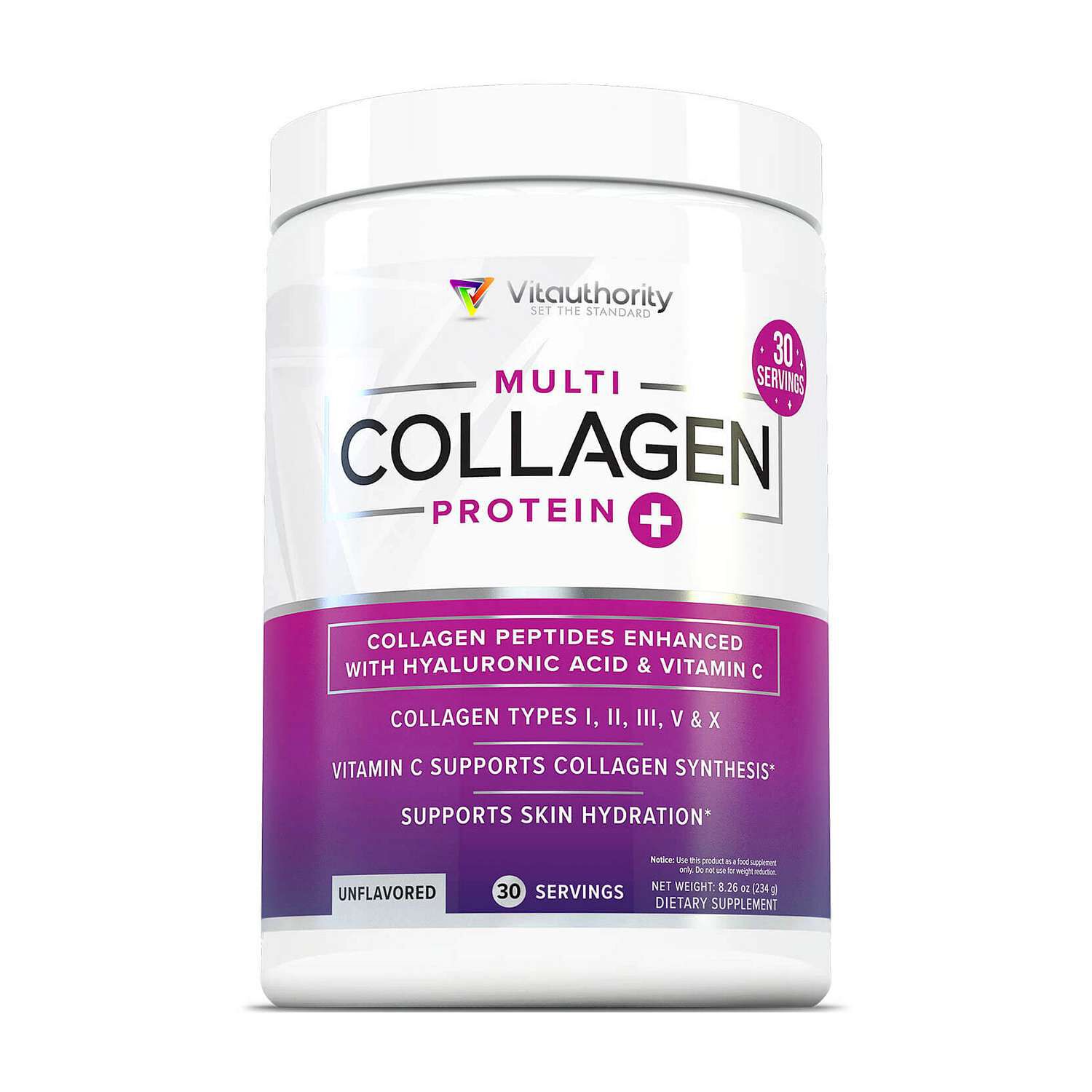
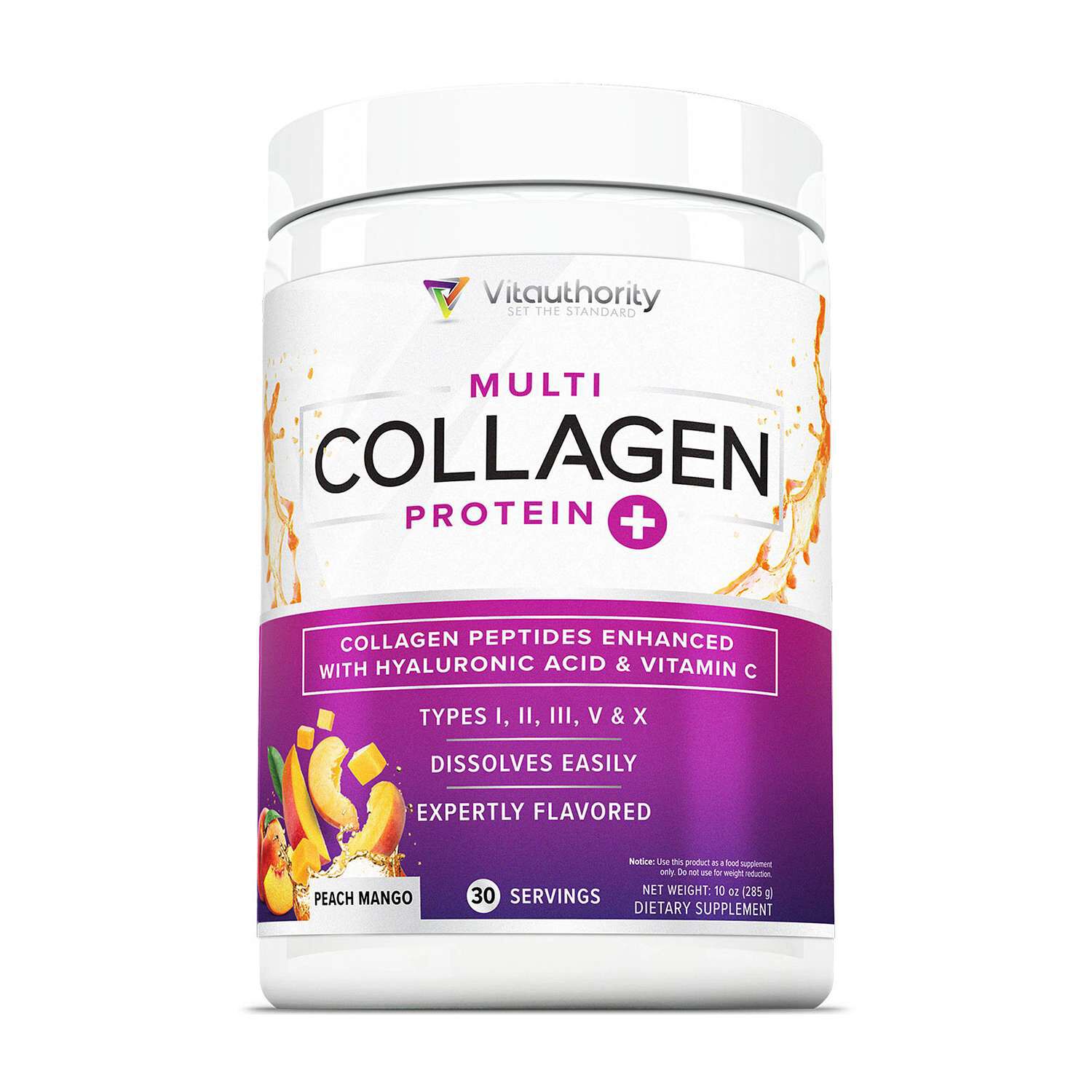
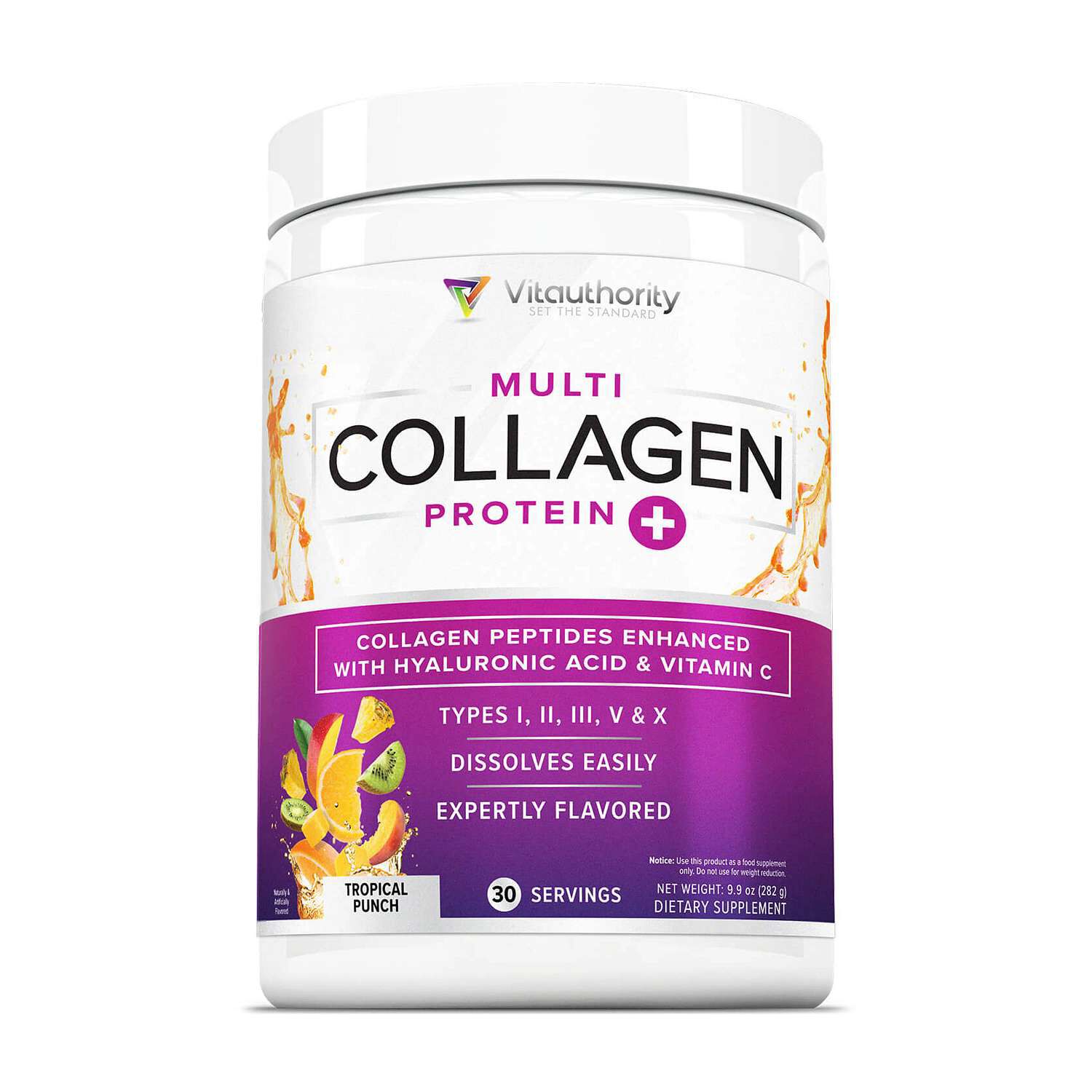
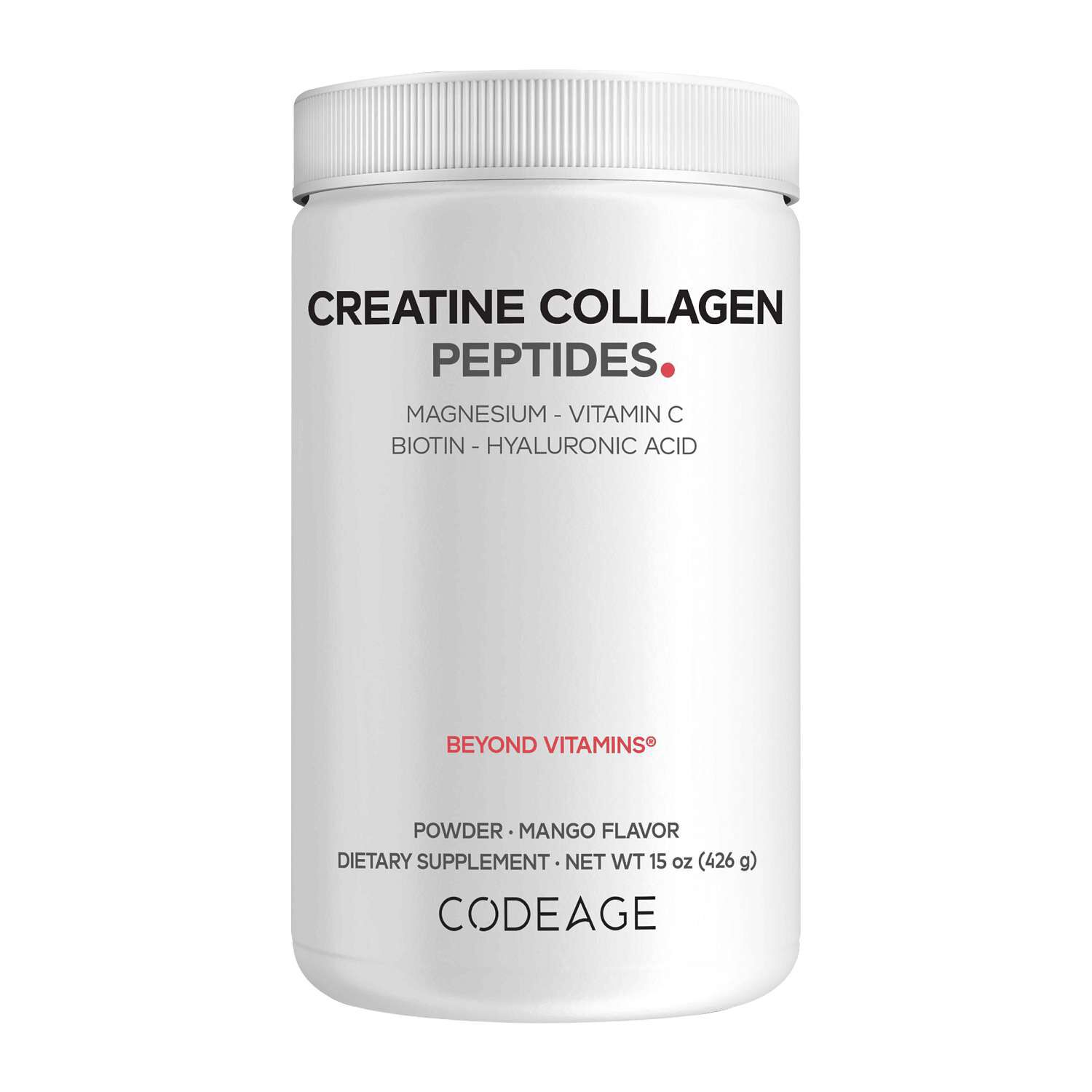
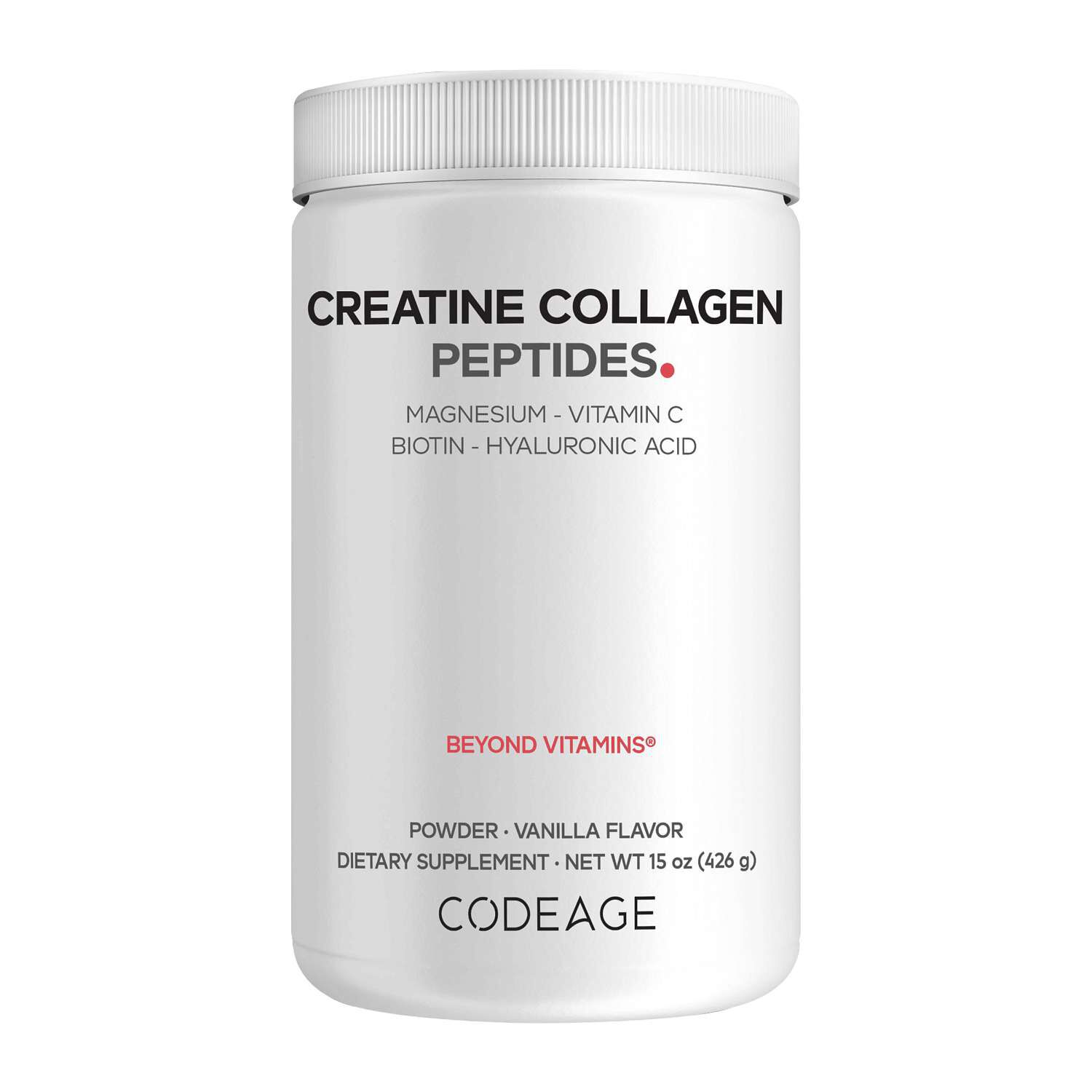
For oral supplements, the appeal of powder often comes down to how the format could fit into an established daily habit. Someone who already prepares a morning beverage may prefer a measured powder, while someone who rarely mixes drinks may find another format more practical. Single-ingredient formulas and blends offer different ingredient profiles. A blend may pair hyaluronic acid with collagen peptides, vitamin C, flavorings, sweeteners, or other components, so the powder’s serving weight is not necessarily the amount of hyaluronic acid it contains. The Supplement Facts panel separates those details, while the ingredient list identifies additional components that may matter to personal preferences. An unflavored description does not necessarily mean a powder has no noticeable taste, and a flavored formula may have a distinct sweetness or finish. Texture is another consideration: powders may differ in fineness, dispersibility, and the amount of stirring their labeled preparation requires. A clear glass of water and a thick smoothie are different mixing environments, so directions for one preparation should not be assumed to apply to every beverage. The included measuring tool, when provided, belongs with that formula’s serving instructions rather than serving as a universal measure for other powders. A small scoop can look similar across containers even when the intended amounts differ. Dietary preferences also warrant attention to the full formula rather than the featured ingredient alone. Hyaluronic acid may be produced through fermentation or obtained from animal-derived sources, and a blend’s other ingredients can introduce additional source considerations. A vegan designation, an allergen statement, and details about ingredient sourcing each address a different part of that picture. For an adult comparing powders for a personal routine, the most relevant combination is often a clearly identified purpose, understandable serving information, an acceptable flavor profile, and preparation that fits comfortably into an ordinary day. Those practical details may matter more to everyday use than elaborate wording on the front of a container.
Packaging and care are especially relevant for a powdered ingredient that will be opened repeatedly. Container size, closure design, and access for the measuring utensil all shape the handling experience, whether the powder sits beside breakfast supplies or in a dedicated supplement cabinet. A secure lid and a clean, dry measuring utensil may help limit unwanted moisture entering the package. Storage directions and the printed date remain specific to the formula, and the original container keeps preparation information, ingredient details, and identifying information together. A larger package is not automatically the more suitable choice when the labeled serving count extends beyond a person’s usual routine. Individual portions, where part of the format, may be more convenient for packing, while a resealable container may suit someone who prepares servings in the same place each day. Cosmetic powders bring a different set of handling considerations. Raw hyaluronic acid is an ingredient, not necessarily a finished skincare formula, and adding water does not by itself establish a preparation’s preservation, consistency, or suitability for skin application. A finished topical formula and a raw formulation material therefore serve different purposes, even when both feature the same ingredient name. For shoppers whose interest is specifically oral supplementation, a capsule format may be worth comparing with powder when measuring and mixing are not a good match for their preferences. Hyaluronic Acid Capsules For Adults provides a related format to consider alongside powdered supplements, with ingredient amounts and serving directions still central to the comparison. Powder may suit adults who value a flexible preparation format; capsules may suit those who prefer a format that does not require mixing. Neither format alone establishes ingredient quality or suitability. A well-matched choice reflects the intended use, the full ingredient list, the labeled serving, and the amount of preparation that feels realistic for a consistent personal routine.
Best Sellers
-
 Ancient Nutrition
-
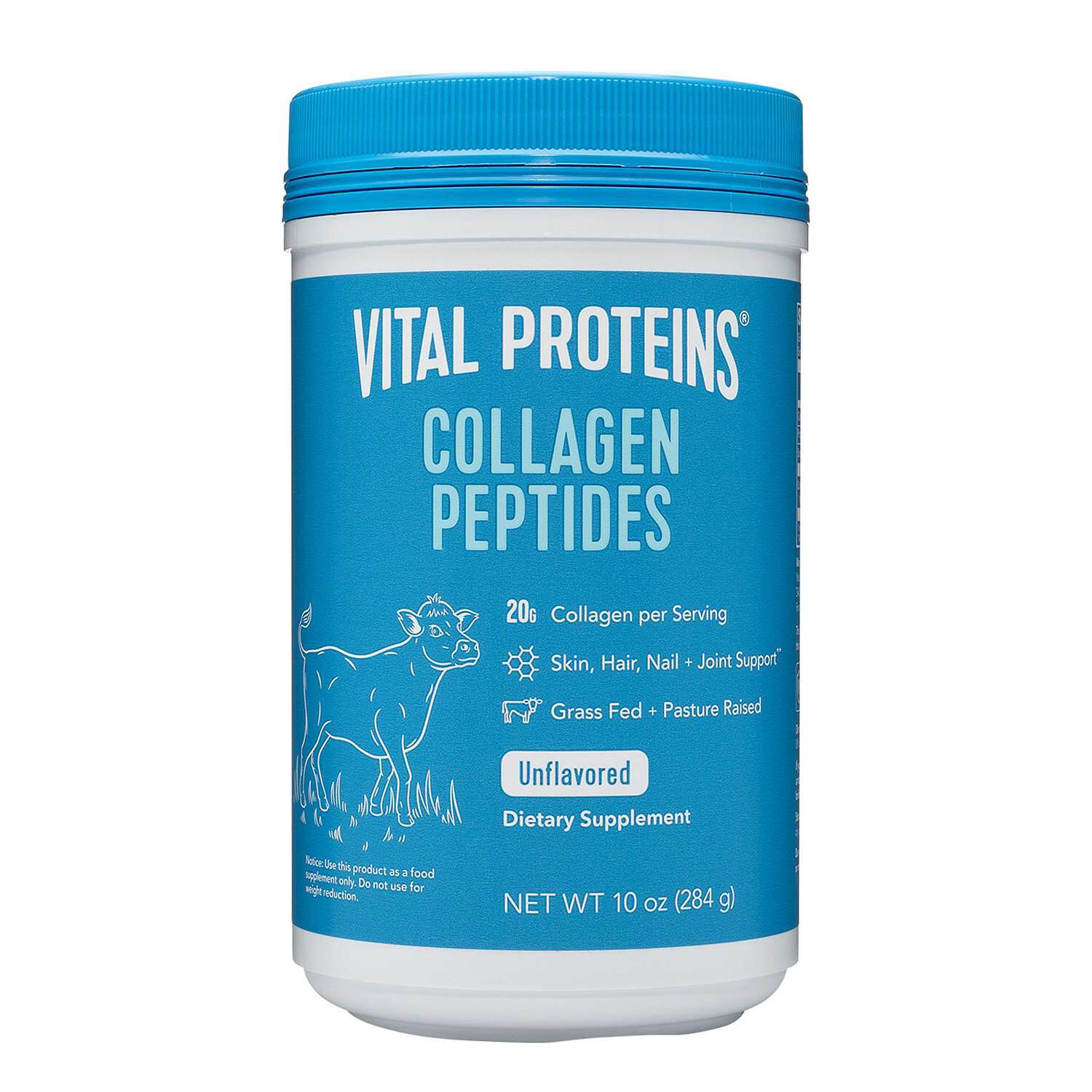 Vital Proteins
Related Pages

Top Collections
- Joint Mobility Supplement Packs
- Zinc Supplements | Top Brands at Great Prices | GNC
- Supplements For Yoga Joint Flexibility
- Supplements For Balance
- Capsule Supplements For Energy And Stamina
- Daily Collagen Supplements | Top Brands & Deals | GNC
- Adult Mobility Supplements
- GLP 1 Support For Adults
- Vitamins For Hair Loss
- Gut Lining Protection Supplements