





Hydration For Muscle Recovery
(0 Results)
Explore hydration for muscle recovery with hydration and electrolyte supplements for your post-workout routine. Compare ingredient lists, electrolyte content, and serving sizes to find an option that fits your training and hydration needs.
-

-

-

-

-

-
-

-

-

-

-
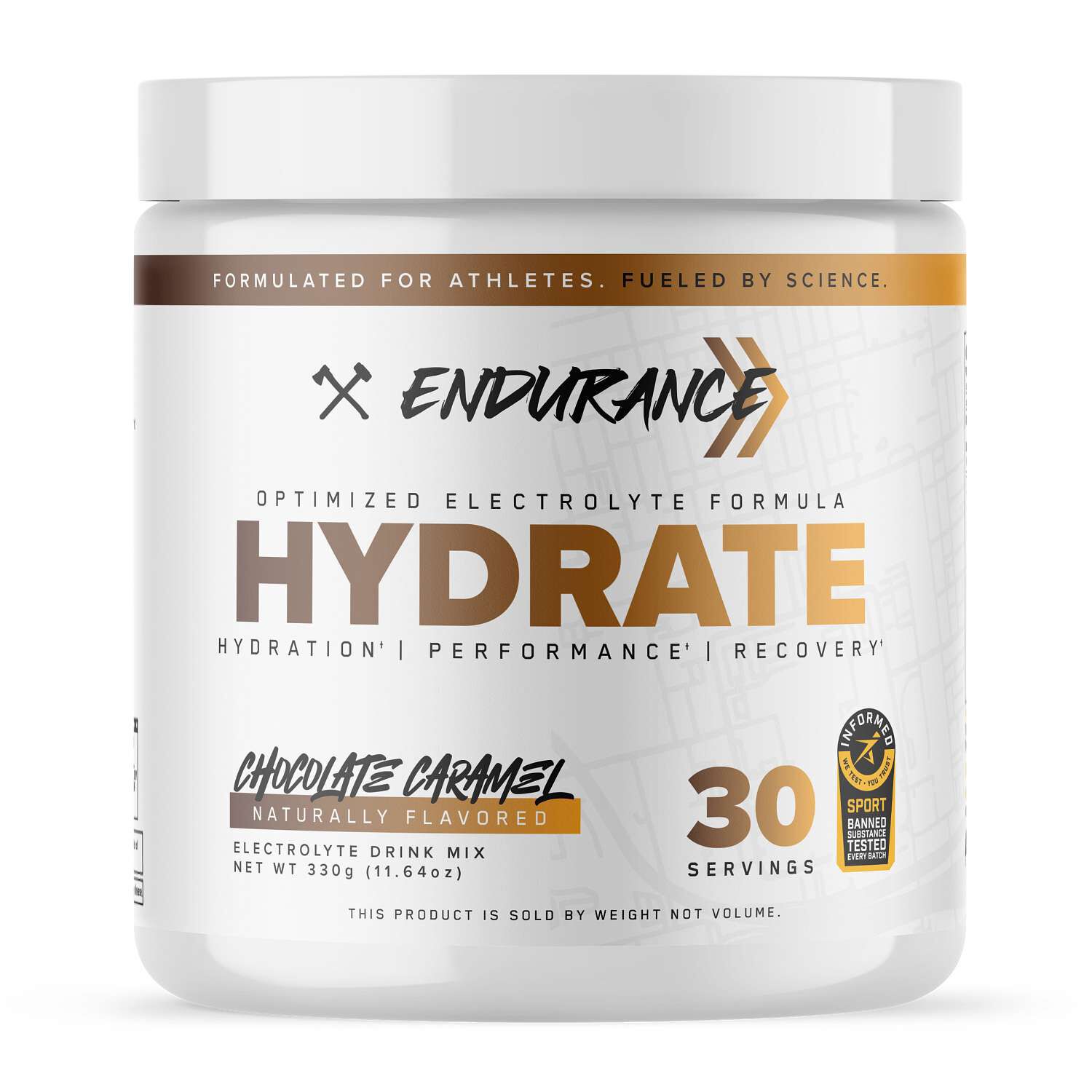 Axe & Sledge Supplements$29.99
-
 $24.99
-

-
-
-
-

-

-

-

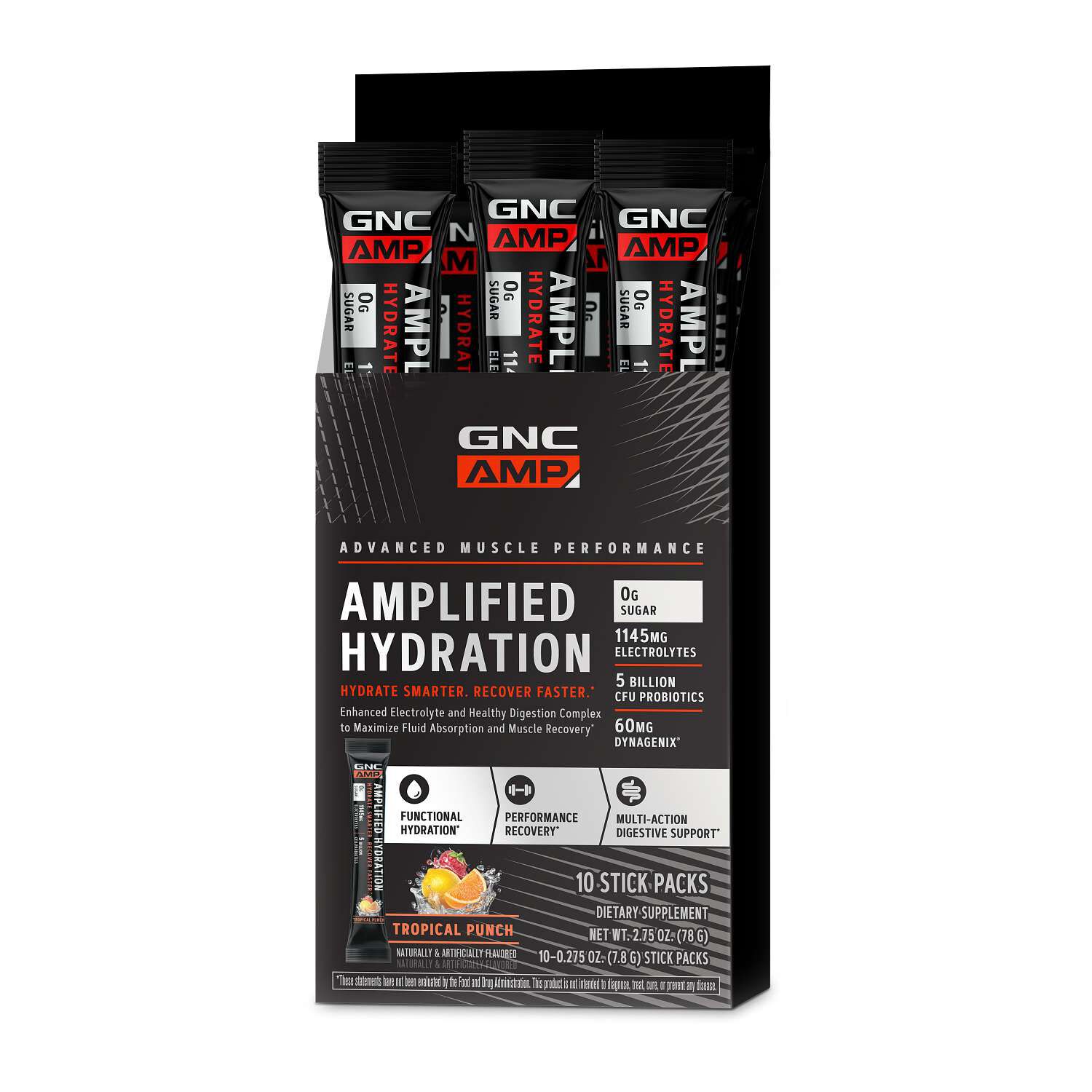
Hydration for muscle recovery centers on replacing fluid lost during exercise and choosing drinks that fit a post-workout routine. Water makes up a substantial portion of muscle tissue, and sweating carries away both water and electrolytes. Hydration supplements may support fluid replacement after activity, while food, rest, and an appropriate training schedule remain other parts of the recovery picture. This category includes electrolyte powders, drink mixes, dissolvable tablets, and prepared beverages, with differences in mineral content, carbohydrate content, flavor, and serving format. Sodium and potassium are common ingredients, and some formulas also contain magnesium or calcium. Those differences matter when comparing a drink for a short strength session with one intended for an extended workout or a demanding practice. Someone finishing a few sets before work may value a small packet that slips into a gym bag, while a recreational athlete heading home after a long practice may prefer a beverage that requires no mixing. Neither format needs to make the routine complicated. The useful comparison is between the product label and the way the drink will actually be prepared, carried, and consumed. A powder mixed into a large bottle can create a different drinking experience from the same serving prepared with less water, so the suggested mixing volume deserves attention alongside the ingredient list. Hydration products may complement a recovery routine, but they are not interchangeable with protein foods or a varied meal. A drink chosen for its electrolytes has a different purpose from a snack chosen for its protein content. Keeping those roles distinct makes the category easier to browse without expecting one beverage to cover every aspect of post-exercise nutrition. For gym regulars, runners, cyclists, court-sport players, and people returning to recreational exercise, the most relevant choice often comes down to the demands of the activity and the practical details of daily use.
Comparing hydration products starts with reading the serving size and the amount of each electrolyte per serving rather than judging the front of the package alone. Two similarly sized containers can hold very different numbers of servings, and two citrus-flavored mixes can have different mineral and carbohydrate profiles. Sodium content is one point of comparison, particularly for shoppers whose workouts involve substantial sweating, but no single formula suits every person or every session. A longer training day and a brief visit to the weight room create different contexts for a purchase. Carbohydrates are another distinction: some hydration mixes contain sugar, while others use alternative sweeteners or have an unsweetened profile. A carbohydrate-containing beverage may provide fuel alongside fluid, which could be relevant around prolonged activity. A shopper planning to eat soon after a shorter workout may prefer a different composition. The label offers a clearer basis for that choice than broad language about performance or recovery. Flavor also matters in an everyday routine. Tart fruit flavors, softer citrus notes, and lighter-tasting blends offer different experiences, especially when a bottle is consumed gradually rather than in a few sips. Sweetener type, flavor intensity, and the suggested water volume are worth considering together. Texture is another practical detail: some powders dissolve readily with shaking, while others call for more mixing time. Directions on the package describe the intended preparation method. For dietary preferences, the ingredient list and allergen statement are useful places to check, including any ingredients that do not fit an established eating pattern. Some blends contain additional vitamins or amino acids; those additions are worth evaluating separately rather than assuming that a longer ingredient list makes a hydration product a better match. Shoppers comparing formats for training and competition can also explore Hydration Supplements For Athletes while keeping the same focus on serving information, intended use, and preparation.
The practical side of hydration for muscle recovery extends beyond the formula to the container, mixing setup, and care routine. Individual packets are compact and premeasured, making them a convenient format for a locker, desk drawer, or travel bag. Resealable pouches and canisters offer another approach for someone who usually prepares a drink at home, although they require attention to the scoop size and the package closure. Prepared beverages remove the mixing step but take up more room when packed for the day. For powders and tablets, storage directions matter: tightly closing the package and using a dry scoop are sensible care practices when specified on the label. Reusable bottles bring their own considerations, including material, capacity, opening width, and how easily the lid comes apart for cleaning. Stainless steel and plastic have different weights and handling characteristics, and a secure closure is worth considering before a bottle goes beside clothing or electronics. Durability depends on construction and care, not simply on how substantial a bottle looks. A wide opening may make adding powder and washing the interior more convenient, while a narrower opening may suit someone who prefers drinking directly from the bottle between activities. Dishwasher suitability varies, so the manufacturer’s care directions should determine the cleaning method. Washing the bottle and lid after use, then letting the parts dry, keeps the next preparation straightforward. These details are especially relevant when a workout sits between other commitments: a morning lifting session followed by a commute, a lunchtime walk followed by an afternoon at a desk, or an evening team practice before dinner. A hydration format that fits those transitions may be easier to incorporate consistently. As a practical gift for an active friend or family member, a reusable bottle can be paired with a hydration format that matches their known flavor and dietary preferences. Across those uses, a thoughtful choice balances ingredients, serving size, preparation, portability, and care rather than relying on an ambitious label claim.
- Q: What ingredients are commonly found in hydration products for muscle recovery routines?
A: Common ingredients include electrolytes such as sodium, potassium, magnesium, and chloride. Some formulas also contain carbohydrates, flavorings, or sweeteners, so ingredient lists vary across hydration products. - Q: What forms do post-workout hydration products come in?
A: Hydration products come in powders, liquid concentrates, dissolvable tablets, and ready-to-drink beverages. Powders, concentrates, and tablets are mixed with water according to their label directions. - Q: How do hydration drinks differ from protein shakes?
A: Hydration drinks typically feature water and electrolytes, sometimes with carbohydrates. Protein shakes center on protein from sources such as whey, milk, soy, or peas, though some also contain electrolytes. - Q: Do hydration products always contain sugar?
A: No. Some hydration products contain sugars such as glucose or sucrose, while others use alternative sweeteners or are unsweetened. The Nutrition Facts panel lists carbohydrates, sugars, and added sugars per serving. - Q: What flavor options are common in post-workout hydration products?
A: Common flavors include lemon-lime, orange, berry, and tropical fruit blends. Unflavored options are also available in this category, and ingredient lists identify the flavorings and sweeteners used.
Best Sellers

Related Pages


Top Collections
- Daily Collagen Supplements | Top Brands & Deals | GNC
- Cortisol Supplements
- Top Rated Collagen | Shop Customer Favorites | GNC
- Vitamins For Hair Loss
- NAD+ Supplement Tablets
- Peptide Supplements
- Best Brand of Magnesium Glycinate
- Protein Powders For Muscle Growth Support
- Vitamins That Help Support Weight Gain
- Peptide Supplements for Muscle Growth