





Self Care Practices
(0 Results)
Exploring new self care practices may inspire positive changes in your daily routine. Whether you’re looking to unwind after a busy day or hoping to create moments of relaxation, there are many simple ways that might support your personal wellness journey. From mindful activities to nourishing routines, discovering what works best for you can be a rewarding experience. Find inspiration and explore options that could help you prioritize yourself and feel your best every day.






.jpg?sw=305&sh=305&sm=fit "Sleep Aid - 60 Capsules (30 Servings) | GNC")


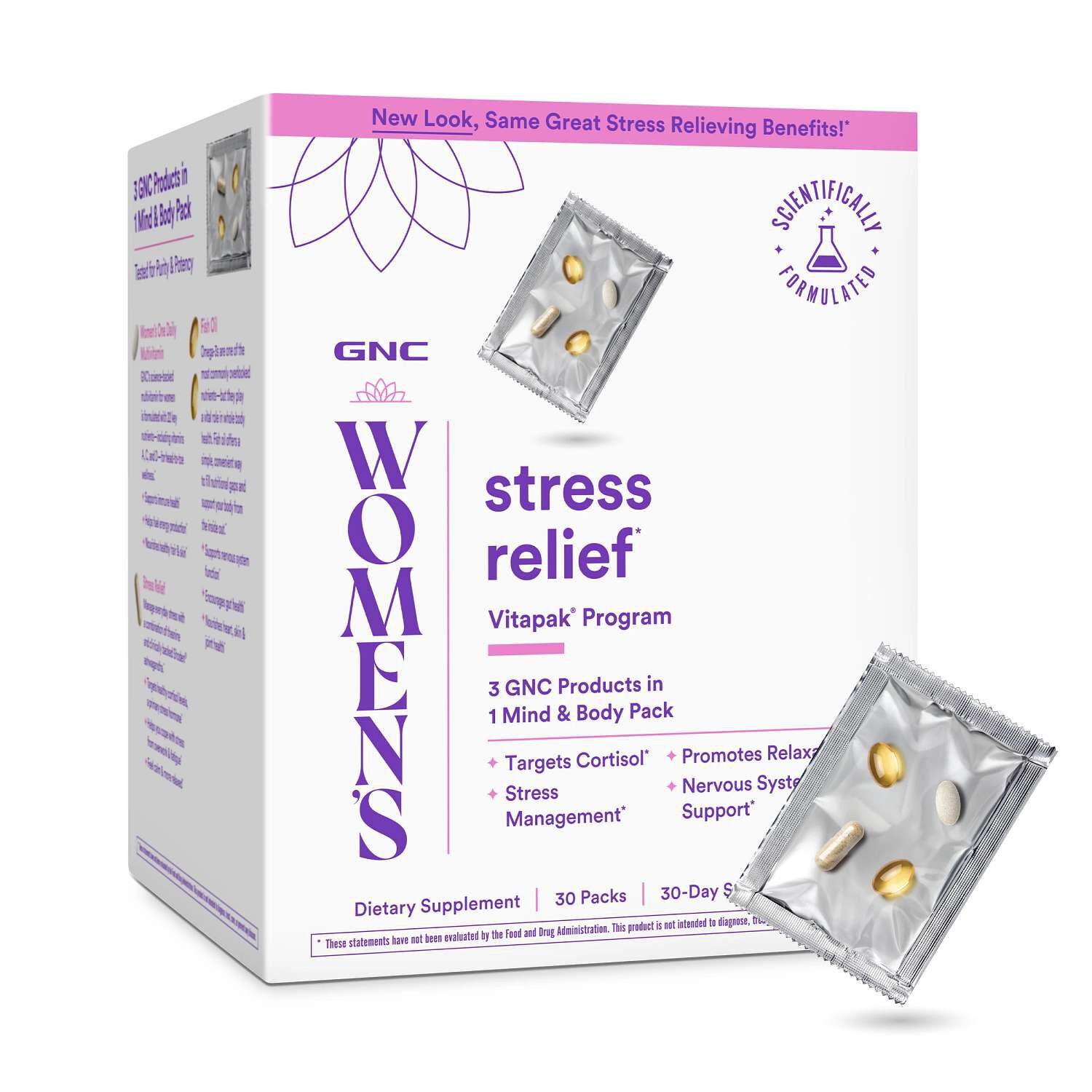
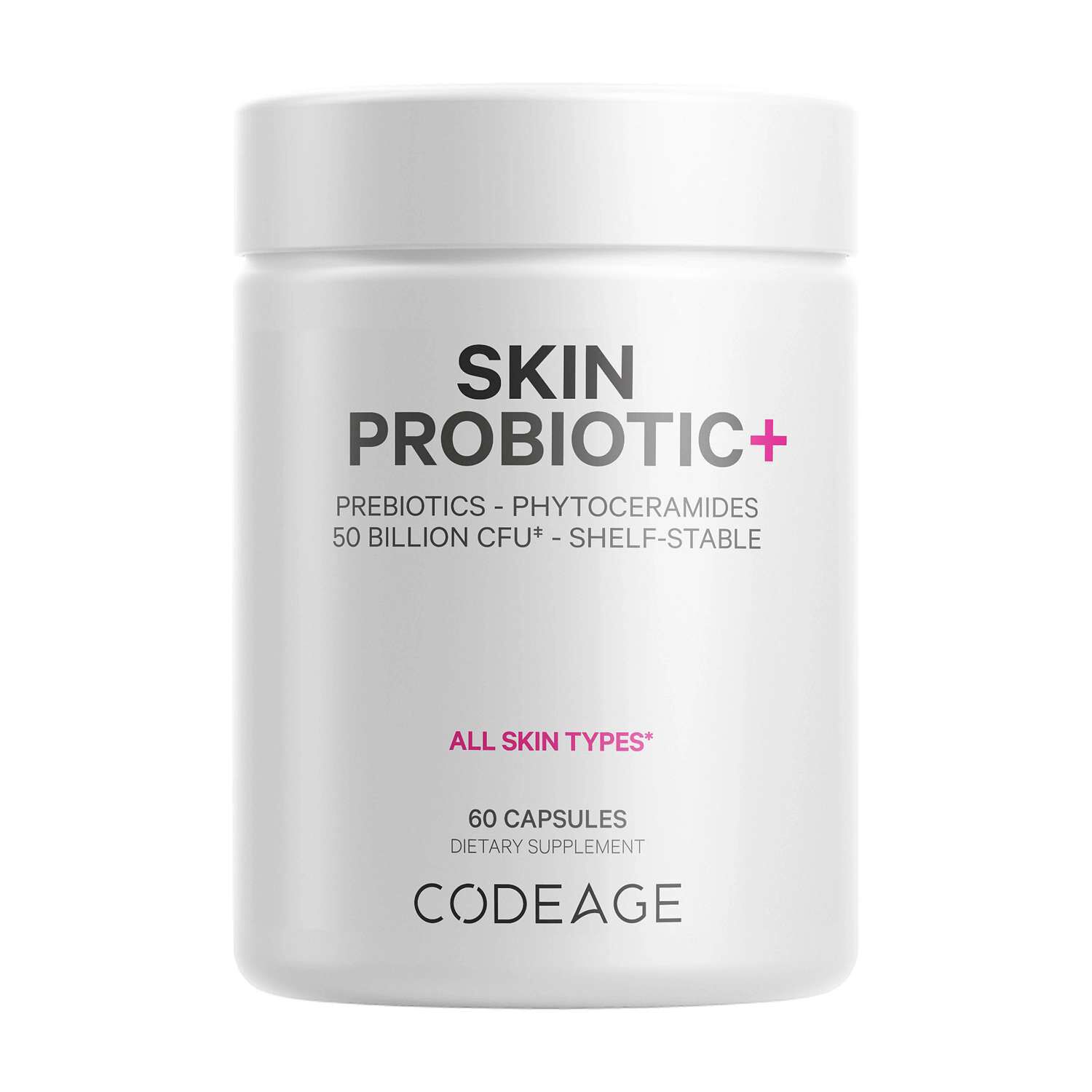
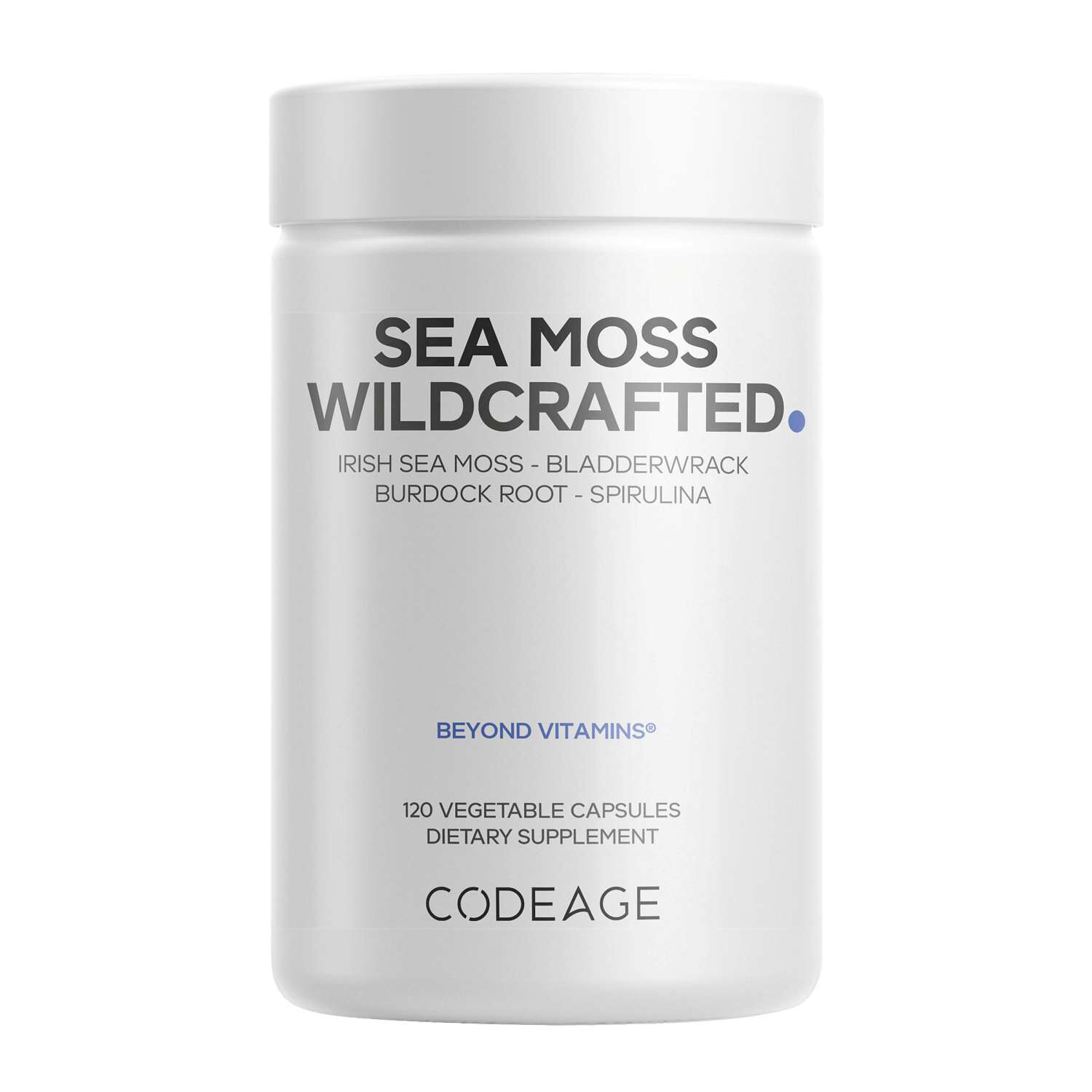
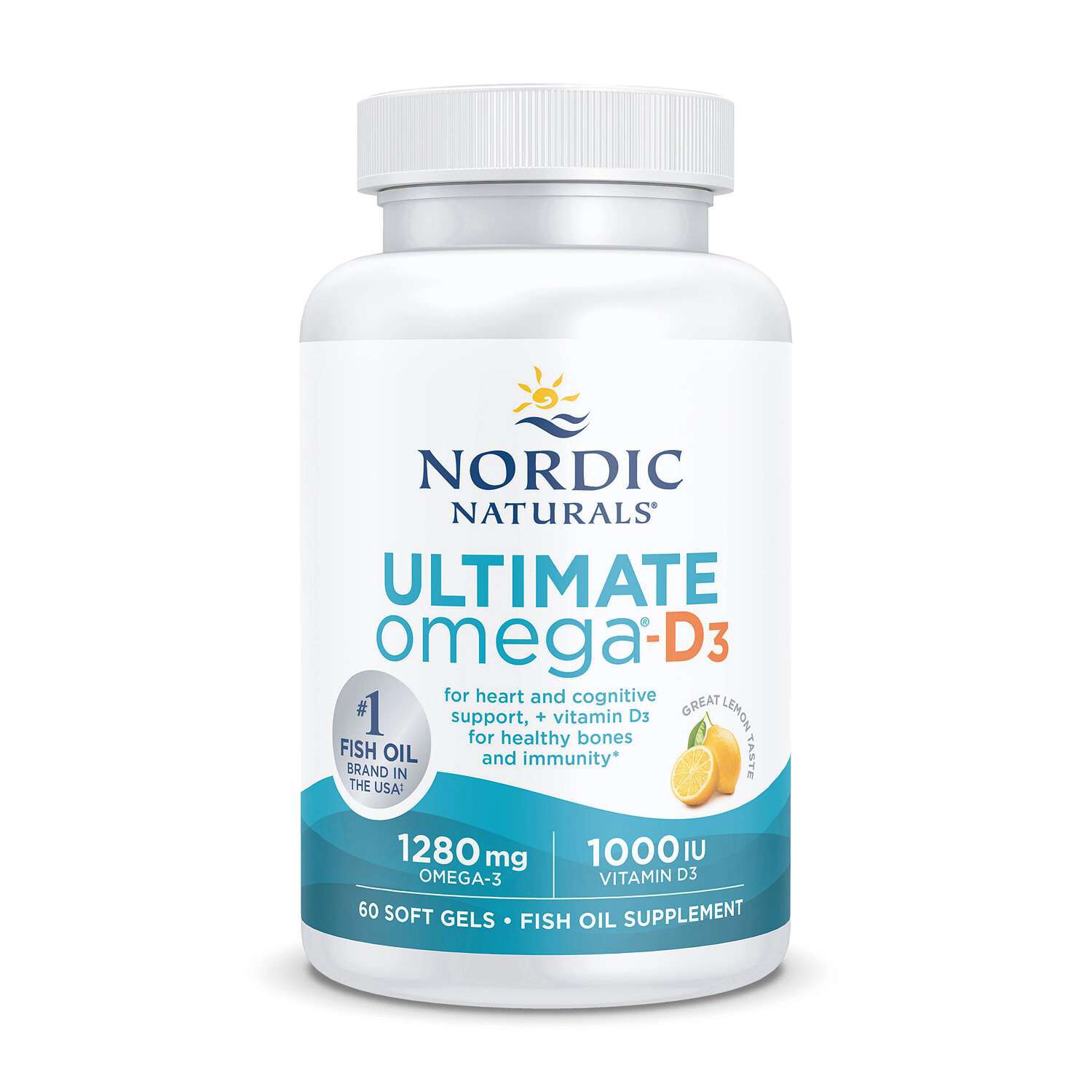
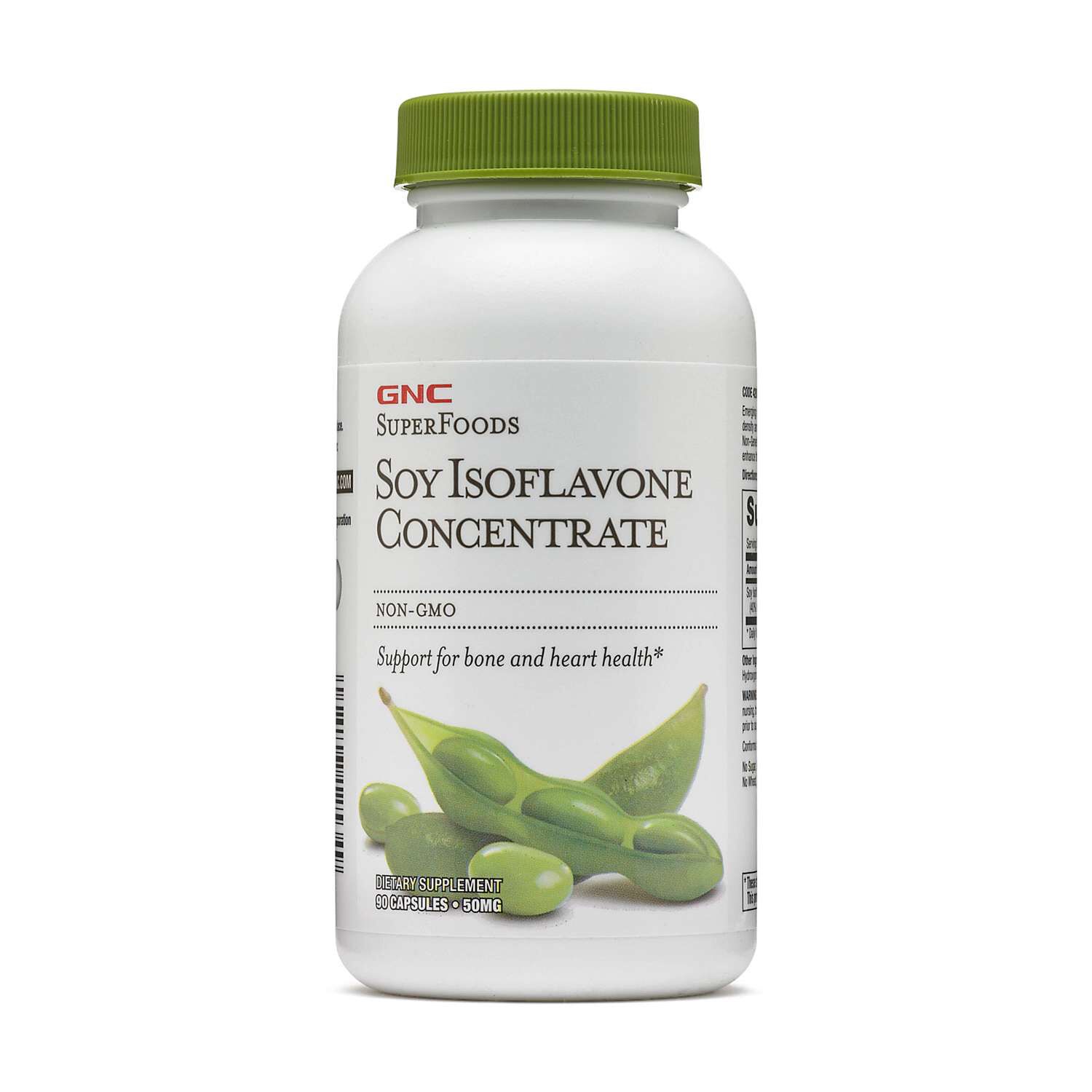
Self-care practices are intentional, repeatable actions that make room for everyday needs, personal preferences, and time away from competing demands. Regular meals, hydration, comfortable movement, and a quiet pause are familiar parts of that picture. Products associated with self-care belong within those routines rather than standing in for them: a mixing container beside the breakfast dishes, a reusable bottle tucked into a work bag, or nutritional supplements stored where their labels are easy to read. The connection is practical and personal. Someone with an early commute may value a compact format that fits an established morning schedule, while someone who spends more time at home may prefer a larger container with a designated place in the kitchen. Vitamins, minerals, protein powders, and other nutritional categories differ in their ingredients, serving formats, preparation requirements, and intended use. Those differences matter more than a general wellness description. A powder involves measuring and mixing; a capsule has its own serving directions; a chewable format has a different texture and ingredient list. Comparing these details may help shoppers identify a format that fits their preferences without adding unnecessary steps. Flavor is another everyday consideration, particularly for something mixed into water, milk, or a preferred beverage. A strongly flavored powder creates a different experience from a lightly flavored option, and texture can be just as important as taste. Labels also provide information about serving amounts, ingredient sources, dietary characteristics, and storage. Self-care shopping is most useful when it stays connected to a recognizable occasion: breakfast before leaving home, a lunch break away from a screen, or the transition between an active afternoon and an unhurried evening. The product remains one part of that setting, selected for a clear purpose rather than an expectation that a purchase will transform an entire routine. Familiarity and manageable preparation often matter more than a complicated assortment.
The physical details of self-care accessories deserve the same attention as the contents of a supplement container. Materials, dimensions, closures, and cleaning requirements shape how an accessory fits into daily life. Reusable drinkware, for example, can differ in weight, surface texture, lid construction, and ease of carrying. Stainless steel, glass, and plastic each have distinct handling and care considerations, and the right choice depends on where a bottle will spend most of its time. A container for a desk has different demands from one carried between home, a gym, and a crowded commuter bag. Capacity matters, but so does whether the bottle fits into a cup holder, a side pocket, or the space beneath a kitchen faucet. Mixing containers introduce another set of practical details, including measurement markings, openings wide enough for adding powder, and components that can be separated for washing. A smooth interior and accessible lid parts may make cleanup more manageable, particularly when the same container is used several times throughout a busy schedule. Manufacturer care directions remain the reference for dishwasher use, handwashing, drying, and replacement of removable parts. Durability is also about construction rather than appearance alone: secure closures, sturdy seams, and surfaces suited to repeated handling are useful comparison points. For movement accessories, dimensions and fit relate to the person, the activity, and the space involved. A compact exercise area calls for different proportions than a dedicated room, while portable gear needs to fit comfortably inside its carrying bag. Surface texture, cushioning, grip, and adjustability are relevant product details, without making any single design appropriate for everyone. Storage deserves attention as well. Nutritional products have labeled storage requirements, while reusable accessories need enough room to dry before being put away. A crowded shelf, a narrow drawer, or a shared countertop can affect what is realistic to keep close at hand. These ordinary details may determine whether a purchase becomes part of a familiar routine or remains tucked out of sight.
People approach self-care products from different starting points, and their preferences do not need to look alike. A student managing classes and shared living space may prioritize compact packaging and uncomplicated cleanup. A parent moving between work and family responsibilities may prefer familiar formats with clear directions. Someone who enjoys regular exercise may compare mixing accessories and nutritional products around an existing schedule, while another shopper may simply want a reusable bottle for the desk and fewer loose containers in a bag. None of these situations requires an elaborate collection. Repetition, personal taste, and a realistic place for each purchase are more meaningful considerations than the appearance of a carefully arranged shelf. For a closer look at the vitamin category, Self Care Vitamins provides a focused place to continue browsing within the broader subject of self-care. Nutritional selections are personal, with ingredient lists, serving directions, and intended users providing important distinctions between categories. Gifts call for additional thought because a recipient’s flavor preferences, dietary needs, and preferred formats may not be obvious. An accessory that matches a known routine can be a more straightforward choice than an ingestible product selected without that context. A bottle that fits a favorite walking bag or a mixing container suited to an established activity has a clear connection to how the recipient already spends time. Packaging size, portability, and care requirements matter for gifts, too, especially for someone living in a small space or frequently traveling. The same attention applies to personal purchases: an appealing design is only one consideration alongside preparation, storage, cleaning, and intended use. Self-care practices remain grounded in ordinary moments rather than a particular aesthetic. A cleared place at the kitchen counter, a packed bag ready by the door, and a few minutes reserved for a familiar routine offer a more concrete context for choosing products than a broad wellness slogan. Thoughtfully selected products may complement those moments while leaving room for individual preferences and changing schedules.
- Q: What are some simple self care practices I can try at home?
A: Self care may include activities like taking a relaxing bath, practicing mindfulness or meditation, journaling, enjoying a favorite hobby, or spending time outdoors. These small moments might help you recharge and support your overall well-being. - Q: How can nutrition play a role in my self care routine?
A: Focusing on balanced meals and staying hydrated could be an important part of self care. Some people also choose to incorporate multivitamins or supplements as part of their daily routine to help support their nutritional goals. - Q: Why is setting aside time for myself important?
A: Taking time for yourself may help you manage stress and maintain a sense of balance. Even short breaks throughout the day might make a difference in how you feel both mentally and physically. - Q: Can exercise be considered a form of self care?
A: Yes, many people find that regular movement—whether it’s walking, yoga, stretching, or another activity—can be a valuable part of their self care routine. It may help support mood and overall wellness. - Q: How do I start building a self care routine?
A: You might begin by identifying activities that bring you joy or relaxation and scheduling them into your week. Starting with small, manageable steps could make it easier to build lasting habits that support your well-being.
Best Sellers
-
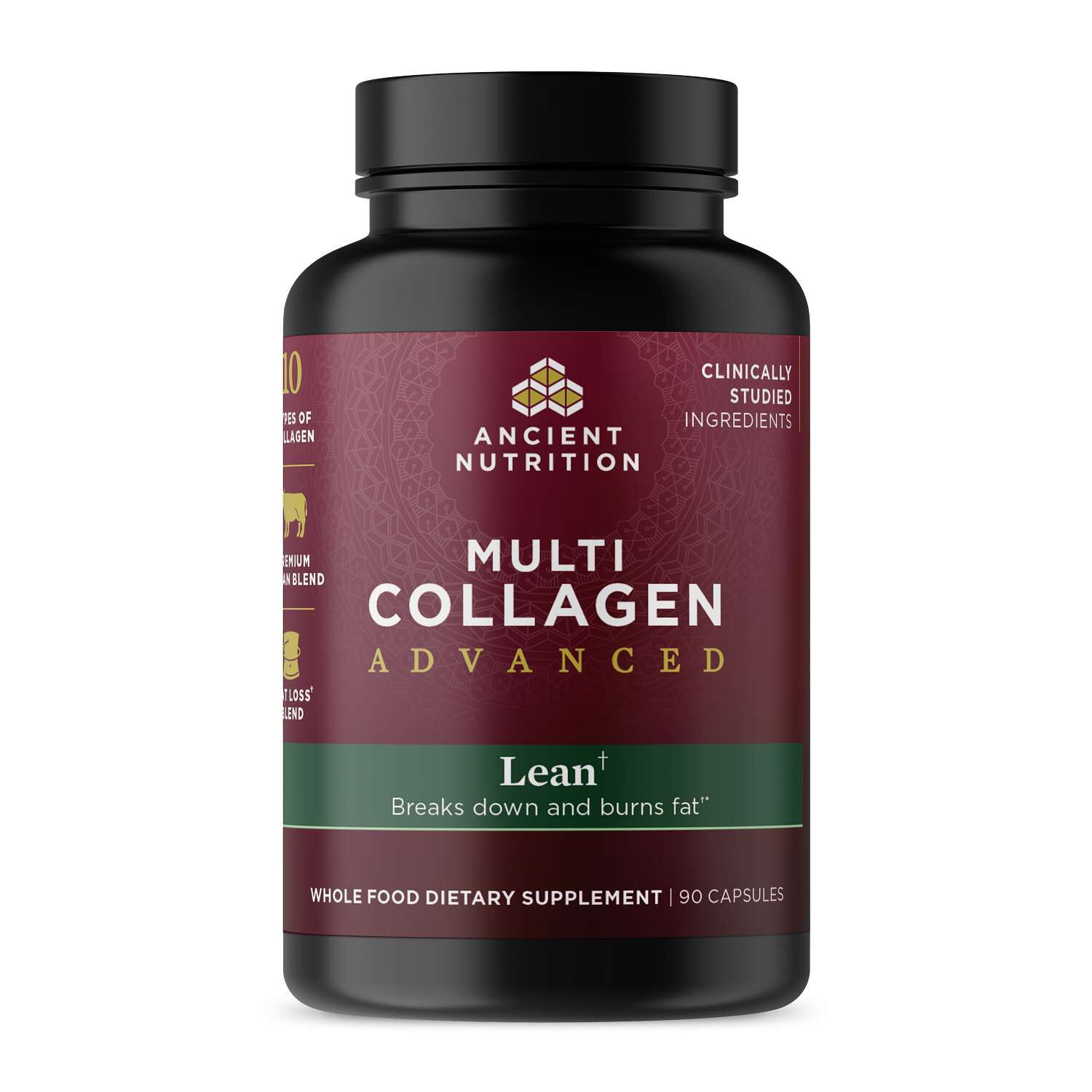 Ancient Nutrition
-
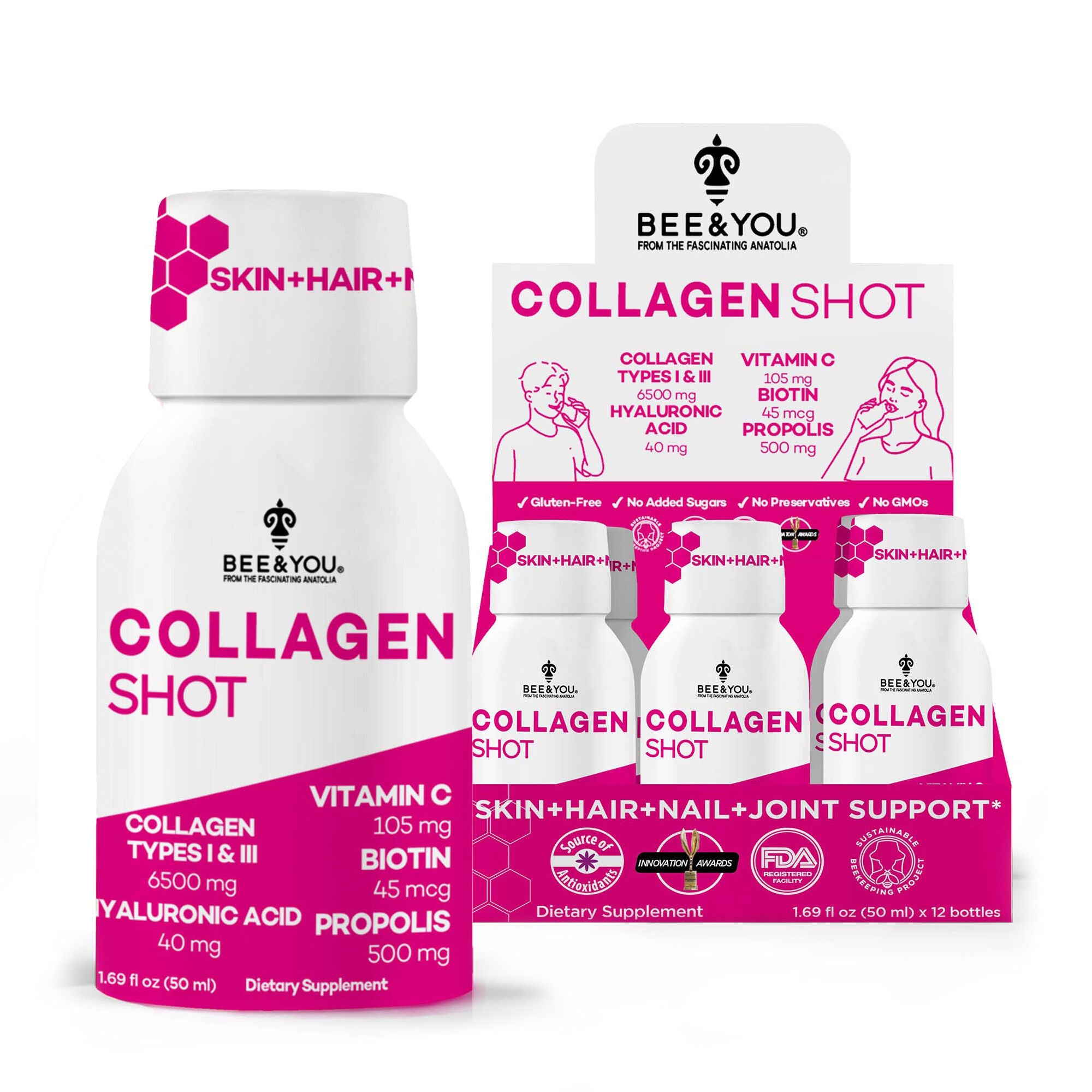 Bee And You
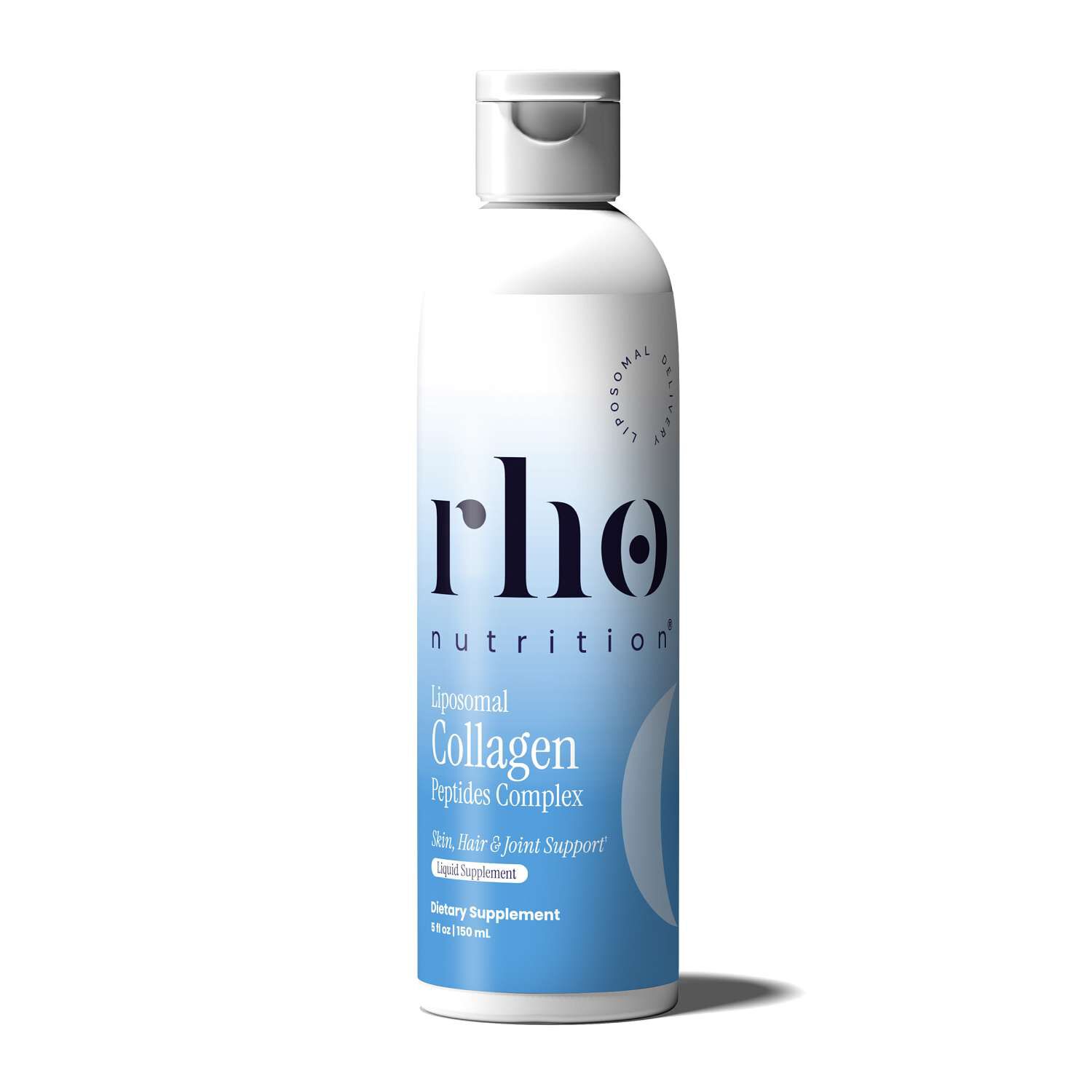

Related Pages


Top Collections
- Zinc Supplements | Top Brands at Great Prices | GNC
- Cortisol Supplements
- Joint Mobility Supplement Packs
- NAD+ Supplement Tablets
- Best Brand of Magnesium Glycinate
- Top Rated Collagen | Shop Customer Favorites | GNC
- Iron Supplements
- Peptide Supplements
- Protein Powders For Muscle Growth Support
- Vitamins That Help Support Weight Gain