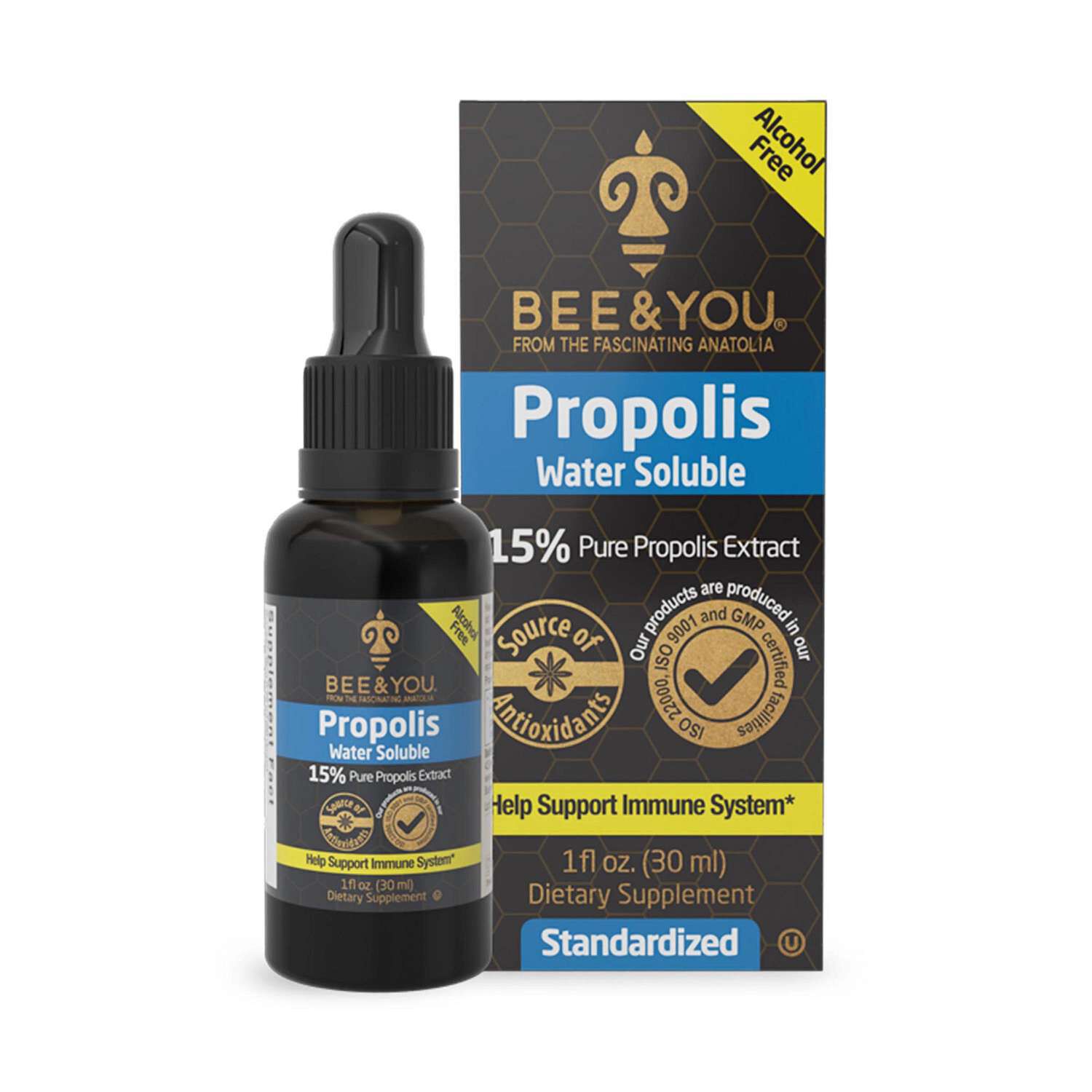
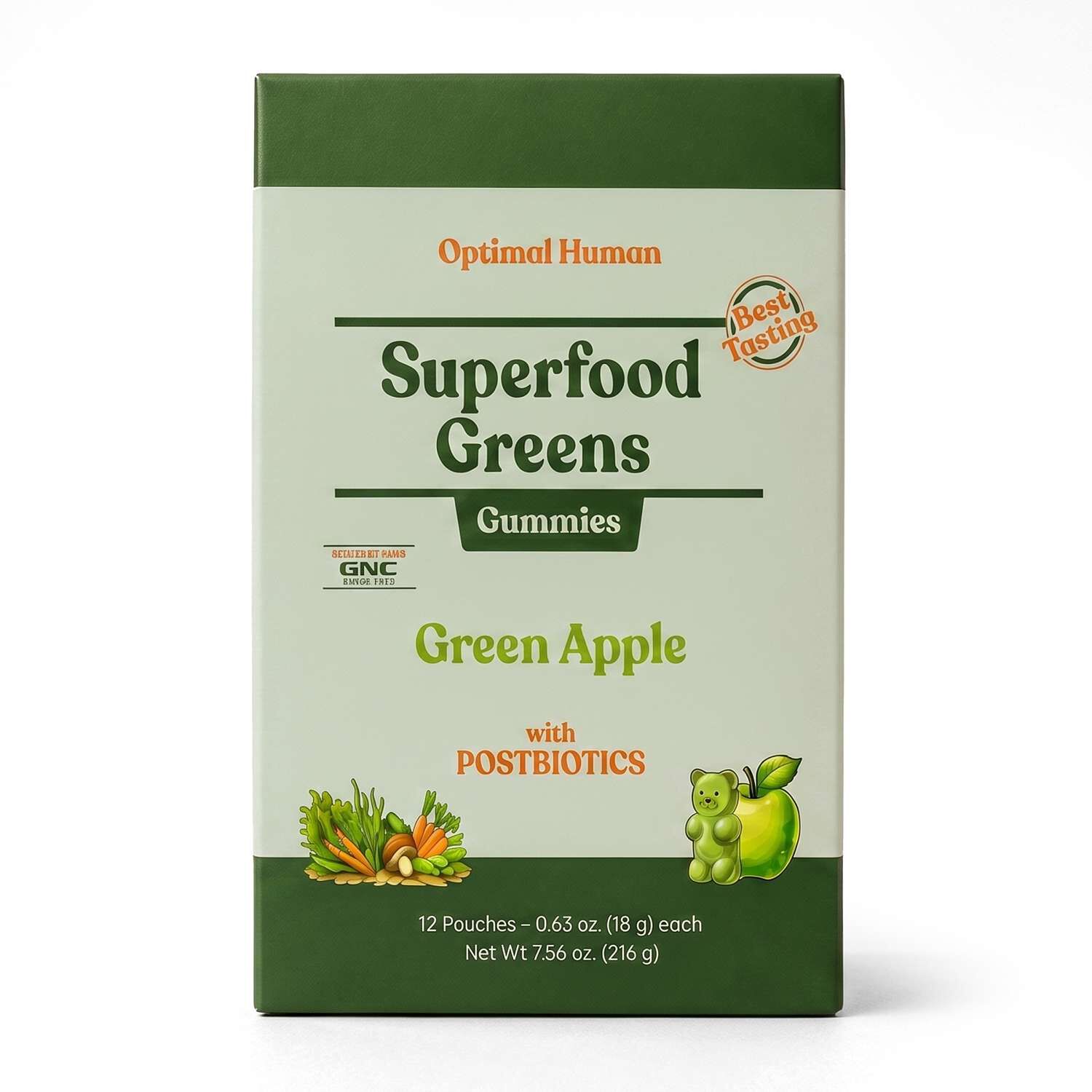
Immune Support Softgels
(0 Results)
Immune support softgels offer a convenient way to bolster your body's natural defenses. Packed with a blend of vitamins, minerals, and other nutrients, these softgels could provide the support your immune system needs to stay strong. Ideal for those with busy lifestyles, immune support softgels are easy to incorporate into your daily routine. Explore the benefits of adding these supplements to your wellness regimen and discover how they might help maintain your overall health and vitality.

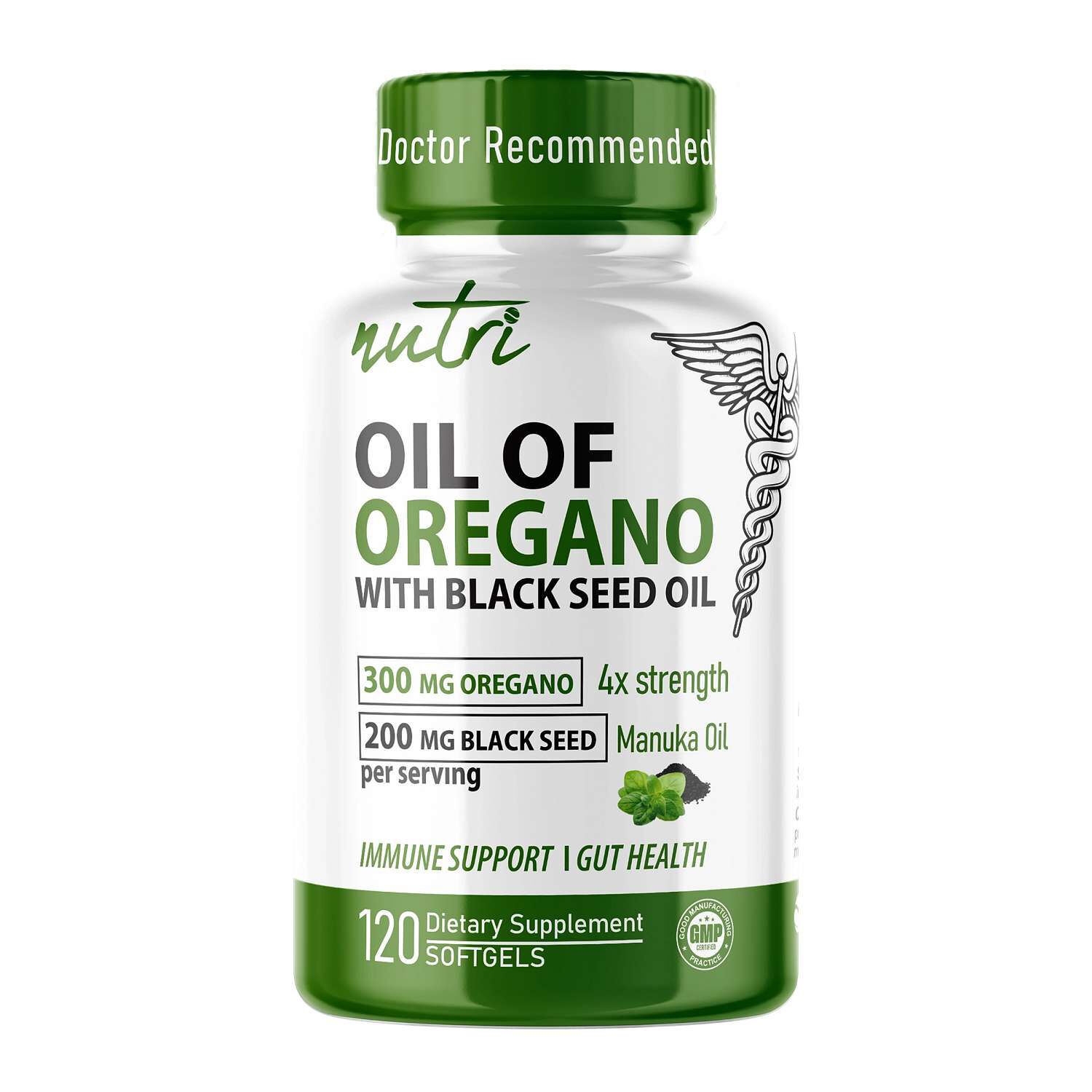


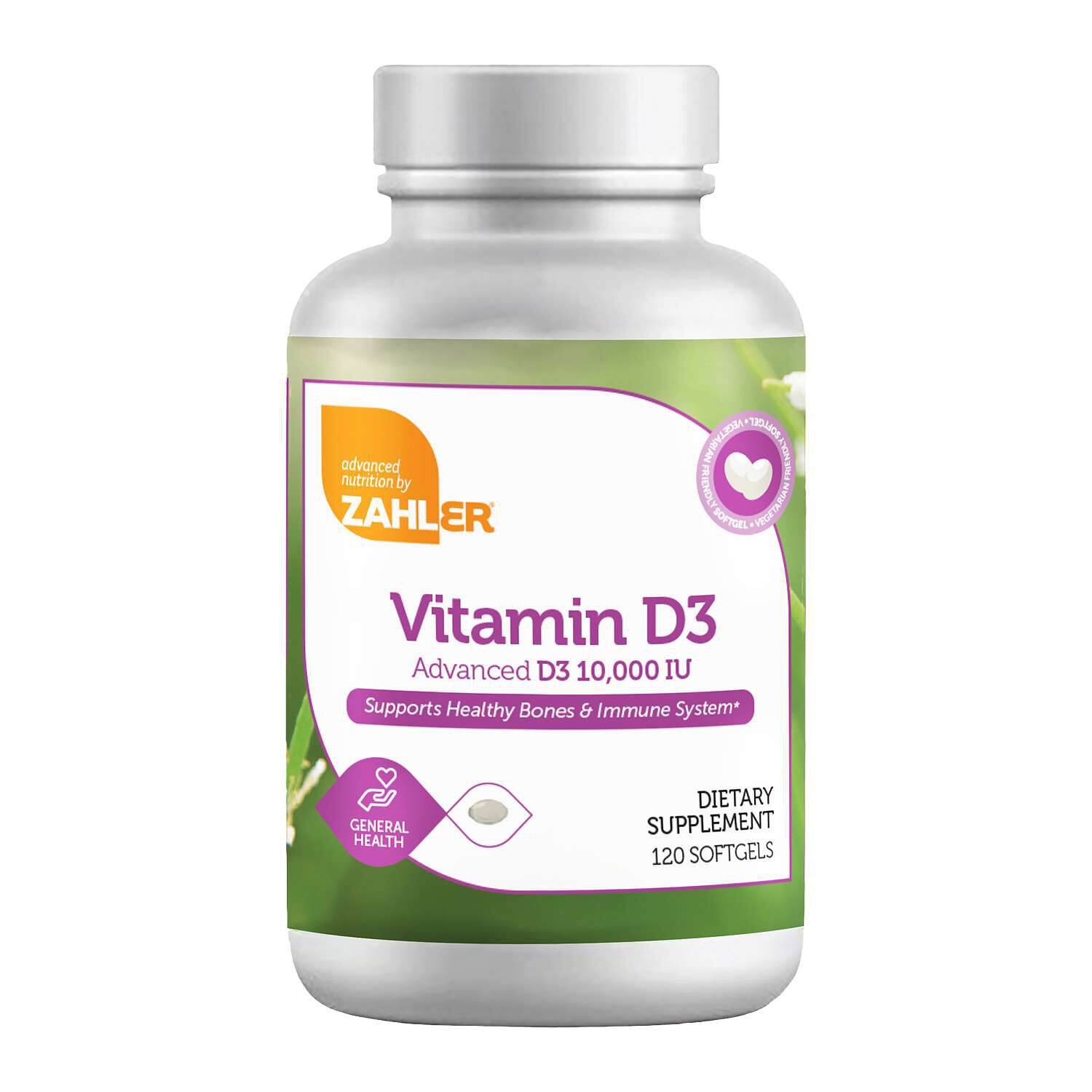
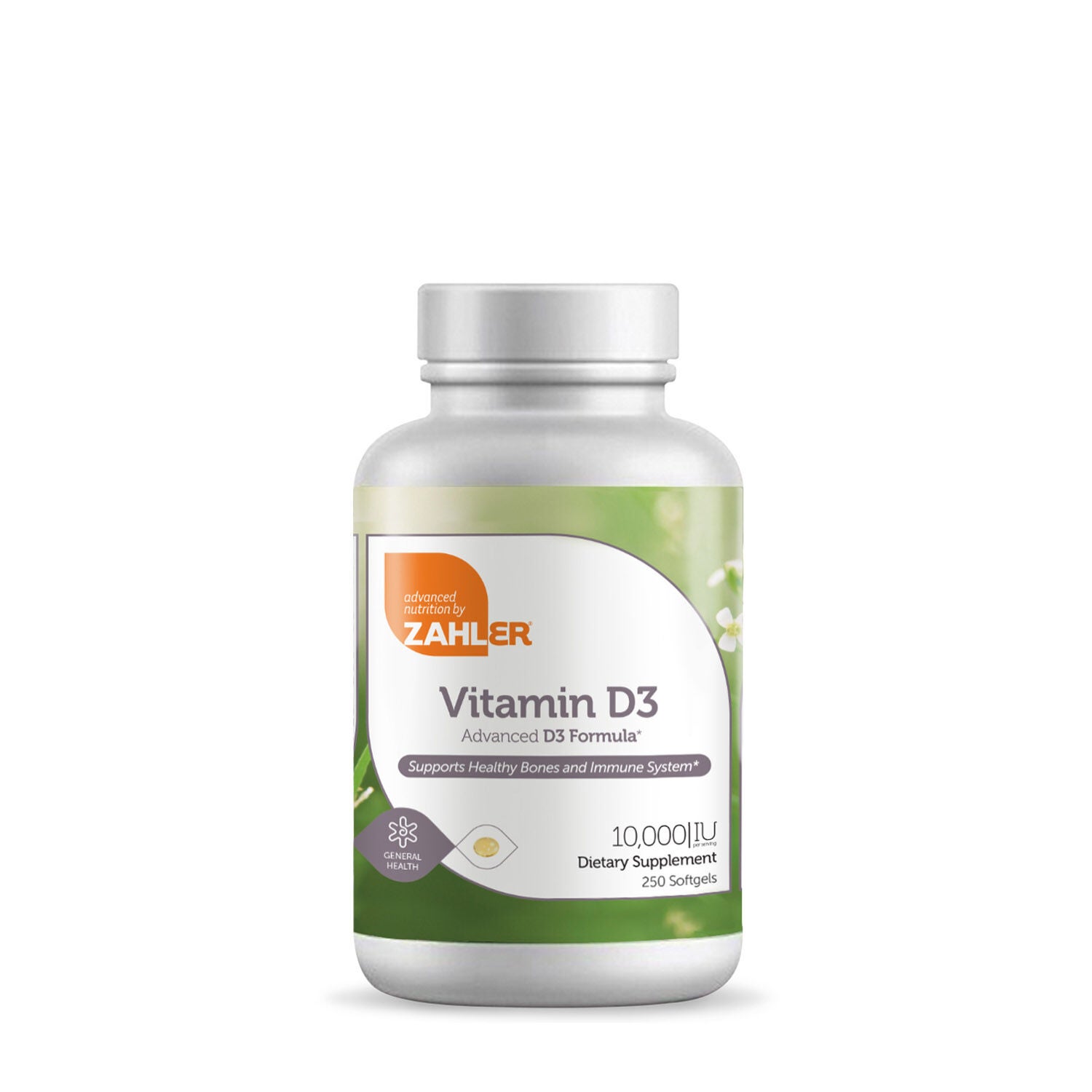

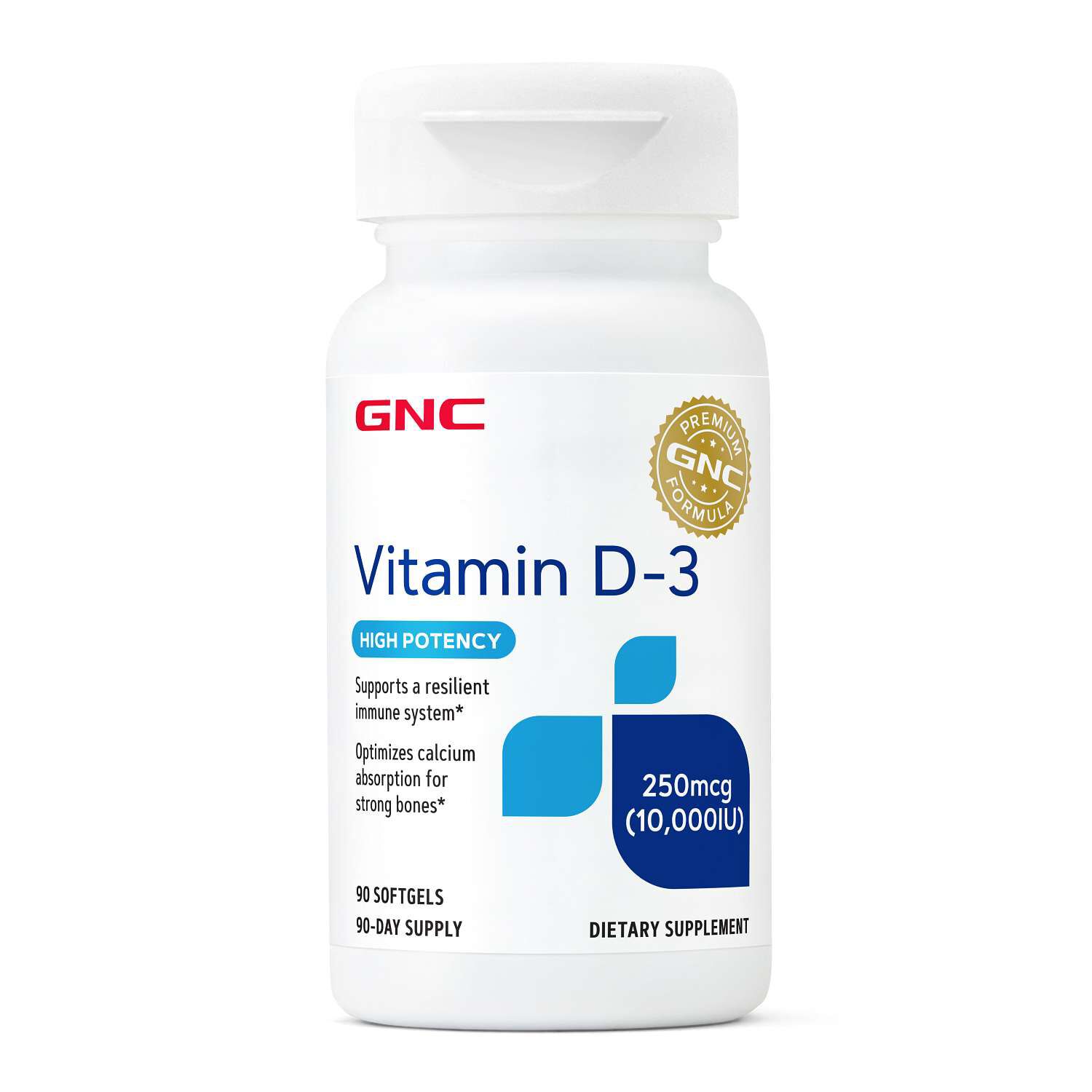


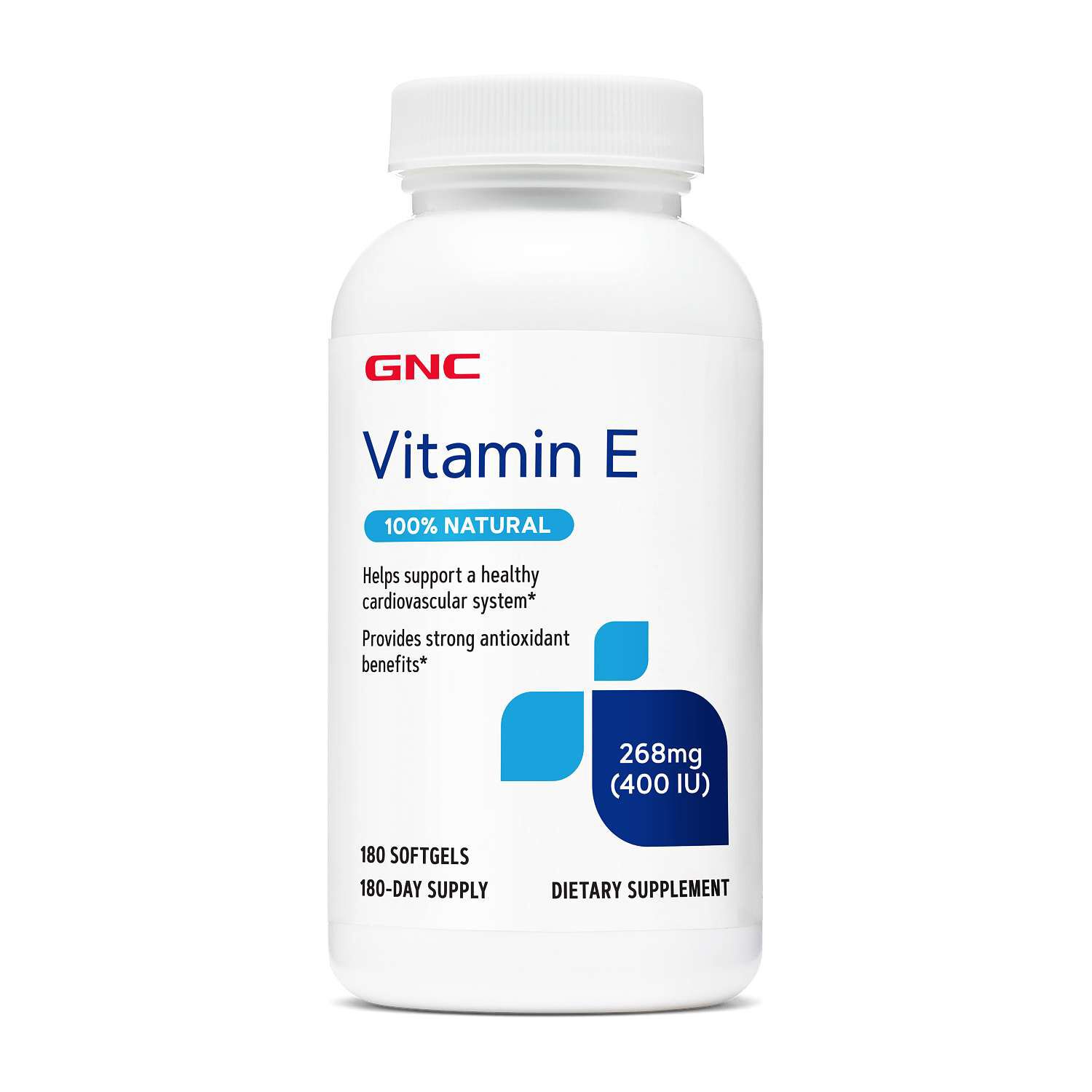
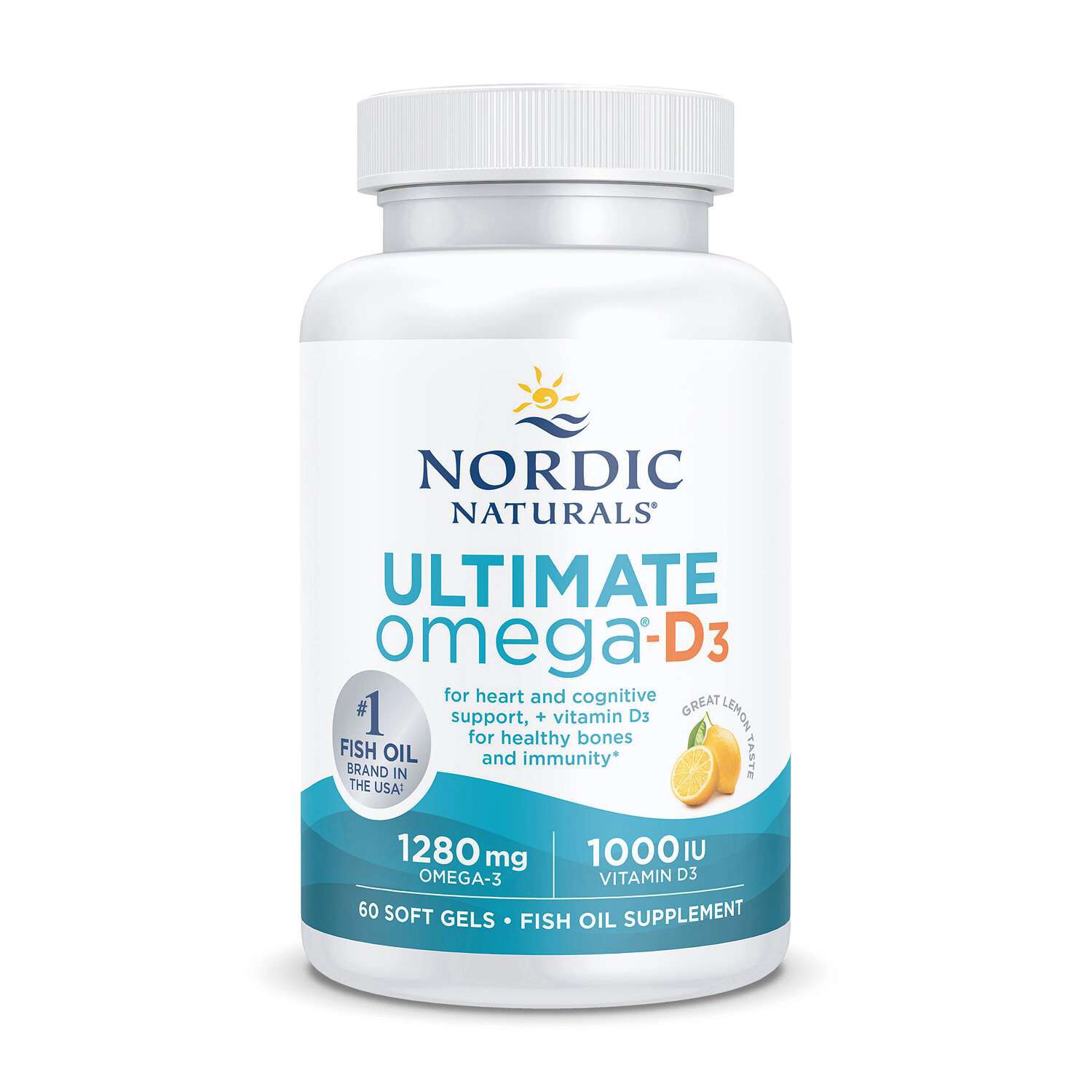
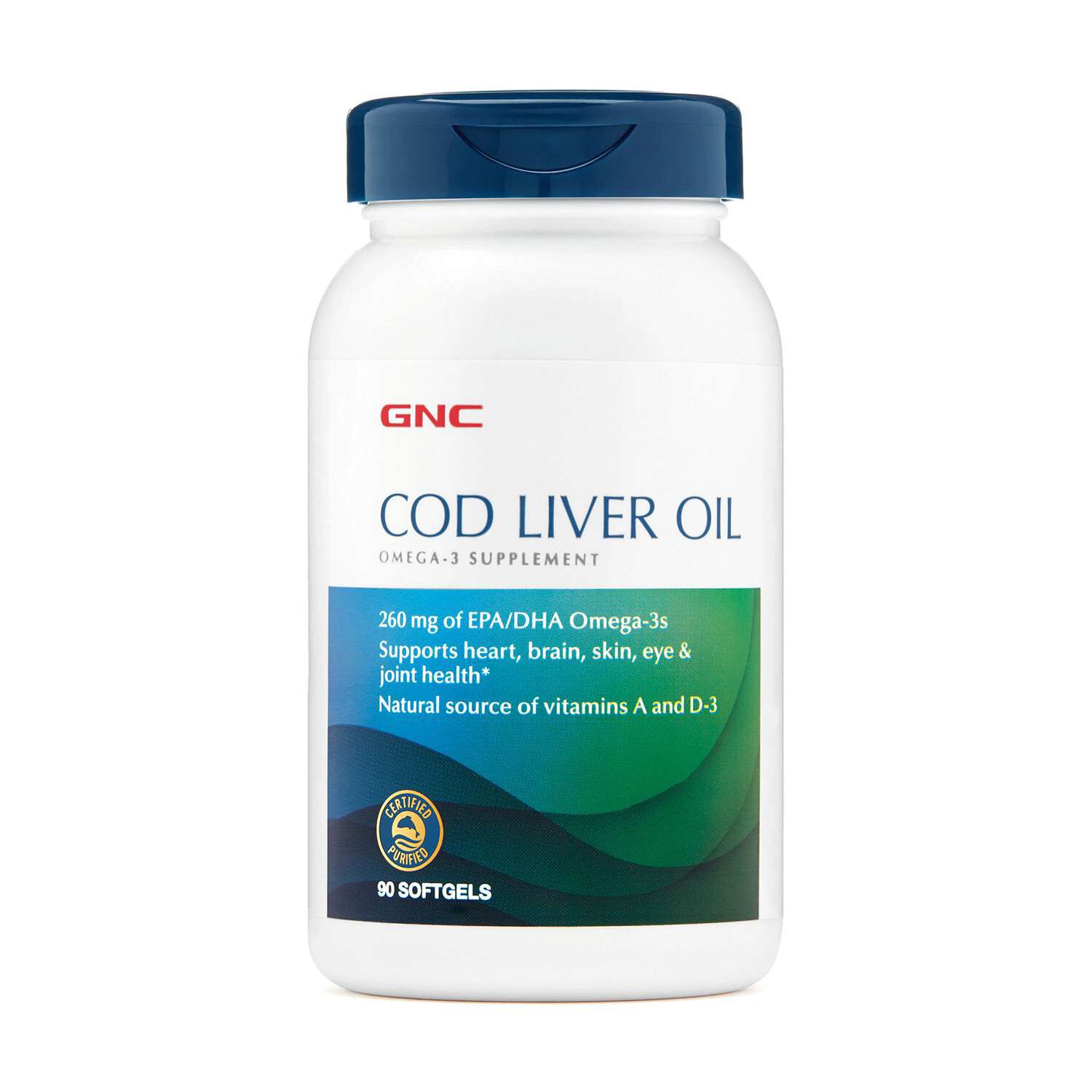


Immune support softgels are dietary supplements in a sealed, smooth-surfaced shell, with formulas built around vitamins, minerals, botanical ingredients, or combinations of these components. The category brings together products intended for everyday nutritional routines in a format distinct from tablets, gummies, and powders. Depending on the formula, an immune support supplement may contain vitamin D3, vitamin C, zinc, or botanical ingredients such as elderberry. Not every softgel contains the same nutrients, and similar names on the front of a bottle do not necessarily mean similar contents. The Supplement Facts panel provides the clearest picture of what a formula contains, including the amount of each listed dietary ingredient per serving. A single-nutrient formula offers a narrower ingredient focus, while a combination formula brings several components into one serving. For shoppers comparing these approaches, the distinction is less about the number of ingredients and more about how the label matches the nutritional routine they have in mind. Someone who already uses a multivitamin may be interested in identifying overlapping ingredients, while someone who prefers a shorter supplement lineup may look closely at the contents of a blend. Neither a longer ingredient list nor a larger amount automatically makes one formula the better match. Serving size also deserves attention: the amount listed in the Supplement Facts panel may represent two or more softgels rather than one. Checking that detail alongside the number of servings per container gives a more useful comparison than looking at the bottle count alone. Directions may also specify whether a serving belongs with a meal or at another point in the day. These practical details help distinguish immune support softgels beyond their front-label wording, especially when several formulas feature the same familiar nutrient. The format is only one part of the selection; ingredient identity, serving information, and intended use provide the context that makes a comparison meaningful.
The construction of a softgel matters as much as its contents when considering personal preferences. Unlike a compressed tablet, a softgel generally encloses a liquid, oil-based mixture, or suspension within a flexible shell. That shell often contains gelatin, water, and glycerin, although materials vary by formula. Some alternatives use other shell ingredients, so a softgel should not be assumed to suit a vegetarian or vegan eating pattern without an explicit label statement. Gelatin sources can vary as well, making the other ingredients list relevant for shoppers with particular dietary requirements. The same attention applies to carrier oils, colors, and other components used in the finished supplement. These ingredients have different roles from the vitamins or botanicals highlighted on the front of the package, but they remain part of the formula. Vitamin D3 is fat soluble and often appears in oil-based preparations; other nutrients may be incorporated differently. An oil-filled shell alone does not establish how well every ingredient will be absorbed, and a smooth exterior does not mean every softgel has the same size or feel. Length, width, shape, and serving count all influence the practical fit of the format. An adult who dislikes flavored chewables might prefer a swallowed supplement, while someone who finds larger capsules inconvenient may want to review size information before choosing. A photograph can show shape, but it may not communicate actual dimensions unless a measurement is included. For shoppers comparing oil-based supplements alongside this category, Fish Oil Softgels for Immune Support offers a related browsing path. Fish oil formulas have a different ingredient profile from vitamin-and-mineral blends, so the two should not be treated as interchangeable simply because both come in softgel form. Where omega-3 content is listed, the amounts of EPA and DHA provide more specific information than the amount of fish oil alone. Across these formats, reading both the dietary ingredients and the shell composition helps connect a product’s description with the details inside the bottle.
A useful comparison also considers how immune support softgels fit into ordinary storage and daily routines. A bottle kept near a breakfast setting has different practical demands from one packed for an overnight trip, but the manufacturer’s directions remain the reference for use and care. Original packaging keeps the ingredient list, serving directions, expiration date, and any handling information together. A securely closed cap and storage consistent with the label help preserve the intended condition of the softgels. Bathrooms and other damp locations may not match labeled storage requirements, and leaving a bottle where it receives direct sunlight may be inconsistent with its care directions. When traveling, retaining the labeled container makes it easier to check serving information instead of relying on memory or a loose assortment of capsules. Softgels are designed to hold their contents within an intact shell, so product condition matters; leakage, sticking, or a visibly altered shell warrants checking the package’s handling information rather than treating appearance as an unimportant detail. Beyond storage, the most workable format is one whose serving requirements match the shopper’s preferences. A one-softgel serving and a multiple-softgel serving can feel quite different in an established routine, even when the bottles look similar. Likewise, an adult-use label should not be read as applying to every member of a household. Age-related directions, ingredient disclosures, and package cautions are part of the product description, not incidental fine print. Supplements are personal purchases, and a familiar-looking bottle is not necessarily a suitable substitute for someone else’s preferred formula. For that reason, ingredient preferences and label details matter more than presentation when considering a purchase for another adult. Whether the focus is a particular vitamin, a botanical blend, or an oil-based formula, the strongest comparison starts with clear, concrete information: what is inside, how much constitutes a serving, what forms the shell, and how the product is intended to be used and stored. Together, those details make browsing immune support softgels more specific and help shoppers distinguish options that otherwise appear much alike.