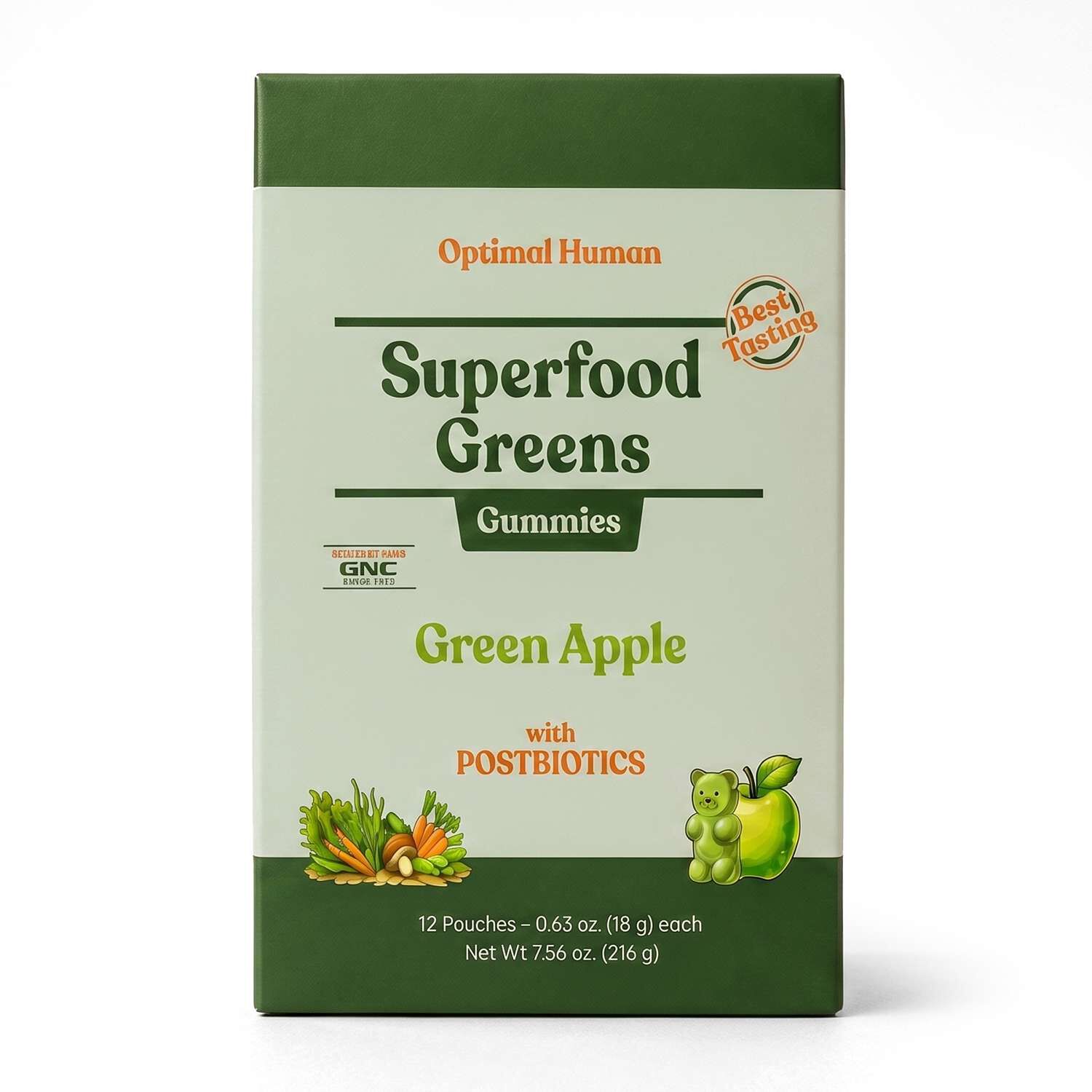
Immunity Gummies
(0 Results)
Boost your immune system with our selection of Immunity Gummies, packed with essential vitamins and minerals to help support your overall health and well-being. These delicious gummies are a convenient and tasty way to give your body an extra dose of immune-boosting nutrients. Whether you're looking to ward off seasonal illnesses or simply want to maintain a strong and healthy immune system, our Immunity Gummies are a great addition to your daily routine. Shop now and give your body's defenses a natural and flavorful boost!
-
 $13.99
-

-

-
-

-
 $13.99
-
 $13.99
-
 $15.99
-
 $15.99
-

-
-
 $12.99
-
 $11.99
-
-
 $14.99
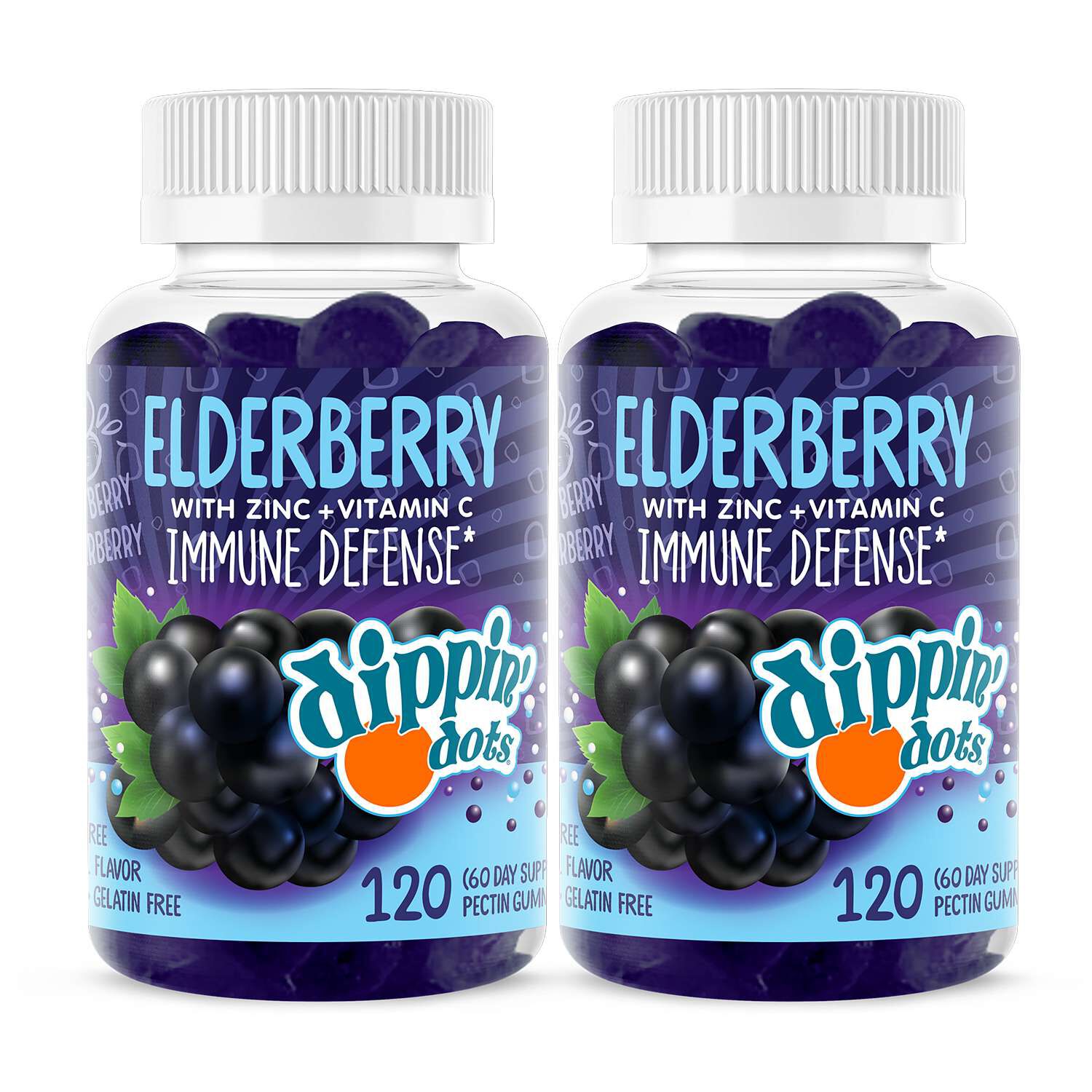

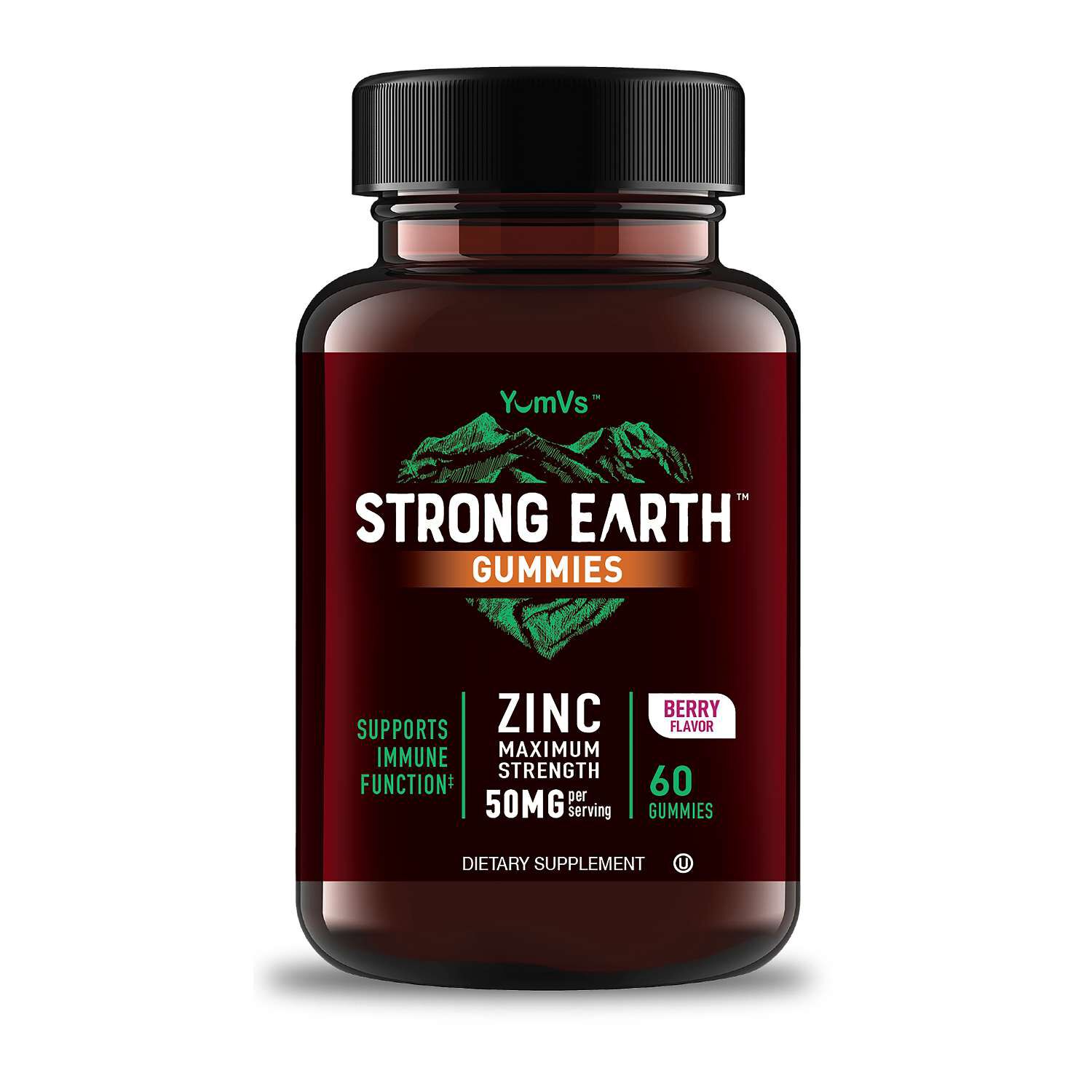
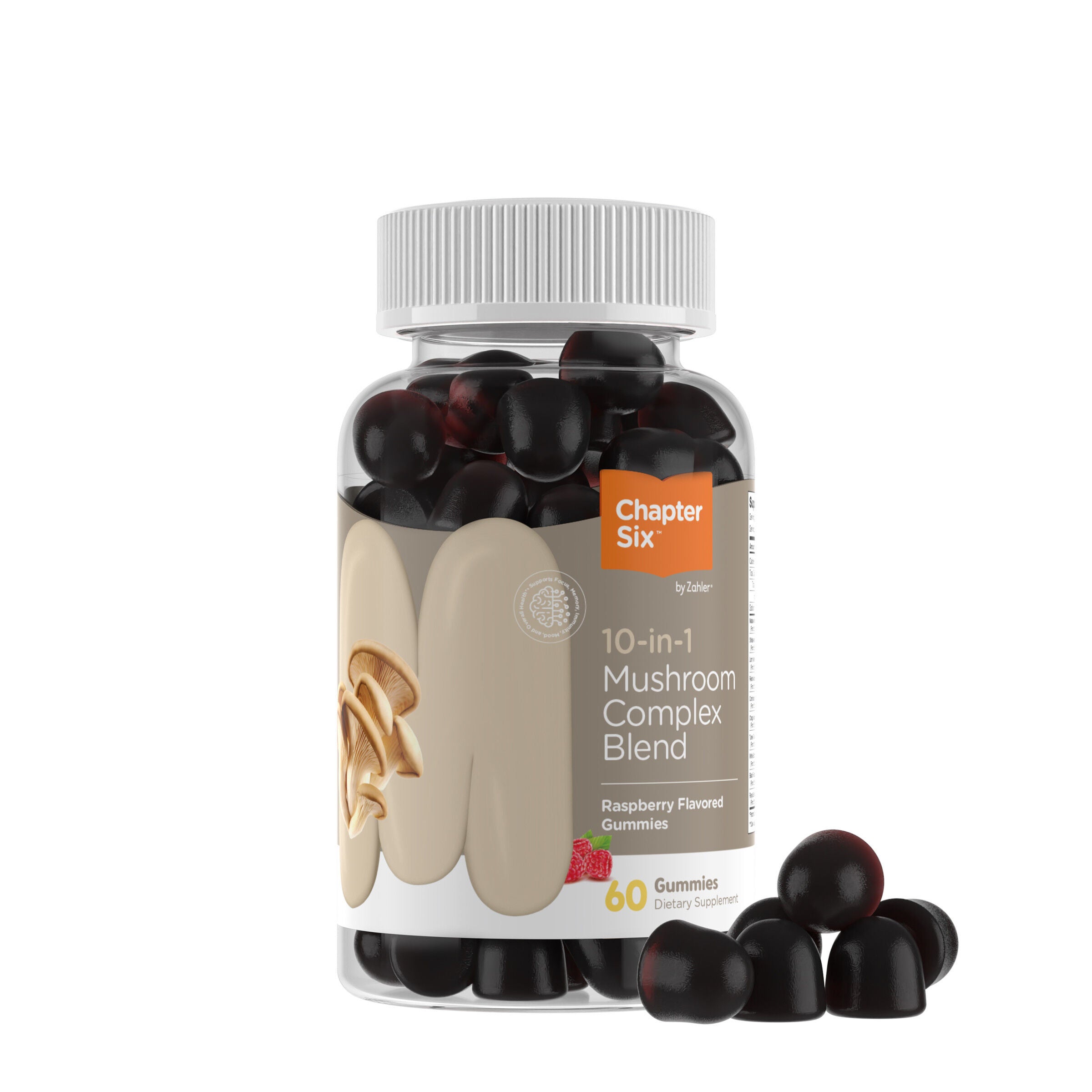


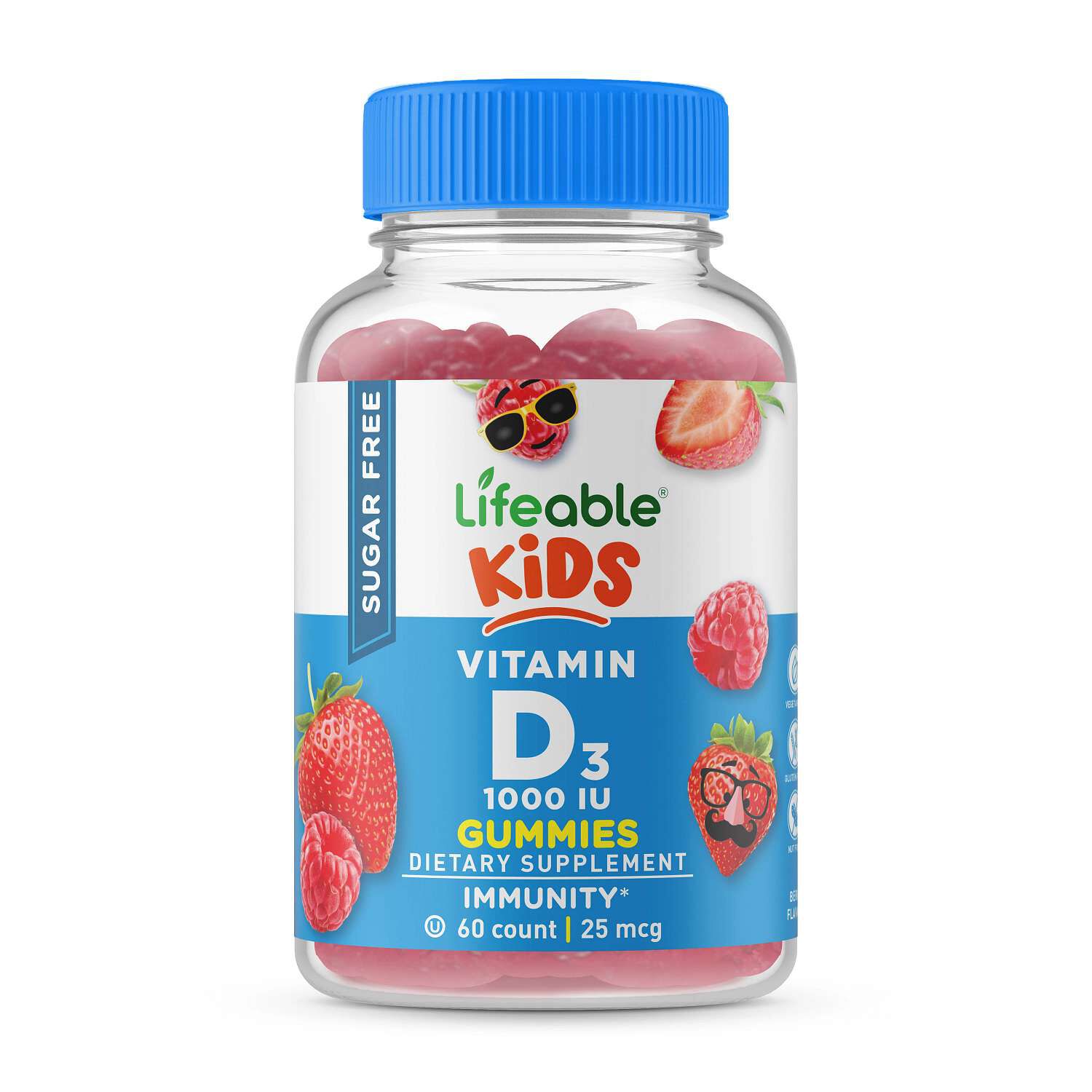
Immunity gummies are chewable dietary supplements commonly formulated with vitamin C, vitamin D, zinc, and, in some formulas, botanical ingredients such as elderberry. They belong to the broader immune support supplement category, with intended use, serving size, and age guidance described on each label. Rather than a capsule or tablet, this format combines selected ingredients with a chewy base and flavoring. It may appeal to adults who prefer a fruit-flavored supplement or want a format that fits into an established daily routine. The category includes straightforward vitamin and mineral combinations as well as blends with additional ingredients, so the word “immunity” alone does not describe everything inside the bottle. Vitamin C may appear as ascorbic acid, vitamin D may be listed as D2 or D3, and zinc may appear in different ingredient forms. Botanical blends can include elderberry, ginger, or turmeric, with the specific ingredients and amounts varying by formula. An elderberry-flavored gummy and a gummy containing a stated amount of elderberry extract are not necessarily the same thing; flavor descriptions and the Supplement Facts panel serve different purposes. The Supplement Facts panel identifies nutrients, amounts per serving, and Daily Value percentages where established, while the other ingredients list describes components such as sweeteners, gelling agents, colors, and flavors. Serving size matters just as much as the ingredient names. An amount shown on the label may refer to two or more gummies rather than one, and the number of gummies in a bottle is not always the same as the number of servings. These details distinguish a dietary supplement from an ordinary fruit snack, even when the two have a similar shape or taste. Within this category, a useful comparison considers the stated serving, the nutrients included, and the kind of formula, rather than relying on a bright label or a familiar berry flavor. Gummies are intended for the use described on their packaging, not for casual snacking, and their chewable format does not change that distinction.
Taste, texture, and ingredient preferences also give immunity gummies their variety. Citrus flavors can have a tart finish, while berry and mixed-fruit flavors may be sweeter or more rounded. Some gummies have a soft, yielding bite; others are firmer, with a lightly coated surface or a denser chew. These differences come partly from the ingredients used to create the gummy itself. Gelatin is an animal-derived gelling ingredient, while pectin is plant-derived and commonly associated with fruit-based formulations. A pectin-based gummy is not automatically suitable for every dietary preference, however, because the remaining ingredients also matter. A vegan designation, for example, relates to ingredient sourcing and does not describe the amount of vitamin C, vitamin D, or zinc in a serving. Sugar content is another point of distinction. Formulas may use sugar, glucose syrup, fruit juice concentrates, alternative sweeteners, or combinations of these ingredients. A “no added sugar” statement and the sugar information on the nutrition label answer different questions, so both deserve attention when that preference matters. Color can come from fruit or vegetable ingredients or other permitted coloring agents; it is not a reliable indicator of nutrient content. Likewise, a stronger berry taste does not establish that a formula contains more botanical extract. Allergen statements and ingredient disclosures provide more useful detail than flavor names alone. For a household that already chooses supplements around particular food preferences, those disclosures may be especially relevant. Someone who enjoys tart citrus might prefer a different flavor profile from someone who favors a mild berry chew, even when the nutrient combinations look similar. Texture preferences can be equally personal: a soft gummy and a firm gummy are different eating experiences, not different measures of nutritional suitability. The most meaningful distinctions remain visible on the packaging—what the formula contains, how much constitutes a serving, which age group it is labeled for, and how its ingredients align with the intended user’s preferences. Flavor and texture sit alongside those details rather than taking their place.
Age-specific labeling gives this category another important distinction. Adult immunity gummies and children’s formulations can differ in serving directions, ingredient amounts, and the ages stated on the package; a similar shape or flavor does not make them interchangeable. For shoppers focusing on adult-labeled formulas, Immune Support Gummies For Adults brings that audience into focus. In a shared household, keeping each bottle with its original label preserves those distinctions and keeps serving information close at hand. A gummy routine may suit someone who already has a consistent moment for supplements, such as checking the label alongside a morning calendar or keeping the bottle in a designated cabinet. Any directions about timing or use belong to the individual formula, rather than the category as a whole. Bottle size, closure style, and storage instructions also matter in everyday handling. Original packaging carries the ingredient list, age guidance, serving directions, lot information, and date markings, which can be lost when gummies are transferred to an unmarked jar. Because gummy texture depends on its ingredients and storage conditions, the package’s instructions are the appropriate reference for where the bottle belongs. Direct sunlight, excess moisture, or a loosely closed lid may affect texture; a location beside a steamy sink or on a sunny windowsill may not match the labeled storage conditions. Date markings provide another practical reference when organizing a supplement cabinet, especially when several bottles have been opened at different times. Packaging appearance is not a substitute for those details. For someone who travels between home and another regular destination, carrying the labeled container preserves the information needed to identify the formula and its serving directions. At home, storage out of children’s reach helps maintain the distinction between a supplement and a treat. Across flavors, textures, and ingredient combinations, immunity gummies remain a dietary supplement category with specific labeled uses. Their appeal may lie in the chewable format, but the clearest picture of any formula comes from its nutrient amounts, ingredient disclosures, intended audience, and directions—not from its color, sweetness, or shape.


 Chewable Tablets_Front.jpg?sw=305&sh=305&sm=fit "ChildCalm - 60 Chewable Tablets (30 Servings) | GNC")