Supplements For Supporting Improved Skin Health
(0 Results)
Achieving radiant, healthy-looking, and vibrant-feeling complexion could be just a supplement away. Whether you're looking to reduce signs of aging, improve texture, or maintain a natural glow, certain vitamins and nutrients may help play a crucial role in supporting your journey toward optimal skincare. Incorporating supplements that contain antioxidants, essential fatty acids, and collagen-encouraging ingredients might help offer benefits that complement your daily skincare routine. Explore how these potential enhancements could help you unlock your best complexion yet.
-
-
 2,035$119.99
 -

-
-
-
-
-

-

-

-

-

-

-

-
-
-
 44$44.99
 -

-

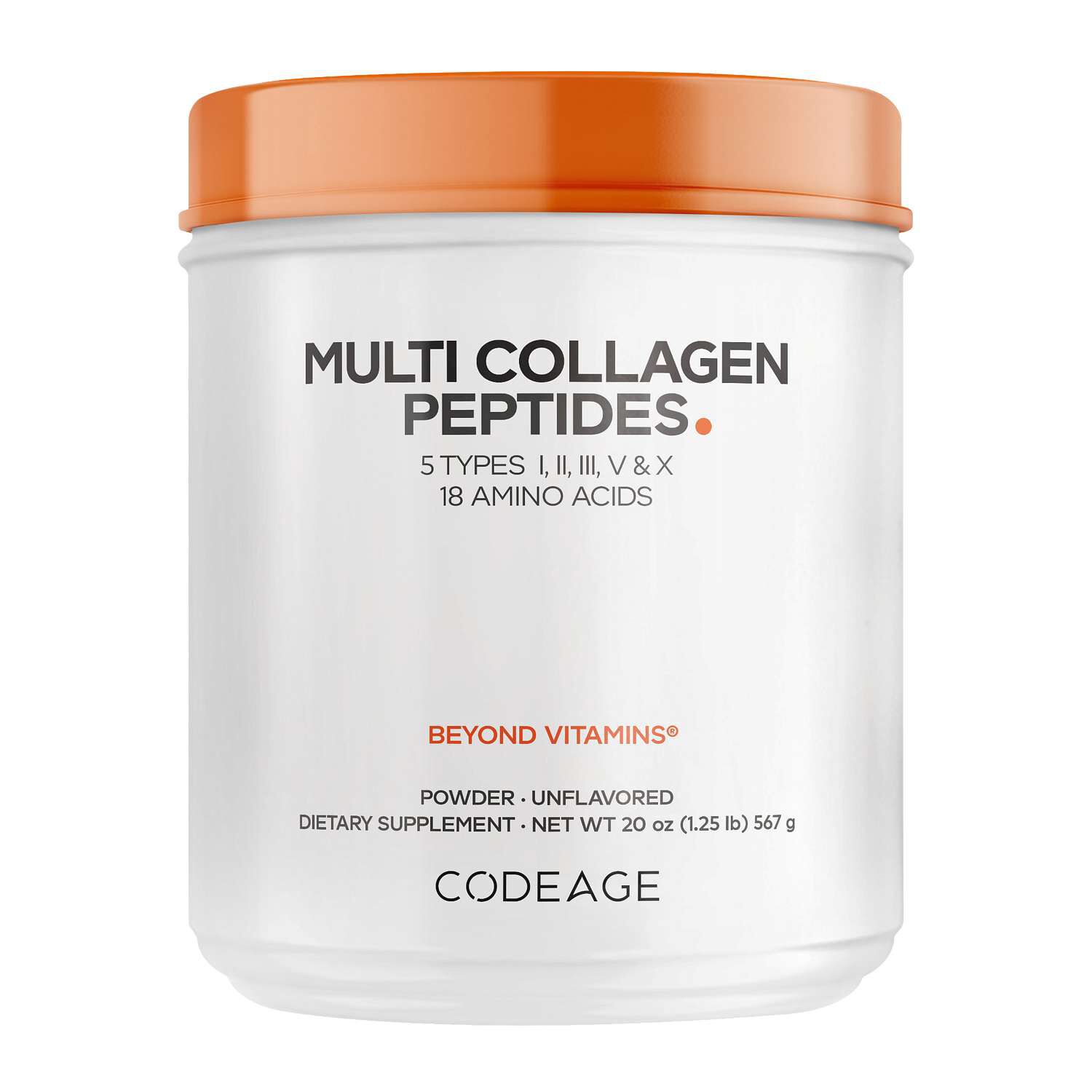
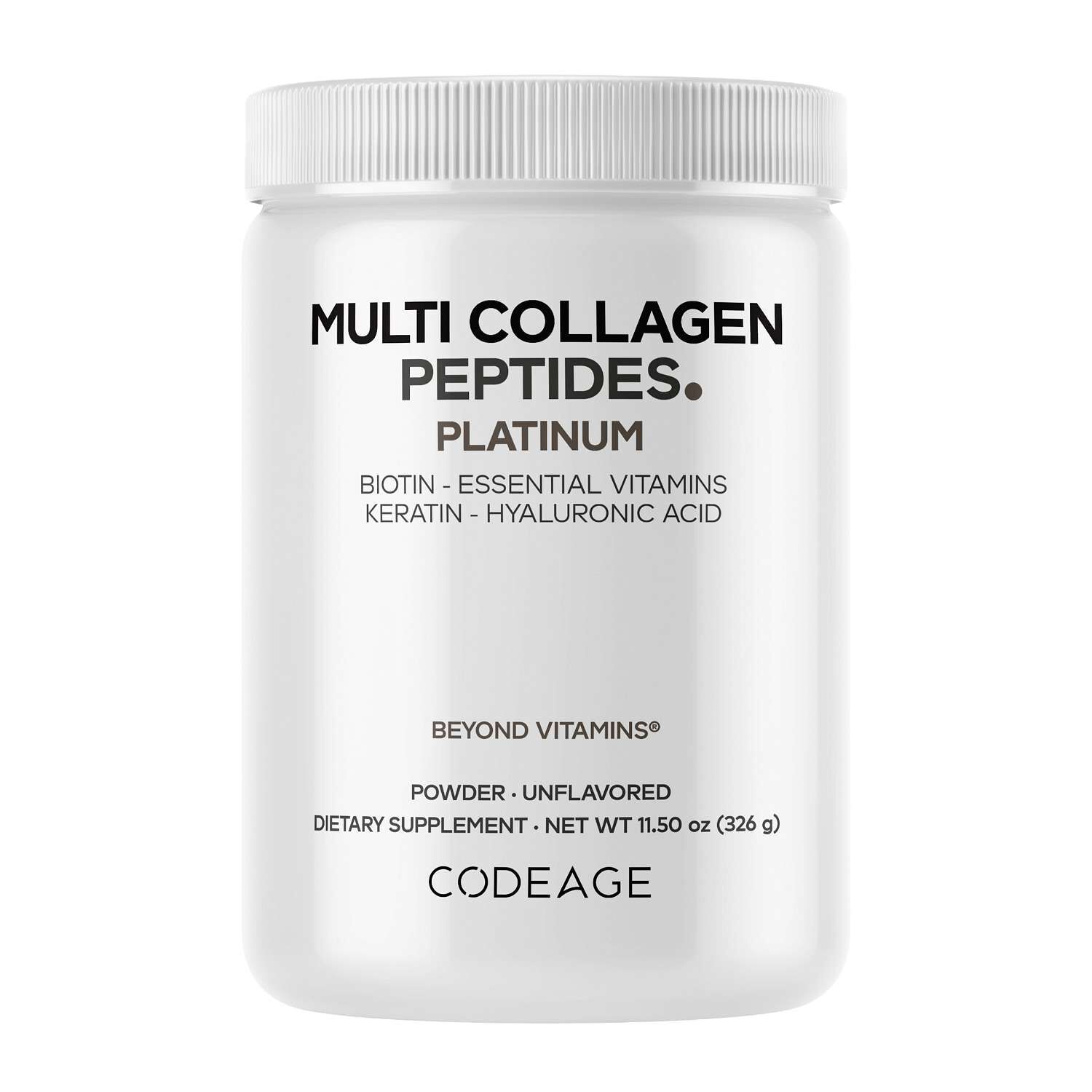
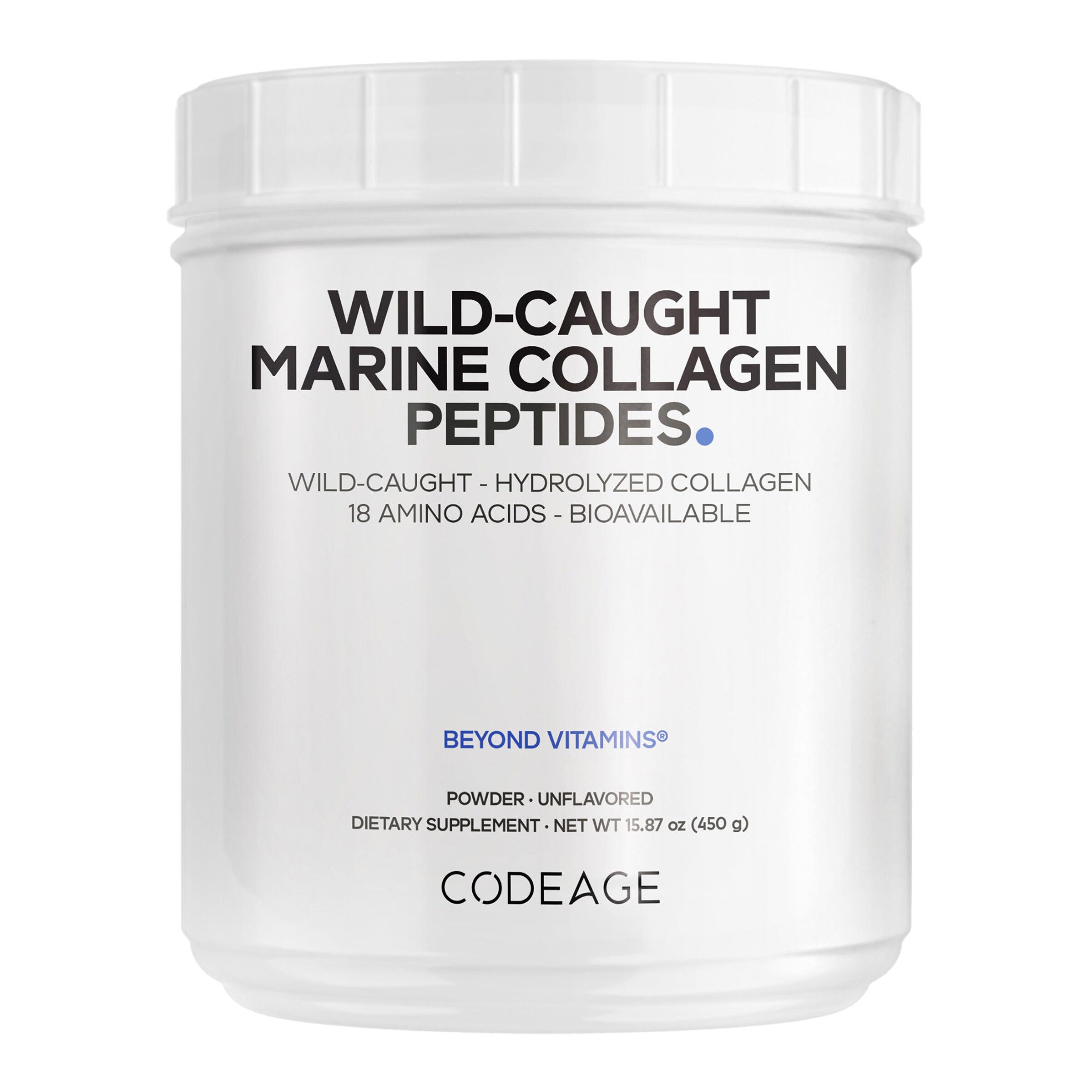
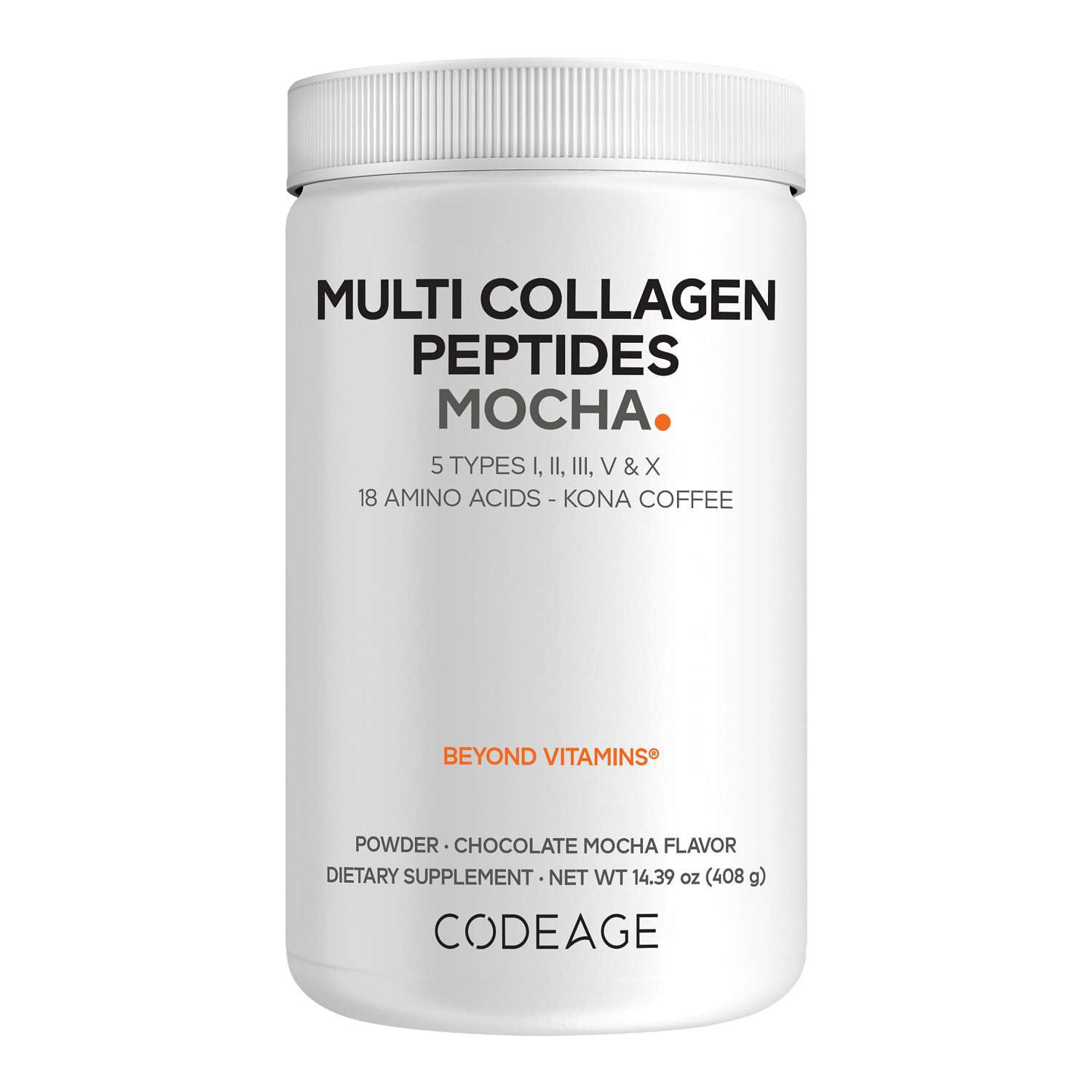

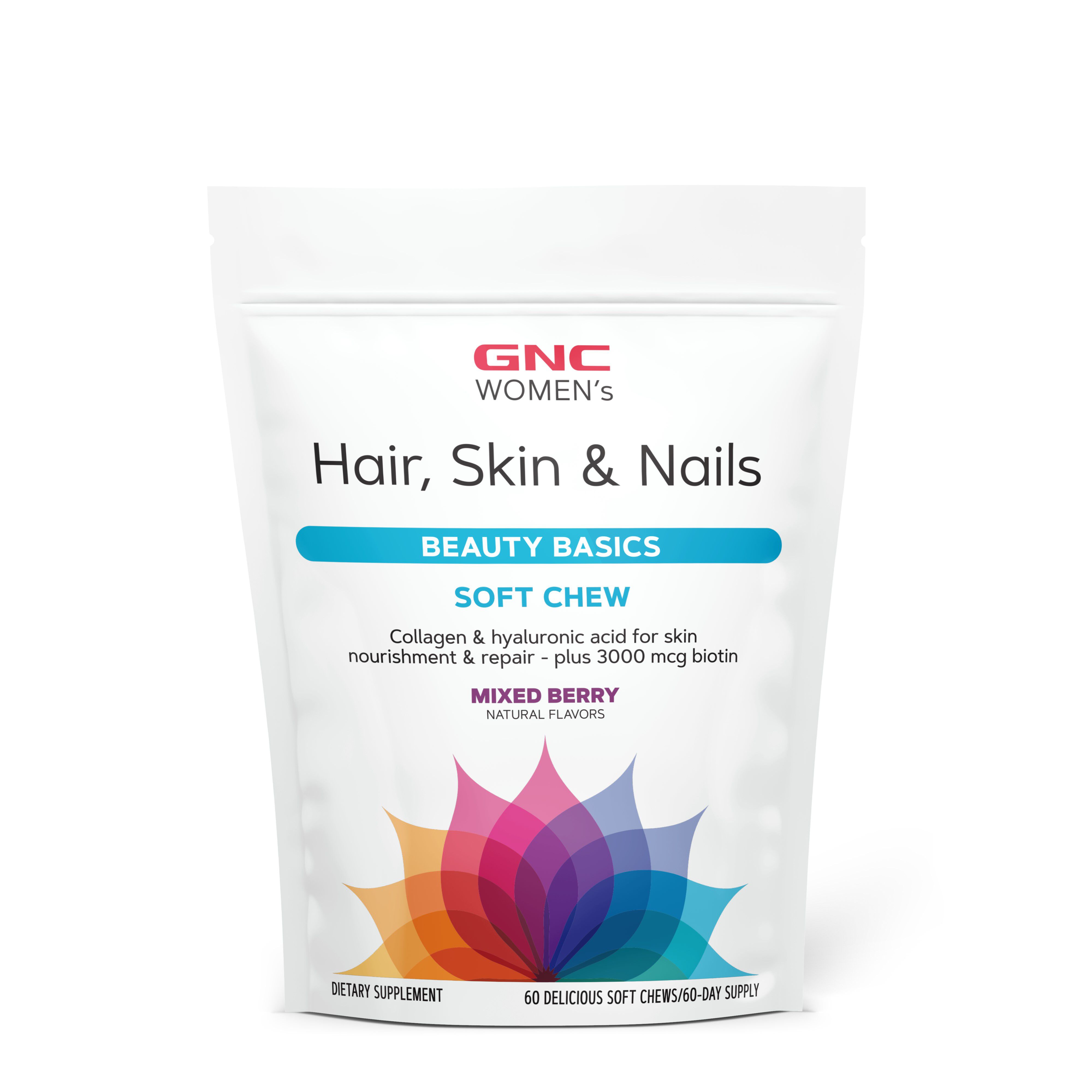
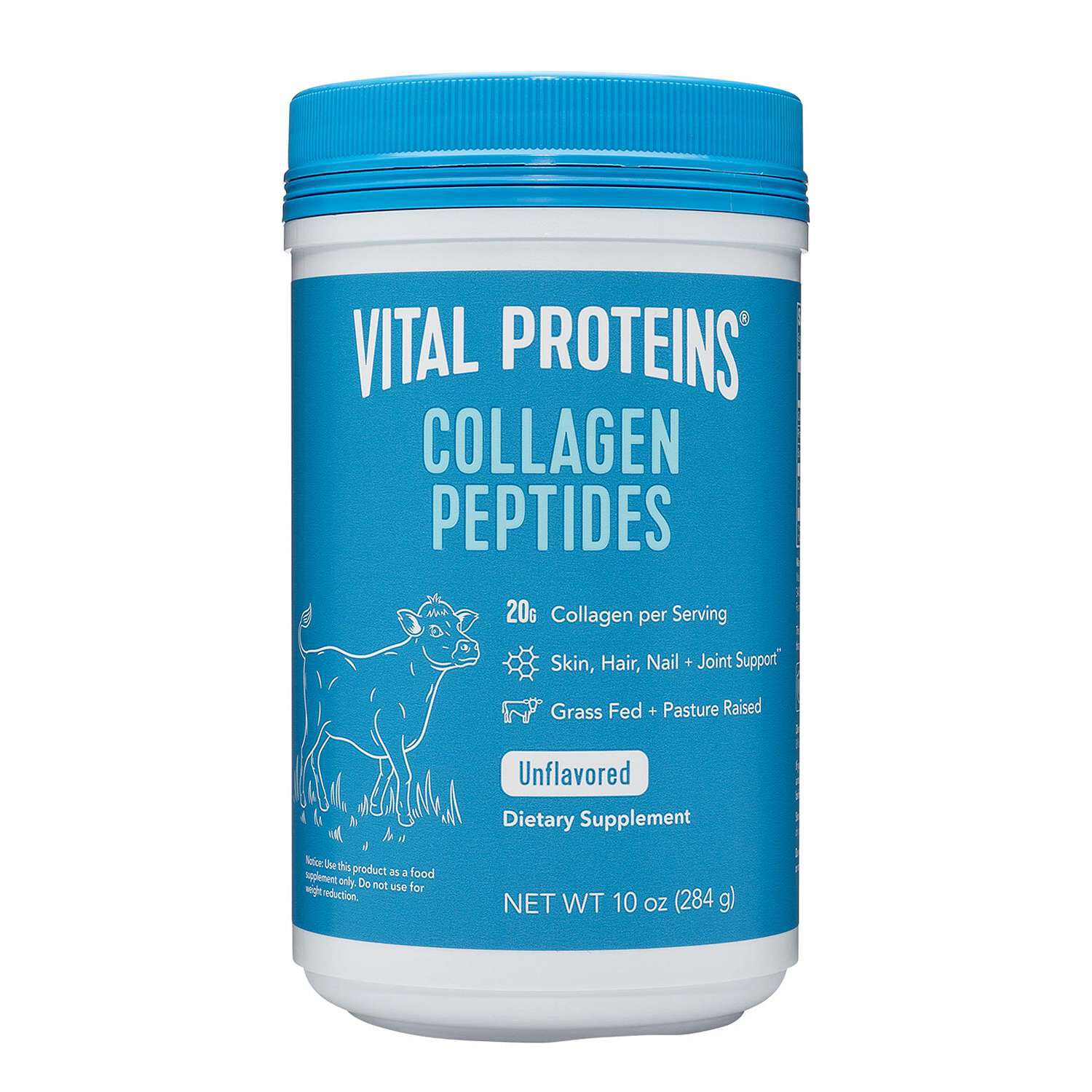
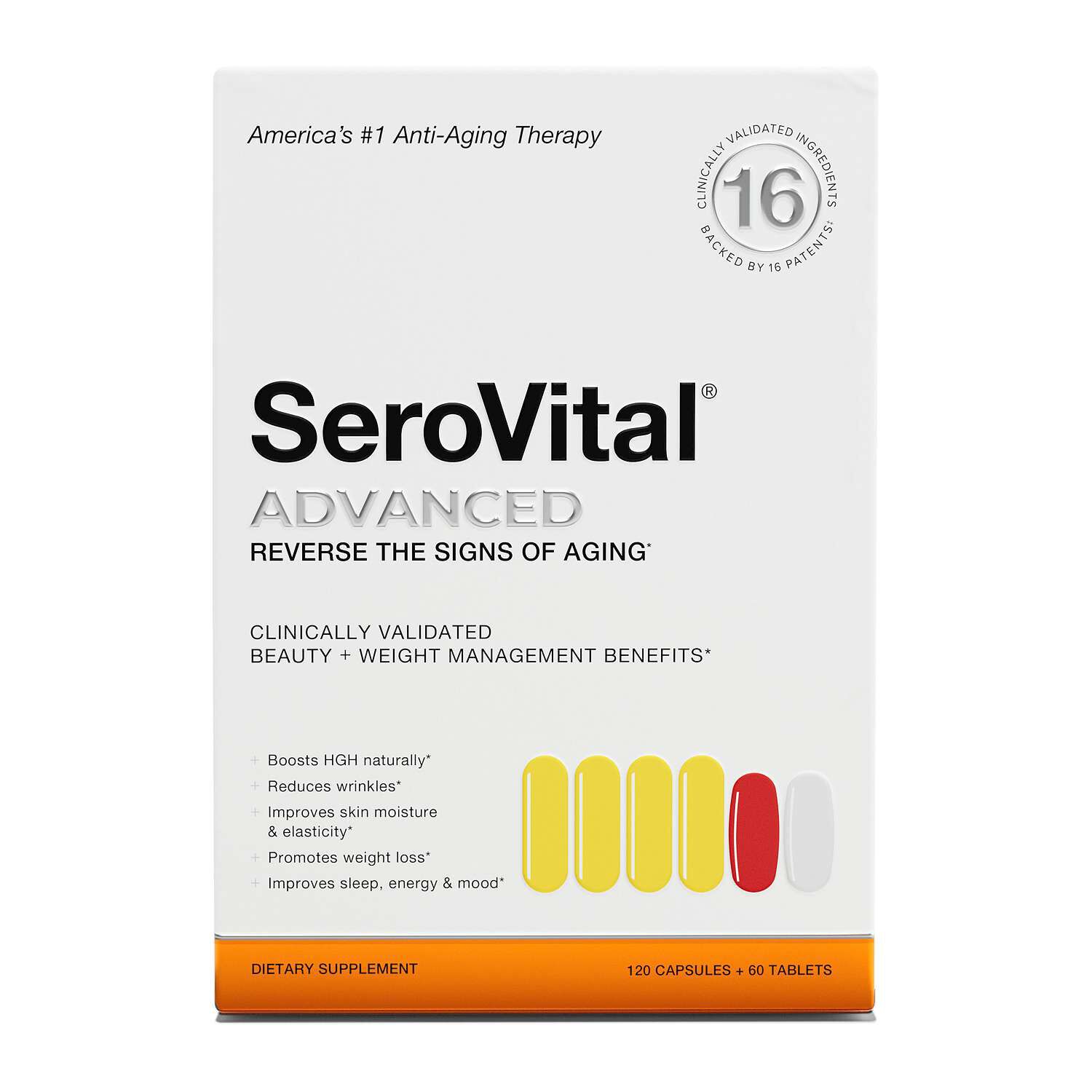
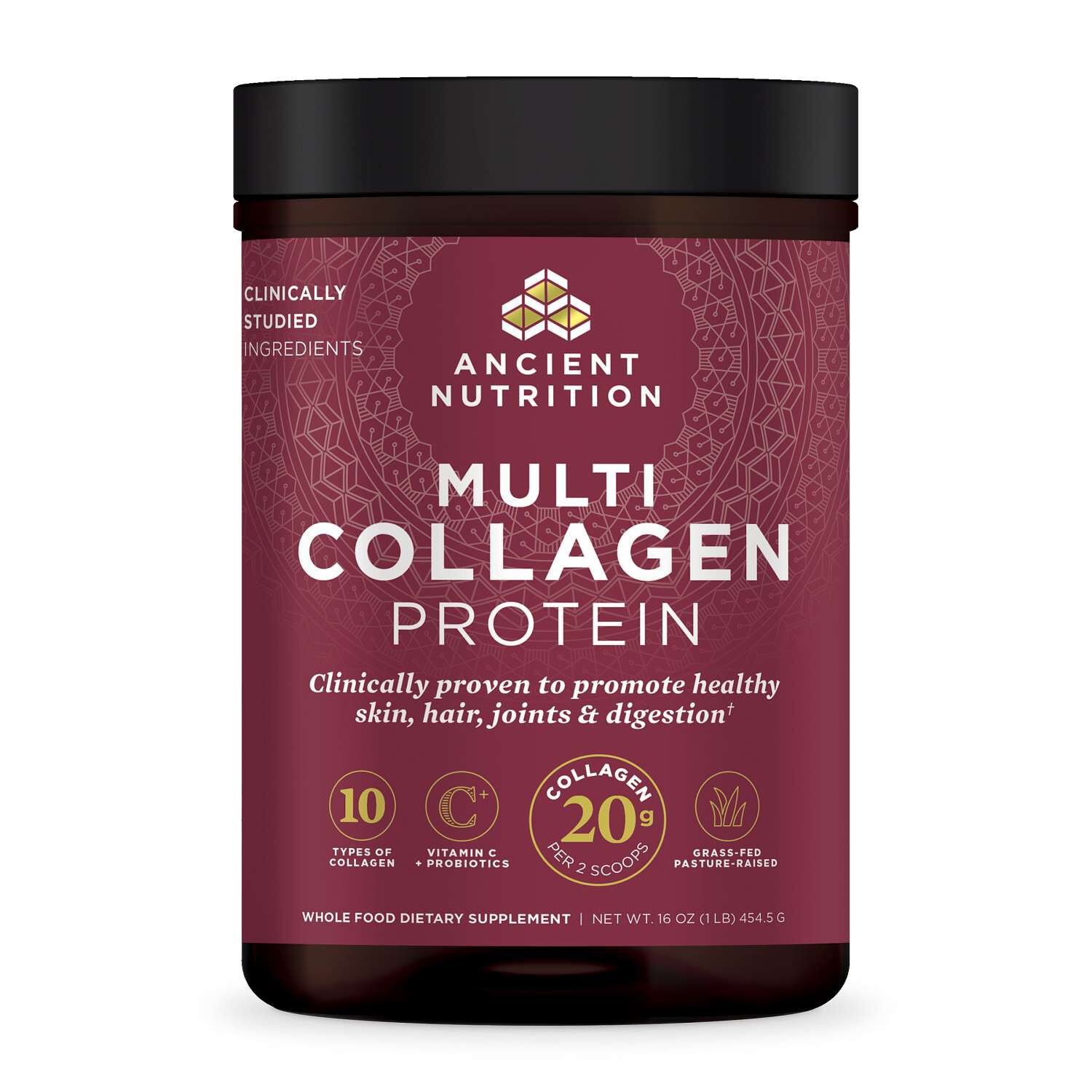
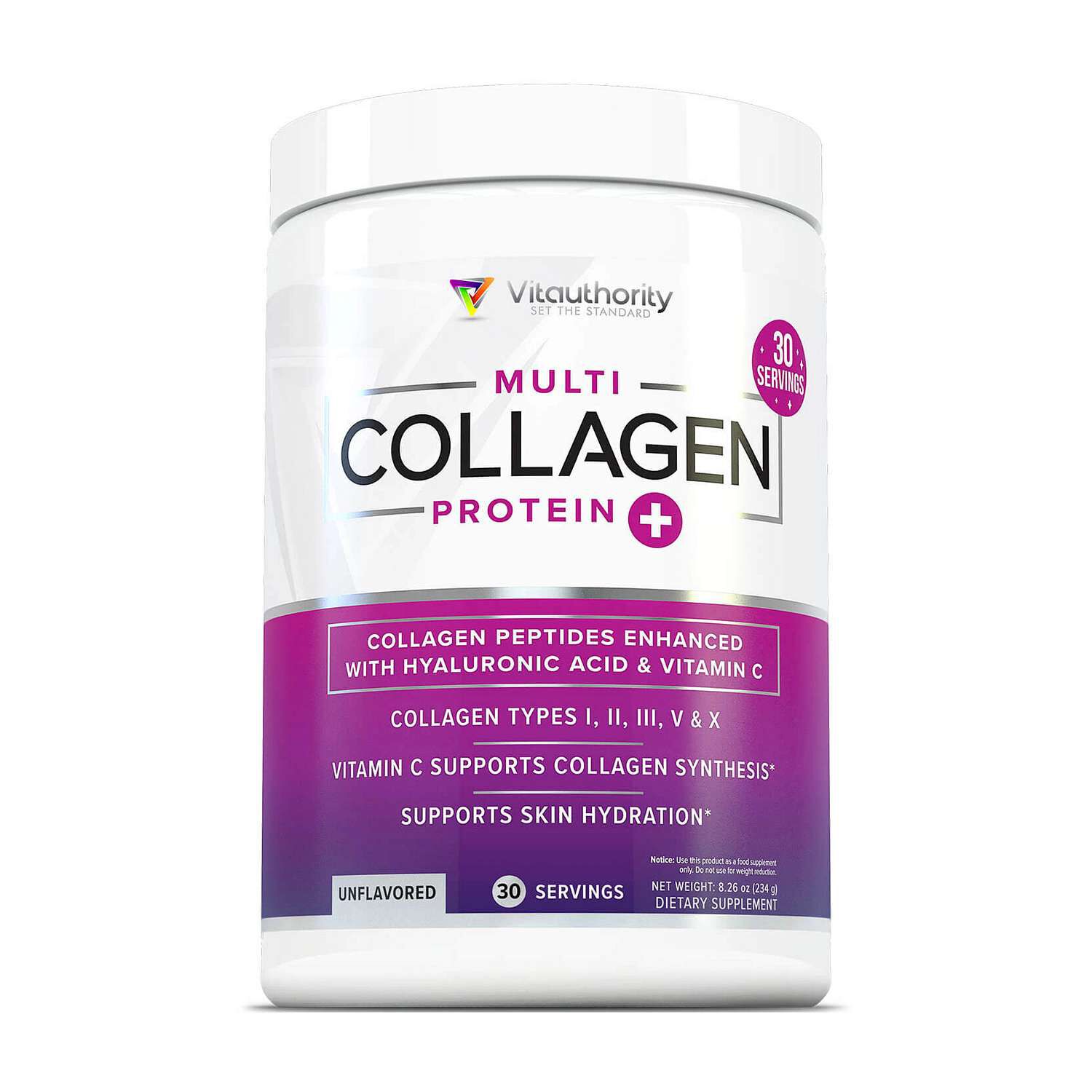
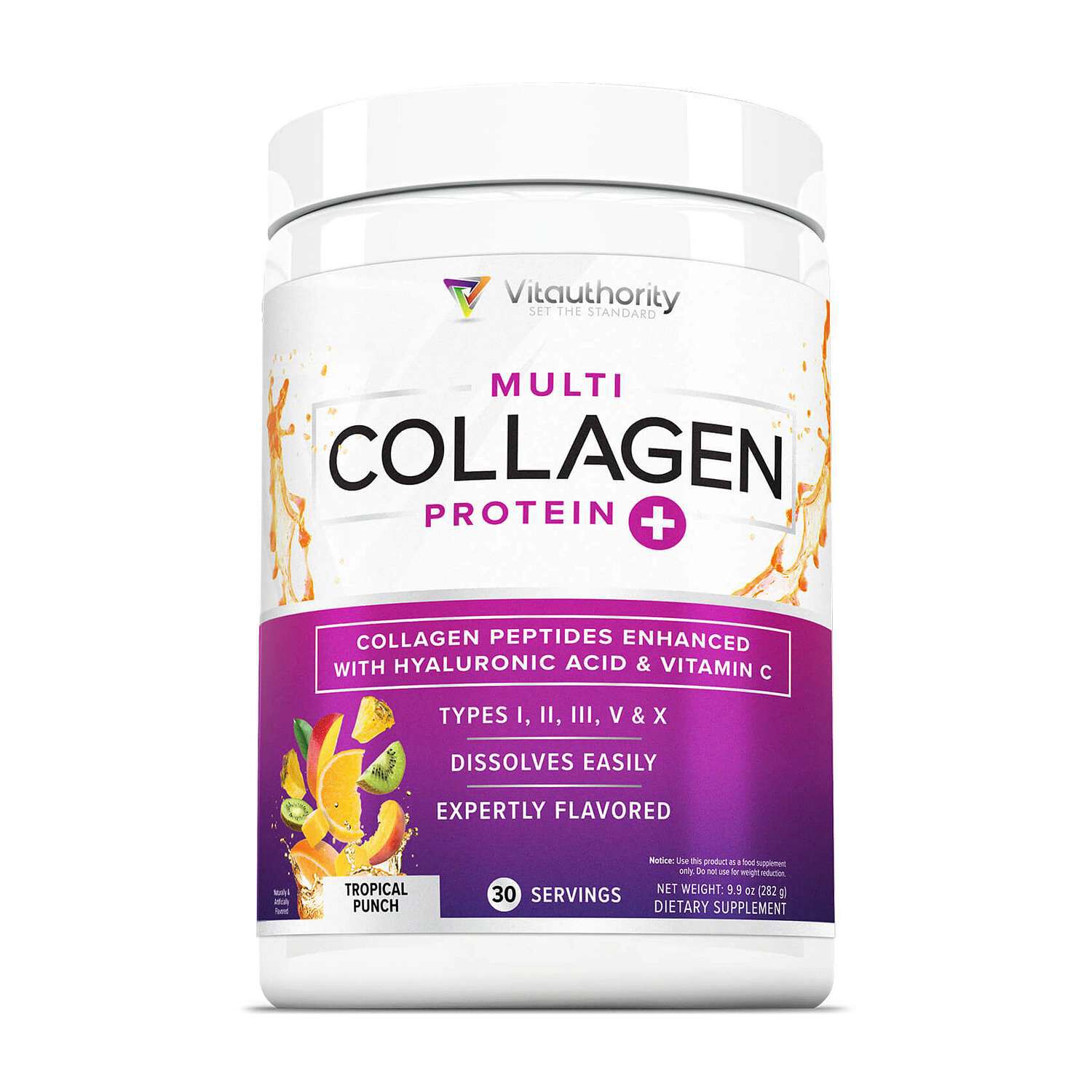
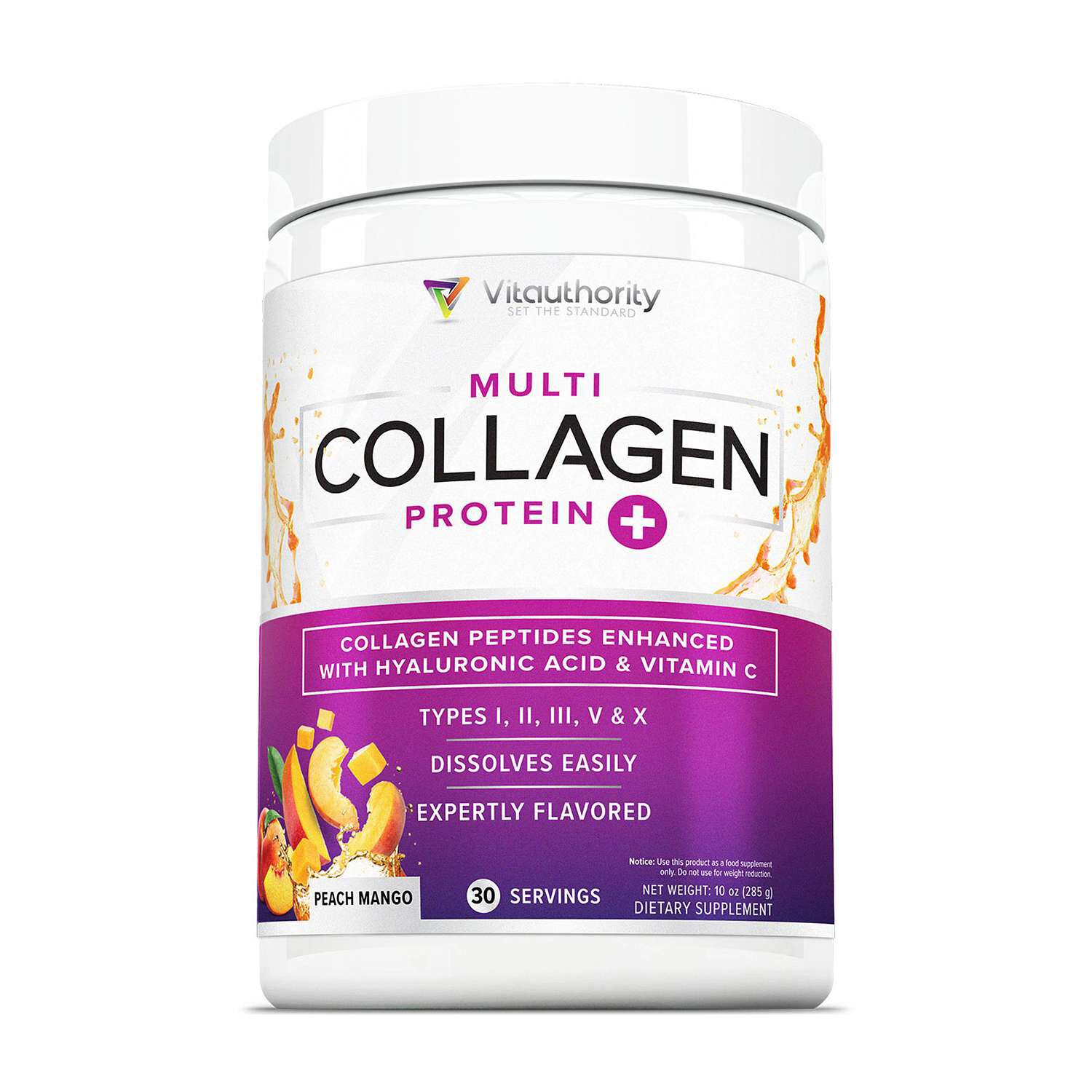
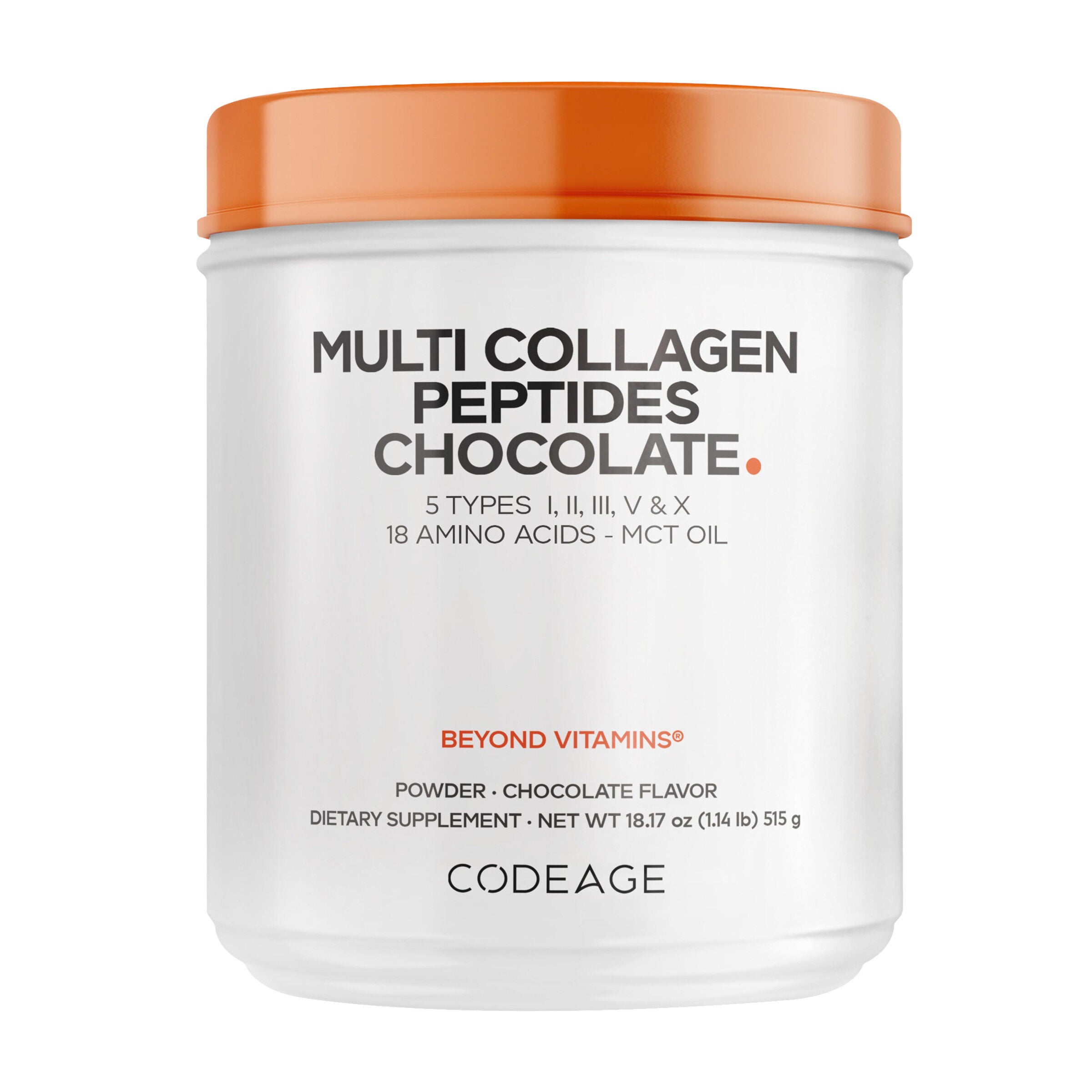
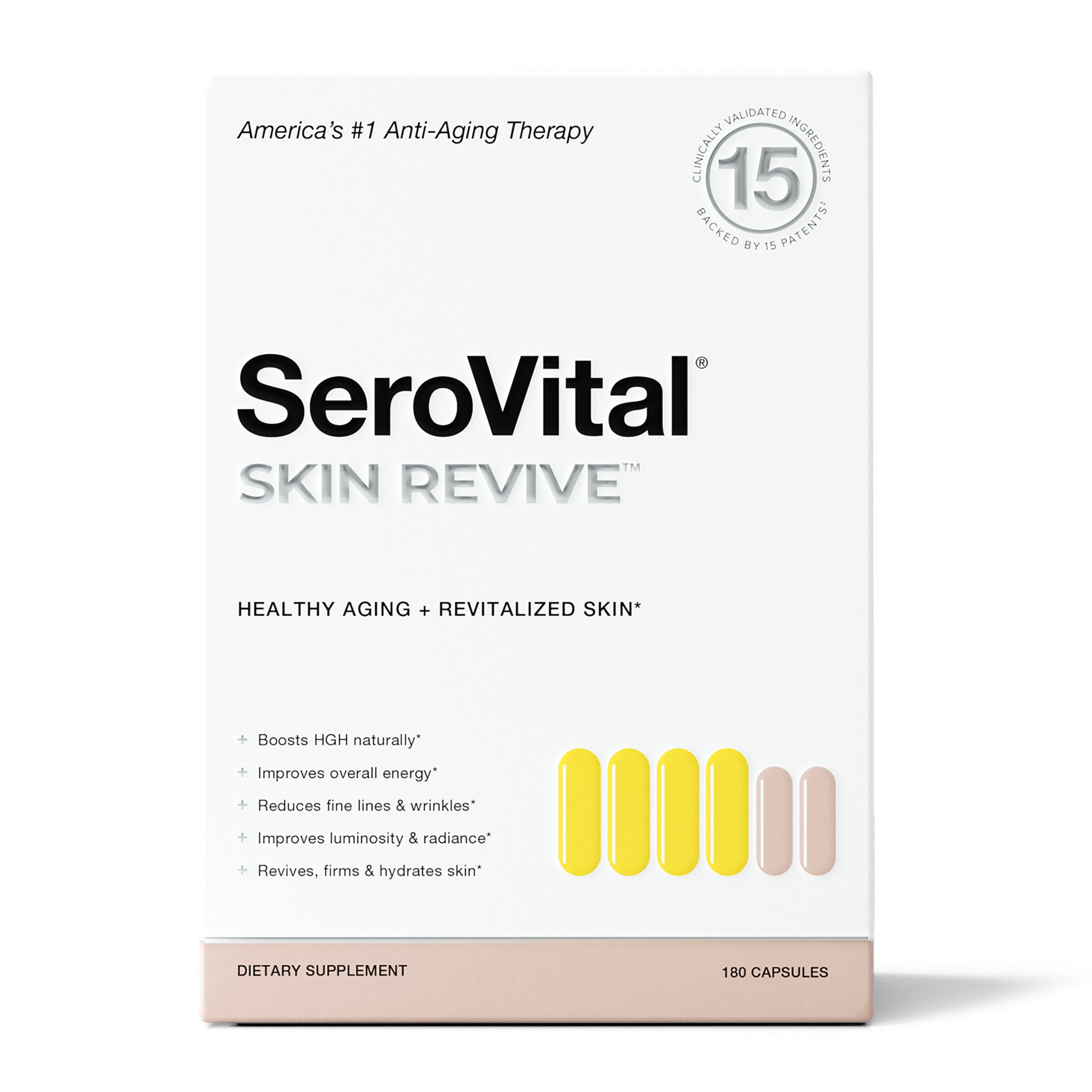
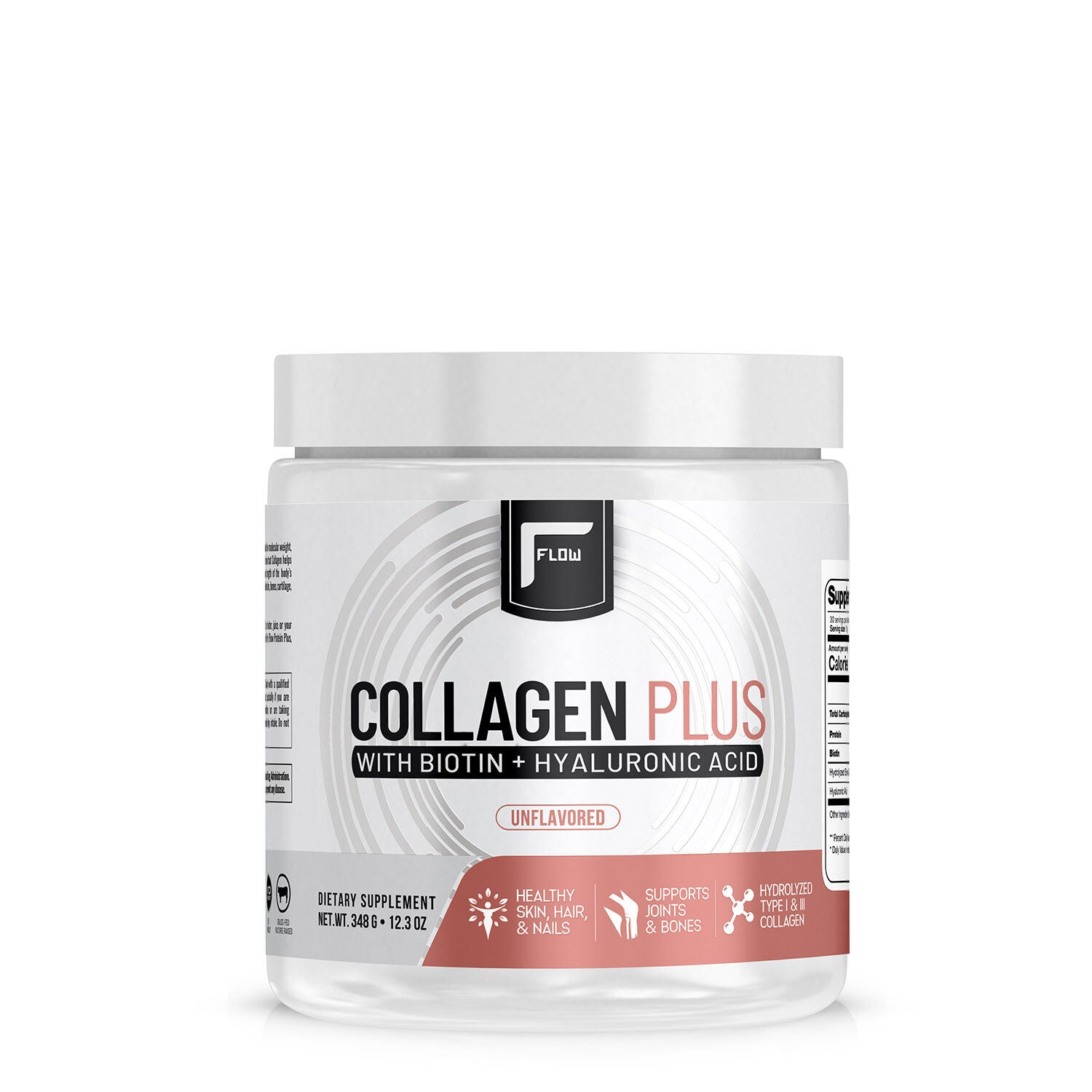
Supplements for supporting improved skin health bring together vitamins, minerals, collagen, and other ingredients in formats designed for everyday routines. These products may appeal to adults interested in a smoother-looking complexion, a hydrated appearance, or a beauty routine that includes nutritional support alongside topical care. Common ingredients include collagen peptides, vitamin C, biotin, zinc, hyaluronic acid, and omega-3 fatty acids, although formulas differ considerably in their composition and intended use. Collagen supplements may support skin elasticity and a supple appearance, while oral hyaluronic acid may support skin hydration. Vitamin C often appears in collagen-focused blends, and omega-3 formulas provide fatty acids from sources such as fish or algae. Those ingredient names are a starting point for comparison, rather than a reason to treat every formula as interchangeable. A collagen powder measured by the scoop is a different format from a capsule containing a blend of vitamins and minerals, even when both are positioned for skin-focused routines. Some formulas center on one ingredient; others bring several nutrients together in a daily serving. That distinction matters to shoppers who prefer a short ingredient list, as well as those who want to see how a beauty supplement fits alongside other nutritional products they already use. Skin appearance varies with age, environment, and everyday habits, so a supplement’s description should not be read as a prediction of an individual result. These products belong within a broader personal-care routine rather than in place of meals or topical skin care. During the cooler months, when morning routines might shift toward richer moisturizers and an extra layer before heading outdoors, skin-focused supplements may be another consideration for shoppers interested in the appearance of hydration. The most useful comparisons stay grounded in the actual formula: what it contains, how much constitutes a serving, where its ingredients come from, and what taking it would look like on an ordinary day.
Format can make the difference between a supplement that suits a routine and one that feels cumbersome. Powders offer a scoop-and-mix approach, with flavored and unflavored versions that vary in sweetness, aroma, and texture. An unflavored collagen powder is not necessarily without a noticeable taste, and different formulas disperse differently in beverages. Directions may specify suitable liquids or preparation methods, making mixing instructions worth considering before picturing a powder in a morning smoothie or an afternoon drink. Capsules and softgels avoid beverage preparation, but their dimensions and serving counts differ. A serving may consist of more than one capsule, so package count alone does not describe how many daily servings a container holds. Gummies offer a chewable format with their own texture, flavor, sweeteners, and ingredient amounts. Liquids bring another option, with measuring requirements and storage directions that can differ from dry formats. For someone who eats breakfast at home, a container beside the usual smoothie ingredients may fit naturally; someone who leaves early with a packed bag may prefer a format that requires no mixing. Ingredient sourcing adds another layer to these practical differences. Collagen is animal-derived and may come from bovine, marine, porcine, or poultry sources. A plant-based formula positioned around collagen support is distinct from a product that contains collagen peptides. Similarly, fish-derived oils and algae-derived oils differ in origin, while capsule shells may contain gelatin or plant-derived materials. Shoppers with dietary preferences can compare the source information, allergen statements, and other ingredients rather than relying on the front label alone. Flavorings, colors, sweeteners, and capsule materials are part of the product’s composition, too. These details may matter as much as the featured ingredient to someone selecting a supplement for regular use. Texture preferences, eating patterns, preparation time, and comfort with the serving format all help shape a practical match, without making one format universally preferable to another.
Label detail gives skin supplement shopping a firmer foundation than broad beauty language alone. The Supplement Facts panel identifies declared nutrients and amounts per serving, while the ingredient list provides information about the rest of the formula. A prominent ingredient name on the front of a package does not describe its quantity, and a long ingredient list does not by itself establish a better match for a particular shopper. Single-ingredient formulas offer a narrower composition to review; combination formulas require attention to each listed component. That is especially relevant when a beauty supplement sits alongside a multivitamin or another daily nutritional product, since some of the same nutrients may appear in both. Serving directions, ingredient sources, and clearly described testing information provide concrete points of comparison. Where third-party testing is stated, the details of that testing matter more than a general impression created by a symbol or seal. Packaging and care also deserve attention because these products may spend weeks in a kitchen cupboard, desk drawer, or travel bag. Moisture can affect powders, and heat can change the texture of gummies or softgels. The package’s storage directions, closure design, and date marking help shoppers understand how the product is intended to be kept. A tightly closing lid, a readable serving measure, or individually portioned packaging can make everyday handling more straightforward, depending on the format. A large container is not automatically the most convenient choice for someone with limited cupboard space, just as a powder may not suit someone who rarely prepares drinks at home. Adults browsing for a beauty-focused addition to their routines can also explore supplements for radiant skin with the same attention to ingredients, sourcing, and daily use. The appeal of this category lies in that range of choices, from simple compositions to blends developed around cosmetic skin goals. A thoughtful selection rests on transparent product information and realistic expectations: a formula may support aspects of skin appearance, but the experience can vary, and its place in a routine should be understood through its own label rather than the appeal of its packaging.
Best Sellers
-
Ancient Nutrition
-
Vital Proteins