Iron For Hemoglobin Supplement
(0 Results)
Iron is an essential mineral that plays a crucial role in maintaining healthy hemoglobin levels in our bodies. If you're looking to support your body's iron needs, our selection of iron supplements offers a convenient way to ensure you're meeting your daily requirements. Whether you're managing an iron deficiency or simply aiming to boost your overall health and well-being, incorporating an iron supplement into your routine can help support energy levels, cognitive function, and overall vitality. Explore our range of iron supplements to find a product that aligns with your nutritional goals and lifestyle needs.
-

-
-

-
-
-

-

-

-
-
-
-
 $29.99
 -
-
 $16.99
 -
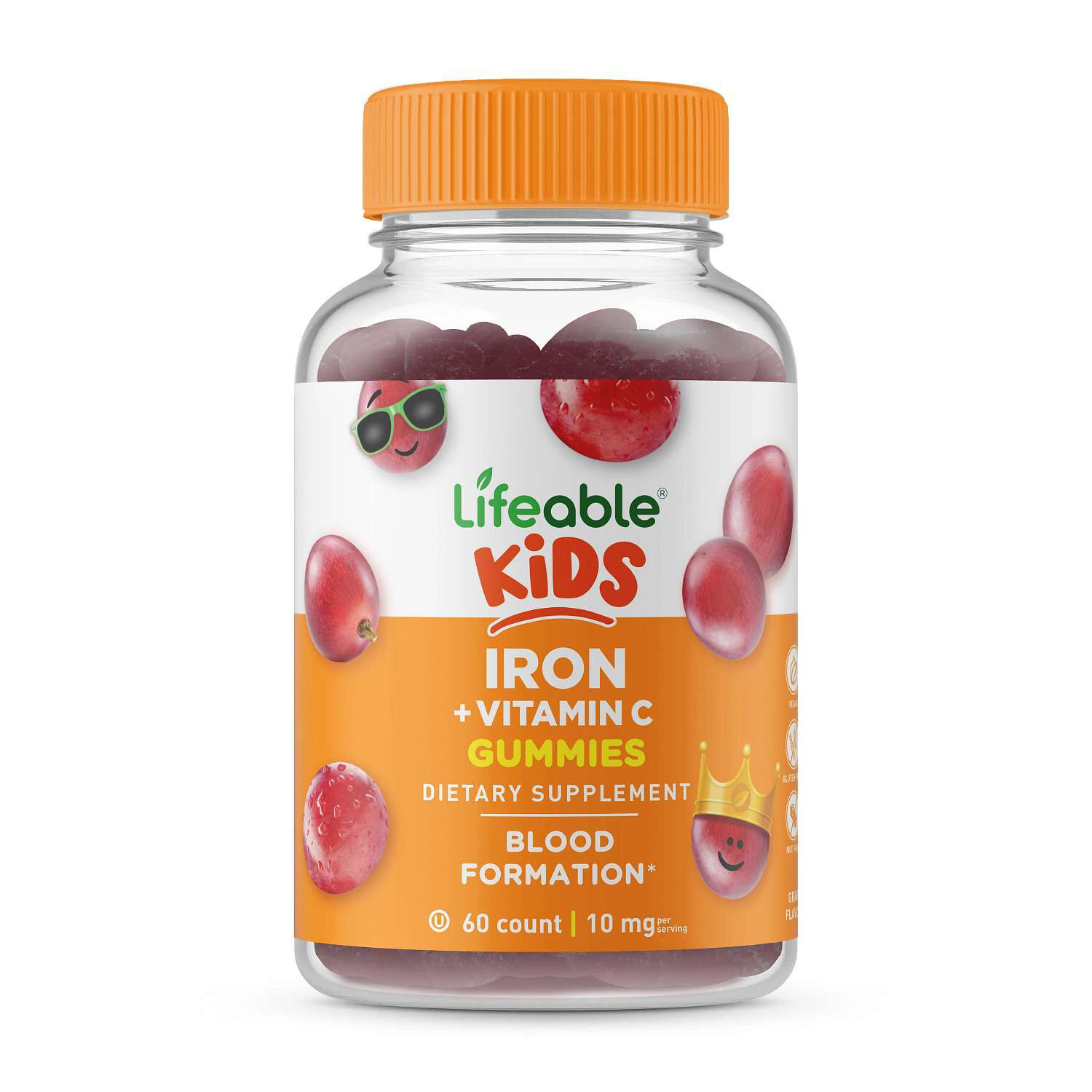 $15.99

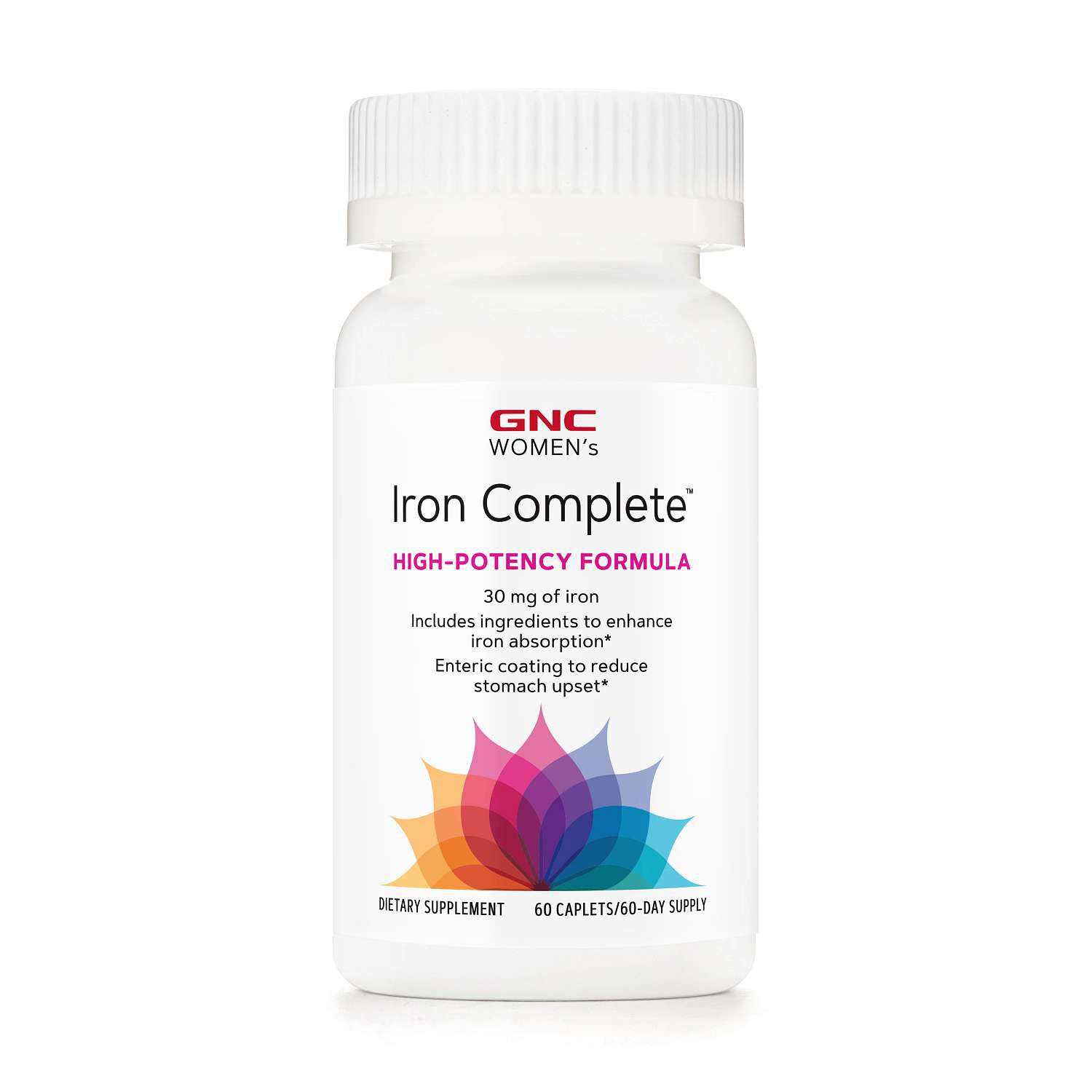
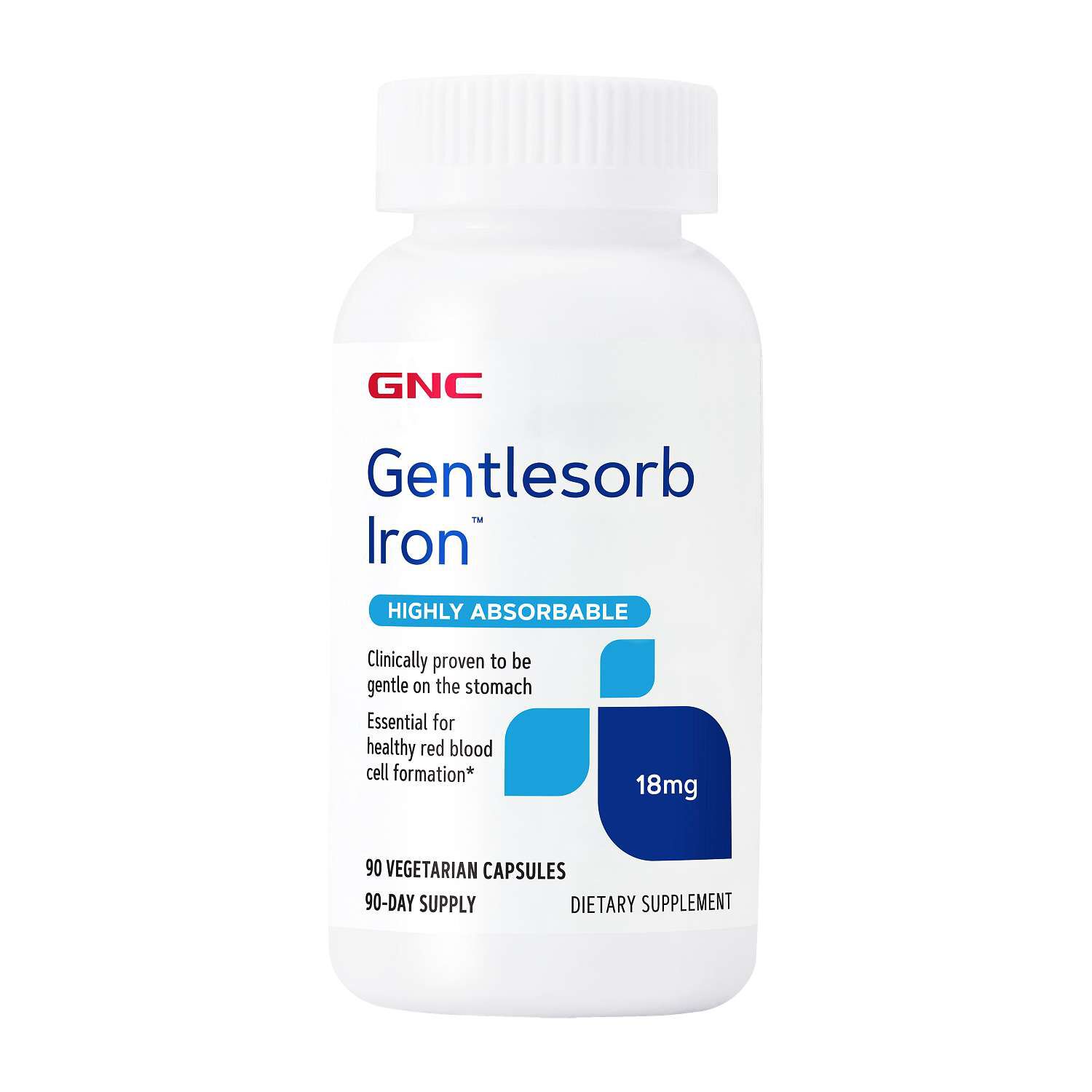
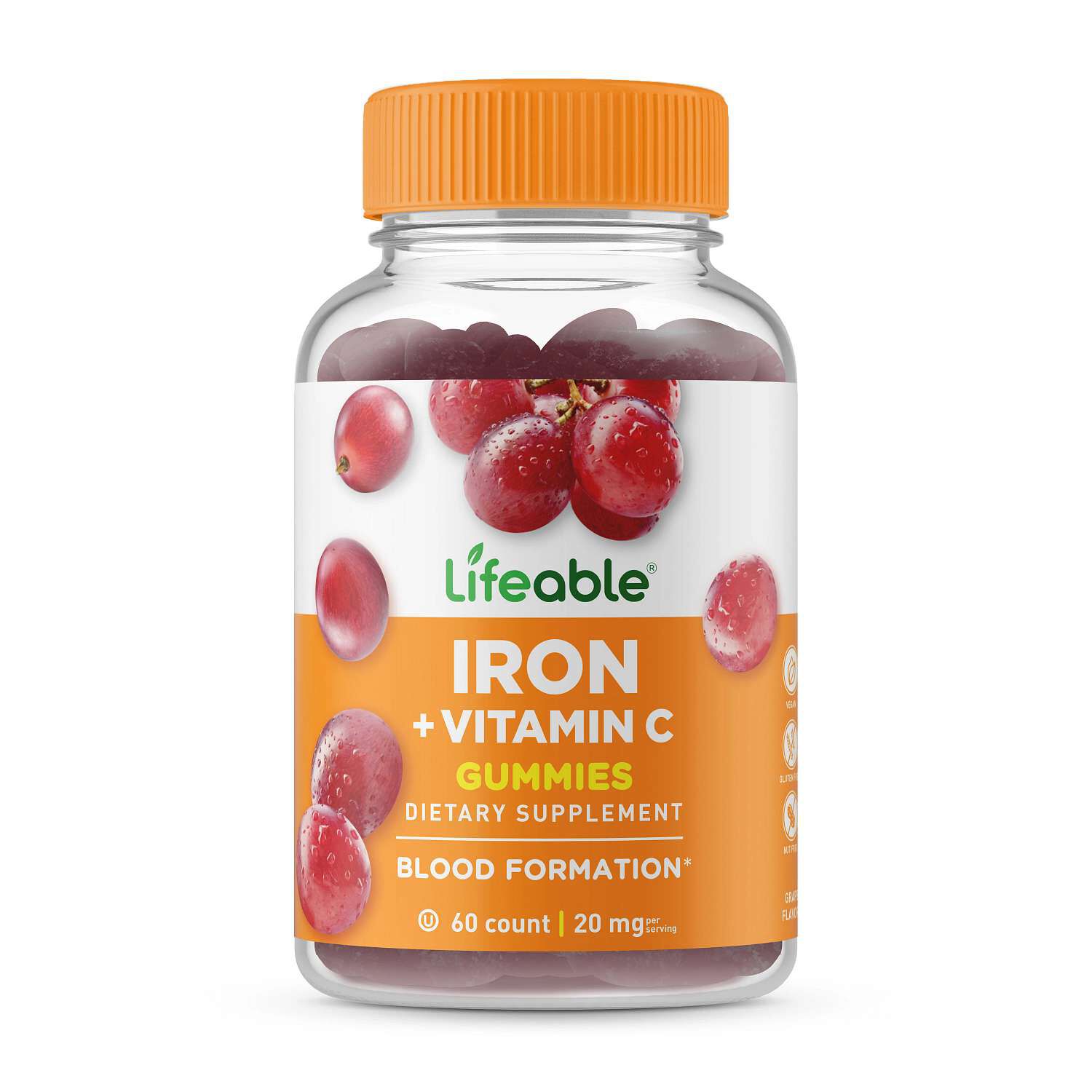
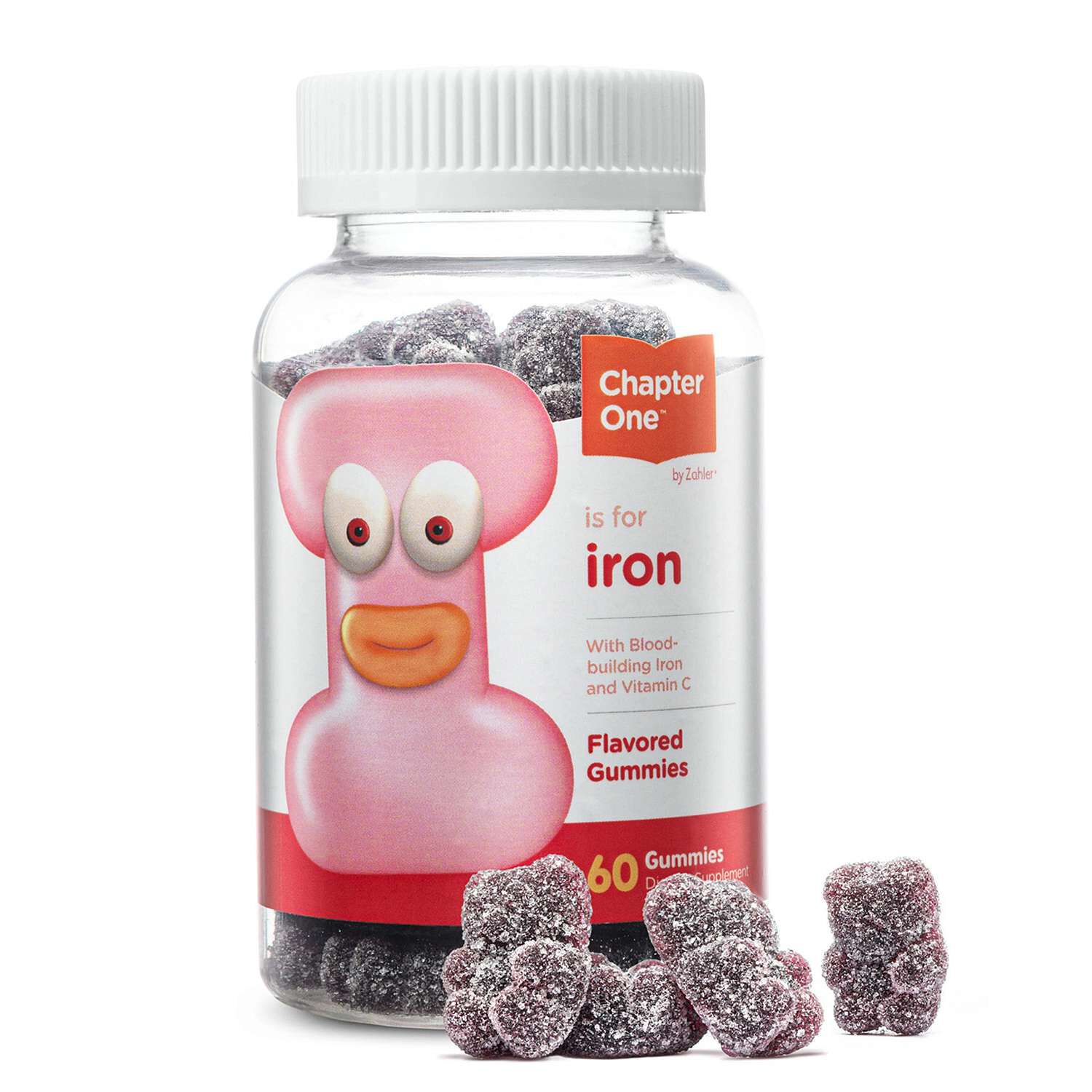
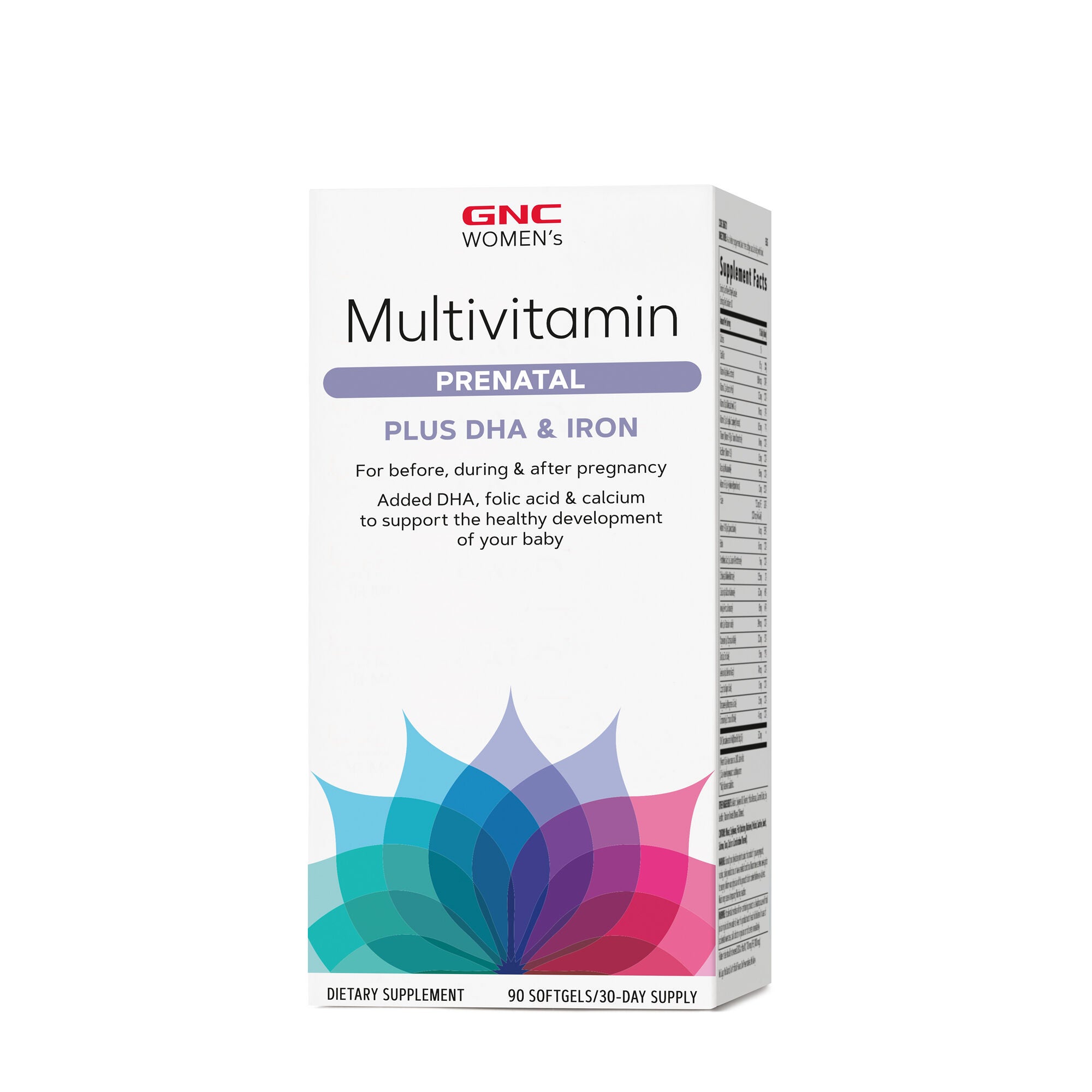
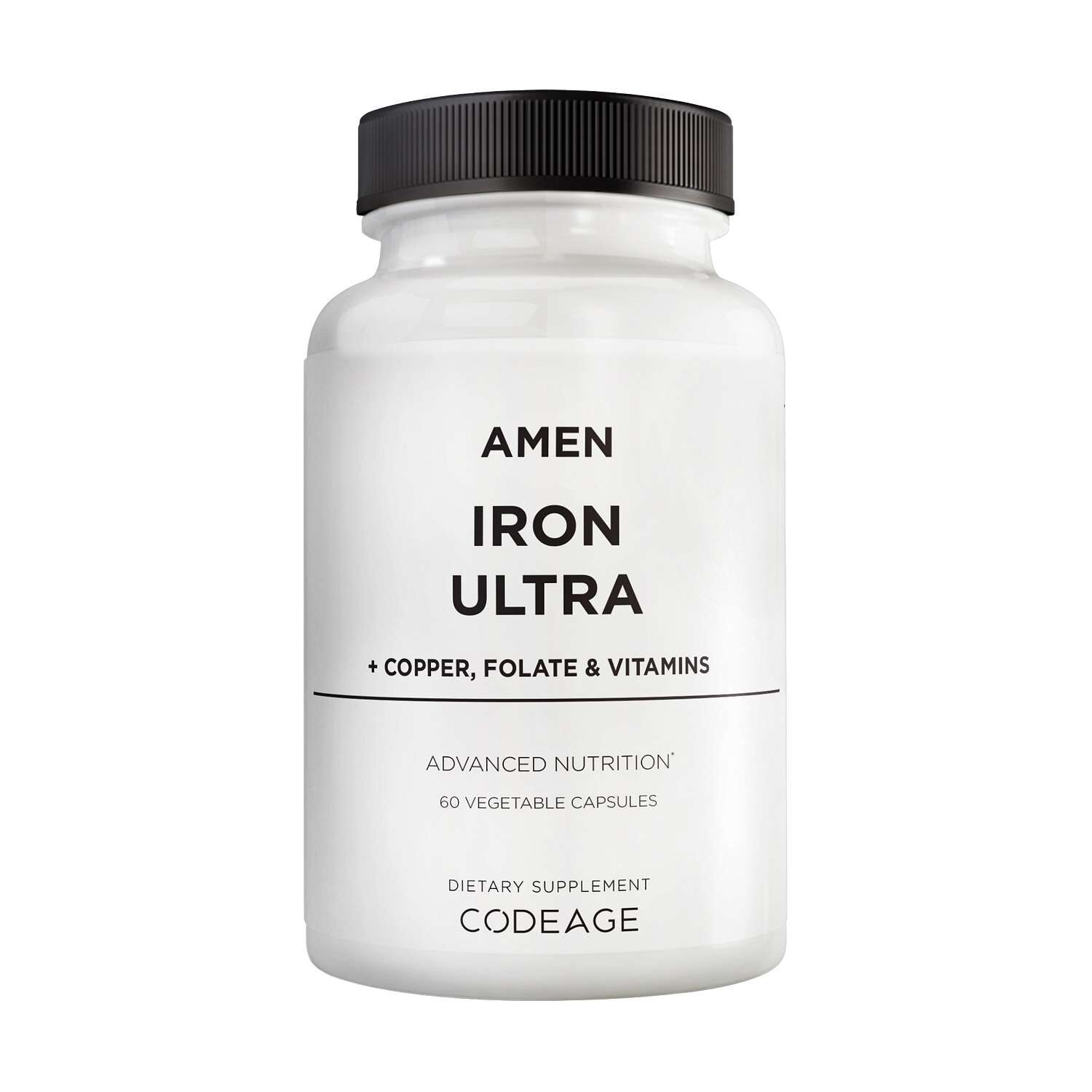
Iron is a mineral used to make hemoglobin, the protein in red blood cells that carries oxygen from the lungs throughout the body. People searching for an iron supplement for hemoglobin may be looking for a convenient way to add this nutrient to a daily routine, particularly when a health professional has identified a need through dietary review or laboratory testing. Iron needs can vary from person to person. Those who eat little or no meat, experience regular menstrual blood loss, are pregnant or breastfeeding, donate blood often, or have certain digestive concerns may be among the people who discuss iron intake with a qualified healthcare professional. A supplement may fit into a broader nutrition plan when food alone does not provide the amount recommended for an individual. It is worth reviewing recent hemoglobin or ferritin results, current medications, and other supplements before choosing an option, since those details may shape the amount and form that best suits a person. Hemoglobin and ferritin are different measurements: hemoglobin reflects the oxygen-carrying protein in red blood cells, while ferritin is commonly used to assess stored iron. A healthcare professional can explain what those results mean and whether an iron product belongs in a personal routine. For shoppers comparing formulas, Iron Complex Supplements may offer a useful place to explore products that pair iron with other nutrients. The label may list forms such as ferrous sulfate, ferrous gluconate, ferrous fumarate, or chelated forms. The amount of elemental iron matters more than the weight of the entire compound, so comparing the Supplement Facts panel can make shopping easier. Some formulas may also include vitamin C, folate, vitamin B12, or other nutrients selected for a broader daily regimen, although a more extensive formula is not automatically the right choice for every shopper.
When selecting an iron product, consider the serving size, form, tablet or capsule count, and directions for use. A smaller serving may be easier to fit into a routine, while a liquid format could be useful for someone who prefers not to swallow tablets. Some people may find certain forms gentler on digestion than others, though personal tolerance can differ. Taking iron between meals may support absorption, yet taking it with a small amount of food might be more comfortable for someone with a sensitive stomach. Citrus fruit or another source of vitamin C may be paired with an iron serving, while coffee, tea, calcium supplements, and antacids may interfere with absorption when taken at the same time. Because medicines and supplements can interact, spacing products apart or changing a routine should be discussed with a pharmacist or healthcare professional. Following the label is especially important with iron because more is not always better. Higher amounts may contribute to constipation, nausea, stomach discomfort, or darker green or black stools. Anyone who notices an unexpected change or has concerns about how a product fits with their routine should seek individualized guidance rather than making assumptions based on a general product description. Keeping a simple record of serving times can help, especially when a person also takes a multivitamin, calcium product, antacid, or prescription medicine. A glass of water beside the morning coffee, a serving placed near a regular meal, or a reminder on a phone may make the routine easier to remember without making it feel complicated. Shoppers may also want to check whether a product uses a child-resistant closure and whether the serving instructions are easy to read.
Iron supplements can be a thoughtful purchase for an adult who has already discussed iron intake with a healthcare professional and wants a practical addition to an established nutrition routine. They may also be appropriate as a personal-care gift when the recipient has specifically mentioned an iron recommendation, prefers a certain format, or has asked for help maintaining a supplement cabinet. As a surprise gift, however, iron is less personal than a general wellness item because individual needs differ and excess intake may create safety concerns. Store iron products in a cool, dry place and keep them out of reach of children and pets; accidental access to iron can be very dangerous for young children. During the cooler months, routines often shift toward indoor mornings, warm breakfasts, and fuller schedules, making a clearly labeled supplement container and a consistent storage spot useful. A shopper might keep the product beside a water bottle, pack it for a regular commute, or place it with other items used at the same time, provided the label directions and professional guidance are followed. For anyone beginning an iron routine, the most useful starting points are a careful look at the Supplement Facts panel, awareness of the iron form and elemental amount, attention to timing with coffee, tea, calcium, and antacids, and a conversation with a qualified healthcare professional when laboratory results, pregnancy, prescription medicines, digestive concerns, or other personal factors are involved. This approach may make it easier to choose an iron product that aligns with a person’s needs, preferences, and everyday habits.