





Keto Friendly Mushroom Blends For Adults
(0 Results)
Keto friendly mushroom blends for adults offer a convenient way to explore unique wellness options while maintaining a low-carb lifestyle. These versatile blends may fit seamlessly into daily routines, whether added to smoothies, coffee, or recipes. With a variety of carefully selected mushrooms, keto friendly mushroom blends for adults could be an appealing choice for those seeking to complement their nutritional goals. Discover a range of options designed with your dietary preferences in mind and enjoy the possibilities that these blends might bring to your wellness journey.
-
-

-

-

-
-

-

-
 Nature's Fusions$24.99
-
 $27.99
-
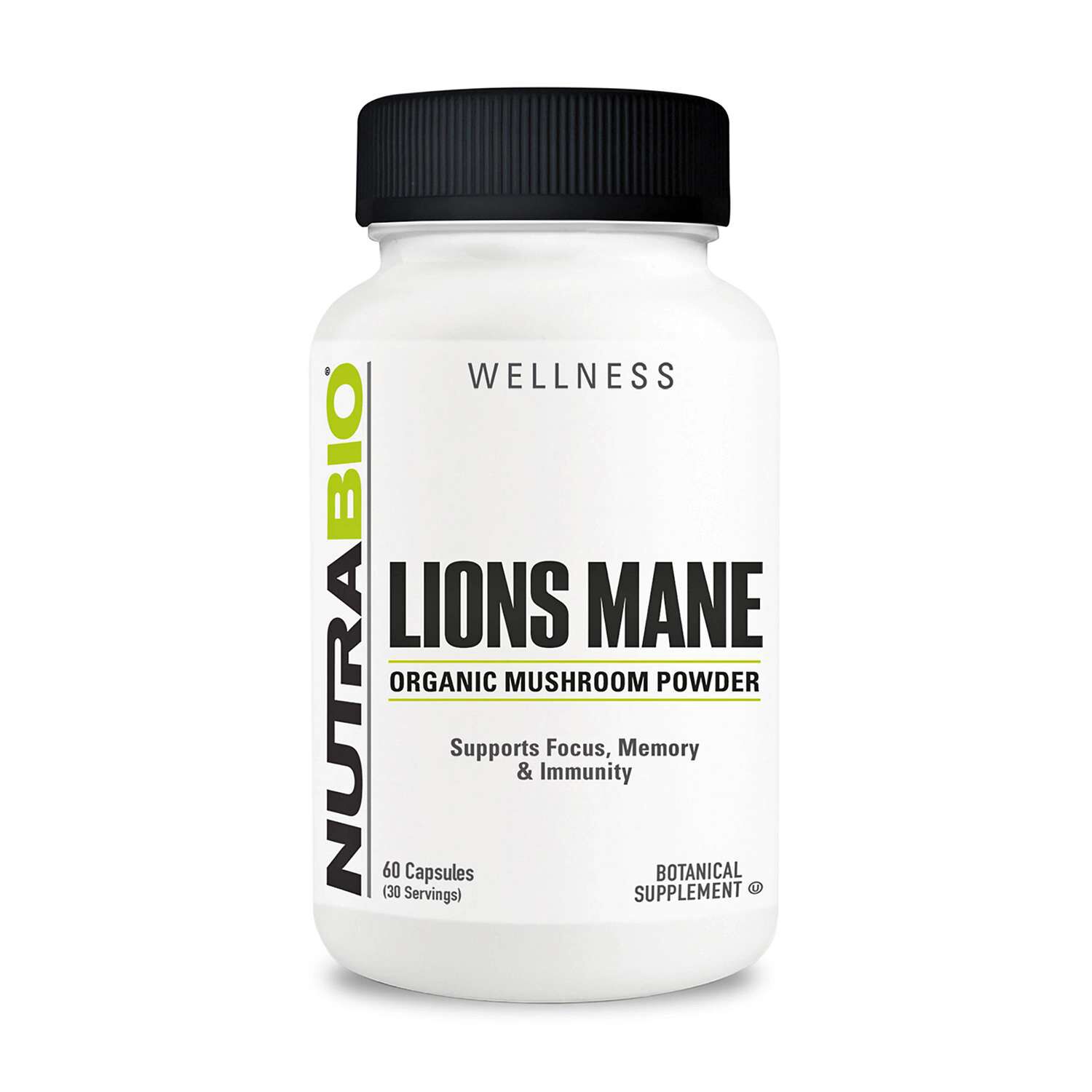 $24.99
-
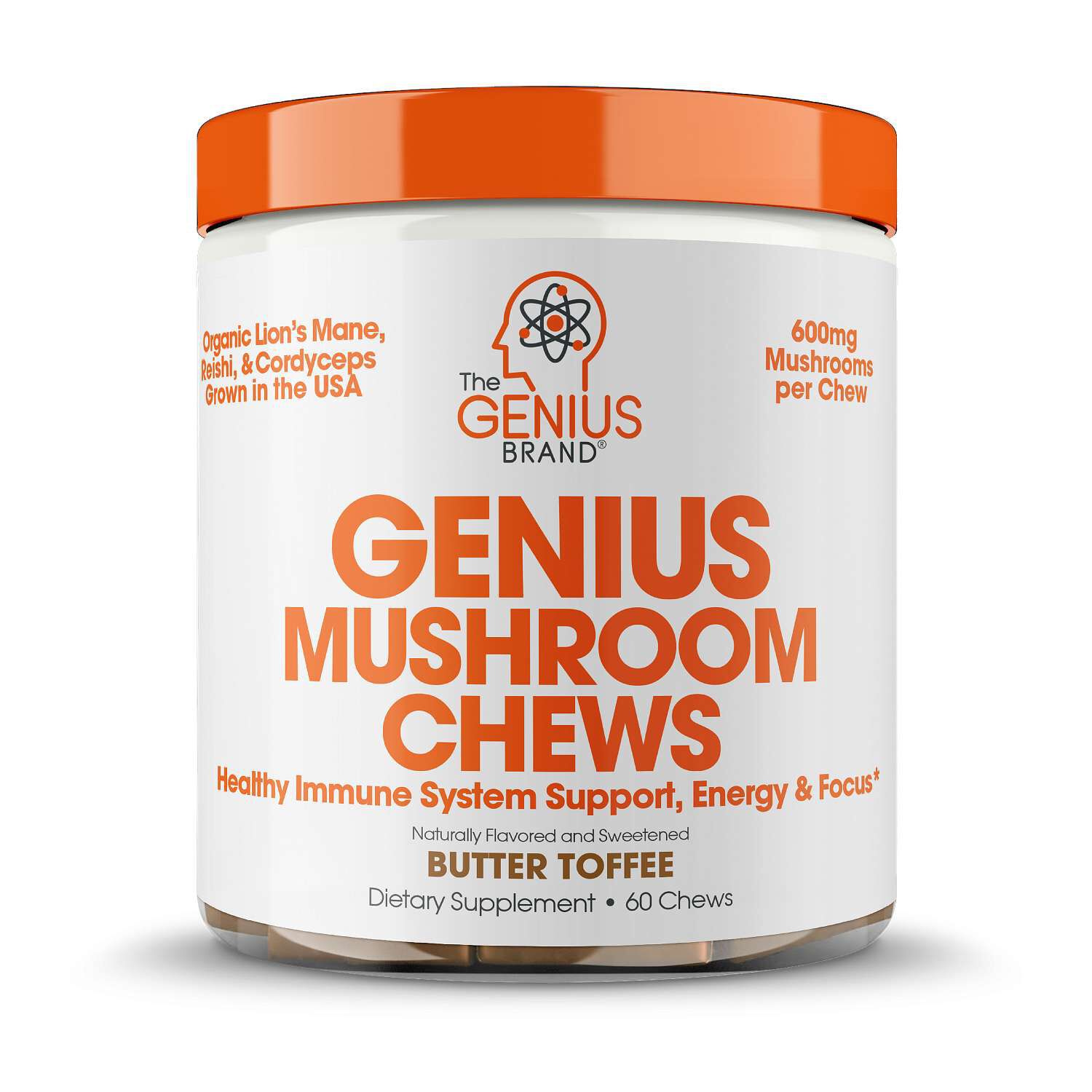 The Genius Brand$29.99
-
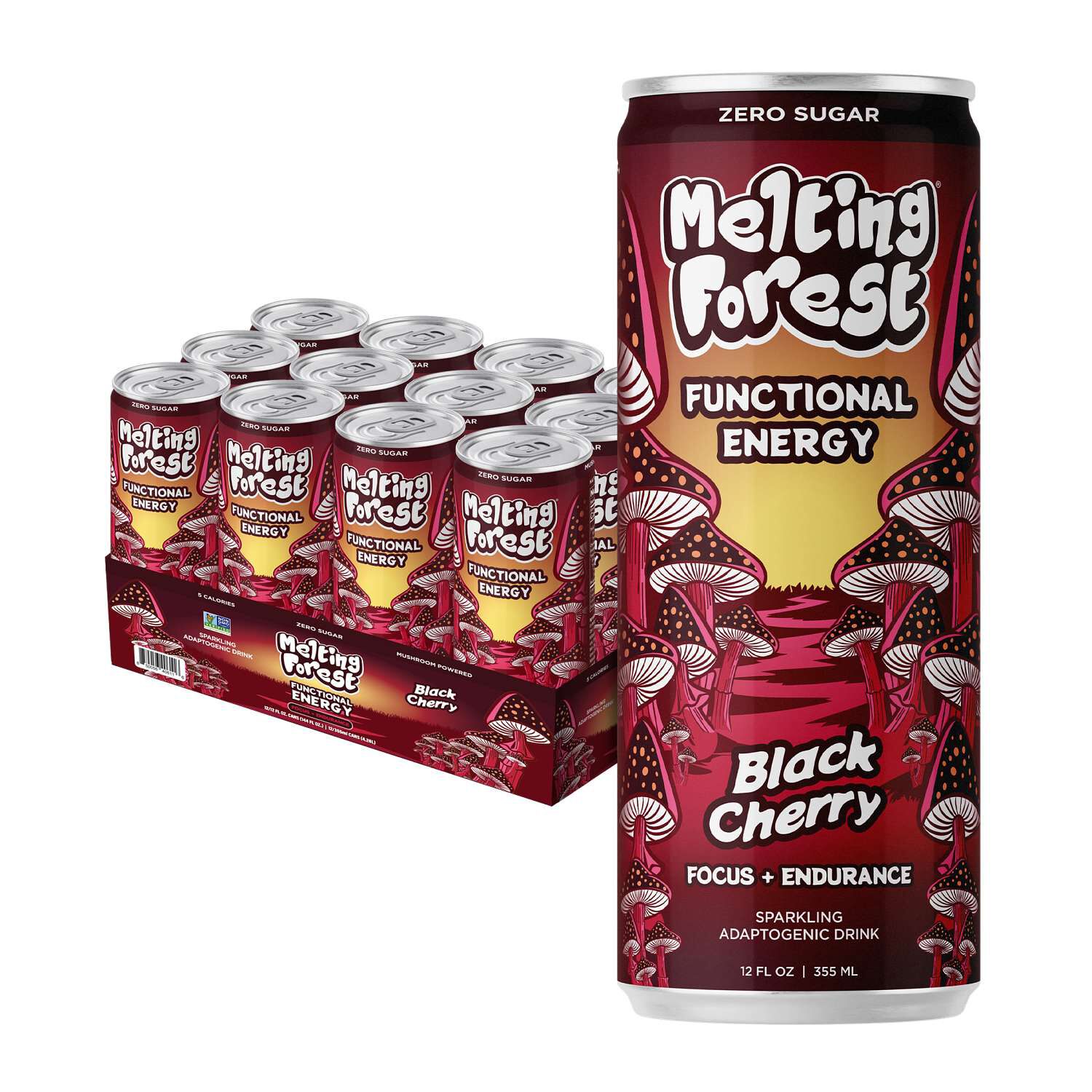 Melting Forest$39.99
-
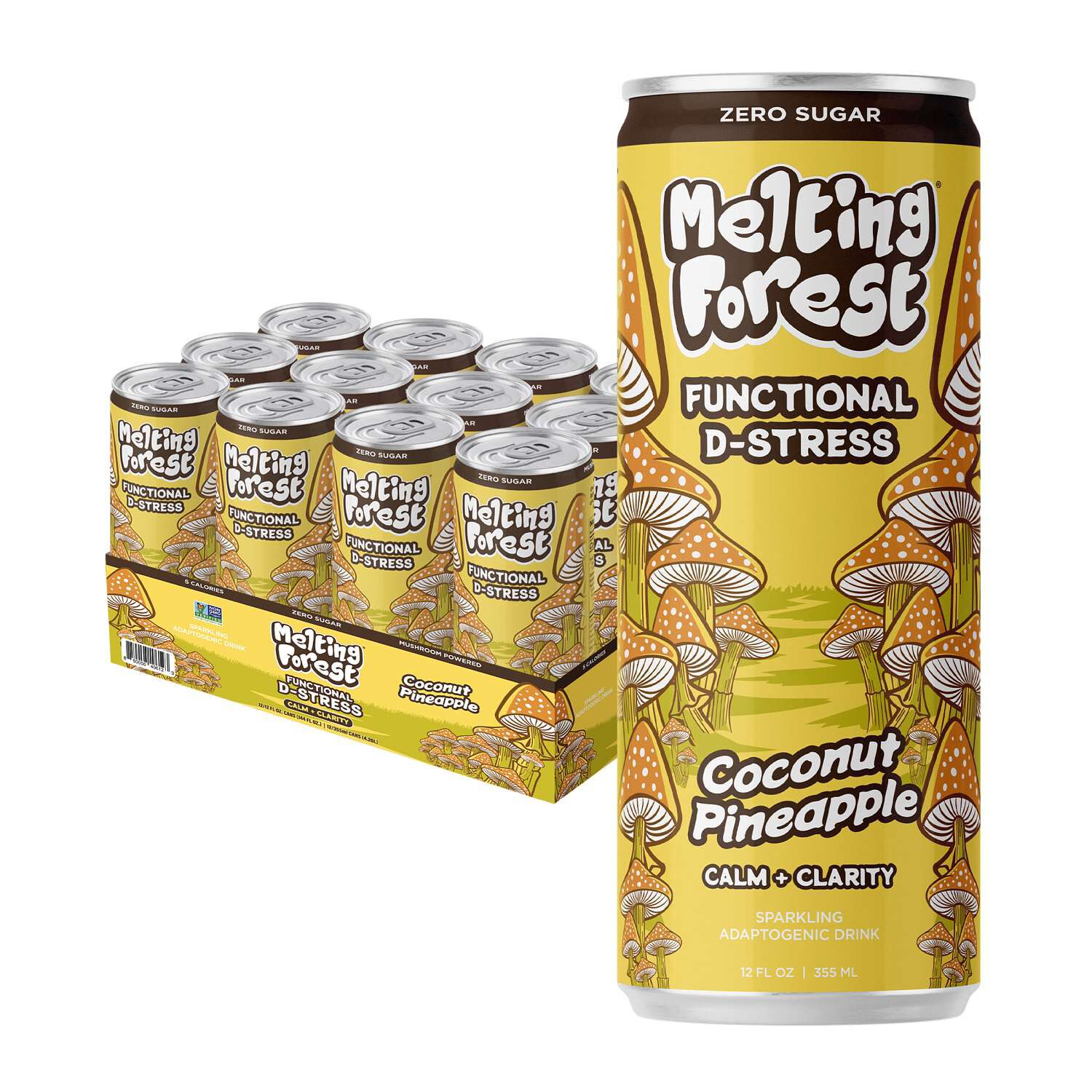 $39.99
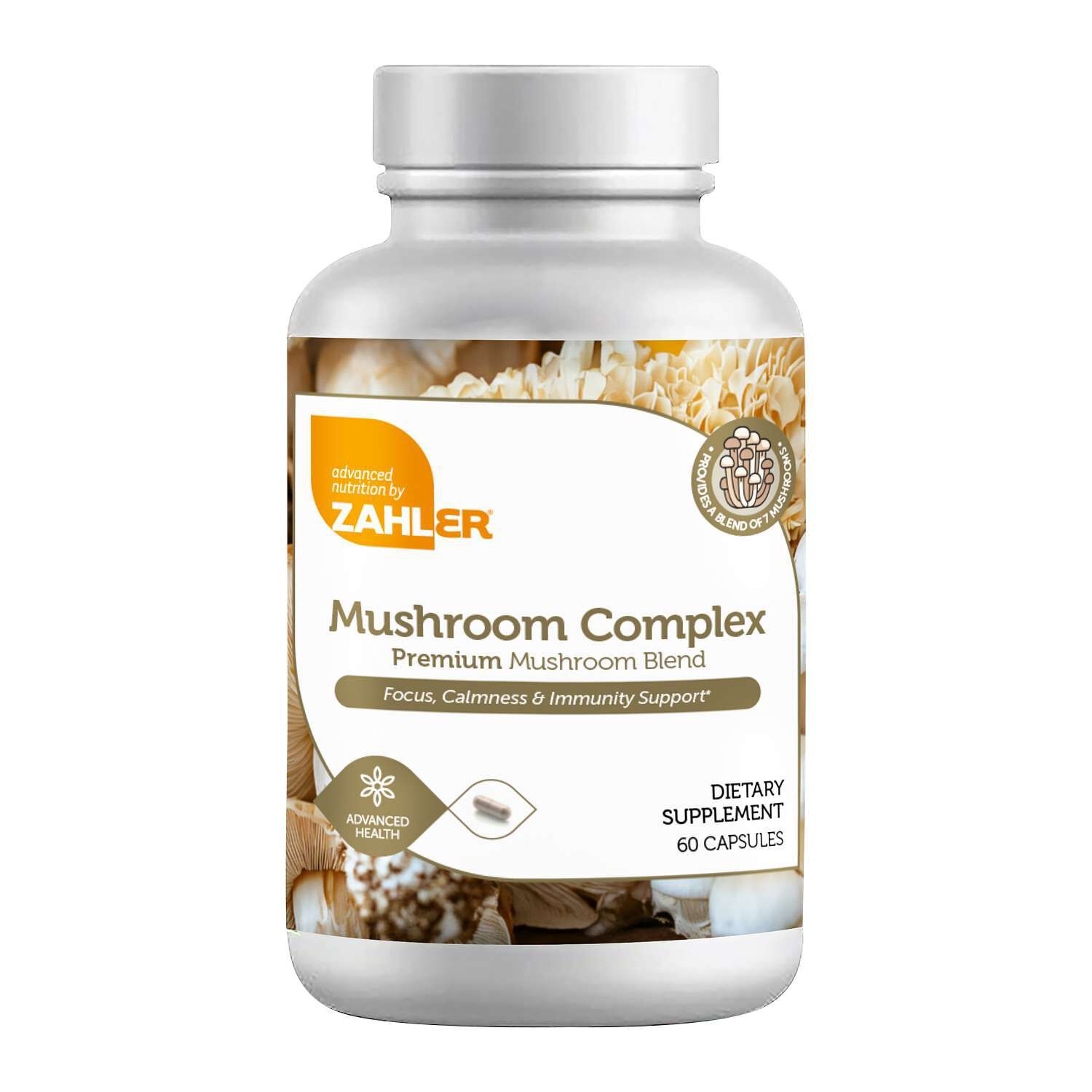
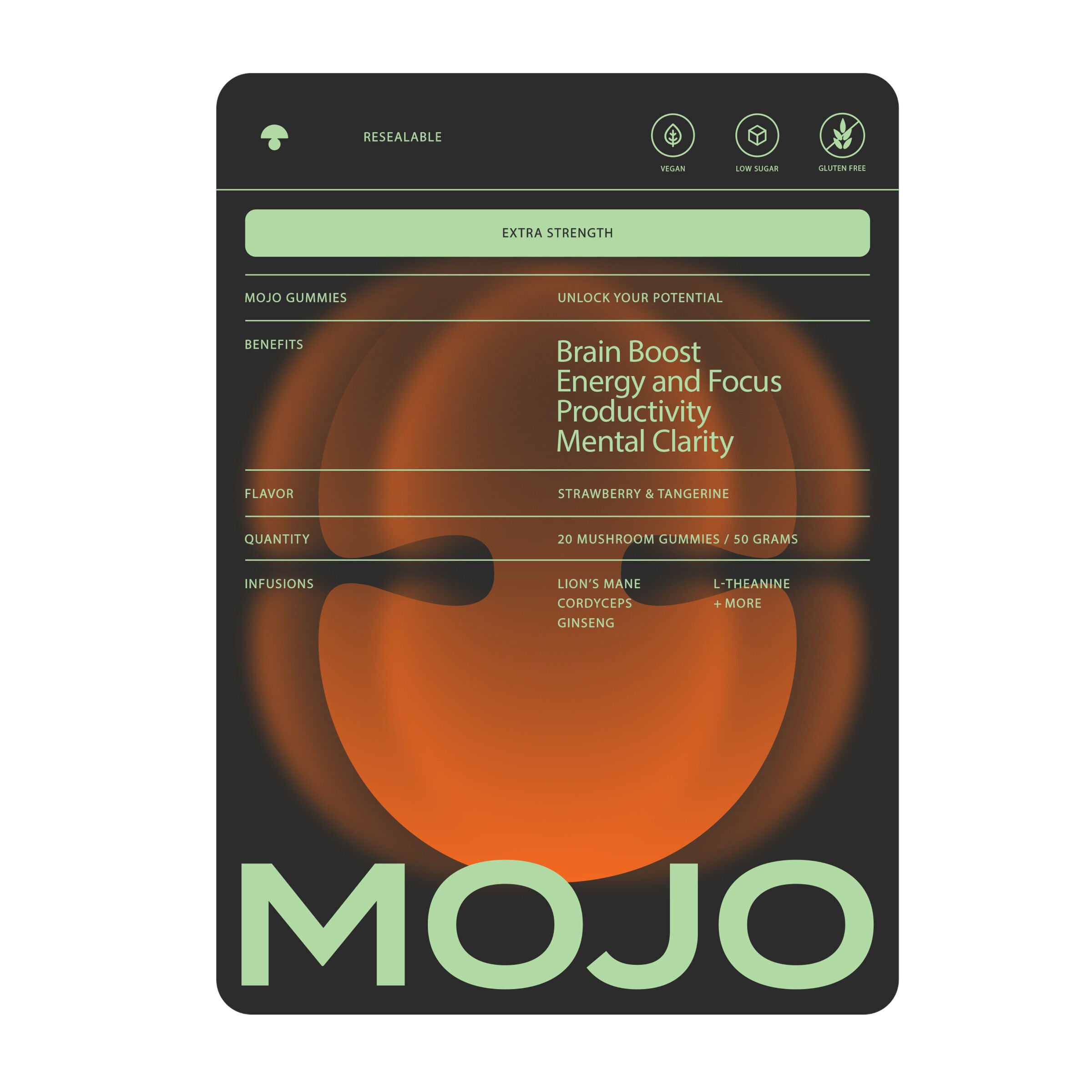

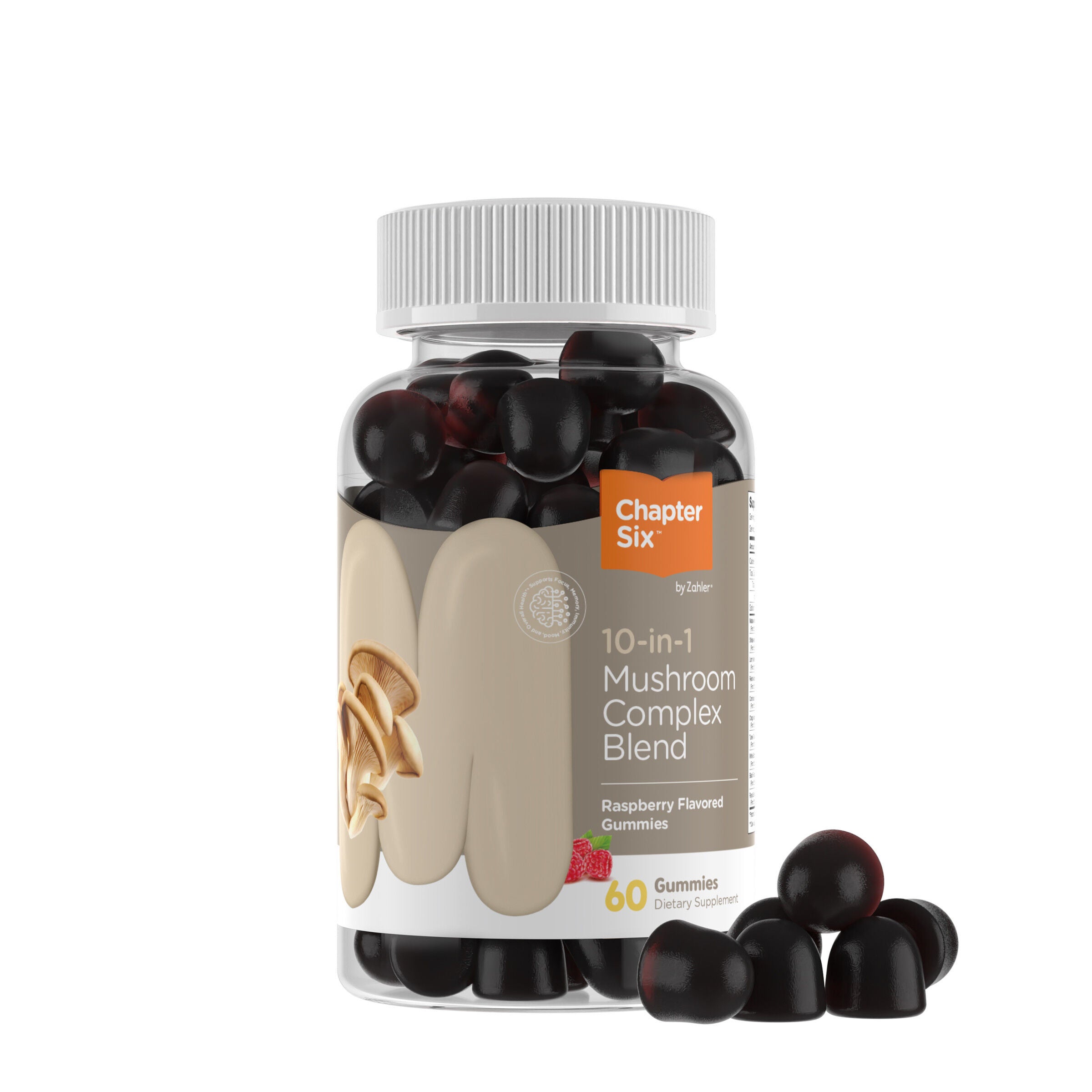
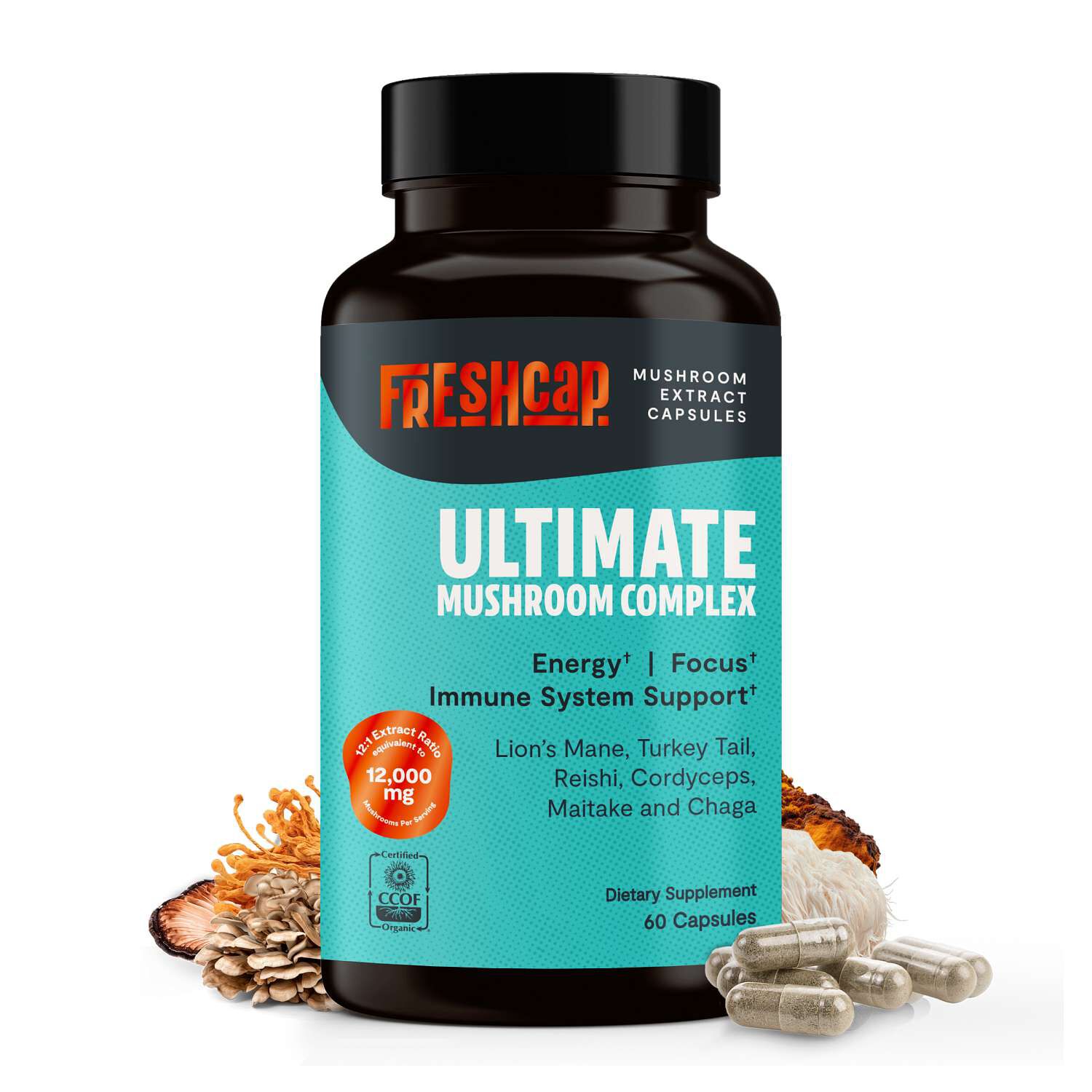
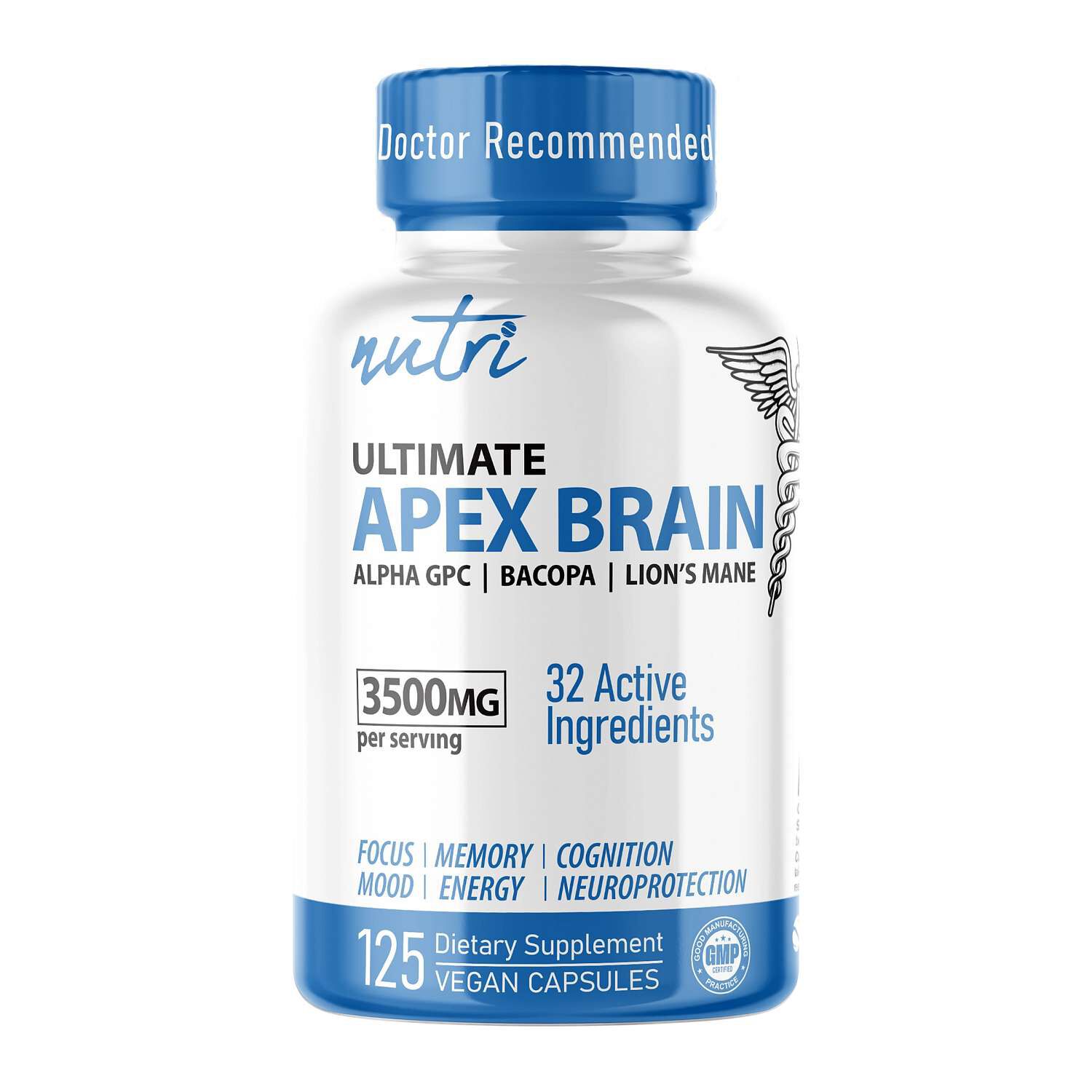
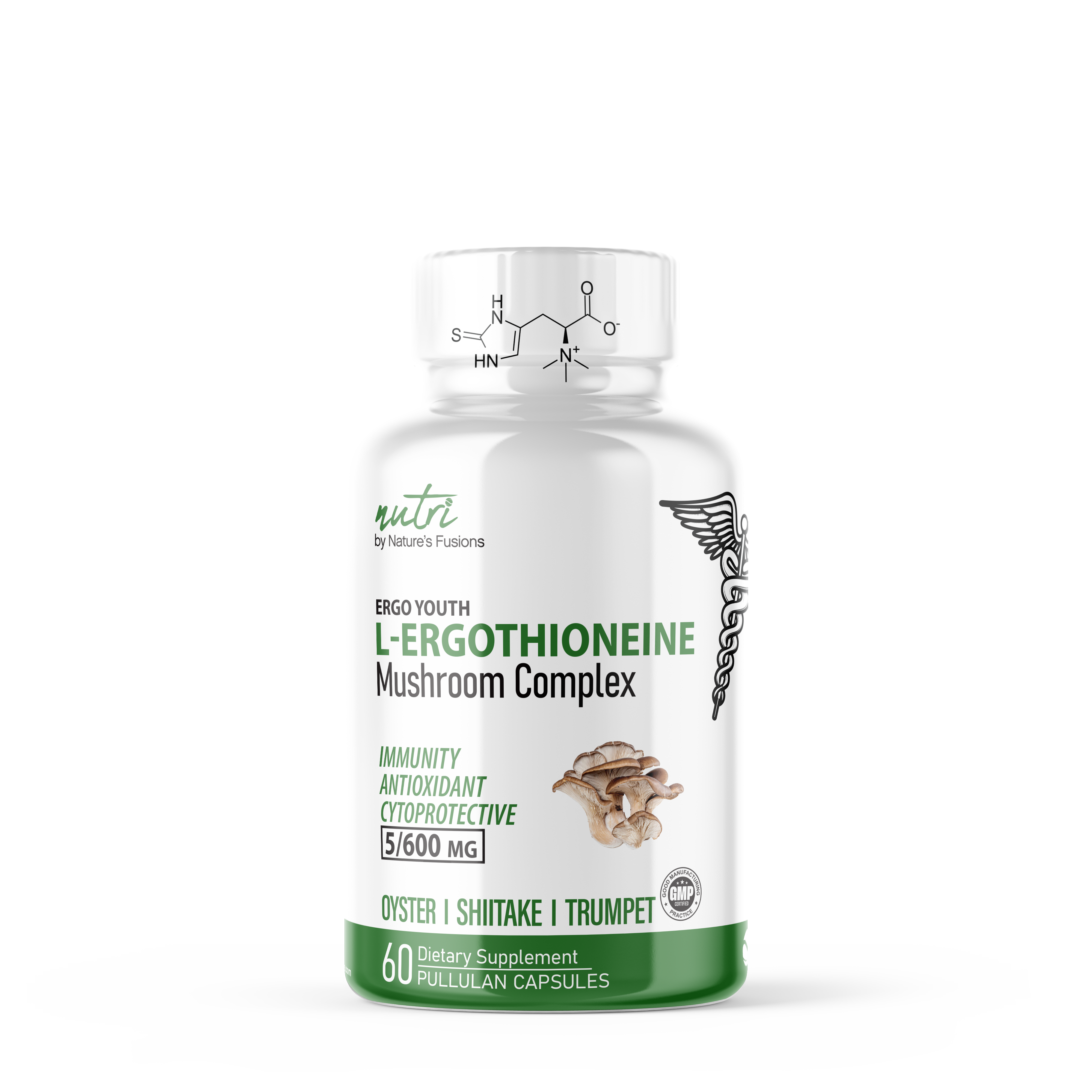
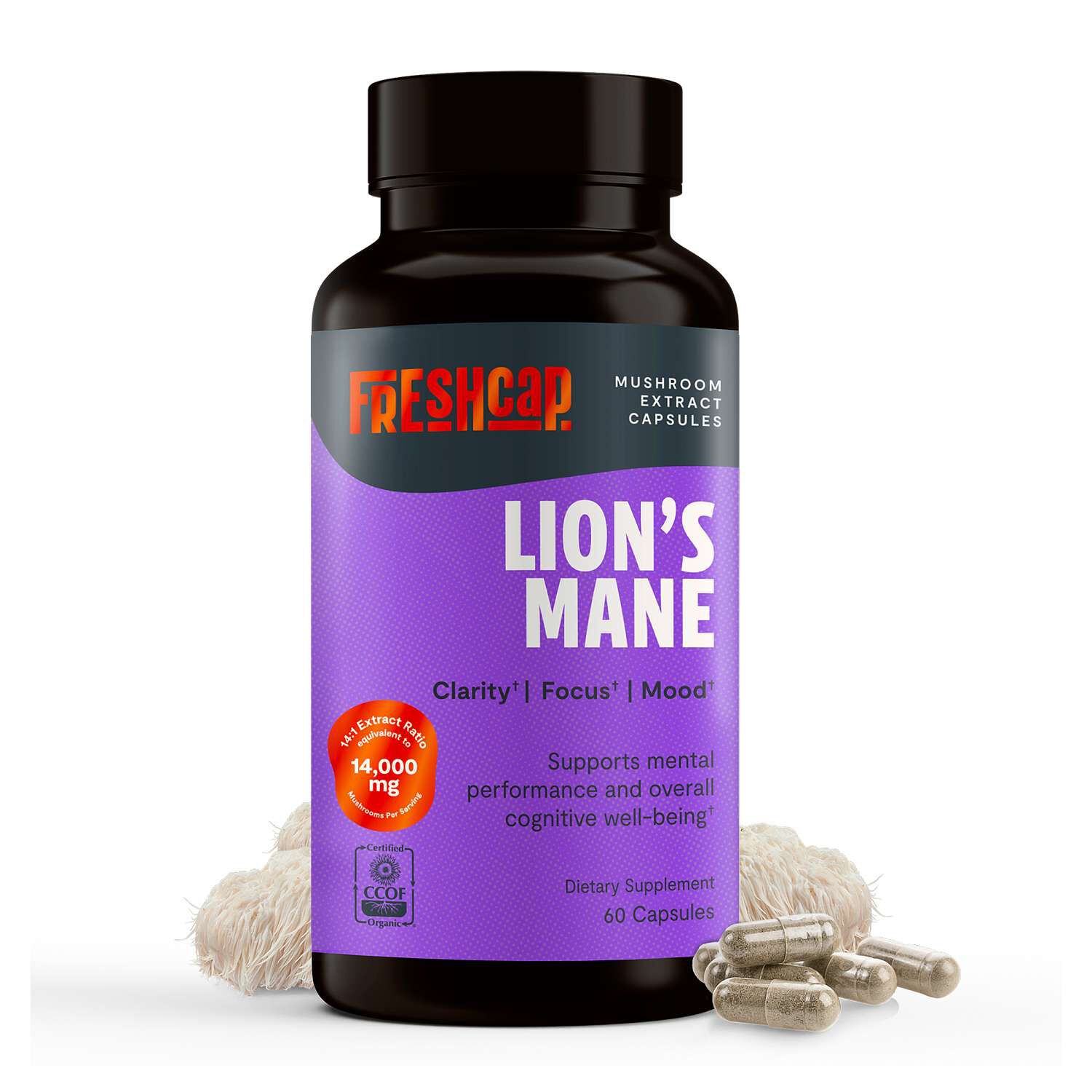
Keto friendly mushroom blends for adults bring mushroom ingredients into formats such as powders, drink mixes, and capsules, with carbohydrate content that deserves a closer look at the label. For someone following a keto eating pattern, the most relevant details are carbohydrates per serving, added sugars, serving size, and the ingredients accompanying the mushrooms. A mushroom blend is not automatically a match for a low-carbohydrate routine simply because mushrooms appear prominently on the package. Sweeteners, grain ingredients, creamers, and flavoring mixtures can change its nutritional profile, and a powder intended for a small scoop differs from a mix designed to make a full beverage. Unsweetened options with clearly stated carbohydrate information provide a straightforward starting point for comparison. If a label lists net carbohydrates, the calculation matters alongside the Nutrition Facts or Supplement Facts panel; different brands may present that figure differently. Mushroom varieties commonly used in this category include lion’s mane, reishi, cordyceps, maitake, and turkey tail, either alone or combined in a blend. Those names describe ingredients, not an assurance of a particular experience or a reason to overlook the rest of the formula. Labels may also distinguish between fruiting bodies, mycelium, whole mushroom powder, and extracts. The fruiting body is the mushroom’s reproductive structure, while mycelium is its network of threadlike growth. Whole mushroom powders and extracts involve different processing methods, so equal serving weights do not necessarily represent equivalent formulations. Where grain-based growing material is included, its presence is another detail worth understanding rather than assuming the blend consists only of mushrooms. Organic certification describes production standards, not carbohydrate content. Likewise, words such as natural do not establish whether a formula fits someone’s preferred daily carbohydrate allowance. Clear ingredient descriptions, transparent serving information, and an adult-use designation provide more useful context than broad front-label language alone. These details help distinguish mushroom supplements from fresh culinary mushrooms, which belong to a different shopping category and serve a different role in meals.
Format and flavor are important when choosing a mushroom blend that suits an established routine. An unflavored powder may have earthy, woody, or slightly bitter notes, while a cacao or coffee-style blend may offer a more familiar beverage profile. Unflavored does not necessarily mean tasteless, and the mushroom ingredients are only part of the sensory experience: sweeteners, spices, coffee, cocoa, and creamer ingredients also shape the finished drink. For an adult who already enjoys a morning coffee, a beverage-oriented powder may fit naturally alongside that habit, provided its preparation directions and ingredient list suit the intended use. Someone who prefers to keep supplements separate from food may favor capsules instead. Capsule count per serving is worth checking, since one serving does not always mean one capsule. Powders require attention to scoop size, and a rounded kitchen spoon is not necessarily interchangeable with the supplied scoop. Texture varies as well. Some formulations may disperse readily, while others may leave a little sediment or need more stirring. A shaker cup, spoon, or handheld frother may suit different preparations, but the package directions remain the reference for the recommended liquid amount and mixing method. When a powder is intended for beverages or food, the coffee, milk alternative, yogurt, or other base contributes its own carbohydrates. An unsweetened mushroom powder mixed into a sweetened beverage therefore has a different nutritional profile from the same serving stirred into plain water. Ingredients such as coconut-derived fats or medium-chain triglyceride oil appear in some keto-oriented mixes, but their presence alone does not establish suitability for a particular eating pattern. Storage also matters for everyday usability: keep containers securely closed and follow package guidance concerning moisture, sunlight, and storage location. A dry scoop and a clean preparation area help keep moisture and food residue out of the container. Individually portioned packets may be convenient for a desk drawer or travel bag, while a resealable tub may better suit a regular kitchen setup.
Comparing keto friendly mushroom blends is most useful when the comparison stays consistent from one label to the next. Serving weight, servings per container, mushroom species, ingredient amounts, and carbohydrate information all contribute to a clearer picture of what is included. A long list of mushroom names does not reveal how much of each one is present, especially when the formula uses a proprietary blend. Similarly, an extract ratio and an amount measured in milligrams describe different aspects of a product; neither detail should be treated as interchangeable with the other. Some labels identify naturally occurring mushroom components, such as beta-glucans, while others emphasize the weight of the mushroom material. The useful distinction is what the manufacturer actually discloses, rather than assuming that every measurement represents the same thing. Testing information may provide additional context when it identifies what was tested and who performed the testing. For shoppers interested in the broader category, Natural Mushroom Blend Supplements offers a related way to explore mushroom-based supplement formats while keeping individual ingredient and nutrition details in view. Adult shoppers may also want to distinguish mushroom-only formulas from combinations containing coffee, tea, herbs, vitamins, or other added ingredients. A coffee-based mushroom mix may contain caffeine, while a capsule blend may include ingredients that are not apparent from its name. Dietary preferences concerning animal-derived capsule shells, milk ingredients, soy, and sweeteners can further narrow the selection. For a shared household, a clearly labeled container kept in its original packaging preserves access to serving directions, ingredient details, and the best-by date. As a gift, this category is best suited to an adult whose preferences are already known, such as someone who regularly chooses unsweetened drink powders or already enjoys mushroom-based supplements. Flavor, preparation effort, and dietary fit are more personal than packaging alone can suggest. A well-matched choice comes down to a clearly described formula, a manageable serving format, and ingredients that align with the recipient’s established routine.