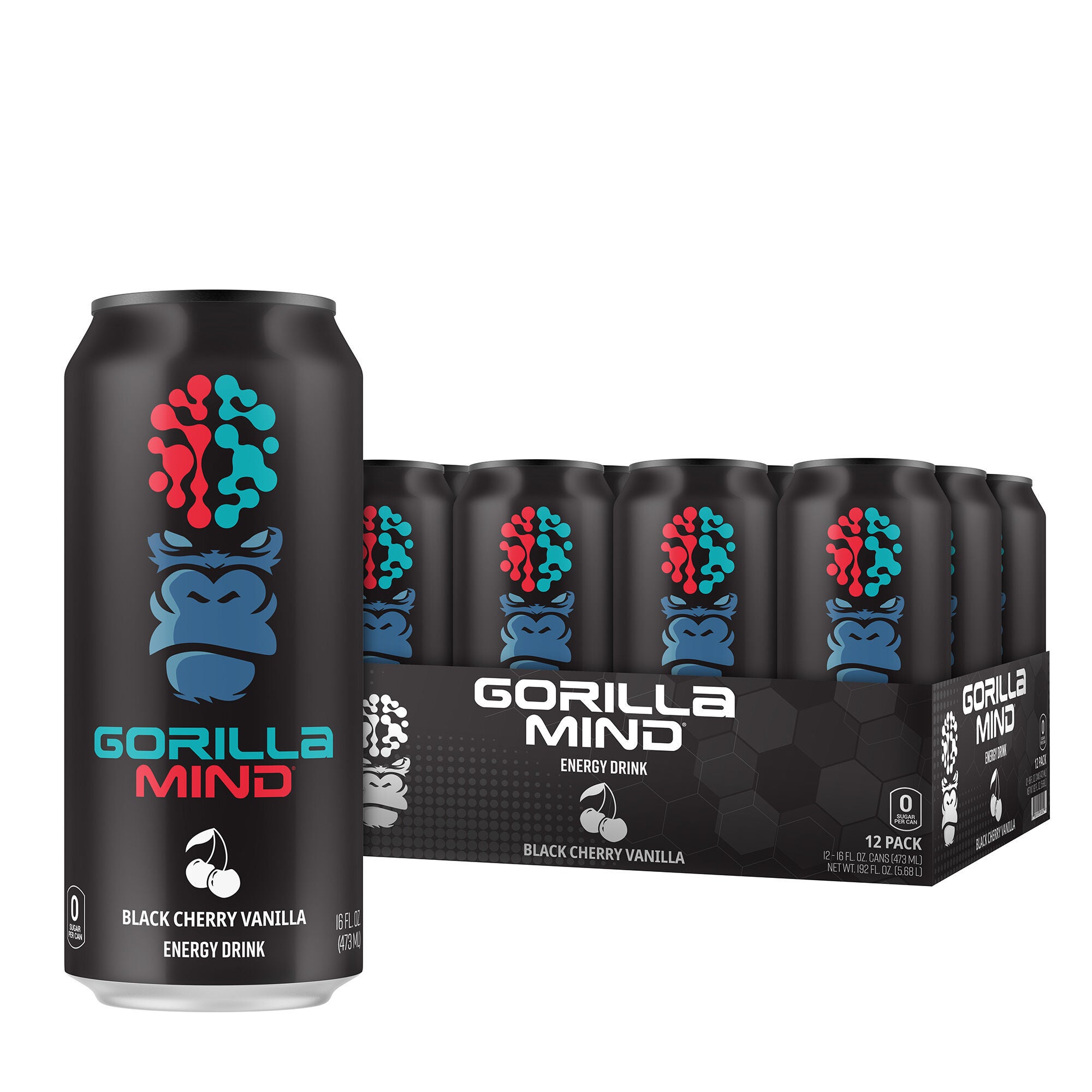
Kosher Energy Drinks
(0 Results)
Looking for a boost of energy that aligns with your dietary preferences? Our Kosher Energy Drinks selection offers a range of invigorating options that are certified kosher, ensuring you can power through your day with confidence. Whether you need a pick-me-up during a busy workday or before hitting a workout, our Kosher Energy Drinks provide a convenient and delicious way to stay energized and focused. Explore our assortment of kosher-certified energy beverages to find your perfect pick-me-up!
-
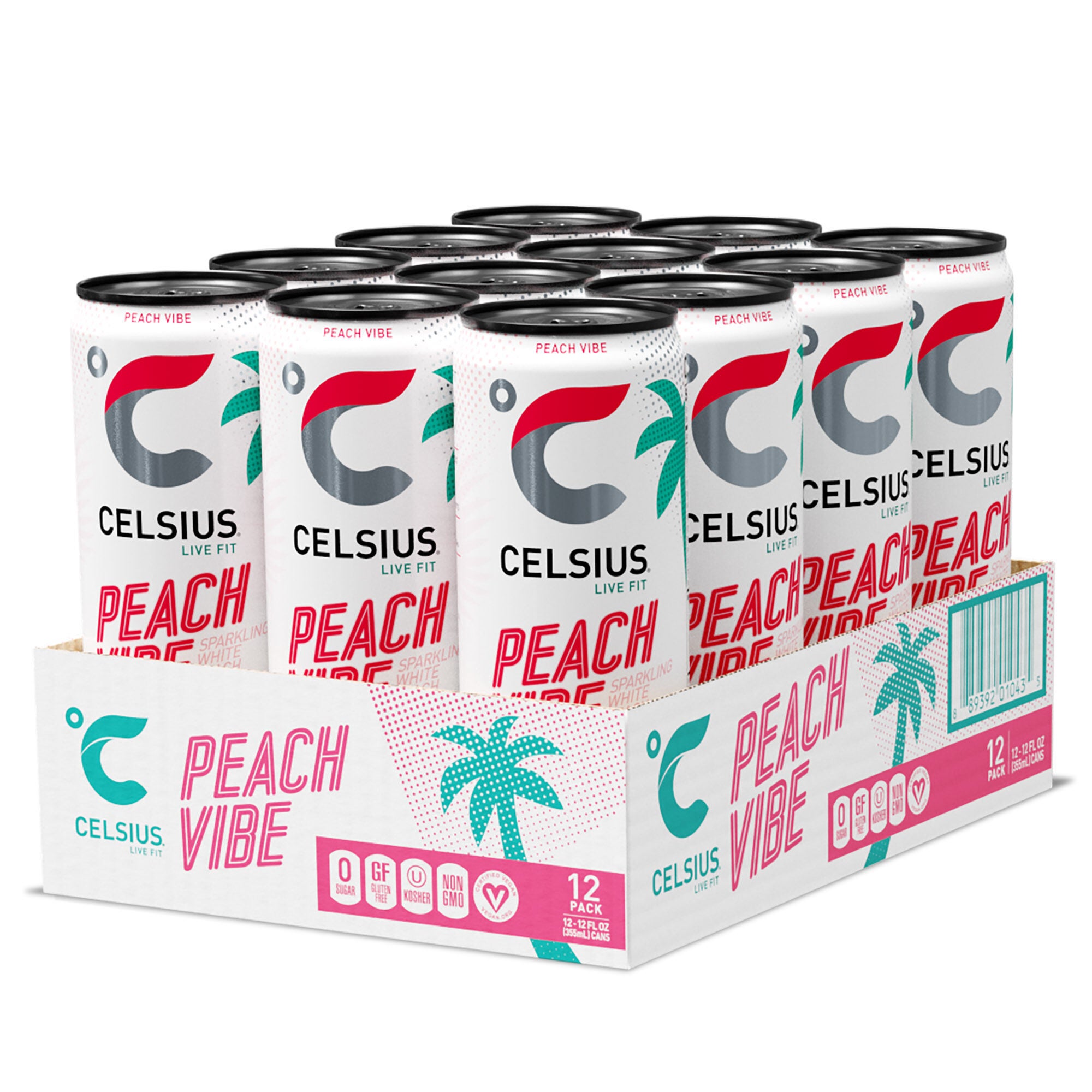
-
 $34.99
-
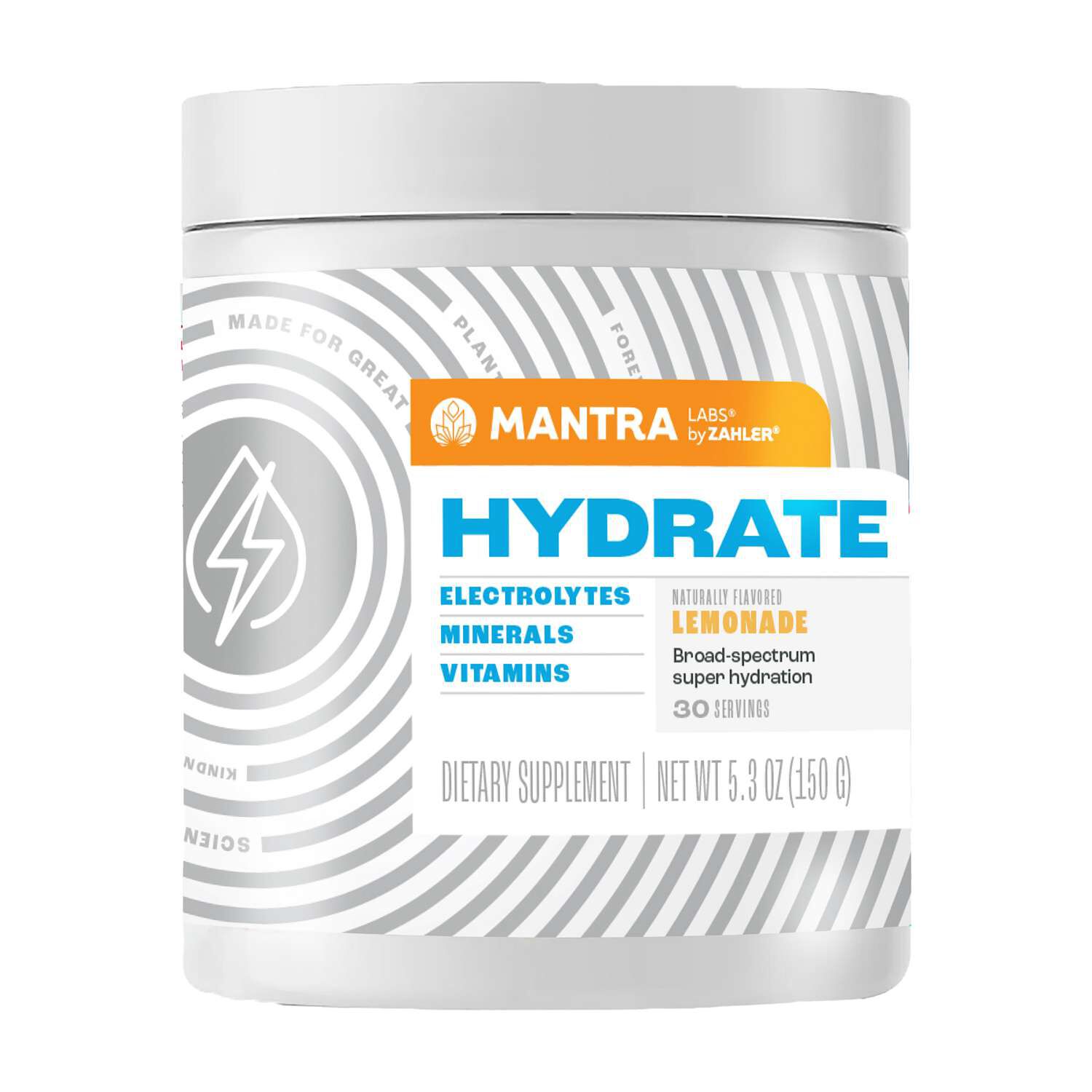 $34.99
-
-
-
-

-

Kosher energy drinks are packaged beverages that combine familiar energy drink formats with kosher certification. In the United States, that certification is typically shown by a symbol from a kosher certifying organization on the can, bottle, or carton. The mark applies to the drink as it’s made and packaged, not just to the ingredients listed on the label. Certification generally takes into account the ingredients, how the beverage is prepared, and the equipment used in production. That distinction matters when two drinks look nearly identical from the front. A fruit flavor and its zero-sugar counterpart may have different formulas, and a package intended for sale in another country may not carry the same certification as the United States version. Even within a single line, the status of one flavor or size doesn’t necessarily carry over to the others. The exact package is the useful point of reference: the mark may be near the ingredient list, along the edge of the label, or elsewhere on the side of the container. An online directory maintained by the certifier may list the exact flavor, format, or region covered, which is useful when the front of the carton doesn’t tell the whole story. For shoppers who follow the guidance of a particular kosher authority, the organization behind the symbol matters as much as the presence of the symbol itself. A designation such as pareve, meaning neither meat nor dairy under kosher rules, may also matter when the drink is going alongside a meal. Some symbols have letters next to them that carry a specific meaning under that organization’s labeling system. Those details are separate from the nutrition information, so a kosher mark doesn’t tell a shopper how sweet the drink is, whether it has bubbles, or how much caffeine is in the container.
Beyond certification, kosher energy drinks differ in flavor, carbonation, sweetness, caffeine content, and serving size. A tart citrus drink with fine bubbles is a different experience from a still fruit drink with a rounder, sweeter finish. Berry flavors can range from tangy to candy-like, and a familiar flavor name doesn’t necessarily reveal how sweet the drink will taste. The ingredient list can show whether the recipe uses sugar, another sweetener, or a combination, while the nutrition panel gives the amounts of sugar and added sugar per serving. A zero-sugar label describes sugar content, not carbonation, caffeine content, or the type of sweetener used. Package size is also an imperfect shortcut for comparing caffeine. A small can and a larger bottle can contain different amounts per serving, and some containers hold more than one labeled serving. When comparing caffeine amounts, the distinction between a figure per serving and one for the entire container is easy to miss, especially on packages that look sized for one sitting. Where the label identifies a caffeine source, that information is separate from the amount. A tea-based ingredient, for example, doesn’t by itself indicate how much caffeine is in the finished drink. The format matters just as much at the point of use. A slim pull-tab can may fit neatly into a crowded lunch bag for a midday break, while a screw-cap bottle can be closed between sips at a desk. Carbonation gives a drink a sharper texture, but an opened fizzy beverage can lose its bubbles while it sits. A still option offers a different mouthfeel for someone who likes a smoother sip. Those differences are worth noticing whether the drink is headed for the office, a long afternoon of errands, or the snack table at a casual get-together.
Packaging and storage also matter when the drinks are bought for more than one occasion. A carton keeps unopened cans together in a pantry, while individual bottles may be easier to stand upright in a narrow space. A snug cup holder or a shallow bag pocket can make the difference between a container that travels comfortably and one that has to be carried by hand. A can’s pull tab and seams should be intact, and a bottle’s seal should be unbroken before opening. The package directions give the best reference for storage before and after opening; a cap that screws back on makes a bottle easier to handle, but doesn’t replace those directions. For a shared fridge or a gathering, keeping the drinks in their original containers leaves the kosher symbol, serving information, and ingredient list visible. The same detail helps when putting together a snack basket for an adult who enjoys caffeinated beverages. A familiar flavor and a certification the recipient recognizes may be more welcome than an assortment chosen only for its colorful labels. When preferences vary across a group, keeping a few distinct flavor profiles together makes it easier to tell a tart citrus option from a sweeter fruit blend without opening either one. For shoppers who are comparing kosher beverage options for a gym bag or a workday, Kosher Hydration Supplements is a related category with a different focus. Hydration supplements may come in formats designed to be mixed with water, while ready-to-drink energy beverages already have their flavor and serving format set in the package. The distinction is practical when deciding between something to mix in a reusable bottle and something to open and sip as packaged. Across either category, the kosher designation belongs to the specific product, and the flavor, format, and label details help determine how it fits the occasion.
Best Sellers
-
 Gorilla Mind
-
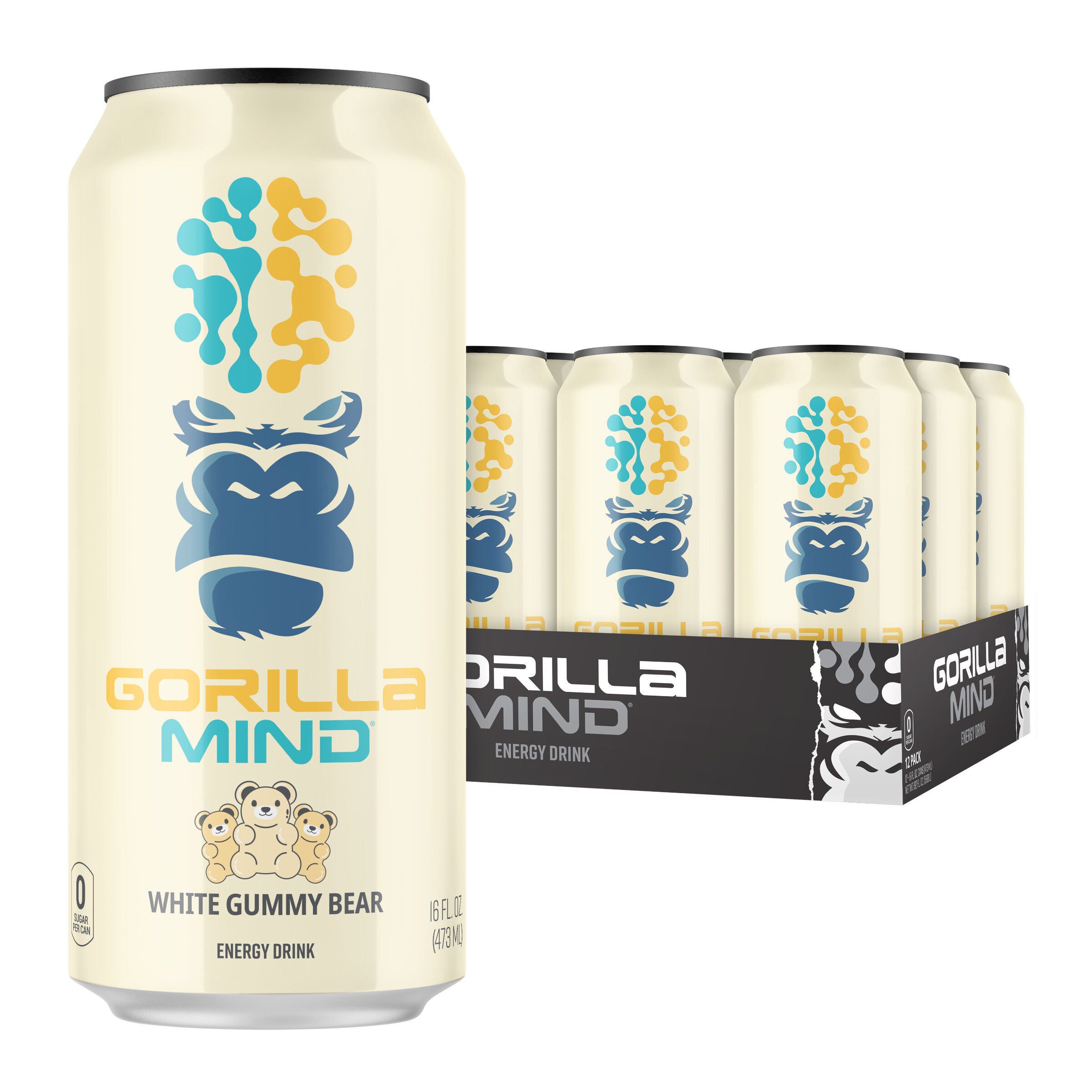 Gorilla Mind
-
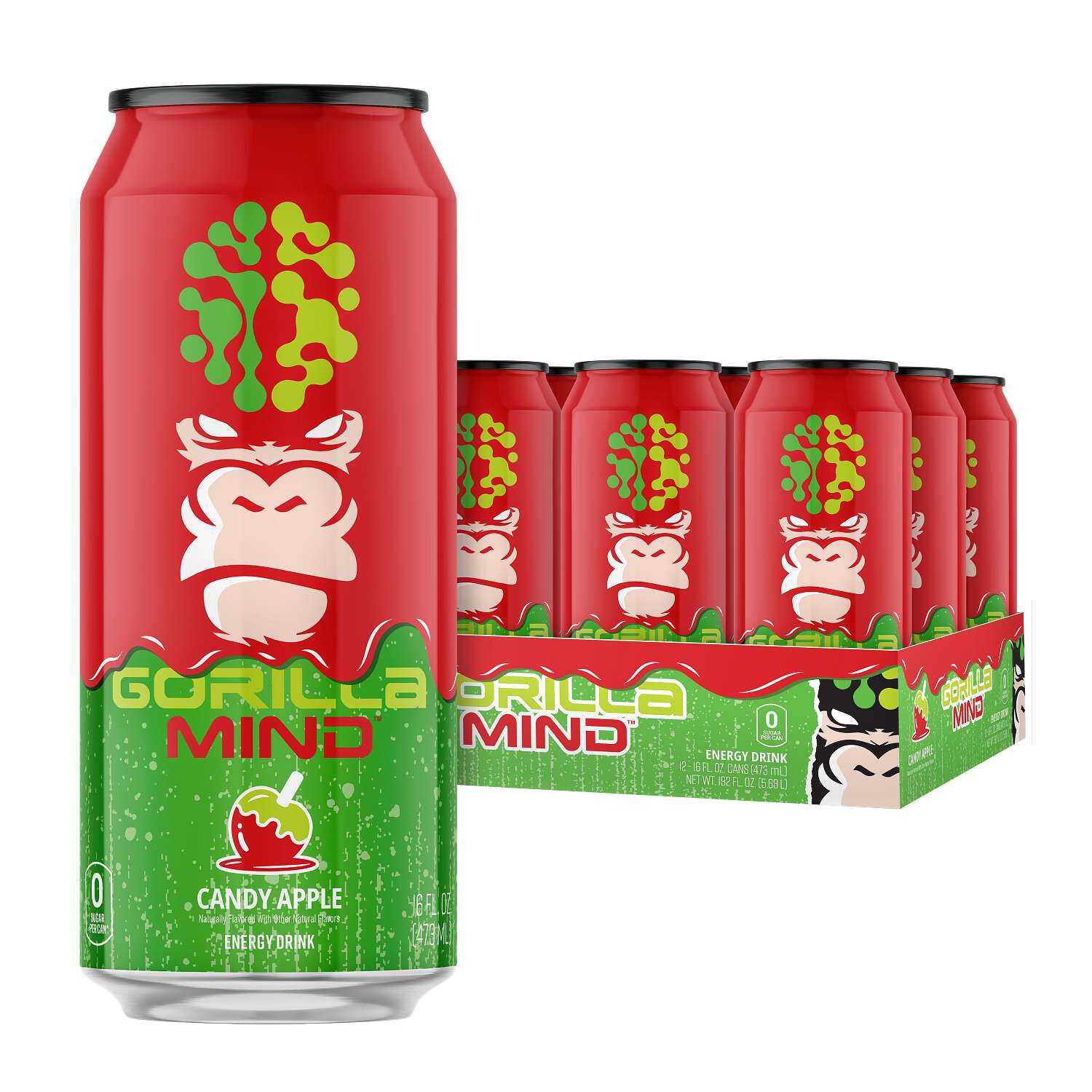 Gorilla Mind